
In a world filled with uncertainty, protecting our most important documents, like property deeds, is essential. When disaster strikes—be it a fire, flood, or even just a misplaced file—having a plan can save you from major headaches down the road. Imagine dealing with the aftermath of a home loss only to realize that proving you own your property is an uphill battle because your deed is gone. This is more common than you might think, and many homeowners find themselves unprepared. In this guide, we’ll explore practical strategies for keeping your property deeds safe and secure, ensuring you’re always one step ahead of potential problems. It’s all about taking the right steps now to avoid bigger issues later.
The Emergency Protection Guide for Property Deed Storage outlines essential strategies for safeguarding your property deeds, such as utilizing fireproof safes, secure online document storage services, and safety deposit boxes at banks. Additionally, the guide emphasizes the importance of creating digital copies of your deeds and considering insurance policies that cover document loss to ensure comprehensive protection against theft or disasters.
Why Protecting Your Deeds Matters
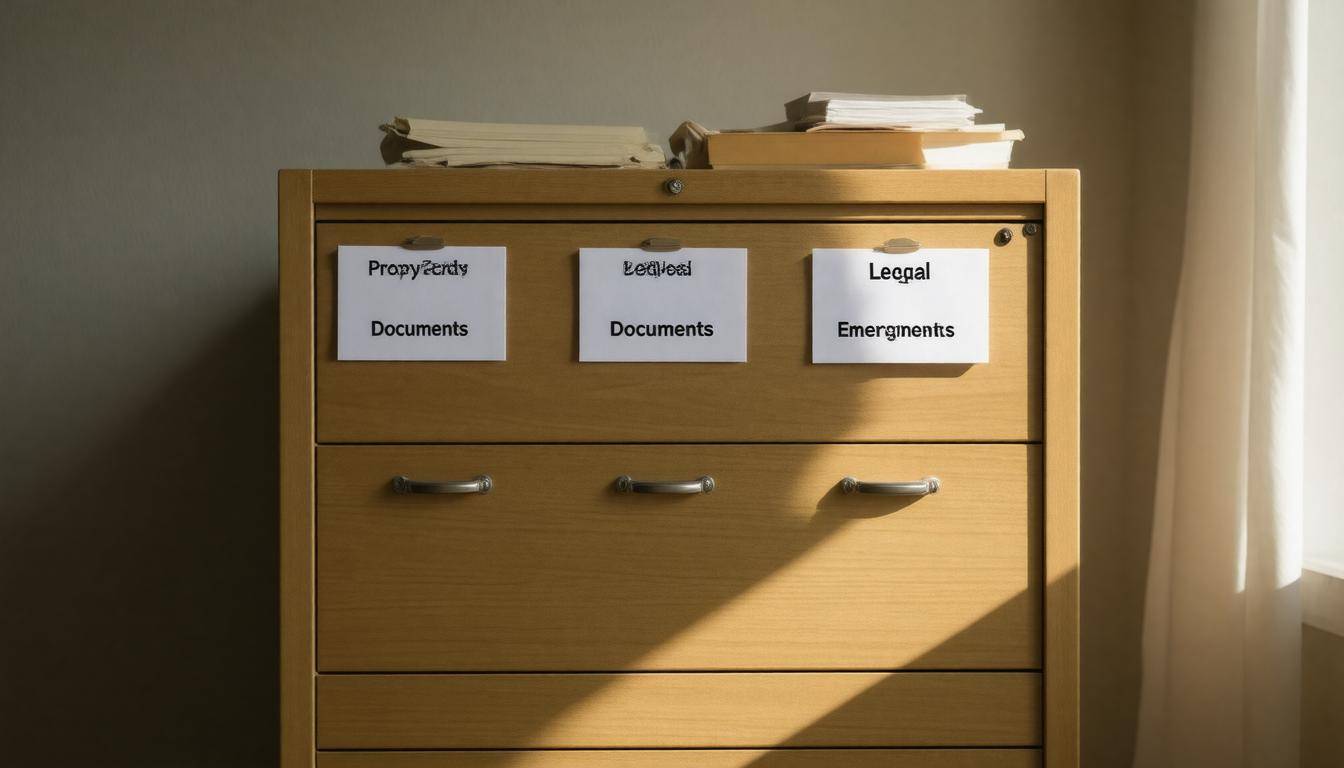
Property deeds act as the cornerstone of ownership, serving as evidence that you are the rightful owner of your home or land. When these vital documents are lost or damaged, the implications go far beyond inconvenience; they can lead to severe legal and financial repercussions. Imagine waking up one day to find that due to a natural disaster, your home is gone, only to realize that without the deed, proving your ownership in front of insurance companies becomes an uphill battle. This scenario is all too real for many homeowners.
In fact, a staggering 70% of homeowners lack secure backup plans for their property deeds, exposing them to unnecessary risks.
Research shows that around 25% of homeowners have experienced a property-related issue—this could be anything from theft to damage from fire or flooding. If deeds are not secured properly, the road to recovery can become even more complex and riddled with hurdles.
Additionally, being proactive about protecting these documents saves you not just time but money too. The average cost of recovering lost property deeds often exceeds $1,500, a heavy price tag that includes legal fees and administrative costs involved in recreating these important documents. By investing in secure storage solutions now—such as fireproof safes, safety deposit boxes at banks, or even secure online document storage services like Dropbox—you can prevent these unnecessary expenses down the line.
Furthermore, securing your property deeds serves another profound purpose: it offers peace of mind during emergencies. Knowing that you have taken steps to safeguard your most important documents allows you to focus on other critical aspects when life throws challenges your way.
With about 40% of individuals reporting the loss of crucial documents during disasters, having a strategy in place not only protects your assets but also facilitates smoother transitions during tough times.
As you consider the importance of safeguarding essential documents, it’s clear that a solid plan is vital in navigating unforeseen circumstances effectively.
Preparing for Emergencies
To protect your property deeds and other essential documents, the first step is to assess potential risks that could affect your area. This involves thoughtful consideration of the natural disasters most likely to occur where you live. For example, if you’re in a coastal region prone to hurricanes or flooding, it’s crucial to implement flood-specific storage solutions—think waterproof containers or perhaps even climate-controlled environments that can withstand moisture. On the other hand, if wildfires are a concern, exploring fireproof storage options becomes paramount.
Once you’ve identified the risks, the next logical step is to assemble an emergency kit that includes copies of your property deeds along with any other vital documents. This kit should be easy to carry in case you have to leave your home quickly. Therefore, choose a compact yet sturdy container—something like a small backpack or portable safe—and keep it in an accessible area of your home. Essential items might include not just your property deeds but also personal identification, insurance policies, and financial documents.
Some homeowners in hurricane-prone areas take this a step further; they place their documents in waterproof containers while others might opt for small, portable fireproof safes designed specifically for this purpose.
Another vital aspect involves creating digital backups of these important documents. Utilizing cloud storage services can be a game changer in emergencies where physical access could be compromised. By scanning or taking high-quality photographs of the originals and storing these files securely online, you ensure a second layer of protection exists independent of physical storage. This not only mitigates loss from unexpected events but provides peace of mind knowing you have access at any time.
Furthermore, reviewing these arrangements regularly is essential. Just as seasons change and plans evolve, so should your emergency preparations. Schedule periodic checks to make sure everything remains intact and organized; a simple stroll through your designated storage area can do wonders for maintaining a calm mindset when that unexpected situation arises.
When thinking about safeguarding your property deeds, remember that the preparation process doesn’t end with merely securing documents; it’s about becoming proactive and remaining vigilant against unforeseen circumstances. As we ponder these considerations further, let’s explore how environmental challenges impact document security and what steps can be taken to safeguard them effectively.
Natural Disasters and Documents
Natural disasters bring numerous risks that can jeopardize vital personal files, including property deeds. Events like floods, wildfires, and earthquakes loom over many regions, making awareness and preparation crucial for shielding these critical documents. For example, floods can lead to massive damage; in the United States alone, they typically result in over $8 billion in property-related losses each year. To combat this threat effectively, storing your deeds in waterproof containers becomes an essential precautionary measure.
Flood Protection
Consider a scenario where a heavy storm unexpectedly brings flash floods into your neighborhood. Without proper planning, documents kept in file cabinets or drawers could be at high risk of damage. Investing in containers specifically designed to withstand water exposure is crucial for protecting your property deeds from such calamities.
Want to ensure that your documents are safeguarded? Store important records in waterproof containers or bags, which secure your originals while also serving as tangible backups should you ever need them again.
Fireproofing Against Wildfires
As wildfires continue to pose significant threats in many areas, it’s wise to think about fire safety concerning your important records. Fireproof safes that can endure temperatures of up to 1700°F for an hour offer enhanced protection against flames, ensuring that even if disaster strikes close to home, your documents remain intact.
For example, when tragic wildfires swept through communities in California a few years ago, countless families lost their homes along with essential documents. Those who had invested in quality fireproof safes found solace in knowing their deeds were preserved amidst chaotic circumstances.
Earthquake Precautions
When it comes to earthquakes, the focus shifts from fire and water damage to structural stability. It’s not uncommon for safes and storage units to topple during severe tremors, putting everything inside at risk. To counter this issue, use earthquake straps to anchor safes securely to walls or solid furniture.
- Secure Safes: Always install earthquake straps that prevent toppling during seismic activity.
- Higher Shelving: For those who may choose not to use a safe, consider storing your important documents on elevated shelves. While they may not guarantee 100% safety from all hazards, higher placements protect against water damage from burst pipes following an earthquake.
According to a study regarding document storage habits, around 30% of households that keep their papers tucked away in attics enjoy protection against groundwater flooding; however, they still run the risk of wildfire devastation.
Implementing effective physical safeguards for your documents sets the stage for additional security measures that relate closely to legal matters surrounding ownership and protection. Exploring these aspects enhances the comprehensive safety of your property deeds.
Legal Safeguards
Legal safeguards are not just mere formalities; they provide crucial protection for your property deeds, ensuring that your ownership is clearly established and easily verifiable. By taking specific steps—like notarization, proper documentation, and recording with county offices—you can fortify your records against potential loss or disputes. These practices add an essential layer of security and reliability.
Notarization and Documentation
One important step in protecting your property deed is to notarize copies of these documents. Notarization serves as an official verification of authenticity; if the originals go missing, you will have a certified copy to refer back to. It’s an assurance that the document has been witnessed by a reliable authority, solidifying your ownership claims. Having notarized copies readily available can save time and headache should you ever need them in legal discussions or transactions.
County Records
Recording your deeds with the county is another key component in securing your property rights, providing an archival backup for future needs. Most counties have implemented digital systems where scanned copies of recorded deeds are stored, making access more convenient than ever. While it’s common for recording fees to range from $10 to $50 per page, consider this a small investment for peace of mind associated with legally recognized documentation.
“It’s advisable to have your deed recorded with your local authorities, as they can provide certified copies in emergencies,” says John Mitchell, a property lawyer. His insight emphasizes the importance of good legal practices in document management.
Having your deed properly documented means that if there are any questions regarding land ownership—such as boundary disputes or inheritance claims—you would possess clear evidence of ownership backed by local authorities. This also supports cohesion within communities by establishing clear records everyone can refer back to when needed, safeguarding all parties involved.
When it comes to physical documents, selecting the right storage options becomes essential for minimizing risks related to loss or damage while maintaining easy accessibility.
Storage Solutions
When it comes to safeguarding your property deeds, selecting the right storage method is essential. These documents represent your legal rights and financial investments in your property. Utilizing effective storage solutions can ensure that during unforeseen emergencies like fires or floods, your deeds remain intact and accessible.
Fireproof Safes
Fireproof safes are engineered to endure extreme temperatures, offering significant protection against fire damage. These safes typically have a fire rating that indicates how long they can maintain an internal temperature below a certain level, often for up to one hour in the face of flames that can soar above 1,700°F (927°C). Such durability allows homeowners peace of mind knowing their important documents are secure.
Investing in a quality fireproof safe is not just about adhering to best practices; it’s also about ensuring that you have access to key documents when you need them most.
A good rule of thumb is to look for a model with at least a one-hour fire rating. Popular brands like SentrySafe and Honeywell have built a reputation for reliability and durability, making them trustworthy options for anyone considering investing in a fireproof safe.
Waterproof Containers
Waterproof containers provide an essential layer of security against water damage. However, securing your documents within these containers requires diligence; they must be built to withstand submersion and be completely airtight to prevent any moisture seepage.
Wise choices include containers from brands like Rubbermaid or IRIS USA, known for their robustness and reliability in defending against water infiltration. Using waterproof storage ensures that even if there’s flooding or accidental spills, your crucial documents remain unharmed.
Interestingly, recent surveys indicate that approximately 70% of property owners now use specialized storage containers to protect their deeds. This number showcases a growing awareness among homeowners regarding the importance of document safety while suggesting there is still room for increased vigilance when it comes to securing vital records.
| Storage Method | Protection Level | Recommended Brands |
|---|---|---|
| Fireproof Safes | High (Fire Damage) | SentrySafe, Honeywell |
| Waterproof Boxes | High (Water Damage) | Rubbermaid, IRIS USA |
| Safety Deposit Box | Ultimate | Available at most major banks |
Among the many options available, using safety deposit boxes presents one of the most secure physical storage methods for critical documentation such as property deeds. As we explore this option further, understanding their benefits and practicalities will enhance your overall strategy for securing important papers.
Safe Deposit Boxes
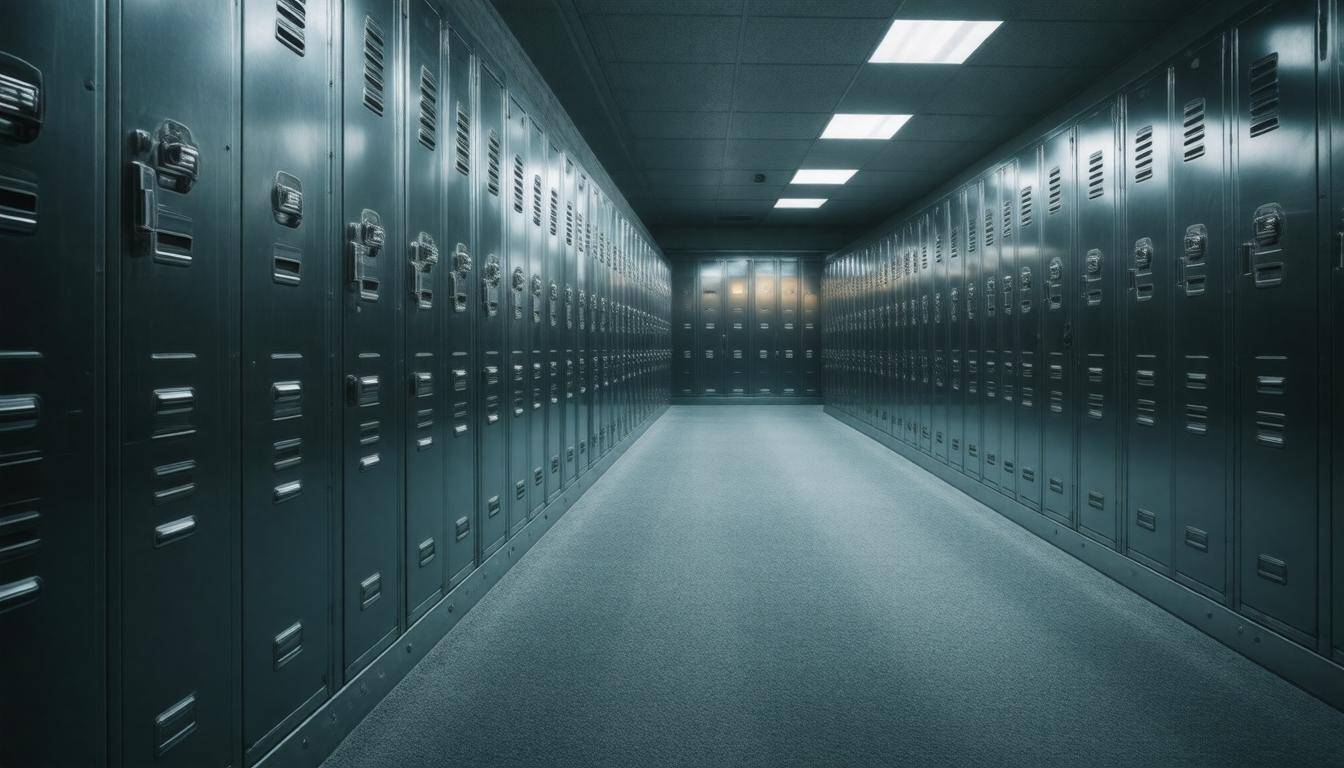
Safe deposit boxes are physical containers housed within banks, designed to offer unparalleled security for items of significant value, including property deeds. For many people, peace of mind comes from knowing that their most crucial documents are safeguarded against theft or disasters like fire and flooding. Unlike storing documents at home, where they might fall victim to a break-in or natural calamity, safe deposit boxes provide a controlled environment, often with access limited to bank hours.
How to Rent a Safe Deposit Box
Renting a safe deposit box is a straightforward process. Begin by visiting your local bank to inquire about availability and pricing options. Most banks will have a range of sizes available, which can affect the annual rental fee. Typically, you can expect fees to vary from $30 to $300 per year, depending on both the size of the box and the specific bank’s pricing policies. I recommend making a few calls or visits—banks like Wells Fargo, Chase, and Bank of America are well-known for offering this service. Some may even have waiting lists for larger boxes, so it’s good to plan ahead if your needs require something more spacious.
Before renting a box, ask about terms and conditions because access times vary by institution, and you want to ensure that you can retrieve your documents when you need them.
What to Store
Besides property deeds—arguably one of the most important documents you could store—you can also safeguard other critical papers in your safe deposit box. Think about saving essential items such as wills, birth certificates, tax records, financial statements, and even family heirlooms like jewelry or collectibles. This consolidation not only keeps valuables secure but ensures they are all housed in one reliable location for easy retrieval during emergencies.
Here’s a quick overview of items you might consider storing:
- Property deeds
- Wills and trusts
- Birth and marriage certificates
- Tax returns
- Stock certificates
- Heirloom jewelry
Additional Considerations
It’s wise to remember that while safe deposit boxes offer impressive protection against physical threats, they don’t replace homeowners’ insurance or specialized insurance policies for high-value contents. Therefore, checking with your insurance provider about coverage for items stored in a safe deposit box is essential. Many banks even provide coverage up to $250,000 for items locked away within their vaults.
Lastly, always keep track of what you store in your safe deposit box and who has access to it. A simple log noting the items contained within can save time later—especially during moments of stress when quick access is necessary.
Having examined the various aspects of secure storage through safe deposit boxes, we now turn our focus toward exploring modern solutions that enhance how your vital documents can be kept safe.
Digital Storage Options

In today’s world, where technology is woven into every aspect of our lives, safeguarding important documents like property deeds has never been more straightforward. By embracing digital storage, you can store electronic copies that protect against physical damage and ensure quick access when needed. This is particularly vital in emergencies, where retrieving a physical document could be time-consuming or even impossible due to unforeseen events.
Cloud Storage Services
Take advantage of popular cloud storage services such as Google Drive, Dropbox, and Microsoft OneDrive. Each platform offers robust encryption features to keep your files secure from prying eyes. However, it’s crucial to go beyond just relying on the platform’s built-in measures. Make sure you use strong passwords that are difficult to guess, employ two-factor authentication for added security, and regularly review your privacy settings. A strong password might include a mix of uppercase and lowercase letters, numbers, and special characters—a little complexity goes a long way!
By opting for these service providers, not only do you gain secure access to your documents from multiple devices—be it your laptop or smartphone—but you also benefit from automatic backups that prevent loss in case of device malfunctions. Imagine having peace of mind knowing that your important deeds won’t vanish if your hardware fails.
Encrypted USB Drives
For those who prefer a tangible backup solution, encrypted USB drives serve as a highly secure option for storing digital copies of crucial documents. Brands like Kingston offer various models equipped with built-in security features that guard your data against unauthorized access. These drives are small enough to fit on a keychain yet potent enough to hold your most valuable papers securely.
Using an encrypted USB drive means you can store sensitive information safely while ensuring you maintain control over where that data resides. As an extra layer of precaution, always encrypt files before transferring them onto the drive; this provides additional protection should the physical device fall into the wrong hands.
Interestingly, a 2025 survey revealed that 45% of homeowners utilized cloud storage for their important documents, but only 20% had actually taken the step to encrypt those backups. This indicates a significant gap in digital security practices among users, highlighting the importance of being vigilant about your data safety.
As we move forward, consider how implementing effective backup strategies can bolster the security of your property deeds even further.
Creating Backup Copies
The importance of having backup copies cannot be overstated; they act as a safety net when the unexpected occurs. Imagine waking up one day only to realize that your essential documents, including your property deed, have been damaged or lost in a fire or flood. Wouldn’t you wish you had a backup? Creating both physical and digital copies helps ensure that even if one set is compromised, another is still safe and accessible.
Photocopying Paper Deeds
One effective way to create backups is by making photocopies of your original property deeds. This straightforward method allows you to distribute these copies to trusted family members or friends’ homes. By spreading them across different locations, you minimize the risk of all copies being lost simultaneously due to a disaster affecting a single area.
For maximum security, consider using high-quality paper and ink for your photocopies to ensure clarity in critical details. Additionally, it’s advisable to store these copies in a fireproof safe within each location to further protect them from potential damage.
Scanning and Digitizing
Having both physical photocopies and digital records adds another layer of redundancy. Scanning your documents is an excellent way to create digital backups. Use a scanner with high-resolution settings to preserve every detail of the document clearly—at least 300 DPI is recommended for text clarity. Save these scanned files in multiple formats like PDF or JPEG, giving you options based on what you need.
Once scanned, it’s crucial to store these digital files securely using professional cloud storage solutions. Platforms such as Google Drive or Dropbox not only allow for easy access but also provide encryption capabilities that safeguard against unauthorized access.
Jane Doe, a crisis management expert, shares insight on this process: “Having both physical and digital copies can provide peace of mind in situations where one’s access to either format is restricted due to unforeseen circumstances.”
In summary, investing time into creating these backup copies is worth every moment spent; they serve as essential protection against loss.
By adopting these comprehensive practices, homeowners can effectively safeguard their property deeds and ensure accessibility during emergencies. Taking proactive steps today can mean the difference between stress and security tomorrow.
How can I protect my property deeds from natural disasters?
To protect your property deeds from natural disasters, consider storing them in a fireproof and waterproof safe at home, and also make digital copies, ideally backed up in a secure cloud storage service. According to FEMA, nearly 40% of small businesses never reopen after a disaster; securing vital documents like property deeds can significantly mitigate potential losses. Additionally, consult with a local records office about off-site storage options for essential documents, providing an extra layer of security against unforeseen events.
What are the best practices for storing property deeds securely?
The best practices for securely storing property deeds include keeping physical copies in a fireproof and waterproof safe, utilizing a secure digital cloud storage service with encryption, and regularly backing up documents. According to a study, over 40% of homeowners do not have secure storage for their important documents, which can lead to significant losses during emergencies or mishaps. Additionally, informing a trusted family member or attorney about the location of these documents ensures they are accessible when needed.
What should I do if my property deed gets lost or destroyed?
If your property deed is lost or destroyed, the first step is to contact your local county recorder’s office to request a copy. Most counties maintain records of property deeds and can provide a certified copy for a small fee. According to the National Association of Realtors, approximately 5% of homeowners lose their important documents, so it’s vital to have a backup plan in place, such as secure digital storage or a safe deposit box. Consider also purchasing title insurance for added protection against potential disputes.
Are there digital options for storing property deeds safely?
Yes, there are several digital options for securely storing property deeds, including cloud storage services that offer encryption and multi-factor authentication for added security. According to a 2023 survey, about 62% of homeowners prefer digital document storage for its convenience and accessibility while ensuring data protection. Additionally, using blockchain technology is gaining traction for immutable and secure records management, providing homeowners with enhanced security against unauthorized changes or losses.
What legal implications arise from improper deed storage?
Improper deed storage can lead to significant legal implications such as loss of ownership rights, disputes over property titles, and difficulties in proving ownership during legal proceedings. In fact, studies suggest that up to 30% of property disputes arise from inadequate documentation or misfiled deeds. When deeds are not securely stored or easily accessible, it increases the risk of fraud, theft, or damage, potentially resulting in costly litigation and financial loss for property owners. Proper deed storage is essential for ensuring that property rights are protected and upheld.