
Public transportation plays a crucial role in our daily lives, connecting us to work, school, and other important places. But what happens when unexpected emergencies arise? With disasters ranging from natural events like hurricanes to man-made crises, understanding how transit systems adapt is vital for everyone who relies on them. In this article, we’ll explore emergency protocols from various regions, revealing how cities prepare their transit networks to keep riders safe and informed during tough times. By looking at real-world examples and innovative solutions, we aim to shed light on what goes on behind the scenes when the usual commute takes a detour into extraordinary circumstances.
The Public Transit Emergency Options: Regional Guide details the emergency protocols, service adjustments, and alternative transport options available during critical situations across different regions. It includes specific guidelines on how transit agencies respond to emergencies, ensuring safety and accessibility for all riders during disruptions or adverse weather conditions.

Emergency Transit Options Across Regions
Many regions across the country proactively prepare for emergencies by developing specialized transportation options that cater to the unique needs of their communities. In areas with high population density, mass transit systems are often the backbone of emergency response strategies. In contrast, suburban or rural regions might depend on local shuttle services or volunteer drivers to assist those in need.
New York City
New York City’s approach to emergency transit options is heavily centered around the subway system, which serves millions of residents and commuters daily. The NYC Metropolitan Transportation Authority (MTA) has a well-rehearsed plan for times of crisis. For example, during hurricane events, the MTA initiates a phased shutdown process that prioritizes passenger safety while safeguarding the infrastructure itself. This method ensures that essential equipment is protected from flooding and wind damage, securing public transport for future use.
In addition to the subway closures, buses are rerouted to higher ground as a precaution. With limited schedules and reduced service during emergencies, communication becomes paramount — riders are informed via digital displays, social media updates, and direct announcements at stations. The city’s familiarity with managing emergencies translates into a robust system designed not only to protect property but also to keep its citizens safe during crises.
Los Angeles
In contrast, Los Angeles adopts a different emergency response strategy driven primarily by its extensive bus network. Here, Metro L.A. features an emergency operations center that serves as the hub for coordination during critical incidents. This center collaborates closely with local hospitals and shelters to guarantee priority transportation for individuals who are most vulnerable—those with disabilities or medical fragility.
One notable feature of Los Angeles’s strategy is the use of “runner” buses on standby. These buses are ready at a moment’s notice to facilitate quick evacuations when needed. By ensuring these vital transportation resources are in place, the city can effectively respond to emergencies without leaving anyone behind.
While both New York City and Los Angeles showcase regional differences in their transit strategies during emergencies, they share a core focus: the safety and well-being of their communities. Each city’s commitment to preparing for various scenarios highlights not only their adaptability but also emphasizes how essential it is to maintain reliable communication channels before, during, and after emergencies.
Building on these strategies in emergency preparedness opens up further insights into how larger transit frameworks operate during crises.
Bus and Metro Networks
Bus and Metro systems serve as lifelines in our urban landscapes, providing essential transportation to millions. However, their significance rises considerably during emergencies when they’re tasked with moving large numbers of people quickly and safely. For example, cities like Tokyo have long recognized the critical role of their metro network during natural disasters. Their strategic emergency preparedness measures—including outfitting each station with essential emergency kits—are a solid reminder of how vital it is for public transit networks to be well-prepared.
Network Flexibility
In preparation for crises, many cities implement designated “safety corridors” that are solely reserved for buses and metro services. These corridors are meticulously planned routes cleared of regular traffic, ensuring that public transport can navigate through emergencies without impediment. This not only facilitates swift evacuations but also provides reliable service during times of heightened demand.
Take London, for instance; its “Red Route” system prioritizes buses when incidents such as terrorist threats occur. Such measures illustrate how transit systems adapt to create safe travel environments, swiftly moving people toward designated shelters or safety zones while minimizing delays caused by congestion.
The need for adaptability extends beyond immediate crises; it requires forward-thinking strategies and pre-planning.
Pre-Planning Essentials
Effective pre-planning can fundamentally enhance a city’s resilience during emergencies. In Cincinnati, initiatives are currently evolving to integrate rapid bus transit options that mimic rail-like speeds while maintaining operational flexibility. This blend allows for quicker response times in emergencies since the infrastructure supports efficient movement, unlike more rigid rail systems that are fixed in place.
One of the best examples of successful pre-planning can be found in Cincinnati’s ongoing development of the Metro Rapid BRT system. This system not only addresses everyday transportation needs but also prepares for unforeseeable events by taking community input into account regarding infrastructure and design.
Consequently, having a plan means having the capability to maintain mobility even under dire circumstances—a vital necessity for any urban area aiming to protect its residents.
Considering these strategies, we now shift our focus to the tools and approaches necessary for navigating unexpected situations effectively.
Planning for Transit Emergencies

Effective planning involves collaboration between transit authorities, local governments, and emergency services. It’s essential that all parties are on the same page to facilitate quick responses during emergencies. Cities with established protocols can better mobilize resources and manage crowded situations effectively. This proactive stance saves time and dramatically improves safety measures in crisis scenarios.
Collaboration Efforts
“The City of Seattle works closely with King County Metro to ensure cohesiveness in their emergency transit plans,” says Jane Doe, a local official. This partnership exemplifies how coordinated efforts significantly bolster readiness. By working together, they share resources, engage in joint training sessions, and develop comprehensive strategies that address potential emergencies.
Cities like San Francisco conduct annual simulations involving coordinated evacuations using city buses and BART trains. The lessons learned from these drills provide invaluable insights into refining protocols and adjusting real-life strategies for unexpected emergencies.
Mechanisms
Cities utilize several key mechanisms to enhance their emergency transit plans:
- Designating emergency bus stops and informing the public about these locations ensures that everyone knows where to go should a situation arise.
- Pre-training volunteers creates a support network during crises; these volunteers assist people—like directing them to safe areas or providing information—when professional emergency responders may be stretched thin.
- Integrating real-time data platforms allows transit authorities to manage rider flow more efficiently and provide timely updates regarding available routes, delays, or changing threats in an evolving situation.
Planning sets the stage for effective response efforts during emergencies. However, when regular transit options become inaccessible, exploring other mobility solutions becomes crucial for maintaining access during critical times.
Alternative Transportation Solutions
During emergencies, relying solely on established public transit might not always be sufficient. This is where alternative modes of transportation step in, providing vital avenues for mobility when crises strike.
The collaboration with rideshare services like Uber and Lyft illustrates a forward-thinking approach to ensuring accessibility during emergencies. For instance, Uber’s partnership with the American Red Cross allows them to offer free or reduced-rate rides to those in need during disasters. Similarly, Lyft has forged agreements for non-emergency medical transfers, ensuring essential services remain available even in critical times.
This collaboration highlights an essential point: the need for public transportation systems to adapt quickly, leveraging existing technology and infrastructure to meet urgent demands.
Another effective alternative transportation method is biking, which can dramatically alleviate congestion during emergencies. Cities like Copenhagen have set this precedence by developing an expansive bicycle network that becomes invaluable in severe weather events or natural disasters. When traditional roads become impassable, temporary bike lanes are established as necessary, allowing residents to navigate their neighborhoods safely and efficiently. Not only does this keep individuals mobile, but it also helps reduce the pressure on other transportation systems that may already be strained.
These innovative solutions underscore a growing recognition that emergency readiness requires flexibility and adaptability in transportation strategies.
Moreover, integrating these alternative methods into comprehensive emergency plans can enhance resilience within a community’s transportation network. For instance, cities could establish partnerships with local businesses to create a fleet of vehicles dedicated to emergency transport. This creates a valuable resource that extends beyond usual public transit capabilities and ensures more people can evacuate or access essential services when needed.
Regular drills and simulations involving these alternative transport solutions can highlight any deficiencies currently present while preparing stakeholders—whether they are transit officials or local citizens—to respond effectively under pressure. Being proactive about emergency preparedness not only streamlines communication during a crisis but also builds trust among community members regarding available options.
It’s important to remember how significant public transit is; as statistics show, nearly 30% of individuals rely on it for their daily commute. Should an emergency disrupt these services, ensuring alternative options are available isn’t just convenient—it’s crucial for maintaining functional communities.
Embracing these diverse transportation solutions will help reinforce the overall integrity of a region’s emergency response efforts.
As we explore the different dimensions of community planning, we’ll now look at how coordinated efforts in evacuation will play a vital role in ensuring safety during emergencies.
Evacuation Coordination and Info
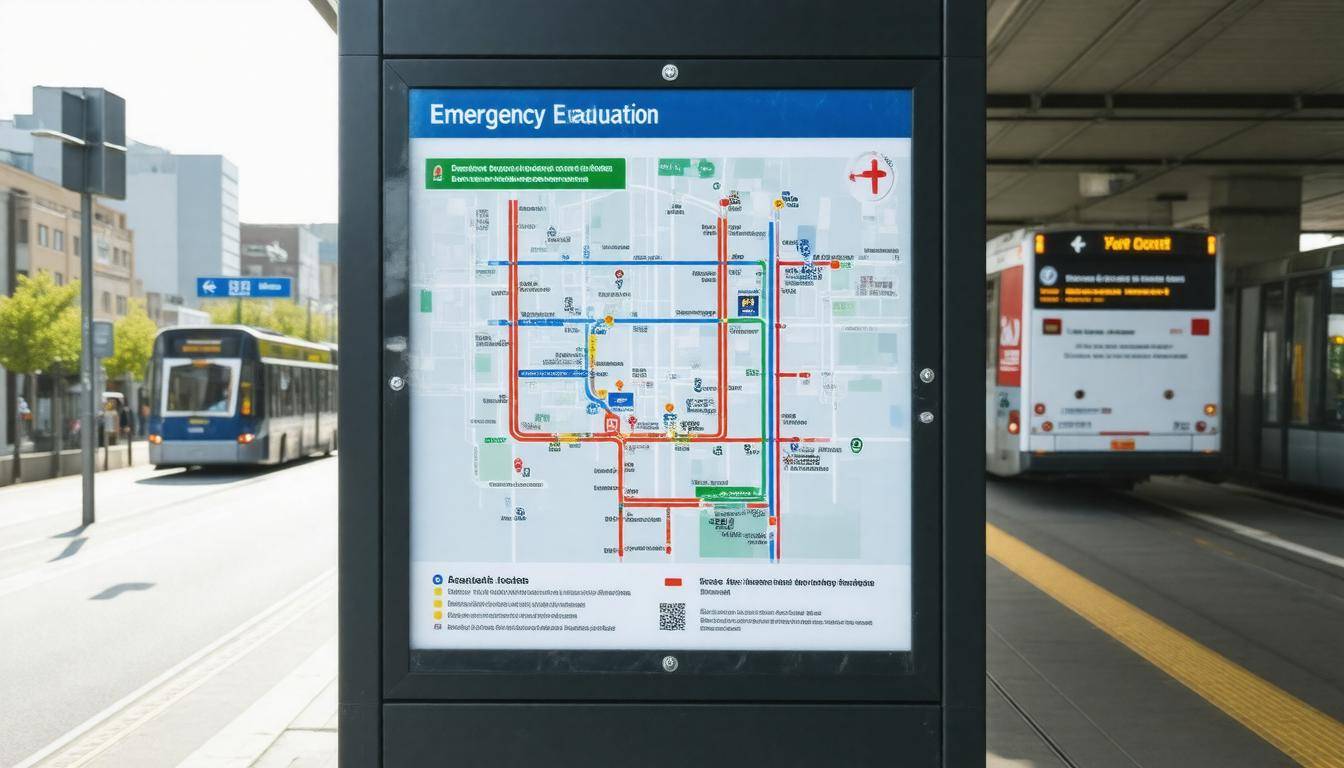
Evacuations are a team effort involving multiple agencies working together for the safety of citizens. During emergencies, it is crucial that people receive accurate information quickly. Think of evacuation coordination as a dance, with each agency taking its part, maintaining rhythm, and ensuring everyone has the right steps to follow. This partnership enhances the chances of a successful evacuation while minimizing panic.
Real-Time Alerts
Consider this: cities equipped with effective early warning systems can reduce evacuation times by up to 40%. This staggering statistic emphasizes why implementing such technologies is essential. Systems like cell broadcast services work tirelessly to send alerts about mandatory evacuations or critical updates. Imagine receiving an alert on your phone while you’re at work or school; these instant updates keep you informed about your area’s situation. Public address systems located in places like subways or bus stations can also share vital information with those who might not have access to a smartphone. It’s not just about disseminating information; it’s about making sure it reaches everyone’s ears.
Centralized Hubs
The coordination effort also extends to creating centralized hubs where evacuees can gather. These hubs serve as command centers during an emergency, providing essential resources and direction.
| City | Evacuation Hub | Function |
|---|---|---|
| New Orleans | Union Passenger Terminal | Hosts evacuees and coordinates outbound rides |
| Houston | George R. Brown Convention Center | Centralized information and resource distribution |
As you can see from the table above, major cities have designated locations ready to assist evacuees. These hubs aren’t just places to wait; they are equipped with critical information, supplies, and personnel who direct families to safety efficiently. By knowing these locations ahead of time, community members can plan their routes during an emergency, alleviating confusion and preventing unnecessary delays in evacuating.
While effective evacuation strategies are vital, it’s equally important to consider how well individuals remain safe and secure during transit. Let’s explore the measures in place to enhance traveler safety throughout their journey.
Transit Safety Protocols
Safety protocols serve as the backbone of emergency transit plans, simplifying the complex process of managing risks in public transportation. The Federal Transit Administration (FTA) emphasizes that consistent training and updates to these protocols are essential for all transit workers. Regular drills, much like those seen in Hong Kong’s MTR system, prepare staff for real emergencies and foster a culture of mindfulness towards safety. This ongoing commitment ensures that users feel secure during critical moments.
Fire Safety
Did you know that London’s Tube has made remarkable advancements by integrating fire retardant materials in station refurbishments? This intelligent move elevates safety standards significantly, providing reassurance to daily commuters. By dedicating time and resources to such upgrades, cities actively protect lives. Fire incidents in enclosed spaces can escalate rapidly; utilizing fire retardant materials minimizes the risk of flames spreading and gives people more time to escape.
Furthermore, having fire drills that engage both staff and passengers makes them familiar with evacuation routes. Statistically, being well-prepared during emotional crisis events reduces panic among individuals. When people understand what to do in case of a fire or similar emergency, they’re less likely to freeze and more likely to act responsibly.
Security Measures
As part of improving transit safety protocols, security measures ramp up during emergencies. Procedures must integrate heightened awareness among staff members during critical times. Implementing metal detectors at key transit hubs is becoming a global standard driven by a keen need for enhanced safety. Imagine stepping onto a train knowing that every precaution has been taken to ensure your protection; it makes all the difference.
As cities adopt cutting-edge technology for security checks, comprehensive data collection plays a crucial role in enhancing future response strategies for threats. For instance, thorough data analytics can pinpoint patterns in security breaches or incidents, informing authorities where to direct their attention proactively rather than reactively.
The interplay between fire safety measures and elevated security protocols establishes an environment where both passengers and employees feel protected. Cities committing to effective safety measures consistently aren’t merely complying with regulations; they’re fostering an atmosphere of trust and accountability that benefits everyone involved in public transit.
With these foundational elements of safety established, let’s examine how local authorities leverage resources and tools to further enhance public transportation infrastructure during emergencies.
Authorities and Resources
When it comes to emergency preparedness within public transit, the landscape is shaped significantly by a blend of established authorities and the resources they provide. Organizations such as the American Public Transportation Association (APTA) stand at the forefront, advocating for robust public transit systems while assisting agencies to navigate various challenges, including those that arise during emergencies. By offering insights into legislative changes and funding opportunities, APTA ensures that transit systems can remain reliable during crises.
Key Authorities
Essential authorities like FEMA (Federal Emergency Management Agency) in the U.S. are critical players when dealing with emergency scenarios. They do more than just offer financial assistance; they craft protocols and frameworks aimed at facilitating effective responses during disasters. For example, FEMA not only aids in disaster recovery but also emphasizes the importance of proactive planning.
In tandem, international agencies such as the Civil Contingencies Secretariat in the UK work similarly to guarantee that guidelines are clear and comprehensive for managing various emergencies.
Regular consultations and collaborations with these organizations bring invaluable knowledge to regional agencies. These partnerships empower local transit authorities to develop customized response strategies that cater specifically to their communities.
Available Resources
Understanding how and where to access available resources can make all the difference during moments of crisis. Websites like Ready.gov provide extensive guides tailored for emergency preparedness, ensuring that families can navigate potential hazards effectively. The Red Cross offers solidified resources too, featuring checklists designed for both home safety and public health emergencies.
Furthermore, leveraging technology can enhance awareness in real time. Applications such as MyShake offer immediate alerts concerning seismic activity, suggesting actionable steps when an earthquake occurs. Staying informed through these platforms allows transit planners and everyday users to make well-informed decisions when seconds count.
This synergy between key authorities and resources lays the groundwork for further exploration into timely updates on disruptions that may affect transit operations.
Staying Updated on Disruptions
Rapid changes in public transit can lead to confusion and frustration, making it crucial for commuters to stay informed about potential service interruptions. One of the primary tools available is notification systems provided by transit authorities.
In a 2024 survey, an impressive 80% of commuters expressed a clear preference for app-based notifications regarding their transit options. Utilizing apps like Transit, Moovit, or even specific applications developed by local transit authorities can significantly enhance your awareness of real-time updates on service changes, delays, or alternative routes.
Picture this: you’re sitting at the bus stop, checking your watch every few seconds, wondering if you’ve missed the bus or if it’s running late. It’s discomforting! With the right apps on your phone, you can transform this scenario into one where you’re confidently informed and ready to reroute in an instant.
Investing a bit of time into downloading these transit apps could be a game-changer. They provide immediate alerts about delays or service changes and offer suggestions for alternative routes—keeping you ahead of the game when disruption strikes.
Social Media Channels
Another effective means of staying informed is leveraging social media channels. Many transit authorities have taken to platforms like Twitter, pushing out real-time alerts related to service disruptions and engaging directly with commuters for feedback. This method allows riders to receive instantaneous information—crucial for managing unforeseen events that may affect travel plans.
Think of it as having a direct line to your transit authority. When something goes awry, they’re just a tweet away from notifying you about what’s happening on your route.
By utilizing these digital platforms efficiently, you gain quick access to information and contribute valuable feedback that can help improve services over time. Adopting these measures empowers commuters to navigate disruptions more effectively while remaining informed about all available options.
In navigating public transit disruptions, incorporating technology into your routine can transform uncertainty into confidence, ensuring smoother travels ahead. Your proactive approach will make all the difference when unexpected changes occur in your daily commute.