
Every day, millions of people live under the looming shadow of volcanoes, often going about their routines with little thought of the potential danger. Puebla, located just 70 kilometers from the active Popocatépetl volcano, is one such place, where breathtaking landscapes can quickly turn perilous. Imagine sipping your morning coffee while the majestic mountain stands tall in the background—until a shift in its behavior ignites a rush of urgency. This article dives into the essential evacuation plan in place for Popocatépetl, outlining key safety measures that help protect residents and ensure their swift response during volcanic emergencies. As we explore how communities prepare for what Mother Nature might throw their way, you’ll find it’s not just about living with the volcano; it’s about living smart.
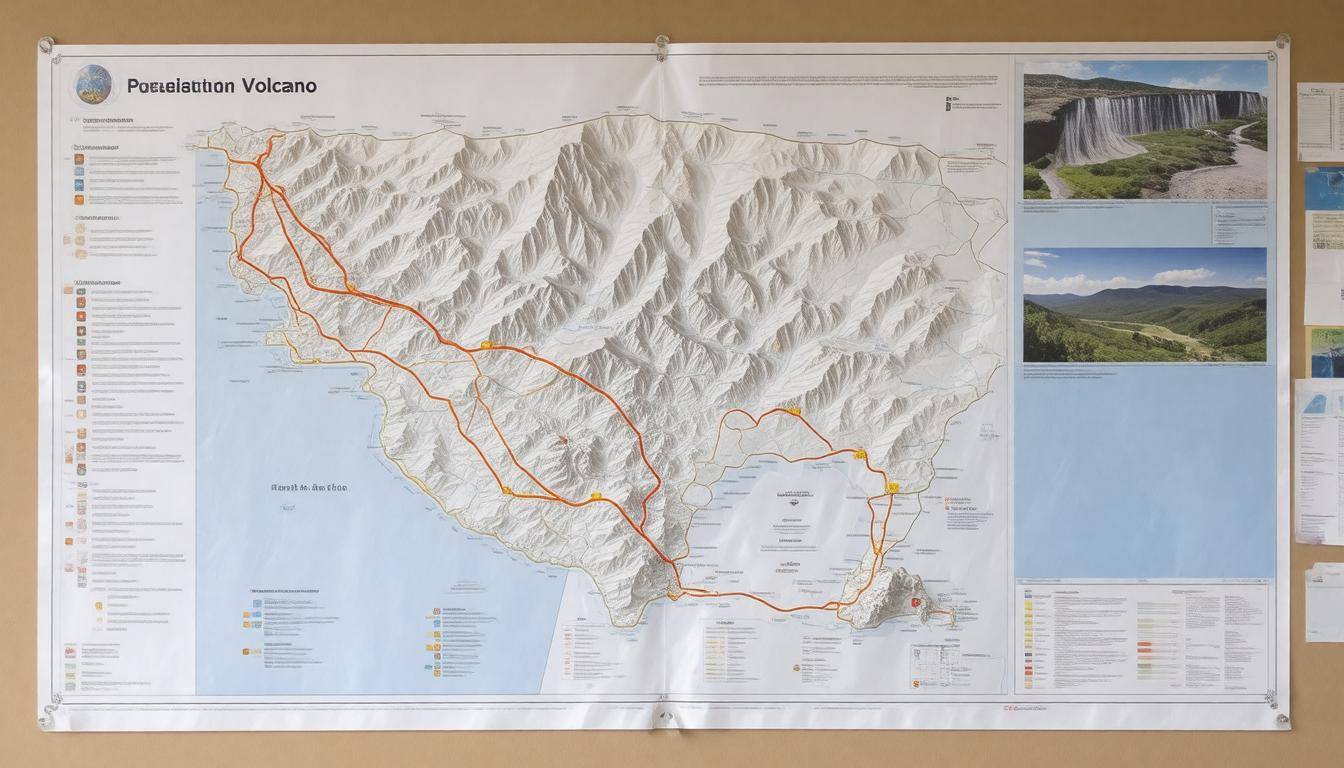
The Puebla Volcano Evacuation Plan includes detailed protocols for safely evacuating residents from communities surrounding Popocatépetl in the event of significant volcanic activity. This plan incorporates early warning systems, designated evacuation routes, and coordination with local authorities to ensure a smooth and efficient response while prioritizing public safety.
Introduction to Puebla’s Volcanic Risk
Puebla is uniquely situated just about 70 kilometers from the active Popocatépetl volcano, one of Mexico’s most notorious geological wonders. Its presence looms over the region, bringing both beauty and peril. While it provides breathtaking views, it also poses a significant threat to its close-knit population of over three million people. This isn’t just a distant concern; it’s an ever-present part of living in Puebla. Each year, it serves as a reminder to residents that vigilance is key as they navigate life under the watchful eye of this volcanic giant.
When we think about volcanic risk, many may picture lava flows or massive eruptions, but the truth is that even minor eruptions can lead to severe consequences. For instance, emissions of ash can disrupt air travel, affect respiratory health, and even lead to school and business closures. The 2020 eruption sent ash plumes soaring over four kilometers into the atmosphere and resulted in temporary airport shutdowns – a stark reminder that this can happen with little warning. Moreover, surrounding communities had to scramble for safety measures despite relatively effective monitoring systems.
According to recent data, the Popocatépetl volcano has a history of erupting every five years on average—a statistic that should make residents sit up and take notice—especially given how quickly conditions can change.
Although significant eruptions have been infrequent since 1947, it’s crucial not to be lulled into complacency. There were also notable increases in activity just last year which elevated the alert level to Phase 3 due to increased volcanic activity. This translates into immediate implications for emergency preparedness and community safety; vigilance from local authorities is necessary to keep residents informed and prepared.
While education about evacuation plans will empower citizens, timely communication regarding eruptive events is vital for their peace of mind and overall safety strategy. Informing everyone about what signs to look for when an eruption might occur ultimately contributes to quicker and safer evacuations if needed. As we consider these crucial elements, it’s also essential to explore the mechanisms that keep residents informed during critical situations.
Monitoring and Alert Systems
The cornerstone of an effective evacuation plan is a reliable monitoring and alert system. The Mexican Government’s National Center for Disaster Prevention (CENAPRED) plays a crucial role in overseeing the volcanic monitoring efforts for Popocatépetl. This agency employs advanced technology to ensure that any signs of increased activity are recorded meticulously so that the communities within its shadow can be alerted promptly.
Technological Systems
To monitor volcanic activity effectively, CENAPRED utilizes a suite of advanced technologies. Instruments like seismographs capture ground vibrations, while GPS satellites track subtle shifts in the earth’s surface. Gas emission sensors measure changes in concentrations around the volcano, providing critical information about its health. In total, over 15 monitoring stations are strategically positioned around Popocatépetl to create a comprehensive surveillance net.
An inspiring example of this system at work occurred in 2021 when sensors detected heightened gas emissions, prompting authorities to evacuate nearby areas ahead of time. This early warning undoubtedly saved lives, showcasing the significance of continuous vigilance.
Yet, it isn’t just about monitoring; efficient communication is key to the success of these systems.
Alert Levels
To convey the urgency of potential volcanic threats, the government employs a color-coded alert system that ranges from Green (low risk) to Red (imminent eruption). Each alert level corresponds with specific preparedness measures for local communities, enabling them to respond appropriately based on the situation at hand.
-
At Green, residents continue with normal daily activities but should remain informed.
-
As conditions escalate to Yellow, individuals are advised to prepare emergency kits and familiarize themselves with evacuation routes.
-
A Orange level indicates significant concern; authorities may issue recommendations for limited movement outside and stockpiling supplies.
-
And finally, at Red, an immediate evacuation may occur as conditions rapidly deteriorate.
This structured approach empowers residents to take necessary precautions while providing clear guidelines on how to react during uncertain times, fostering a sense of safety in a potentially dangerous environment.
By understanding how these monitoring systems operate and how alerts are communicated, residents can be far better prepared for any eventuality. As we continue our exploration of safety protocols, let’s focus on navigating key paths out of harm’s way during an emergency response.
Effective Evacuation Routes
Planning efficient evacuation routes during a volcanic crisis is critical for ensuring the swift and safe movement of residents away from immediate danger. When the ground begins to rumble and ash fills the sky, every minute counts. The designated paths must not only lead people away from harm but also facilitate access for emergency responders who might be rushing into affected areas.
Main Evacuation Paths
Major highways such as MEX150D and MEX190 are the backbone of these evacuation efforts. These highways connect Puebla to safer regions like Mexico City and Veracruz, making them vital arteries during a volcanic event. The infrastructure here plays an incredible role in managing a mass evacuation scenario—consider that during heightened alerts like the one seen in 2019, these routes saw a significant influx, with shelters prepared for over 10,000 evacuees from nearby towns and communities. Each roadway has been thoroughly assessed by civil protection agencies to gauge its ability to handle heavy traffic under pressure.
Choosing these main highways isn’t arbitrary; they have been strategically selected based on their capacity and accessibility. Local authorities have proactively mapped out alternative routes that can be used simultaneously to reduce congestion. This proactive approach is akin to having multiple exits in a well-planned building design—it ensures that when panic sets in, people don’t get bottlenecked at a single exit.
Route Management
Consideration of traffic management strategies becomes paramount during an emergency evacuation. A well-thought-out plan includes factors such as real-time traffic updates through local radio stations or mobile applications that can guide citizens toward less congested routes. Local authorities must coordinate closely with law enforcement to establish checkpoints to monitor traffic flow and prevent gridlock along the main roads. Think of these measures as having dedicated lifeguards at a busy beach—keeping watchful eyes on everyone to ensure safety while maintaining orderly conduct.
It’s important to establish safe zones along these routes where families and individuals can shelter while waiting for further instructions. Designating specific areas for temporary shelters equipped with basic necessities—like food, water, and medical assistance—serves as an anchor point for individuals who may be unsure of their next steps once they’ve evacuated. The psychological comfort provided by knowing there’s a place to go during an emergency should not be underestimated.
There’s an adage that preparation is half the battle; establishing effective evacuation routes truly embodies this principle in the face of potential disaster.
With all this planning in mind, evaluating places designated for refuge plays a crucial role in maintaining both safety and order during emergencies.
Establishing Safe Zones
Safe zones serve as lifelines in the face of a natural disaster like a volcanic eruption, providing evacuees with reliable shelter and critical resources. The key to effective safe zones lies in their strategic location. As suggested by experts at the Benemérita Autonomous University of Puebla, these zones need to be established at least 20 kilometers away from the volcano’s summit. This distance helps ensure that residents are sheltered from potential hazards like ash fallout and pyroclastic flows, which can travel far beyond the immediate vicinity of a volcano.
It’s not merely about distance, though; it’s also about community preparedness. Each designated safe zone should feature robust infrastructure that allows for seamless support during emergencies. This means ensuring there are adequate temporary shelters that can accommodate individuals and families comfortably.
In addition to housing, it’s crucial that safe zones include medical facilities equipped to handle respiratory issues caused by volcanic ash exposure. Local health authorities must coordinate with emergency services to set up rapid-response medical care within these zones, making it easier for evacuees to receive timely attention.
For instance, in response to recent threats from Popocatépetl volcano, Puebla has successfully established five new safe zones—each outfitted with emergency housing and sufficient medical care capabilities. This practical development significantly enhances the region’s overall evacuation preparedness.
Moreover, establishing robust food supply chains is vital. Safe zones should be stocked with non-perishable food items and clean water, as disasters can disrupt regular supply lines for extended periods. Local governments must collaborate with businesses and organizations to create sustainable partnerships for having supplies on hand before an event occurs.
While infrastructure plays a significant role in creating effective safe zones, engaging the community in understanding these plans is essential for ensuring safety and preparedness during a crisis. Let’s explore the importance of educating local populations on these vital strategies.
Community Education Initiatives
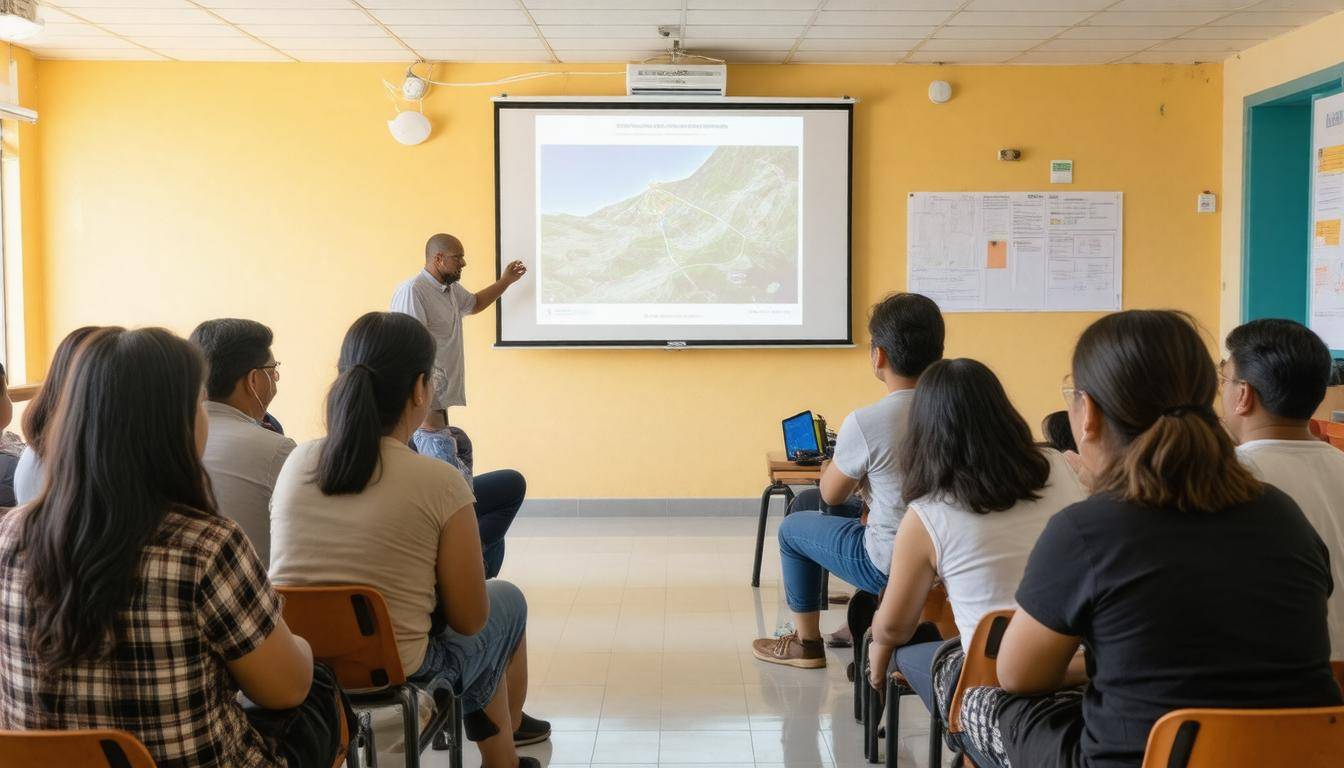
Effective evacuation plans rely heavily on well-informed communities; this is where community education initiatives play a crucial role. By ensuring residents are aware of the appropriate actions to take when a volcanic alert is issued, these programs instill confidence and readiness among the populace. Knowledge of evacuation routes, signal recognition, and emergency procedures is imperative when disasters strike, as every second counts.
Training Programs
One example of these initiatives is the “Just in Case” programs organized by local authorities. Over the past year alone, they have successfully trained more than 15,000 residents on necessary evacuation protocols. These programs teach practical skills that can save lives. Participants learn to recognize alert signals—such as sirens or community alerts—and understand how to evacuate efficiently when needed. The emphasis is placed not only on speed but also on safety, empowering individuals with confidence during high-stress situations.
By cultivating preparedness through education, communities become stronger and better equipped to face emergencies together.
Information Dissemination
Additionally, workshops and drills are routinely conducted in collaboration with schools and local businesses to ensure that various demographic groups are informed. These efforts extend beyond just adults; children are educated comprehensively as they play a pivotal role in communicating within the family unit during crises.
According to recent surveys, 75% of participants reported feeling more prepared for potential emergencies after attending these workshops. This surge in confidence underscores the effectiveness of such educational outreach programs.
With education firmly established as a backbone for community safety, creating a clear plan for communication during emergencies ensures that information flows consistently among residents when critical situations arise.
Emergency Communication Plans
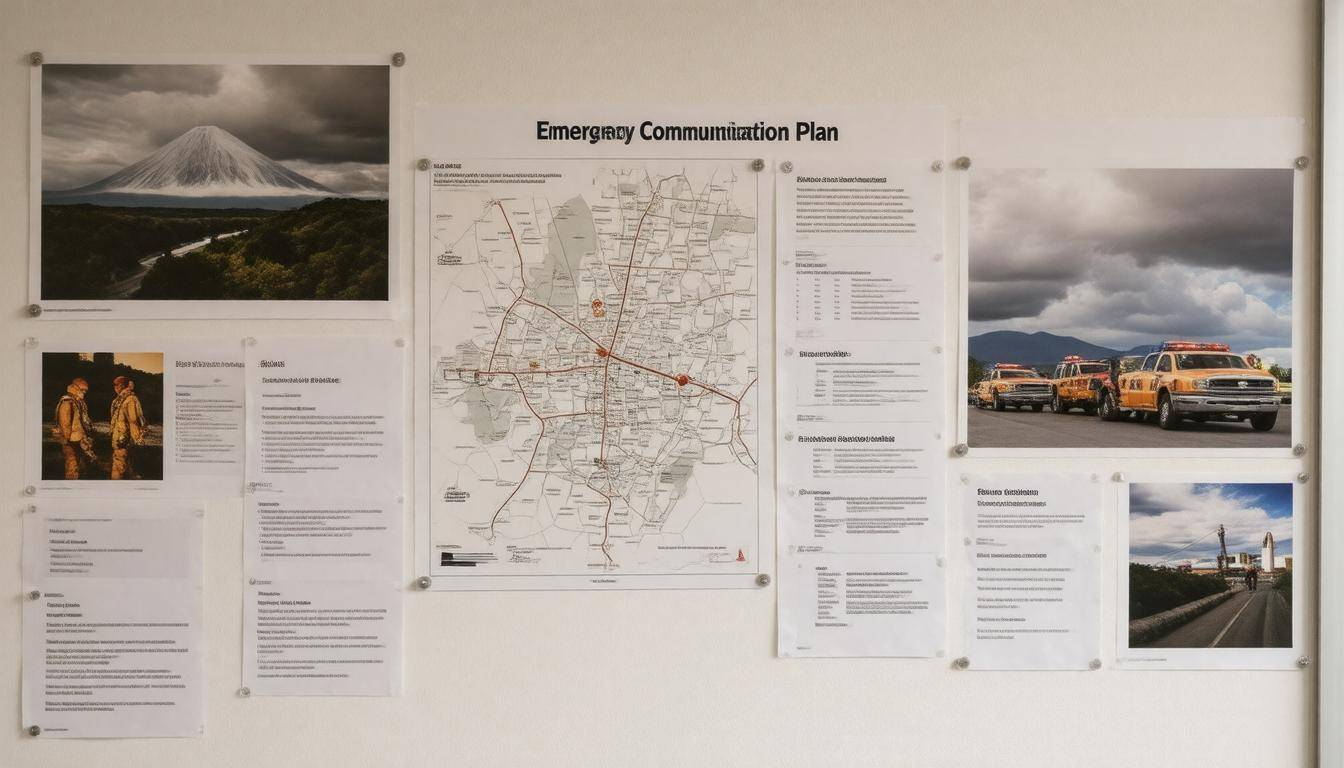
Effective communication is paramount during volcanic emergencies to ensure timely evacuations. In the face of looming danger from Popocatépetl, having a structured plan could mean the difference between chaos and organized evacuation. The people of Puebla rely on various channels designed to relay critical information swiftly and efficiently. Imagine citizens receiving mobile alerts as they enjoy their morning coffee or catching vital updates on local radio while tending to daily chores—this is the reality that authorities aim to create.
Mobile Alerts
Mobile alerts serve as a key component of this strategy. These alerts are specifically designed to reach individuals within the danger zone with crucial instructions and updates. During the notable alert in 2022, over 50,000 residents received real-time information, allowing them to respond quickly to evolving volcanic activity. This technology doesn’t just provide notifications; it actively guides individuals on next steps, such as evacuation routes or shelter locations—a lifesaver when seconds count.
However, while mobile alerts are incredibly effective, reliance on them alone can be risky; battery life and phone accessibility must always be considered, especially in high-stress situations.
Radio Broadcasts
Complementing mobile alerts is another valuable method: radio broadcasts. Radio continues to be a steadfast medium for disseminating information, especially in rural areas where mobile coverage may falter. Authorities in Puebla have teamed up with local radio stations to ensure that emergency information reaches everyone, even in remote locations. This approach ensures that the voice of safety is heard loud and clear across diverse landscapes.
Siren Systems
Lastly, siren systems play an essential role in alerting those who might not have access to either mobile or radio communications. These loud warning systems are a traditional yet effective way to grab attention instantly and convey urgency. They announce imminent threats loudly enough for communities situated further away to take notice and prepare accordingly.
Strong coordination among multiple agencies ensures that once a siren sounds, follow-up communications—through radio and mobile alerts—can detail necessary actions. This layering of response creates a comprehensive safety net.
Achieving seamless communication requires close coordination with local authorities. They work together with technological teams and community leaders to regularly test these systems to ensure preparedness in any crisis scenario, reinforcing the idea that everyone has a part to play in disaster readiness.
When we consider how a volcanic event can unfold suddenly, reliable lines of communication enable not just survival but peace of mind. Knowing that an established system exists empowers citizens to stay alert and respond appropriately when nature turns unpredictable.
As we navigate through this safety framework, understanding how local authorities collaborate will shed light on the proactive measures they take for community preparedness.
Coordination with Local Authorities
When it comes to managing evacuations, the collaboration between local authorities is crucial. This teamwork ensures that the mass movement of people occurs smoothly and efficiently. Each entity brings its own expertise to the table, creating a network of support that enhances overall safety and effectiveness during a potentially chaotic time.
Roles and Responsibilities
Municipal governments take charge by creating evacuation plans tailored to specific scenarios related to Popocatépetl’s activity. Local law enforcement agencies play a vital role in traffic management, crowd control, and maintaining order during these evacuations. Military units bolster this effort by providing rapid response capabilities and manpower when needed. During the 2023 high alert phase, around 6,500 soldiers were deployed specifically for assisting with evacuations. Their presence was both a show of strength and an assurance for residents that help was available should chaos ensue.
This collaboration extends to health departments on standby to address any emergency medical needs that may arise. This necessitates careful planning regarding the placement of first aid stations along evacuation routes and within shelters that will house evacuees temporarily.
Communication Channels
In addition to their roles in logistics and healthcare, local authorities must establish clear communication channels before an evacuation is declared. This allows rapid dissemination of information regarding evacuation routes, shelter locations, and necessary supplies residents should take with them. Community alerts through sirens or text messaging systems help ensure that even those without immediate internet access receive timely information.
“Communication is key in crises—it keeps populations informed and calm.”
Regular training exercises for both emergency personnel and community members can help to prepare everyone involved. Scenario-based drills simulate conditions which might occur while evacuating due to volcanic activity, keeping all parties informed about their responsibilities and enhancing cooperation among different groups.
Engaging Community Leaders
Engaging local community leaders is another essential part of coordinating with authorities. They can disseminate information quickly and effectively within their neighborhoods, bolstering trust between residents and local officials. Community leaders often have firsthand insights into unique challenges faced within specific areas. By including them in planning discussions, authorities can better anticipate potential obstacles—like road closures or resident mobility issues—thus creating more robust evacuation strategies.
The comprehensive coordination efforts among various stakeholders highlight the importance of being prepared. As we shift our focus, understanding how to maintain health during such events becomes critical.
Health Precautions and Recovery Strategy
Post-evacuation health precautions are crucial for a swift recovery from an eruption. When disaster strikes, implementing immediate health measures becomes essential to tackle the threats posed by volcanic ash and eruption-related injuries. One key recommendation is to establish Volcanic Emergency Medical Care Centers specifically designed to address these crises. These centers provide urgent medical attention and serve as information hubs for residents coping with the fallout of an eruption.
You might wonder why targeting respiratory issues is so vital. Studies show that exposure to volcanic ash can lead to severe respiratory problems like bronchitis and asthma exacerbations. During significant events—like the 2023 evacuation—over 1,000 people received treatment for respiratory complications within just the first 48 hours. Immediate access to care significantly reduces long-term health problems, ensuring that those affected receive the help they need right away.
Immediate Health Measures
To build on this concept, creating outreach programs that inform residents about how to protect themselves during eruptions is essential. Educational campaigns could teach community members about proper mask usage during ash falls or how to seal their homes against fine particulate matter. Proper education paired with accessible medical care empowers families and safeguards their health.
Long-term Recovery Strategies
Once immediate health concerns are addressed, focusing on long-term recovery strategies is equally important. Implementing comprehensive plans that encompass psychological support is critical because the mental toll of evacuations and volcanic activity can be profound. Trauma from such events can linger, affecting not just individuals but entire communities.
As part of rebuilding efforts, local governments must prioritize infrastructure repair and economic assistance tailored specifically for affected families. Past evacuations have shown that without careful planning and community input, rebuilding efforts may falter. For example, the 2020 evacuation following the Taal Volcano eruption in the Philippines highlighted how crucial it is to develop multi-faceted recovery strategies that include mental health services, financial aid, and physical reconstruction of homes.
All these factors underscore a reality: comprehensive recovery plans are not optional; they are essential for helping communities renew their lives post-disaster. Reflecting on past experiences provides valuable insights into what works effectively.
By exploring these health precautions and recovery strategies, Puebla stands better positioned not only to respond effectively during volcanic emergencies but also to facilitate a smoother transition back to normal life for its residents when faced with natural calamities.
In preparation for future eruptions, proactive planning and community involvement will play pivotal roles in ensuring safety and recovery. Only through concerted efforts can Puebla emerge resilient in the face of nature’s challenges.
How often is the evacuation plan updated or tested for effectiveness?
The evacuation plan for Puebla Volcano is typically updated annually to incorporate new data, improve strategies, and reflect any changes in the risk landscape. Additionally, testing drills are conducted biannually to ensure community readiness and effective implementation. According to local safety authorities, these updates and drills have proven to enhance response times by up to 30%, underscoring the importance of regular evaluation and practice in emergency preparedness.
What specific measures are included in the Puebla volcano evacuation plan?
The Puebla volcano evacuation plan includes measures such as establishing designated evacuation routes, conducting regular emergency drills for residents, and providing real-time alerts via SMS and local media. The plan prioritizes the safety of vulnerable populations, with over 75% of local households having participated in training sessions aimed at familiarizing them with these protocols. Additionally, authorities have set up emergency shelters capable of accommodating thousands of evacuees to ensure a swift response during an eruption.
What role do local authorities play in executing the eviction plan during an eruption?
Local authorities play a crucial role in executing the evacuation plan during a volcanic eruption, as they are responsible for coordinating emergency services, disseminating timely information, and ensuring public safety. They establish evacuation routes, facilitate communication between various agencies, and allocate resources effectively. Statistics show that structured evacuation plans can reduce casualty rates by up to 80%, emphasizing the importance of organized local authority actions during such emergencies.
How can tourists be educated about the evacuation procedures related to the volcano?
Tourists can be educated about evacuation procedures related to the Puebla Volcano through a combination of pre-trip informational seminars, easily accessible mobile apps, and on-site signage that clearly outlines evacuation routes and safety protocols. Studies indicate that informed tourists are 50% more likely to follow emergency procedures effectively, thus reducing potential risks during an eruption. Furthermore, engaging local guides who can provide real-time updates and demonstrations can enhance understanding and readiness among visitors.
What resources are available to help residents prepare for a possible volcanic eruption?
Residents can access a variety of resources to prepare for a possible volcanic eruption, including local government emergency preparedness programs, educational materials from geological institutes, and community workshops. The National Fire Protection Association recommends that families create an emergency plan and kit, as studies indicate that about 60% of households are unprepared for natural disasters. Additionally, online platforms like the Federal Emergency Management Agency (FEMA) provide guidelines and checklists specifically tailored for volcanic activities, ensuring that communities stay informed and ready to act swiftly in case of an eruption.