
Rainwater collection might sound a bit old-fashioned, but it’s become a practical solution for modern gardeners looking to stay green. Why let precious rainwater run off your roof when you can catch it and give your plants the best care possible? By setting up a simple rainwater collection system, you’re not only saving on your water bill but also nurturing your garden with naturally soft water, free of harsh chemicals often found in tap water. Trust me, your plants will appreciate the difference! In this guide, we’ll walk you through everything you need to know—benefits, techniques, and tips—to make the most of this natural resource. Whether you’re a seasoned gardener or just starting out, embracing rainwater harvesting helps create a healthier garden and a happier planet. So let’s dive right in!
In the “Rainwater Collection for Garden Use: Complete Guide,” you will learn about the benefits of collecting rainwater, various collection methods, barrel specifications, calculations for estimating potential runoff, as well as cautions and local legal considerations. The guide also includes important tips for storage and maintenance, ensuring you maximize efficiency while keeping your garden thriving with sustainable water practices.
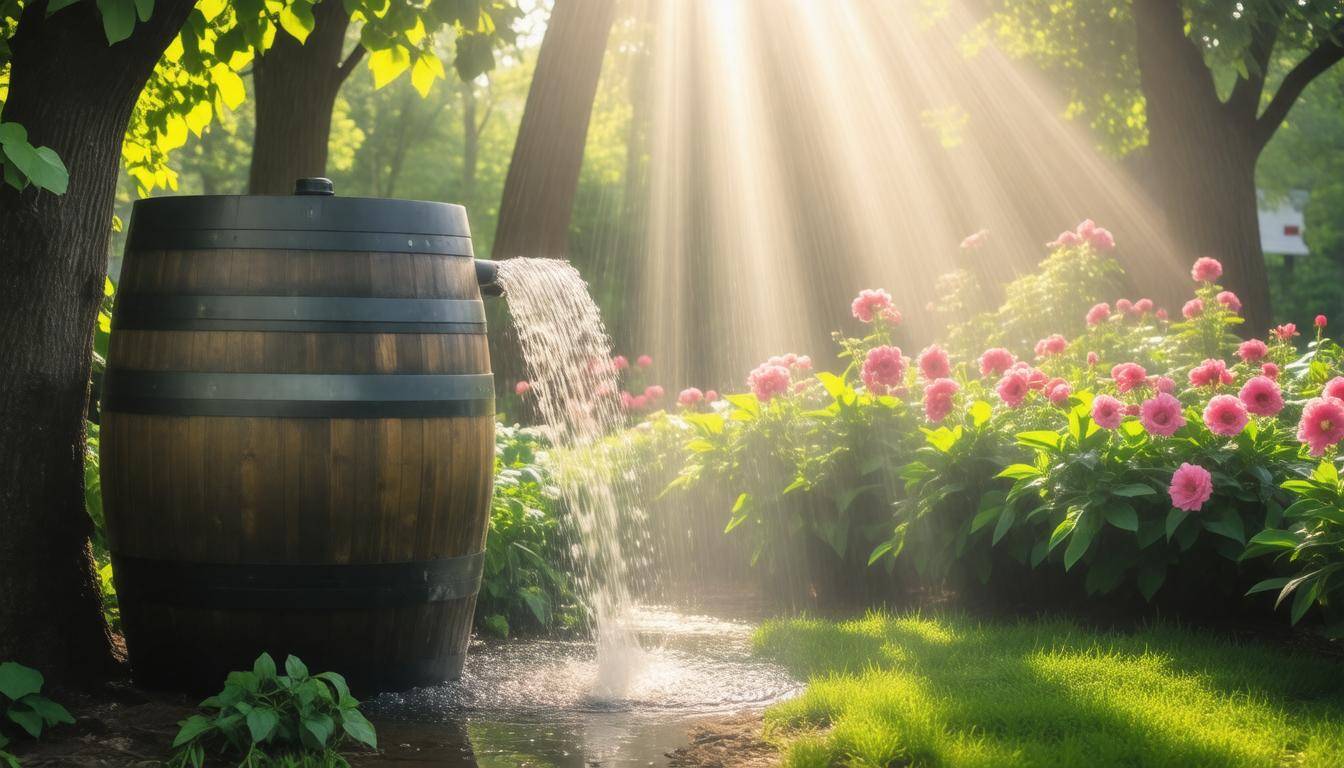
Why Collect Rainwater for Your Garden?
Collecting rainwater is a sustainable practice that goes beyond merely watering your garden. By utilizing rainwater, you are conserving precious drinking water while promoting healthier plants. This practice effectively reduces the strain on municipal supplies, an increasingly important consideration as droughts and water shortages become more common globally.
Consider this: with just one inch of rainfall falling on a 1,000 square foot roof, you could potentially collect around 600 gallons of rainwater. That’s quite a pool of free water available for your garden!
The most compelling reason to harvest rainwater is its quality. Unlike treated tap water, which often contains chemicals like chlorine and fluoride that can harm sensitive plants, rainwater is naturally soft and free from these additives. Many gardeners have noticed that plants—especially delicate ones—thrive when watered with rainwater. It’s incredible how something as simple as cleaning up your gutters can result in lush flowers or hearty vegetables bursting with flavor.
To illustrate the impact of using rainwater, let’s look at a real-life example. Sarah, a permaculture expert, reported that since incorporating collected rainwater into her gardening routine, her herb garden has transformed. “The plants are more vibrant and lush,” she shares enthusiastically. Her observation aligns with findings indicating that switching to rainwater can increase crop yields by up to 20%. When nature provides such a fantastic resource, it’s hard to ignore its potential!
Not only are you nurturing your garden with cleaner water, but you’re also setting the stage for stronger plant growth and more productive yields—a true win-win situation.
Additionally, collecting rainwater plays an essential role in environmental conservation by reducing stormwater runoff.
Rainwater harvesting contributes to lowering stormwater runoff by as much as 30% to 50%. This not only prevents soil erosion but also mitigates pollution entering waterways—a crucial benefit for both local ecosystems and water quality. Instead of letting precious rainwater flash off roofs and into drains, capturing it allows for responsible management of valuable resources.
Implementing systems for collecting rain can be incredibly beneficial in terms of sustainability and resource conservation within your community. As you perfect your methods for capturing this resource, remember that larger gardens may require additional barrels or even elaborate systems to hold more water during dry spells. Many gardeners find success not just through creative setups but by pairing their harvested rain with irrigation systems like drip irrigation. This approach maximizes efficiency while keeping your garden nourished.
In every sense, collecting rainwater isn’t merely about saving money or ensuring healthy plants; it forms part of a larger commitment to ethical gardening practices. Whether you’re nurturing herbs or preparing your vegetable patch for summer harvests, making use of what nature provides helps foster a more resilient environment for everyone involved—your garden included!
As we explore further the interconnectedness of gardening practices and environmental stewardship, it becomes clear how integral mindful approaches are to cultivating a thriving landscape.
Eco-Friendly and Sustainable Gardening
At the heart of sustainable gardening lies the philosophy of working in harmony with nature and utilizing resources effectively. Rainwater collection epitomizes this concept, ensuring that garden enthusiasts can maintain their plants without straining our environment. Instead of relying completely on treated tap water, which often contains chemicals like chlorine, gardeners can embrace the natural nutrients found in rainwater that benefit plant growth.
As we consider the benefits of using rainwater, it’s important to understand how this practice not only enhances your garden’s health but also aligns with global conservation efforts. For example, utilizing rain barrels can significantly reduce stormwater runoff by up to 90%, helping protect local waterways from pollution. This is especially crucial during heavy rains when excess runoff can lead to erosion and other environmental problems.
Consider this: By simply implementing a rainwater collection system, you actively participate in a larger movement toward sustainability and ecological health. Not only do you help conserve water resources, but you also create a self-sustaining ecosystem beneficial for your garden.
Moreover, many gardeners have witnessed an impressive increase in plant growth—a staggering 20% more—when using rainwater compared to traditional watering methods. This boost stems from the fact that rainwater is naturally soft, devoid of the minerals found in tap water that can sometimes inhibit nutrient absorption. It’s as if Mother Nature herself is lending her hand to help your plants thrive.
Some might wonder if collecting rainwater is truly worthwhile in terms of time and effort, yet the long-term savings and benefits are undeniable. Using collected rainwater has been shown to decrease dependence on chemical fertilizers by approximately 30%. Since rainwater is rich in nutrients, its application promotes healthier soil, resulting in vibrant gardens that flourish without additional input.
As you embark on your journey toward sustainable gardening through rainwater collection, remember that every drop counts. Implementing small systems may seem trivial at first, but they contribute cumulatively to significant savings and resource preservation. Effective practices like these enhance personal gardening efforts while promoting awareness about critical environmental issues.
With a clear understanding of how integral rainwater collection is to eco-friendly gardening, let’s explore various methods and systems available for effective collection tailored to individual needs.
Types of Collection Systems
Different rainwater collection systems cater to varied needs and scales of gardening, each offering unique advantages. The simplest system involves redirecting a downspout into a rain barrel, creating an easy yet effective way to gather water. By doing so, you can effortlessly harvest rainwater during storms without any costly infrastructure. This cost-effective setup is particularly ideal for small gardens where simplicity and practicality are key.
Basic and Advanced Systems
The foundational rainwater collection system features rain barrels, which typically hold about 55 gallons and are designed to collect water that runs off rooftops via gutters. Many models come with integrated filters and spigots, allowing you easy access to the collected water for watering plants or filling containers.
For larger needs or more extensive garden setups, consider advanced options. Cisterns can hold anywhere from 500 to 10,000 gallons of rainwater. These robust systems often require installation underground but significantly increase your water availability during drier seasons.
Incorporating a rain garden into your landscape effectively manages runoff while enhancing biodiversity. Rain gardens are shallow depressions filled with native plants that naturally capture and absorb rainwater, helping to reduce excess runoff and improve groundwater recharge.
More complex systems may include additional components like drip irrigation setups that maximize efficiency when using harvested rainwater.
After deciding on the type of system that best fits your gardening goals, the next step involves proper configuration and techniques to ensure optimal performance in collecting this valuable resource. Let’s explore how to get everything set up seamlessly.
Setting Up Your Collection System
Setting up a rainwater collection system may seem daunting, but following a systematic approach can simplify the process. First things first, you need to choose your collection points wisely. Roofs are the most common catchment areas because they effectively channel a significant amount of rainwater. It’s impressive how much can actually flow off a roof during a good rainstorm! Once you’ve decided on your roof, you can move on to the next step.
Installing gutters and downspouts is essential for directing that precious rainwater into your chosen storage containers. Make sure that they lead directly into your storage solution, whether it be a barrel or a larger cistern. When doing this, ensure that the gutters are clean and well-maintained so that water flows smoothly without unnecessary blockages.
A simple tip: Position your downspouts at an angle to enhance water flow into your barrel!
Once you’ve got your gutters sorted out, it’s time to set up your storage. Positioning your rain barrel or cistern correctly will make all the difference. Aim for a stable base, such as bricks or a wooden platform, to elevate the container. Elevation not only supports gravity-fed irrigation but also makes filling watering cans easier as you won’t need to bend down too far; trust me, every little bit counts when you’re out in the garden!
Next comes an important aspect that often gets overlooked—incorporating filters into your system. A simple mesh screen placed at the top of your barrel can work wonders by preventing twigs, leaves, and insects from contaminating your water supply. This is crucial for maintaining clean water that’s safe for your plants; nobody wants to risk algae growth or mosquito breeding in their barrels.
Now, you might wonder about distribution methods for using that harvested rainwater efficiently in your garden. That’s where connecting to irrigation systems comes into play. Use a hose or even better, consider installing a drip irrigation system. Not only does this maximize efficiency by effectively targeting plant roots with minimal evaporation, but it also conserves water further.
While establishing this incredible system empowers you to utilize natural resources effectively, it’s crucial to be aware of any local regulations guiding such practices so that you’re fully compliant before proceeding.
Legal Considerations for Rainwater Harvesting
The legal landscape governing rainwater harvesting varies significantly across the United States. Collecting rainwater is generally perceived as a beneficial practice that promotes sustainability; however, potential gardeners should understand state regulations before starting their rainwater collection systems. In some regions, water laws prioritize existing rights and prevent new users from accessing this resource freely. Thus, every gardener must conduct thorough research to navigate local legal frameworks.
Check Local Laws
To stay on the safe side, familiarize yourself with your state’s specific rules about rainwater harvesting. Many states have adopted the “reasonable use” doctrine, allowing property owners to collect rainwater for personal use without infringing on others’ water access rights. However, enforcement varies due to differing water availability and historical claims—especially in regions like the Western U.S., where drought has been significant.
For example, while Colorado has historically had harsh restrictions due to water rights issues, it has also become more favorable by enacting laws that permit homeowners to collect limited quantities of rainwater for non-potable uses, even allowing up to 110 gallons. In contrast, Texas and Arizona often encourage rainwater harvesting through incentives such as tax credits for installing systems.
It’s vital that you consult local government websites or contact environmental agencies to fully grasp relevant guidelines before making your collections. Understanding these regulations isn’t just about compliance; it’s about fostering a sustainable relationship with local water resources.
Engaging in rainwater harvesting prepares you for better gardening practices and positions you as an advocate for sustainable initiatives in your community. As you reap the benefits of your collection system, you’ll contribute positively to the collective consciousness regarding water sustainability.
With clear legal guidance established for your rainwater collection efforts, the next focus is on ways to enhance the effectiveness of your systems.
Maximizing Collection Efficiency

Efficiency is key to making the most out of your rainwater collection system. One significant factor that influences efficiency is the size and quality of your catchment area, which in most cases is your roof. A larger, well-maintained surface will collect more water during rainfall. For instance, if you have a roof that’s 1,000 square feet and experience around 30 inches of average annual rainfall, you could potentially harvest about 600 gallons of water for each inch of rain. This kind of yield can significantly cut down your reliance on municipal water.
Enhancing Catchment Area
To truly enhance your catchment area, consider simple modifications such as painting your roof a light or reflective color. Not only does this help reduce heat absorption, but it also minimizes water loss through evaporation. The cooler temperature prevents the roof surface from drying too quickly after it rains, allowing more water to funnel directly into your collection system.
Additionally, installing smooth and clean gutters plays a crucial role in ensuring that water flows quickly without getting trapped or wasted. When gutters are clean, they efficiently channel rainwater into your barrels instead of letting it drip unnecessarily onto the ground.
It’s worth noting that according to the American Rainwater Catchment Systems Association, optimizing your catchment area can increase water collection by an impressive 25%.
By understanding these enhancements, it’s possible to make effective use of collected rainwater in various applications within your garden setup. This approach leads not only to better plant health but also improved garden productivity while conserving vital resources.
Imagine coupling this rainwater with a drip irrigation system—a method lauded for its efficiency. Drip irrigation targets moisture precisely where it’s needed: at the roots of plants. Using collected rainwater in such a system allows for tailored watering schedules while reducing outdoor water use by nearly 30-50%, depending on the region and garden size.
As you embark on your journey with rainwater collection, remember that proper filtration and maintenance systems are vital to keep the harvested water clean and usable for gardening purposes. You wouldn’t want debris or insects contaminating your precious resource. Regularly check your screens and filters to ensure they are functioning correctly; a little care goes a long way!
Integrating Rainwater with Existing Irrigation
Combining rainwater with your current irrigation setup is not just a matter of convenience; it’s a transformative step towards creating a more self-sufficient garden ecosystem. Imagine harnessing the very skies above to nourish your plants, saving on water bills and ensuring that you’re making the most of this valuable natural resource.
Methods of Integration
There are various practical methods to incorporate rainwater into your irrigation strategy. One popular choice is drip irrigation, where water is delivered directly to the root zone of your plants through a network of tubes. This method minimizes evaporation and runoff, ensuring that each precious drop nurtures the plant effectively.
Another great option is using soaker hoses. These hoses lay directly on top or beneath the soil surface, releasing water slowly and steadily, allowing it to seep deep into the ground without pooling or creating unwanted runoff.
For those who prefer a hands-on approach, manual watering with rainwater gathered in barrels is also a viable solution. By grabbing a watering can or hooking up a hose directly from the barrel, you can control how much water reaches each plant. This method allows for thoughtful, careful watering that can adapt to each plant’s specific needs.
Importantly, if your garden is larger or designed with more complex layouts, integrating a pump system can significantly enhance water distribution efficiency.
Installing a pump can increase water pressure, making it easier to transport rainwater across longer distances or elevated areas in your garden. A pump alleviates the strain of hand watering or gravity-fed systems and ensures that even the farthest corners of your garden receive adequate hydration.
Remember, having the right supplies at hand—like hoses, connectors, and potentially filtration systems—is crucial when setting up an efficient integration strategy. Maintenance is key; regularly check filters and clean gutters to avoid clogging and bacteria growth, ensuring that what you’re delivering to your plants is clean and beneficial.
Embracing these methods allows for continuous nourishment over time, transforming what could be a drought-limited garden into an oasis of lush growth. The integration of rainwater bolsters resilience in times of low rainfall while encouraging sustainable gardening practices that respect and utilize natural resources effectively.
As you consider these options for enhancing your garden’s sustainability and efficiency, it’s essential to familiarize yourself with the tools and materials required for effective implementation in your irrigation strategy.
Essential Supplies and Resources
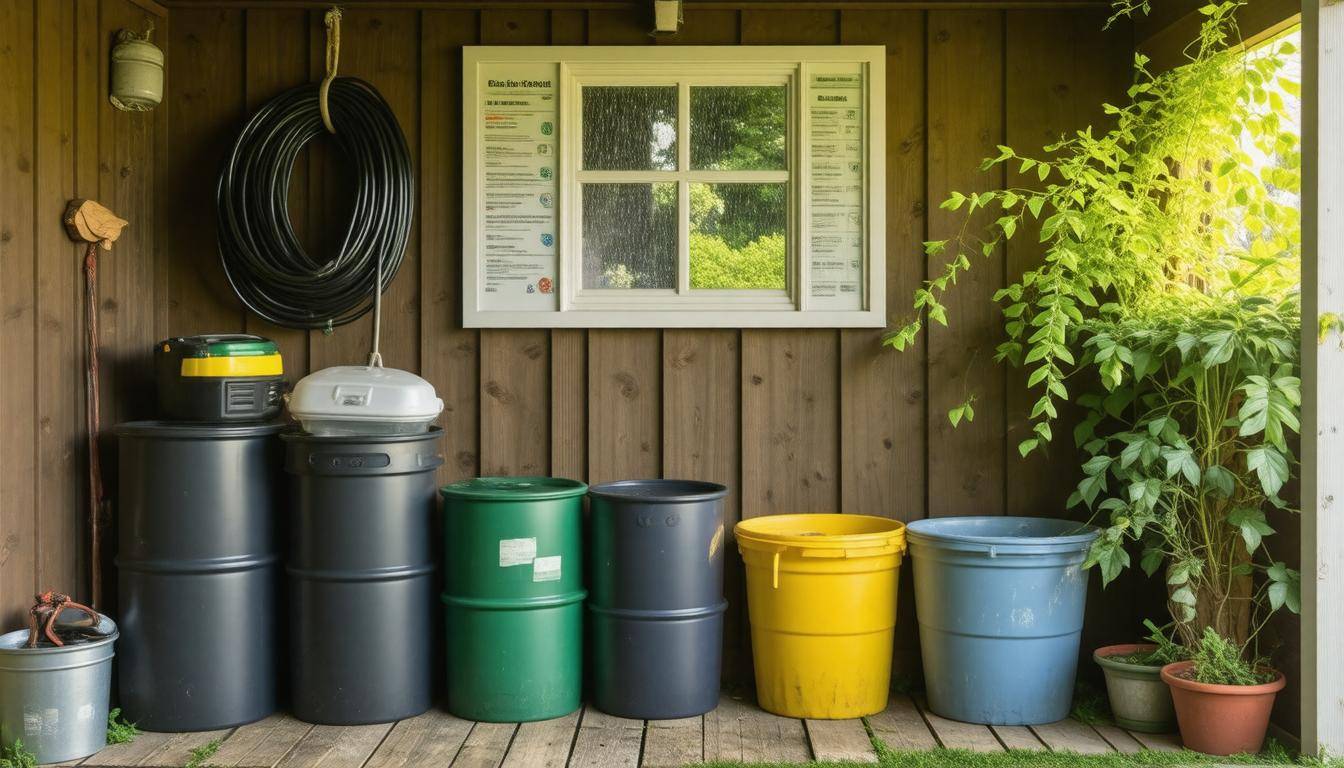
To set up an effective rainwater harvesting system, you need to consider several key components that can make your setup efficient and durable. The first essential items you’ll need are rain barrels or cisterns. These containers vary in size, with options ranging from 50-gallon barrels for smaller gardens to larger cisterns if you have extensive watering needs. Selecting the right capacity is critical; factors such as roof square footage and average rainfall will help you maximize your storage capacity and manage dry spells effectively.
Alongside your barrels, filters and mesh screens play a key role in keeping debris out of your collected water. It’s essential to install these at the top of your barrels or cisterns to prevent leaves, dirt, and other contaminants from mixing with your stored rainwater. By filtering out impurities early, you ensure that the water remains cleaner for your plants’ use later on.
Gutters and downspouts are another fundamental part of the collection process. They guide the rainwater from your roof directly into your barrels. To optimize efficiency, regularly check for blockages and maintain proper slope in your gutters; this encourages efficient flow and helps minimize overflowing during heavy rains.
Next comes hoses and pumps, which assist with distributing the harvested rainwater to where it’s needed most—your garden! A submersible pump can dramatically simplify transferring water from a barrel directly into watering cans or hose attachments. Selecting a reliable hose is just as important; ensure it’s both flexible and durable enough to withstand various temperatures.
Lastly, consider investing in sealing and waterproofing supplies. Ensuring that your barrels do not leak requires good sealing materials to maintain their integrity over time. Keep an eye on wear-and-tear, especially where hoses connect and at any joints between fittings, which are prime locations for leaks.
| Supply Type | Recommended Brands | Cost Estimate ($) |
|---|---|---|
| Rain Barrel | EarthMinded, BlueBarrel | 100 – 200 |
| Filters | Gutterglove, LeafFilter | 20 – 50 |
| Pumps | Grundfos, WAYNE | 150 – 300 |
| Hoses | DRAMM, Flexzilla | 25 – 60 |
| Sealing Supplies | Flex Seal, Gorilla | 15 – 40 |
By investing in quality supplies from reputable retailers, you’re ensuring a more effective system while fostering an eco-friendly approach that benefits both your garden and local resources for years to come.
Implementing a sustainable rainwater collection system not only conserves water but also promotes healthier gardening practices. As you embark on this journey, remember that every drop counts!
What types of plants benefit most from rainwater versus tap water?
Plants such as tomatoes, peppers, and leafy greens significantly benefit from rainwater compared to tap water because rainwater is often softer and free of chemicals like chlorine and fluoride found in municipal supplies. Studies show that vegetables irrigated with rainwater can yield up to 20% more produce due to the absence of these additives, which can hinder growth. Additionally, the natural acidity of rainwater helps improve soil health, promoting nutrient uptake in sensitive plants.
How can homeowners maintain their rainwater collection system to ensure water quality?
Homeowners can maintain their rainwater collection system to ensure water quality by regularly cleaning gutters and downspouts, inspecting and maintaining the storage tank, and monitoring for contaminants. It is recommended to flush the first rainfall of each season to remove debris that may have accumulated. According to studies, proper maintenance can reduce pollutants in collected rainwater by up to 90%, ensuring it remains safe for garden use. Regularly testing the water quality helps to identify any issues early on, allowing homeowners to address them promptly.
Are there any legal restrictions regarding rainwater harvesting in certain regions?
Yes, there are legal restrictions on rainwater harvesting in certain regions, varying significantly by location. For instance, some states in the U.S., like Colorado, historically had strict laws limiting rainwater collection, as they considered it a part of the water supply system. However, recent changes have allowed small-scale harvesting under regulated conditions. According to the National Conference of State Legislatures, as of 2022, approximately 30 states have adopted laws that support rainwater harvesting, along with guidelines for its use. Always check local regulations before implementing a rainwater collection system to ensure compliance.
How can rainwater be stored safely for future use in garden irrigation?
To store rainwater safely for future use in garden irrigation, utilize a clean, opaque rain barrel or a cistern fitted with a screen to prevent debris and insects from contaminating the water. It’s essential to choose materials like food-grade plastic or fiberglass, as these prevent leaching of harmful chemicals. Additionally, using a first-flush diverter can significantly enhance water quality by redirecting the initial roof runoff that may contain contaminants. Studies show that harvesting rainwater can reduce municipal water usage by up to 50%, making it both eco-friendly and economically beneficial for gardeners.
What are the best methods for collecting rainwater effectively?
The best methods for collecting rainwater effectively include installing a rain barrel at the downspouts of your gutters, using a cistern for larger storage capacity, and implementing a rain garden to enhance absorption and filtration. According to the Environmental Protection Agency (EPA), capturing rainwater can reduce runoff by as much as 90%, promoting sustainable gardening while conserving water resources. By utilizing these methods, gardeners can collect thousands of gallons annually, depending on roof size and rainfall amounts, making it an efficient way to irrigate plants and support garden health.