
As the clouds gather and the first drops of rain begin to fall, homeowners often find themselves wondering: is my home ready for the rainy season? Protecting your living space from water damage should be a priority, but it can also feel overwhelming with all the tasks involved. From inspecting roofs to clearing gutters and reinforcing foundations, there’s a lot to cover. But don’t worry; you’re not alone in this. Just like many people, I’ve tackled these challenges myself, spending plenty of weekends prepping before downpours hit. In this guide, we’ll break down practical steps to ensure your home stands strong against the rain, helping you prevent costly repairs later while offering peace of mind as storms roll in. Let’s dive into how you can safeguard your home effectively!
The “Rainy Season Home Protection: Complete Guide” outlines several strategies, including inspecting and clearing gutters and downspouts, sealing potential leaks in roofs and foundations, and ensuring proper drainage around the property. Additionally, it recommends checking home insurance policies to confirm coverage against flood damage and making necessary preparations to safeguard belongings from water exposure.

Preparing Your Home for Rainy Season
One of the first steps is to create a comprehensive checklist that encompasses every area of your home. Think about it like planning a trip—you wouldn’t leave your luggage to chance, right? Your checklist should cover things like the roof, gutters, windows, doors, foundation, and exterior drainage. Each item on this list is crucial because they form the frontline defense against water intrusion. As you check off each area, you’ll not only feel a sense of accomplishment but will also be systematically ensuring that every potential weak point is addressed.
But having a checklist isn’t enough; preparation requires action.
Next, be sure to stock up on essential supplies. Before the rainy season hits, invest in items like tarps, sandbags, sealants, and waterproofing materials. This isn’t just smart—it’s cost-effective too. Prices tend to spike as the rain approaches due to high demand. For instance, during the 2023 rainy season in Southern California, sandbag prices jumped threefold overnight! Planning ahead means you can secure these materials at regular prices and avoid the stress of scrambling when storms are imminent.
Beyond gathering supplies, scheduling professional services is another pivotal move.
Booking professionals early, especially for roof and gutter inspections, can save you from the hassle of rushing last minute during peak rainy seasons when everyone else is trying to get similar help. While it might seem like an added expense up front, consider this: The expertise that professionals bring can spot issues you might miss—like minor leaks or improper drainage systems—that could lead to significant repair costs down the line. In effect, paying for their service is an investment in protection against potential financial losses later on.
Being prepared means thinking several steps ahead.
Regular checks and preemptive measures can greatly minimize problems before they escalate into disasters. Don’t neglect smaller tasks like inspecting your gutters for debris or checking seals around windows and doors—these simple acts can make all the difference. A well-prepared home not only enhances safety but fosters peace of mind as you face the challenges that come with rainy weather. After all, ensuring your happiness during those drizzly days begins long before the clouds roll in.
With this groundwork laid out, it’s time to focus on an equally critical aspect of home maintenance: ensuring the integrity of your roof to stand strong through the stormy season.
Roof Inspection and Repair
The roof serves as a crucial barrier against the elements, making regular inspections essential. Homeowners should become familiar with their roofs; after all, a little routine maintenance can save you from major headaches down the line. By inspecting your roof at least twice a year—ideally in spring and fall—you create a proactive approach to home protection.
Inspect for Damage
Begin your inspection by closely examining your roof for any signs of damage. Look for missing, broken, or loose shingles, which are often easily noticed from the ground. It’s also wise to check the flashing (the material used where the roof meets walls or chimneys) for rust or wear that could lead to leaks.
Here’s a handy checklist to keep in mind:
| Roof Inspection Checklist |
|---|
| Check for loose/missing shingles |
| Inspect rusted flashing |
| Clear debris from roof |
| Examine attic for leaks |
Given that debris can gather and impede water flow, clearing branches and leaves is essential. When performing these checks, don’t forget to venture into the attic—it’s a hidden space that can reveal subtle leaks that are only visible in certain conditions.
Once you’ve identified any potential issues during your inspection, addressing repairs promptly is crucial.
Fixing Identified Issues
If you find damaged shingles, take immediate action to repair or replace them. This might seem like minor work at first glance, but staying ahead of these repairs will avert larger issues later on. For small leaks you discover, a high-quality roofing sealant can do wonders; however, if you encounter more significant problems like structural damage or extensive leaks, it’s wise to consult a roofing professional.
A 2022 study found that fixing minor roof leaks early can prevent up to 80% of major water damage during heavy rains.
Being diligent about repairs not only preserves your roof but also safeguards your entire home from costly water damage.
As we shift focus from roofing maintenance, ensuring other entry points in your home are secure remains equally important.
Securing Windows and Doors

Windows and doors are common entry points for water during the rainy season; if left unprotected, they can lead to significant damage over time. To effectively secure these areas, proper installation of weatherproofing materials is essential. The first step is to look into installing weatherstripping around all windows and doors. This simple addition forms a watertight seal that can prevent unwanted moisture from getting inside, protecting your home’s interior and maintaining its integrity.
Weatherstripping Installation
When selecting weatherstripping, consider materials like foam, felt, or vinyl. These options provide effective seals while being available in various sizes to accommodate different gaps. Installing weatherstripping can be an easy DIY project: simply cut the material to size, peel off the backing, and stick it along the edges of your windows and doors. Not only does this serve as a barrier against water intrusion, but it also acts as an insulator, enhancing energy efficiency in your home.
Post-installation, check for any remaining vulnerabilities. Assess how well your new seals hold up against heavy rain by running a simple test: have someone spray a hose on the outside while you look for any leaks inside. This can help identify any gaps that might need further attention.
Storm Shutters
For those living in areas prone to extreme weather events like hurricanes, consider installing storm shutters. These protective coverings can significantly mitigate the effects of harsh rains and wind. For instance, studies show that homes with storm shutters experienced 60% less water intrusion during hurricanes compared to those without.
Storm shutters come in several types: accordion-style for ease of use, roll-up models that can be operated from inside your home, or impact-resistant window film that adds an invisible layer of protection without changing aesthetics. While they may require an upfront investment, their long-term benefits are enormous when safeguarding your property is at stake.
In addition to weatherstripping and storm shutters, don’t overlook regular inspections of window frames and door seals for signs of wear or damage. A little maintenance now pays off later—by catching issues early on, you can avoid costly repairs down the line.
By implementing these protective measures, you’re laying down a solid foundation for maintaining the integrity of your home during tough weather conditions ahead. Next, we’ll shift our focus to essential tactics that bolster the structure beneath your feet.
Protecting Your Foundation
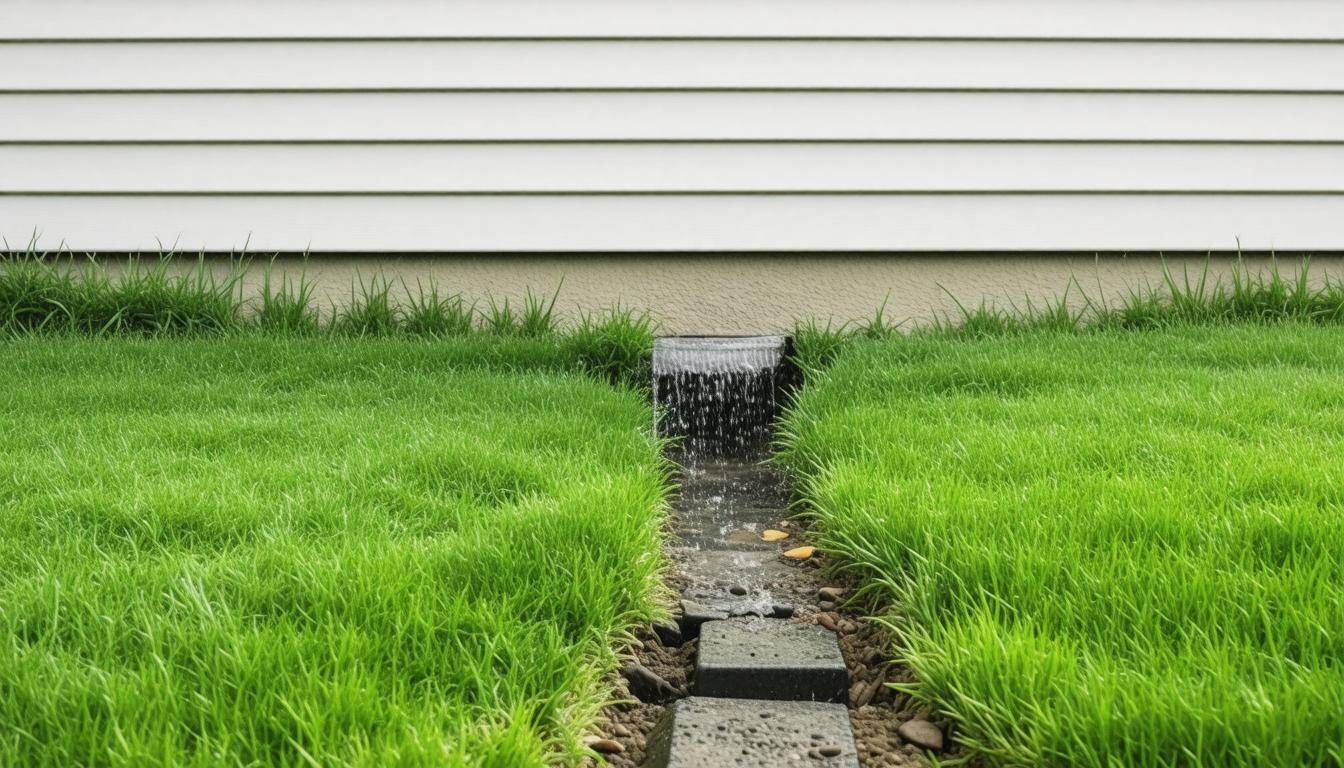
Water seepage can be a silent enemy, eroding the very foundation of your home. Just like a house needs a solid base to stand proud and tall, addressing moisture accumulation around that base is crucial. By implementing preventive measures, you can ensure your home remains safe against the wear and tear of rainy seasons.
Correct Grading
One of the first steps to safeguard your foundation is correct grading. This starts with ensuring that the ground slopes away from your home. A slope of one inch per foot for at least six feet ensures that water flows away rather than pooling near those vulnerable foundation walls. This simple adjustment directs rainwater efficiently, helping prevent future costly repairs caused by erosion or water damage.
Picture this: It rains heavily, and instead of pooling around your foundation like a mini pond, all that water gracefully rolls away into a well-drained landscape. That’s the benefit of proper grading.
In practice, this could mean modifying the landscaping near your home to create a gentle incline. You might also want to reconsider the plants you place close to your foundation; deep-rooted shrubs draw up more water, which helps in moisture control.
Moisture Barriers
Now let’s talk about moisture barriers. Installing these along the base of your foundation can significantly reduce the risks associated with damp soil conditions. A popular choice is polyethylene sheets secured in place with gravel layers on top. This robust setup acts as an effective shield, preventing water from permeating the soil around your foundation walls.
Proper moisture barriers are essential for longevity and peace of mind. According to the Home Builders Association, effective moisture barriers can reduce foundation repair costs by up to 40%. Think about that—it’s not just an expenditure, it’s an investment in your home’s integrity!
By sealing off moisture from directly contacting your foundation, you’re making a proactive decision that pays dividends down the road. In addition to sheets, consider using waterproof sealants on any cracks or gaps you notice at least twice a year.
As you implement these protection strategies, remember that maintaining proper drainage systems is just as vital in building an effective defense against rainy season challenges.
Enhancing Drainage Systems
Efficient drainage systems are crucial in preventing water from pooling around your property. When rainwater accumulates near the foundation, it can lead to serious structural issues, including foundation damage and basement flooding. Thus, taking proactive steps to enhance your drainage systems is imperative in safeguarding your home during heavy rainfall.
Gutter Maintenance
Regular maintenance of gutters is key. Over time, they can become clogged with leaves, twigs, and dirt, which can cause water to overflow and pool against your home’s foundation. As a homeowner, it’s wise to clean your gutters at least twice a year—more often if you have large trees nearby. In addition to manually clearing out debris, employing gutter guards can significantly reduce the frequency of cleanings. These devices act as barriers, allowing water through while keeping debris at bay.
Another effective method is to check the slope of your gutters; they should direct water towards the downspouts efficiently. A gentle slope is all that’s needed for gravity to work its magic. If you notice water pooling in areas, you may need to adjust the angle or add more downspouts.
Downspout Extensions
Once you’ve ensured that your gutters are clear, focus on the downspouts. Installing downspout extensions is vital for channeling water far away from the foundation—ideally, at least five feet away. Downspout extensions made from durable plastic are both adaptable and easy to install.
Statistically speaking, homes equipped with proper downspout extensions report a 30% reduction in basement leaks during the rainy season. So, not only do these extensions serve an aesthetic purpose, but they also genuinely protect your home from potential water damage.
Ensure that these extensions direct water onto surfaces that promote drainage rather than simply redirecting it back towards other areas near your home. Grading can help with this; the ground should slope away from your foundation for optimal drainage.
Incorporating these measures creates a robust defense against water intrusion. However, maintaining this defense requires careful consideration of various interior protections and renovations that can further ensure dryness within your home.
Waterproofing Basement and Interiors
To start, one of the most important steps in basement waterproofing involves sealing cracks and joints. These small openings can become entry points for water during heavy rains. When you apply a high-quality waterproof sealant, such as Drylok or SikaFlex, you’re creating an impermeable barrier that prevents moisture from seeping through. The beauty of these products lies not only in their effectiveness but also in their user-friendly application—most homeowners can complete this task over a weekend with just a few tools, saving time and money.
It’s essential to assess your walls thoroughly. Look for both visible cracks and more subtle signs of water damage, like efflorescence (a white powdery substance on the surface of the wall). Whenever you identify a crack, be diligent about treating it right away to avoid larger problems down the road.
A waterproof sealant applied correctly can extend its lifespan for years and significantly reduce future repair costs.
Next, consider the installation of a sump pump, which serves as your proactive safeguard against flooding. A sump pump actively removes excess water accumulation in basements and crawl spaces. To maximize efficiency, choose models equipped with battery backup systems; this feature ensures that your pump continues to function even during power outages. Research shows that automated sump pumps can effectively decrease the risk of basement flooding by a staggering 75%. Having such a system in place not only protects your investment but also offers peace of mind as storms approach.
Keep in mind that maintaining these systems is just as important as their installation; checking sump pump functionality every few months will ensure that it’s ready to operate when you need it most. If you’re wondering about cost, professional basement waterproofing averages between $2,000 and $5,000 depending on size and conditions—but investing in protective measures is always less expensive than dealing with water damage later.
Additional Methods for Effective Waterproofing
Besides sealing cracks and installing sump pumps, examining your home’s overall waterproofing strategy will yield even better results. For instance, consider integrating interior sealants on vulnerable surfaces. These act as additional barriers against moisture and provide flawless protection when applied correctly.
Remember though—a leaky basement should never become an unintended swimming pool! Keeping indoor humidity levels between 30-50% is crucial too. This helps prevent mold growth while keeping you comfortable indoors.
Taking action now by addressing those concerning leaks may save you valuable time that could have been spent dealing with repairs if left unchecked. So grab your toolkit, check those joints, invest in effective drainage techniques including sump pumps, and stay protected this rainy season!
With your basement secured against the elements, it’s time to shift focus to ensuring efficient management of rainwater around your property.
Managing Rainwater in Your Yard
Properly managing rainwater in your yard is not just about aesthetics; it’s essential for preventing water from infiltrating your home’s structure. When rainwater flows unchecked, it can lead to pooling, which may eventually seep into basements or crawl spaces. Thus, implementing effective drainage solutions can significantly change the way your landscape handles rain.
Installing Rain Gardens
One of the most effective ways to manage excess rainwater is by installing rain gardens. These specially designed gardens are planted in low-lying areas of your yard and are meant to catch and absorb rainwater runoff. They typically consist of moisture-tolerant plants such as ferns, sedges, and rushes that thrive in these wet environments.
Not only do they help reduce flooding, but they also enhance the beauty of your yard.
Interestingly enough, a homeowner in Seattle reported a staggering 50% reduction in backyard flooding after incorporating a rain garden into their landscape. This demonstrates how even a humble patch of carefully selected flora can provide a significant solution to an otherwise overwhelming problem.
While creating a rain garden is a wonderful start, sometimes more intensive measures are needed for handling excess water.
French Drains
For properties experiencing severe water pooling issues, consider installing French drains. These underground drainage systems work by channeling excess water away from areas prone to flooding. They function by utilizing perforated piping buried in gravel-filled trenches, facilitating the free flow of water towards designated drainage points—often routed directly to storm drains or dry wells.
While this project requires more labor and investment upfront, the long-term benefits are invaluable. It’s not just about solving today’s water problems; it’s about safeguarding your home for years to come. Over time, French drains can effectively mitigate water issues, yielding a return on investment through reduced damage repairs and enhanced property value.
Exploring these innovative strategies for managing groundwater sets the stage for understanding which specific resources and tools will enhance your efforts in protecting against rainfall.
Materials and Tools for Rain Protection
Equipping yourself with the right materials and tools will make all the difference during the rainy season. Think about it: Is your roof ready to take on those torrential downpours? You certainly don’t want to be caught unprepared when storm clouds gather above. Investing a bit of time upfront can save you from significant headaches later on.
Essential Tools
-
Caulking Gun: A must-have for sealing gaps around windows, doors, and even between roof tiles. Using a caulking gun filled with high-quality silicone or acrylic sealant can prevent leaks before they start.
-
Ladder: Ensure you have a sturdy ladder for accessing gutters and roofs safely. This tool is essential for performing regular maintenance checks and addressing any issues as they arise.
-
Gutter Scoop: A simple but effective tool to clear out leaves and debris from your gutters. Clogged gutters can lead to water overflow, causing potential damage to your roof and foundation.
-
Waterproof Sealant: Ideal for protecting surfaces from water intrusion. Whether you’re using it on your deck or basement walls, quality sealants are designed to stand up to moisture over time.
-
Sandbags: Having these on hand is critical for flood prevention. Placing sandbags strategically around vulnerable areas helps reroute water away from your home’s foundation.
Ensure these tools are of high quality; this investment ensures both effectiveness and longevity of use. If you’re making a trip to your local hardware store, don’t hesitate to ask for recommendations from staff who know what holds up best in wet conditions.
In addition to tools, the right materials are key.
High-Quality Materials
Prioritize materials like marine-grade plywood for temporary barriers; this type of plywood can withstand harsh weather conditions much better than standard options. When expecting excessive rainfall, consider using acrylic sealants—these provide strong adhesion and flexibility necessary for withstanding dynamic temperatures while keeping water at bay.
One practical tip: Industrial fans can work wonders in drying out interiors quickly after a leak before mold sets in. A well-ventilated space is crucial in preventing long-term damage due to trapped moisture.
In emergency situations where immediate waterproofing is required, products like Flex Tape serve as an excellent temporary solution to patch up those unexpected leaks. It’s easy to apply—just peel and stick—and remains effective until you can implement a more permanent fix.
When looking at gaps and cracks in various surfaces, consider using Great Stuff spray foam insulation; this expands and fills voids, creating an airtight barrier against water intrusion.
Having the right tools and materials on hand allows for quick response to any rainy season challenges, effectively protecting your home. With proper foresight in organizing these essential items, you establish peace of mind knowing that come rain or shine, your haven remains secure and intact.
By being proactive with maintenance and investing wisely in tools and materials, you’ll safeguard your home against the challenges brought by the rainy season. Take these steps seriously to ensure the integrity of your living space throughout the stormy months ahead.
Are there specific landscaping practices that can help protect my home from water damage in the rainy season?
Yes, specific landscaping practices can significantly protect your home from water damage during the rainy season. Creating a sloped landscape away from your foundation helps divert rainwater and reduces the risk of flooding; studies show that homes with proper grading experience up to 30% less water-related issues. Additionally, planting drought-resistant plants and installing rain gardens can absorb excess rainwater, minimizing runoff. These methods not only protect your property but also enhance its aesthetic appeal and biodiversity.
How can I effectively waterproof my basement or foundation to prevent flooding?
To effectively waterproof your basement or foundation, start by ensuring proper drainage around your home by grading the land away from the foundation and installing gutters and downspouts to direct water away. Additionally, apply a waterproofing sealant to basement walls and consider installing a sump pump for excess water control. According to the American Society of Home Inspectors, around 60% of homes experience some form of water intrusion in their basements, making these prevention measures crucial for safeguarding your property during rainy seasons.
What preventative maintenance should I perform on my roof before the rainy season begins?
Before the rainy season begins, it’s crucial to inspect your roof for any signs of damage or wear. This includes checking for broken or missing shingles, cleaning out gutters and downspouts to ensure proper drainage, and sealing any cracks or openings. According to the National Roofing Contractors Association, regular maintenance can extend the lifespan of a roof by up to 30%. Proactive repairs not only prevent leaks but also save you significant costs on emergency repairs during heavy rainfall.
What are the signs that my home may not be ready for the upcoming rainy season?
Signs that your home may not be ready for the upcoming rainy season include visible water stains on ceilings or walls, leaks around windows and doors, and cracks in the foundation. According to recent studies, homes with unresolved water damage issues can suffer from an increase of up to 50% in repair costs if maintenance is delayed. Additionally, clogged gutters and downspouts can lead to overflowing which might damage your roof and landscaping, making regular inspections vital.
Which household items should I secure or protect during heavy rain forecasts?
During heavy rain forecasts, it’s essential to secure outdoor furniture, garden equipment, and any electrical appliances that could be exposed to moisture. Covering or storing items like grills, lawn mowers, and patio sets can prevent damage from water exposure; in fact, approximately 30% of property damage during storms is attributed to failure in securing outdoor items properly. Furthermore, ensuring that drainage systems like gutters are clear helps mitigate water overflow, protecting your home’s foundation from excessive moisture.