
In Rajasthan, where the sun blazes relentlessly and the earth begs for rain, the relentless impact of drought and extreme heat is more than just a story; it’s a growing crisis that affects every corner of life. Farmers watch helplessly as their once-thriving fields turn to dust, while families face daunting challenges in finding clean water and nutritious food. It’s important to understand not just the immediate effects of these harsh conditions but also how to respond to them effectively. From gathering essential supplies to developing sustainable practices, communities must come together to find solutions that bring relief now and help build resilience for the future. Let’s explore the pressing situation in Rajasthan and what can be done to help those in need.
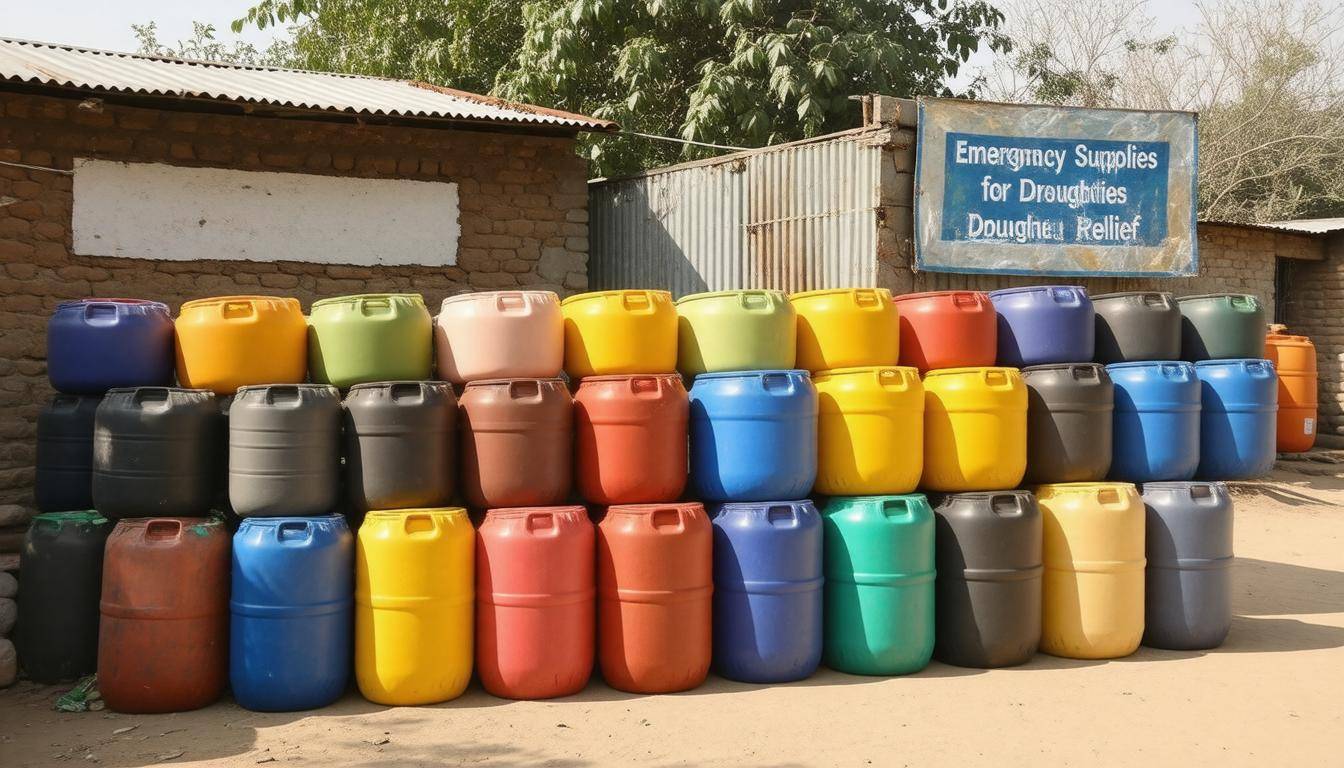
Essential supplies for managing drought and heat emergencies in Rajasthan include water purification tablets, portable water storage solutions, heat-reflective clothing, hydration packs, and first-aid kits. Additionally, community farming resources such as drought-resistant seeds and soil moisture monitors can help support sustainable agriculture during dry spells.
Current Conditions and Impact in Rajasthan
The situation in Rajasthan is dire as the heat and drought continue to take their toll. With temperatures soaring and rainfall diminishing, communities are left to cope with severe water shortages. Many villages that once flourished with vibrant crops now resemble barren lands, stripped of their vitality. For families depending on agriculture for their livelihoods, these harsh conditions have turned a once-promising season into a time of desperation.
Just last year, crop yields across the region dropped dramatically—by an estimated 40%—due to an unprecedented lack of water. As a result, not only are farmers facing economic hardship, but they are also confronted with food insecurity, leading to a noticeable rise in malnutrition among children and vulnerable populations. This crisis stretches across regions like Jaisalmer, noted for its fierce sun and arid climate, where families report having to travel significantly farther each day just to fetch water.
Livestock are also heavily affected by this harsh reality. Farmers rely on their animals for sustenance and income; yet, rising heat has caused many livestock deaths as pastures dry up and water sources vanish. The emotional toll is equally significant—seeing beloved animals perish adds to the profound sense of loss felt in these afflicted communities.
Community leaders are emphasizing the importance of immediate intervention. Local authorities are urged to implement sustainable water management practices, enhance irrigation systems, and provide relief supplies to those struggling to survive.
In light of these conditions, it’s essential for external support and resources to be mobilized quickly. Organizations working on ground support must focus on providing both immediate relief—such as food supplies and clean drinking water—as well as long-term strategies aimed at improving resilience against future droughts.
Recognizing these challenges not only underscores the urgency of our response but also informs the strategies we need to implement for effective assistance in combating this crisis. Moving forward, a focus on planning and resource allocation will be critical in addressing these pressing issues.
Preparedness and Emergency Response
In times of drought and extreme heat, having a robust preparedness plan is akin to having an insurance policy ready for unexpected storms. It begins with developing a comprehensive emergency plan that considers various scenarios. This plan should detail the steps everyone in the community will need to take, including evacuation routes and designated meeting points. Enlisting community input in crafting this plan enhances its effectiveness and fosters a stronger sense of unity among residents.
Stockpiling essential supplies is another crucial component of emergency preparedness. As drought conditions worsen, resources such as non-perishable food items, water purification tablets, and first-aid kits become vital. Water might be scarce—so it’s wise to store at least a gallon per person per day for at least a week. Additionally, implementing sustainable solutions such as rainwater harvesting systems can serve dual purposes: providing potable water and reducing dependency on dwindling local supplies.
Alongside resource management, community training plays an instrumental role.
Engaging local volunteers in training programs equips them with the necessary knowledge and skills for efficient response during emergencies. Whether it’s through first aid training or strategic planning sessions on how to distribute supplies, empowered volunteers can make a significant difference. Moreover, workshops can teach valuable skills such as gardening under drought conditions or creating shade structures to protect elderly neighbors from heat exposure.
Establishing effective communication networks ensures that important information reaches all members of the community quickly. Utilizing SMS alerts or social media channels helps disseminate critical updates regarding weather forecasts or available assistance programs. Regular drills simulating emergency situations can keep the community prepared for real events while also highlighting potential gaps in their plans.
For instance, Rajasthan’s government has efficiently implemented early warning systems to alert residents about imminent heatwaves. However, these systems work best when complemented by grassroots involvement from local organizations and residents alike. Fostering resilience at these foundational levels strengthens overall efficiency and response times during emergencies, ensuring that preparations genuinely consider the unique needs of community members.
As we shift our focus, understanding how to enhance local water supply will be pivotal in countering the challenges posed by drought conditions.
Securing Water Sources
Water, often referred to as the essence of life, becomes even more precious during drought conditions. As dry spells extend, securing dependable water sources should be our top priority. This is where rainwater harvesting and well recharging come into play, each offering remarkable benefits in regions grappling with scarcity.
Rainwater Harvesting
Rainwater harvesting is a proactive approach involving the collection of runoff from rooftops and directing it into storage tanks for future use. Imagine the monsoon season: while most people rush inside to avoid getting wet, those implementing rainwater harvesting are setting up their tanks to catch every drop. In places such as Udaipur, this technique has transformed lives; households that once relied solely on erratic municipal supplies can now depend on their own systems. By installing simple gutters and storage systems, families secure water while also lessening the burden on overtaxed local resources during dry spells.
According to local reports, many households utilizing this method have noted a reduction in their dependency on outside sources by over 30%.
Well Recharging
On the other side of the equation is well recharging, a process that directs surface water back into underground aquifers. Think of it as reconnecting a network—the more you recharge your wells, the more resilient they become. In districts like Alwar, communities have joined forces to facilitate initiatives aimed at revitalizing dried-up wells. This includes creating small check dams or diversion channels that allow rain or excess surface water to flow downwards into the groundwater system.
The results of these community-led initiatives are inspiring: they provide sustainable water sources for drinking and irrigation while fostering camaraderie among residents who work together for a common goal.
A recent survey highlighted that areas actively participating in well recharging have seen an increase of over 50% in available groundwater supplies compared to neighboring regions without similar initiatives.
With an understanding of these essential methods of securing water sources, it’s crucial to turn our focus toward gathering vital supplies that will aid those affected by drought.
Essential Drought Relief Supplies
When drought strikes, the immediate need for essential supplies becomes apparent. It’s not merely about survival; it’s about maintaining dignity in the harshest situations. Among these necessities, clean water tops the list. In areas where water sources dwindle, having an ample supply of bottled water or water purification tablets can be a lifeline. They provide hydration and peace of mind, ensuring families avoid waterborne diseases that often accompany crises like droughts.
But water alone cannot sustain life; nutrition plays a pivotal role in overall health.
Next on the list is food—specifically, non-perishable items that require little preparation. Think canned goods, rice, beans, or high-energy snacks such as granola bars and nuts. These convenient items can make a marked difference in energy levels and morale during trying times. Having an adequate food supply helps families remain resilient when confronted with adversity.
“Without access to nourishing food, it’s easy to feel defeated,” reflects Ramesh, who witnessed firsthand how these essentials kept spirits alive during the challenging heatwave.
Hygiene is another critical yet often overlooked aspect of relief efforts.
Health and hygiene supplies are equally crucial during drought conditions. First-aid kits stocked with bandages, antiseptics, and basic medications can address minor injuries or ailments before they become serious concerns. Meanwhile, sanitary products and soaps ensure personal hygiene amidst limited resources. Proper hygiene significantly lowers the risk of illness, making these items indispensable for those affected.
Finally, shelter and comfort must not be neglected.
One cannot underestimate the importance of shelter essentials. Tents and blankets provide necessary protection against the elements while offering warmth during chilly nights after scorching days under the sun. This portable sanctuary allows victims of drought to create safe spaces amidst chaos.
| Category | Items |
|---|---|
| Water | Bottled water, water purification tablets |
| Food | Non-perishable items, high-energy snacks |
| Health | First-aid kits, medication |
| Hygiene | Sanitary products, soaps |
| Shelter | Tents, blankets |
By addressing these essentials thoughtfully and thoroughly, we can help empower those facing drought to endure their circumstances with strength and dignity. As we shift focus now to how we can further support these communities through provisions that cater to both sustenance and comfort…
Food and Cooling Resources
When it comes to food resources, focusing on drought-resistant crops is critical. These crops are specifically engineered or have adapted over time to withstand dry conditions, thus reducing our dependency on more vulnerable staples like rice and wheat. For instance, sorghum and millet stand out as premier alternatives; they thrive in arid environments and can greatly benefit communities by providing nutritious food options when traditional crops fail.
To make the most of these resilient crops, local farmers should receive education on optimal cultivation techniques tailored to drought conditions. This means utilizing rainwater harvesting systems alongside crop rotation practices that further enhance soil quality while maximizing yield. Moreover, community support systems—such as seed banks or cooperatives—can enable farmers to share resources and knowledge, ensuring everyone has access to these vital plants.
Cooling Solutions
Turning our attention to cooling solutions, it’s essential to recognize that effective climate management can make a significant difference in health and well-being during heat waves. Simple solutions such as solar-powered fans can provide much-needed airflow during brutal temperatures, helping to alleviate heat stress in both homes and public spaces.
Emphasizing solar power not only utilizes a renewable resource but also shifts reliance away from conventional electric energy that may be sporadic in drought-affected areas. For instance, community cooling centers equipped with solar panels can serve as life-saving havens for those most affected by heat; they allow individuals to gather in safe environments where they can cool down, hydrate, and receive medical care if needed.
Thus, establishing these centers not only addresses immediate cooling needs but fosters community resilience against ongoing climatic challenges.
As we shift focus to the methods of distributing these crucial supplies efficiently, strategies will emerge that ensure every community member receives the assistance they need effectively. This preparation will lay the groundwork for tackling challenges head-on.
Effective Distribution Strategies
Establishing distribution centers in strategic locations is crucial for any relief effort. Think of it like placing the compass at the center of a map. When these centers are positioned conveniently, they become lifelines during crises. It’s essential to locate them in accessible areas to ensure that those in need can reach them without hassle. However, security also matters; protecting these resources against potential looting means that distributing agencies must take precautions, ensuring that shelters or building sites are fortified and monitored.
- Choose Locations Wisely: Select sites that are prominent and familiar to the community.
- Heightened Security: Secure surrounding fences, surveillance cameras, and possibly local volunteers to deter potential theft.
Once the centers are established, implementing technology boosts efficiency further.
Utilizing Technology
Technology plays an influential role in modernizing disaster response techniques. Mobile applications for real-time tracking of supplies improve accountability immensely. Imagine a system where every bag of rice shipped can be tracked from point A to point B with just a tap on a screen. This not only enhances timely delivery but also builds trust among community members who want assurance their needs are being met.
By embracing such technological innovations, relief agencies can avoid unexpected delays and unaccounted losses during distribution times.
Furthermore, employing RFID (Radio Frequency Identification) tracking systems allows organizers to monitor supplies accurately as they move through various stages of delivery. Consider how each tagged item can communicate its exact location and status through wireless signals. This leads not only to enhanced transparency but also guards against waste and misuse of essential resources.
Combining secure distribution hubs with advanced tracking technologies creates a robust framework for effective relief initiatives while engaging the local community actively. Next, we will explore how vital community involvement is in enhancing relief efforts and ensuring sustainability.
Community Participation in Relief
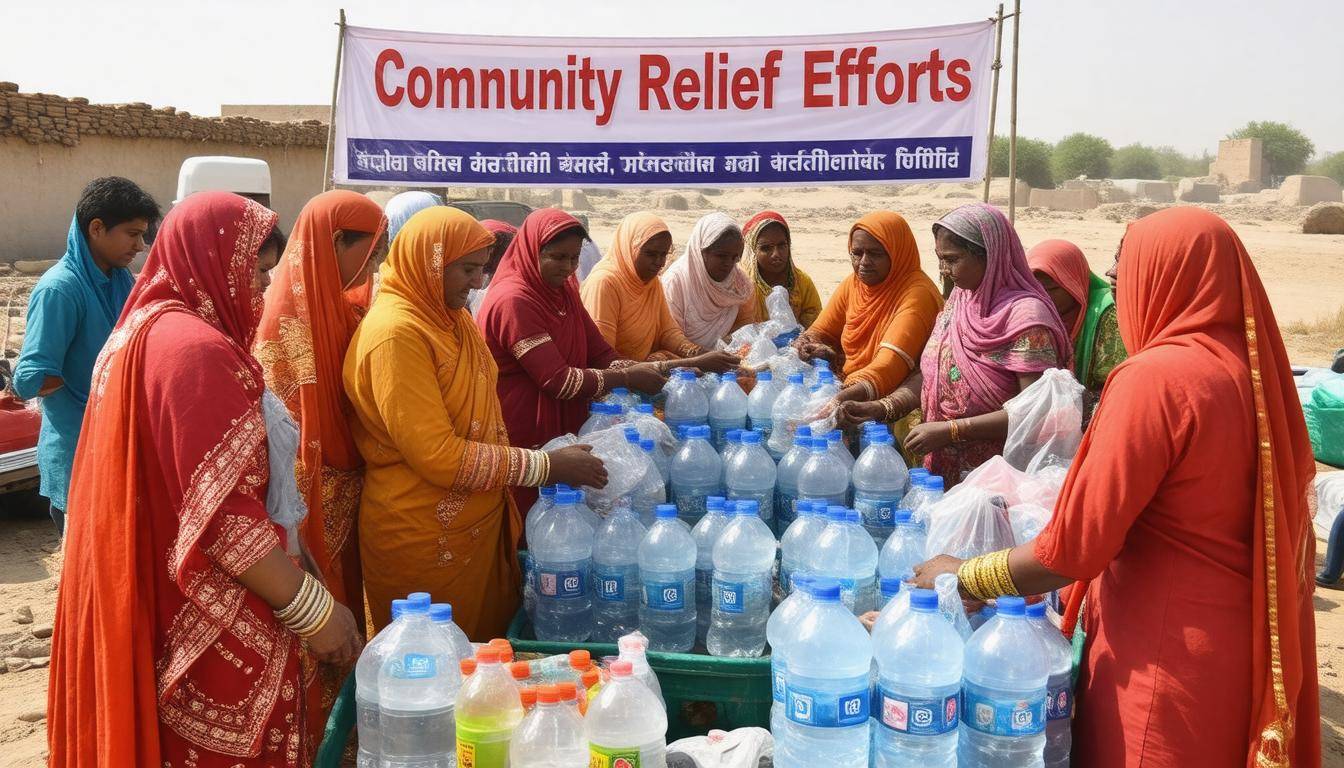
Engaging local community members creates a sense of ownership over the relief process, ensuring that assistance is both appropriate and effective. When individuals feel personally invested, they are more likely to participate actively, share their insights, and address the unique challenges faced by their communities. This approach transforms mere aid into a collaborative effort that fosters resilience and self-sufficiency.
Local Volunteer Training
By training local volunteers, relief organizations can empower individuals to take on key responsibilities such as supply distribution and first-aid delivery. These volunteers often have firsthand knowledge regarding community-specific needs, making them invaluable assets during crises. For instance, consider the impact of volunteer training in Jodhpur: “Our community volunteers played a crucial role in managing last year’s supplies,” says Priya, a social worker who witnessed this transformation firsthand. Training programs can cover essential skills like basic emergency response, communication strategies, and logistics management, equipping volunteers to perform their roles effectively while also building confidence within the community.
Even more than immediate logistical support, fostering long-term resilience within communities can significantly alter their ability to respond to crises.
Community Resilience Programs
Implementing resilience programs dedicated to drought preparedness helps communities become proactive rather than reactive. Such initiatives typically focus on educating residents about water conservation techniques, crop rotation practices, and sustainable land management. This targeted education reduces dependency on external aid during emergencies since empowered individuals have the tools they need to withstand adverse conditions.
“Knowledge is power,” but in terms of community resilience, it’s even more than that—it’s survival.
Consider organizing workshops where experts work collaboratively with community members to brainstorm solutions tailored specifically for local contexts. This will foster a spirit of cooperation while addressing shared concerns about drought impacts. Just imagine a community being able to formulate quick responses or innovative solutions based on lessons learned from previous experiences.
The combination of trained local volunteers and informed community members not only facilitates more effective relief operations but also lays a foundation for greater adaptability in future emergencies. As these efforts grow stronger over time, they become catalysts for building interconnected networks that uplift entire communities through solidarity and shared purpose.
This foundation of local engagement sets the stage for exploring promising pathways that can transform how we approach future challenges tied to climate-induced hardships.
Long-Term Solutions for Drought Mitigation
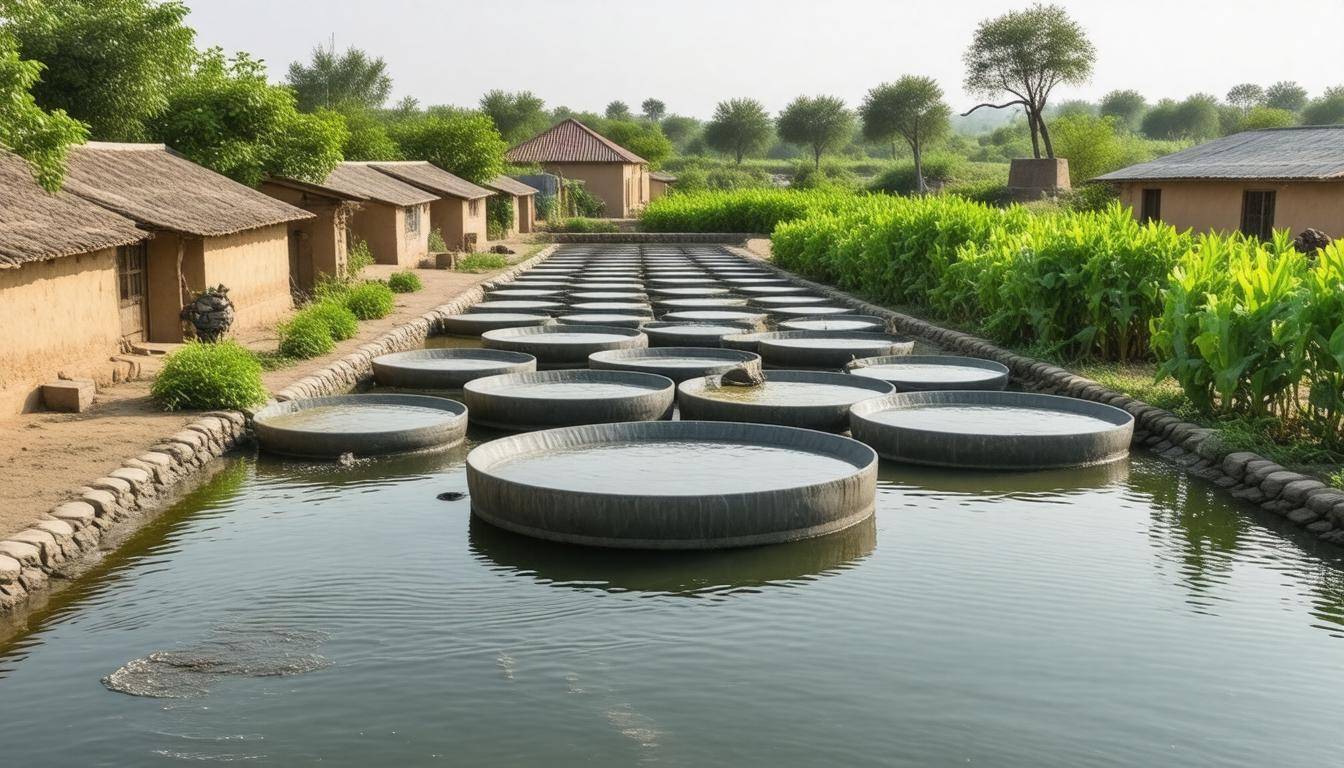
Long-term measures are essential to address the root causes of drought and heat emergencies. One effective strategy is implementing sustainable agricultural practices. These practices maximize resource utilization while minimizing dependency on water resources. For instance, techniques like crop rotation enhance soil fertility and reduce the risk of disease, while agroforestry integrates trees into farming systems, which helps in reducing soil erosion and conserving moisture. By diversifying crops, farmers can adapt better to changing climatic conditions and mitigate the impacts of drought.
It’s crucial for local governments and communities to promote sustainable farming techniques actively. Farmers should be encouraged to use methods that optimize available resources and decrease overall water consumption. This includes educating farmers about soil health, water conservation technologies, and the importance of maintaining biodiversity on their farms. In turn, these practices lead to more resilient crops and healthier ecosystems.
However, transitioning toward sustainable agriculture is only one part of the equation.
Another significant aspect involves advocating for government policies that support water conservation and renewable energy initiatives. These policies must shape our approach toward resilience against future droughts. Governments can implement measures such as stricter regulations on water usage while incentivizing innovations in irrigation technology. These actions not only encourage responsible consumption but also secure vital resources against scarcity.
The forthcoming implementation of the Rajasthan Water Policy 2023 serves as a beacon of hope in this regard. Aiming to enhance water use efficiency by 30% over the next decade, this policy could significantly alleviate water shortages if executed properly. By establishing metrics for evaluating improvements, stakeholders can assess progress and adapt strategies when necessary.
Ultimately, addressing drought challenges requires a multifaceted approach.
By weaving together sustainable agricultural practices, supportive government policies, and innovative solutions, Rajasthan can aspire to create a future where drought and heat emergencies become less frequent and substantially less devastating to both its people and the environment. This holistic strategy will safeguard livelihoods and foster a healthier connection with nature—a necessary foundation for truly sustainable living amidst climatic challenges.
Through collaboration and commitment, it is possible to navigate these pressing issues effectively and create lasting change.