
In times of crisis, knowing who to call for help can be a lifesaver. The Red Cross is often the first organization that comes to mind when disaster strikes, providing essential services and support to communities in need. But with many regional offices operating independently, it’s crucial to have the right contact information handy. Understanding your local resources is like having a safety net; it ensures you won’t be left scrambling when every minute matters. This article highlights the importance of knowing your regional Red Cross contacts and how they play a vital role in aiding those affected by disasters, helping you navigate through emergencies more effectively.
You can find the regional contact list for Red Cross Disaster Services by visiting the official Red Cross website, where they provide specific contact information tailored to each region. This list includes phone numbers and email addresses to assist you in reaching out to local disaster response teams effectively.
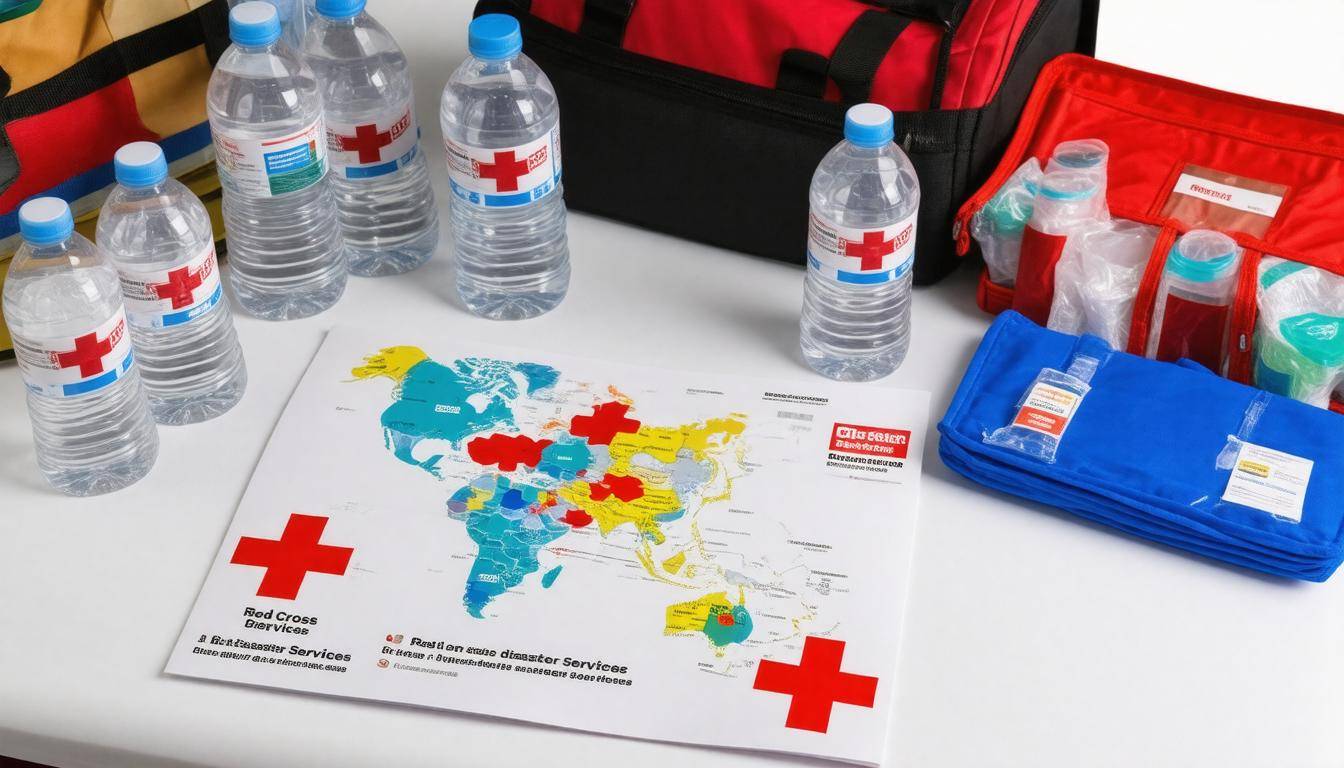
Regional Red Cross Contacts
The Red Cross has strategically placed regional offices across the country to ensure that help is always nearby when disaster strikes. Each regional office caters to the specific needs of their community and operates independently to streamline responses during emergencies. This localized focus is essential because it allows the organization to assess the needs of different areas more effectively and provide tailored support.
Understanding the exact contacts for your region cannot be overstated. In times of crisis, every second counts; having the right phone number or email address at your fingertips can mean the difference between receiving aid quickly or facing delays. When you reach out to your regional Red Cross, you will be guided by a team familiar with local resources and trained to deal with specific types of emergencies prevalent in that area.
To illustrate just how important this network is, consider two neighbors affected by the same natural disaster—one who directly contacts their regional Red Cross office and another who calls a distant national number. The first neighbor likely receives information tailored for their location, while the second may experience frustration due to miscommunication or a lack of understanding about local conditions.
List of Regional Red Cross Contacts
| Region | Contact Number | Email Address |
|---|---|---|
| Northeast | 1-800-555-NEAST | neast@redcross.org |
| Southeast | 1-800-555-SEAST | southeast@redcross.org |
| Midwest | 1-800-555-MWEST | midwest@redcross.org |
| Southwest | 1-800-555-SWEST | southwest@redcross.org |
| West Coast | 1-800-555-WCOAST | westcoast@redcross.org |
Knowing these numbers and email addresses makes you better prepared to act swiftly when an emergency arises. There’s no need to waste precious time searching online when you can store this information in your phone or keep a printed copy close by. After all, preparedness is the cornerstone of effective emergency management.
As we move further into understanding the various functions and responsibilities of these offices, insights into their role will shed light on how they assist communities during emergencies.
Role in Disaster Relief
The Red Cross plays a pivotal role in disaster relief by mobilizing trained volunteers and resources during times of need. When disaster strikes, their response is swift and organized, often beginning within hours. These dedicated volunteers set up emergency shelters, ensuring that individuals and families have a safe place to sleep, especially when homes are lost or unsafe. Alongside this immediate support, they provide nutritious meals to those displaced, recognizing that sustenance is as critical as shelter during such traumatic events.
Their operations extend beyond merely providing basic needs; the Red Cross also distributes essential relief supplies, including clothing, hygiene products, and blankets, to help restore dignity and comfort in chaotic situations.
Comprehensive Assistance Beyond Immediate Relief
In addition to addressing urgent requirements immediately after a disaster, the Red Cross assists with recovery planning. This involves helping affected individuals navigate the complicated process of recovering from a disaster and accessing financial assistance or counseling services. The organization aids both physical recovery and acknowledges the emotional toll disasters can take on individuals and families.
For instance, an eye-opening statistic reveals that in 2022 alone, the Red Cross responded to over 60,000 disasters across the nation. They provided more than 1.2 million overnight stays in emergency shelters, served over 10 million meals and snacks, and distributed nearly 7 million relief items. These figures illustrate just how crucial their efforts are during crises.
Understanding these roles highlights the layered support they offer—both during disasters and as communities work toward rebuilding their lives afterward. Next, we will examine another vital aspect of humanitarian aid provided through specialized healthcare initiatives.
Direct Relief Services
Direct relief services from the Red Cross represent a critical lifeline during times of crisis. These services encompass immediate actions such as sheltering, feeding, health services, and emergency financial assistance, all aimed at providing timely support when disaster strikes.
One of the most vital components of direct relief is emergency sheltering. When families are displaced by disasters, the Red Cross works swiftly to set up temporary shelters in safe locations. This isn’t just about providing a roof overhead; it’s about offering a haven where people can regroup and begin to recover emotionally from traumatic events. Facilities often include cots, hygiene supplies, and access to information on available resources.
As individuals settle into these spaces, the Red Cross also focuses on feeding those in need. Imagine the comfort that comes from receiving a hot meal after having lost everything. The provision of hot meals and snacks not only nourishes physically but also fosters a sense of community among those affected by disaster. Volunteers often prepare meals in large kitchens or shelters, ensuring that everyone receives not just sustenance but compassion.
Another crucial element of direct relief is health services. The chaos following a disaster can leave many feeling anxious or overwhelmed. That’s why the Red Cross offers first aid for physical injuries alongside mental health support for emotional distress. Trained professionals provide these vital services on-site and offer referrals to additional care when necessary. Access to these health resources is essential in helping individuals navigate their recovery processes.
The combination of physical aid and emotional support illustrates how holistic Red Cross services truly are.
Moreover, as part of their commitment to supporting individuals financially impacted by disasters, the Red Cross provides emergency financial assistance. This is particularly helpful for those in urgent need who may have lost wages or access to funds due to their situation. By giving immediate financial help to those most affected, the Red Cross allows families to address pressing needs—be it groceries, clothing, or other essentials needed for day-to-day living.
These services aim to meet basic needs immediately after a disaster, demonstrating how effectively the Red Cross coordinates its response efforts and builds resilience within communities facing overwhelming challenges. As we explore further, we’ll look into how partnerships with various agencies enhance these initiatives.
Collaborations with Agencies
The effectiveness of disaster response relies heavily on the Red Cross’s partnerships with agencies like FEMA, local governments, and various community organizations. These collaborations are vital as they allow each participating entity to pool resources, expertise, and networks, significantly bolstering overall response efforts during crises. When disasters strike, splitting responsibilities among different agencies prevents any one organization from becoming overwhelmed while maximizing the reach of immediate aid.
One prime example of this synergy was evident during Hurricane Ida when the Red Cross teamed up with FEMA to roll out comprehensive shelter and relief operations. The partnership enabled efficient allocation of necessary resources such as food, water, and medical supplies across affected areas. This level of coordination means families faced with distressing situations aren’t left to fend for themselves; instead, they access a network of support that helps them get back on their feet more quickly.
However, some critics argue these collaborations can inadvertently introduce delays or complications due to varying protocols and administrative requirements. Yet, the positive impact often outweighs these drawbacks. By coming together under a common goal, agencies can solve challenges—like alleviating bottlenecks in resource distribution—that individual entities may struggle to navigate alone.
In disaster management, having a cohesive approach allows everyone involved to effectively manage resources while better serving communities in need. This dynamic is essential not just for immediate relief but also for long-term recovery strategies. When agencies align their goals and resources coherently, they can innovate solutions that might not be possible within isolated frameworks. For instance, utilizing local volunteers through community organizations provides on-the-ground insights that large agencies may overlook.
Embracing collaboration among different sectors is a pragmatic strategy in disaster services. Agencies gain unique perspectives that enable them to anticipate community needs more accurately, leading to informed decisions about how best to allocate assistance efficiently and promptly. Continued partnerships set the stage for more resilient communities—those prepared to weather not only the storms above but also the challenges that loom from within.
With these collaborations in mind, it’s important to explore how to seamlessly access these vital contacts for assistance when disaster strikes.
How to Access Contacts
Accessing your local Red Cross contacts is straightforward but crucial during emergencies. One of the simplest ways to find the necessary information is through their online directory.
Visiting the official Red Cross website allows you to utilize the regional locator tool, which displays contacts based on your location. This feature not only pinpoints the nearest branch but also provides additional details like available services and hours of operation, making it incredibly useful when time is of the essence.
Online Directory
To use the regional locator tool effectively, visit the specific section for finding local resources on the website. Simply enter your zip code or state, and you’ll be presented with a list of contact information for chapters in that area. Make sure to jot down the numbers and store them in your phone or a printed list for quick access later.
Transitioning from online resources to more direct communication, let’s explore phone assistance.
Phone Assistance
For those who prefer talking to someone directly, calling the national Red Cross number (1-800-RED-CROSS) is an excellent option. Once you dial in, carefully follow the prompts that will guide you to your local chapter. This can be especially helpful if you’re in a hectic situation where navigating websites isn’t practical. Furthermore, an actual person can provide immediate answers or connect you with essential services that might not be listed online.
Having this information readily available ensures that when emergencies arise, you can respond efficiently without wasting precious time searching for help.
While online tools are beneficial, don’t underestimate the value of personal connections. Engage with local Red Cross volunteers or staff if you have the chance; they often serve as invaluable resources during crises and can offer insights beyond just emergency assistance.
As we shift our focus, understanding how local members function within this framework becomes increasingly relevant for effective community support.
Importance of Local Contacts
Having local Red Cross contacts is crucial when emergencies arise. In times of disaster, every second counts, and having the right phone numbers stored in your contacts can make an immediate difference. For instance, during a natural disaster like a flood or wildfire, local Red Cross personnel understand your area’s resources, community plans, and specific needs.
When you have access to these local contacts, you’re not just relying on distant resources; you’re connecting with those who understand the nuances of your community.
Consider a scenario: a sudden storm causes widespread flooding. Shelters must be set up quickly, and food supplies need to be mobilized. Your regional Red Cross knows which local buildings can serve as emergency shelters and which community centers can coordinate food donations for affected families. This network streamlines the process of getting aid where it’s needed most efficiently.
Knowledge about local resources matters too—information about nearby medical facilities or mental health services can be incredibly valuable during chaotic times. Local Red Cross representatives usually have insight into these services, connecting individuals to specialists who might assist them.
In fact, Jane Doe from the Midwest shared her experience: “Knowing my local Red Cross contact number was a lifesaver during the 2021 floods; we got help within hours.” Her words underscore that having these contacts isn’t merely helpful; it can genuinely be a lifesaver.
Preparing for Emergencies
Adopting a proactive approach by collecting contact information before disaster strikes is essential. Familiarize yourself with your local chapter and note down key numbers—like their 24-hour hotline or any specific lines dedicated to various types of disasters.
Check their website for additional emergency tools—they often provide checklists or readiness kits that clarify what you should have on hand during crises. You might even come across – Emergency shelter locations
- Hotlines for emotional support
- Lists of volunteers you can reach out to for help
When chaos strikes, the knowledge of whom to contact can empower you to act swiftly and effectively. Now, let’s explore how to navigate these situations step-by-step, ensuring you receive the assistance you need promptly.
Emergency Assistance Steps
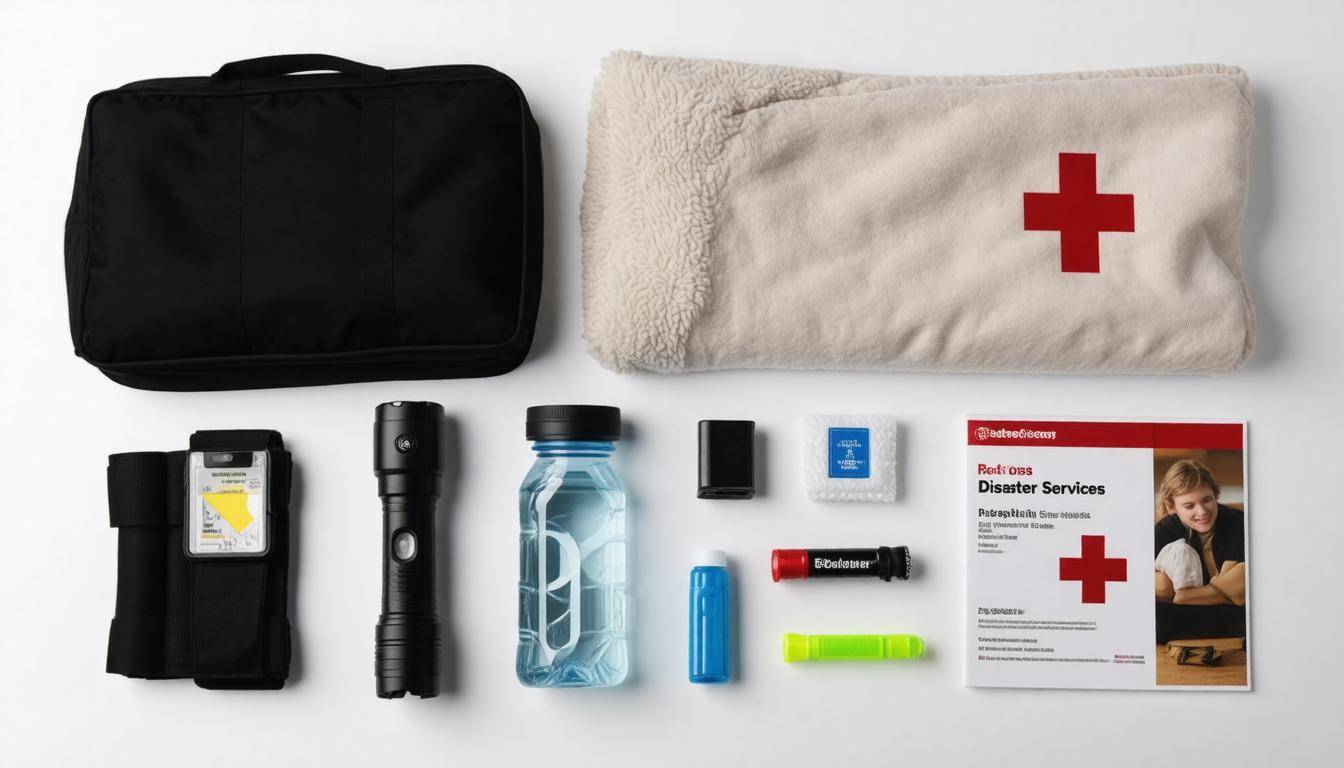
Knowing the exact path to take in an emergency can make a world of difference for both yourself and those around you. The first step is crucial: identifying the emergency at hand. This involves assessing the situation—whether it’s a natural disaster, medical emergency, or another immediate threat. By clearly defining what type of emergency you’re facing, you can relay this information accurately when seeking assistance. For instance, saying “I smell gas” provides a completely different context than stating “There’s a flood in my home.” Such clarity enables responders to provide the most appropriate aid swiftly.
Having identified the emergency, your next move is straightforward yet essential.
Step 1: Identify the Emergency
Once you have pinpointed the nature of the crisis, it’s time to contact local Red Cross services for immediate assistance. This organization has trained professionals ready to respond promptly based on your specific needs. Use your regional contact information—often available on their website or through community resources—to connect with them directly. Don’t hesitate; every second counts during emergencies.
After making contact, it becomes imperative to follow the guidance provided by these experts.
Step 2: Contact Local Red Cross
They will instruct you on what the next best steps might be, whether that’s evacuation orders, safety protocols, or where to access shelter and supplies. However, it’s equally important that you fully grasp these directives. Ask questions if necessary—ensure that you understand everything clearly so that you can act accordingly. Getting proper support hinges not just on reporting the situation but also engaging actively with those offering assistance.
In times of stress, effective communication can transform uncertainty into action.
Step 3: Follow Guidance
Following their guidance closely will ensure that both your safety and well-being are prioritized. It’s easy to feel overwhelmed during such situations, but clear-headed adherence to instructions can significantly alter outcomes. Utilize this opportunity for education as well, learning from what each interaction reveals about handling future emergencies. The process doesn’t just stop once help arrives; it continues in how you manage, respond to emergencies collaboratively, and share your experiences with family and friends afterward.
Effective action during an emergency isn’t merely about reacting; it’s about preparation, understanding, and communication.
With these essential steps laid out, we’ll explore common inquiries that arise when navigating these challenging scenarios.
Frequently Asked Questions
Understanding the nuances of Red Cross disaster services can ease a lot of anxiety when trouble strikes. For instance, many people wonder how quickly they can expect help following a disaster. Response times can vary depending on the scale of the event, but generally, the Red Cross aims to be on-site within hours after an incident is reported. This prompt response is vital; every minute counts when lives and safety are at stake.
Another common question revolves around the types of assistance offered by the Red Cross. Their support is comprehensive and designed to meet immediate needs. They provide essentials like shelter in emergency situations, food for those displaced, medical support for anyone injured, and even financial aid to help individuals get back on their feet.
The breadth of services reflects a fundamental commitment to aiding those in distress, making them a reliable resource during your time of need.
A frequent concern is whether anyone can access these services. The answer is a resounding yes! The Red Cross has made it clear that their assistance is available to anybody affected by disasters—regardless of their social status or background. This inclusive approach underscores their dedication to serving all members of the community during critical times, ensuring that help reaches those who need it most without barriers.
Although these commonly asked questions cover basic inquiries, it’s wise to familiarize yourself further with local branches since services might vary slightly in different regions. Being prepared means knowing not only what’s available but also how to access it efficiently when seconds matter.
By understanding these points, you can proactively navigate any crisis and ensure that you and your loved ones remain safe and supported in the critical moments following a disaster.