
In times of crisis, many people look to their faith for comfort, guidance, and support. This is where religious organizations often become lifelines for communities facing disasters. Whether it’s a natural calamity like a hurricane or a man-made tragedy, these groups are usually on the front lines, ready to offer help and hope. With deep ties to their neighborhoods, religious organizations not only provide immediate aid but also nurture resilience in the long run. This guide will explore how faith-based communities can effectively mobilize in response to disasters, sharing strategies and lessons learned from past experiences. By understanding their unique role in disaster relief, we can see that it’s not just about providing food or shelter; it’s about building strong communal bonds that help individuals heal and recover together.
The Religious Organization Disaster Support Guide outlines essential strategies and best practices for faith-based organizations to mobilize resources, coordinate relief efforts, and effectively support communities during and after disasters. This guide includes partnership strategies, training resources, and case studies that illustrate the pivotal role of religious organizations in enhancing community resilience through effective emergency response initiatives.
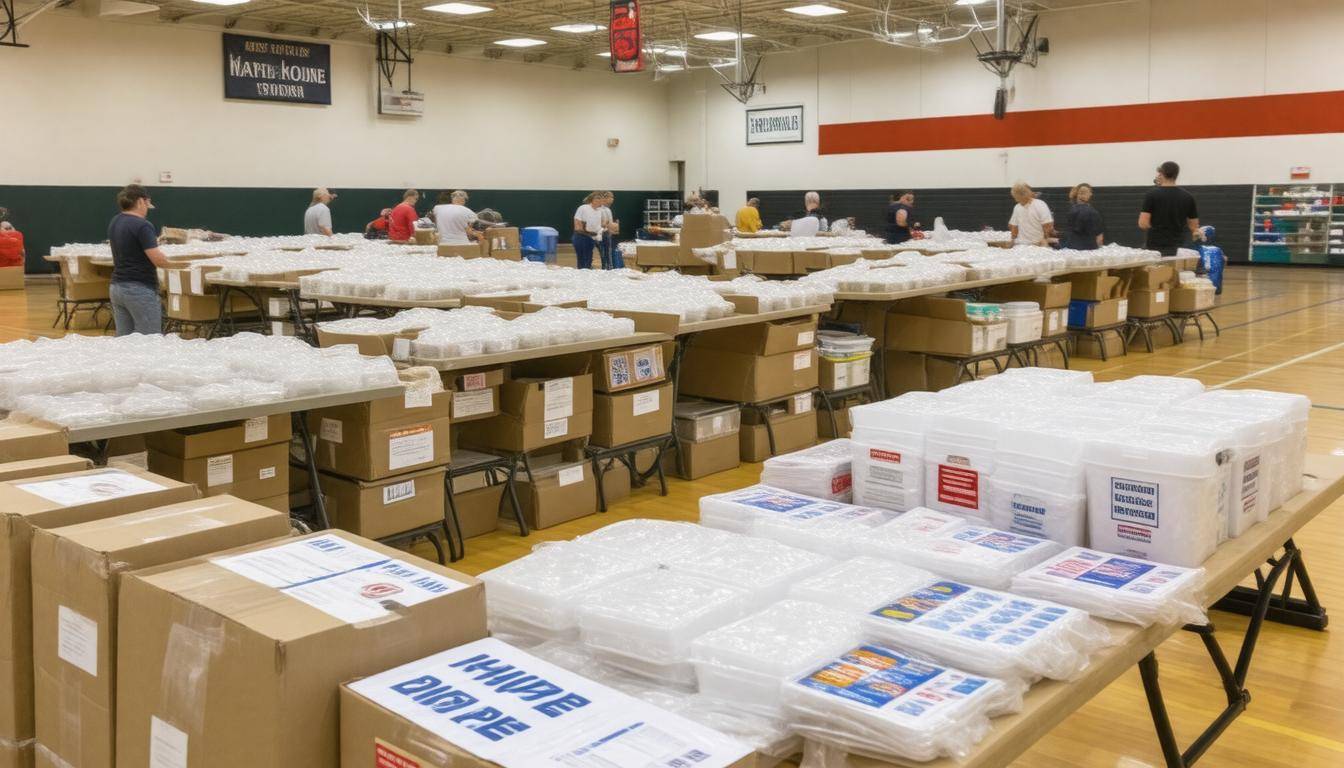
Types of Disasters and Types of Organizations
Disasters manifest in many ways, both natural and man-made, each presenting unique challenges that communities must face. Natural disasters—like hurricanes, earthquakes, and wildfires—often strike with little warning, leaving devastation in their wake and testing the resilience of affected populations. Religious organizations have established deep roots within their communities, enabling them to mobilize quickly when calamity strikes. For example, after hurricanes, organizations like Catholic Relief Services and Southern Baptist Disaster Relief act swiftly by deploying volunteers to distribute emergency supplies, offering shelter and comfort.
During an earthquake, every second counts. Groups such as LDS Charities and Islamic Relief USA are pivotal in delivering medical supplies rapidly while also providing the structural support needed for recovery efforts. These organizations know that when walls come down, lives hang in the balance.
Meanwhile, wildfires present a different but equally intense challenge.
In the chaos of wildfires, churches often become safe havens for those forced to evacuate their homes. It’s remarkable to see community members come together under one roof during these trying times. Organizations like the Salvation Army not only serve hot meals but also offer temporary shelter for families seeking refuge from the flames. This swift action is crucial; it doesn’t just provide physical safety but also emotional support during crises.
On the flip side of natural disasters are man-made incidents like industrial accidents or acts of terrorism. When an industrial disaster occurs, faith-based groups like Mennonite Disaster Service focus on rebuilding infrastructure while offering vital mental health support. They understand that physical recovery is often accompanied by psychological scars that require tender care.
Acts of terrorism present a different challenge altogether.
The aftermath of such tragedies can leave communities reeling with grief and fear. Organizations like the Anglican Communion step in to offer grief counseling and programs aimed at building community resilience. Their outreach helps people heal collectively, encouraging communities to rise together rather than retreat into fear.
Understanding these nuances—the type of disaster and the roles that various religious organizations fulfill—is critical in developing effective response plans. Tailoring actions according to the nature of the disaster ensures that aid reaches those who need it most efficiently. The synergy between local knowledge and organizational effectiveness amplifies impact during stressful times when immediate help is paramount.
As we explore how to formulate structured responses to these emergencies, a crucial step involves devising strategies that adapt to the varying nature of disasters and the needs they present.
Creating a Disaster Response Plan
Crafting a disaster response plan requires a multi-step approach that ensures readiness for any emergency situation. It’s not just about what you’ll do in the moment; it’s about preparing your organization and community long before the first signs of trouble appear. The foundation of a strong plan typically involves risk assessment, resource allocation, and communication strategies, each playing an essential role in ensuring that your community is equipped to handle whatever may come its way.
Risk Assessment
Start with a clear risk assessment. This means identifying potential threats specific to your geographic area. Consider the types of disasters that are most likely to occur—hurricanes, floods, wildfires, or earthquakes—and evaluate your community’s vulnerability. For instance, if your community is in a tornado-prone area, ensure effective evacuation routes, stockpile tornado-specific supplies such as helmets and sturdy footwear, and educate residents on safe spaces. Involving local experts can provide valuable insights into past events or share the community’s historical risks.
After understanding the threats you face, the next step is to ensure effective resource allocation within your organization.
Resource Allocation
Conducting a thorough inventory of available resources is vital. Resources include volunteers, equipment such as generators or first-aid kits, and financial assets needed for urgent expenses. Assess what you have on hand, acknowledging both tangible items and human capital. For example, your church’s large hall could serve as a temporary shelter during flooding events, or members with medical training can assist in emergencies. Once gathered, allocate these resources efficiently according to priority needs for various scenarios.
Utilizing frameworks like FEMA’s recommended templates can streamline this process, ensuring nothing crucial is overlooked.
While assessing risks and allocating resources forms the backbone of your plan, having effective communication strategies is equally important for seamless operations during any crisis.
Communication Strategies
Your communication strategy should cover various channels and methodologies to reach everyone in your community promptly. Utilizing social media platforms along with texting services allows you to quickly disseminate essential information to those connected online. However, it’s equally critical to establish alternative communication avenues for individuals who may not have internet access. Implementing a phone tree system ensures that important announcements reach all corners of your congregation efficiently.
Think about how varied communication styles can cater to diverse groups within your community. For instance, using visual aids during informational sessions can help engage those who may be less familiar with technology or crisis vocabulary.
With these steps completed—assessing risks, allocating resources effectively, and developing robust communication strategies—the next significant focus will be on preparing all members involved in carrying out this crucial plan during a disaster.
Training Volunteers and Members
Well-trained volunteers lay the foundation for an effective disaster response plan, ensuring that your team can act swiftly and competently in times of crisis. Many religious organizations take this responsibility seriously, offering tailored training sessions that cater to their specific community needs.
For instance, groups like the United Methodist Committee on Relief provide workshops covering critical areas such as first aid, search and rescue operations, and emotional support. These initiatives not only give volunteers valuable skills but also foster a sense of community and purpose.
A 2024 report by FEMA highlights that volunteers who undergo at least 20 hours of disaster preparedness training demonstrate a 40% increase in effectiveness during actual events. This statistic underscores the essential role of proper training and preparation in disaster management.
Step-by-Step Guide
Starting off strong with initial training is crucial; this phase should involve mandatory introductory sessions where participants grasp the basics of first aid and emergency protocols. These foundational workshops ensure that everyone shares a common understanding of available resources and potential challenges. Engaging storytelling can bring these lessons to life, illustrating scenarios volunteers may encounter.
Once they’re grounded in the essentials, it’s imperative to move onto advanced workshops. This phase can include specialized training on CPR certification, trauma counseling, and small-scale logistics management. The idea here is not just to teach skills but also to instill confidence in handling complex situations that may arise during emergencies.
However, learning isn’t complete without practice—and drills and simulations are where theory meets reality. Organizing periodic drills helps volunteers test their readiness while familiarizing them with various disaster scenarios, from natural calamities to man-made crises. Not only does this prepare them for the unexpected, but it also allows you to identify strengths and areas for improvement within your response team.
With these essential skills and real-world experience in hand, the next step involves effectively mobilizing these trained individuals and utilizing resources efficiently when disaster strikes.
Deploying Staff and Resources
Effective deployment isn’t just about sending people and supplies out into the field; it’s about ensuring that those resources are delivered quickly and in a coordinated manner. When disaster strikes, time is often of the essence.
Therefore, establishing coordination centers is essential. These hubs function as central points for organizing efforts, making them easier to manage and more effective in providing aid to those impacted. Ideally, these centers should be located in easily accessible areas for both volunteers and community members needing assistance. For example, placing a coordination center near a heavily populated community center allows for efficient distribution of food, water, and medical supplies.
This leads us to the next crucial element: real-time communication.
In the midst of chaos, clear communication becomes the backbone of effective disaster response. Using tools such as walkie-talkies or dedicated mobile apps can greatly enhance your team’s ability to stay connected as the situation evolves.
The “Zello” app, renowned for its ease of use among volunteers during disasters, transforms smartphones into walkie-talkies, allowing staff to communicate instantly regardless of their location. By using this technology, teams can avoid delays that could put lives at risk. Imagine a scenario where a volunteer needs immediate backup or an update on resource needs; having real-time communication tools makes addressing those urgent requests seamless.
Now that we’ve established coordination centers and communication systems, let’s turn our attention to the vital task of resource allocation.
Evaluating the immediate needs in a disaster-stricken area is not just beneficial—it’s critical for survival. After a flood, the focus must shift quickly towards providing clean drinking water and dry clothes rather than simply distributing food items that might not be immediately necessary.
A successful faith-based organization understands how to prioritize these resources effectively by conducting on-the-ground assessments to gauge what people urgently require. Implementing an organized system ensures that those who need help the most receive it without delay, reinforcing community trust in these organizations.
Understanding the intricacies involved in deploying staff and resources during emergencies requires ongoing education and preparedness training. The combination of established coordination centers, reliable communication methods, and prioritized resource allocation can significantly impact the effectiveness of emergency response efforts.
With these frameworks in place, we can now explore how organizations extend their hands further by providing essential services like shelter and food during times of crisis.
Providing Shelter and Food
Religious organizations often step up during crises, becoming vital resources for those who have suddenly found themselves without a home. Churches, mosques, synagogues, and temples transform into makeshift sanctuaries offering warmth, comfort, and a protective refuge for families displaced by natural disasters. Imagine being in the throes of a hurricane or an earthquake; knowing that your local place of worship has opened its doors to provide cots and blankets can be the glimmer of hope one needs.
Types of Shelters
The flexibility of faith-based organizations allows them to adapt their spaces effectively. These places of worship may not just provide shelter but also create an atmosphere of unity and safety amidst turmoil. By turning large gathering areas into dormitories and meeting rooms into kitchens, they can accommodate many people—fostering community spirit at a time when social bonds are especially needed.
A personal story from a volunteer during Hurricane Katrina illustrates this: “Our church became a home for over 200 families,” said John, reflecting on the warm meals shared and friendships forged during those harrowing days. In moments like these, faith-based groups become more than just service providers; they create family among those who have lost everything.
Meal Services
Hunger often compounds distress after disasters, propelling efforts to serve food in tandem with providing shelter. Many religious organizations deploy mobile kitchens capable of serving hundreds of hot meals daily. For example, Sikh communities have gained recognition for their Langar services—an initiative ensuring that anyone in need receives nourishing food during emergencies without discrimination.
A recent report from the National Voluntary Organizations Active in Disaster revealed that religious institutions collectively offered more than 3 million meals following the last hurricane season alone. This staggering figure highlights the dedication and capability of faith-based organizations to respond quickly and compassionately when called upon.
While immediate assistance plays a pivotal role in crisis response, it sets the stage for deeper recovery initiatives that follow. As communities begin to heal from immediate hardships, the focus shifts toward establishing sustainable frameworks for rebuilding lives and support systems.
Long-Term Recovery Support

When we think about disasters, we often focus on quick responses like providing food and shelter. However, recovery is a marathon, not a sprint; it demands patience, dedication, and strategy. Faith-based organizations are uniquely positioned to provide this essential support over the long haul, ensuring that communities can rebuild and heal.
Emotional and Spiritual Support
The aftermath of a disaster can leave deep emotional scars. Many religious organizations recognize this need and actively provide ongoing counseling services to help individuals cope with trauma and loss.
For instance, they frequently organize weekly support groups led by trained volunteers. These gatherings become safe spaces where people can share their feelings and experiences, facilitating healing within the community.
After the devastating 2019 California wildfires, local churches played a crucial role in organizing group therapy sessions that helped residents process their grief together. Such initiatives foster an environment of community resilience, showing that people are not alone in their struggles.
Rebuilding Communities
Once the dust has settled, it’s imperative to turn attention towards rebuilding efforts. This includes not just homes but also schools and community centers—places that serve as the heartbeat of neighborhoods.
Religious groups are known for collaborating with organizations like Habitat for Humanity to channel manpower and resources effectively into reconstruction projects. These partnerships create a synergy that speeds up rebuilding efforts and instills hope among residents that they can recreate their lives anew.
Financial Assistance Programs
Equally important is addressing the financial strain many families experience after a disaster. Creating designated funds allows faith-based organizations to offer small loans or grants for families and small businesses impacted by calamities.
The initiatives seen with Islamic Community’s Zakat funds serve as prime examples; they provide financial relief quickly and efficiently, enabling those affected to stabilize their livelihoods.
Statistics illustrate the effectiveness of these programs—nearly 85% of faith-based organizations report providing such assistance during recovery phases, directly contributing to the reconstruction of community wealth.
Beyond just physical rebuilding and emotional support, the collaborative approach fosters a spirit of resilience in affected communities. As these organizations implement their multifaceted strategies, synergy grows between sectors, paving the way for more effective partnerships that can drive forward both local recovery and resilience-building efforts.
Partnerships with Government and NGOs
When disaster strikes, collaboration amplifies the impact of response efforts. Government agencies, non-governmental organizations (NGOs), and religious organizations each bring unique strengths to the table, together providing a comprehensive safety net for those affected. For instance, when local communities face crises, having a unified front ensures rapid response times and efficient use of resources, saving lives.
Memorandums of Understanding (MOUs)
Comfort in partnership stems from clear expectations. This is where Memorandums of Understanding (MOUs) come into play. These formal agreements outline the roles and responsibilities of each participating entity. The National Council of Churches has established MOUs with FEMA and various local governing bodies to streamline disaster response efforts. This clarity allows organizations to act swiftly without wasting precious time on misunderstandings.
Imagine you are part of an emergency response team during a hurricane. Having an MOU means everyone knows who is in charge of what—whether it’s logistics, communication, or providing resources—which can make all the difference when urgency is key.
Shared Resources
Another crucial aspect of these partnerships is pooling resources. By sharing logistics, volunteers, and funding, organizations can create a more effective disaster response network. For example, the Red Cross often collaborates with churches to offer shared shelters and distribute aid supplies. This collaborative resource management maximizes outreach capabilities and plays a pivotal role in helping families during their most critical moments.
In times of crisis, having a larger pool of resources leads to more effective community responses. However, it’s also essential to ensure that everyone involved is adequately trained and ready to take action.
Training Programs
Joint training programs are an excellent way to maintain readiness. By working together to facilitate these programs, religious organizations and NGOs ensure that volunteers from both entities are aligned in their mission. An example worth highlighting is the American Red Cross providing first aid and emergency response training to church groups. This initiative not only builds confidence among volunteers but also fosters a spirit of teamwork that will be invaluable during actual disaster events.
There’s ample evidence demonstrating the effectiveness of these partnerships; reports indicate that joint missions see a staggering 50% increase in efficiency compared to operations carried out independently. This speaks volumes about what can be accomplished when different entities work cohesively toward a common goal.
The collaboration between religious organizations, government agencies, and NGOs enhances immediate disaster response while laying the groundwork for long-term resilience within communities. As you explore deeper into these crucial alliances, consider investigating additional tools designed for enhancing preparedness against future disasters.
Resources for Further Disaster Preparedness

An effective disaster response plan hinges on being well-informed and equipped with the proper tools. One crucial resource comes from FEMA, which offers the IS-505 Course on Concepts of Religious Literacy for Emergency Management. This educational program explains how religious organizations can participate in disaster preparedness efforts. By understanding the unique perspectives that religion brings to communities, those involved can tailor their strategies to better connect with the populations they serve. This course is a must for religious leaders looking to coordinate more effectively during crises.
However, education is just one piece of the puzzle; there are numerous online platforms available that provide further support.
Websites like Ready.gov are invaluable for anyone looking to establish a thorough disaster plan. They offer a wealth of templates and checklists designed specifically for disaster preparedness, making it simple for individuals and organizations to create comprehensive plans. Beyond basic information, Ready.gov updates its users on current emergency protocols—keeping everyone informed and ensuring access to the latest guidelines during an emergency. Engaging with these resources can transform how communities approach preparedness, guiding them toward actions that can save lives and property.
Community engagement is another critical factor in disaster readiness, allowing residents to understand their vulnerabilities better.
The FEMA Resilience Analysis and Planning Tool (RAPT) serves as an excellent example of a tool that helps communities map out their strengths and weaknesses in terms of disaster preparedness. It allows organizations to analyze community vulnerabilities effectively while highlighting areas where resources should be focused. Proper utilization of RAPT can lead to insightful data-driven decisions about resource allocation and risk management; by knowing where help is most needed, organizations can maximize the impact of their efforts during an emergency.
A summary of these key resources appears below for quick reference:
| Resource | Purpose | Description |
|---|---|---|
| FEMA IS-505 | Educational | Course on religious literacy in emergency management |
| Ready.gov | Planning | Templates and checklists for comprehensive disaster preparedness |
| FEMA RAPT | Analysis | Tool for mapping community vulnerabilities and planning resource allocation |
With these resources readily available, religious organizations can significantly enhance their capabilities to prepare for disasters, ensuring they respond promptly and efficiently when the need arises.
In leveraging these tools and resources, communities can develop robust disaster preparedness strategies that not only save lives but also foster resilience in times of crisis.
How can religious organizations effectively prepare for disaster relief before emergencies occur?
Religious organizations can effectively prepare for disaster relief by developing comprehensive response plans that include training volunteers, establishing partnerships with local emergency services, and creating resource inventories. According to a report from the National Voluntary Organizations Active in Disaster (NVOAD), organizations that engage in regular training and simulations are 30% more effective in mobilizing resources during an actual crisis. Furthermore, fostering community networks beforehand allows for quicker responses and greater resource sharing when emergencies arise, significantly improving overall support efforts.
What training or resources are available for religious groups wishing to enhance their disaster support capabilities?
Religious groups wishing to enhance their disaster support capabilities can access various training programs and resources, including FEMA’s Community Education and Outreach program, which provides guidance on disaster preparedness, response, and recovery. Additionally, organizations like the National Voluntary Organizations Active in Disaster (NVOAD) offer training workshops focused on coordination and resource management during crises. Statistics show that faith-based organizations played crucial roles in disaster relief efforts, with 75% of volunteers in some areas being affiliated with religious groups, highlighting their significant potential impact when adequately trained.
How can members of a community get involved with their local religious organization’s disaster response initiatives?
Community members can get involved with their local religious organization’s disaster response initiatives by volunteering for training sessions, participating in fundraising events, and joining outreach programs that provide disaster preparedness education. Statistics suggest that faith-based organizations are often the first to mobilize during disasters, with over 70% of relief efforts in affected areas being led by such groups. Engaging with these organizations not only enhances community resilience but also fosters a spirit of cooperation and compassion among residents in times of crisis.
How do religious organizations collaborate with governmental agencies and other NGOs in disaster situations?
Religious organizations collaborate with governmental agencies and other NGOs in disaster situations by leveraging their extensive networks and community trust to facilitate communication and resource distribution. For instance, during the 2020 pandemic, organizations like the Red Cross reported that faith-based groups contributed over 25% of volunteer hours in disaster response, demonstrating their critical role in outreach and support. They often provide shelters, food, and emotional assistance while enhancing logistical capabilities through established partnerships with local governments for efficient emergency management. This synergy maximizes resources and minimizes response times, ultimately aiding communities in recovery efforts.
What are the specific roles that different faith-based groups typically take on during disaster response efforts?
Different faith-based groups often take on specific roles during disaster response efforts, including immediate relief provision, long-term recovery assistance, and community rebuilding. For example, organizations like the Red Cross and various religious charities provide shelter, food, and medical services immediately following a disaster. Statistics show that approximately 70% of disaster relief aid in the U.S. comes from faith-based organizations, highlighting their critical involvement. Additionally, they often serve as trusted leaders in their communities, facilitating outreach and support based on established networks of volunteers and local knowledge.