
When it comes to water storage, thinking outside the box can lead to sustainable solutions that are both practical and eco-friendly. Using repurposed containers not only reduces waste but also helps you save money and resources in your daily life. Picture this: instead of buying new plastic tanks or barrels for storing water, you transform old containers into functional storage systems—like reinvigorating an empty shipping barrel or an unused bathtub! In this guide, we’ll dive into various methods for sanitizing these containers, tips for keeping them in good shape, and ways to source these containers affordably. Get ready to make a positive impact on your environment while cleverly enhancing your water management strategies!
The “Repurposed Container Water Storage: Complete Guide” provides extensive insights into various techniques for sanitizing and utilizing used containers for water storage, ensuring safety and sustainability. It covers essential sanitization methods, community tips for maintaining container integrity, product recommendations for sourcing containers, and emphasizes eco-friendly practices in water management.
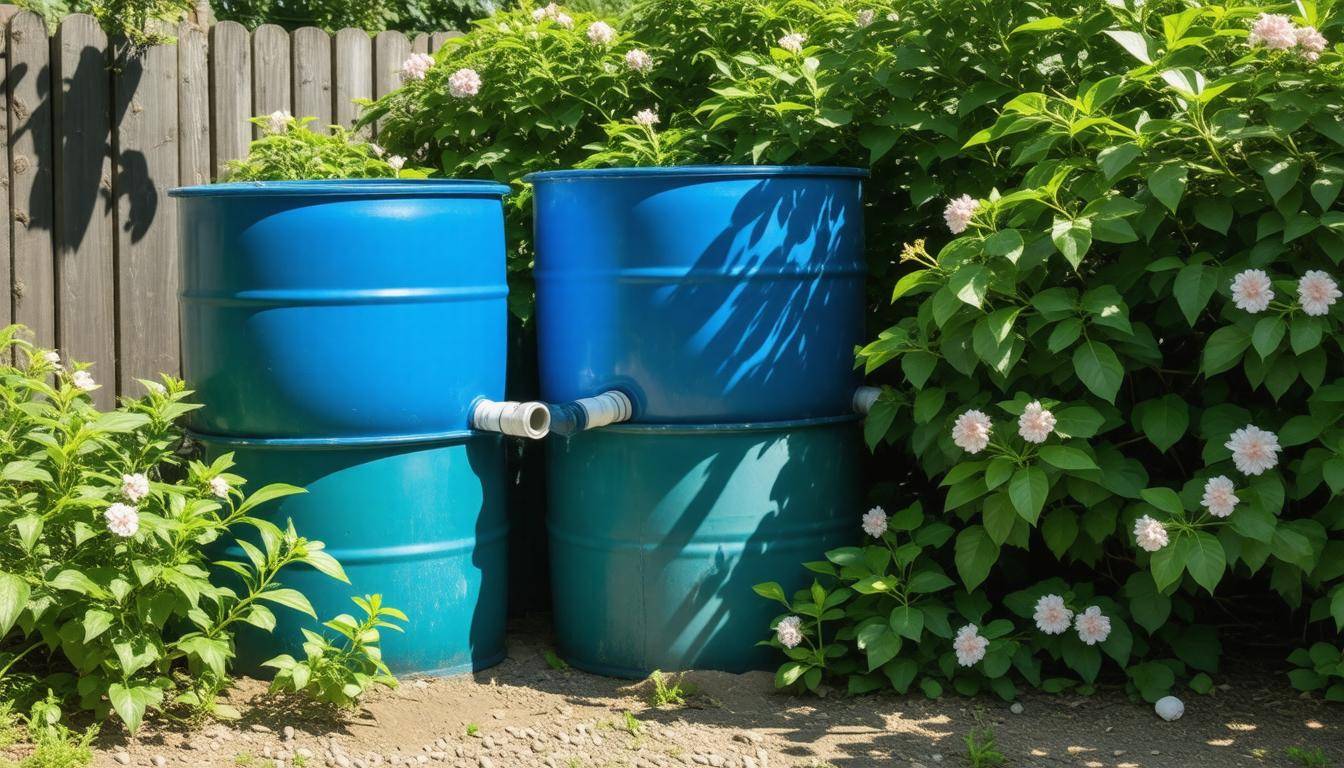
Top Repurposed Container Solutions
One of the most versatile options at your disposal is the IBC Tote. These robust containers, often seen in industrial settings, can hold up to 1,000 liters of water. Their built-in spigots make dispensing water incredibly easy. Imagine having a reliable source of irrigation right at your fingertips! Further enhancing their appeal, these totes are quite durable, meaning they can withstand harsh outdoor conditions if you decide to position them outside for rainwater collection. Surprisingly, these totes can often be sourced at low prices from local businesses looking to sell surplus inventory or that have already used them for non-toxic substances.
Furthermore, IBCs have found a special place in agricultural practices where they frequently serve as reservoirs for irrigation systems. Farmers have shared stories about how their carefully placed IBCs, filled with rainwater, have made a significant difference in conserving resources and ensuring consistent irrigation in dry spells.
Another excellent choice is food-grade barrels, which typically store around 55 gallons of water. These barrels, previously utilized for food products and beverages, are designed to resist contaminants, letting you rest easy knowing that the stored water remains safe for drinking or garden use. They’re invaluable in urban gardening setups where space can be limited yet efficient water storage is crucial.
One user mentioned how their food-grade barrels transformed their rooftop garden; by harvesting rainwater directly into the barrels, they managed to thrive without relying exclusively on municipal water sources.
But if you’re looking for even larger storage solutions, let’s talk about tanks!
Water tanks, especially those crafted from polyethylene or fiberglass, are another noteworthy alternative. These tanks come in a variety of sizes—some as modest as 500 liters to grand installations over 10,000 liters! The flexibility these provide makes them ideal for home and community use, particularly for rural areas where access to running water can be intermittent. By simply connecting downspouts from your gutters to these tanks, you can capture and store significant amounts of rainwater, which can then be used throughout drier months.
Additionally, keep an eye out for old bathtubs; you might be surprised at their capacity! A standard bathtub holds anywhere from 80 to 100 gallons—an unexpected reservoir that could serve as an innovative solution for larger gardens or landscaping projects. With a little creativity and elbow grease, these bathtubs can be cleaned and repurposed to provide water storage—a fantastic way to minimize waste while maximizing resources.
As we continue exploring various container options that promote sustainability, the next focus will expand on suitable sizes and materials for more extensive storage systems.
Barrels and Tanks for Water Storage
When it comes to water storage, the type of container you choose can significantly affect both functionality and efficiency. The right container optimizes space and ensures that your precious resource remains clean and accessible.
Container Types
Different types of barrels and tanks cater to varied needs:
| Container Type | Capacity (Liters) | Common Use | Durability |
|---|---|---|---|
| Metal Drums | 200 | Industrial, rainwater | High |
| Plastic Barrels | 220 | Residential, irrigation | Moderate |
| Concrete Tanks | 5000+ | Municipal, agricultural | Very High |
| Fiberglass Tanks | 10000+ | Large-scale storage | High |
Each type has distinct advantages tailored to specific scenarios. For instance, metal drums are robust choices for industrial settings, standing up against rigorous conditions while withstanding general wear and tear. They do require maintenance as corrosion can be an issue over time.
In contrast, plastic barrels offer versatility at a lower cost. They are lightweight and easy to transport, making them suitable for residential use or small gardening projects. However, they may not withstand all weather conditions as well as their metal counterparts.
Moving on to larger needs, concrete tanks provide extraordinary durability and stability, making them excellent options for municipal applications or agricultural use with their vast holding capacity of over 5000 liters. While their installation process can be challenging due to their weight, once in place, these tanks often last a lifetime due to their resistance to environmental factors.
Lastly, fiberglass tanks stand out when large-scale storage is a priority. Although they come with a higher price tag, their resilience and longevity make them appealing investments for serious endeavors such as commercial agriculture or extensive rainwater harvesting systems.
Once you’ve selected your container type based on your specific needs, it’s essential to consider how to effectively customize your setup for optimal storage efficiency. This leads us seamlessly into practical techniques for constructing your own water storage systems.
DIY Construction Methods
Creating an effective water storage system from repurposed containers can work wonders for both sustainability and functionality. The beauty of this process lies in its accessibility—you don’t need specialized knowledge to get started. However, a little planning goes a long way. The first step is always to choose your container wisely. Look for food-grade plastic containers or sturdy metal drums, considering factors like size and durability. Remember, containers that previously held food items are ideal as they pose less risk of harmful residues.
Once you’ve selected the right container, it’s time to focus on cleanliness.
Cleaning thoroughly is crucial. You want to eliminate any contaminants before you start storing your precious water. Begin by washing the container with warm soapy water, rinsing well afterwards. Next, prepare a cleaning solution using one part bleach to ten parts water—this mixture is effective at disinfecting surfaces. Fill the container with this solution and let it sit for at least 15 minutes. Afterward, rinse it out completely with fresh water and leave it in sunlight to dry, which will further help eliminate any lingering odors.
With a clean slate ready, we can now move on to enhancing functionality by adding necessary connections.
The addition of spigots and overflow pipes elevates your storage solution. To install these components, carefully drill holes in your container where you want them placed. Using waterproof gaskets and fittings ensures that each connection remains leak-proof. It’s worth spending time on this step; leaks can be detrimental not only to the integrity of your setup but also to the environment around it.
As you build your system, it’s important to think about reinforcement.
If your container is made from plastic or wood, consider reinforcing the structure. This is particularly vital if you’re working with larger containers that may bulge under pressure. Metal bands wrapped securely around the container can help maintain shape and prevent unwanted warping over time. Think of this step as adding a sturdy foundation to your house—it supports your entire project.
Lastly, let’s discuss placement to maximize efficiency.
After everything is secured and reinforced, positioning your container effectively is key. Ideally, place it on stable ground and consider raising it slightly off the ground if possible. Elevating your tank not only offers better gravity-fed dispensing but also prevents debris from collecting at the base. This thoughtful positioning leads to easier access for filling and using water as needed.
To inspire you further, let’s reflect on some successful community initiatives…
A community in Cape Town has showcased remarkable ingenuity by constructing multiple water storage units from old shipping containers, which greatly helped alleviate local water shortages during droughts.
As you consider these practical steps, expanding your knowledge about sealing techniques will be essential in ensuring your system operates smoothly and effectively.
Ensuring Proper Sealing Techniques
Achieving a watertight seal is crucial to maintaining the integrity of your stored water. A few careful steps can make all the difference.
First, start with a clean container. It may seem basic, but thorough cleaning cannot be overstated—any leftover residues can interfere with adhesive properties and lead to leaks. Use warm, soapy water to scrub away contaminants, rinsing thoroughly afterward. Drying the surface completely before applying any sealant is equally critical, as moisture can weaken adhesion.
Once your container is prepped for sealing, it’s time to consider which sealing method will serve your needs best.
Sealing Methods
A common choice among DIY enthusiasts is silicone sealant, which creates a flexible and durable barrier around spigots and connection points. It provides long-lasting seals that adjust to temperature changes without cracking.
Additionally, many succeed with epoxy resin on larger repairs; this option offers an incredibly tough bond ideal for metal containers and situations requiring a more rigid approach.
In certain applications, especially where joints are concerned, thread seal tape stands out for its simplicity and effectiveness. This easy-to-use tape wraps around fittings to enhance their waterproof capabilities, creating an effective barrier against leaks.
Recent tests have shown that using silicone sealant can reduce leakage by up to 85%, demonstrating just how impactful proper sealing techniques can be in protecting your water supply.
It’s essential to apply these sealants effectively to maximize their potential, ensuring that each method complements your project’s specific requirements.
When applying silicone sealant, run a smooth bead along the rim or area needing coverage—less is more here; over-applying can create messy results and might impair the seal’s effectiveness.
If you opt for epoxy resin, mix it according to instructions and apply evenly across the area; remember that patience is key as these compounds often have curing times. Thread seal tape should be tightly wrapped around the threads but avoid overlapping too much—this way, you’ll maintain a snug yet functional fit.
Taking care during the testing phase will ensure your containers are fully prepared for use.
After allowing adequate cure time—typically 24 hours for most sealants—test the container for leaks by filling it with water and letting it sit undisturbed for a day. Check all seams and seals carefully; if you notice drips or moisture forming, another application may be necessary. By investing time in careful sealing processes now, you secure peace of mind knowing that your repurposed container will efficiently manage your water storage needs.
With these foundational principles of sealing in place, we can shift focus toward alternative methods that utilize unconventional materials for unique storage challenges.
Creative Storage Options Using Unusual Materials
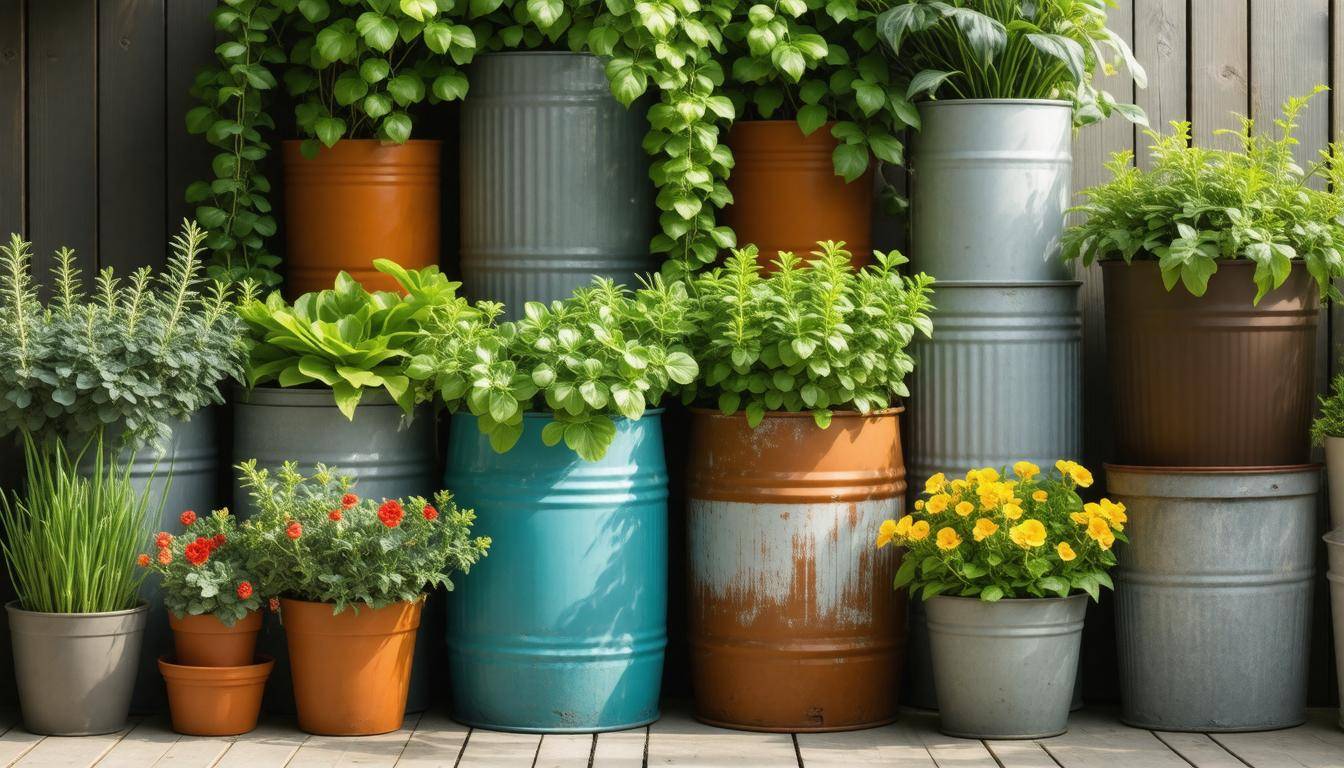
Sometimes, the most effective solutions come from repurposing items that are often overlooked or discarded. For water storage, think beyond traditional containers to discover a world of unexpected materials that serve this purpose remarkably well. For instance, wine barrels stand out not only for their robustness but also for their visual appeal; they can add a rustic charm to gardens while efficiently collecting rainwater. Their sealed design ensures that algae growth is minimized, making them practical and aesthetically pleasing additions to your outdoor space.
Another exciting option is repurposing an old bathtub. If you have an unused bath taking up space, consider it as a unique water storage solution. A quick retrofit can convert that tub into a quirky reservoir—with some creativity in looks and function! By placing it strategically in your garden and connecting it to your downspouts, you can collect rainwater without compromising visual aesthetics.
The beauty of these unusual options lies not just in their functionality but also in the stories they carry—an old bathtub transformed into a vibrant garden feature brings character to any yard and promotes sustainable living.
Additionally, large tractor tires present another innovative method for storing water. When sealed properly, these sturdy tires can be fashioned into reservoirs perfect for gardens or farming needs. They utilize materials that are otherwise discarded and provide meaningful storage capacity. Whether filled with rainwater or used as planters integrated into the landscape, tires breathe new life into waste.
One of the keys to successfully using these materials is to ensure they are properly sanitized before use. Just like maintaining proper sealing techniques we discussed earlier, ensuring cleanliness in non-traditional containers is crucial to maintaining water quality. This may involve scrubbing surfaces and employing natural sanitizers like vinegar or hydrogen peroxide to guarantee safety for any potential users.
As communities around the world adopt inventive methods like utilizing ceramic pots, one can see the impact such solutions can have on efficiency and sustainability. These pots not only store water effectively but do so with reduced evaporation rates—the community in rural India saw a decrease in evaporation by up to 30%, which demonstrates how functional design informs resource management.
Exploring these creative options helps redefine how we understand water storage and sets the stage for examining efficient techniques for capturing precious rainwater.
Effective Rainwater Harvesting Techniques
Harvesting rainwater is more than just a trend—it’s a practical approach to sustainable living and water conservation. One of the first steps in implementing an effective rainwater harvesting system starts right at the top. Installing gutters and downspouts on your rooftop allows you to efficiently capture and channel water runoff directly into your collection system. You may be surprised at how much water accumulates from even a light rainfall; every drop counts towards your gardening or household needs.
Yet, while you’re setting up the infrastructure, paying attention to what comes first is equally essential. This brings us to the importance of using a first flush diverter.
A first flush diverter plays a critical role by ensuring that the initial water flowing off your roof—which often carries debris, dirt, and contaminants—is diverted away from your storage tanks. This simple device guarantees that you’re collecting clean rainwater for use, significantly improving the quality of your harvested resource. Imagine this: if you lived in an area with tree overhangs, the leaves and pollen that collect on your roof could easily muddy your stash without a diverter in place.
Having ensured you capture clean water, the next step is crucial for efficient storage.
Your storage setup should connect seamlessly to the gutters through flexible piping. The type of container you choose can impact both efficiency and longevity. While many opt for traditional plastic tanks, consider eco-friendly options made from recycled materials or modular systems which can better suit smaller spaces or unique landscapes. Remember, location is also key; place your storage tanks close enough to minimize headloss from pipes but ensure they remain easily accessible for maintenance.
As we build out these systems, we must think about their longevity and effectiveness by incorporating a filtering mechanism.
Adding a filtration system is fundamental for keeping your rainwater free of leaves and other debris that naturally accumulate. A fine mesh filter installed where the downspouts feed into your storage tank will ensure any intrusive particles are caught before entering this vital supply. Regular maintenance of this filter is crucial; check it often to keep it clear, as neglect could result in flow issues or even contamination.
By following these straightforward steps effectively, you not only secure a consistent water source but also contribute to environmental sustainability by reducing stormwater runoff and easing pressure on local waterways.
With each component working harmoniously together, you’ll have established a robust framework for sustainable practices that yield significant benefits for both your garden and home. This journey into water conservation leads us now to examine another valuable method focused on harnessing nature’s resources effectively.
Roof Collection Systems
Advanced roof collection systems are innovative tools designed to enhance your ability to capture rainwater effectively while minimizing waste. These systems utilize various designs and mechanisms tailored to different roof types, ensuring that you can gather as much water as possible without compromising efficiency. The first step in creating an efficient collection system involves assessing your roof; whether it’s asphalt or metal, each material will have its unique considerations for optimal water capture.
Designs and Mechanisms
One of the most common elements in roof collection systems is gutter guards. These devices serve a critical purpose by keeping leaves and debris out of your gutters. By preventing clogs, gutter guards help maintain a smooth flow of rainwater and extend the life of your gutters. It’s like having a reliable gatekeeper—without them, your gutter can become a breeding ground for mold and a source of overflow during heavy rains.
But let’s not overlook aesthetics; that’s where rain chains come into play.
Offering a beautiful alternative to traditional downspouts, rain chains guide water from the roof into storage containers while enhancing the visual appeal of your home. They add charm to any garden and create soothing sounds as water flows, connecting inhabitants with nature in an intimate way. Imagine listening to the gentle trickle of rain cascading down a decorative chain after a storm—it’s an experience that enriches our connection to the environment.
Now, let’s explore a unique option that combines ecological benefits with functional design: green roofs.
A green roof consists of layers of soil and vegetation strategically placed on rooftops, which filter and channel rainwater effectively into storage tanks below. This solution captures water and provides insulation while reducing urban heat islands, making cities cooler. Several urban areas in Germany exemplify this practice; these green roofs double as attractive spaces for recreation while significantly improving local ecology.
A well-designed roof collection system is about more than just practicality; it embodies our commitment to sustainability while nurturing our relationship with nature.
Adopting advanced roof collection systems maximizes your water capture efforts both aesthetically and environmentally. Each component, from gutter guards to rain chains and green roofs, creates a holistic approach that furthers our environmental goals. Now, let’s discuss the broader implications of these eco-friendly solutions.
Sustainability Benefits of Repurposed Containers
Using repurposed containers for water storage is a direct step towards sustainability. Not only does it promote a circular economy—where old items find new purposes—but it also minimizes our reliance on virgin materials that can be harmful to the environment due to extraction processes.
Interestingly, statistics from the EPA indicate that employing repurposed containers can lead to a 40% reduction in the carbon footprint associated with traditional water storage solutions. This isn’t just good news for your wallet; it’s also beneficial for the Earth. Each time we choose a repurposed container over a new one, we save resources that would otherwise contribute to manufacturing waste and pollution.
Moreover, utilizing these containers drastically cuts down plastic waste. With an estimated 30 million tons of plastic produced globally each year, reusing what we have can make a significant impact. By integrating practices like collecting rainwater or storing excess water in these containers, an average household can save approximately 1,000 gallons of water per year. That’s a win-win situation—as you are conserving water while making efficient use of available materials.
The ripple effects of this practice extend beyond individual households. As more communities adopt repurposing techniques, the overall demand for new plastic production decreases, contributing to less environmental strain.
Furthermore, there’s an economic angle that can’t be overlooked. When individuals turn to free resources such as those found on platforms like Facebook Marketplace, they’re not just saving money; they’re also reinforcing community ties. Sharing knowledge and tips about how to sanitize and repurpose containers fosters a sense of belonging and mutual support among people interested in sustainability.
Picture it: you’re networking not only for friendships but also through shared interests in eco-friendly practices while saving some cash along the way!
Ultimately, the act of repurposing isn’t just about immediate benefits; it’s an investment in our planet’s future. By minimizing energy consumption—reportedly by up to 75% when opting for reused over newly manufactured containers—we collectively take strides towards fostering a more sustainable way of living. These small actions compound into substantial changes when adopted across households and communities.
As we’ve seen, the sustainability benefits of repurposed containers enrich not only individual lives but also contribute positively on a global scale; now let’s explore effective methods for sanitizing these containers to prepare them for their new mission.
In embracing the practice of repurposing, we not only foster eco-conscious choices but also inspire lifestyle changes that resonate at individual and community levels. The cumulative impact of these efforts paves the way towards a more sustainable world.