
In the bustling world of restaurants, where delicious meals and great service are top priorities, the last thing anyone wants to think about is an emergency. But what if something unexpected happens? Having a plan in place can be the difference between chaos and a well-managed situation. That’s why it’s essential for restaurant staff to be equipped with solid emergency procedures that help them respond quickly and effectively. This guide will walk you through everything from fire evacuation steps to handling medical emergencies, ensuring that both employees and customers stay safe even in tough times. By diving into these vital protocols, we can create an environment where everyone feels secure, allowing the focus to remain on what really matters—enjoying good food and great company.
The “Restaurant Emergency Procedures: Staff Guide” includes essential protocols for responding to various emergencies such as fires, medical issues, and natural disasters. It emphasizes the importance of regular training, clear communication strategies, and well-defined evacuation plans to ensure staff and customer safety in critical situations.
Overview of Restaurant Emergency Procedures
Restaurant emergency procedures are essential guidelines designed to protect both staff and patrons during unexpected events. These protocols outline the specific steps required during various emergencies, such as fires, medical incidents, or natural disasters. It’s not just about having these procedures in place; it’s about ensuring that everyone—servers, cooks, and management—is well-informed and ready to act when the situation demands it.
One of the core benefits of a structured emergency procedure is enhanced safety.
For instance, clear communication is a fundamental aspect of any effective emergency response. Without it, chaos can ensue, making situations far worse than they need to be. Regular training sessions should be established to facilitate understanding and help reinforce these protocols. When staff know exactly what to do during emergencies, it significantly reduces panic and confusion. Implementing safety drills regularly can help familiarize everyone with escape routes and emergency roles, ensuring that in a real crisis, people won’t hesitate but will act decisively.
Yet, beyond training, ongoing assessment plays an equally important role in maintaining a safe environment.
Just like various cuisines require different ingredients, each establishment may face unique challenges depending on its location (urban versus rural), layout, or even scale of operations. A comprehensive evaluation of risks should inform your emergency plans—aspects such as local crime levels informing robbery protocols and geographical hazards guiding earthquake preparedness. Timely reviews of the emergency procedures will ensure that they remain relevant and effective year after year.
The goal is not merely compliance with regulations but genuine preparedness.
Additionally, it’s vital to establish robust connections with local emergency services. Having a solid relationship with fire, police, and medical teams can foster quicker responses during critical events. Not only does this provide assurance to your staff about external support but also nurtures community relationships that might benefit your restaurant in other ways.
As we can see, small preventive measures create resilience against larger crises while helping to ensure smooth operational continuity.
Emergency procedures embody a commitment to safeguarding lives and minimizing losses by integrating regular training and continuous evaluation processes into daily operations. This ensures a more confident workforce ready to focus on guest satisfaction regardless of what trials may arise.
Now that we’ve explored the essential guidelines for handling unexpected situations effectively, we can turn our attention to specific actions tailored for evacuations during critical incidents.
Fire Evacuations Steps
The first action when a fire is detected is to alert everyone in the area. This isn’t just a matter of pressing the fire alarm button; it’s about making your presence known and shouting loud enough for those who might not hear the alarm.
Imagine a bustling restaurant: amidst the sound of sizzling pans and chatter, it can be easy for alarms to blend into the background noise. Therefore, using both the alarm system and vocal notifications ensures that every person, from the kitchen staff to diners at the farthest table, understands that immediate action is required.
Once you’ve drawn attention to the emergency, you must quickly turn your focus to contacting help.
Next on our list is to call emergency services. Designate a calm but decisive staff member who is responsible for picking up the phone and dialing 911. Timing matters; comprehensively relay your exact location and details regarding the nature of the fire to expedite response. Remember, sharing accurate information can save precious minutes when every second counts.
Furthermore, while waiting for help to arrive, another step involves taking prompt action if you have been trained: activate fire suppression systems. If it’s safe—there’s no flames licking at your heels—employees should use a fire extinguisher or activate built-in suppression systems. Knowing how to properly use these tools can often make a difference between a small incident and a full-blown disaster, so it’s essential that employees have hands-on training.
Now comes perhaps one of the most critical aspects: guiding people out efficiently and safely.
It’s time to evacuate the premises. Direct all customers and staff towards designated evacuation routes, always emphasizing that they should use the closest exits while avoiding elevators at all costs. Elevators can malfunction or become traps during fires, thus leading stairwells remain the safest path. As you usher people along, keep an eye on those around you; comfort them with assurance as panic can spread like wildfire in such moments.
Once everyone has exited safely, regrouping is vital.
Finally, we need to assemble at a safe zone away from the building. Choose this spot carefully ahead of time—preferably somewhere that remains clear of traffic and emergencies happening outside. It’s here where staff should conduct a headcount to make sure each patron and employee is accounted for; this reassures everyone that safety measures worked effectively.
| Step | Description | Tool/Method |
|---|---|---|
| 1 | Alert Everyone | Fire Alarm, Vocal Alerts |
| 2 | Call Emergency Services | Phone |
| 3 | Activate Fire Suppression Systems | Extinguishers, Sprinklers |
| 4 | Evacuate the Premises | Evacuation Routes |
| 5 | Assemble at Safe Zone | Predetermined Safe Zone |
Being clear about these steps can save lives; yet understanding how to respond in situations involving injuries or health concerns requires equally robust knowledge and preparedness.
Handling Medical Emergencies
Medical emergencies in a restaurant can span a wide range, from choking to allergic reactions, so it’s crucial to stay prepared for anything that might arise. When something goes awry, every second counts, which is why a systematic approach is invaluable. Imagine the chaos of a packed restaurant and suddenly someone chokes on a piece of food; having clear procedures in place can make all the difference.
Steps for Handling Medical Emergencies
Initial Assessment:
The first thing you’ll want to do is quickly assess the scene. Take a moment to scan your environment and determine if it’s safe for you to approach the individual—ensure there are no hazards like hot surfaces or sharp objects nearby.
Then, identify the type of emergency at hand. Is the person clutching their throat? Are they turning blue or losing consciousness? These are critical signs that inform your response.
Call for Help:
Next, it’s essential to contact emergency medical services (EMS) immediately. Dialing 911 can feel overwhelming in an urgent situation, but staying calm is key. Clearly communicate details about what you see: the individual’s condition, the nature of the incident, and any first aid measures you’ve already taken. This information not only prepares EMS but can save precious minutes when every second counts.
Administer Basic First Aid:
If you’re trained in basic first aid, now is the time to put those skills into action using your restaurant’s first aid kit. For example, if a customer is choking, performing the Heimlich maneuver promptly could save their life. Position yourself behind them and apply quick upward thrusts until the obstruction is released. In cases of severe allergic reactions, having an EpiPen on hand is vital; if one is available, use it as instructed while you await further medical assistance.
Testimonials
“During a severe allergic reaction at our restaurant, the staff’s quick response using an EpiPen likely saved a customer’s life,” reflects John Thompson, manager of a busy downtown eatery. This highlights how crucial it is for restaurant personnel to be trained and confident in their roles during such emergencies.
It’s essential for staff to feel secure in their response roles during these situations; therefore, regular practice through drills and refreshers can foster that confidence. Training sessions help cement protocols in everyone’s mind so that when faced with real-life urgency, they react instinctively. It’s not just about knowing what steps to take; it’s about building an environment where every team member understands their role—a cozy atmosphere shouldn’t come at the cost of preparedness!
As we explore further into how restaurants can adapt and respond effectively to unexpected challenges, remember that preparedness involves proactive measures and techniques that empower your team.
Addressing Other Crisis Situations
Every restaurant operates uniquely, yet they all share common vulnerabilities that could disrupt business continuity. By anticipating these potential emergencies, staff can respond quickly with confidence. For example, during a blackout, first responders should know where to find flashlights and emergency lighting. Knowing the locations of these tools is essential for both visibility and safety while maneuvering through a darkened dining area or kitchen.
Equally important is having a plan for food storage during power outages. Perishables can spoil rapidly when refrigeration fails. It’s vital to establish procedures for shifting food items to dry ice coolers or locking them in alternative storage if necessary. As statistics show, losses from food spoilage can range dramatically; a few hours without power can result in hundreds or even thousands of dollars gone to waste. Awareness and quick action can save valuable inventory and protect your bottom line.
Common Scenarios
On the other hand, robberies are situations that no one wants to confront but must prepare for. Staff should receive training on the protocols to follow during such an incident—whether it’s remaining calm, cooperating with the intruder, activating silent alarms if possible, or evacuating if it’s safe to do so. It’s beneficial to have surveillance cameras installed and panic buttons that are easily accessible; these security measures not only deter thieves but also provide crucial evidence in case an incident occurs.
Natural disasters constitute another area for concern, as restaurants are often situated in regions prone to earthquakes, hurricanes, or floods. Establishing specific disaster response plans ensures that all staff members understand their roles—from guiding guests to safety during an evacuation to securing equipment and minimizing damage before leaving the premises. Regularly reviewing evacuation routes and safe shelters helps prep everyone to act swiftly in potentially life-threatening situations.
Having comprehensive training isn’t merely procedural; it instills a culture of preparedness within your staff. When employees feel empowered with knowledge about their responsibilities during crises, they are less likely to freeze under pressure. Each member of the team—from servers and cooks to management—should be familiar with Crisis Management practices specific to their assigned duties and location within the restaurant.
By prioritizing consistent training sessions around various scenarios, you cultivate a workforce ready to handle emergencies calmly and effectively.
Staying prepared for diverse crisis situations protects your staff and customers while preserving your establishment’s integrity. In an industry where time—and reputation—is precious, being proactive about crisis management makes all the difference when disaster strikes.
As we consider the importance of preparation and training during emergencies, it becomes equally vital to outline specific duties assigned to each team member in times of need.
Staff Roles and Responsibilities
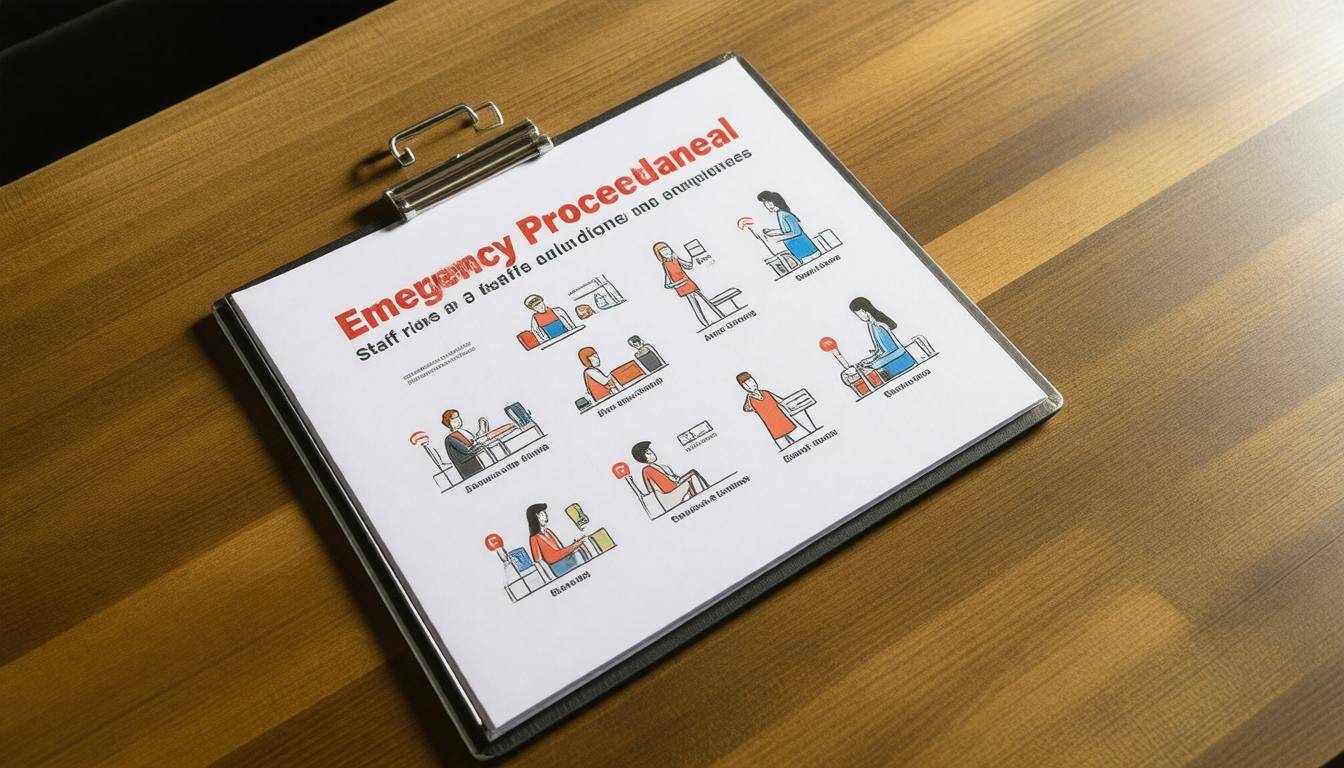
In the heat of an emergency, every second counts, and knowing exactly who is responsible for what can make the difference between a well-managed situation and chaos. By clearly defining roles, each staff member understands their immediate responsibilities without hesitation. This not only preserves safety but also enhances confidence among the team. Let’s unpack the vital contributions from each role involved in these critical moments.
Role Assignments
The Manager stands as the cornerstone of emergency procedures. They oversee the entire operation, keeping a cool head amidst the chaos. Their primary duties include making quick, decisive calls that resonate throughout the restaurant. From contacting emergency services to ensuring all staff members are accounted for, the manager’s leadership assures that operations continue seamlessly, even under duress. Moreover, the manager should conduct regular briefings with staff about emergency protocols to foster preparedness.
Next up is the Head Chef, whose expertise lies beyond crafting delectable meals; their rapid response in shutting down kitchen operations is crucial during emergencies. The head chef must swiftly secure any hazardous materials and equipment that could pose risks during a crisis—such as flammable cooking oils or sharp knives—and ensure that all food safety protocols are followed.
While the chef manages behind-the-scenes safety, Servers take center stage on the floor. It is their responsibility to calmly guide customers toward exits during an evacuation while assisting those with special needs. They help maintain order and provide reassurance to frightened patrons. These staff members are typically the first to assess the situation on-site and understand what assistance might be most beneficial for guests who might be in shock or distress.
Not far from this action are the Bartenders, who play a pivotal role in managing crowd dynamics amid potential panic. These trained professionals assist in controlling any rush at the bar area, providing first aid if they are certified to do so and ensuring patrons safely evacuate without stirrings or accidents caused by overturned furniture or spilled beverages.
Quick Reference Guide
- Manager: Oversees operations, liaises with emergency services.
- Head Chef: Shuts down kitchen operations, secures hazardous materials.
- Servers: Guide customers to exits, assist those with special needs.
- Bartender: Controls crowd panic, helps manage injuries at the front of house.
By investing time into training everyone on these roles and responsibilities, restaurants can enhance their readiness for emergencies. Regular drills sharpen these skills and engrain essential procedures into muscle memory. When everyone understands their role intricately—alongside regular practice—the entire team becomes empowered to face emergencies head-on with confidence and composure.
With a solid understanding of each role’s responsibilities, we can now explore how leadership functions within this framework during times of crisis.
Managerial Duties during Emergencies

In any crisis, the steady hand of a knowledgeable manager can make all the difference between chaos and smooth operation. When an emergency strikes, it’s the manager who must take control and initiate a well-defined response plan, ensuring that the entire staff is aware and prepared for their roles. This isn’t just about commanding authority; it’s about leading with confidence and purpose.
The first step in this process is to initiate emergency protocols. It’s crucial for the manager to act swiftly, whether it’s ringing the alarm for a fire or notifying staff of a health-related incident. The key here is clarity. Just like when you’re giving directions to a large group, you want to make sure everyone understands what they need to do without confusion. Implementing these protocols isn’t merely formality; it can save lives and minimize damage.
After initiating protocols, the next logical action involves engaging with outside entities.
Managers must also coordinate with emergency services. This means not only relaying information about the nature of the emergency but also providing details like the number of individuals affected and specific hazards present in the establishment. Think of it as dialing 911 and providing clear information while everyone around them tries to grasp what’s happening. Emergency responders rely on accurate communication to effectively respond, so being concise yet thorough is key.
But communication shouldn’t stop there—it must flow both ways.
As things unfold, managers need to communicate with staff continuously. Keeping everyone informed about what actions to take is vital; this encourages calmness rather than panic. Using a simple system—like assigning roles or issuing updates via walkie-talkies—can create an efficient chain of command, helping others feel empowered and aware of their responsibilities.
Once the immediate dangers have passed, there’s another essential duty on the horizon.
Finally, post-emergency reporting cannot be overlooked. Documenting what happened not only helps assess the situation but also assists in future preparedness. This documentation should include details like the time of the incident, actions taken, staff response, injuries sustained, and damage incurred. Such records are invaluable for insurance claims and refining emergency protocols for improved response in future emergencies.
With effective planning and communication throughout each stage of an emergency response, every aspect can run smoothly—even in challenging times. Now let’s focus on how important it is to maintain clear lines of communication among personnel and patrons alike.
Internal and Customer Communication
Keeping the lines of communication clear and efficient is crucial for guiding staff and patrons through an emergency. For internal communication, it’s essential to establish a designated messaging system that enables rapid alerts to all employees. This means having a reliable platform in place which allows managers to send out information swiftly about the situation at hand. Utilizing handheld radios or a public address (PA) system can ensure instructions reach everyone promptly because in a crisis, every moment counts.
Methods
Internal Communication: Using tools like two-way radios or group messaging apps ensures that all team members can quickly relay critical information. Think of it as an emergency hotline that keeps everyone connected, fostering teamwork under pressure. By standardizing this communication protocol, your staff will be able to work cohesively to tackle the situation at hand. It’s similar to having a fire alarm—it gets everyone prepared for action when needed.
Customer Communication: When it comes to patrons, calmness is key. Staff should be trained on how to approach customers with clear, concise messages about what actions they should take if an emergency arises. This includes calmly informing them of the events unfolding and providing guided steps on how to evacuate if necessary. Having pre-prepared statements that outline specific actions for various scenarios—like fires or health emergencies—helps ensure everyone understands the proper response without hesitation.
However, management often debates whether it’s more effective to focus training entirely on verbal communication methods during emergencies or to rely on visual aids, such as clearly marked signs and printed instructions around the dining area. While both approaches can be beneficial, the consensus leans heavily toward verbal instructions. The immediacy and clarity offered by face-to-face dialogue tend to better resonate during high-stress situations.
During one incident, a small restaurant faced a sudden power outage while catering to a full house. Through their established communication strategy, staff were able to keep customers updated verbally; most left feeling assured rather than alarmed—a testament to effective training.
Organizing regular emergency drills helps solidify these communication processes while also checking whether all staff are familiar with their roles and responsibilities during different types of crises. It’s like sharpening a tool: the more you practice, the more effective you become when it truly matters!
As we explore further into the mechanisms behind effective responses, understanding the structured procedures for hands-on training will be essential for maintaining readiness in any situation.
Emergency Training Drills and Plan of Action
Regular training and drills form the bedrock of effective emergency response in restaurants. They equip staff with the knowledge and skills needed to handle unexpected situations while fostering a culture of preparedness that can save lives and property. Imagine how reassuring it would feel for both staff and customers knowing that everyone is ready to take action if something goes wrong.
Training Components
Frequency: It’s crucial to conduct these drills at least once every quarter. However, consider increasing their frequency in high-risk situations, like during major holidays or food festivals when kitchens are busier than ever. By regularly revisiting these protocols, you reinforce critical information that might fade over time.
Once you’ve established a solid routine for frequency, it’s time to explore specific components of your training regimen.
Plan of Action Outline
-
Scenario Planning: Create realistic scenarios that staff might encounter, such as simulating a kitchen grease fire or a customer experiencing a medical emergency. Role-playing various scenarios clarifies procedures and can reveal gaps in your existing plans.
-
Role Playing: Assign specific roles to staff members during drills to cultivate familiarity with their emergency tasks. Designating one team member as the “safety captain” can help reduce confusion during an actual crisis. Each employee should know their responsibilities inside and out, ensuring swift action when it matters most.
-
Review and Improve: Post-drill debriefing sessions are invaluable for analyzing performance and identifying areas needing improvement. These discussions allow team members to reflect on what went well and where they struggled, paving the way for adjustments in both training and procedures.
The effectiveness of your emergency protocols hinges on regular evaluation and adaptation, ensuring they stay relevant and efficient as circumstances evolve.
With a well-executed plan of action—grounded in consistent practice—you will empower your restaurant’s staff to confidently face almost any emergency scenario. Continuous updates and drills assure that readiness remains paramount, safeguarding both patrons and employees alike from unforeseen events.
Incorporating these essential procedures into your restaurant operations will establish a safer environment for everyone involved. Stay prepared, stay safe!