
Traveling to Reykjavik during winter, especially with the looming possibility of a volcanic eruption, can feel a bit like stepping into an adventure movie—exciting yet filled with potential risks. While the stunning landscapes and natural wonders draw many visitors, being unprepared for the elements and emergencies can turn an unforgettable experience into an uncomfortable ordeal. From biting cold winds to the unpredictable fallout from volcanic activity, ensuring your safety is paramount. In this article, we’ll guide you through assembling a winter kit that not only keeps you warm but also safeguards you against the unexpected challenges Mother Nature has in store for Iceland’s winter travelers. Let’s gear up and get ready for an amazing journey!
Your Reykjavik volcanic eruption and winter kit should include essential items such as a supply of bottled water, non-perishable food, warm clothing, a first aid kit, dust masks to protect against ash inhalation, a flashlight with extra batteries, and a portable phone charger. Additionally, you should have a detailed emergency plan and know your evacuation routes in case of an eruption.
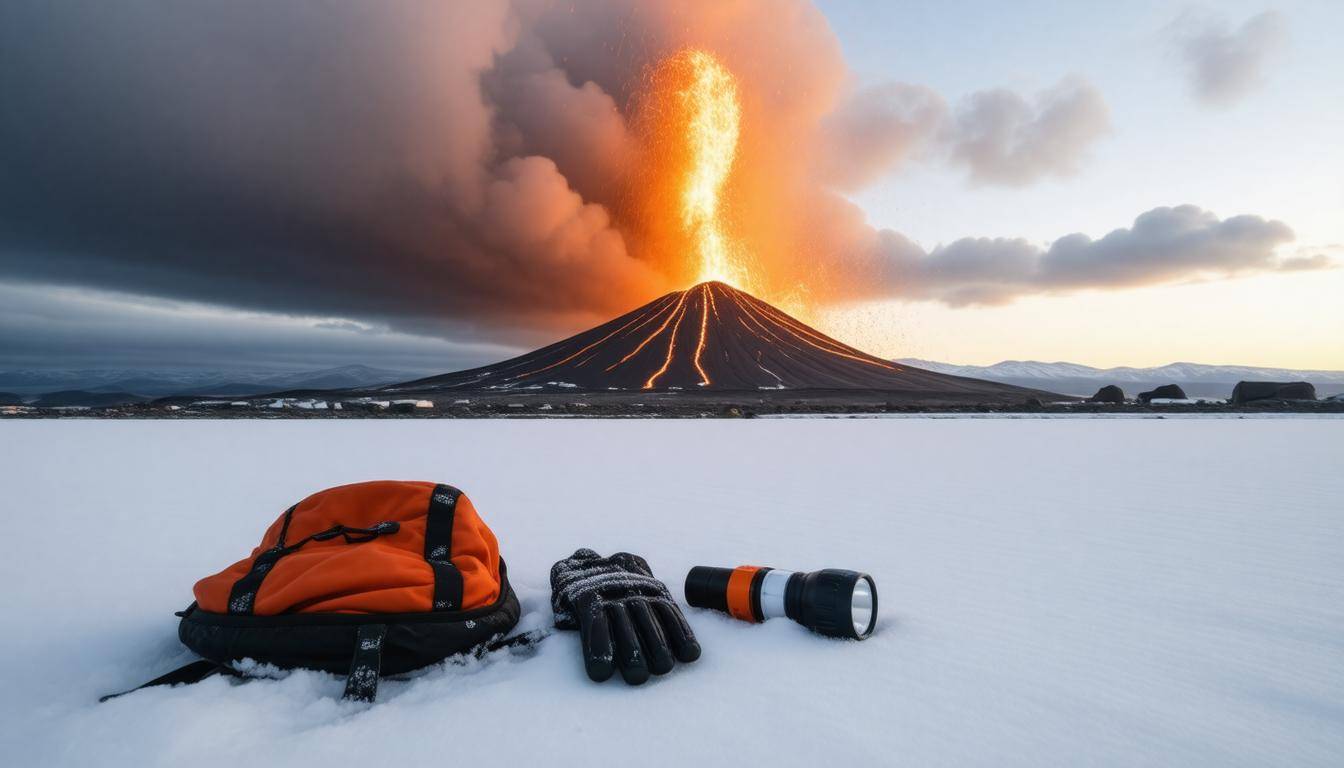
Essentials for Reykjavik Winter Travel
When setting off for a winter journey to Reykjavik, preparation is your best ally. Imagine gearing up to step into a world where temperatures plummet and the landscape seems like a scene from a fairy tale. The cold can be unforgiving if you’re not equipped properly. It’s not just about staying warm; it’s about maintaining comfort and safety amid unpredictable weather conditions. You want to enjoy your adventure without distraction, and having the right gear can make all the difference.
For starters, a high-quality parka is non-negotiable. This versatile piece of outerwear serves as your first line of defense against biting winds and freezing temperatures. Brands like Canada Goose or The North Face are renowned for their commitment to durability and warmth. Remember that insulation and fabric breathability are equally important. Look for models with down insulation that retains warmth even when wet, ensuring you remain cozy throughout your outings.
Next comes thermal underwear, which acts as an insulating base layer under your clothing. Opt for materials such as merino wool or synthetic fabrics designed specifically for temperature regulation. Merino wool provides warmth while efficiently wicking moisture away from your skin, preventing that clammy feeling after hours spent outdoors. Consider it your secret weapon against both frostbite and discomfort.
As you prepare for icy adventures, waterproof gloves should be high on your checklist. These don’t merely keep your hands dry; they also grant you the dexterity needed to deal with zippers, fastenings, or even adjusting your camera settings to capture that perfect shot of the Northern Lights. Look for gloves that provide insulation while allowing movement to maintain functionality; some brands offer clever hybrids that incorporate both features seamlessly.
Now, let’s get down to footwear—where functionality meets comfort and safety.
Sturdy winter boots are crucial, particularly when you’re navigating through snow-laden streets or icy paths. Brands like Sorel or Columbia produce excellent options featuring waterproofing and enhanced insulation layers that can handle extreme conditions while providing ample traction on slippery surfaces. It’s wise to opt for boots with good grip as well as a comfortable fit; this way, you can explore without concern about slipping or suffering cold feet.
Each piece of gear contributes to an overall layer of security against the elements that can turn a pleasant outing into a bitter experience if left unprepared. Investing time in selecting these essentials carefully ensures that every moment spent in Iceland’s stunning wintry scenery is met with comfort and joy rather than discomfort and frustration.
With the right essentials in tow, it’s time to explore specialized equipment that’ll help you face even more extreme temperatures.
Gear for Extreme Cold Weather
Surviving extreme cold is all about having the right gear, and your clothing choices are foundational to keeping warm.
Start with a moisture-wicking base layer that fits snugly against your skin. Materials like merino wool or synthetic fabrics trap heat while drawing sweat away, preventing you from feeling clammy and cold. The key here is balance—you want to ensure you stay dry as well as warm. This strikes a fine equilibrium between comfort and safety, crucial when the temperature plummets.
But don’t stop there. Choosing the right mid-layer is essential, too. Fleece or down-insulated jackets provide fantastic warmth without adding bulk. Think of these layers as a kind of security blanket that keeps the heat in while allowing some flexibility in movement. After all, whether you’re trekking through scenic landscapes or engaging in winter sports, mobility can be just as important as staying warm. If you plan on layering a few items, remember: the thicker the mid-layer, the better it will trap air for insulation.
Wearing at least three layers has proven beneficial for me personally on chilly hikes. Each piece works symbiotically to encapsulate warmth while allowing for ventilation when necessary.
Of course, all this insulation wouldn’t mean much if you’re not properly covered by an outer layer that defends against harsh outdoor elements.
This is where your waterproof and windproof shell comes into play. Look for jackets that have good breathability ratings yet are designed to keep out biting winds and potential precipitation like snow or rain. Gaiters for trousers and waterproof gloves should also be included in your packing list; they offer an extra layer of defense against wetness and icy conditions. Remember, garments with adjustable cuffs and hems help seal in warmth more effectively, so look for those features when choosing your winter gear.
Finally, don’t forget about the accessories! Hats that cover your ears, thermal socks, and insulated boots complete your ensemble! Extremities lose heat rapidly; hence they’re critical areas to safeguard from frostbite. An insulated pair of gloves will also maintain dexterity while keeping your fingers toasty; consider options with touchscreen compatibility if you’ll need to use devices along your travels.
According to studies by outdoor apparel specialists, wearing insulating socks made of merino wool can reduce your chances of foot frostbite by up to 50%.
The true magic lies in knowing how to combine these layers effectively; doing so ensures every piece serves its purpose efficiently while protecting you from icy conditions ahead.
Layering for Maximum Warmth

Layering is not just about comfort; it’s a strategic necessity when braving the cold—especially in extreme conditions like those following a volcanic eruption. The goal here is to create an effective barrier against both the chill of winter and any ash fallout that drifting winds may bring. It’s all about building a system where each layer serves a purpose, thereby increasing your overall warmth while maintaining mobility.
Three Basic Layers
Start with the base layer, which is critical for moisture management. This layer should fit snugly against your skin while being breathable and moisture-wicking to help perspiration escape. Merino wool has gained popularity because it keeps you warm even when wet and boasts natural odor-resistant properties. Synthetics can also do the job well and dry more quickly, making them a viable choice for active travelers.
Once you have your moisture-control base layer sorted out, turning your attention to warmth becomes paramount.
The insulating layer acts as the heart of your warmth strategy. Materials like fleece or down provide additional insulation by trapping heat generated by your body. Fleece jackets are lightweight yet provide substantial warmth, which is essential in unpredictable weather conditions typical around volcanoes. Alternatively, for really frigid environments, consider investing in a good-quality down vest; its compressibility means you can pack it easily without sacrificing warmth. Never underestimate how important this insulating barrier is, especially when temperatures are low.
However, even with these two layers, harsh external conditions will still need to be managed effectively.
Enter the outer layer—your shield against wind and moisture. A quality hard shell jacket here is indispensable; it must be both waterproof and windproof to withstand not only rain or snow but also flying volcanic ash that can lead to irritated skin and respiratory troubles if it infiltrates your clothing. Look for features like adjustable cuffs and hoods to seal out drafts effectively, keeping you warm underneath.
As noted in the U.S. Army Field Manual on Cold Weather Operations, “Proper layering can increase heat retention by up to 45%.” This stark statistic reinforces just how vital it is to apply these principles when preparing for adventures in Iceland’s unpredictable climate.
Throughout this layering process, remember that flexibility is key; having the right mix of layers allows you to adapt dynamically based on changing conditions outside while maximizing comfort inside. As we proceed, let’s take a closer look at specific gear that enhances safety during such remarkable yet potentially hazardous experiences.
Volcanic Eruption Safety Gear
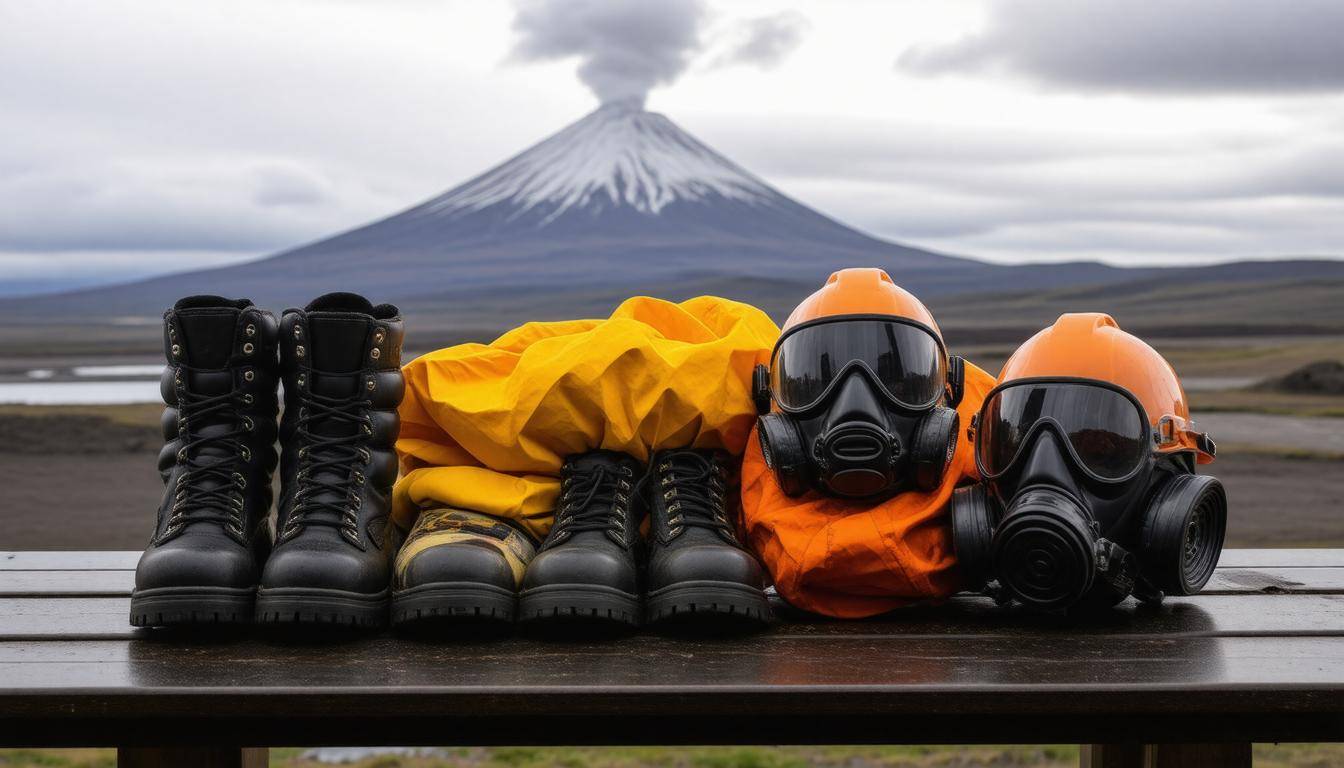
In the event of a volcanic eruption, having specialized safety gear is not just important; it can be lifesaving. One of the most essential items is an N95 mask or a respirator that’s rated even higher. These filters are designed to catch the tiny ash particles that can become airborne during an eruption. When you breathe in volcanic ash, you risk severe respiratory issues including long-term lung damage. Therefore, wearing this type of mask helps create a barrier between your lungs and the harmful ash.
Next on your must-have list should be quality safety goggles. It might seem minor compared to other gear, but volcanic eruptions can produce a barrage of flying debris and fine ash. These particles can irritate or harm your eyes significantly if unprotected. Opt for goggles designed to seal around the eyes tightly, protecting against both dust and larger items that could come flying through the air—safety should never take a back seat.
A waterproof, fire-resistant jacket is absolutely vital, especially in proximity to lava flows or fallout from eruptions.
The jacket serves multiple purposes: it keeps you dry in case of rain while also preventing burns should you find yourself too close to flowing lava or hot ash. The materials used in these jackets often combine flame-retardant fabrics with waterproof membranes, creating a shield against nature’s fury.
Alongside these essentials, consider including heavy-duty gloves as part of your kit. Protective gloves are particularly important when navigating rocky terrain or handling materials that may still be warm or sharp.
Users should remember that while each piece of gear is crucial individually, their collective effectiveness improves your chances of staying safe during unexpected eruptions or aftershocks. Being equipped and ready before traveling into potentially hazardous areas gives you peace of mind so you can focus on enjoying your time exploring Iceland’s incredible natural phenomena without fear.
As we assess the gear essential for navigating the aftermath of eruptions, it’s equally important to explore tools that provide protection from the specific threats posed by volcanic ash and lava.
Protective Equipment for Ash and Lava
When traveling near volcanic regions, it’s crucial to understand that lava and ash present unique hazards that necessitate specific protective measures. Beyond just a good pair of hiking boots, what you choose to wear can make all the difference between a safe adventure and a potentially dangerous situation. For instance, heat-resistant gloves are invaluable if you find yourself needing to handle debris or hot rocks. Whether you’re helping clear a path or simply exploring the fascinating geological formations, these gloves provide an essential barrier between your skin and the extreme temperatures that can cause burns.
Some experts argue for the necessity of wearing a helmet with a face shield while in active volcanic areas. This gear protects against not only falling ash but also larger projectiles that may be ejected during eruptions. The risks aren’t just about what you see; there can be hidden dangers, like sudden bursts of hot gas or volcanic stones propelled by explosive activity. Ensuring your head is well protected reduces the chance of serious injuries significantly.
Investing in adequate protective gear isn’t merely about comfort; it’s about your survival and peace of mind while navigating unpredictable natural environments.
Additional Safety Items
- Respirator Mask: Ash particles can easily irritate your lungs, so wearing a respirator mask will help filter out those harmful particles.
- Safety Goggles: These offer protection against flying ash and debris, allowing you to see clearly while keeping your eyes safe.
- Long-sleeved Clothing: Fabrics that cover your arms and legs protect against both heat and abrasive ash particles.
Each piece of protective equipment plays a vital role in bolstering your overall safety during an eruption scenario. While it may seem excessive to some, taking precautions like these minimizes risks significantly. This isn’t just about your comfort; it’s about ensuring that you can enjoy the wonders of nature—like witnessing the raw power of a volcanic landscape—while remaining as safe as possible.
Preparing well with appropriate gear lays a strong foundation for venturing into challenging environments. As we continue, let’s explore even more essentials that enhance your safety during such adventures.
Additional Survival Items
Beyond the essential gear you’ve gathered, there are a few more items that can elevate your preparedness during a volcanic eruption in Reykjavik. One indispensable item is a portable power bank; charging your devices can become a challenge when you are out seeking safety or information. Keeping your phone charged allows you to stay connected with emergency services and follow real-time updates about volcanic activity.
In addition, don’t overlook the importance of a compact emergency blanket. These lightweight and space-saving blankets can help retain body heat in unexpectedly cold conditions. Ideally, they should be part of every traveler’s pack. It’s comforting to know that something as simple as a metallic sheet can dramatically increase your chances of staying warm during sudden temperature drops.
Having a fire starter kit is also crucial for cooking food or keeping warm. Whether it’s wet conditions or heavy ash fallout, starting a fire could be a challenge, so having numerous methods—like waterproof matches or a flint striker—will go a long way in ensuring you have access to both food and warmth.
You should also consider adding a headlamp or flashlight to your survival ensemble. When the sun sets behind the smoke and sulfur clouds, being able to navigate safely is essential. Opt for LED models that come equipped with extra batteries; you don’t want to find yourself fumbling in complete darkness because of dead batteries.
Along with these, small conveniences can make big differences. A whistle, for instance, doesn’t take up much space but can be key in signaling for help if needed. It’s much easier to blow a whistle than to yell for hours if you find yourself needing assistance or trying to alert others to your presence.
Besides all these items, here’s a quick summary of what I suggest packing for additional survival needs:
- Portable power bank
- Compact emergency blanket
- Fire starter kit
- Headlamp or flashlight with extra batteries
- Whistle
As you gather this additional gear, it’s vital to combine essential survival items with clever organization strategies, as doing so enhances your readiness for unpredictable circumstances ahead.
Packing Your Winter and Eruption Kit
To ensure that you’re prepared for the unpredictable nature of a volcanic eruption while experiencing the chill of Reykjavik’s winter, the right packing strategies are essential. Start with a durable and waterproof backpack; this is crucial since it not only protects your belongings against moisture but also adds longevity to your gear.
This backpack should feature multiple compartments so that you can neatly organize your items instead of letting them jostle around in one big space.
Picture this: You’re scrambling to find your emergency whistle as ash begins to fill the sky, or your multi-tool when faced with a quick repair. By prioritizing easy access, you’ll quickly locate essentials like your first-aid kit and multi-tool in pockets reserved specifically for them. Trust me, in an emergency, every second counts; fumbling through layers of items is just wasted time.
Moving on, the principle of layered packing cannot be emphasized enough. Imagine reaching into your bag only to find your flashlights buried at the bottom; that could cause delay when minutes matter most. Instead, start with emergency gear—such as thermal blankets and food rations—packed at the very top where they can be grabbed rapidly if needed. Then continue layering down into less immediately critical items, ensuring you minimize search time during emergencies.
Another vital aspect is ensuring even weight distribution throughout your pack. This might seem minor at first glance, yet it plays a significant role in the comfort and ease of transportation over potentially long distances. Ensuring heavier items are centered against your back helps minimize strain and fatigue, making it easier for you to move swiftly when conditions worsen.
Now that we’ve covered how to pack effectively, let’s transition to discussing essential safety measures you should take while navigating challenging environments.
Staying Safe in Harsh Conditions
When traveling to a place like Reykjavik during winter, you are stepping into a world of breathtaking beauty and unpredictable risks. The weather can swing from serene snowfall to fierce storms in a heartbeat, especially with the added unpredictability of volcanic activity. To thrive in these conditions, it’s important to stay informed and prepared.
Begin by familiarizing yourself with local emergency protocols. Knowing evacuation routes and emergency shelters can be lifesaving. Always have a communication plan in place with those you’re traveling with or close family back home, so they know how to reach you and you can inform them of any changes to your itinerary.
Utilizing technology is particularly important in an area where conditions can change rapidly. In Iceland, for instance, the 112 Iceland app is invaluable as it can pinpoint your GPS location and send it to rescue services if needed. This simple tool could mean the difference between getting caught in rough weather alone or receiving timely assistance.
Additionally, brushing up on basic survival skills can be incredibly beneficial. Skills such as constructing a snow shelter or effectively starting a fire using limited resources become vital when facing unexpected situations. For example, knowing how to gather dry materials even when snow seems to blanket everything can help you start a fire for warmth and signaling for help.
Moreover, never underestimate the importance of listening to weather reports or local news updates while you’re there. Volcanic activity often goes hand-in-hand with changing weather patterns that can severely impact travel plans and access routes. Awareness and preparedness allow you to enjoy Iceland’s stunning landscapes without jeopardizing your safety.
With knowledge, preparation, and the proper gear—like thermal clothing and supplies—you’ll be equipped not just to witness Iceland’s mesmerizing sights but also navigate safely through its challenges.
In these harsh conditions, being well-prepared can make all the difference between adventure and misadventure. Equip yourself wisely for your trip to ensure a safe and enjoyable experience in Reykjavik’s beautiful yet unpredictable winter landscape.