
When it comes to preparing for natural disasters like flooding, knowing what essentials to have on hand can make all the difference. Many people feel overwhelmed at the thought of a flood hitting their area, especially along the Rhine River, where sudden rise in water levels can pose serious risks. The truth is, being well-prepared doesn’t have to be daunting—it just requires a little planning and the right information. This article walks you through creating a comprehensive preparation kit that not only helps safeguard your belongings but also keeps your family safe during emergencies. Let’s dive into the essentials that will give you peace of mind and readiness as we face unpredictable weather together.
A Rhine River Flooding Preparation Kit should include sandbags for water mitigation, waterproof sealing materials like steel plates with rubber seals to secure doorways, and emergency supplies such as food, water, flashlights, and first aid kits. Additionally, create an inventory of important belongings for insurance purposes and have an evacuation plan ready to ensure safety during flood events.
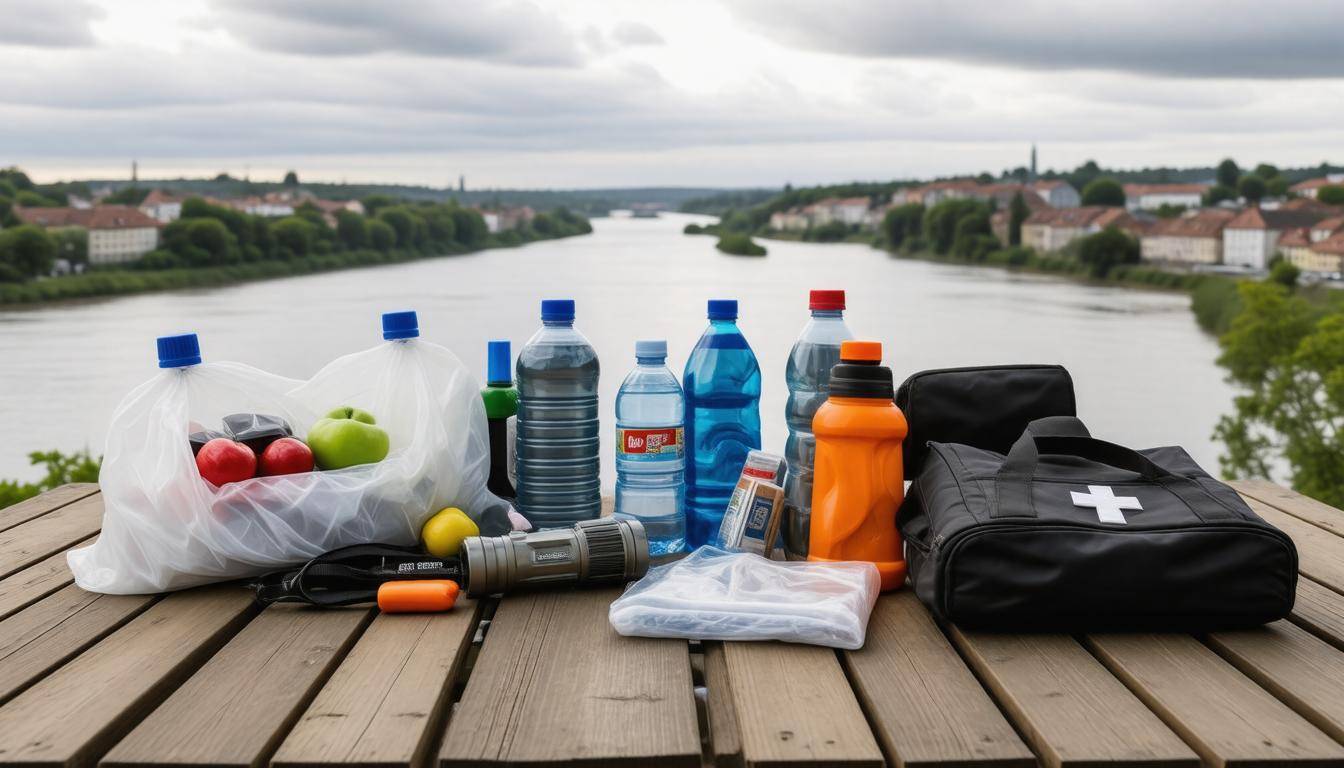
Assembling Your Rhine River Flooding Preparation Kit
Creating a preparation kit for flooding along the Rhine River involves gathering thoughtful and essential items that can make a tremendous difference during a crisis. The key to a successful kit is not only considering the quality of items but also their potential impact in an emergency scenario. Begin by packing water-resistant bags that will secure your provisions against moisture—it’s essential because even minor water exposure can ruin critical supplies.
Start with enough bottled water—ideally, aim for at least 3 to 4 liters per person each day for at least three days. Water is non-negotiable; it’s needed not just for drinking, but also for sanitation.
Next, think about your food supply. Non-perishable, easy-to-carry items like canned beans, dried fruit, granola bars, and instant noodles are excellent choices as they’re nutritious and require no refrigeration. You’ll want foods that can sustain energy and are easy to prepare—instant meals can be a real convenience when conditions are less than ideal.
You also shouldn’t overlook the importance of a comprehensive first aid kit in your preparation kit. This should include essentials such as bandages, antiseptic wipes, pain relievers, and any personal medications you or your family members might require. Having these on hand can help prevent a small injury from escalating during an emergency when access to healthcare may be limited.
“In an emergency, preparedness equals peace of mind.”
In addition to food and medical supplies, consider including flashlights equipped with extra batteries. When the power goes out, a reliable light source becomes invaluable. Alongside this, thermal blankets are critical—these lightweight covers retain body heat and protect against the cold elements that frequently accompany floods.
Beyond these supplies, creating a well-rounded kit means considering every possible scenario you might encounter.
Waterproof clothing is another important aspect; heavy rains often lead to soaked clothing quickly. Packing rain gear such as ponchos and waterproof boots can keep you dry and comfortable during management efforts outside your home or during evacuation scenarios.
To enhance navigation during an emergency, include local maps within your kit. These are useful for identifying evacuation routes or avoiding flooded areas that might not be clearly marked if power outages occur. Also consider keeping a multi-tool or Swiss Army knife handy—it’s incredibly versatile for various tasks you may need to complete in an emergency situation.
Lastly, don’t forget communication: having a cell phone charger (preferably a portable one) could be critical during an emergency when accessing information is vital. A whistle for signaling help or locating others can make a significant difference if you’re separated during chaotic times.
Gathering these vital supplies ensures you are ready to tackle unexpected challenges head-on while navigating through crucial scenarios that may arise. With this foundation in place, we now turn our attention to exploring indispensable resources that elevate your level of preparedness during emergencies.
Essential Emergency Supplies
In flood scenarios, the right emergency supplies can turn what could be a harrowing experience into something manageable. When planning your flood preparation kit, focus on assembling supplies that not only meet immediate needs but also provide peace of mind during uncertain times.
One crucial aspect is first aid supplies. These items are your first line of defense when accidents happen in chaotic situations. Stocking antiseptic wipes, bandages, gauze, adhesive tape, and over-the-counter pain medications ensures that you’re ready to treat minor injuries right away. Crafting a sturdy first aid kit isn’t just about having supplies on hand; it’s about being prepared for anything that comes your way.
Recommended Supplies
| Emergency Item | Purpose |
|---|---|
| Emergency Radio | Your lifeline to the outside world during a flood, keeping you updated on weather alerts. |
| Water Purification Tablets | Ensures access to potable water even if your primary supply runs low. |
| Emergency Whistle | Serves as an effective signaling tool, allowing you to attract attention without shouting for help. |
| Multi-tool | Provides flexibility and resourcefulness for various functions like cutting debris and repairs. |
While having these supplies equips you to manage most inconveniences during floods, personal safety items might be crucial for survival.
Recognizing the importance of both emergency supplies and documentation will empower you to create a comprehensive response plan, ensuring readiness for whatever challenges arise in a flooding situation.
Personal Safety Items
The reality of a flood can be daunting, and your preparedness should be as robust as possible. Life vests play a crucial role in keeping family members safe from submerged hazards. Each person—especially children and those who aren’t strong swimmers—should have a buoyancy aid ready. It’s not just about peace of mind; it could mean the difference between life and death when waters rise unexpectedly.
Having life vests on hand is not a luxury; it’s an essential safeguard against one of nature’s most dangerous elements—water.
Data shows that drowning is often the leading cause of fatalities during floods. Therefore, equipping your entire family with personal flotation devices should be at the forefront of your flood preparedness strategy. Imagine a scenario where rising water levels prevent timely evacuation; wearing these vests becomes imperative, offering not just protection but also a sense of security that allows you to focus on escape rather than survival alone.
Additional Protective Gear
Beyond flotation devices, consider waterproof boots and gloves. Floodwaters may contain contaminants like chemicals, debris, and bacteria—all potential health hazards. Waterproof boots help keep your feet dry and protected from sharp objects while ensuring you maintain better footing on slippery terrain. Similarly, gloves guard against contact with harmful substances and sharp edges.
As we continue to explore what constitutes an effective personal safety kit, let’s examine additional items that are equally vital.
A first aid kit is another cornerstone of personal safety preparation. Essential components include adhesive bandages for minor cuts, antiseptic wipes for quickly cleaning wounds, gauze pads for larger injuries, pain relievers for discomfort, and scissors for cutting through difficult materials if needed. By having this kit readily accessible, you’re ensuring that minor injuries won’t prevent you from responding effectively during an emergency.
Communication Tools
Another item often overlooked is a whistle. While it may seem trivial, a loud whistle can serve as an invaluable tool for signaling for help if communications go down or if rescue seems imminent yet distant. Whistles carry farther than a shout and require less energy—a small but significant factor in moments of distress.
Lastly, don’t forget to include a flashlight with extra batteries in your emergency kit. Power outages are common during severe flooding, and navigating in darkness without proper illumination can lead to further injuries or worse scenarios. A waterproof flashlight ensures you’ll maintain visibility while keeping the light source protected from splashes or spills.
By investing in these essential personal safety items for your flood preparedness kit, you’re taking proactive steps towards maintaining control in the chaos that flooding inevitably brings. This sets the stage for considering the tools that can supplement your efforts even further.
Tools and Equipment
To effectively manage the challenges posed by flooding, equipping yourself with the right tools is non-negotiable. One of the essential items is a sturdy crowbar. This simple yet powerful tool is invaluable when water inundates your property, as you may face swollen doors that refuse to budge. Crowbars help in prying open those stubborn barriers, allowing you access to both safety and potential evacuation routes.
Another vital piece of equipment is a waterproof tarp. Think of it as a versatile shield against the elements. You can use tarps to create makeshift shelters, protect belongings while transporting them, or even cover up areas of your home that may let in water. Their ability to conform to various spaces means that they can be a temporary solution for multiple problems. Remember, the more versatile your kit, the better prepared you’ll be.
Heavy-duty garbage bags are another must-have item when preparing for a flood. Not only do they serve as an effective way to dispose of waste and debris, but they can also be used to protect personal items from moisture if sealed properly. During chaotic moments, they’re a quick and efficient way to keep your environment tidy and organized.
Additionally, consider investing in a portable generator. Floods can lead to power outages that disrupt not just your daily routines but also critical appliances necessary for keeping food safe or providing medical support. A generator ensures that you have power during emergencies. However, take care to store it in an elevated area where it won’t be affected by rising waters—a small detail that could save it from damage.
Always remember to include spare fuel for the generator in your kit. Make sure it’s stored safely and securely, away from potential flooding points. Regularly checking this supply will save you from scrambling at the last moment when a storm brews on the horizon.
Equipped with these essentials, it’s crucial to explore additional ways to fortify your living space against impending floods and ensure household safety during such events.
Home Protection Strategies
Protecting your home involves a careful blend of proactive and reactive strategies designed to minimize damage during flooding. First up, let’s talk about the installation of flood barriers. Utilizing rust-resistant steel rails and plates at entry points can create a formidable defense against incoming water. These barriers can be quickly put into place when flood warnings are issued, providing an essential layer of protection. However, remember that while these barriers are effective, they should be complemented by other methods for maximum effectiveness.
Next, consider the importance of elevating electrical systems in your home. It may sound tedious, but ensuring that outlets, switches, and appliances are raised above anticipated flood levels could save you from a costly repair or a dangerous shock. This simple fix can create a buffer between your household equipment and rising waters, keeping everything operational even in adverse conditions. Homes situated in flood-prone areas must prioritize this step; it’s not just a recommendation but an essential safety measure.
As we move along, don’t ignore the necessity to seal cracks and gaps found in your foundation, doors, and windows. Using waterproof sealants is an easy way to diminish vulnerabilities in your home’s structure. Water often sneaks in through the tiniest openings, so paying close attention to every gap can yield significant results when floods arrive. Imagine sealing an envelope tightly; you want to ensure nothing gets inside without your permission, especially elements as destructive as water.
While all these measures contribute to safeguarding against floodwaters, sandbagging remains one of the most popular yet traditional methods employed by homeowners.
Although not completely waterproof, sandbags effectively divert water away from entrances and foundations when positioned strategically around your property. When deployed correctly—stacked tightly and placed at angles—they form barriers against incoming water streams. Interestingly enough, many residents have testified to the reliability of sandbags over decades; they’re like trusty knights standing guard at your castle’s gates.
Ultimately, combining all these strategies cultivates a robust protection plan for your home during flooding events. The more layers of defense you build now will pay off in securing your property during difficult times ahead.
As you solidify these protective measures for your home, it becomes crucial to shift focus towards establishing plans that ensure your family’s safety and readiness in the event of an emergency.
Family Emergency Plans
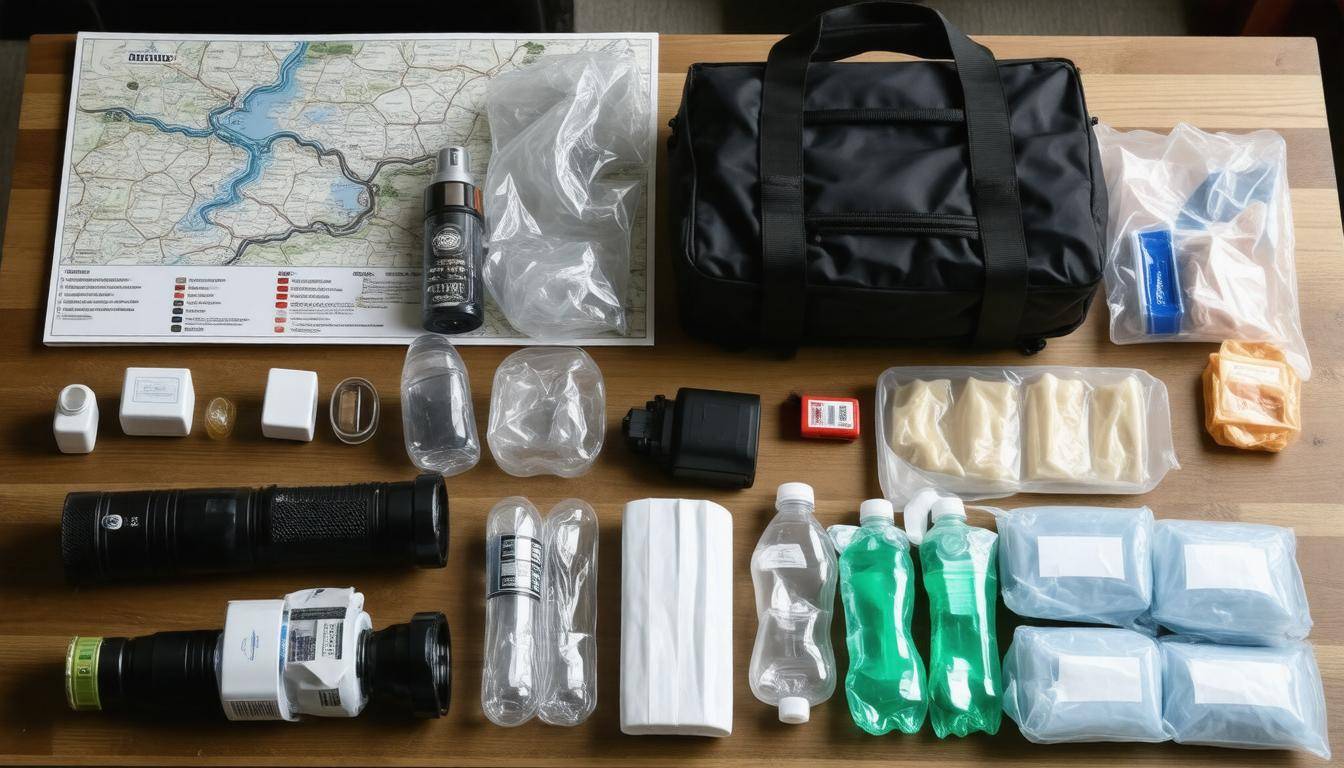
Having a family emergency plan is not just a good idea; it’s an essential safety net during flood events. This plan should start by defining who does what when flooding threatens. Everyone needs to be clear about their roles in advance. For example, establish who is responsible for gathering the emergency kit while another person secures important documents. This division of tasks can save precious time and minimize chaos.
One of the most important components of your plan involves mapping out evacuation routes from home to higher ground or safe areas. Ensure these routes are clear and familiar to all family members. It’s wise to practice these routes and refine them as necessary, especially if road closures due to flooding change access points. Additionally, choosing a specific go-to location where everyone can meet up in case you become separated is crucial. Whether it’s a neighbor’s house or an easily recognizable landmark, make sure everyone in the family knows where this meeting point is.
Communication is key during emergencies, so equip every family member with vital contact numbers. Knowing how to reach each other can alleviate panic when floods disrupt normal communication services.
Practicing your evacuation plan regularly—ideally at least twice a year—can enhance your family’s response time during an actual event. It turns out, families living near the Rhine River who engaged in regular drills reported being 30% faster in their reactions during floods compared to those who did not practice their plans. This statistic highlights how preparedness translates into quicker action, ultimately leading to better outcomes.
Make the drills engaging and realistic, simulating different scenarios so everyone knows how to react regardless of the circumstances. Additionally, don’t hesitate to adapt your emergency plan whenever significant life changes occur, such as new family members or children reaching school age. Changes in household dynamics may necessitate revisiting contact numbers, routes, or even supplies needed.
Lastly, consider assigning a family member as the keeper of your emergency kit—a role that requires maintaining and updating its contents regularly. This individual will ensure that supplies like food, water, first aid items, and important documents are current and accessible when you need them most.
With this organized approach to your family’s emergency preparedness, it’s now critical to stay informed about alerts that could affect your area during flooding events.
Monitoring Local Alerts
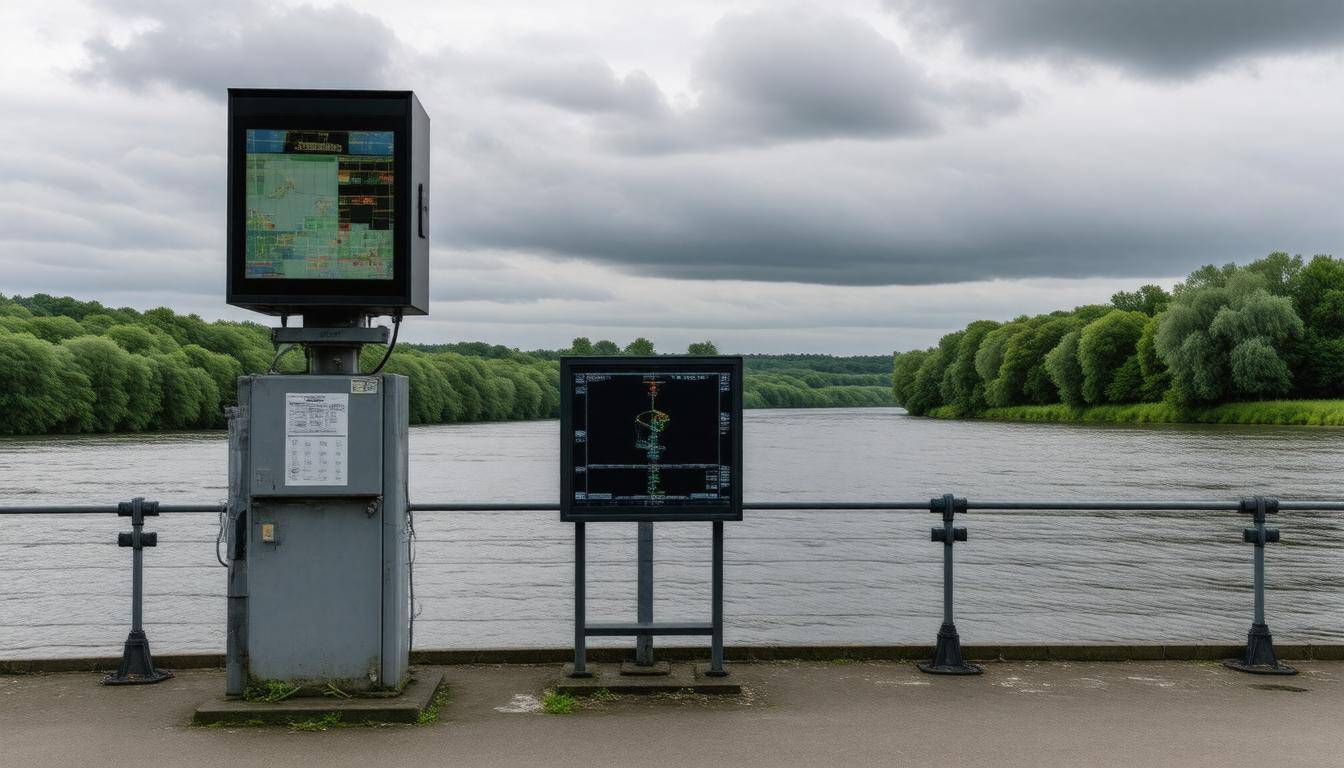
To navigate potential challenges posed by Rhine River flooding effectively, it’s vital to stay updated on local alerts. This means immersing yourself in various communication channels that provide crucial information in real-time. Subscribing to the Rhine River Flood Alert system ensures that you receive significant updates directly on your devices, whether through text messages or emails.
Remember, timely alerts can guide you in making necessary preparations and decisions when floods may threaten your safety.
But don’t stop there. Social media platforms are buzzing hubs of information during emergencies. Following local authorities and organizations on platforms like Twitter or Facebook can provide immediate updates from those on the ground. However, it’s essential to exercise caution; verify any alerts or updates from unofficial sources. Misinformation can spread quickly online, so always cross-check these updates with reputable news outlets or official pages.
Having several layers of information at your disposal increases your chances of responding effectively to a crisis situation.
Now think about this: not only should you be watching for alerts related to flooding, but also considering weather forecasts that indicate rainfall patterns potentially affecting river levels. Understanding how weather conditions correlate with river flooding helps you perceive developing risks before they escalate into something severe. If a heavy rainstorm is anticipated upstream, river levels may rise significantly, prompting early precautionary measures.
Preparation is much easier when you’re aware of both current alerts and predictive warnings.
It is about building a mental roadmap of safety. Keep a notebook or digital log where you can jot down critical contact numbers, emergency protocols, and links to reliable sources for future reference during crises. Setting reminders for routine checks on alerts is another proactive measure; dedicating time daily to monitor updates creates a powerful habit in ensuring that you will never feel unprepared.
By integrating these practices into your routine, you’ll not only protect yourself but also take steps toward safeguarding your family and property.
These strategies set the foundation for being prepared before any flooding occurs, which seamlessly leads us to consider essential actions to take once floodwaters recede and normalcy begins to return.
Post-Flooding Safety Measures
The aftermath of a flood can feel overwhelming, but with careful planning and execution, recovery can be managed effectively. Your first priority should always be to ensure that it is indeed safe to return home. Authorities will evaluate conditions and only declare areas safe when they have confirmed the removal of hazards like standing water or downed power lines. It’s crucial to heed their advice. If you aren’t sure about any aspect of safety, always err on the side of caution.
Once you’re back in your home, documenting any damage becomes very important. This not only gives you a clear picture of the situation, but also provides essential evidence for insurance claims. Be prepared to take detailed photographs of everything from minor water stains on the walls to major structural issues. Keep notes annotating the condition, such as location and severity of damage; this information will be vital when dealing with your insurance company.
Navigating through damaged areas could expose you to contaminants, so protective gear is non-negotiable. Wearing waterproof gloves, durable boots, and masks will help shield you from harmful substances like mold or unclean water residues. This isn’t just a recommendation; it’s critical for your health as many floodwaters can contain dangerous pollutants that linger long after the deluge has ended.
After documenting all damages, it’s time to clean and sanitize the affected areas. This involves using disinfectants—bleach solutions are effective for sanitizing surfaces—but pay attention to proper proportions (typically one cup of bleach per gallon of water) to ensure effectiveness while preventing harm to plumbing systems if water drains are involved. Concentrate on hard surfaces like floors and counters where contamination may have occurred. Don’t forget porous materials like carpets and drapes which may need professional cleaning or outright replacement.
Checking for structural damage is essential before you fully settle back into your home. Look closely for visible cracks in walls or shifts in your foundation, which might indicate serious problems that require professional evaluation. Even small shifts can escalate over time and lead to significant repairs if left unnoticed.
By following these necessary precautions, you can mitigate risks associated with personal safety and streamline the restoration process, making it easier to reclaim normalcy after a flood event.
It’s essential to remain vigilant even after the immediate threat has passed, ensuring both personal safety and the integrity of your home in the days and weeks ahead.