
When it comes to protecting your home and loved ones from floods, preparation can make all the difference. Many of us think we’ll never be affected by a natural disaster, but floods can happen unexpectedly and usually without warning. That’s why assembling an Emergency Kit tailored for flood situations is crucial. It’s all about ensuring you have what you need to stay safe and comfortable when the waters rise. In this guide, we’ll walk step-by-step through the essential items to include in your Riverside Emergency Kit, plus some thoughtful extras that can turn chaos into calm during uncertain times. Let’s dive in and get prepared!
A Riverside Emergency Kit for flood protection should include essential items such as non-perishable food, water (one gallon per person per day), a flashlight with extra batteries, a first aid kit, essential medications, a multi-tool, and important documents stored in a waterproof container. Additionally, consider adding blankets, a portable phone charger, and pet supplies if applicable to ensure you are fully prepared for potential flooding situations.

What to Include in Your Riverside Emergency Kit
While the basics are indispensable for any emergency kit, adding thoughtful extras can make a considerable difference when faced with the chaos of flooding. Consider including a separate supply of cash, which may come in handy if electronic payment systems fail. Small denominations are preferable since you might find it difficult to break larger bills during a crisis, especially without access to open businesses.
Customizing Your First Aid Kit
It’s worth investing time in customizing your first aid kit beyond the standard supplies. Personalizing it with items tailored to your family’s needs—such as specific medications, allergy treatments, or even a spare inhaler for asthmatics—can save valuable moments in an emergency. You may also want to add a pair of scissors, tweezers, and safety pins to your kit; these small tools can aid in everything from cutting bandages to removing splinters.
As we continue our exploration, another critical aspect of your emergency preparations involves effective communication.
Communication Tools
In addition to your battery-powered radio, consider adding two-way radios or walkie-talkies. When cell service is disrupted, these devices can facilitate communication between family members who may be separated or evacuating in different directions. They also help you stay informed about nearby dangers or evacuation orders from local authorities.
Additional Protective Gear
Given the potential hazards of floodwaters—including sharp objects, harmful chemicals, and stray animals—adding personal protective equipment such as dust masks and goggles can enhance safety while navigating through debris or during cleanup efforts. These simple precautions can keep you safe from respiratory issues or eye injuries.
Don’t forget the importance of maintaining comfort throughout stressful situations.
Comfort Items
Including comfort items can provide emotional support during chaotic moments when anxiety levels may run high. Think of activities that could distract both adults and children alike—like books, cards, or games. Moreover, don’t overlook personal items like photos or a beloved stuffed animal for children; having familiar comforts can ease stress during an overwhelming time.
Food and Water Considerations
When stocking up on non-perishable food and water, remember the nutritional value as well. Opt for high-energy items like granola bars, nut butters, canned fruits, or vegetables packed in water. Additionally, don’t just think about sustenance; consider packing calcium-rich food or vitamin supplements if you know you won’t have consistent access to fresh produce during an extended situation.
With these additions enhancing your readiness, let’s now explore what essential supplies will further bolster your preparedness for unexpected events.
Essential Supplies for Flood Emergencies
Beyond the essentials, certain items can become critical in flood situations. One of the most important is a portable water filter or purification tablets. Floodwaters often carry contaminants, making regular water unsafe to drink. A portable filter allows you to purify water from various sources, ensuring you and your family remain hydrated without risking your health. Similarly, purification tablets are compact and easy to store, offering a long shelf-life option for transforming potentially unsafe water into safe drinking water.
In addition to water purification, transportation becomes a fundamental concern during floods.
High-standing water can render many roads and paths unusable, obstructing your ability to evacuate or access resources. For this reason, investing in an inflatable raft is wise; it provides a temporary means of mobility across flooded areas. Additionally, a pair of sturdy rubber boots will be invaluable. They keep your feet dry and protected while navigating hazardous waters or debris-strewn landscapes. Remember, keeping dry not only helps with comfort but also contributes to your safety during unexpected flood situations.
As you prepare your kit, think about potential emergencies inside your home as well.
A basic tool kit can prove beneficial in preventing secondary disasters during an evacuation. It would help if you included tools to shut off utilities like gas and water lines. When floods approach, there’s a risk of ruptured pipes or natural gas leaks, which can lead to further hazards when combined with flooding conditions. Having these tools handy means you can safely secure your home before leaving, minimizing damage and reducing risks for emergency responders should they need to rescue you later.
Lastly, it’s vital to think about communication and information-sharing in emergency scenarios.
Batteries for flashlights, a portable phone charger, and even a small radio can keep you connected and informed about weather advisories or evacuation points during tumultuous times. An emergency plan is only as good as the information available when the situation unfolds. Imagine being stranded with no reliable way to receive updates on rising waters or emergency services; staying informed is essential to ensuring safety for yourself and your family during floods.
With these essential supplies assembled, we can now explore the measures that can be taken at home to bolster your defenses against nature’s unpredictable forces.
Protective Measures for Your Home
Proactively safeguarding your home involves a blend of strategic planning and practical action. First and foremost, sealing your home effectively can dramatically minimize the risk of flood damage. This not only includes maintaining structural integrity but also improving how water flows around your property.
Sealing Your Home
The process begins with elevating important systems within your house. Ensuring that electrical systems are elevated is crucial—by raising electrical outlets, circuit breakers, and wiring at least a foot above potential flood levels, you mitigate the chances of water causing significant electrical hazards during a flood.
Naturally, sealing off entry points to prevent water intrusion should be a top priority as well. Investing in water door barriers, which can be easily installed during emergencies, will help keep rising water at bay.
Following this, you’ll want to have sandbags on hand. It’s wise to maintain a stockpile for rapid deployment around vulnerable areas like basements and doors. When placed strategically, sandbags create an additional wall against floodwaters, giving you precious time to act if necessary.
Another step that often goes overlooked is foundation sealing. Applying waterproof sealants on your basement walls and around the foundation will significantly limit water ingress during heavy rains or prolonged flooding.
Backup Measures
In addition to these sealing methods, integrating backup measures into your flood protection strategy is essential. One effective option is the installation of sump pumps equipped with battery backup systems. These pumps help redirect excess water outside before it has a chance to pool in your basement. This proactive approach drastically reduces the risk of basement flooding, offering peace of mind knowing that even during power outages, there’s a system in place working for you.
Establishing these preventive steps not only fortifies your home but also provides confidence that you can weather storms with minimized disruption. Taking action now means protecting what matters most to you tomorrow.
As we consider how to enhance safety further, let’s explore the importance of crafting a comprehensive plan that involves everyone in your household.
Developing a Family Safety Plan
A well-thought-out family safety plan acts as a lifeline in emergencies, guiding everyone on what to do and where to go when time is critical. The first step is effective communication. Keeping every member informed during a crisis can make all the difference.
First Step: Communication Plan
Start by establishing a clear communication plan that defines who to contact and how to reach them if separation occurs. Create a shared list of important contacts, such as local emergency services, neighbors, and friends. Ensure each family member has these numbers saved on their phones for quick access. Additionally, designate a meeting point—a familiar location where everyone knows to gather if things go awry. This gives you peace of mind knowing there’s a point of reference to regroup.
Constant communication is vital, especially in the chaos of an emergency. Regularly review and practice your plan so it feels second nature when crisis strikes.
Second Step: Evacuation Routes
Next, focus on planning multiple evacuation routes from your neighborhood. Floods can create unexpected barriers such as road closures or severe debris, making it essential to have alternate paths ready. Sit down with your family and identify these routes together. You might even want to drive them once ahead of time as a reconnaissance mission, which will help everyone feel more comfortable navigating under pressure.
Having printed maps readily available is another smart move; technology can be unreliable during emergencies since power outages may restrict digital navigation tools. By folding the maps neatly in your emergency kit or keeping them in your car, you ensure that navigating through unknown areas won’t turn into unnecessary stress.
Remember, practicing these routes as part of regular family drills reinforces knowledge and instills confidence in all members, especially children. Practice makes perfect—turning evacuation into a well-coordinated effort rather than a frantic scramble significantly enhances your family’s safety during flood situations.
As you prepare this safety strategy, keep in mind the additional precautions that are crucial for maintaining safety in adverse weather. Next, let’s consider essential guidelines for protecting yourself during flood events.
Flood Safety Tips for Riverside Residents
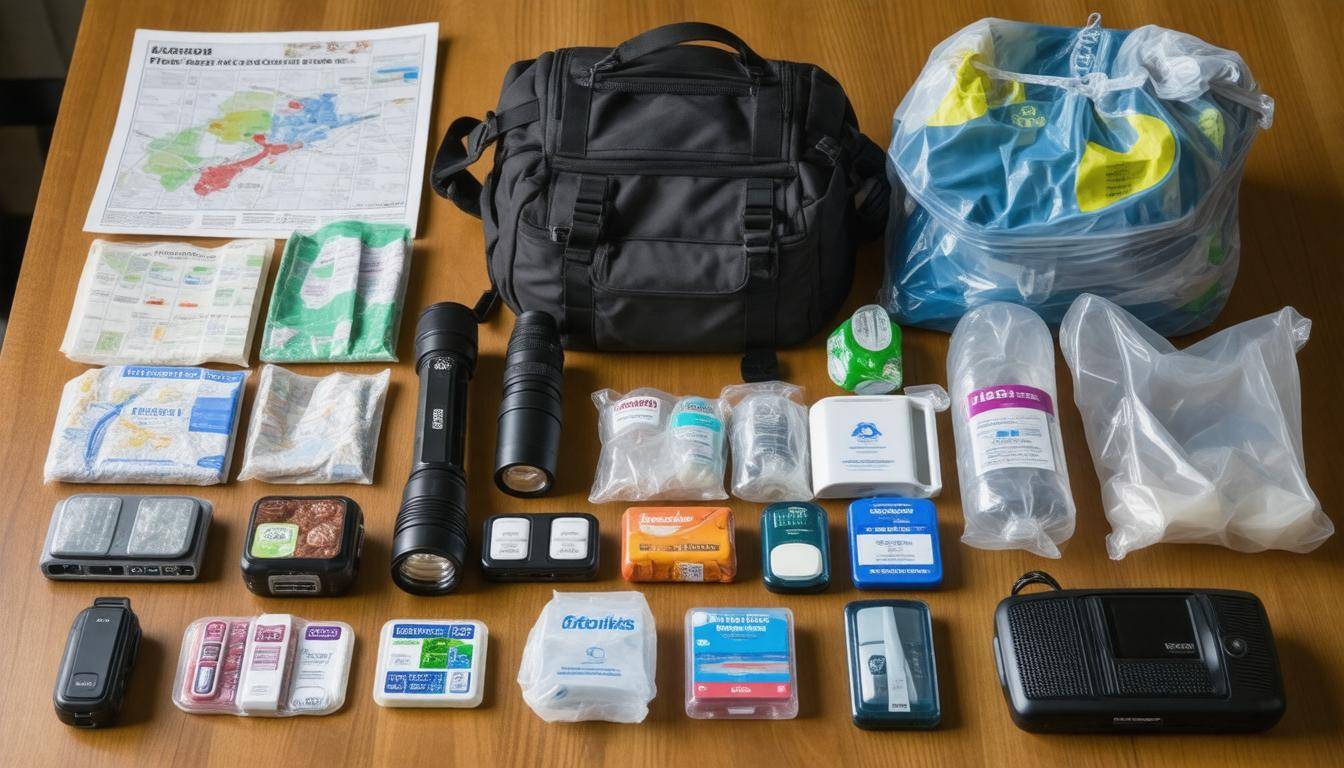
Flood safety extends beyond simply possessing an emergency kit; it involves adapting daily living in a flood-prone area with cautious habits.
One of the most crucial actions you can take is to stay informed about local weather forecasts. Flooding can happen quickly, sometimes with little warning, so having access to reliable information is key. To ensure you’re always updated, consider investing in a flood alert system that sends notifications directly to your phone. This way, you can respond promptly and minimize potential danger.
It’s easy to dismiss alerts as just another notification, but when it comes to your family’s safety, being proactive makes all the difference.
While some might argue that relying on multiple notification systems is excessive, redundancy plays an essential role in safeguarding your home and family. Imagine watching ominous clouds gather while waiting for a single alert from your smartphone. If that alert fails due to technical glitches or service outages, the consequences could be dire. Having alternative sources—other apps or even a weather radio—provides peace of mind when every second counts.
Additionally, it is important to regularly educate yourself about common flood-related hazards that can pose a significant threat during such disasters. Familiarize yourself with risks like downed power lines or waterborne diseases caused by floodwater contamination. A simple checklist can be helpful here. Knowing what to look out for can keep you out of harm’s way.
Preparation also includes understanding the landscape around your home. Analyze your property and identify the areas likely to collect water during heavy rains. This knowledge enables you to make informed decisions about where to place barriers or sandbags if necessary. You might even find it useful to create a family evacuation plan that maps out safe routes away from your home.
Consider involving each family member in discussions about preparedness; this not only informs everyone but fosters a sense of collective responsibility and readiness.
Furthermore, don’t underestimate the power of community resources. Join local forums or neighborhood groups focused on emergency management and flood safety. Sharing insights and experiences helps reinforce everyone’s understanding of safety in flooded conditions. You never know who might have valuable tips or firsthand accounts that could enhance your survival knowledge during a flood evacuation.
With these strategies in place, you’ll be well-prepared to explore ways to safeguard your property against potential threats posed by rising waters.
Cost-Effective Ways to Protect Your Property
Protecting your property from floods doesn’t have to break the bank. There are several affordable measures anyone can take, regardless of their budget or handyman skills. One effective yet simple solution is utilizing rain barrels. Positioned strategically near downspouts, these barrels collect rainwater and divert it away from your home’s foundation. This helps prevent water pooling around your basement or crawl space, significantly reducing the risk of flooding.
Just imagine having foresight to manage how rainfall impacts your home; it actually feels empowering! Rain barrels can save you money not only in potential flood repairs but also by providing an excellent water source for your garden during drier months.
Another cost-effective method involves installing plastic sheeting and plywood barriers. When a flood is forecasted, laying down these materials acts as a quick physical defense against rising waters. Plastic sheeting provides a waterproof layer that keeps the water at bay, while plywood barriers can be reinforced against incoming tides. Together, they form a powerful line of defense with minimal investment—often less than you’d spend on dining out.
Financial Assistance
It may seem daunting to consider flood protection options, but there are financial assistance programs available to help you manage costs. These programs can ease the burden of immediate repairs and provide long-term financial coverage.
| Program | What it Covers |
|---|---|
| FEMA Assistance | Grants for initial repairs |
| National Flood Insurance | Coverage for flood damage |
| State Emergency Funds | Varies by location |
Each of these programs has its specific requirements, but understanding them can open doors to significant help during tough times. For instance, FEMA assistance offers grants for initial repair needs after an incident occurs, while national flood insurance helps cover damages sustained during floods, giving homeowners peace of mind.
By exploring these cost-effective strategies and available financial resources, you can better prepare yourself for any challenges that may arise next. Moving forward, it’s crucial to consider how best to ensure the safety of those who matter most to you.
Securing Your Loved Ones
Ensuring the safety of family members is paramount, especially when facing potential flooding. To begin with, maintaining an updated list of emergency contacts is crucial. This list should include easy-to-reach neighbors, trusted doctors, and local emergency services—individuals who can provide support or assistance during a crisis. Keeping this information accessible ensures that you won’t waste precious time looking for phone numbers when immediate action is required.
Regularly reviewing this list not only keeps it current but also serves as a reminder for your family of whom to contact in differing situations. Consider posting this list somewhere visible, like on the refrigerator or a common area wall.
Next, practicing safety drills can’t be understated. Much like fire drills taught in schools, a flood evacuation drill can help acclimate your family to the planned steps they’ll need to take in an actual emergency. By simulating the evacuation process, you help every member of the family become familiar with escape routes and predetermined meeting locations. This practice reduces panic and confusion when moments count the most.
As you prepare for potential evacuations, doing these drills fosters confidence among family members; knowing there’s a plan helps alleviate anxieties surrounding what might otherwise be a chaotic situation.
Don’t overlook the significance of comfort items in this entire process. Packing beloved toys for children or cherished keepsakes can make all the difference during stressful times. When faced with sudden relocation due to flooding, these familiar objects offer solace and serve as calm anchors in what may feel like a turbulent sea of uncertainty. This strategy not only comforts children but also promotes emotional resilience among all family members as they navigate through challenging moments.
While focusing on communication and planning is key, these additional supportive measures enhance your ability to secure the well-being of your loved ones even more effectively.
With these foundational elements in place, it’s essential to consider which specific items will best equip your family for effective flood protection.
Choosing the Right Supplies for Your Flood Protection Kit
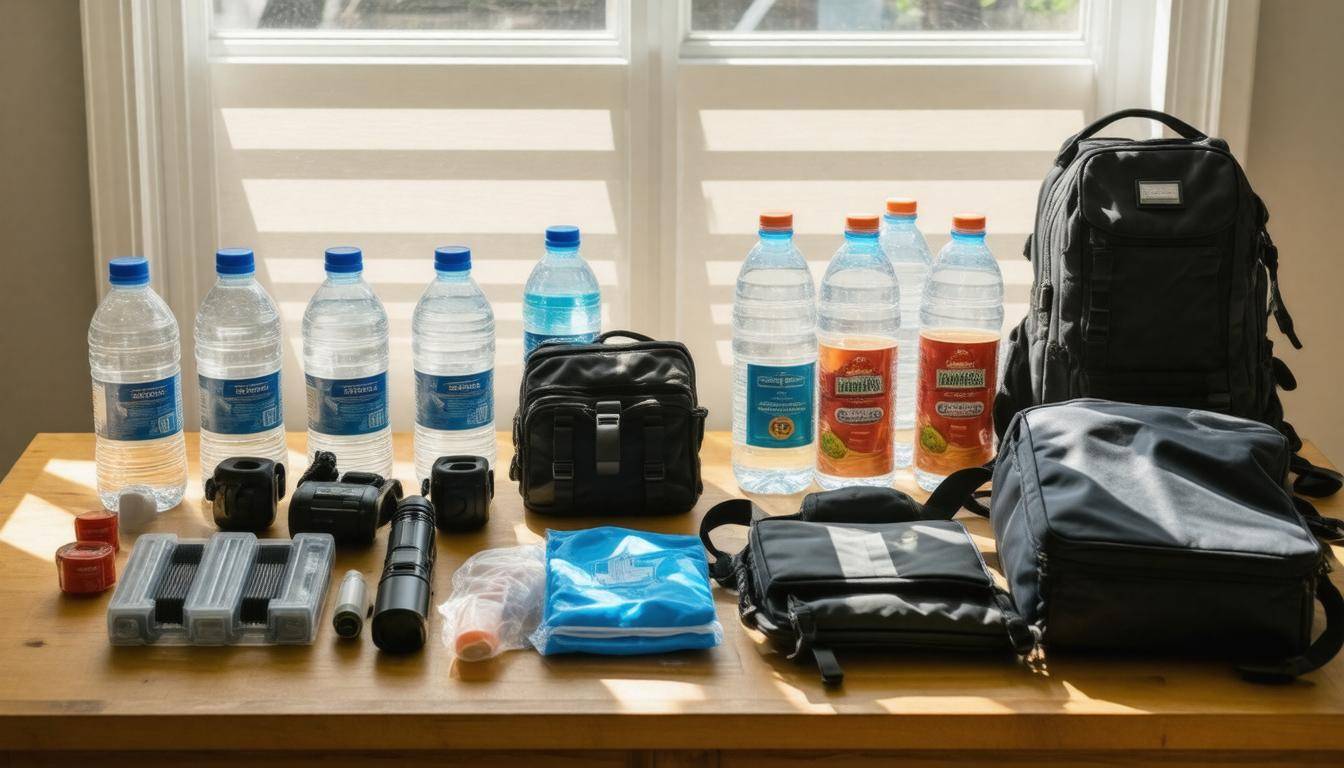
The goal is to create an efficient, effective flood protection kit that keeps you prepared for unexpected emergencies. Start with quality; making the right choices can maximize your readiness. High-quality items not only last longer but provide peace of mind when the need arises.
Choosing heavy-duty waterproof bags ensures that your precious supplies remain safe and secure, even if water levels rise unexpectedly. It’s like having an insurance policy in tangible form—the better the bag, the safer your belongings.
Opting for reputable brands guarantees durability in times of crisis. Many people underestimate how critical reliable gear can be during a flood situation. Take it from families who have invested in premium waterproof containers; their firsthand accounts reveal that these high-end options keep valuables dry and intact, reinforcing just how indispensable good gear can be.
A well-rounded flood protection kit doesn’t stop at storage; you also need to include essential tools and supplies. For instance, water purification should be at the top of your list because clean water can quickly become a rare commodity during such emergencies. Selecting water filtration systems certified by organizations like the NSF (National Sanitation Foundation) is crucial. These certifications indicate that the products meet strict standards for purifying water, thus helping you avoid potential waterborne illnesses when access to clean drinking water is compromised.
When you’re picking out filtration systems, consider portable options that are easy to use in emergency situations, allowing for hassle-free access to safe drinking water when every second counts.
Beyond these essentials, think about what else might benefit your immediate needs during a flood situation. Items like flashlights, first aid kits, non-perishable food items, batteries, and comfortable clothing are invaluable. In essence, creating a flood protection kit is more than just gathering supplies; it reflects forethought and proactive measures to protect yourself and your loved ones during an unpredictable flooding scenario.
By prioritizing quality and foresight in your selection of supplies, you’re laying the foundation for peace of mind ahead of any emergency that may arise.
Ultimately, being equipped with the right tools and supplies can make all the difference in safeguarding yourself and your home during unexpected floods. This preparedness could mean the difference between chaos and safety when disaster strikes.
How often should I check and update my emergency kit for floods?
You should check and update your emergency kit for floods at least twice a year, ideally in spring and fall. This ensures that supplies like food, water, medications, and batteries remain fresh and usable. According to the Federal Emergency Management Agency (FEMA), about 40% of small businesses never reopen after a disaster, often due to inadequate preparedness—so keeping your kit updated is crucial for your safety and recovery.
What are the key components of an effective flood emergency kit?
An effective flood emergency kit should include essential items such as non-perishable food, bottled water (at least one gallon per person per day for three days), a flashlight, batteries, a first aid kit, and important documents sealed in waterproof bags. According to the Federal Emergency Management Agency (FEMA), nearly 40% of small businesses never reopen following a disaster, highlighting the importance of preparedness. Additionally, incorporating a whistle for signaling help, local maps, and personal hygiene supplies can enhance safety and comfort during an emergency scenario.
What steps should I take during a flood emergency?
During a flood emergency, prioritize your safety by moving to higher ground immediately and avoiding flooded areas. Ensure you have an emergency kit ready, including food, water, medications, and essential documents. According to FEMA, nearly 90% of all disaster-related fatalities are due to flooding; hence it’s crucial to heed evacuation orders and stay informed through local alerts. Remember to avoid walking or driving through floodwaters, as just six inches can sweep a person off their feet and two feet can carry away most vehicles. Stay safe!
What additional resources or information should I consider when preparing for a flood?
When preparing for a flood, consider consulting local emergency management agencies for tailored guidance and resources specific to your area, as flood risks can vary greatly. The National Oceanic and Atmospheric Administration (NOAA) recommends staying updated with weather alerts and understanding river levels through their monitoring tools. You should also create a comprehensive plan that includes evacuation routes and contact information for local shelters. Remember, according to FEMA, floods account for nearly 90% of all disaster-related damage in the U.S., so being proactive with these resources can significantly reduce risk and enhance safety during such events.
How can I prepare my home for potential flooding using this kit?
To prepare your home for potential flooding using the “Riverside Emergency Kit,” first, identify and elevate critical items such as electrical appliances and important documents above possible flood levels. Ensure your kit includes essential supplies like non-perishable food, clean water, flashlights, and a first aid kit. Additionally, statistics show that nearly 90% of natural disasters in the U.S. involve flooding, highlighting the importance of being proactive. Regularly check weather alerts and keep your emergency kit stocked to respond swiftly and effectively in an emergency.