
When it comes to survival in the vast and inhospitable stretches of the Riyadh desert, preparation is key. The harsh environment presents unique challenges that require a blend of skills, knowledge, and the right gear to navigate safely. Imagine wandering under the blazing sun with only your instincts to guide you; every decision counts when you’re contending with extreme heat and limited resources. This article dives into essential tips and tools that can bolster your survival chances, helping you not just survive but thrive during your desert journey. Whether you’re an experienced outdoors person or a novice explorer, understanding these fundamentals can make all the difference in ensuring your safety and success in this remarkable yet unforgiving landscape.
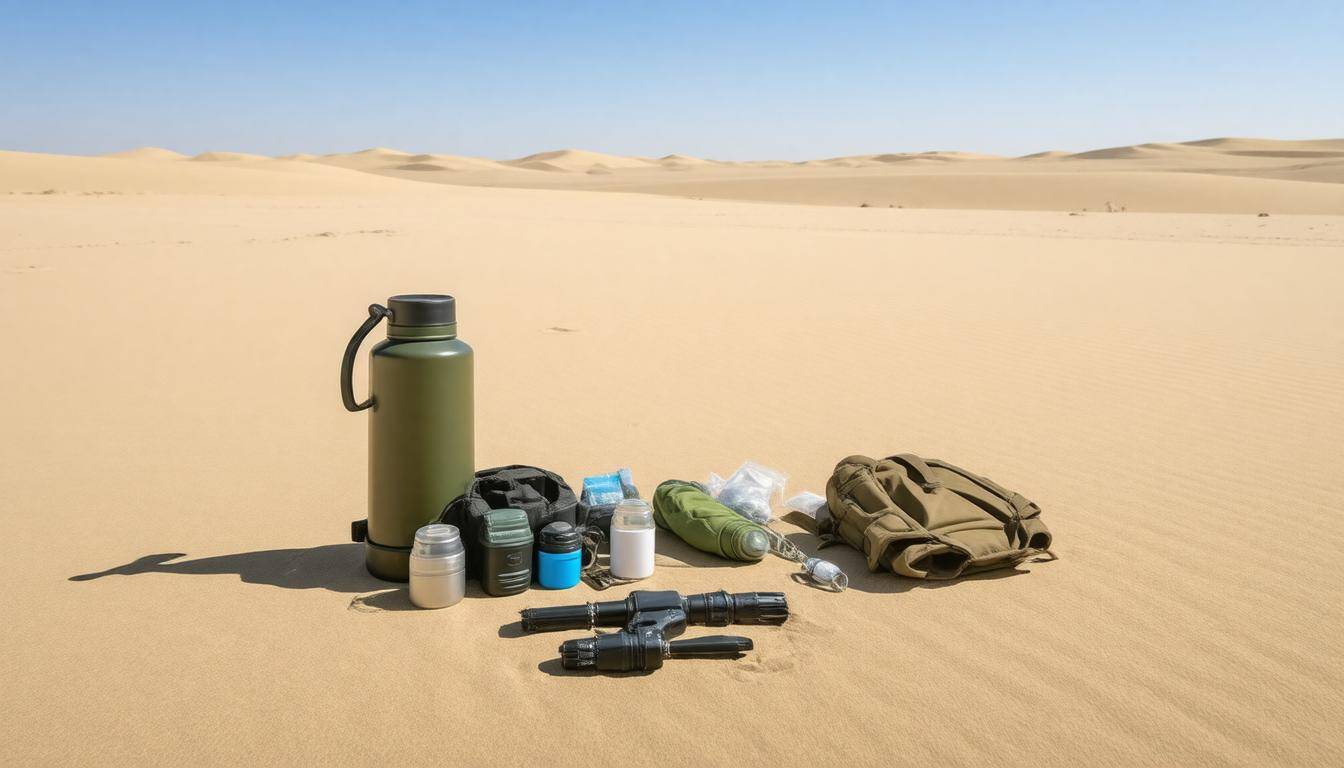
Essential items for survival in the Riyadh desert include plenty of water, sun protection (such as hats and sunscreen), sturdy footwear, a first aid kit, and navigation tools like a compass or GPS. Additionally, understanding how to find shelter from the sun and recognizing local wildlife can significantly increase your chances of survival in this harsh environment.
Essential Riyadh Desert Survival Skills
One of the first skills you should master in the desert is basic orientation. Learning how to navigate using a compass and a map is vital; it can mean the difference between returning safely or wandering aimlessly until you’re exhausted. Familiarize yourself with the terrain before setting out, as understanding features around you—such as cactus groves or rock formations—can serve as natural landmarks, aiding your navigation when technology fails.
1. Basic Orientation Skills
With practice, you can become adept at triangulating your position using not just your compass but also building a mental map of where you’ve come from and where you need to go. For example, if you’re heading towards a distant mountain range, regularly glance at your compass to ensure you’re maintaining your intended path. When conditions allow, observe the sun’s position—this helps with navigation and gives insight into how time progresses in the heat of the day.
2. First Aid Knowledge
Beyond navigation skills, having first aid knowledge is paramount in such unforgiving conditions. The harsh sun and dry air can lead to dehydration faster than you might expect, and recognizing early signs can save you from severe consequences down the line. Understanding how to avert heatstroke by keeping hydrated and recognizing symptoms such as confusion or increased heart rate is crucial.
Carrying a compact first aid kit is indispensable. Include essential items like bandages and antiseptics, but don’t overlook rehydration salts—they’ll be your best ally against dehydration. Remember that rehydrating slowly with small amounts of fluid over time is more effective than gulping down water all at once.
Additionally, being attuned to the signs of fatigue can be lifesaving—resting before exhaustion hits ensures clarity and prevents critical decisions made under duress.
Recognizing Fatigue and Illness
Learning how to recognize your own bodily signals could prove invaluable in a desert setting. Fatigue manifests differently for everyone; some may feel sluggish while others experience dizziness or irritability. Acknowledging these signs early on allows for timely breaks and hydration before reaching critical levels of stress on your body. If you’re hiking with companions, paying attention to their cues can also help foster a team approach to survival.
For instance, if you notice that someone in your group becomes unusually quiet or struggles to keep pace, it’s a cue to stop and check in on their well-being. Ensuring everyone remains vigilant about recognizing fatigue helps avoid potential medical emergencies later on.
As we enhance our awareness and skills for survival, it’s equally important to understand how to navigate effectively in shifting terrains. This will empower you further as you prepare for your desert journey ahead.
Navigating the Sand Dunes
Sand dunes may appear mesmerizing with their ever-shifting shapes and colors, yet they require an understanding of their unique structure for safe navigation. The first thing every desert traveler should remember is that dune shapes aren’t just aesthetic; they influence your journey. Knowing which direction to take can significantly impact both your speed and energy consumption.
As mentioned, the windward sides have gentler slopes and longer paths, making them easier to climb despite being more extended. In contrast, while the leeward sides may seem tempting due to their steepness, they require a more significant exertion of energy as you struggle against gravity on your descent.
Terrain Awareness
Being aware of the terrain lays the foundation for an efficient navigation strategy. Just picture yourself standing at the base of a towering dune, wind whispering sand across its surface. The key here is in recognizing that ripples on the sand serve as indicators for wind direction. These natural markers can guide you in predicting potential shifts in dunes during your trek. Additionally, using landmarks—like rocks or distinct vegetation—is crucial because they can help you maintain a sense of direction while traversing repetitive dunes that may look similar.
Remember, desert navigation is not merely about moving forward; it’s about understanding when to rest and recuperate before tackling more formidable dunes.
While the physical characteristics of the landscape are critical, modern technology can further enhance your navigation skills. Carrying a reliable GPS device is no longer just recommended; it is essential. Traditional smartphones, much like us, can falter under extreme conditions like intense heat or sandy environments. Specialized GPS units can function under such harsh conditions without failing and provide accurate positioning—something that could be vital when lost among undulating sands.
GPS and Modern Tools
Particularly useful functions include creating waypoints for reference points during return journeys as well as mapping optimal routes through the terrain early on. Familiarizing yourself with these tools before embarking on your journey makes all the difference between wandering aimlessly and reaching your destination effectively.
Some might argue that relying too heavily on technology detracts from developing traditional navigation skills; however, balancing both methods amplifies your chances of successful navigation. Using natural markers combined with technological aids creates a hyper-aware approach to your surroundings—keeping you connected both physically and mentally with nature while spanning those awe-inspiring sandscapes.
Beyond physical tools and knowledge needed for navigating dunes, enhancing your ability to deal with extreme temperatures will be essential for making your desert adventure successful.
Heat Management Techniques
In the relentless heat of the desert, it’s not just about what you wear, but how you respond to soaring temperatures. The average temperature can reach a staggering 104°F (40°C), and without proper measures in place, it’s easy to feel overwhelmed. Understanding a few key techniques can be the difference between enjoying your adventure and suffering from heat exhaustion.
Stay Hydrated
First and foremost, let’s talk about hydration. Drink plenty of water throughout the day—it’s critical for survival. Carry extra bottles or a hydration pack to ensure you have sufficient water on hand. Aiming for at least two liters daily can help keep your body functioning optimally in the heat. Remember to consume electrolytes, especially if sweating profusely; they play a key role in regulating your body’s temperature.
While hydration fuels your efforts, there are also practical cooling methods you can incorporate into your routine.
Utilize Cooling Techniques
One effective strategy is using cooling towels or bandanas soaked in water and draped around your neck. This method allows your body to cool down through evaporation as the water dries off against your skin. It’s an immediate solution that provides relief quickly under oppressive heat.
Many adventurers have found that dipping their hats in water or soaking them beforehand can significantly reduce their temperature too.
Seek Shade and Timing
When possible, plan your activities during cooler parts of the day—early mornings or late afternoons instead of peak midday hours. If traversing during sunny hours is unavoidable, find natural shade whenever available—be it under trees or large rocks—to give yourself breaks from direct sunlight.
Beyond physical techniques, mental fortitude also plays a role in managing heat effectively.
Listen to Your Body
Be mindful of how your body reacts to the sun; feelings of fatigue or dizziness can indicate overheating. Use simple checkpoints: if you start experiencing these symptoms, take a step back, hydrate generously, and rest in a shaded area until you feel better. This practice will keep you safer and enhance your overall desert experience.
With these strategies firmly in mind, understanding how to locate and preserve essential resources can further elevate your survivability in this harsh environment.
Finding and Conserving Water
Water is indeed a critical resource in the unforgiving expanse of the desert. Understanding how to source it can mean the difference between life and death. One effective way to obtain water in this environment is by extracting it from plants, particularly from those that are known for their water-storing properties.
Extracting Water from Plants
Native succulents, like cacti, are often your best bet. For instance, a barrel cactus contains a clear liquid that can be consumed if necessary. When extracting water, using a sharp knife helps you cut through the tough exterior without wasting any precious moisture inside. However, caution is key; not all cacti are safe for consumption. For example, while the barrel cactus is generally safe, species such as the cholla can cause more harm than good. Consequently, knowledge about local flora is critical before relying on them for hydration. Researching which plants are safe to use ensures your survival and minimizes risks associated with dehydration.
As essential as finding water is, conserving it becomes equally important because every drop counts when you’re navigating a desert landscape.
Water Conservation Techniques
Carrying a supply of water purification tablets is highly advisable. In many cases, you might come across stagnant water or small pools—sources that may not look appealing but could provide hydration if treated properly. These tablets can make sure that whatever you find is safe for drinking by eliminating harmful bacteria or parasites.
Additionally, rationing your water intake is crucial. Instead of gulping down large amounts at once—which can strain your body—you should take small sips throughout the day. This method not only helps maintain hydration levels over time but also allows you to extend your supply as long as possible. Aim to drink consistently rather than waiting until you’re desperately thirsty; by then, it might be too late.
Navigating the desert isn’t just about finding resources—it’s also about managing them wisely.
Learning these techniques will significantly enhance your chances of surviving and thriving in the harsh desert climate. As we continue our exploration of crucial strategies, let’s turn our focus toward the equipment that will bolster your preparedness during these challenging adventures.
Key Survival Gear and Equipment
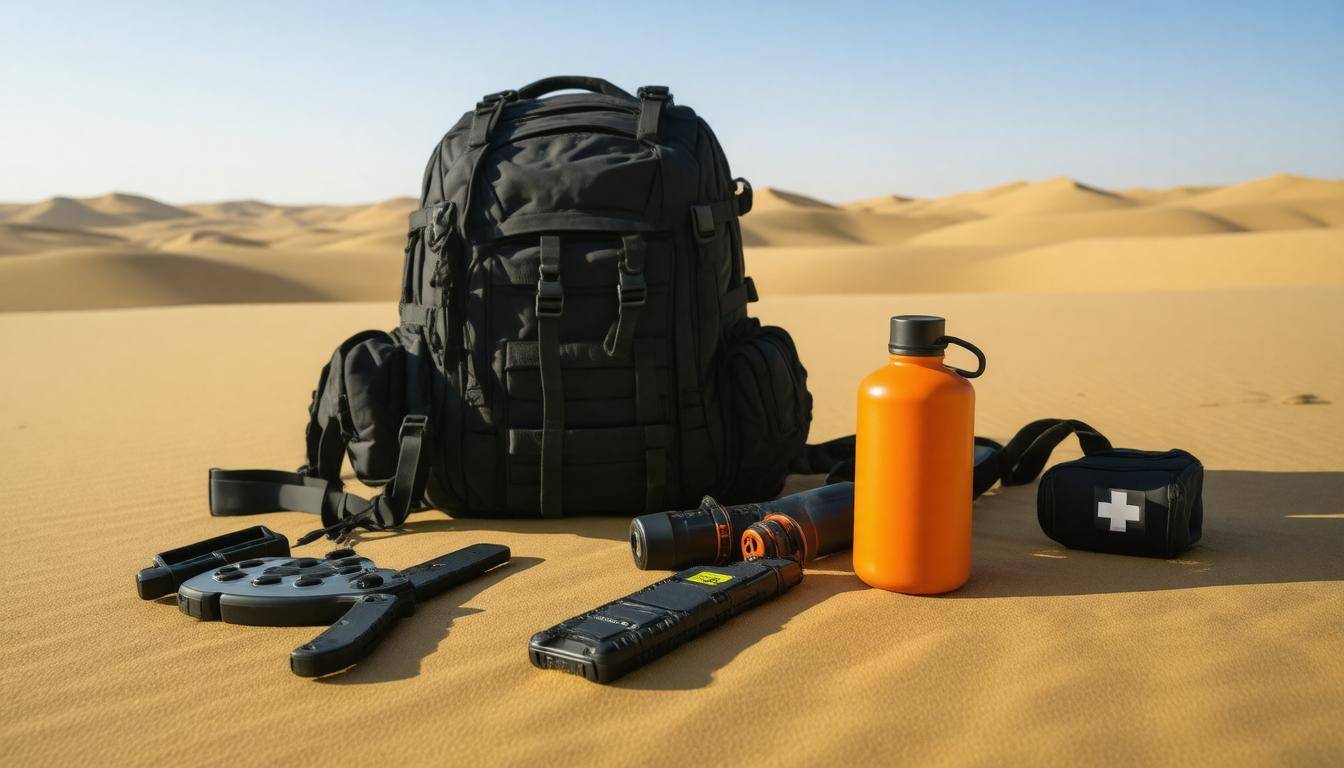
Having the right equipment is not just beneficial; it’s often critical for survival in the unforgiving Riyadh desert. Every item you carry has a purpose, helping you tackle challenges as they arise—whether it’s extreme heat or unexpected weather changes.
As we explore survival equipment, you’ll quickly see why investing time into selecting optimal tools warrants more than a perfunctory glance.
One of the most vital pieces of gear you’ll want to prioritize is a high-capacity hydration pack. This isn’t merely about staying hydrated; it’s about carrying enough water without being burdened. A well-designed hydration pack allows you to carry multiple liters of water while leaving your hands free for climbing or exploring. Having access to water at all times can prevent dehydration, which can occur quickly in the dry desert air. Brands like Camelbak are popular choices, renowned for their comfort and durability.
Alongside hydration, another essential tool is a multi-function knife.
The versatile nature of a multi-tool can serve numerous purposes, making it an indispensable part of your survival kit. Imagine needing to slice through tough plant material for food or even repair your gear mid-desert trek—the right knife can make all the difference. It can assist in crafting makeshift shelters using local materials or preparing firewood should you need to cook or warm yourself during cooler evenings. Brands like Leatherman produce reliable multi-tools that function when you need them most.
Speaking of shelter, let’s discuss portable options suitable for harsh conditions.
A lightweight but durable portable tent can provide a necessary refuge from the blazing sun during the day or unexpected weather at night. It’s not just about seeking shade; it’s also about creating a safe space where you can rest and recuperate without constant exposure to the elements. Look for tents designed with UV protection and ventilation features to help manage temperature extremes.
Lastly, let’s address how you’ll keep your devices running in this tech-driven age.
Solar chargers have become an invaluable asset for adventurers today. With GPS units and emergency beacons ensuring your safety and direction, keeping these devices charged becomes paramount. Solar-powered chargers allow hassle-free energy sourcing, letting you harness sunlight during the day without being reliant on batteries that could fail at the worst moment. By incorporating such technology, you’re ensuring that you’re prepared and connected to essential support resources.
Many survival experts underscore the importance of investing in quality brands—such as Camelbak and Leatherman—not simply because they’re recognized names but due to their proven reliability in adverse conditions.
Proper gear makes all the difference between mere improvisation and genuine preparedness during your desert adventure. As we continue, we’ll explore effective strategies for creating safe shelters tailored to withstand the challenging environment ahead.
Building Effective Desert Shelters
Establishing a robust shelter is not merely a matter of comfort; it is essential for survival in the unforgiving desert environment. The relentless sun by day can cause severe dehydration and heat exhaustion, while at night, temperatures can drastically drop, leading to hypothermia. Therefore, creating a protective space becomes a top priority.
Utilizing Natural Formations
When you find yourself in the desert, your first step should be to scout for natural formations that offer shelter. Look for rock overhangs, caves, or even densely grouped trees that can provide shade and protection. These natural shelters can shield you from both the harsh sun and sudden sandstorms.
However, while these spots may seem like an oasis of safety, it’s critical to remain cautious about potential wildlife that could inhabit these areas. Snakes or small mammals might share your cozy nook, so always assess the surroundings before settling down.
If you search thoroughly and still can’t find suitable natural cover, consider using tarps or other materials to create makeshift shelters. For instance, securing a tarp between two sturdy points—like rocks or tree trunks—can offer a surprisingly effective sunshade. This method allows you to craft your own sanctuary while protecting you from the searing sun overhead.
Building Artificial Shelters
In addition to utilizing natural shelters, having lightweight gear handy can significantly improve your chances during unexpected situations. One great example is the use of reflective emergency blankets. These versatile blankets are lightweight and compact, making them perfect companions for desert travels.
You can utilize these reflective blankets to create immediate shelters that deflect sunlight away from your body while helping retain warmth during cool nights. Simply draping the blanket over any available structure—be it bushes or rocks—will enhance both coverage and insulation. Additionally, positioning the reflective side outward naturally traps heat and helps keep you snug when temperatures dip after sunset.
Effectively building shelters requires ingenuity mixed with respect for the environment you’re in. Whether utilizing nature’s offerings or crafting artificial protections with portable equipment, being proactive about shelter opens many doors in ensuring your survival against the elements.
As you focus on establishing safe havens from environmental dangers, you must also shift your attention to sourcing food in this challenging landscape.
Identifying Edible Plants and Finding Food
The Riyadh desert, despite its arid appearance, hides a wealth of edible treasures that can sustain you during tough times. Learning to recognize these plants not only provides essential nutrients but enhances your survival skills in a challenging environment. With some training and observation, you can begin to spot common edible vegetation that will serve as nourishment.
Recognizing Edible Vegetation
To start, familiarize yourself with key edible plants, such as desert spinach and acacia seeds. These plants are vital for sustenance, contributing necessary vitamins and minerals to your diet. However, caution is paramount. Always err on the side of safety by avoiding any plant you cannot identify with complete certainty. Misidentification can lead to dangerous consequences; if in doubt, it’s best to leave it be.
A notable example of an edible delicacy is desert truffles, which emerge after rainfall and are not only safe but also delicious and highly nutritious.
| Plant | Edibility | Best Season |
|---|---|---|
| Desert Spinach | Leaves can be eaten raw or cooked | Spring |
| Prickly Pear Cactus | Pads and fruits are edible but require careful preparation | Summer |
| Acacia Seeds | Seeds can be ground into flour | Summer |
When it comes to foraging, another important detail lies in preparation. Take the prickly pear cactus, for instance. While both the pads and fruits are tasty options, one must always carefully remove the spines before consumption to avoid injury. Mastering these preparation techniques enhances your meals and ensures your safety in the wild.
Having explored how to identify and prepare food from local plants, we now transition to methods that prioritize your well-being during unexpected situations in this rugged environment.
Critical Safety Precautions and Emergency Tips
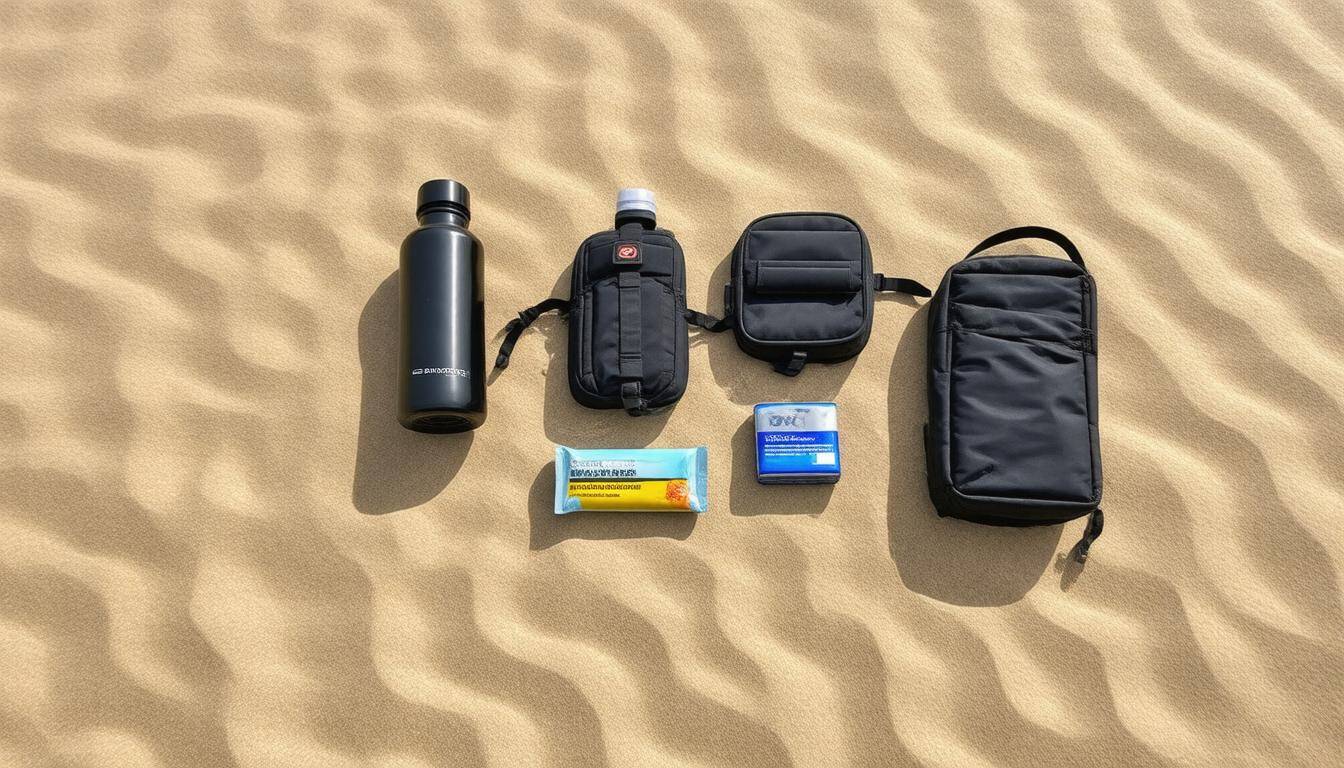
When venturing into the desert, being prepared can make all the difference. Awareness of your surroundings and having a plan are key. An ounce of prevention truly is worth a pound of cure in desert survival, so let’s explore some critical safety precautions that you should never overlook.
Communication Devices
Always carry a satellite phone or an emergency beacon. Unlike typical mobile phones, which may struggle to find service amidst the vastness of the desert, satellite phones can connect you virtually anywhere on the globe. Not only do these devices allow you to communicate with emergency services, but they also provide peace of mind when venturing into remote areas.
Many seasoned desert hikers credit their survival in emergencies to satellite phones. Knowing that you have a reliable method to call for help can drastically enhance your sense of security.
Signal for Help
Learning how to create distress signals is another crucial safety measure. During the day, reflect sunlight using a mirror; at night, utilize flares to draw attention to your location. It’s essential to maximize visibility—arranging rocks or branches in large “SOS” patterns can be extremely beneficial.
An effective signal isn’t just about what you use; it’s also about where and how you place it. Positioning your signal in clearings or areas with minimal obstructions will enhance your chances of being spotted from above.
Water and Hydration Awareness
Staying hydrated is absolutely critical when traversing deserts like those in Riyadh; dehydration can sneak up on you quickly. Always carry enough water for your journey—ideally one gallon per person per day under normal conditions—or more if you’re exerting yourself or the temperatures soar higher than usual.
Monitor yourself for signs of dehydration such as dizziness, dry mouth, or fatigue. In extreme cases, confusion can set in—so it’s advisable to take regular hydration breaks even if you don’t feel thirsty.
Navigation Skills
Mastering navigation skills proves invaluable when trekking through vast stretches of sand. Familiarize yourself with both traditional tools like maps and compasses and modern GPS devices.
Understanding basic navigation techniques, such as tracking shadows for direction or recognizing landmarks, ensures that you’ll remain oriented even when technology fails. Preparation means knowing where you’re going regardless of whether it’s day or night.
Emergency Preparedness
All these elements play a pivotal role in your survival strategy—communication, signals for help, hydration management, and navigation skills come together seamlessly to ensure you’re as protected and prepared as possible in the harsh Riyadh desert.
In summary, understanding these essential precautions will not only bolster your confidence but could save your life in unexpected situations while navigating the beautiful yet challenging Riyadh desert landscape.
Are there particular skills or training that would be beneficial for surviving in desert conditions?
Yes, essential skills for surviving in desert conditions include navigation, shelter construction, and water procurement techniques. Training in first aid is also crucial as it prepares individuals to respond to heat-related illnesses, which can affect up to 20% of those exposed to extreme temperatures. Knowing how to read the terrain and utilize natural resources optimally can significantly increase survival chances, making these skills invaluable for anyone venturing into arid environments like Riyadh’s deserts.
What are the most critical supplies one should carry for survival in the Riyadh Desert?
The most critical supplies for survival in the Riyadh Desert include ample water (at least 3-4 liters per day), sun protection (such as sunscreen and a wide-brimmed hat), durable footwear, a first aid kit, and food sources high in energy, like nuts and dried fruits. Given that daytime temperatures can soar above 45°C (113°F) and the region receives very little rain annually—averaging only around 100mm—hydration is paramount to prevent heat exhaustion and dehydration. Additionally, having navigation tools like a compass or GPS can be lifesaving in the vast, featureless terrain.
What are the first-aid measures that might be needed in case of heat-related illnesses during desert survival?
In case of heat-related illnesses during desert survival, immediate first-aid measures include moving the person to a shaded or cooler area, removing excess clothing, and applying cool, wet cloths to the skin. If consciousness is impaired, it’s crucial to avoid giving them fluids. According to the Centers for Disease Control and Prevention (CDC), heat-related illnesses can lead to serious conditions such as heat exhaustion or heat stroke; with the latter having a fatality rate of about 20% if untreated. Monitoring body temperature and hydration levels is essential in preventing these emergencies.
How can individuals effectively navigate in the vast landscapes of the Riyadh Desert?
To effectively navigate the vast landscapes of the Riyadh Desert, individuals should utilize a combination of modern navigation tools and traditional techniques. GPS devices and smartphone apps can provide accurate positioning, while understanding the terrain and natural landmarks is crucial for long-term orientation. It’s essential to stay aware of the sun’s position; in the Riyadh Desert, for instance, it rises in the east and sets in the west, providing a basic directional guide. Carrying a compass can be beneficial, especially as cross-referencing multiple navigation methods significantly reduces the risk of getting lost—statistically, about 60% of desert travelers experience disorientation without proper navigational aids.
How do seasonal weather changes impact survival strategies in the Riyadh Desert?
Seasonal weather changes in the Riyadh Desert greatly influence survival strategies, as temperatures can range from extreme heat exceeding 50°C (122°F) in summer to cooler nights and milder conditions in winter, sometimes dropping to around 5°C (41°F). During hot months, hydration becomes critical; therefore, carrying extra water and utilizing protective clothing is essential. In contrast, winter necessitates proper insulation and a focus on warmth during nights. Understanding these fluctuations helps survivalists adapt their gear and methods accordingly, ensuring safety and effective resource management throughout the year.