
When it comes to natural disasters, the unpredictability can feel overwhelming. Earthquakes and floods are more than just buzzwords in Romania; they’re real threats that can disrupt lives in an instant. Imagine waking up one morning to your home shaking or rain pouring down so heavily that your street becomes a river. It’s in those times of crisis that being prepared can make all the difference. Having a carefully thought-out emergency kit isn’t just a good idea; it’s essential for protecting yourself and your loved ones. This guide is here to help you understand how to build a comprehensive Earthquake & Flood Preparedness Kit, ensuring you have everything you need when disaster strikes.
A comprehensive Romania Earthquake & Flood Preparedness Kit should include non-perishable food items and at least one gallon of water per person per day for three days, a well-stocked first aid kit, flashlights with extra batteries, and essential personal documents. Additionally, consider including pet supplies if applicable, such as food, water, and carriers to ensure the safety of all family members during a disaster.
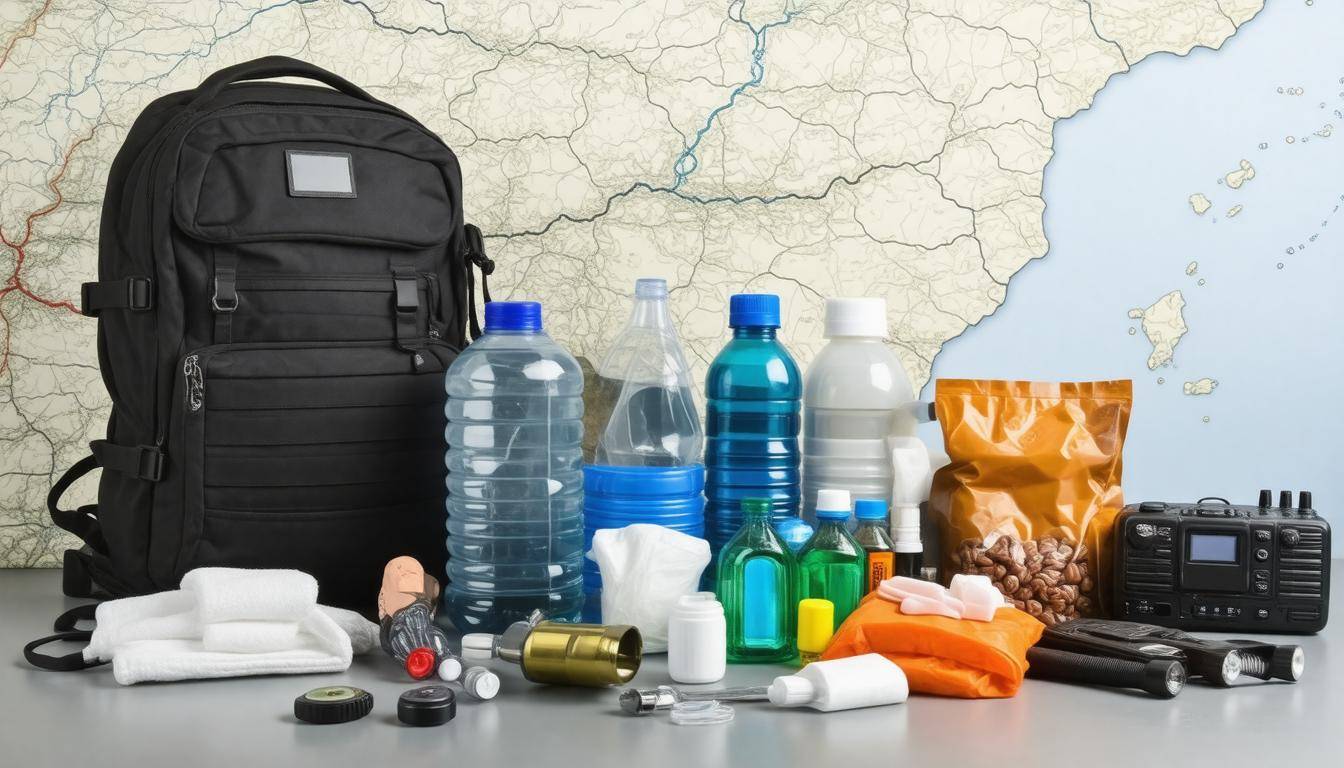
Romania’s Natural Disasters: Earthquakes and Floods
Romania is no stranger to the forces of nature, and its landscape tells a story of both breathtaking beauty and raw power. The Vrancea seismic zone, located in the southeastern part of the country, is notorious for producing frequent and sometimes devastating earthquakes. This area is an epicenter of tectonic activity due to the collisions between the Eurasian and Romanian plates. Between 2000 and 2020 alone, there were more than 50 significant earthquakes with magnitudes of 5 or higher, indicating just how active this geological hotspot is.
Coupled with the seismic activity is the reality of flooding, exacerbated by Romania’s mountainous terrain.
The Carpathian Mountains cradle the nation while simultaneously funneling substantial rainfall into major rivers. When heavy rains occur—especially during the spring thaw—these rivers can swell beyond their banks, leading to catastrophic floods. From 2000 to 2020, Romania faced 1,125 significant flood events, affecting over 1.5 million people. A notable example includes the floods of 2010, which not only displaced tens of thousands but led to economic losses surpassing 1 billion euros.
“The real danger lies in underestimating these natural disasters; complacency can lead to dire consequences.”
Such historical incidents demonstrate that both earthquakes and floods pose significant risks to lives and property in Romania. The aftermath of the catastrophic earthquake in 1977 serves as a vivid reminder—over 1,500 lives were lost, along with extensive damage to infrastructure that took years to repair. The collective trauma from these events reinforces a crucial point: preparedness is essential.
Given these stark realities, gathering a comprehensive emergency preparedness kit becomes a priority for residents in flood-prone areas or those living near seismic fault lines.
In developing your own safety measures, it is vital to recognize that advance planning can significantly mitigate risks associated with these unpredictable natural disasters. The knowledge from past tragedies must guide us to create robust preparedness strategies that include essentials like food supplies, medical kits, and communication tools—all tailored to safeguard you and your loved ones when disaster strikes.
As we focus on creating a ready supply kit, it’s important to examine what specific items are necessary for ensuring safety in times of crisis.
Food and Water Supplies
Ensuring adequate food and water supplies isn’t just about convenience; it’s genuinely about survival. In the wake of natural disasters like earthquakes or floods, access to essential resources can quickly become limited, making it imperative to have a well-thought-out supply plan in place.
First and foremost, let’s tackle non-perishable food options. Stocking up on canned goods—such as vegetables, fruits, and meats—will provide much-needed sustenance when fresh options are unavailable. A good rule of thumb is to aim for at least one can per person each day for three days. Additionally, consider including energy-rich snacks like dried fruits, nuts, and granola bars to keep energy levels up during stressful times.
Just as crucial as food is having ample water supply on hand.
The guideline is at least one gallon of water per person per day for three days, which covers both hydration and sanitation needs. This is no mere suggestion; it’s vital for life! It’s also wise to store purification tablets alongside your water supply. These little tablets can significantly enhance your ability to access safe drinking water should your normal sources become compromised or contaminated. Imagine the stress of discovering your local water system has been disrupted during a flood; having these tablets could mean the difference between health and illness.
Now, while it might seem trivial at first glance…
It’s important not to overlook the necessity of a manual can opener. In any emergency situation, the last thing you want is to be fumbling with various tools or scrambling for something you simply don’t have on hand when it’s time to eat. A manual can opener is essential for quickly accessing the emergency food you’ve stored away, especially during moments when electricity may not be available.
Preparedness isn’t merely about having items in stock; it’s about ensuring they’re accessible and usable when the situation arises.
Reflecting on past experiences serves as a vivid reminder of why all this preparation matters. Take the floods in 2010; many families found themselves isolated from clean water sources for over a week but managed to survive thanks to their forethought in stockpiling bottled water and purification tablets. It’s not just about what you collect; it’s about how these supplies can support you through dire circumstances.
To ensure that your supplies always remain effective, make a habit of rotating your stock every six months. This way, you avoid facing expired provisions during an emergency, keeping pantry items fresh and ready for use.
By planning ahead with robust food and water supplies, individuals set themselves up for resilience amidst unforeseen challenges. With this foundation laid down, let’s turn our attention to essential implements that further enhance preparedness.
Tools and Equipment
A multifunctional tool should be high on your priority list because of its versatility in emergency repairs and survival scenarios. Think of it as your Swiss Army knife—one compact device that can solve multiple problems. It includes a knife, pliers, and screwdrivers, often featuring other useful tools like a can opener or wire cutters. This allows you to execute various essential tasks without carrying several bulky items.
But let’s not stop there. In addition to a multi-tool, investing in specific tools can significantly impact when disaster strikes. For instance, a shovel and axe are excellent for clearing debris and creating makeshift shelters. After an earthquake or flood, you may find yourself needing to dig through rubble or chop down branches to create a safe space.
Furthermore, don’t underestimate the power of duct tape; this reliable adhesive is an invaluable companion during emergencies. It can hold things together temporarily—whether you’re patching up a leaking water container or securing a loose window shutter against harsh winds. Duct tape’s multi-uses are almost legendary; from fixing equipment to creating makeshift gear—its importance cannot be overstated.
To illustrate: A simple roll of waterproof matches might seem trivial, yet they serve an essential role when starting fires under difficult conditions. Understanding how to create warmth and heat food in damp environments can enhance overall survival comfort.
With the right tools at your disposal, you’re prepared to tackle numerous survival situations where quick thinking is critical. At the same time, you must consider how light and communication will play pivotal roles in your emergency strategy.
Light and Communication Devices
Light and communication devices are vital for staying informed and locating others during emergencies. In moments of crisis, such as earthquakes or floods, reliable illumination and communication can make all the difference in ensuring safety and maintaining a connection to loved ones. The right tools can even guide you through darkness, both literally and metaphorically, when the unexpected strikes.
Must-Have Devices
Flashlights are a fundamental part of any emergency preparedness kit. Opt for LED variants; they provide longer battery life compared to traditional bulbs, ensuring you won’t be left in the dark. Investing in models with a brightness of at least 100 lumens is worth it—these will illuminate your space effectively without draining batteries too quickly. Stock extra batteries to keep those lights shining bright for at least one week.
It’s interesting to note that many people underestimate how fast batteries can drain in high-use situations. Having spare batteries on hand is like having a safety net; it provides peace of mind.
Equally important is a hand-crank radio. This device becomes a trusty companion when power grids fail. A hand-crank model allows you to charge the internal battery manually while tuning into AM/FM bands or NOAA weather channels. During past disasters in Romania, this simple tool helped many stay updated on changing weather conditions and potential evacuation notices.
| Device | Purpose | Recommended Type |
|---|---|---|
| Flashlight | Light | LED with extra batteries |
| Hand-Crank Radio | Communication | AM/FM/NOAA |
| Solar Charger | Charging devices | High-efficiency solar panels |
Recently, solar chargers have gained traction for their ability to keep your devices operational when electricity is unavailable. With climate changes leading to unpredictable weather events, having a high-efficiency solar panel charger can be a game changer. Imagine needing to find out critical updates via your smartphone only to discover it’s dead! A solar charger ensures you remain plugged into the outside world without being reliant on traditional power sources.
These strategic tools not only foster personal safety during emergencies but also enhance community resilience when everyone is prepared together. As we look further into safeguarding our wellbeing, our focus shifts toward essentials that provide comfort and protection from the elements.
Clothing and Shelter Essentials
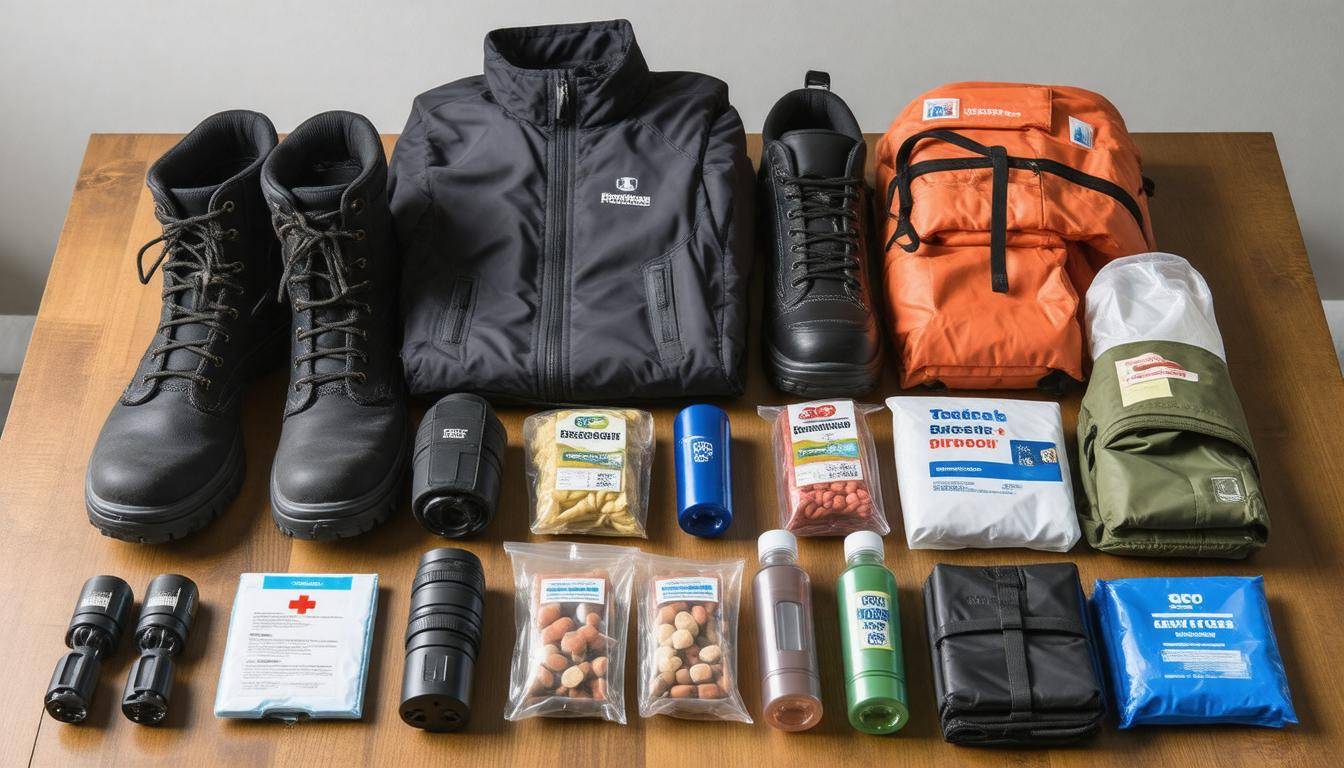
When preparing for potential disasters like earthquakes and floods, it’s crucial to equip yourself with proper clothing and shelter to maintain warmth and hygiene. Having the right gear can be the difference between comfort and distress.
Start by including an all-weather emergency poncho in your kit. This versatile piece is designed to keep you dry, blocking rain while remaining lightweight for easy transport. Paired with thermal layers—like insulated underwear and fleece jackets—you’ll be able to regulate your body temperature even in colder conditions.
Moreover, sturdy footwear is not just a luxury; it’s a necessity. Waterproof boots are essential for navigating muddy or debris-laden terrain without compromising safety. It’s no exaggeration to say that slipping or losing a shoe can quickly escalate into a significant problem during an emergency.
One of the most overlooked items is the emergency blanket. Lightweight yet effective at retaining body heat, these mylar blankets are compact enough to fit into any kit but powerful enough to provide warmth when you need it most.
In addition to clothing, having reliable shelter options is vital. Consider investing in a compact, waterproof tent or heavy-duty tarp that can serve as temporary protection against the elements. During previous disasters, families have managed to set up makeshift shelters using tarps, transforming parking lots or community spaces into safe zones. A combination of a tarp and rope can create an adequate awning, providing shade or rain protection in an improvised outdoor situation.
Being proactive about our safety means thinking ahead; including sleeping bags that can withstand varying temperatures ensures you always have some level of comfort should the situation call for an extended stay outdoors. Choose weather-resistant ones for added security against unpredictable elements.
As you prepare your kit, consider also hiding items like insulated layers and extra durable blankets within it. These can be particularly useful if you find yourself in unexpected temperatures after an earthquake when energy demands might lead to power outages.
While proper clothing and adequate shelter form a solid foundation for preparedness, it’s equally essential to ensure medical supplies are readily available for any disaster situation.
Medical and First Aid Supplies
Medical needs can arise without warning during an earthquake or flood, making it essential to prioritize the contents of your first aid kit. A well-stocked and accessible first aid kit is critical for ensuring safety. Imagine you are caught in an emergency where injuries can happen quickly. You want to be prepared, not scrambling around looking for supplies under stress. Therefore, it’s vital to understand what should go inside that kit.
Essential medical supplies play a significant role in addressing immediate health concerns during disasters. Consider including bandages and gauze to manage wounds effectively as they occur. Having a variety of sizes can help address both minor cuts and larger abrasions. Antiseptic wipes should also be on your list—these tiny yet powerful tools prevent infections by disinfecting injuries before you apply anything else.
Also, don’t overlook pain relievers like ibuprofen and acetaminophen, which can alleviate discomfort from minor injuries or stress-related headaches. It can be incredibly comforting to know there’s something on hand to relieve pain while awaiting professional help. Furthermore, it’s crucial to keep a supply of any prescription medications you or your family members may need, with enough for at least one week, in case access to pharmacies becomes restricted due to disasters.
Reflecting on experiences from previous earthquakes—including the notable one in 2021—families have shared testimonies highlighting the importance of having simple items like antiseptics and bandages ready. In some cases, access to these basic medical supplies made it possible to treat minor injuries promptly, preventing them from escalating into more serious conditions.
Now that we’ve emphasized the essentials you’ll need, consider practical aspects like storage and accessibility within your home. Regularly checking and restocking these supplies ensures your first aid kit stays effective over time. Set reminders every few months to review its contents, replacing expired items or updating any changes in prescription medications.
Understanding what belongs in your medical kit sets the stage for taking the next steps in enhancing your preparedness through efficient organization of these essential supplies.
Organizing Your Kit: Checklist and Bag
A chaotic kit is a useless kit; organization is the secret ingredient that allows for quick access during emergencies. Picture this: when disasters strike, your heart races, and time seems to stand still. You don’t want to waste precious moments scrambling through unorganized supplies. By taking the time to properly arrange your emergency preparedness kit, you can transform panic into action.
It’s wise to use a waterproof duffel bag with multiple compartments for your supplies. This way, each type of item has its own designated space, making it easier to locate what you need in a hurry. For instance, keep first aid supplies in a smaller compartment and food items together in another.
Additionally, labeling each section can further streamline your search process during high-stress situations. To enhance efficiency even more, maintain a checklist that tracks each item as you pack it—this will ensure nothing is forgotten when the moment arises.
| Item | Packed (✓) |
|---|---|
| Canned Food | |
| Water | |
| Multi-Tool | |
| Flashlight | |
| First Aid Kit |
Have you packed everything you might need? Regularly reviewing and updating your kit based on changing circumstances or seasons is crucial. Seasonal emergencies may require different supplies; for example, warmer clothes might become necessary as winter approaches or items like sunscreen could be added during summer months.
Beyond effectively organizing your kit, understanding how to take proactive steps before a disaster strikes is essential for safety and preparedness within the family unit.
Pre-Disaster Planning & Family Safety Measures
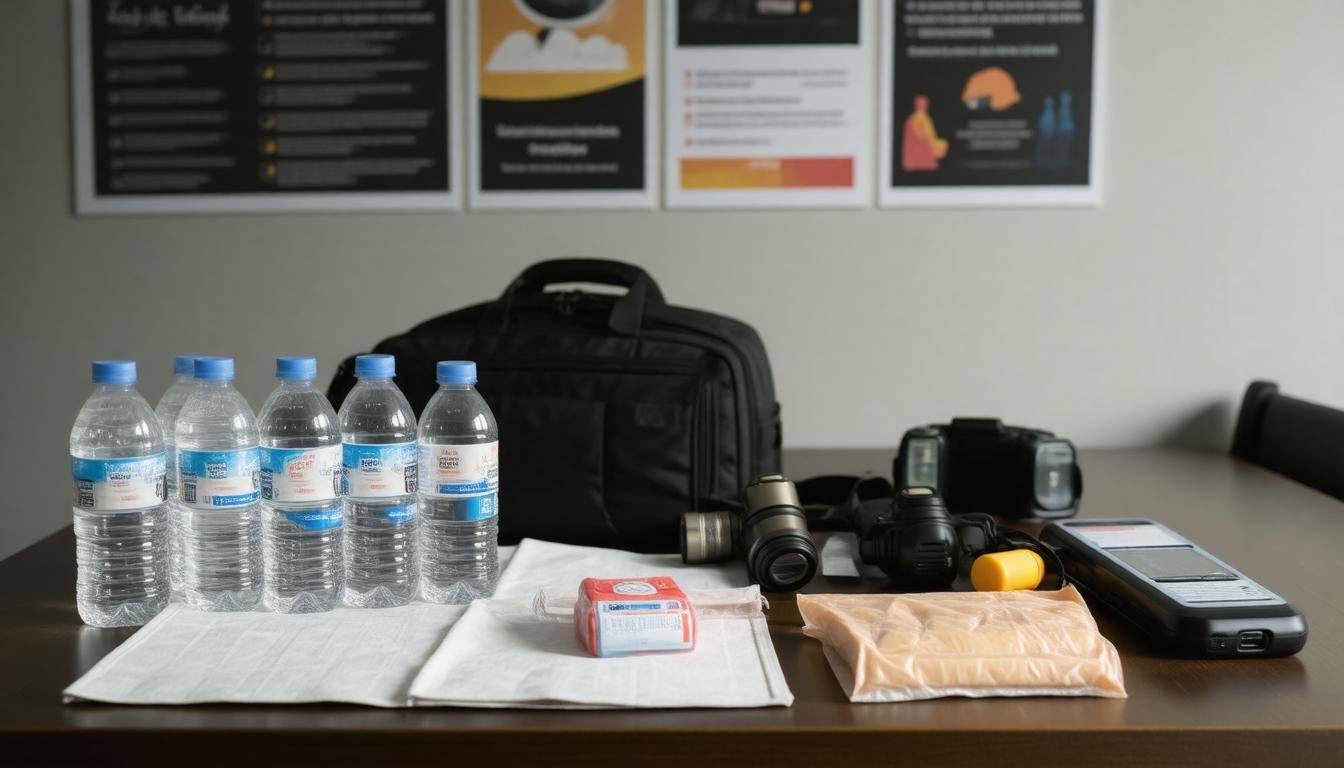
Effective pre-disaster planning is like building a safety net; it supports your family in times of unexpected chaos. While having an emergency kit stocked with supplies is crucial, it’s just one piece of a larger puzzle. Your family should have a comprehensive strategy that encompasses communication, evacuation routes, and designated meeting points—because in a disaster, clarity can minimize panic.
A well-structured family communication plan is vital. Discuss it with everyone involved, including young children. Ensure that everyone knows how to communicate during a crisis, whether by text or through community resources. Establishing and practicing this plan can give everyone the confidence to respond calmly when disaster strikes.
Designate safe meeting spots as well; these should be easily recognizable places where your family can gather post-emergency if you become separated.
Practicing these emergency drills not only allows each family member to learn their role but also instills a sense of teamwork and responsibility.
Take inspiration from a family who experienced the sudden quake in 1977. Their routine emergency drills made evacuating feel almost instinctual, turning what could have been a confusing situation into an organized exit that reduced anxiety significantly.
By regularly reviewing and practicing your emergency plans with your family, you create an environment where everyone feels secure and informed. This repetition can make all the difference when every second counts.
Don’t leave your family’s safety to chance. Start today by identifying potential disasters specific to your area and crafting robust response strategies around them. Proper planning today can save lives tomorrow, assuring that when disaster strikes, everyone knows their role, understands their surroundings, and moves forward safely together.
In summary, effective pre-disaster planning creates peace of mind within families, making it essential for safety against unforeseen events. Prepare now to ensure your loved ones can navigate any challenge that arises confidently.