
Living in Rotorua, known for its stunning geothermal wonders, comes with its share of unique challenges—primarily, the ever-present risk of volcanic eruptions. While the sight of bubbling mud pools and shooting geysers is mesmerizing, it’s crucial to remember that these natural marvels also remind us of the raw power beneath our feet. Preparing a volcanic hazard kit isn’t just a precaution; it’s an essential step toward ensuring the safety of you and your loved ones. This guide will help you gather everything needed to stay ready for any unexpected volcanic activity, so you don’t find yourself scrambling when disaster strikes. With the right supplies and plans in place, you can enjoy Rotorua’s beauty while being equipped for whatever nature may bring your way.
A volcanic hazard kit for Rotorua should include items such as non-perishable food, water, a flashlight with extra batteries, masks to protect against ash inhalation, a first aid kit, and important documents. Additionally, you should have communication devices and a plan established for safe evacuation in case of an eruption.

Essential Volcanic Hazard Kit for Rotorua
The heart of any effective volcanic hazard kit lies in its preparedness for a variety of emergencies. In Rotorua, where eruptions and ash fall can be unpredictable, having the right supplies at hand is not just smart; it’s vital.
First and foremost, let’s talk about respiratory protection—this is your frontline defense against inhaling harmful ash. N95 masks are specifically designed to filter out particulate matter, ensuring that you breathe as safely as possible during an ash fall. Enhancing this protection with goggles can prevent eye irritation from both volcanic particles and dust, keeping your vision clear when it matters most.
After ensuring respiratory safety, the next crucial step is to focus on the basic necessities that will sustain you during an emergency.
This kit isn’t complete without ample basic necessities to keep you and your family fed and hydrated. When planning food provisions, aim for non-perishable items that require minimal preparation; think granola bars, canned fruits, or dried fruits that pack a nutritional punch without taking up much space. Aim for at least three days’ worth of food and water, which translates into about 3 liters per person per day. Don’t forget a manual can opener—it’s easy to overlook yet essential if your food choices come in cans!
Pair this with a dependable flashlight equipped with extra batteries to help illuminate dark paths or areas in case of power outages caused by eruption fallout.
While sustenance is important, staying informed can make all the difference during an unexpected event.
Equally vital is your communication and navigation gear. An effective way to maintain contact with the latest news and alerts is through a battery-powered or hand-crank radio. This allows you to receive critical updates from local authorities, which are especially important during an evacuation. Having a local map of Rotorua handy ensures you have guidance for your escape routes should the need arise; familiarizing yourself with potential shelters or safe zones before an emergency occurs can ease anxiety considerably.
Now, let’s not forget about health—it’s crucial to keep a comprehensive assortment of medical supplies on standby.
Every volcanic hazard kit should include a first-aid kit filled with essential items such as bandages, antiseptic wipes, and any prescribed medications relevant to family members. Preparing these tools in advance can save valuable time in emergencies when stressful decisions must be made rapidly.
With your hazard kit assembled thoughtfully and strategically, it’s essential to regularly check and update its contents, ensuring everything remains current and functional as time passes. Next, we turn our attention to the specific items that should be included in this safety preparation guide.
Comprehensive Item List
Each item in your volcanic hazard kit serves an important purpose, acting as both a comfort and a means of survival during an emergency situation. For instance, N95 masks are invaluable, as they filter out volcanic ash and other airborne particles, helping you breathe safely in a compromised environment. Coupled with goggles, they provide protection against irritants, safeguarding not just your lungs but also your eyes.
Staying hydrated is vital during any disaster, which is why including ample bottled water is so important. Aim for at least one gallon per person, per day. This ensures you have enough for drinking and basic hygiene; you may face days without clean water depending on the situation. Moreover, stockpiling non-perishable food items adds to your resilience—think energy bars, canned goods, or dried fruits that don’t require cooking.
You might think having food isn’t critical during a volcanic eruption, but losing access to safe supplies can happen quickly due to blocked roads or contaminated resources. Combine this with a manual can opener, and you’ll be ready to eat whatever you need without hunting down electrical outlets.
Speaking of power, imagine frantically searching for batteries while the lights flicker during an eruption! A reliable flashlight will guide your way through the darkness and help you assess your surroundings, especially with those extra batteries tucked right beside it. But don’t overlook an equally essential item: a battery-powered or hand-crank radio. This tool keeps you informed about evacuation routes and safety announcements—it’s like having a lifeline to the outside world in times of chaos.
Even as technology evolves, some things remain timeless. While electricity might falter, a seasoned local map remains ageless. It grants you freedom from disorientation if digital devices fail—helping you navigate roads around volcanic hazards. Safety is more than just navigation; it’s about preparedness.
Your first-aid essentials can’t be neglected either; investing in a well-stocked first-aid kit along with any prescribed medications not only aids immediate needs but promotes peace of mind during these stressful situations. Doctors recommend keeping extras on hand if possible—it’s better to have them and not need them than to need them and not have anything.
You’ll also want to consider comfort in your kit—include extra clothing suitable for varying weather conditions like rain gear or thermal layers. Add blankets to combat chills during long waits for rescue services—they can offer warmth and improve morale immensely.
It’s often said that good tools make all the difference. That’s where a multi-purpose tool or knife enters; useful for everything from preparing food to making temporary repairs in your shelter. Meanwhile, keeping some cash in small denominations makes sense since ATMs may become inaccessible—you never know who might be able to assist you!
Lastly, keep important documents organized safely in a waterproof bag—things like identification cards, insurance papers, and medical records should be easily accessible to prove who you are and whatever help you may require.
Understanding the purpose behind each item enriches your preparedness strategy—you’re building a resourceful safety net tailored for unforeseen challenges that come with living in the Rotorua region. As we look deeper into the tactics needed for navigating potential emergencies, let’s explore effective plans that can enhance your safety and security.
Survival Strategies for Volcanic Eruptions
Firstly, staying informed is your best line of defense. Understanding the types of volcanic activity common in Rotorua—not just eruptions but also ash fall, lava flows, and gas emissions—can help tailor your emergency preparations. You should familiarize yourself with local alerts like the Volcanic Alert Level System that monitors volcanic activity. This way, you can gauge the risks and adjust your preparedness accordingly.
One important thing to remember is that when an eruption is forecasted, don’t wait until the last minute. Make arrangements for evacuations well in advance. Practice these routes regularly; it might sound trivial, but familiarity can save precious time and reduce panic during an emergency.
Next, establish a communication plan with your family. Decide where to meet if you need to evacuate and how you’ll contact each other if you get separated. A simple map with marked locations where family members can reach should be part of your emergency kit. When things go south, staying calm and collected can make all the difference.
Preparing Your Home for Eruptions
Additionally, reinforce your home against potential ash fallout by sealing windows and doors with weather stripping or plastic sheeting. Roofs should be cleared of debris regularly to prevent potential collapses under the weight of accumulated ash.
Don’t overlook your landscaping; removing dead branches and maintaining vegetation can minimize fire risks from possible lava flows or ash clouds. Even small preventative efforts like these could significantly mitigate damage during an eruption.
Consider investing in a quality air purifier if you reside near areas prone to frequent eruptions. During times of increased volcanic activity, air quality may diminish due to ash particles floating around. A purifier with a HEPA filter can help keep the air breathable inside your home.
Remember, preparation doesn’t end once you gather supplies and devise plans. Regularly training yourself and your family on how to respond will instill confidence when faced with real dangers—a practice drill now could mean the difference between chaos and coordinated safety later.
As we explore further dimensions of volcanic threats, understanding specific geological occurrences provides vital insights into effective risk management strategies.
Understanding Rotorua’s Volcanic Activity
Rotorua sits at the heart of a geologically fascinating area, part of the Taupo Volcanic Zone. This zone is one of the most active volcanic regions in the world, and its activity shapes not only the landscape but also influences everyday life for locals. The remarkable geothermal features—like geysers and hot springs—are evidence of the intense subterranean heat generated by volcanic processes.
The Taupo Volcanic Zone experiences frequent minor eruptions, but its capacity for significant volcanic events cannot be underestimated. It’s essential to acknowledge that small eruptive activities often indicate underlying magmatic movements. When you hear the word “eruption,” it might conjure images of danger or devastation; however, understanding these subtle signs can empower residents to take proactive measures for safety.
Scientists diligently monitor various indicators to assess the volcanic risk level in Rotorua. Signs such as increased seismic activity, which could suggest magma movement, ground deformation, or changes in gas emissions all point towards potential eruptions.
Staying informed is critical. Local geological agencies, like GNS Science, provide up-to-date insights on volcanic activity through their websites and communication channels. By regularly checking these sources, residents can stay ahead of any risks that may arise.
Some practical steps residents can take include:
- Sign Up for Alerts: Enroll in notification systems that inform you about seismic activities or emergency updates.
- Follow Local News: Regularly check local news outlets for updates regarding volcanic conditions.
- Participate in Community Drills: Join local safety drills to familiarize yourself with emergency responses in case an eruption occurs.
This active engagement with reliable information not only enhances personal safety but also fosters a community well-prepared to face natural challenges head-on. As we shift our focus, we can examine the significant historical patterns that have shaped the volcanic landscape in New Zealand’s North Island.
Historical Eruptions in North Island
The history of volcanic activity in New Zealand’s North Island, particularly around Rotorua, is a testament to the power and unpredictability of nature. The 1886 eruption of Mount Tarawera was one of the most catastrophic events, altering the landscape and forever changing the lives of those in the surrounding areas. This eruption claimed numerous lives, destroyed entire villages, and left behind a haunting reminder of nature’s raw force. Imagine being there that day—Mother Nature unleashing her fury, ash clouding the sky, pyrotechnic flashes illuminating terrified faces. It was a stark reminder that, despite our advancements in technology, we live in an environment where nature reigns supreme.
As we reflect on this event, it’s crucial to also consider other significant eruptions that have shaped volcanic awareness in New Zealand.
Notable Historical Eruptions
| Year | Volcano | Impact Summary |
|---|---|---|
| 1886 | Mount Tarawera | Destroyed several villages and caused fatalities |
| 1995-1996 | Ruapehu | Disrupted air travel and caused lahars |
| 1950s | Ngauruhoe | Frequent eruptions but limited local impact |
The timeline of volcanic activity doesn’t end with Tarawera. In 1995-1996, Mount Ruapehu erupted, leading not only to disruptions in local life but significantly affecting air travel across New Zealand due to ash clouds. This incident serves as a powerful illustration of how far-reaching the impacts of volcanic activity can be—not just on immediate communities but on national infrastructure. The lahars produced during this period could have devastating effects on towns below if not properly addressed.
Meanwhile, in the 1950s, Ngauruhoe experienced frequent eruptions. Thankfully, these events had limited local impact; however, they serve as a constant reminder of our active geological surroundings. These regular occurrences emphasize the need for consistent monitoring and preparedness among residents. Learning from each explosive chapter in this volcanic history offers residents valuable lessons on disaster readiness.
By understanding these past eruptions, we prepare ourselves mentally and physically for potential future events. Each historical eruption teaches us about the vital importance of early warning systems, evacuation plans, and community education regarding volcanic hazards. With every eruption comes a new opportunity to refine our safety measures, ensuring that future generations remain informed and prepared to respond effectively should nature call upon her unpredictable forces again.
With a clearer picture of the volcanic landscape shaped by these historical events, it becomes essential to explore proactive strategies that residents can adopt for enhanced safety.
Safety Tips for Rotorua Residents
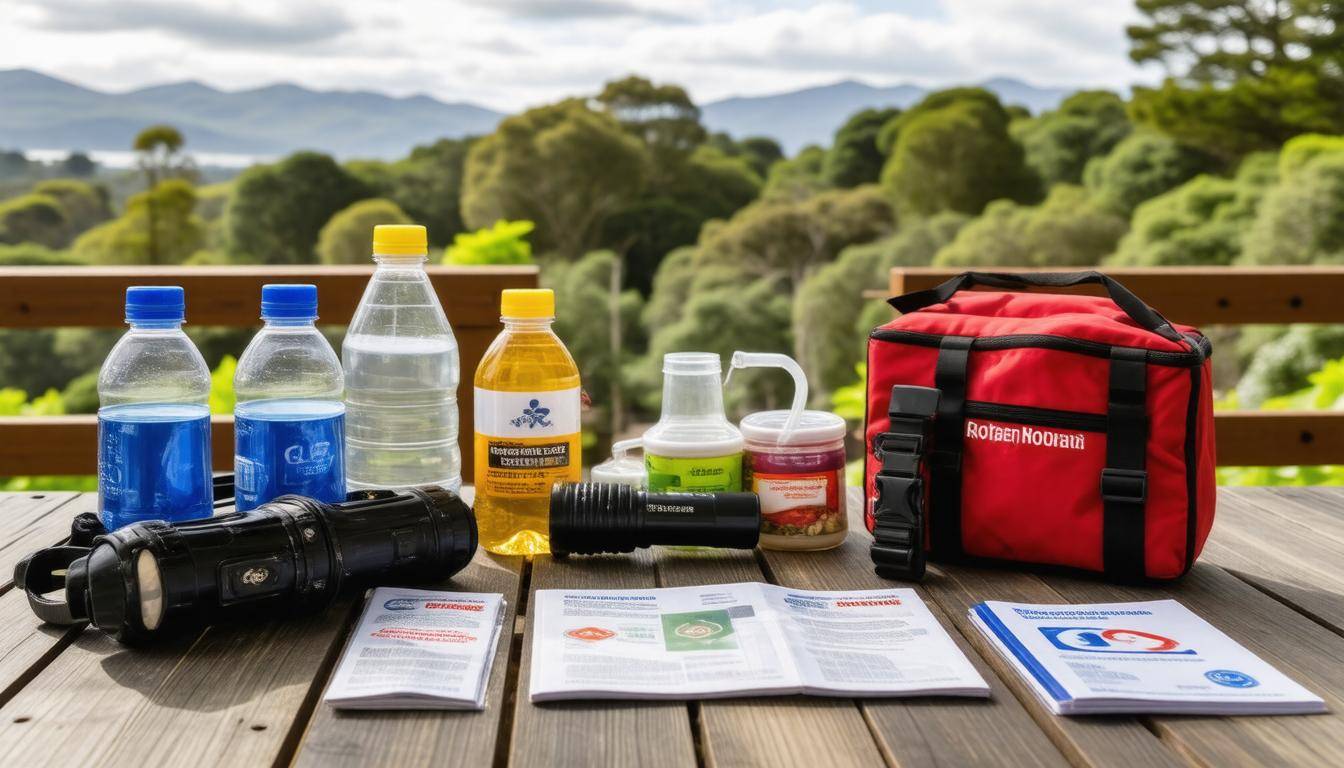
Living in such a unique and beautiful area like Rotorua comes with its challenges, especially regarding volcanic activity. To ensure your safety and the safety of your loved ones, consider developing a proactive approach. First off, keep your volcanic hazard kit updated and accessible at all times; this is your lifeline should any emergency strike.
You want to ensure that your kit includes not just basic supplies like water, food, and a flashlight but also specific items like masks to protect against ash inhalation and a first-aid kit.
Staying informed is vital. Subscribe to alert services from GeoNet for real-time updates on volcanic activity. This isn’t just about knowing when to evacuate; it helps you prepare psychologically for what’s happening around you. Take the time to discuss evacuation plans with family members regularly so that everyone knows what to do in an emergency. This significantly reduces panic and confusion.
Precautionary Measures
One measure you can take is to install air purifiers in your home; they are effective for reducing ash inhalation, which can severely affect respiratory health. It’s essential to create a safe indoor environment, especially during active eruptions.
Furthermore, consider strengthening windows and doors; reinforcing these will protect your home against ash accumulation and any flying debris that may occur during an eruption. All these steps are not only precautionary but can also save lives.
Planning evacuation routes is another vital aspect of staying prepared. Identify multiple backup options besides the main route; you never know what obstacles may arise during an emergency situation. Map these out and practice them with your family so that everyone feels comfortable navigating these paths if the need arises.
As we think about our personal preparedness strategies, let’s not overlook the significance of community-wide emergency plans that strengthen our collective response capabilities.
Emergency Activity Plans
When it comes to volcanic hazards, knowing your community’s emergency activity plans can mean the difference between safety and danger. Simply put, these plans act as your roadmap during an emergency. It’s essential to not just understand but also actively engage with these protocols.
Think about it—how many times have you seen a last-minute scramble when emergencies strike? By participating in local preparations, you contribute to a collective strategy that can save lives.
One of the best ways to stay ahead is by joining local emergency preparedness groups or attending meetings that focus on disaster readiness. Not only are these gatherings informative, but they also foster camaraderie among residents who are equally concerned about safety. Engaging with others allows for an exchange of tips, experiences, and insights that can be invaluable when implementing those emergency plans.
Local Evacuation Routes
An integral part of any emergency plan is understanding the evacuation routes laid out by the Rotorua Lakes Council. These routes are designed to get you out of harm’s way quickly and efficiently, so familiarizing yourself with them ahead of time cannot be overstated.
Imagine your family is at home when an alert goes off; without knowing where to go, panic can set in. In these situations, having a mental map of predefined routes and assembly points will help keep chaos at bay. Make it a point to drive these routes once in a while so they become second nature in case of an actual event.
Regularly review and discuss these plans with family members or roommates. Talking it through reinforces their importance and helps everyone remember what to do.
Emergency Contacts
Now let’s talk about another critical aspect: keeping an updated list of emergency contacts. This list should include crucial numbers such as local authorities, fire departments, medical centers, and even neighbors who may be able to assist during a crisis.
It’s good practice to save these contacts in multiple formats. For example, keep them stored in your mobile phone for quick access but also maintain a physical copy tucked away in your emergency kit. In moments of high stress, technology can sometimes fail us; having backups ensures you don’t find yourself scrambling without the information you need.
As we explore further into the realm of safety preparations, each component connects to broader strategies that enhance communal resilience and individual readiness during volcanic events. A proactive approach sets the stage for more comprehensive discussions on how to equip ourselves effectively.
New Zealand Volcanic Preparedness
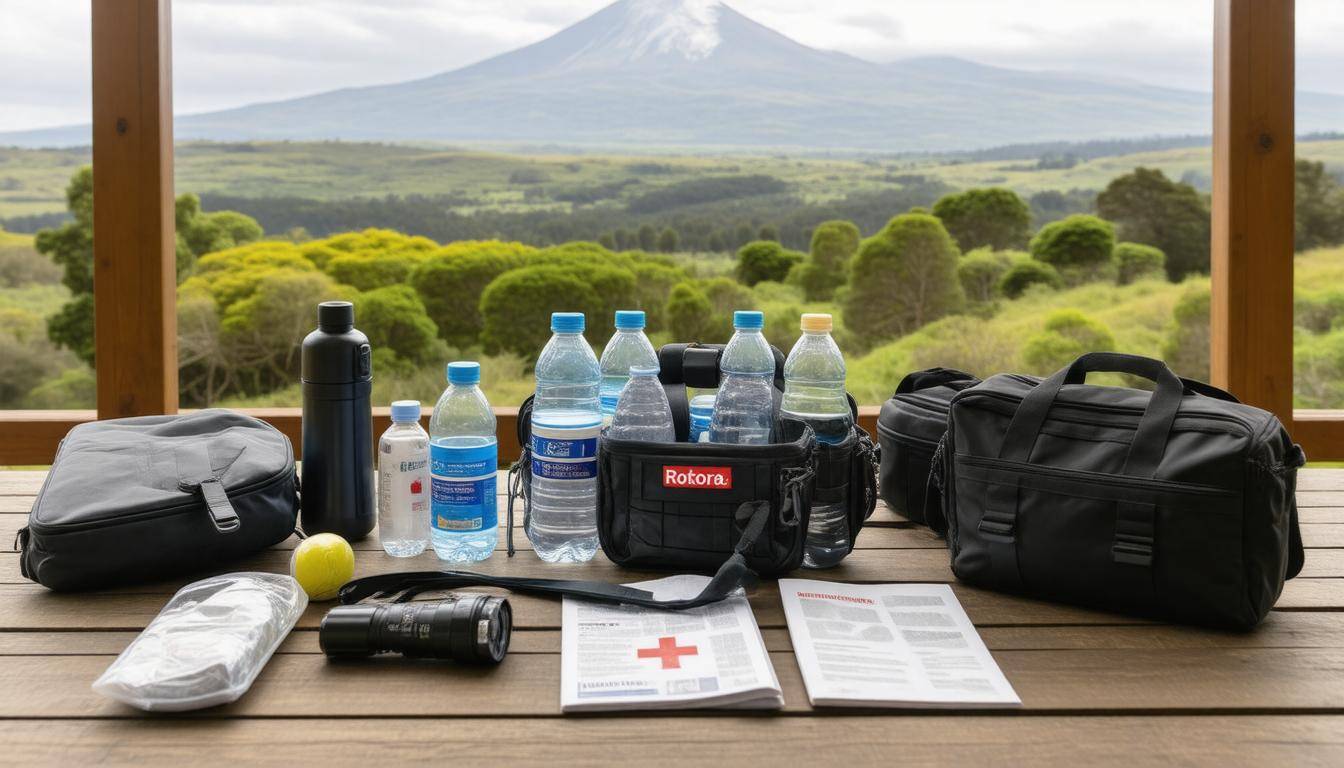
At the forefront of managing volcanic hazards, New Zealand has established remarkable systems that actively monitor volcanic activity and equip its citizens with necessary safety protocols. Organizations like GNS Science and GeoNet are essential components of this infrastructure, dedicated to ensuring that residents are informed and safe in the event of an eruption. Their combined efforts contribute to a robust framework aimed at recognizing early signs of volcanic activity, thereby reducing risk and enhancing community resilience.
National Preparedness Initiatives
Central to this monitoring effort is the deployment of advanced technology designed for real-time data collection. GeoNet operates a sophisticated network composed of seismographs, GPS stations, and gas sensors, which together form a comprehensive monitoring system. This technology works around the clock—24/7—to track any shifts in seismic activity or gas emissions that might indicate an impending eruption. By providing timely alerts, GeoNet empowers residents to act swiftly and effectively when necessary.
However, technology alone isn’t enough; community engagement plays a pivotal role in effective preparedness.
Monitoring and Alerts
In addition to monitoring volcanic activity, regular updates and alert systems keep residents informed. These alerts help ensure that communities can prepare themselves accordingly. For example, when there’s an increase in seismic activity, local news outlets communicate this information, allowing families to implement their emergency plans even before official orders may be issued.
Consider this: when you’re made aware of potential threats early on, you can better evaluate your safety measures.
But beyond alerts, public education initiatives foster a culture of preparedness among residents.
Public Education
Programs such as Get Ready, Get Thru focus on educating citizens about disaster preparedness strategies, emphasizing proactive measures that individuals can take to safeguard themselves and their families. Engaging with these educational campaigns can significantly enhance a person’s ability to respond appropriately during an incident. Simple steps like creating an emergency plan, practicing evacuation routes, and assembling safety kits make a substantial difference.
The teachings extend beyond mere survival; they include psychological preparation too. Understanding what to expect during volcanic events helps mitigate fear and anxiety when faced with the unknown.
Therefore, staying connected with your community’s response plans and resources can foster a collective sense of security. Having conversations with neighbors regarding emergency plans networks the support system before trouble strikes.
Collectively, these efforts illustrate New Zealand’s dedication to ensuring safety amidst natural chaos. By utilizing cutting-edge technology alongside public engagement initiatives, Rotorua residents can feel assured that they are well-equipped to handle potential volcanic events effectively.
Ultimately, by remaining proactive and informed, North Island residents can significantly enhance their safety during volcanic incidents.
What essential items should be included in a volcanic hazard kit for Rotorua?
A volcanic hazard kit for Rotorua residents should include essential items such as bottled water, non-perishable food, a first aid kit, dust masks or respirators, a flashlight with extra batteries, a portable radio, and sturdy shoes. These items ensure survival during an eruption, considering that Rotorua is situated near active geothermal areas. In fact, the region has experienced significant volcanic activity in the past; the last major eruption from Mount Tarawera was in 1886, which makes preparedness essential for any potential future events.
What safety measures should be taken during an evacuation due to volcanic hazards?
During an evacuation due to volcanic hazards, residents should prioritize their safety by adhering to official evacuation orders, having an emergency kit ready that includes essential supplies like water, food, medications, and a flashlight, and staying informed through local news and alerts. It’s crucial to avoid low-lying areas that may be susceptible to lava flows or ashfall as about 50% of fatalities in past eruptions were linked to poor evacuation decisions. Engaging in community drills can significantly improve response times and overall safety during actual emergencies.
How often should the contents of a volcanic hazard kit be checked or updated?
The contents of a volcanic hazard kit should be checked and updated at least every six months to ensure all supplies are fresh and functional. This recommendation is crucial as preparedness can significantly impact safety during an unexpected volcanic event. Research indicates that 75% of families with regularly updated emergency kits feel more confident in their disaster readiness, emphasizing the importance of routine checks to keep essentials like food, water, and medical supplies viable.
How can residents identify the signs of impending volcanic activity?
Residents can identify signs of impending volcanic activity by being vigilant for specific indicators such as increased seismic activity, ground deformation, and changes in gas emissions. For instance, a noticeable rise in earthquake frequency often signals magma movement underground. According to data from GeoNet, New Zealand recorded over 1500 significant earthquakes in the Taupo Volcanic Zone between 2017 and 2022, reinforcing the importance of monitoring seismic patterns as a vital aspect of safety preparation. Additionally, noticing unusual steam emissions or changes in local water chemistry can also provide crucial warnings.
Are there any specific local resources or organizations positioned to assist during a volcanic emergency?
Yes, residents of Rotorua can rely on several local resources during a volcanic emergency. The Rotorua Lakes Council has an emergency management team that provides timely alerts and guidance, while the New Zealand Civil Defence and Emergency Management (CDEM) offers comprehensive support and resources for volcanic emergencies across the North Island. In addition, local organizations such as GNS Science monitor volcanic activity and publish regular updates, ensuring residents stay informed. Statistics indicate that over 1 million people visit Rotorua annually, highlighting the importance of effective preparedness and response strategies in this volcanically active region.