
When it comes to emergencies in rural areas, preparation is key. You may find yourself isolated without access to local resources, making a well-thought-out emergency kit not just a useful item but a necessity for survival. Picture being caught in an unexpected storm or facing a medical situation that needs immediate attention—having the right supplies on hand can be your lifeline. That’s why we’ve put together this guide to help you create an effective Rural Area Emergency Kit. It highlights all the essential components to consider so you can feel more secure and ready for anything life throws your way.
A Rural Area Emergency Kit should include items tailored to address unique challenges, such as ample water supply (at least one gallon per person per day for three days), non-perishable food, first aid supplies, communication devices, and cash for transactions when electronic systems may be down. Additionally, consider including tools like a battery/air compressor for vehicle assistance, warm clothing for extreme weather conditions, and a flashlight with extra batteries to ensure safety during power outages.
Start with the Right Bag
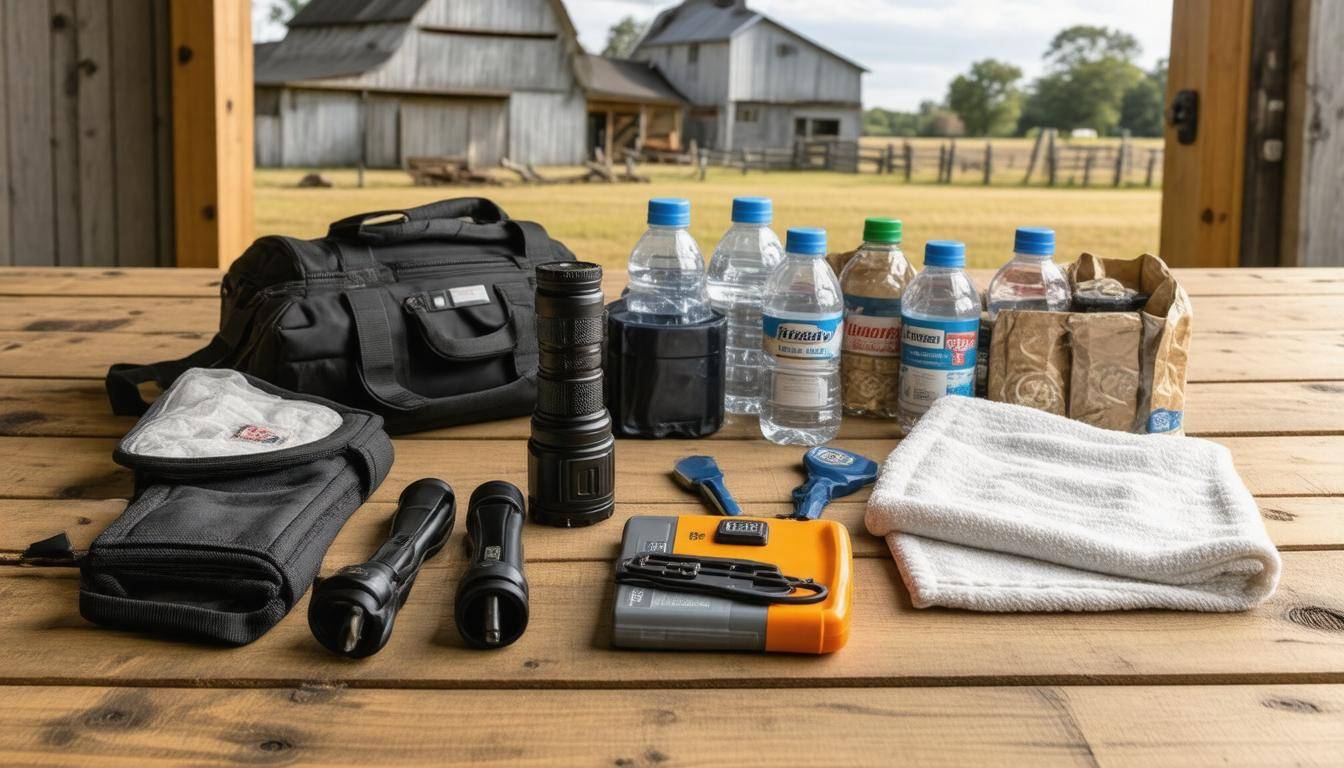
When preparing an emergency kit for rural areas, the first step is selecting a suitable bag that meets your specific needs. The right backpack doesn’t just house all your supplies; it serves as a resilient companion in times of crisis. A durable, spacious bag is essential, especially in remote locations where access to help may be limited and time can be of the essence.
Imagine trying to locate necessities like food, water, and medical supplies in a cramped or poorly organized bag — it quickly becomes chaotic and stressful.
Look for backpacks made from heavy-duty materials such as ripstop nylon, canvas, or polyester. Ripstop nylon stands out due to its lightweight yet sturdy nature and exceptional water resistance, making it not only durable but also suitable for various weather conditions you might encounter during emergencies. Canvas bags offer a classic option with high tear resistance; they provide a bulky feel that can withstand tough handling. Alternatively, polyester offers affordability alongside water-resistant qualities, but may not hold up as well over extensive use.
Choose a Durable and Spacious Bag
Size matters when it comes to your backpack. For short trips or solo preparedness, a small bag (20-30 liters) can suffice. However, if you’re gearing up for family emergencies or extended survival scenarios, consider medium (30-50 liters) or large bags (50+ liters) that provide ample storage space while still maintaining comfort. Your backpack should comfortably accommodate three days’ worth of supplies for every person you need to prepare for.
Moreover, ensure your bag has multiple compartments. This feature helps to keep your gear organized and accessible. When panic sets in during emergencies, fumbling through an unorganized mess only adds unnecessary stress. A good layout allows you easy access to critical items without delaying your response when you need them most.
As John, an avid outdoorsman shares from experience, “Having a bag with a comfortable, padded back and shoulder straps made it easier to carry my kit during long evacuation drills.” This personal testimony underscores the importance of comfort when selecting a bag—especially for those who may find themselves on foot during an emergency.
Once you’ve selected the ideal backpack tailored to your needs, it’s essential to understand what goes inside it in order to ensure you have the best chance of staying safe and healthy in challenging situations.
First-Aid Essentials
In any unexpected medical situation, especially in rural areas where help may be miles away, having a well-stocked first-aid kit can mean the difference between minor injuries being addressed promptly and conditions worsening. It’s not uncommon to face incidents like cuts, scrapes, or minor allergic reactions when you’re out and about, so being prepared with basic supplies is crucial.
A practical first-aid kit is grounded in simplicity and likely will include:
-
Adhesive bandages in various sizes to cover small wounds and prevent dirt from entering while protecting the skin.
-
Sterile gauze pads are essential for covering larger wounds and stopping bleeding; you can always stack them if necessary.
-
Adhesive tape ensures that those gauze pads stay securely in place so you can go about your day without concern for them moving.
-
Antiseptic wipes help clean minor scratches, reducing the risk of infection—always a wise step to take before dressing a wound.
-
Tweezers are indispensable for safely removing splinters or other foreign objects from the skin.
-
Scissors can cut tape, gauze, or clothing away from a wound; a versatile tool that’s arguably a must-have during emergencies.
-
Latex gloves protect both you and the injured person from potential infections or contamination while providing care.
-
Pain relievers, such as ibuprofen, address discomfort quickly and are often more effective than toughing it out.
-
Antibiotic ointment reduces the risk of infection in deeper cuts; they can be that added layer of protection once you’ve cleaned a wound.
Furthermore, don’t forget any prescription medications that household members require; having them readily available is critical during an emergency.
In fact, studies have shown that over 70% of rural medical emergencies involve injuries treatable with basic first-aid supplies. This statistic underscores how being prepared is more than just convenient—it’s essential.
With first-aid supplies taken care of, let’s now address the vital tools and equipment needed to provide immediate medical care effectively.
Vital Tools and Equipment
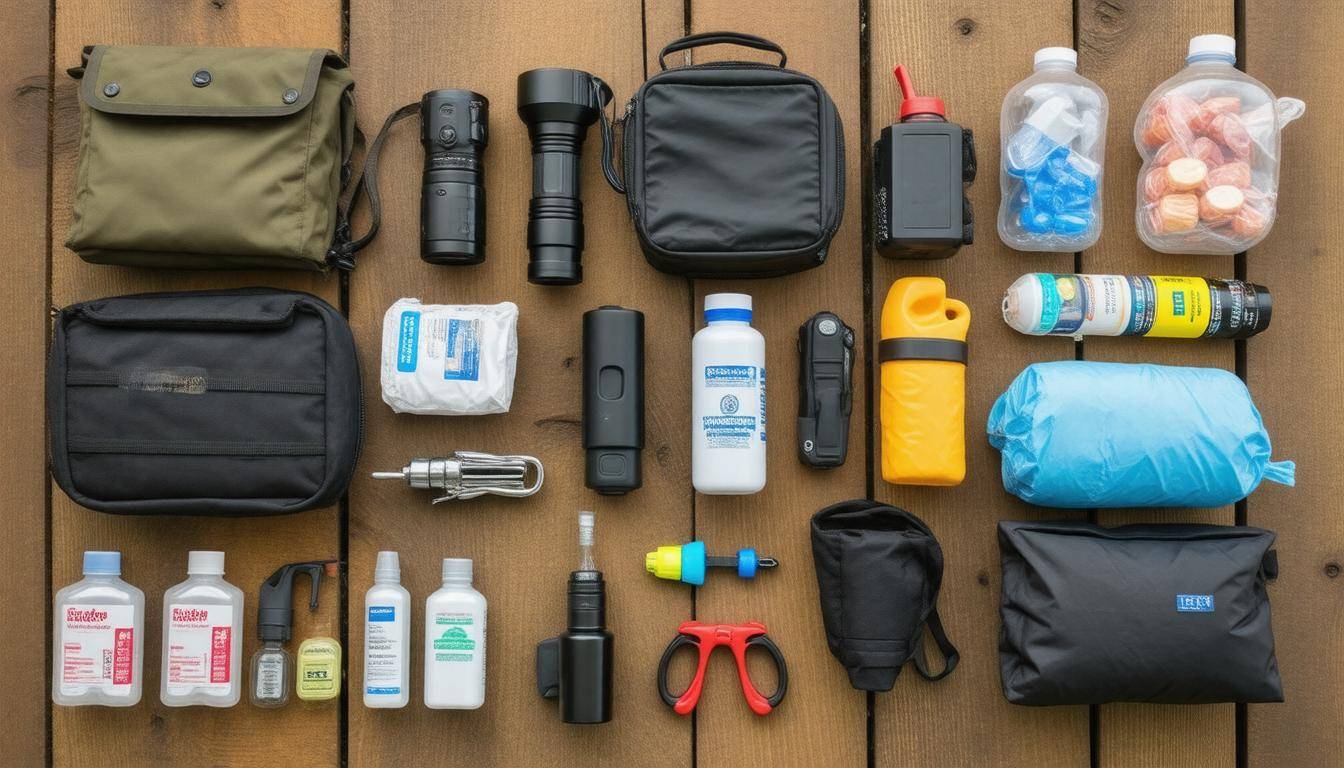
When it comes to an emergency kit, having the right tools can make all the difference. Think of it as your empowering toolbox ready for any challenge nature throws your way. These tools are not merely gadgets; they can be lifesavers, helping you navigate tough terrain, build a makeshift shelter, or signal for assistance in remote areas. The versatility of each item plays a crucial role in ensuring you remain self-sufficient.
Must-Have Tools
You can’t go wrong with a multi-tool like the Leatherman Wave Plus. This compact device is a game-changer in any survival situation. Not only does it include pliers and wire cutters, but it also features several knife blades, screwdrivers, and even a can opener—all in one handy tool. Imagine needing to fix a gear while camping or getting by with minimal supplies; this little marvel has you covered.
Another essential tool is a robust survival knife. The KA-BAR Becker BK2 Campanion stands out for its durability, sharpness, and multipurpose functionality. Whether you’re carving wood for a fire or preparing food, having a reliable knife at your side will provide peace of mind and functionality.
| Tool | Function |
|---|---|
| Multi-tool | Multiple uses like cutting, screwing, and more |
| Survival knife | For cutting, carving, and self-defense |
| Fire starter | Essential for building fires in various conditions |
| Paracord | Multi-functional for tying, building, and repairing |
| Compass | Key for navigation without relying on batteries |
Among other essentials is the fire starter—a simple yet vital addition to your kit that allows you to create warmth and cook food without hassle. Look for waterproof matches or lighter options that ensure function even in wet conditions.
Now let’s not forget about paracord—a mighty rope that deserves some serious respect. It may seem like just string at first glance, but paracord can be used for tying down equipment, crafting snares for food procurement, or even creating improvised shelters. It’s like having an extra set of hands!
Equipped with the right tools at your disposal, it’s equally important to consider strategies for maintaining visibility and communication during an emergency.
Emergency Lighting and Communication
In rural areas, where the power grid can be precarious, the ability to see and communicate efficiently plays a pivotal role in ensuring not only comfort but survival during emergencies. Darkness isn’t just an inconvenience during a power outage; it can lead to accidents and increased anxiety among family members. This is where high-quality lighting comes into play.
Reliable Lighting Sources
A high-quality flashlight such as the Fenix PD35 V2.0 Tactical Flashlight becomes invaluable when the lights go out. With features like multiple light settings, it not only illuminates the surroundings but also conserves battery life when needed. Imagine needing to navigate through your home after dark or searching for tools outside—having a dependable flashlight at hand alleviates that stress.
Alongside your flashlight, a hand-crank lantern serves as an excellent backup source of illumination. The beauty of a hand-crank lantern lies in its simplicity; no batteries are needed—just some elbow grease! You simply crank it to generate light, making it a sustainable choice during extended outages. Moreover, consider stocking up on extra batteries for your emergency equipment. When the unexpected strikes, having these ready can save you time and ensure you aren’t left fumbling around in darkness.
Communication Devices
Once you have your lighting figured out, the next critical area to address is communication. When cellular networks fail—whether due to storms or power outages—two-way radios come into play. They provide a reliable means of communication across varying distances. Models like the Motorola T600 H2O stand out not just for their impressive 35-mile range but also their waterproof design, making them suitable for unpredictable weather conditions.
Imagine being separated from loved ones in an emergency situation: two-way radios allow families to stay connected without relying on cellphone service. Plus, they’re easy to operate; even children or elderly family members can use them without hassle.
Additionally, a Personal Locator Beacon (PLB) is an essential tool that should never be overlooked in mountainous or isolated areas. These devices send distress signals that are received by search and rescue teams, drastically increasing chances of rescue in life-threatening situations.
By prioritizing quality lighting and dependable communication equipment, you’re laying the groundwork for effective crisis management. Next, ensure you have ample supplies for hydration and nourishment ready for any potential emergencies.
Water and Food Provisions
Water and food are foundational elements of any emergency survival kit, especially in rural areas where resources may be limited. Aiming to have at least a 72-hour supply ensures that you can withstand various crises without panic. Remember, water is like liquid gold: essential for hydration, cooking, sanitation, and even emergency shelter preparation.
Water Provisions
To begin with, invest in a portable water filter such as the LifeStraw or Sawyer Mini. These handy devices can purify water from lakes, rivers, and streams, so you can turn questionable sources into safe drinking water. It’s amazing how these simple tools work by removing harmful bacteria and parasites, ensuring that even the murkiest water can become a lifeline. Furthermore, backup options like water purification tablets are crucial; these little tablets fit easily into your kit and serve as a reliable second line of defense if your filter fails or you run out of battery.
To illustrate the point: Picture yourself on a hiking trip gone wrong. The trail is longer than planned, and your water bottle is running low—having a portable filter could mean the difference between dehydration and survival.
In addition to filters and tablets, it’s wise to always keep compact containers or collapsible jugs that can hold extra water. They’re lightweight, easy to store, and perfect for filling up from nearby sources if you find yourself needing more capacity. Ensure your kit includes sturdy bottles or bladders that are free from chemicals like BPA.
Food Supplies
Now let’s turn our attention to food supplies. Choose high-calorie, non-perishable items that will sustain you with minimal preparation required. Energy bars are an excellent choice because they’re easy to pack and eat on the go while providing a quick boost when energy dips. Similarly, freeze-dried meals are becoming increasingly popular due to their convenience—just add hot water and they’re ready in minutes!
According to FEMA guidelines, each person needs approximately one gallon of water per day along with roughly 2,000 calories. So when planning your food supply, think about compact options like dehydrated fruits or vegetables that still deliver nutrients but won’t take up much space in your emergency kit. Canned goods are also solid options; think beans, soups, or stews—all packed with energy-boosting goodies.
It can be helpful to undergo taste tests before committing to bulk purchases; after all, enjoying what you eat plays an important role in maintaining morale during tough times. Many brands offer free samples of their products—take advantage of this opportunity to identify what might be most palatable for you and your family ahead of time.
With your sustenance needs addressed through careful water and food preparation, we now shift our focus to how appropriate apparel can significantly improve your resilience against sudden weather changes during emergencies.
Clothing and Weather Protection
Proper clothing can mean the difference between comfort and peril, especially in variable rural climates. As anyone who has spent time in a rural environment knows, Mother Nature can be unpredictable. One moment, the sun might be shining, and the next, you could be battling freezing winds or heavy rain. That’s why ensuring your emergency kit includes weather-appropriate clothing is an essential part of being prepared.
Layering for Various Conditions
A well-thought-out layering system is crucial. Start with base layers made from moisture-wicking fabrics like polyester or merino wool. These materials pull sweat away from your skin, keeping you dry and comfortable. Over that, add insulating layers such as fleece jackets which trap heat close to your body. Finally, don’t forget your outer layers. High-quality waterproof jackets and pants are vital for keeping out wind and rain and should possess a waterproof rating of at least 5,000 mm to ensure you stay dry during downpours.
You might consider investing in thermal underwear, which can provide an extra layer of warmth without adding bulk. This way, if you do get stuck outside for longer than expected, your body can maintain its temperature more effectively.
Seasonal Adjustments
Don’t forget to adjust your clothing based on seasonal conditions. For colder climates, packing a wool hat and insulated gloves helps protect extremities from frostbite. Insulated boots are non-negotiable; wet or cold feet can quickly turn a manageable situation into a dire one. In warmer climates, incorporate items like sun hats and UV-resistant clothing into your emergency kit to shield yourself from harmful rays.
Consider including cooling towels which can be soaked in water and wrapped around your neck or head to lower body temperature during sweltering days. Such simple adaptations can alleviate discomfort significantly while you’re navigating through challenging circumstances.
With protective clothing established as a key component of your emergency preparedness, it’s equally important to equip yourself with tools and resources that enhance your safety in potential danger zones.
Self-Defense and Safety Gear
Rural areas can indeed present unique safety concerns, serving as a reminder that preparedness often means being aware of your environment. One useful approach is to carry essential self-defense tools to protect yourself from any potential threats you might encounter. Tools such as pepper spray or a stun gun are compact, easy to carry, and provide peace of mind when venturing into more isolated spaces. Brands like Sabre have built a reputation for their reliable self-defense products, reflecting user experiences on survival forums where many report feeling significantly more secure with these items readily accessible.
In addition, having a whistle can be incredibly effective; it attracts attention and serves as a deterrent against unwanted encounters. It’s lightweight and takes up virtually no space in your kit, making it an easy addition to your emergency supplies. If you’re serious about self-protection, consider taking a self-defense class specifically tailored for rural settings; this equips you with techniques and boosts confidence in managing tricky situations.
Alongside these tools for personal safety, including appropriate safety gear for everyday tasks is equally vital in ensuring your overall well-being in rural settings.
Safety Gear
Safety gear serves as your first line of defense against common hazards that can occur during home maintenance or outdoor activities. Starting with work gloves, they protect your hands from cuts, scrapes, or exposure to harsh chemicals while handling tools and materials around the property. Whether you’re gardening, fixing fences, or working on vehicles, durable gloves keep your hands safe while providing grip.
Furthermore, depending on the specific environment you might be working in, carrying a dust mask is wise for air quality issues—especially during wildfire season when smoke and particulate matter fill the air. Dust masks filter out contaminants that could negatively impact lung function, allowing you to work safely outdoors.
Another crucial piece of equipment is eye protection—goggles shield your eyes from flying debris or irritating substances that commonly arise during DIY projects or yard work. Selecting goggles that fit snugly enhances comfort and security while still allowing clear visibility.
Lastly, don’t forget about fire safety—fires may occasionally break out due to unforeseen circumstances while enjoying outdoor fire pits or dealing with machinery. Keeping a compact fire extinguisher, such as the Element E50, on hand is advisable for emergencies involving fire. This small yet powerful device can be a lifesaver should flames get out of control, making it a necessary part of any rural emergency kit.
As you prepare with both self-defense tools and safety gear, remember that readiness encompasses not only physical items but also mental preparedness for facing challenges unique to rural living.
Planning for Natural Disasters
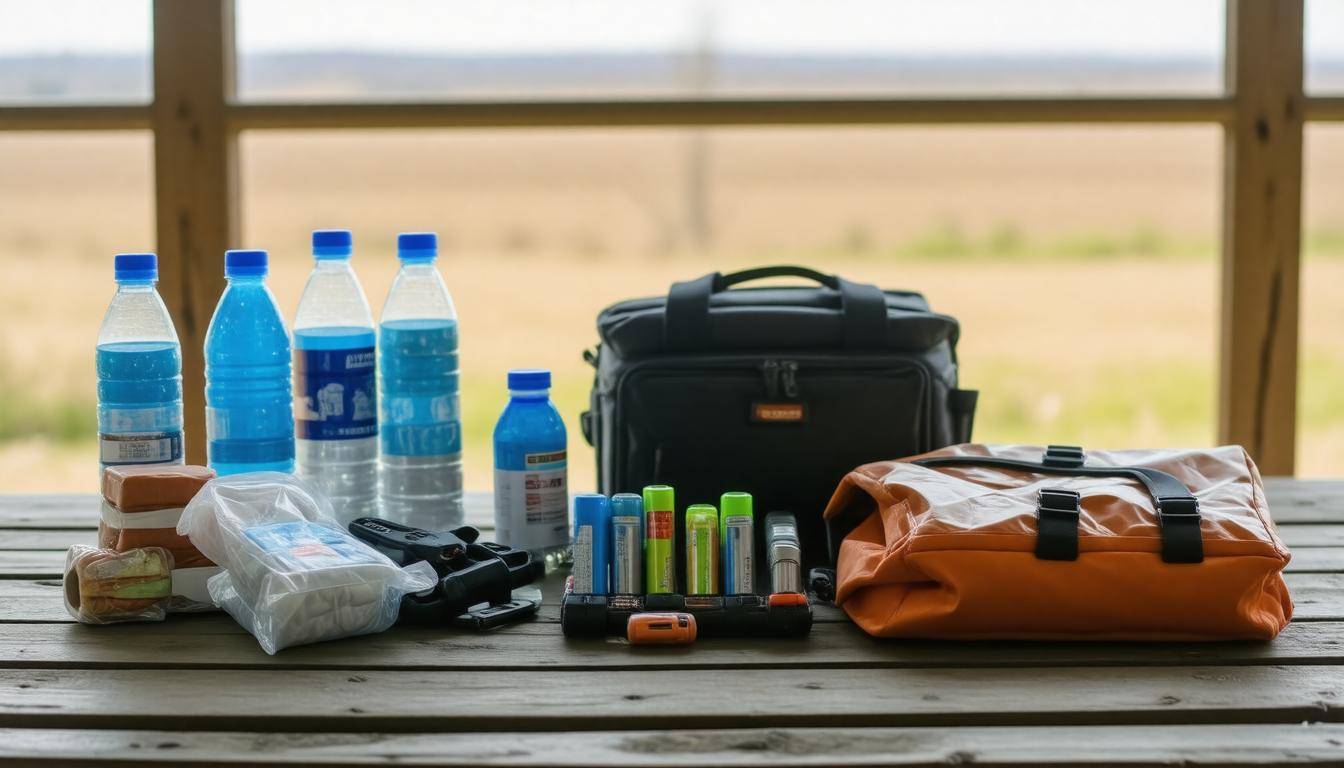
Living in a rural area means that you are often more vulnerable to the whims of nature. When severe weather strikes, whether it’s a wildfire engulfing the hills or torrential rain causing floods, having a robust emergency plan can mean the difference between chaos and safety. By taking into account the specific types of disasters you might face in your locality, you can tailor your emergency kits effectively.
Disaster-Specific Supplies
For instance, if wildfires are a concern in your area, imagine having N95 masks on hand to protect against harmful smoke inhalation. Fire blankets can serve as an invaluable lifeline if you need to shield yourself from rapidly encroaching flames. And given that communication can be unreliable during emergencies, don’t overlook the importance of a battery-powered weather radio. This piece of equipment can keep you informed and help you make crucial decisions.
Similarly, floods bring their own set of challenges. It’s wise to invest in waterproof containers for storing your supplies because water intrusion could ruin your essentials. High-visibility life jackets should also be included as they make navigating through floodwaters safer and easier.
Furthermore, winter storms pose serious threats in rural settings, where snow drifts can block roads and isolate residents for days. Having hand warmers handy can keep you comfortable while waiting out a storm, whereas extra blankets provide much-needed warmth. An ice scraper will be essential should you need to clear your vehicle to escape when weather conditions permit.
To echo this point, Jane from a mountainous region has shared her personal experience: “We always keep a snow shovel and rock salt in our kit because heavy snowfalls can isolate us for days.” Her testimony highlights how community norms and geographic realities play important roles in preparing for disasters.
Education is an equally vital part of disaster preparedness as having the right supplies. Engaging with local community programs focusing on emergency management can arm you with knowledge on effective strategies and best practices for facing crises head-on.
In summary, being adequately prepared not only involves gathering essential supplies but also staying informed and educated about potential risks. Embracing both components will significantly enhance your resilience during unexpected emergencies.