
In rural communities, getting from point A to point B can often feel like navigating a maze with missing pieces. With rough roads, unpredictable weather, and limited transportation options, it’s easy to see why many residents worry about how they will reach safety during emergencies. You might think that small-town charm means small-time problems, but the reality is far more complex. Many folks depend on community resources like school buses or local vans during crises, since around 30% of rural households lack personal vehicles. To ensure that everyone has access when trouble strikes, we need well-thought-out plans in place—ones that consider the unique challenges of rural life. This guide dives into practical strategies and supports to help these communities not just survive extremes but thrive despite them.
The “Rural Transportation Backup Plans: Complete Guide” covers essential strategies for ensuring mobility in remote areas during emergencies, including logistics operations, available resources, community engagement techniques, and recommendations for effective partnerships. It also addresses the critical considerations for planning, such as travel times and infrastructure conditions to ensure timely responses when disruptions occur.

Key Challenges in Rural Transportation
One of the foremost issues confronting rural transportation is the lack of infrastructure. Many smaller communities have road networks that are not only limited but often poorly maintained. According to the U.S. Department of Transportation, a staggering 60% of rural roads are unpaved. This incompleteness can turn treacherous during inclement weather; rainy conditions can render some routes entirely impassable.
For instance, during the catastrophic wildfires in California in 2020, many rural escape routes became obstructed with debris, leaving residents stranded and hampering critical supply deliveries. These infrastructural deficiencies serve as a stark reminder that to ensure safety and accessibility in emergencies, robust planning and maintenance must take precedence.
Furthermore, rural areas face challenges tied to long distances and low population density. The reality is that travel distances in these regions far exceed those found in urban settings, creating logistical headaches for both daily transit and emergency services. Picture this: In rural Montana, a school bus route may stretch over 100 miles each day. Such expansive areas mean fewer passengers per mile, making it economically unfeasible for transport companies to offer frequent or flexible service. You could be sitting at home waiting for help while responders are grappling with navigating long stretches of empty road with no immediate route options available.
A lack of riders might make some feel that public transit isn’t needed; however, when emergencies arise, the stakes become too high to ignore that empty bus or van waiting to serve the community.
Understanding these challenges aids in crafting effective backup plans, highlighting the need for tailored solutions designed to address rural specificity rather than mimicking urban strategies.
Lastly, a significant portion of the rural population does not own a vehicle—30% of households, according to current statistics. This high reliance on public transportation poses yet another barrier during emergencies where private vehicles cannot be mobilized quickly. In these circumstances, repurposing local resources such as school buses or community shuttles can mean the difference between timely evacuations and disastrous delays.
With an understanding of these barriers, attention now turns towards implementing effective strategies that create functional backup systems tailored specifically for these communities.
Essential Components of Backup Plans
At the heart of any successful backup plan lie well-designed communication systems. These systems are crucial in maintaining contact, especially in emergencies when conventional cell service may falter. Utilizing modern technologies, such as satellite phones and radio communication networks, can bridge connectivity gaps in areas where traditional infrastructure is lacking. According to the National Rural Electric Cooperative Association (NRECA), more than 20% of rural America suffers from unreliable telecommunications—making these alternatives not just advantageous but necessary.
With clear communication channels established as a backbone, the next critical element is resource allocation.
Proper resource allocation is about preparing for unforeseen challenges. Imagine a sudden storm that disrupts the usual flow of transportation—having extra fuel reserves and vehicle maintenance kits readily available can make all the difference. An efficiently stocked workshop ensures vehicles are immediately operational, reducing delays during chaotic moments. This proactive approach not only boosts logistics but also provides peace of mind. A little foresight here can alleviate panic later.
While resources set the stage for action, the success of any plan ultimately relies heavily on trained personnel.
Training local volunteers can transform a good backup plan into an excellent one. Equipping community members with essential skills, such as basic vehicle maintenance or emergency first aid, creates a network of capable individuals ready to address problems promptly. For instance, if a vehicle breaks down during an evacuation effort, having trained personnel who can perform quick repairs significantly enhances response times while waiting for professional assistance to arrive. The empowerment of community members not only contributes to immediate solutions but also fosters resilience within the entire rural area.
Each of these elements—communication systems, resource allocation, and trained personnel—works synergistically to form a robust transportation backup plan that strengthens rural mobility and enhances overall safety for residents in times of need.
As we consider how these strategies play out in practice, it’s important to look ahead at developing alternate routes and infrastructure that further support community resilience.
Alternative Routes and Infrastructure
One of the most effective strategies involves identifying and maintaining alternative routes. For many rural communities, where main roads can be few and far between, it’s essential to have a network of lesser-known paths ready for use during emergencies.
Utilizing digital mapping tools can help highlight these seldom-used roads; think of it as laying out a safety net for your community. Community involvement is key; residents often know hidden routes that may not be marked on traditional maps. Regularly engaging with locals not only provides insights into road conditions but fosters communal ties that strengthen emergency preparedness.
In practice, prepare seasonal updates of these maps, reflecting any changes due to weather or new construction. This makes a world of difference when seconds count during an emergency. Imagine navigating an unfamiliar area—up-to-date maps can be a community’s lifeline.
Enhancement of Existing Infrastructure
Maintaining existing infrastructure is equally important as mapping out new alternatives. Allocating funds regularly for the upkeep of secondary roads is vital to ensure they remain passable throughout the year. Neglecting rural roads not only compromises safety but can also delay emergency response times. A well-maintained road is like a clear communication line; it allows resources to reach those in need without interruption.
One innovative approach that has emerged in several rural municipalities—like the “Road Watch Program” implemented in Iowa—is to empower locals by inviting them to report infrastructure issues via mobile applications. This strategy ensures issues are highlighted promptly and promotes community engagement.
Supporting Infrastructure Calculations
Regular maintenance should take into account:
- Weather patterns: Are frequent snowstorms hampering access?
- Usage rates: Are there roads that see heavy traffic that might need more attention?
- Condition assessments: Does anyone monitor erosion or potholes that could hinder safe travel?
By thinking ahead and crowd-sourcing surveillance for road conditions, rural areas can build robust systems that allow them to adapt quickly when routes become blocked or damaged, ensuring ongoing connectivity even under duress.
Securing this robust network necessitates ongoing commitment and resource allocation from the entire community, reinforcing both connectivity and collaboration. As we move forward, it’s essential to explore how collective efforts in these spaces can further enhance resilience and adaptability.
Community-Based Solutions

Leveraging local knowledge is a powerful tool in designing effective transportation backup plans. Rural residents often understand their unique geography, road conditions, and community needs far better than external agencies could. This local insight is invaluable for crafting practical transportation strategies that genuinely resonate with the community’s requirements. Ideas can emerge from informal community gatherings where active discussions about transportation challenges take place, allowing residents to voice their concerns and provide input on tailored solutions.
Built-in Support Systems
One of the most effective community-driven solutions involves creating built-in support systems focused on accessibility. Initiatives such as community ride-sharing programs or volunteer driver networks significantly enhance mobility options for those without reliable transportation. Neighbors can connect through simple community boards or social media groups, posting when they are available for carpooling, grocery runs, or medical appointments. These interactions foster stronger community ties while providing essential services.
A recent survey indicated that nearly 50% of rural residents preferred using a community-based ride-sharing app designed specifically for their area over traditional rideshare services that may not cater to local needs.
Engaging Local Businesses
Involving local businesses is another avenue worth exploring.
Local business owners can play a pivotal role by becoming part of the solution. They might offer resources like utilizing their vehicles during emergencies or acting as temporary hubs for organizing passenger transport. For instance, during winter months when snow could impact transportation, local gas stations and convenience stores could serve as drop-off points or gathering spaces for coordinating rides to essential destinations like health facilities or food banks.
Promoting Volunteer Programs
Implementing volunteer driver programs is central to many successful rural transportation backups; these volunteers often step up during adverse weather conditions, showcasing how effective grassroots solutions can be. Educating community members about participating in these initiatives can maximize effectiveness.
With 68% of rural residents expressing willingness to assist in such programs, there lies an opportunity to create a well-organized volunteer network that responds swiftly during emergencies.
Sustained engagement and continuous dialogue among community members are crucial for effectively meeting everyone’s needs. As we explore further, we will look into various options that blend public and private transport solutions seamlessly into our rural landscape.
Public and Private Transport Options
Leveraging both public and private transportation systems is essential for developing effective backup plans in rural areas. The goal here is to create a network that combines resources from different sectors, ensuring mobility even when traditional routes are disrupted. One smart strategy involves forming collaborations with local businesses, such as trucking companies or farms. These entities often possess heavy-duty vehicles that are well-suited for challenging terrains and can be critically useful during emergencies.
Building relationships with private sector players creates a robust support system. For instance, if community leaders reach out to nearby farms to establish emergency transport agreements, they could mobilize tractors during severe weather events. Imagine it: during the Texas ice storm of 2021, residents were stranded; but local farmers quickly mobilized tractors to clear snow and transport those in need. This real-life scenario epitomizes how flexible logistics can utilize private resources to alleviate transportation challenges when public systems falter.
However, it’s equally important to integrate these private efforts with existing public transport services to maximize efficiency.
Collaborations with Public Transport Services
Rural public transit services exist in 41 states, according to the American Public Transportation Association, but many lack the capacity to handle larger emergencies effectively. As towns look to improve their response capabilities, an integration strategy proves vital. Connecting public transport options with local emergency services enhances communication and accelerates response times during crises.
For example, a well-organized regional public transport service that coordinates with local fire and ambulance units can provide necessary evacuation assistance during fires or floods. Implementing shared data platforms allows these services to collaborate and allocate resources based on real-time needs—each party aware of their responsibilities and strengths in any given situation.
Looking ahead, this coordinated approach ensures that residents have safe and reliable mobility options whenever unforeseen circumstances arise.
By engaging both public and private sectors holistically, rural areas can enhance their transportation framework significantly—not just for everyday needs but also for unexpected emergencies. As partnerships grow and resources align, communities build resilience against disruptions, providing a crucial safety net in times of need.
This emphasis on collaboration sets the stage for discussing how communities can prepare strategically for the upcoming threats posed by nature’s extremes.
Preparing for Extreme Weather Events
In our increasingly unpredictable climate, preparing for extreme weather is not merely a safety measure but a necessary step towards resilience. One of the first actions you can take is to assess past data to better understand your region’s vulnerabilities.
As pointed out by the Federal Emergency Management Agency (FEMA), analyzing historical weather patterns helps identify areas that have faced severe weather challenges in the past. Gathering data on previous incidents, from heavy rains causing floods to ice storms disrupting transportation, provides invaluable insights. Seasonal trends can reveal when certain types of weather are most likely to occur, guiding necessary preparations.
Beyond understanding history, the next step involves being proactive with essential supplies; this is where emergency kits come into play.
Each vehicle should be equipped with a well-thought-out emergency kit containing not only essentials but also items tailored to your locality’s specific needs. Experts generally agree that having a standard set of items can greatly improve safety during emergencies, yet it’s essential to customize these kits based on local environmental factors. For example, while all vehicles should contain first aid kits and bottled water, the addition of seasonal clothing or tools for snow removal may become necessary in colder regions.
Here’s an overview of items that should be included:
| Essential Items | Customizable Items |
|---|---|
| First Aid Kit | Local Maps |
| Bottled Water | Seasonal Clothing |
| Non-perishable Food | Specialized Tools |
| Blankets | Additional Fuel |
Having prepared kits isn’t enough; regular checks and field-testing plans are critical components as well.
Regularly reviewing and updating your emergency kits ensures that they remain effective over time. For instance, food items may have expiration dates while batteries in flashlights need periodic replacement. Consider scheduling a check every few months to refresh the contents and adapt based on changing seasons or potential new threats.
This preparation method extends beyond mere logistics—it builds community resilience. When neighbors share resources or tips on what works best in their specific locales, it strengthens social bonds and enhances everyone’s preparedness.
By assessing data and equipping vehicles with essential gear, you ensure you’re ready for whatever weather may come your way.
With such thorough groundwork laid out, turning our focus towards actionable plans brings us closer to achieving true readiness.
Implementing and Testing Plans
Regular drills are an invaluable component of any effective transportation backup plan. To ensure a community can respond efficiently during emergencies, these drills must occur frequently. By conducting regular community drills, participants not only familiarize themselves with their roles but also build confidence in the overall plan. Communities that engage in bi-annual drills experience a 30% increase in emergency response effectiveness, according to the International Association of Emergency Managers. Imagine the difference this makes when every second counts during an emergency!
A small town in Kansas provides a perfect illustration of this concept. After implementing regular tornado drills in collaboration with local schools and businesses, officials noticed a remarkable decrease in response times during actual tornado warnings. Residents felt more prepared and aware of how to react, demonstrating that rehearsal can have real-life benefits.
However, it’s not just about practicing; it’s equally important to learn from each exercise.
Continuous Feedback Loop
Establishing a feedback system post-drill is critical for identifying areas that need improvement. After each drill, participants should be encouraged to share their thoughts and experiences regarding the effectiveness of the backup plans. This feedback loop allows for quick identification and rectification of weak points in the plan. Perhaps someone notices that certain routes were blocked or that communication channels were unclear; that input can significantly enhance future responses.
Moreover, creating a culture where feedback is viewed positively will encourage ongoing participation and investment in these drills. Communities should consider holding follow-up meetings to discuss feedback as a group, fostering collaboration among all involved parties. This collective approach strengthens community ties while working towards a common goal: safety.
Remember, the aim is not only to prepare but also to evolve as needs change or as new challenges arise.
The more a community practices together, the better they become at navigating unexpected situations. Embracing both testing protocols through drills and implementing continuous improvement strategies will ensure that rural transportation backup plans remain robust and flexible, capable of meeting pressing demands during emergencies. Regular practice combined with actionable feedback creates a powerful cycle of preparedness vital for enhancing mobility and accessibility in remote areas during disruptions.
As we navigate these complexities, it becomes crucial to consider additional factors that contribute to improved experiences for all residents.
Enhancing Accessibility and Safety
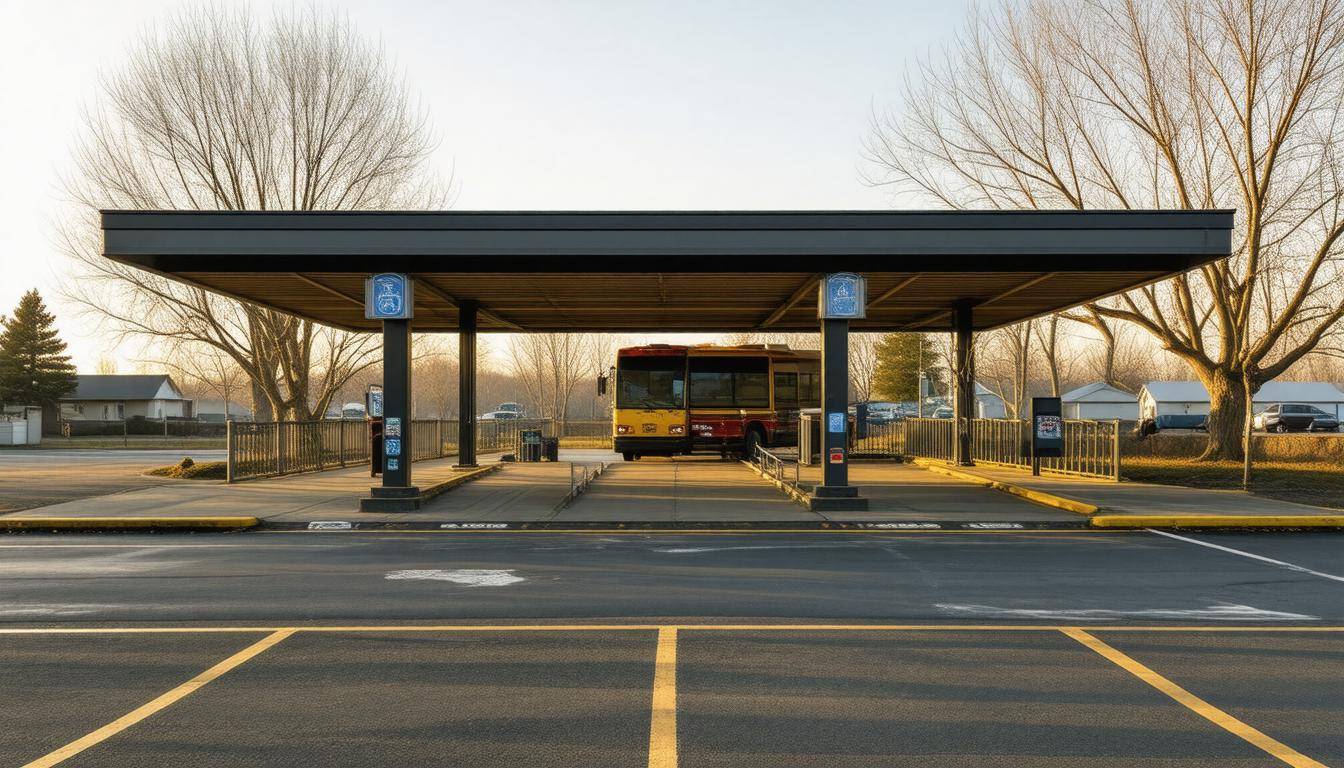
To create a truly inclusive and safe rural transportation network, prioritizing vulnerable populations should always be at the forefront. This includes ensuring accessible transportation options are readily available for not only the elderly but also for individuals with disabilities and those without private means of transport. These groups often face significant barriers, which can lead to isolation and limited access to critical services like healthcare and education.
Accessibility is not just a matter of convenience; it’s about offering dignity, independence, and opportunities to everyone in the community.
The U.S. Census Bureau notes that 19% of the rural population is over the age of 65. This statistic underscores the importance of creating transportation solutions tailored to their needs. Wheelchair ramps, dedicated seating, and clear signage can make a substantial difference in helping older adults navigate their surroundings safely. Additionally, providing reliable public transportation options can serve as a lifeline for those who cannot own or operate a vehicle.
With a solid understanding of accessibility needs, we can turn to the next pillar: implementing stringent safety protocols throughout rural transportation systems.
Safety Protocols
Developing comprehensive safety protocols is crucial for maintaining the integrity of rural transportation networks. Regular vehicle inspections play an essential role in ensuring safety by minimizing breakdowns and accidents. Implementing robust cybersecurity measures is equally important, especially as technology becomes more integrated into communication systems—such as GPS routing and passenger notification apps.
For instance, in rural Ontario, Canada, authorities introduced mandatory vehicle safety checks for public transport operators. The outcome? A remarkable 15% reduction in breakdown incidents. This indicates that consistent monitoring can help ensure vehicles remain road-worthy while fostering greater public trust in local transportation options.
As communities work towards enhancing accessibility and implementing safety protocols, a collaborative effort among stakeholders—from local governments to non-profit organizations—will further strengthen these initiatives.
By implementing strategies that prioritize vulnerable populations and enforcing rigorous safety procedures, rural communities can cultivate a safe and accessible environment. A supportive transportation system connects individuals to essential services while fostering social cohesion and economic vitality.
In summary, investing in these resources is an investment in the future of communities everywhere.