
When you hit the road in your RV, you might think adventure awaits around every corner—but unexpected challenges can pop up just as quickly. Whether it’s a surprise rainstorm or a flat tire in the middle of nowhere, being ready for emergencies while traveling is crucial. It’s not just about having the right gear but also knowing how to respond when things don’t go as planned. This guide breaks down all the steps you need to take to prepare for any eventuality, ensuring that you and your travel companions can enjoy your journey with peace of mind. Let’s dive into the essentials of RV emergency preparation!
The “RV Emergency Preparation: Complete Guide” encompasses essential topics such as creating an emergency kit, understanding weather preparedness, establishing evacuation strategies, and developing communication plans. It provides practical steps to ensure safety and readiness during emergencies, emphasizing the importance of having supplies, knowledge of local resources, and maintaining strong connections with the RV community for support.
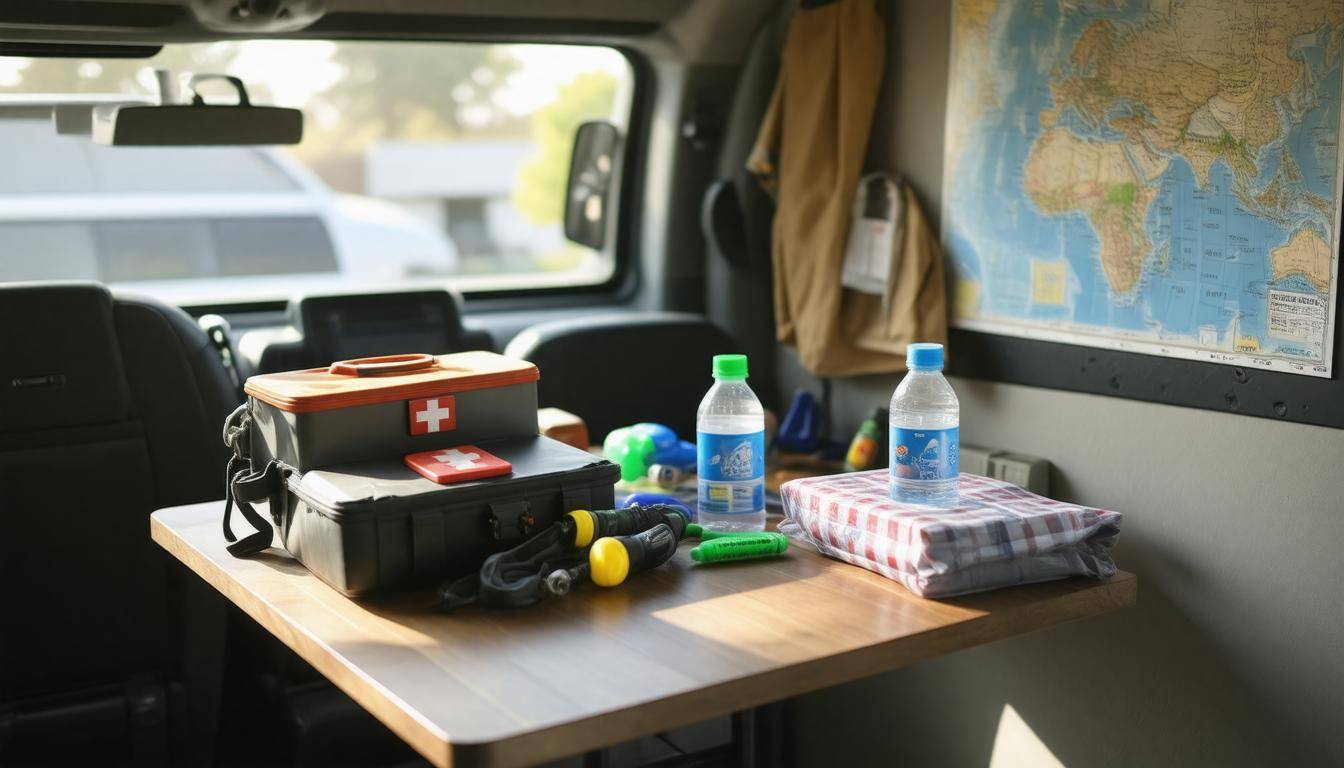
Essential Supplies for RV Safety
When you’re on the road or parked amidst nature in your RV, having the right supplies can mean the difference between a minor inconvenience and a full-blown crisis. It’s about ensuring you and your loved ones stay safe and healthy during unexpected situations. Imagine driving through a stormy night when Mother Nature unleashes her fury—knowing you have essentials on hand gives peace of mind.
Basic Necessities
-
Non-perishable food: Stock up on canned goods, freeze-dried meals, and high-energy snacks like protein bars. These items have long shelf lives, are easy to pack away, and can provide nourishment when grocery stores are out of reach. Having at least a three-day supply ensures that everyone has enough sustenance until conditions improve.
-
Water: The general rule is to have at least one gallon per person per day for drinking and hygiene, which can add up quickly when you’re traveling with a group. Carrying collapsible water containers can save space while making it easier to transport larger quantities when necessary.
-
First aid kit: An organized first aid kit including antiseptics, bandages, pain relief medications, allergy medications, and any personal prescriptions is crucial. Imagine a small accident while hiking or setting up camp—having these supplies close at hand allows for prompt care without the panic of searching for help.
-
Flashlights: Opt for LED flashlights, as they provide brighter light and longer battery life compared to traditional bulbs. Make sure to have extra batteries; relying on dim lighting when navigating unfamiliar terrain at night can be frustrating.
-
Blankets: Both thermal and regular blankets trap heat effectively while providing comfort during cold nights or emergencies. They take little space to store yet become invaluable in situations where warmth is critical.
-
Essential tools: Keep a multi-tool handy; it can handle various tasks from quick repairs to meal preparation. Duct tape is often touted as “the most useful tool” because it can temporarily fix just about anything—from broken equipment to leaks in your RV. Waterproof matches or lighters ensure you can safely start fires for cooking or warmth when needed.
With these essentials packed and ready for deployment, knowing how to organize these supplies and use them effectively becomes paramount for your comfort and safety during emergencies. As we move forward, let’s explore vital strategies for crafting a comprehensive approach to emergency preparedness tailored specifically for RV enthusiasts.
Creating an RV Emergency Plan
Step 1 – Identify Potential Risks
The first step in crafting an emergency plan is to thoroughly research potential risks along your travel route and at your chosen destinations.
Consider factors like weather extremes, road closures, or local wildlife that could pose hazards. Websites such as FEMA provide invaluable resources detailing regional risks, assisting you in preparing for various situations.
For instance, knowing if the area you’re traveling to is prone to tornadoes or flash floods can influence more than just what you pack. It might dictate whether you need to stay informed about local weather updates or even adjust your itinerary.
Step 2 – Establish an Evacuation Route
Next, it’s time to carefully map out evacuation routes. Ideally, you should establish at least two alternative routes from every major location on your journey.
This is particularly important for RV owners since larger vehicles may not be able to navigate certain narrow roads or low bridges. Utilize GPS tools tailored for RVs—these can provide realistic routing based on your vehicle’s size limits.
Additionally, remember that traffic patterns can shift dramatically during emergencies, so exploring less-traveled backroads in advance could prove beneficial when you need to make a quick getaway.
Step 3 – Develop Communication Plans
With your routes established, it’s essential to develop a robust communication plan among all family members who will be on the road with you.
First, ensure everyone knows how to operate any communication devices you’ll be using—whether they are cell phones, walkie-talkies, or other radios. In emergencies, these tools become vital lifelines.
Equally important is agreeing on a designated meet-up point in case anyone becomes separated during a chaotic situation. This could be something as simple as “the front of the nearest grocery store” or “the lookout trail at the RV park.” Establishing such plans in advance reduces confusion and helps maintain peace of mind.
Having covered these initial steps toward emergency preparedness, we now shift focus to explore critical practices that can ensure your safety while navigating the open road.
Safety Measures on the Road
While enjoying the RV lifestyle, you’re welcomed by open roads and breathtaking landscapes. However, these journeys can quickly take a turn if you aren’t prepared for potential hazards. This is why adopting safe driving habits like defensive driving is crucial. To drive defensively means to be aware of your surroundings and anticipate potential issues before they escalate. For instance, always keep a safe distance from the vehicle ahead. This cushion gives you ample time to react in case of sudden stops or swerves.
It’s fascinating to think about how something as simple as adjusting your following distance can significantly reduce risks on the road. Remember, statistics reveal that human error accounts for a staggering 94% of all traffic accidents, and being proactive can certainly steer you away from those pitfalls.
In addition to driving safely, regular maintenance checks are key to ensuring that your RV operates at its best. It’s much more than just checking the oil occasionally; this should be part of a routine before hitting the road. Be diligent about monitoring tire pressure, which should typically range between 60 to 80 PSI depending on your tire specifications. Also, ensure that fluid levels are maintained at their recommended marks and that all lights—headlights, brake lights, and turn signals—are functional to ensure visibility during low-light conditions.
Scheduling regular maintenance appointments not only helps catch small issues before they snowball into costly repairs but also keeps you and your passengers safer by ensuring your RV is roadworthy.
As you drive, wisely consider surrounding weather conditions too. Sudden downpours or gusty winds can pose serious threats, especially when driving an RV; acknowledging these factors goes hand in hand with taking precautions.
Keeping communication open and reliable while you travel ensures minimal disruption during emergencies. Establish check-in times with family members or friends every few hours so someone knows where you are on your journey. If cell service drops out while navigating through remote areas, having two-way radios or portable communication devices becomes indispensable; they’ll help keep you connected even when technology falters.
By prioritizing safety measures on the road, including defensive driving and conducting regular maintenance, you’ll be well-equipped to face future challenges as they arise. Understanding how to prepare for unpredictable situations adds another layer of readiness that is vital for any traveler.
Preparing for Natural Disasters
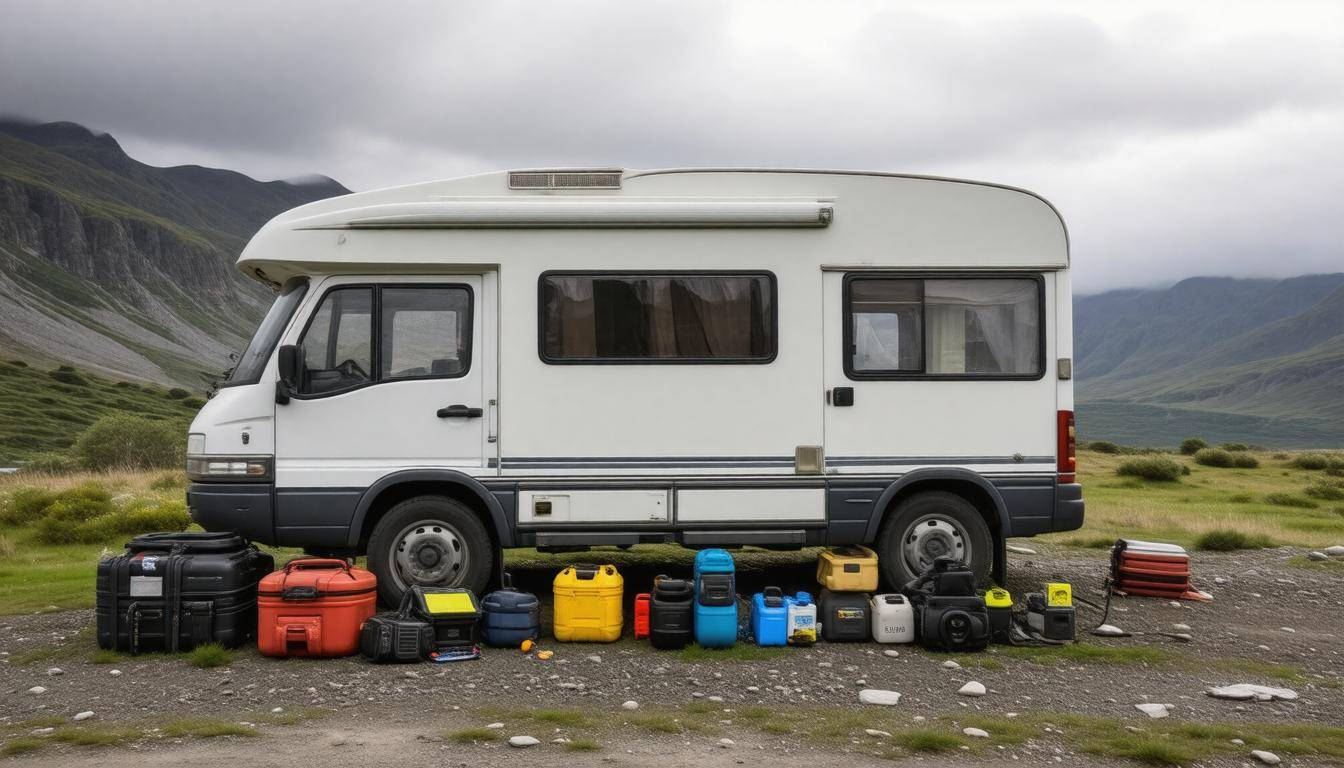
Natural disasters can strike with little warning—think hurricanes, tornadoes, or wildfires. While it’s impossible to predict when these events will happen, being prepared can greatly decrease their impact on both you and your RV. Having a plan that includes critical tools and practices is essential for ensuring safety during these emergencies.
Weather Tracking Tools
Begin by utilizing weather tracking tools. Mobile apps like Weather Underground and alerts from the National Weather Service keep you informed about severe weather conditions. These applications provide real-time updates, radar images, and alerts tailored to your location. This timely information allows you to make proactive decisions; if storms are brewing nearby or if conditions are deteriorating rapidly, you can react accordingly before things escalate.
Having effective weather monitoring in place is just the beginning; reinforcing your RV is equally important for safeguarding against high winds, heavy rain, or other hazardous conditions.
Reinforce Your RV
To weather the storm literally, consider using tie-downs and stabilizers to secure your RV during turbulent conditions. These techniques help anchor your vehicle against the elements—imagine it as buckling your seatbelt during a rough ride. Regularly inspect seals on windows, doors, and roofs for wear and tear. If they’re compromised, even minor leaks can lead to significant water damage in heavy rains. Applying weather stripping and sealant can extend the life of your RV while simultaneously protecting its interior from adverse weather.
While reinforcing your RV helps protect your investment, knowing where to seek shelter should disaster strike is just as crucial.
Find Safe Locations
Familiarize yourself with the nearest safe locations—be it local shelters or sturdy buildings—for when the worst does occur. Campsites typically have maps available that display nearby emergency shelters or first aid stations. You never want to be scrambling for options at the last minute; having quick access to this information not only keeps you safe but also provides peace of mind during stressful situations.
After ensuring your RV is reinforced and knowing where to find safety during emergencies, focusing on how to organize essential supplies efficiently will further enhance your readiness while traveling.
Efficient Packing for Emergencies
Packing smartly can save time and space during an emergency, making it easier for you to hit the road quickly if necessary. Each minute counts when you’re in a hurry, and knowing exactly where each essential item is located can mean the difference between safety and confusion. One effective way to streamline your packing process is to adopt a modular packing approach.
Use Modular Packing
By dividing your supplies into labeled bins, you can easily find what you need without having to rummage through everything. For instance, create specific containers for food and water, first aid supplies, tools, and clothing.
Imagine reaching into your RV’s storage area and effortlessly pulling out the bin containing your first aid kit when you need it most—no stress involved. Using clear bins allows you to see everything at a glance, while labels help everyone in your travel group locate items quickly in times of urgency.
With modular bins in hand, let’s focus on how to prepare for quick access to critical supplies.
Quick Grab Bags
A “go-bag” filled with essential items is vital for any RV emergency plan. This bag should include important documents like insurance papers or identification, cash for unexpected expenses, basic clothing such as an extra set of clothes or sturdy shoes, and personal items like medications or pet necessities. If you have to evacuate in a hurry, this bag allows you to grab all you need quickly.
A well-prepared go-bag minimizes panic and enhances your ability to respond effectively by collecting vital items efficiently.
Once you’ve addressed immediate packing needs, it’s crucial to optimize storage space effectively within your RV.
Optimize Storage Space
To maximize efficiency within your RV, consider using vacuum-sealed bags for clothing and bedding. Not only do these bags reduce bulk significantly, but they also keep contents safe from moisture and pests. Think of it as squeezing all the air out of a balloon—it takes up far less room!
When storing items, place lightweight bags in overhead compartments for convenient access; however, remember that heavier items should reside closer to the floor for balance and safety during travel.
The way you organize supplies greatly influences your ability to respond when minutes matter most. The combination of thoughtful packing strategies ensures you’ll have what you need at hand without cluttering your limited space.
Having established effective packing strategies, we now turn our attention to essential tips that will guide your readiness for extended crises.
Long-Term RV Survival Tips
Surviving for extended periods in an RV requires thoughtful planning, so let’s explore some vital strategies that ensure you’re well-equipped for the journey ahead. Imagine you’re parked up at a beautiful location, surrounded by nature, yet the reality is setting in that you’ll need to sustain yourself over time. That’s where preparation becomes key.
Sustainable Water and Food Sources
One crucial aspect of your long-term survival plan is managing water and food supplies effectively. Investing in portable water filters like the LifeStraw or Berkey can provide peace of mind. These tools allow you to drink from natural sources without worrying about contaminants. Similarly, stockpiling non-perishable, nutrient-dense foods, such as dried beans, rice, and freeze-dried meals can sustain you when access to fresh supplies is limited.
Keep in mind that having ready-to-eat meals and snacks on hand reduces the cooking responsibility when you’re on the move.
Additionally, consider keeping a small herb garden in your RV—maybe some pots of basil or cilantro. Not only do they add flavor to your meals, but growing your own herbs can also improve morale during longer trips. A little greenery can make a big difference when you’re living inside four walls.
Power Solutions
Power management is another critical consideration for RV survival. Solar panels or portable generators should be central to your energy strategy. They can power essential appliances like refrigerators or heating devices when needed. Ensure you have ample fuel reserves if you’re relying on gas-powered generators or extra batteries for solar setups; it’s best practice to have enough energy reserves to last at least twice as long as you initially estimate needing them.
Consider incorporating energy-efficient appliances or LED lighting to conserve power usage. This way, you’ll prolong battery life and ensure your essentials continue running even during extended stays.
Staying Healthy
Maintaining hygiene contributes greatly to overall health, which is vital while living on the road. Carry hand sanitizers and antibacterial wipes, ensuring they are readily accessible for everyone in the RV. Regularly check medical supplies—bandages, pain relief medications, or specific prescriptions—and replenish them as needed so that you’re never caught off guard if someone falls ill.
It might also be wise to create a mini first-aid kit tailored to your family’s needs—perhaps including allergy medications or specific remedies people rely on regularly. Remember that being prepared health-wise is just as important as having food and water ready.
Preparedness doesn’t stop with packing; staying proactive about maintaining your RV’s condition through regular checks ensures continued self-sufficiency during any situation that may arise while traveling on the open road.
Maintaining Your RV in Crisis
Proper maintenance of your RV goes beyond routine checks; it can be the lifeline you need in a crisis situation. By ensuring your vehicle is in top shape, you’ll enhance your travel experience and provide peace of mind should emergencies arise. Regularly inspecting systems—like electrical, plumbing, and HVAC—is vital. These areas can be prone to issues, especially if your RV has been idle for a while or after encountering rugged conditions on the road. Regular inspections help identify potential problems before they escalate and allow you to familiarize yourself with your RV’s components.
Routine Inspections
Schedule routine check-ups on your RV every three months or before significant trips. During these inspections, pay close attention to engine fluids, tire pressure, and battery health. Checking fluid levels can reveal leaks before they lead to larger mechanical problems. The same proactive mindset applies to electrical systems; keep an eye on fuses and wiring, addressing any fraying or corrosion immediately. This habit builds a solid buffer against breakdowns when you least expect them.
Keeping thorough records of inspections helps track patterns over time. For example, if you frequently top off coolant or brake fluid, that may indicate a developing issue. Documenting everything from mileage to miscellaneous repairs creates a comprehensive history that equips you for better decision-making regarding maintenance needs.
In Case of Breakdowns
Even with diligent upkeep, the unexpected can happen. Therefore, it’s essential always to carry a reliable toolkit complete with spare parts like hoses and fuses—these small items often get you back on the road without needing professional help. A well-organized toolbox means you won’t waste precious time fumbling through disarray while you’re under pressure.
Learning basic repairs significantly impacts your confidence as an RVer. While your RV’s complex systems might seem intimidating, minor fixes are often simple enough that anyone can master them with practice. Understanding how to replace a flat tire or reset a tripped breaker can save both time and money.
To facilitate this endeavor further and increase your preparedness even more effectively, investing in appropriate tools will be beneficial when facing potential emergencies.
Tools and Equipment Essentials
When it comes to RV emergency preparation, having the right tools isn’t just a nicety—it’s essential. Imagine you’re miles from home, parked at a remote campsite, when suddenly you face an unexpected issue like a flat tire or a malfunctioning appliance. That’s where your tool kit becomes invaluable. Proper tools allow you to fix minor issues on the spot, saving both time and hassle during stressful situations.
Basic Tools
It all starts with the basics in your emergency toolkit:
-
Screwdrivers: Both flathead and Phillips, because you never know which screws you’ll encounter.
-
Wrenches: Adjustable for versatile sizing; they’re crucial for tightening or loosening bolts.
-
Pliers: Include needle-nose and locking varieties for better grip on small items.
-
Hammer: It’s surprising how often you’ll need one for everything from repairing weather damage to securing objects.
-
Duct Tape: This is almost a miracle tool. Whether you’re sealing leaks or temporarily mending broken parts, duct tape is incredibly versatile.
A 2023 survey found that 80% of RV owners who experienced breakdowns were able to resolve issues faster with a well-stocked tool kit.
Advanced Equipment
Once you’ve covered the basics, consider investing in advanced equipment that can serve as lifesavers in more complex situations. For instance, a portable air compressor can help inflate tires quickly, preventing further delays if you’re on the move. Likewise, having a battery jump-starter can save you from being stranded if your engine fails unexpectedly; imagine being able to revive the engine without needing roadside assistance.
Additionally, a multimeter can diagnose electrical issues by checking voltage levels and electrical connectivity. This tool may seem technical but having it accessible means feeling empowered when troubleshooting potential electrical problems.
Overall, these supplies and strategies can significantly improve your preparedness for emergencies while RVing, ensuring not only safe travels but also peace of mind as you explore the open road.
In light of all this, being adequately prepared with the right tools and equipment can transform unexpected challenges into manageable situations. It’s about assurance on your travels and fostering confidence in facing any hurdles that come your way.
What essential items should be included in an RV emergency kit?
An essential RV emergency kit should include first aid supplies, a multi-tool, flashlight with extra batteries, non-perishable food and water, fire extinguisher, blankets, a tire repair kit, and a portable phone charger. According to the National Highway Traffic Safety Administration, over 90% of roadside emergencies could be resolved with proper preparedness, highlighting the importance of having these items readily available. Being equipped can make all the difference in ensuring safety during unexpected situations on the road.
What resources or tools can help RV owners plan and practice emergency response procedures?
RV owners can significantly enhance their emergency response procedures by utilizing resources such as comprehensive emergency preparedness apps, which often include checklists, educational videos, and real-time weather alerts. Additionally, investing in a first-aid kit specifically designed for RVs can ensure essential medical supplies are readily available. According to the National Safety Council, having a structured emergency plan reduces the potential for injury by up to 40%. Regularly practicing these procedures with family or travel companions can further solidify preparedness and confidence when faced with emergencies on the road.
How can RV owners ensure their vehicles are properly maintained to prevent emergencies?
RV owners can ensure their vehicles are properly maintained by adhering to a regular maintenance schedule that includes checking tire pressure, inspecting the brakes, and ensuring all fluid levels are optimal. According to statistics, proper tire maintenance alone can prevent up to 80% of blowouts, which is a common emergency on the road. Additionally, conducting routine checks on the electrical systems and appliances can help avert potential hazards, offering peace of mind when traveling. Keeping a detailed maintenance log can also assist in tracking service intervals and identifying areas needing attention.
What communication strategies should be in place for emergencies when traveling in remote areas?
When traveling in remote areas, it’s crucial to have a multi-tiered communication strategy for emergencies. This includes carrying a satellite phone or a personal locator beacon (PLB) as cell service can be unreliable; indeed, reports indicate that 30% of rural areas lack cellular coverage. Additionally, establishing a check-in schedule with family or friends ensures someone knows your location and status. Utilizing two-way radios for short-range communication among travel companions can also be effective, allowing for immediate contact during local emergencies, thereby enhancing overall safety and preparedness on the road.
What specific emergency situations should RV owners be prepared for while traveling?
RV owners should be prepared for various emergency situations such as mechanical failures, severe weather events (like storms or hurricanes), medical emergencies, and fire hazards. According to the National Fire Protection Association, nearly 5,000 RV fires occur annually, emphasizing the need for fire safety equipment and preparedness. Additionally, unpredictable road conditions can lead to accidents; therefore, keeping a well-stocked emergency kit and knowing basic first aid is crucial. By being proactive and aware of these potential issues, RV owners can enhance their safety and that of their passengers while enjoying the open road.