
When it comes to protecting your valuables, the age-old debate rages on: is it better to stash your treasures in a safe deposit box at the bank or invest in a home safe? You might think both options offer solid protection, but they each come with their own quirks and considerations. Have you ever found yourself rummaging through drawers for that important document just when you need it the most? This dilemma highlights the balance we all face—how do we keep our items secure without sacrificing convenience? In this article, we’ll break down the pros and cons of safe deposit boxes versus home safes, exploring everything from security levels to accessibility, so you can make a choice that fits your personal needs best.
The key differences between a safe deposit box and a home safe include access frequency, security levels, and appropriate items for storage. Safe deposit boxes provide high physical security within bank vaults but have limited access during bank hours, making them ideal for infrequently accessed critical documents. In contrast, home safes offer immediate access to valuables like cash or important papers anytime, but users should ensure they are well-secured against theft and damage.
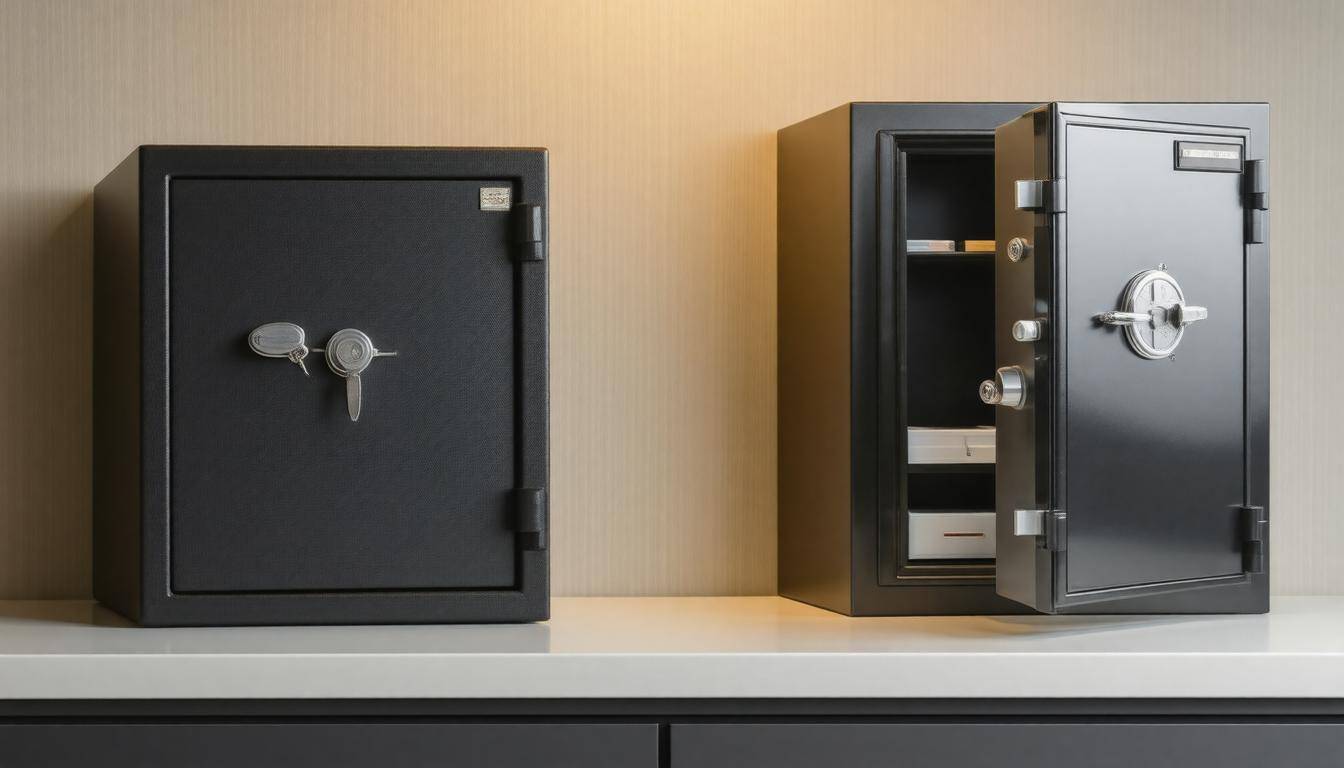
Safe Deposit Box vs. Home Safe: A Comprehensive Comparison
When it comes to security, both safe deposit boxes and home safes have unique advantages. Safe deposit boxes are securely locked away in bank vaults that offer advanced security systems. These include multiple layers of protection like surveillance cameras, alarm systems, and strict access controls. Banks provide peace of mind knowing a team of professionals is monitoring their facility to prevent theft or tampering.
On the flip side, home safes can also be outfitted with sophisticated security features. You may opt for biometric locks that only recognize your fingerprint or choose a fireproof and waterproof model to protect against natural disasters. While these features are impressive, they might lack the continuous professional oversight offered by banks. If installed correctly and weighing at least 400–800 lbs to deter theft, a good home safe can still be a reliable option.
Now that we’ve established the security measures of both options, let’s discuss accessibility, which plays an important role in how you decide what to store where.
Accessibility is another crucial factor to consider. With safe deposit boxes, you need to travel to the bank to access your valuables; this typically means planning around bank hours. For something urgent—like needing cash or critical documents—a trip during opening hours may not be convenient. Home safes, on the other hand, allow immediate access to your items any time of day or night without relying on someone else’s schedule. However, this convenience can come with its own risks: easy access can mean easier theft potential if a burglar gains entry into your home.
A pivotal component in choosing between these two protective solutions is analyzing the costs associated with each option.
Cost considerations reveal interesting insights about the choices before us. Annual fees for safe deposit boxes generally range from $50 to $300, depending on their size and location within the bank. In contrast, purchasing a home safe usually requires a one-time investment that can span from $100 to several thousand dollars based on its quality and security features. This upfront cost could be significantly higher for a high-end home safe than paying consistent annual fees for a vault box at a bank. However, investing in a home safe may ultimately prove more economical since there aren’t ongoing rental expenses once it’s purchased.
As we unpack the aspects surrounding both storage methods, it becomes increasingly evident that choosing the right option isn’t just about immediate features—long-term considerations matter too.
For example, while neither option guarantees foolproof protection against theft or damage from natural disasters like fire or floods, many homeowners today are turning toward fire-resistant safes as an added layer of protection for sensitive information and valuables. While safe deposit boxes inherently enjoy protection because they are located within secure bank vaults, they may also involve some limitations concerning the amount of cash you can store or restrictions on certain items like firearms.
The decision between opting for a home safe or a safe deposit box hinges on personal needs regarding access frequency, items being stored, comfort with potential risks involved, and budgetary constraints.
Understanding these factors will guide your choices as we transition into evaluating safety protocols concerning different protective environments.
Security Measures: Bank Vaults vs. Home Precautions
Bank vaults are designed with advanced security features that provide unmatched protection for your valuables. They typically incorporate multiple layers of access control systems, which might include keycards, biometric scans, and coded entry systems. This means that unauthorized access becomes exceedingly difficult—a fact that’s bolstered by round-the-clock surveillance, ensuring that every inch of the vault is monitored by professional security staff.
However, even with these robust measures, vulnerabilities exist. Insider threats—individuals with legitimate access to the vault—present a unique risk. Furthermore, in our increasingly digital age, sophisticated hackers could potentially exploit technological gaps to breach security systems. This dual threat poses challenges even to seemingly impenetrable bank vaults.
On the other hand, home safes present a different approach to security, combining accessibility with personal responsibility.
Home Safe Security
The beauty of home safes lies in their customizable security solutions. Unlike bank vaults, which can feel impersonal and bureaucratic, home safes allow homeowners to select features that best meet their needs. Many models come equipped with advanced locking mechanisms such as biometric readers or digital keypad entry systems.
Moreover, securing a home safe to the floor or wall deters potential thieves from simply picking it up and walking away with it. However, this reliance on personal installation and maintenance presents its own risks. If the safe isn’t secured properly or if the technology fails due to poor upkeep, its protective capabilities diminish significantly. For instance, while a heavy-duty safe may deter theft attempts, if it’s not anchored correctly, even the best model can be vulnerable in the right circumstances.
To paint a clearer picture of how these security measures compare, let’s explore their distinct characteristics side-by-side.
Comparisons of Security Features
| Feature | Bank Vault | Home Safe |
|---|---|---|
| Access Control | Multi-layered | Owner-installed |
| Surveillance | 24/7 monitoring | None unless installed |
| Lock Type | Dual keys, Biometrics | Mechanical, Digital, Biometrics |
| Physical Security | Reinforced Vault | Varies; can be bolted |
| Risk Factor | Insider Threat, Cyber-Attack | Home Invasion, Tampering |
Understanding these comparisons helps frame an informed decision about where to securely store your valuables. By evaluating your specific security needs and accessibility preferences alongside these insights into bank vaults and home safes, you can choose the option that best safeguards what matters most in your life.
As we consider the protection offered by both options, it’s also crucial to evaluate the costs involved along with any applicable insurance policies for your stored items.
Understanding Costs and Insurance
The financial aspects of using a safe deposit box versus a home safe can be significant, influencing your decision-making process when it comes to storage options. For instance, while a safe deposit box may seem like a straightforward choice with its annual rental fees, it’s essential to include potential costs in your calculations.
The bank’s pricing structure can vary widely based on several factors including both the box size and the geographical location. On average, you might pay between $50 for a small box to upwards of $300 for larger sizes in metropolitan areas. These fees accumulate every year, so if you’re planning on using this option long-term, the total expense can add up considerably.
In contrast, investing in a home safe often entails an initial outlay that could provide varying degrees of protection and convenience.
Home safes also differ in price according to their dimensions and security features. A modestly-sized, basic model typically starts at around $100, suitable for holding essentials like important paperwork or small valuables. However, if you seek enhanced security features such as biometric locks or fireproofing, prices can quickly escalate into the thousands. This long-term investment must be weighed against the immediate utility of having quick access to your belongings—something a safe deposit box might not offer if you need to retrieve valuables outside banking hours.
Remember that unlike cash stored in a bank account that earns interest and is insured by the FDIC, items stored in both home safes and safe deposit boxes do not appreciate financially or accrue any interest.
After factoring in costs, it’s critical to understand how these choices affect insurance coverage for your valuable possessions.
Insurance Coverage
Generally speaking, the contents of a safe deposit box are not insured by the bank itself. This lack of insurance means that in instances of theft or natural disasters—where damage can occur—you might face significant financial loss without any recourse. On the other hand, items contained within a home safe are often covered by homeowner’s or renter’s insurance; however, you must scrutinize your specific policy thoroughly. Many policies have limits on coverage for valuable items like jewelry or collectibles unless additional riders are purchased.
Understanding these nuances of cost and insurance will guide you toward making informed decisions about where to store your most precious belongings. As we proceed, let’s examine the comparative protection offered against threats such as fire and theft between these two storage methods.
Fire and Theft Protection: Home Safes vs. Bank Safes
When considering the safety of your valuables, fire and theft protection play significant roles in guiding your decisions. Home safes come equipped with specific fire-resistance ratings that indicate their ability to withstand high temperatures. For example, a UL-rated one-hour fire safe is proven to protect its contents at temperatures up to 1700°F for an entire hour. This can provide peace of mind for homeowners during emergencies.
On the other hand, while bank vaults may not display precise fire ratings, their robust structure suggests a level of superior protection against fire damage that home safes might not offer.
Now that we’ve addressed fire protection, let’s shift our focus to how these safekeeping methods differ in safeguarding against theft.
Theft Protection
Theft is another prevalent concern that weighs heavily on the minds of those storing valuables. Safe deposit boxes benefit significantly from the comprehensive security infrastructure employed by banks, which often includes surveillance cameras, alarm systems, and well-trained security staff. These layers of security make it considerably difficult for any ne’er-do-wells to access the contents of a safe deposit box without detection.
In contrast, the effectiveness of a home safe largely hinges on two factors: its installation and the owner’s commitment to security precautions. A home safe needs to be anchored solidly to your home’s structure to prevent thieves from simply carting it away. This means expert installation is crucial. If a thief can make off with your safe before you even realize it’s gone, then all your careful considerations have been rendered moot.
Furthermore, additional precautions can significantly enhance the security of home safes. For one thing, consider mounting them in inconspicuous locations where burglars are less likely to look. Additionally, using smart locks or electronic keypads can increase accessibility while also providing better safeguards than traditional key locks alone.
Recommendations for Enhanced Security
- Ensure your home safe is bolted down in place; this prevents removal during a burglary.
- Consider using a home security system as a deterrent.
- Maintain updated inventory lists of your valuables and their estimated values; this will aid insurance claims if necessary.
- Regularly change your access codes or keys and keep those details secure.
While both home safes and bank deposit boxes have unique advantages regarding fire and theft protection, choosing between them depends on your specific needs—whether you prioritize immediate access or heightened security against potential hazards.
Evaluating these options sets the stage for understanding how accessible they are in routine situations, which plays a critical role in determining the most suitable choice for your storage needs.
Accessibility and Convenience
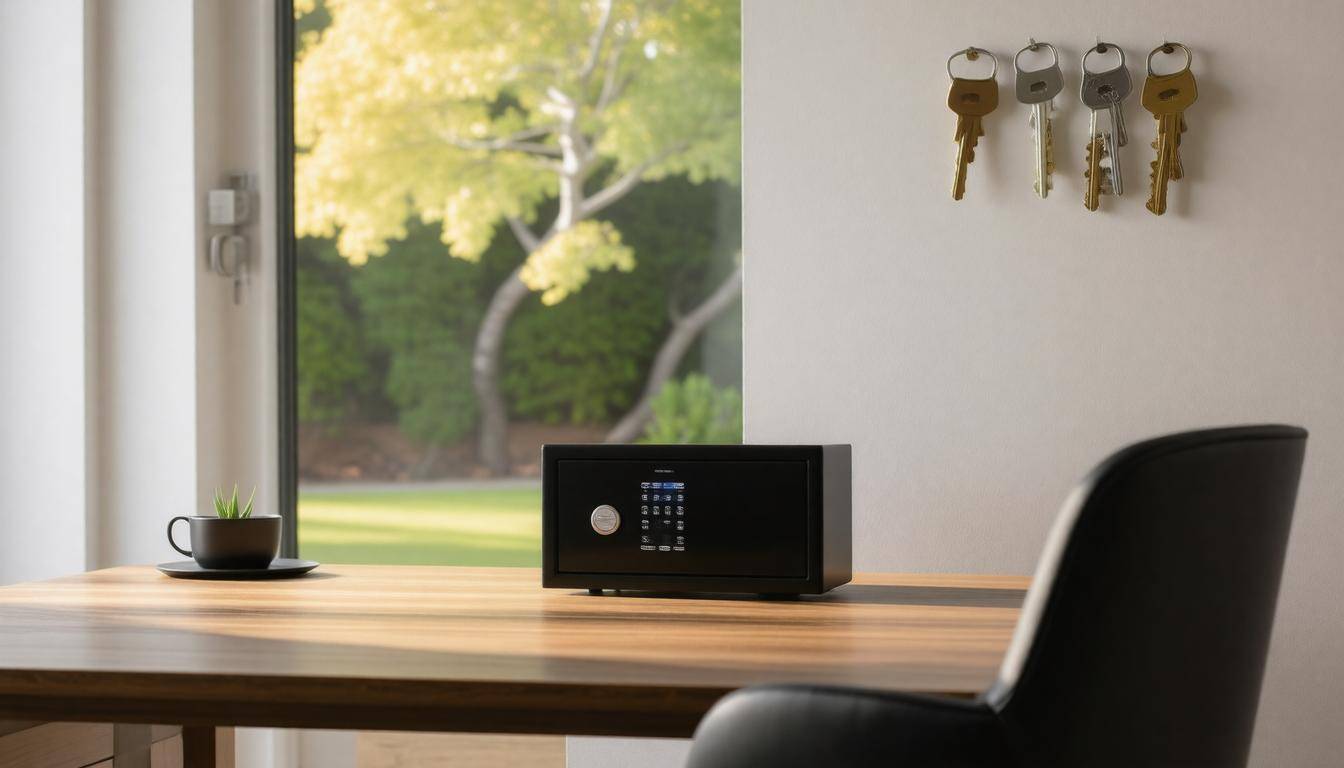
Ease of access and convenience are vital aspects that could sway your decision between a home safe and a safe deposit box. Imagine it’s a Saturday evening, and you realize you need your passport for an unexpected trip. With a home safe, you can quickly grab it without hassle. However, if your important documents were stored in a safe deposit box, you’d face the inconvenience of bank hours, which typically run about 40 hours each week. This means on weekends or after hours, you are completely without access to those critical items.
Bank Box Accessibility
Accessing your safe deposit box necessitates traveling to the bank during its operational hours, creating barriers for immediate needs. Imagine a snowstorm hitting right before an important appointment; even if you thought ahead of time, your essential documents remain locked away until the weather clears up or you can wait until the bank reopens. Moreover, during emergency situations such as natural disasters or power outages that result in bank closures, reaching your valuables may be entirely impossible—prompting discontentment over having placed them there in the first place.
Home Safe Convenience
In contrast, home safes offer immediate access around the clock. This proves advantageous for items that require ready availability like passports, wills, or emergency funds that could be crucial in urgent situations. Think of it as having a toolbox right at home; there’s no hustling to find one elsewhere when tools are needed to fix something right away. However, this very convenience does come with its own set of considerations: family members must all be aware of the safe’s presence and access codes. If anyone has access to the documents stored within but lacks knowledge of how to open the safe or its location, what good does it do?
Immediate access is great—and so is ensuring everyone in the household knows how to use it.
-
Bank Hours Limiting Access: Safe deposit boxes can only be visited when banks are open.
-
Immediate Home Accessibility: Home safes provide round-the-clock access.
-
Emergencies and Disaster Restrictions: Natural disasters may prevent access to bank vaults.
-
Family Members’ Knowledge: Everyone who might need access should know about the safe and how to unlock it.
As we weigh these considerations, reflecting on what kind of valuables you’re storing becomes crucial for determining whether quick accessibility trumps the increased security offered by a bank vault. Let’s now consider what items are best suited for secure storage and where they should ideally be kept.
Key Storage Items: What to Keep and Where
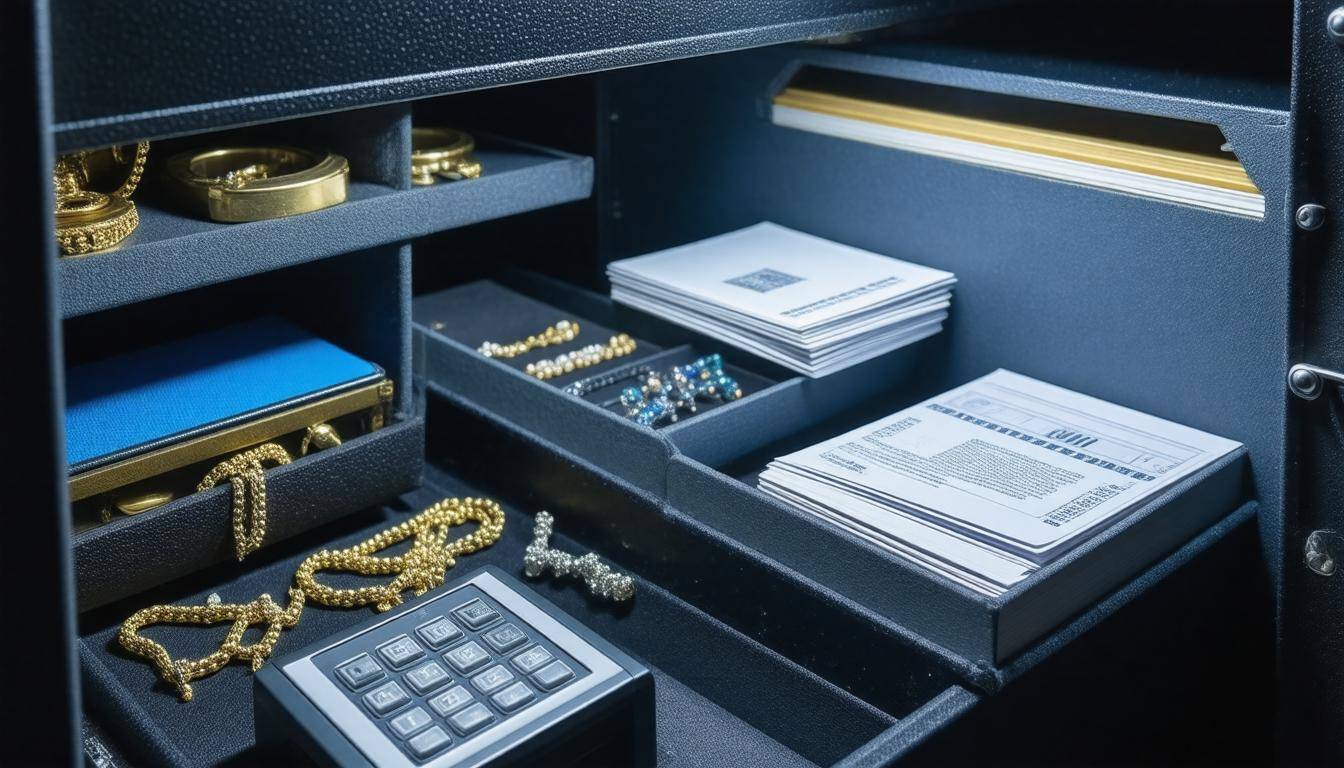
Determining what to store in each location involves assessing the value, frequency of access required, and the overall importance of the items. It is crucial to recognize that both options serve unique purposes—while a safe deposit box offers enhanced security for important documents, a home safe provides quick access for valuables you may need regularly.
Safe Deposit Box Items
When it comes to safe deposit boxes, think of them as secure vaults designed for your most essential items that don’t require frequent retrieval. This includes original documents vital for legal or financial matters. Examples include birth certificates and property deeds, which should be protected but not accessed casually. Rare coins or jewelry hold significant value; storing them in a secure location prevents theft. Important contracts dictating business or personal agreements deserve this level of protection. For tech-savvy individuals, having backups of encrypted data safely stored can be invaluable in cases of data loss.
In essence, the safe deposit box is like a money vault where your treasures are both physically secure and discreetly stowed away from everyday life.
Home Safe Items
On the other hand, home safes cater to items you may need to access more frequently without relying on bank hours. Consider passports and emergency cash as clear examples; these items should be right at your fingertips when you need them most. Wills and testaments are critical documents often requiring accessibility for family members during significant life events or emergencies. Family heirlooms, cherished for their sentimental worth, can be securely stored while remaining accessible for sharing with loved ones or showcasing during special occasions. Digital storage devices containing valuable information ought to be kept handy for quick retrieval whenever necessary.
Understanding these distinctions about where to store your valuables sets the stage for exploring potential vulnerabilities associated with each option. The considerations surrounding risks and limitations will guide you further in safeguarding your treasured belongings.
Risk Factors and Limitations
Both safe deposit boxes and home safes present unique risk factors that you need to understand to make an informed choice about where to store your valuables.
When considering a safe deposit box, remember that access is limited strictly to bank hours. If an emergency arises outside of those hours—imagine suddenly needing important documents for a last-minute trip—you could find yourself in a tight bind. Not to mention, contents held in a safe deposit box are not insured against loss by banks; if anything were to happen during a disaster or fire, you may end up facing significant financial losses.
Safe Deposit Box Risks
In addition to limited access and lack of insurance, navigating the complexities surrounding access to a safe deposit box can pose challenges for heirs after the owner’s death. There have been unfortunate cases where family members were left unaware that a box existed, leading to potentially lost treasures. Compounded by bank closures during disasters, one might realize that their valuables are far less accessible than believed.
Even if you do everything right, there are still risks beyond your control—the unexpected closure of your bank due to unforeseen circumstances can leave you without access for an indefinite period.
Meanwhile, home safes come with their own set of vulnerabilities that shouldn’t be overlooked.
Home Safe Risks
While home safes offer more immediate access and may feel more straightforward as they’re within your house, they can also be appealing targets for burglars if not properly installed or secured. A common mistake happens when homeowners overlook maintenance on security systems, which are crucial for ensuring their safety. If these components fail—say, the alarm never goes off during a break-in—everything you hoped to protect could vanish in moments.
Further complicating matters is the fact that even a high-quality home safe may not provide adequate protection from natural disasters like floods or fires unless it is specifically rated for such conditions. Many people assume their safes will withstand heat or water damage but fail to consider their safe’s rating, which can lead to devastating losses when faced with the worst scenarios.
It’s ironic how many believe that simply owning a safe is all they need for protection without acknowledging the potential pitfalls inherent in each option.
As you weigh these options, understanding both the risks and benefits will help ensure that you choose the best method of protection for your assets. The key lies in being educated about what you’re up against; this awareness empowers you to safeguard your belongings effectively.
Shifting focus toward making decisions tailored to individual circumstances leads us naturally into our next topic of discussion.
Choosing the Right Option for Your Needs
When determining whether a safe deposit box or a home safe is right for you, the conversation often comes down to individual priorities. First, think about security versus accessibility. If your primary concern is the protection of significant documents or valuables, opting for a safe deposit box might be your best bet. These boxes are secured within bank vaults, which typically offer enhanced protection against theft and natural disasters.
On the other hand, if you prefer quick access to your items—like cash or essential documents—a home safe may suit you better as it’s always available at your fingertips.
Next on your checklist should be cost considerations. Each option has its financial implications. For instance, durable home safes can range from a couple of hundred dollars to over a thousand, while safe deposit boxes charge annual fees that can vary from $50 to $300 depending on the bank’s policies and location.
Furthermore, contemplate any insurance benefits associated with each option. A home safe might require additional coverage through your homeowner’s policy, whereas valuables in a safe deposit box may have limited insurance options offered by the bank.
The third point revolves around the types of items you’re considering storing. Are they vital documents or hard-to-replace heirlooms like birth certificates and property deeds? If so, these would be best secured in a safe deposit box designed for long-term storage with less frequent access needs. In contrast, items such as cash or passports that require immediate use should remain in a well-placed home safe where they can be reached without delay.
Always take a moment to ask yourself: Which option aligns best with your lifestyle and needs? By evaluating what you require, you’ll make an informed choice that aligns with your priorities.
Interestingly, many individuals find that a combination of both options can offer the perfect balance between security and convenience. Utilizing a home safe for easily accessible items while securing less frequently used but important documents in a safe deposit box enables you to establish comprehensive protection for your valuables.
By carefully considering security, cost, and accessibility needs, you can make a strategic decision that keeps your treasures secure. This multifaceted approach ensures you’re prepared for various situations while optimizing your personal comfort.
What costs are associated with maintaining a safe deposit box versus purchasing a home safe?
Maintaining a safe deposit box typically involves annual fees, which can range from $50 to $500 depending on the bank and size of the box, while a home safe incurs one-time purchase costs, usually between $100 and $2,000, plus potential installation fees. Additionally, home safes require ongoing costs for security measures like alarms or insurance premiums that safeguard the contents. Statistically, about 30% of American households have some form of safe at home, indicating a preference for immediate access and control over physical valuables, while many opt for safe deposit boxes to benefit from bank-level security.
Are there any specific items that should always be stored in a safe deposit box rather than at home?
Specific items that should always be stored in a safe deposit box rather than at home include valuable documents such as wills, property deeds, and insurance policies, along with irreplaceable items like family heirlooms and jewelry. Keeping these valuables in a safe deposit box protects them from theft, fire, or natural disasters. According to the FBI, burglary rates can significantly increase during economic downturns, making external secure storage more appealing. Moreover, safe deposit boxes are usually housed in bank vaults designed to withstand various threats, offering superior security compared to most home safes.
Which storage option provides better protection against natural disasters such as floods or fires?
When it comes to protection against natural disasters like floods or fires, a safe deposit box typically offers better security than a home safe. Safe deposit boxes are located within bank vaults designed to withstand such disasters, often constructed with fireproof materials and secured in areas less prone to flooding. For example, according to the Federal Deposit Insurance Corporation (FDIC), bank vaults provide superior protection due to their reinforced structures, while home safes can be compromised in severe conditions, as many are not fire-rated or water-resistant. Thus, for invaluable items, a safe deposit box can be seen as a more reliable choice.
How accessible are safe deposit boxes compared to home safes for accessing valuables?
Safe deposit boxes, while offering high security at banks, are less accessible than home safes since they require a trip to the bank during operating hours, which can be inconvenient. In contrast, home safes provide immediate access at any time but may lack the robust security features of bank vaults. According to a survey by the American Bankers Association, nearly 10% of Americans use safe deposit boxes for important documents and valuables, yet many cite accessibility issues as a drawback. Ultimately, the best choice depends on individual needs for security versus convenience.
What are the key differences in security provided by a safe deposit box versus a home safe?
The key differences in security between a safe deposit box and a home safe lie primarily in accessibility, environmental protection, and insurance. Safe deposit boxes, located within banks, typically offer a higher level of security against theft due to the bank’s surveillance and multiple access controls; however, you can only access them during business hours. In contrast, home safes provide immediate access but may not possess the same level of burglary resistance as a bank vault. Statistically, studies show that homes are 300% more likely to be broken into than commercial properties like banks, highlighting that while both options provide protection, a safe deposit box generally offers superior security against theft.