
When winter hits Saguenay, Quebec, the beauty of snow-covered landscapes can quickly turn into a challenge when power outages strike. Imagine being cozy at home, only to find yourself in the dark without heat or hot meals—a real concern for anyone living here. Preparing a winter power outage kit isn’t just about stocking up on supplies; it’s about ensuring your family can stay safe and comfortable during those long nights without electricity. With a bit of planning and the right essentials, you can tackle any unexpected winter storm with confidence. Let’s dive into what you really need to create the perfect outage preparedness kit!
A Winter Power Outage Kit for Saguenay, Quebec, should include essentials such as non-perishable food, bottled water, blankets, flashlights with extra batteries, a first aid kit, and a battery-powered or hand-crank radio. Additionally, consider packing warm clothing, a multi-tool, and any necessary medications to ensure safety and comfort during a power outage.

Gathering Essential Supplies
When you think about the essentials for surviving a winter power outage in Saguenay, it’s easy to imagine social media updates and Netflix binges interrupted. However, it goes much deeper than that. Your first aid supplies are more than just band-aids; they could make the difference in a crisis. It’s crucial to have at least a basic kit ready with bandages, disinfectants, and available prescription medications. Don’t forget over-the-counter pain relievers too. A well-stocked first aid kit ensures that minor injuries don’t escalate during an outage when medical attention may not be readily accessible.
Beyond health items, let’s shine some light on the next essential—literally!
Lighting during an outage can change the atmosphere from gloomy to cozy or keep you feeling lost in the dark. Having a mix of flashlights, lanterns, and a plentiful stash of batteries is key. It’s also prudent to invest in solar-powered lighting options, providing illumination without needing extra batteries. During my last major power outage, those tiny details made a huge difference for my family’s comfort, proving that planning can lead to peace of mind.
Of course, staying informed is as important as staying warm, so let’s discuss communication tools.
In case of severe weather conditions disrupting the power supply, having a battery-powered or hand-crank radio is indispensable. This allows you to stay updated on emergency broadcasts and potential weather alerts when all else fails. I still remember my neighbor being grateful for their crank radio during one particularly dark winter night—knowing how long we were expected to be out helped everyone stay calm and prepare better.
Moving along, hygiene often takes a backseat during emergencies—but it’s vital for maintaining morale and health.
Stocking up on personal hygiene items such as wet wipes, hand sanitizers, toothpaste, and toothbrushes might seem trivial, but trust me—they become luxurious comforts in times of uncertainty! When lights go out, maintaining personal cleanliness becomes even more crucial for mental well-being. You’d be surprised how small acts like brushing your teeth or wiping down your hands can uplift spirits under challenging circumstances.
Finally, securing your vital documents serves as an often-overlooked yet essential part of your preparations.
Keep copies of important documents such as identification cards, insurance policies, and bank records in a waterproof container to ensure they remain unscathed by any water damage that may occur if your basement floods or pipes freeze. Planning ahead like this pays off enormously when stress runs high; knowing that your critical information is both intact and accessible makes navigating hurdles far easier.
Once you’ve gathered these essentials, it will be crucial to turn our focus toward ensuring that you have sufficient food and water for any situation you may encounter.
Food and Water Storage
Reliable access to food and water can make all the difference when the lights go out, especially during harsh Canadian winters. When planning your storage, think ahead—what would you want in your pantry if the power were to be out for several days?
Long-Term Food Supplies
Begin with non-perishable food items that are easy to store and require minimal preparation. Options like canned goods, dried meals, and energy-dense snacks such as granola bars serve as excellent choices. Each of these offers unique advantages; canned goods provide nutrition and variety, while dehydrated meals are lightweight and easy to prepare.
As you gather these supplies, monitor expiration dates to ensure a good balance of nutrients. Having variety is essential for maintaining energy levels over time. You wouldn’t want to be stuck eating only one type of food when there are better alternatives available.
“Recommended Non-Perishable Foods”:
Food Type Storage Duration Notes Canned vegetables 1-2 years Check for dents or rust Dehydrated fruits 6 months – 1 year Store in a cool, dark place Granola bars 1 year High in energy Dry pasta and rice 2 years Requires boiling water to cook
This table serves as a quick reference for making informed decisions about your long-term food supplies. If you’re proactive about the quality and variety of your stored food, you won’t just endure a winter outage—you’ll thrive during it.
Water Storage
While organizing food supplies is essential, don’t underestimate hydration’s importance! It’s recommended that each person requires at least one gallon of water per day. Calculate how much water your entire household will need over a week-long outage—as they say, better safe than sorry!
To put this into perspective, if your household consists of four people, you’ll want at least 28 gallons set aside just for basic hydration needs. To extend your water supply, consider packing some water purification tablets or incorporating a portable water filter into your kit. Such tools can be invaluable should your stored water run low.
With healthy long-term food options and adequate water organized, you’re building a solid foundation for weathering any emergency effectively. As we continue this preparedness strategy, consider what other vital resources you may need to navigate challenging situations successfully.
Critical Survival Tools
Preparedness means being ready for anything, and having the right survival tools at your fingertips is vital. A multitool, for instance, is not just a gadget; it embodies versatility. Whether you’re tightening screws or opening cans, this compact device can handle numerous tasks without taking up much space in your kit. Consider it a trusty sidekick—by your side when you need extra help.
Similarly, a fire extinguisher helps you maintain safety during emergencies. It’s important to check that it’s rated for all types of fires (Class A, B, and C) so you’re prepared for various situations. Imagine needing it in panic mode; having the proper fire extinguisher could be a lifesaver.
Moving on to outdoor maintenance, having a shovel and ice melt is key when winter hits Saguenay hard. When snow piles up around your home, these two items become essential—we often underestimate how difficult it can be to navigate our driveways or pathways without them. This allows easier access to emergency services if needed and prevents potential injuries from slips and falls.
Beyond the basics, improvisation often comes into play during outages. Items like duct tape and plastic sheeting can be invaluable for sealing windows or making quick repairs when you’re caught off-guard.
Duct tape is famously called “the handyman’s secret weapon,” and for good reason—its intense adhesive strength allows it to bond with almost any surface efficiently. Whether preventing drafts or sealing broken windows from harsh weather conditions, duct tape proves its worth time after time. The plastic sheeting serves as an additional layer of protection against wind and rain.
Don’t forget about the emergency blanket, either. These lightweight yet effective tools are designed to retain body heat and can make all the difference on a cold night without heating. Their reflective properties ensure warmth can be maintained even in extreme conditions, keeping those frigid outdoor temperatures at bay when you’ve lost power.
Together, these critical survival tools transform your preparedness from a simple collection of supplies into a comprehensive maintenance kit that ensures safety, security, and comfort whenever emergencies arise.
With each tool working synergistically, you’re better equipped to face challenges that winter throws your way. As we consider long-term solutions for reliable support during these times, let’s explore some practical options for backup power.
Effective Backup Power Options
Backup power options become not just an option but a necessity when winter storms sweep through Saguenay, Quebec. Here, reliable energy sources can be the difference between comfort and chaos during power outages. It’s essential to select the right tools to keep vital devices running and maintain a connection with the outside world when everything else seems to be shutting down.
Backup Generators
Portable generators stand out as one of the most popular choices for backup power. Models like the Honda EU2200i or the Duromax XP4850EH are well-known for their reliability and efficiency. They provide ample power for essential household devices ranging from refrigerators to space heaters.
When using these generators, it’s crucial to follow safety guidelines, as improper use—such as operating them indoors—can lead to dangerous situations like carbon monoxide poisoning. A recent consumer report noted that about 15% of generator-related accidents stem from indoor use mishaps. So always remember: keep it outdoors and away from windows!
It’s worth investing in generators that come with safety features such as automatic shut-off functions, which can help prevent accidents during operation.
Battery Packs
For those who do not require extensive power or might find a generator too cumbersome, high-capacity battery packs present an excellent alternative. Devices like the Goal Zero Yeti 1000 or Jackery Explorer 1000 provide a portable solution to keep essentials running—from phones and laptops to small appliances—over several days. These battery packs are designed for efficiency and convenience, making them the perfect companion during outages when you need quick charging without fussing over cords or gas.
Battery packs offer key advantages:
- Quiet Operation: Unlike gas generators, battery packs run silently.
- No Emissions: Perfect for indoor use since they don’t produce harmful fumes.
- Ease of Use: Simply charge them up before an outage, and they’re ready to go.
Just imagine being able to charge your phone or power a lamp at night without worrying about fuel! With high-capacity battery packs, it becomes easier than ever.
While choosing the best backup power option is vital for emergency preparedness, maintaining warmth during outages becomes equally essential in ensuring your comfort and safety.
Keeping Warm During Outages
Staying warm is not just about comfort; it can be a matter of safety during those chilling Saguenay winters when power outages become a reality. Effective heating techniques and strategies will make all the difference in keeping your household cozy. One of the most effective methods begins with insulation, which plays a vital role in reducing heat loss.
Insulation Techniques
First off, take a moment to examine your doors and windows. Applying weather stripping can effectively seal any drafts that sneak into your home. Consider this—when you’re battling against near-zero temperatures, every little leak counts.
You should also cover your windows with heavy drapes or blankets. It might seem simple, but those extra layers provide significant thermal resistance against the cold. Think of your windows as barriers; the thicker the barrier, the better it keeps the warmth in. Moreover, if you have hard flooring, laying down carpets or rugs is an excellent way to insulate against the chill that seeps up through the ground.
When reviewing your insulation strategies, don’t overlook spaces like attics or basements where cold air can often invade unnoticed. Adding extra insulation material to these areas can greatly enhance your home’s overall ability to retain heat.
Layering Clothing
Now that you’re secured inside your warm abode, let’s talk about what you’re wearing because layering your clothing is just as crucial as insulating your space. Wearing multiple layers creates pockets of air between them, trapping and retaining body heat effectively.
In my experience, thermal underwear forms an essential base layer that hugs your body for added warmth. It’s like wrapping yourself in a cozy embrace before venturing out into the cold! For those particularly chilly evenings at home, consider slipping on some woolen socks—they keep your feet warm and dry even if temperatures drop significantly outside. Top it off with fleece-lined outerwear to further lock in that precious body heat.
Keeping warm using these methods enhances your comfort during outages while ensuring that you’re well-prepared for whatever challenges may arise next, especially when it comes to maintaining safe cooking and heating solutions at hand.
Safe Cooking and Heating Solutions
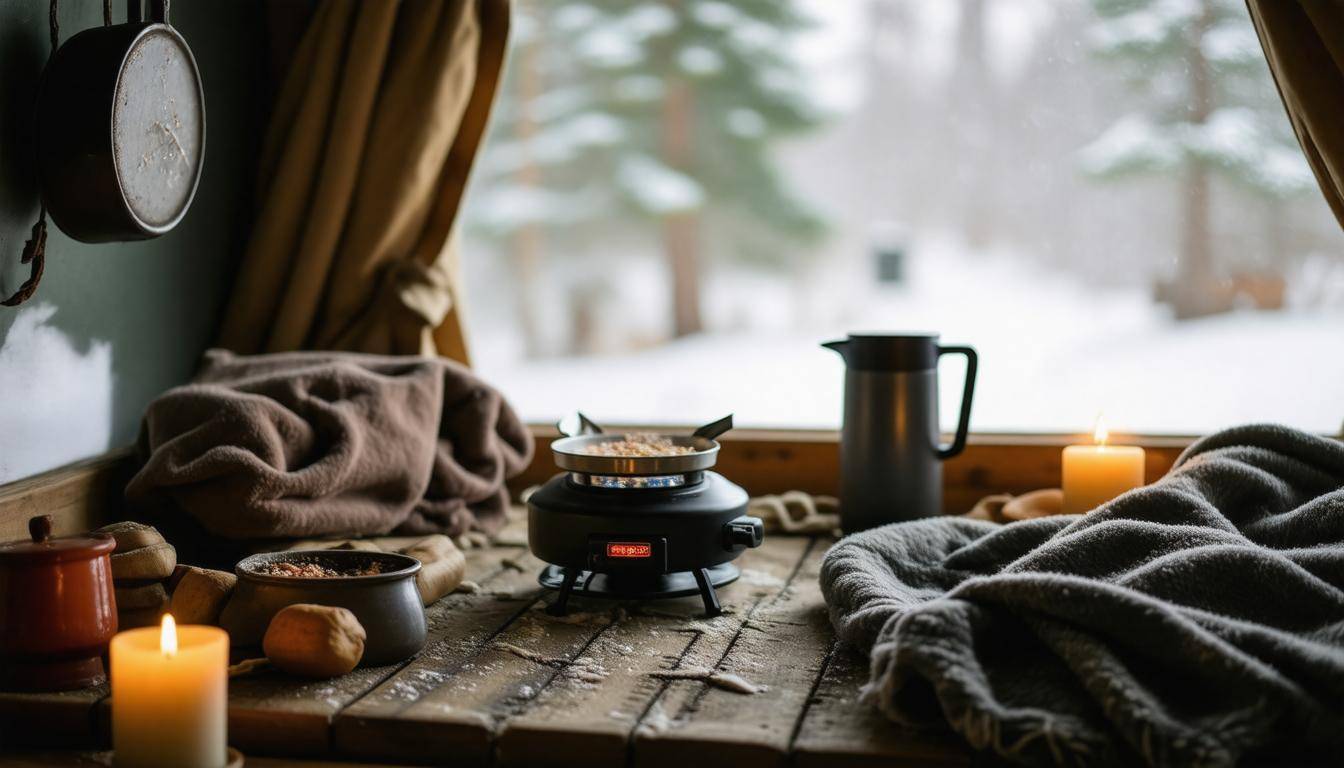
When the power goes out, especially during the frigid winter months in Saguenay, you may find yourself relying on alternative cooking and heating methods. It’s essential to approach these solutions with a safety mindset, as improper use can lead to dangerous situations such as carbon monoxide poisoning or fires.
Safe Cooking Methods
One common solution is utilizing a camping stove or an alcohol burner. These compact devices can be brought indoors (if well-ventilated) to prepare warm meals when kitchen appliances are non-operational. Always ensure your cooking space has ample ventilation by opening windows or using fans to prevent buildup of harmful gases. Additionally, keep a fire extinguisher handy just in case.
A propane grill is another option for cooking but should only be utilized outdoors. Indoor usage can lead to significant risks due to toxic fumes emitted during combustion. If you choose this method, ensure that no flammable materials are nearby and always have someone supervising.
Now that we’ve explored safe cooking methods during outages, let’s shift our focus toward warming up your living space efficiently.
Safe Heating
For heating solutions, consider using a portable propane heater, such as the Mr. Heater Buddy model. This compact heater is designed for indoor use and features built-in safety shut-offs, which automatically turn off the device if it detects low oxygen levels or tips over. It’s crucial to utilize these types of heaters in areas with adequate ventilation; never seal off a room completely when using gas appliances, as this can lead to dangerous levels of carbon monoxide.
Always check local regulations about heating sources before using them indoors, as guidelines can vary significantly based on region and local codes. Keeping a carbon monoxide detector in your home is also a wise precaution when using any combustion-related heating solutions.
And let’s face it; no one wants their cozy winter evening next to the fireplace interrupted by an emergency response team because of unsafe practices!
Understanding safe cooking and heating solutions not only simplifies your experience but also plays an essential role in overall readiness for harsh winter conditions. Let’s continue by examining further measures necessary to thrive in this environment.
Preparing for Saguenay, Quebec’s Winter
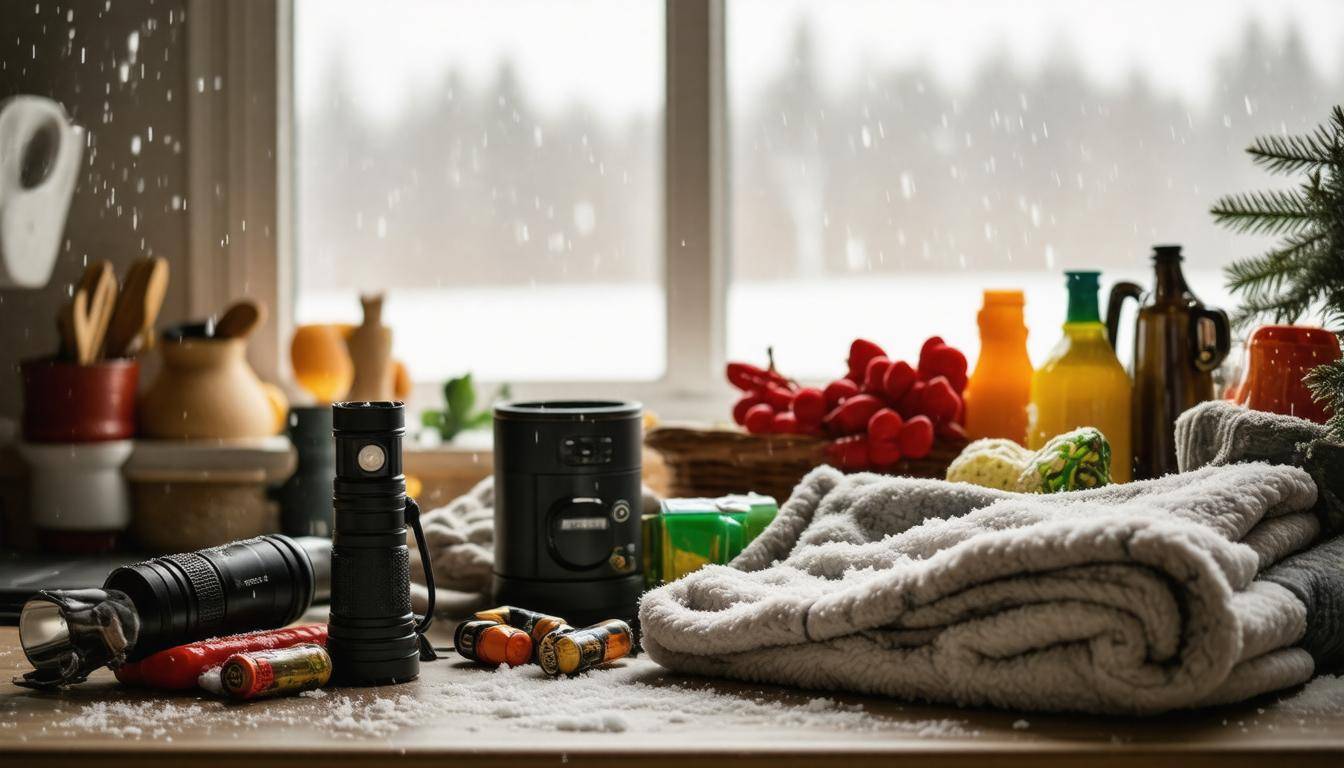
Saguenay’s winters can indeed be a challenge. The cold bites through even the thickest jackets, and those icy winds don’t help either. For anyone living in this region, adapting to local weather patterns is essential. With average winter temperatures often plummeting below -20°C, your winter preparations should account for the cold. It’s reported that annual snowfall averages around 300 cm, not including the ferocious snowstorms that can blanket your neighborhood for days on end.
As the snow accumulates and limits visibility, it’s important to stay one step ahead. Investing in high-quality snow removal tools is a must. A sturdy snow shovel or even a snow blower should become staples in your household inventory to keep driveways and walkways clear. Additionally, salt or sand should be handy not only for melting ice but also to provide traction during slippery trips outside.
Picture this: a sudden storm rolls in, coating your windshield with inches of snow while you’re left scrambling inside for your tools. By prepping ahead of time, you may find that you can better enjoy the beauty of the falling snow rather than simply endure it.
Beyond the physical preparations, knowing where to turn for help can make all the difference when winter storms strike unexpectedly.
Local Weather Patterns
Familiarizing yourself with community resources can be a lifesaver during these tough months. Local shelters or heating centers are often set up to assist residents in need during extreme weather events. Find out their locations and operating hours ahead of time so you can act quickly if necessary. Develop an emergency contact plan within your neighborhood as well. Regular check-ins with neighbors foster community bonds and enhance safety through the winter.
Ideally, you and your neighbors will coordinate communication strategies. Establishing a group chat or regular meetings over coffee can significantly bolster your collective preparedness. After all, sharing resources or assisting each other with snow removal can alleviate some stress during fierce storms.
If you have elderly neighbors or single-parent households nearby, reach out to them with offers of support. It could be something as simple as checking on their supplies or helping bring in wood for heating during outages. This small effort enhances community resilience against relentless winter conditions.
With these preparations forming a solid foundation, turning your attention to the specifics of creating an effective kit will further ensure safety and readiness through harsher seasons.
Assembling Your Complete Kit
Start by conducting an inventory check of all essential items you noted earlier. This isn’t just a matter of checking off boxes; it requires a thorough examination to ensure nothing is overlooked.
Gather everything in one place, and go through each category meticulously. You want to confirm that you have enough non-perishable food, water supplies, batteries, flashlights, first-aid supplies, and any other necessities you identified as vital. It’s amazing how easy it is to miss something small but significant when you rush the process.
Once you’ve completed your inventory, the next step involves organization.
Step 2: Categorize Supplies
Organizing your supplies into categories like food, water, tools, and personal items is essential for accessibility during emergencies. Think of it as packing for a trip; you wouldn’t want to rummage through your suitcase trying to find specific outfits.
Instead, you’d likely separate clothing from toiletries for convenience. In the same vein, keep similar items together in your emergency kit. For example, consolidate all your food together in one storage bin and have another specifically for medical items. This way, if you need to grab something quickly in an emergency, you’ll know exactly where everything is located.
After categorizing your essentials efficiently, it’s time to consider how best to store them.
Step 3: Use Storage Bins
Placing your items in sturdy, labeled storage bins not only protects them but also adds an element of preparedness should evacuation be necessary. Clear bins can be particularly useful—allowing you to see at a glance what needs to be accessed without having to open every single box.
Label each bin clearly with its contents so even if the lights are out, anyone can quickly discern where everything is located. Remember, this whole effort revolves around making sure that everyone in your household remains safe and has access to necessary provisions without wasting valuable time during a crisis.
With everything packed away securely, don’t forget about the value of regular check-ins.
Step 4: Re-Evaluate Periodically
It’s vital to periodically re-evaluate the contents of your kit. Just as seasons change and preferences shift, your emergency needs may evolve too.
Take time every few months to replace expired food or medications and assess whether there are additional items that could enhance your kit’s effectiveness. Perhaps you’ve decided on new equipment or found better options for thermal blankets—whatever it might be, maintaining an up-to-date emergency kit is crucial for ensuring readiness when winter storms strike hard.
With these steps in mind for assembling your complete kit, you’re now set on a path toward confidently facing Saguenay’s winter power challenges.
By staying proactive and prepared, you ensure not only your safety but also peace of mind during harsh winter conditions. Stay vigilant and be ready for the unexpected.