
Coastal flooding is a real concern for residents of Saint John, NB, and being prepared is key to keeping your family safe. With climate change increasing the frequency of extreme weather events, understanding how to create a preparation kit can make all the difference when disaster strikes. Instead of waiting for the next big storm, now is the time to gather supplies and form a plan. This guide will help you compile an effective Coastal Flooding Preparation Kit tailored to your needs, ensuring that you’re ready for whatever the tides may bring. Let’s dive into what essentials you should include and how to stay ahead of potential flooding risks.
A Coastal Flooding Preparation Kit for Saint John, NB should include essential items such as non-perishable food, bottled water, flashlights, batteries, a first aid kit, medicines, important documents in waterproof containers, and a portable phone charger. It’s also wise to have a plan for evacuation and know your local emergency contacts as part of your preparedness strategy.
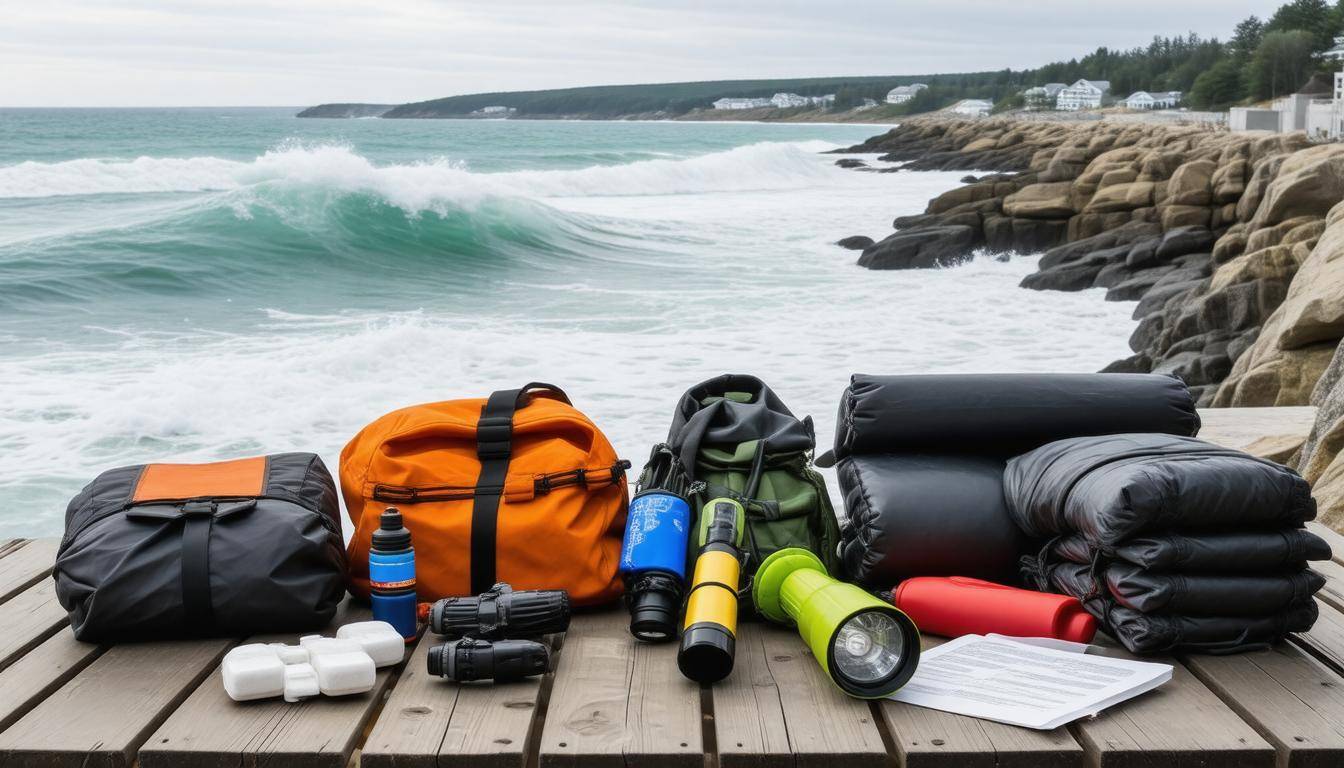
Preparing for Coastal Flooding in Saint John, NB
It’s essential to consider that preparation for coastal flooding goes beyond just collecting supplies; it’s about creating a robust plan that integrates thorough awareness and responsibility.
The first step is staying informed. Sign up for local emergency alerts via the Saint John Emergency Measures Organization (SJEMO) because timely information can be the difference between safety and danger during an impending flood. These alerts will notify you of emergencies and provide updates on road conditions and shelter locations.
Once you’re informed, developing a family emergency plan is the next crucial step.
Gather your family and lay out escape routes from your home, ensuring everyone understands where to go when the waters begin to rise. Choose safe meeting spots that are elevated and away from the coast, so you have a defined destination if flooded areas become impassable. Additionally, establish clear communication methods in case you get separated during an evacuation. This could mean having a group text set up or designating a friend as a contact point who lives outside the flood zone.
Elevating your valuables comes after securing your family’s safety.
It’s wise to raise electrical panels, appliances, and anything important to you to higher floors whenever possible. If moving everything upstairs isn’t feasible, consider protective storage solutions such as waterproof containers for documents and sentimental items. This proactive approach significantly minimizes potential damage during floods—a small investment of time that yields great peace of mind.
Understanding risk is just as vital as preparation.
Utilize online flood zone maps provided by the Government of New Brunswick’s Department of Environment to discern your home’s vulnerability to flooding. Knowing whether your area faces high-risk flooding can help tailor your preparations accordingly, allowing you to act swiftly should a flood warning be issued.
With these preparatory steps firmly in place, being ready becomes less daunting. The following section will outline what essential items you should gather to ensure comprehensive flood preparedness.
Essential Items for Your Flood Preparedness Kit
A well-prepared flood kit is more than just a collection of items; it is a lifeline during times of uncertainty. Ideally, your kit should sustain each family member for at least 72 hours, so it’s crucial to think carefully about what goes in there. You want to ensure that the contained items address both basic needs and emergencies while remaining compact enough to transport if necessary.
Key Items to Include
First and foremost, consider non-perishable food and bottled water. It’s recommended to have a three-day supply per person—this amounts to about one gallon of water per day per individual, plus calorie-dense food options like granola bars, dried fruits, or canned goods that don’t require cooking. Think about convenience; you won’t want to be fumbling around with complicated meals in stressful situations.
When assembling food supplies, I like to add some comfort items too. A few treats can boost morale when circumstances are less than ideal.
Next on your list should be a first-aid kit. This should encompass not just the standard bandages and antiseptics, but also any prescription medications specific to your family members’ needs. It might be helpful to create a checklist of these items beforehand to avoid last-minute panic.
Light is another critical component of your kit—the inclusion of flashlights and batteries is essential. I always recommend LED flashlights because of their superior battery life compared to traditional bulbs. Having two or three on hand ensures that you won’t be left in the dark even if one fails.
You’ll also want a multi-tool in your kit. Think of it as your little survivalist companion that can assist with everything from opening cans to performing basic repairs in an emergency situation. The versatility of these tools can really shine when seconds count.
Don’t forget about communication; packing a portable phone charger is crucial, especially if you opt for hand-crank or solar-powered versions. In our increasingly connected world, staying informed about weather updates or evacuation instructions can be vital for safety during flooding events.
Lastly, consider personal hygiene items—they often get overlooked in emergency preparations but are very much needed during crises. Include items like wet wipes, hand sanitizers, and feminine products in your kit. Keeping clean during difficult times can contribute positively to mental wellness.
Securely storing important documents should not slip through the cracks of your planning. Keep copies of identification and insurance papers in a waterproof container or sealed plastic bag within your kit so they’re readily accessible if needed.
With these essentials packed away safely in your flood preparedness kit, it’s important next to focus on strategies that will help shield your dwelling from potential water damage during extreme weather events.
Home Protection Measures
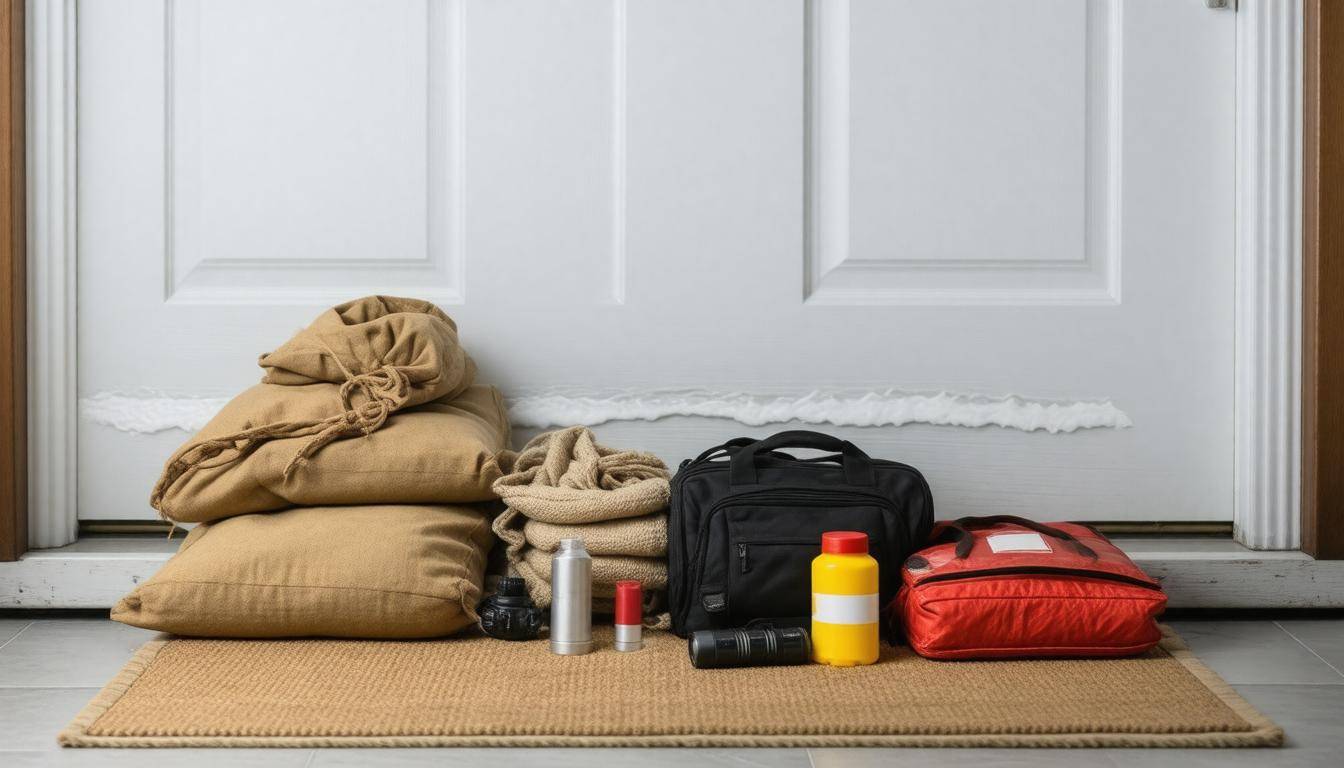
One of the first things you should consider is installing flood shields and barriers at your doors and windows. These specialized barriers act like a fortress, keeping rising water at bay. When properly installed, they can make a substantial difference when strong storms approach.
It’s essential, however, to test these barriers regularly because what use is a protective shield if it has cracks or doesn’t fit snugly against the frame? Regular checks right before storm season can help avoid last-minute scrambles.
After securing those entry points, turning your attention to basement and ground-level spaces is wise. Sealing any cracks and gaps with waterproof sealant could be the difference between a dry home and a mini swimming pool in your basement. Think of this as your home’s first line of defense.
A study has shown that homes with sealed basements had 65% less flood damage compared to non-sealed ones. Investing time and resources into sealing these vulnerable areas can save you significant headaches down the road.
Additionally, don’t underestimate the power of sump pumps. They are essential for quickly removing water that may enter your basement during heavy rains or flooding. It’s equally important to have a backup battery system in place since power outages often accompany severe weather events. By being prepared for such scenarios, you ensure continuity; your pump will keep working even if the power goes out.
These proactive home protection measures will not only safeguard your property but also give you peace of mind as you prepare for potential flooding.
Having fortified your home against threats, it’s crucial to think ahead about what essentials you might need if evacuation becomes necessary.
Packing Your Evacuation Bags
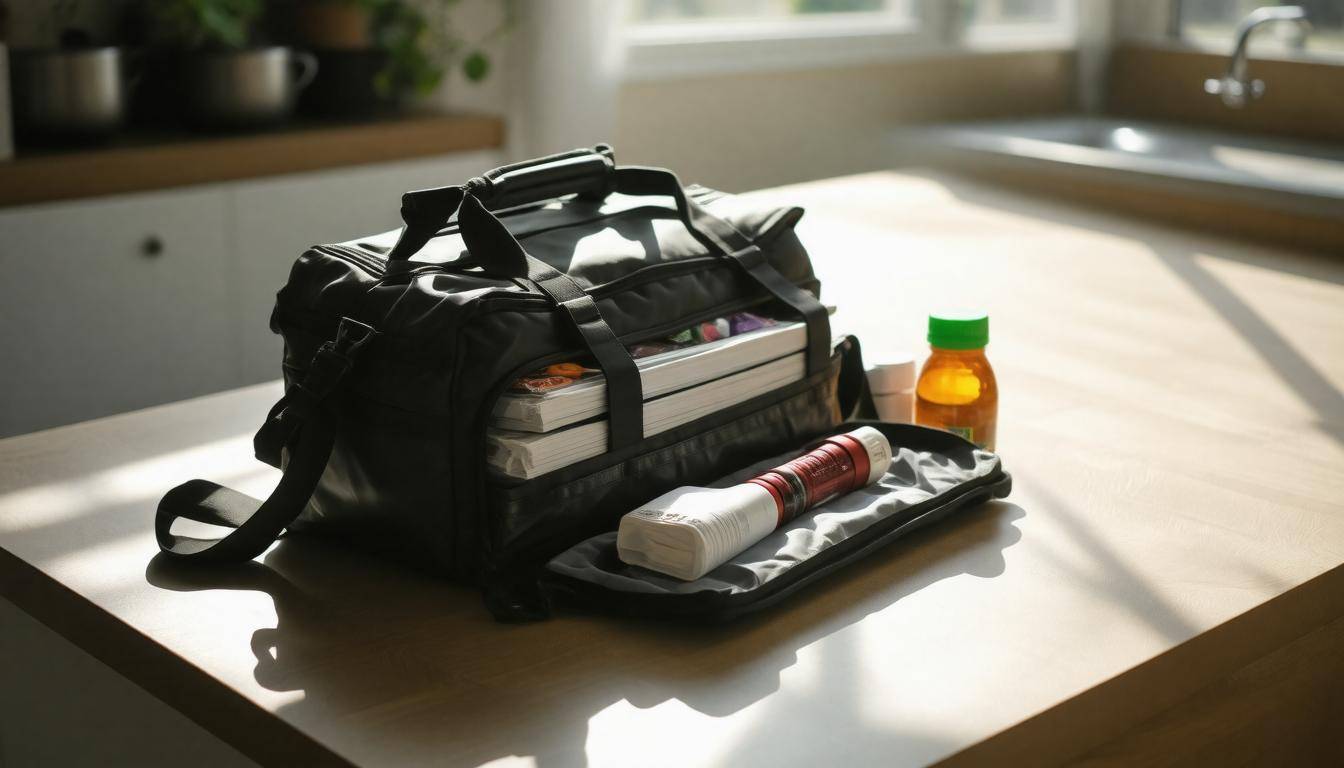
Start by thinking about the essentials that you and your family will need in case of an emergency. An effective evacuation bag should be compact but comprehensive, ready to grab at a moment’s notice when disaster strikes.
Personal Essentials
At the forefront of your packing should be personal items that will provide comfort and safety. Include a change of clothes for each family member—think layers rather than bulky items, as this helps with space management. Sturdy shoes are also crucial; you want something that can withstand rugged terrain if necessary. Don’t overlook personal hygiene items, like toothbrushes and toothpaste, since maintaining hygiene contributes significantly to overall well-being even in uncomfortable situations.
Next, let’s move on to what could be the difference between managing a minor injury or facing a serious health crisis.
Critical Supplies
Medications should take priority in your evacuation bag. Ensure you have enough supply for at least a few days, especially for chronic conditions requiring continuous treatment. Pair this with a compact first-aid kit—one that includes antiseptics, band-aids, pain relievers, and any specialized supplies relevant to your family’s unique health needs. If you’re wearing glasses or using any medical devices like inhalers or diabetic supplies, make sure these are stored securely in an easily accessible pocket within your bag.
While we often rely on technology for convenience, some things cannot be replaced by digital means.
Vital Documents
Important documents are another crucial aspect of your evacuation preparation. Consider collecting passports, insurance papers, medical records, and bank information beforehand. Store these documents in waterproof bags to protect them from unexpected water damage. Having duplicates of critical items can offer peace of mind, so think about keeping digital copies on a secure cloud platform too. This way, in case the physical copies are lost or damaged, you’ll still have access when you need them most.
Emergencies can be stressful for everyone involved, especially children who might find themselves feeling anxious or unsettled.
Entertainment and Comfort Items
To keep spirits high during relocation or displacement, pack some entertainment and comfort items as well. Small toys, like action figures or dolls, can provide solace for younger kids. For older children and adults alike, consider including books or puzzles that engage hands and minds—this can help pass the time and provide a distraction from the chaos around them. It’s all about creating moments of calm amid uncertainty.
Having prepared these essential items not only equips you for physical challenges but also lays the groundwork for planning safe routes and strategies during emergencies.
Evacuation Planning and Routes
Knowing your evacuation routes is more than just finding the quickest way out; it’s about safety and preparedness. For those living in Saint John, understanding the geography and infrastructure of your community is vital. The last thing you want is to find yourself stuck in traffic while the floodwaters rise. Therefore, familiarize yourself with both major roads and less-traveled paths that could serve as alternatives during an emergency.
Identify Safe Areas
Saint John offers several designated evacuation zones such as schools and community centers, which have been established as safe havens during a coastal flooding event. Recognizing these locations not only helps streamline your escape but also provides peace of mind knowing where you can seek refuge if necessary. Take some time to pinpoint these areas on a map and, when possible, visit them well ahead of time. Consider factors like travel distance from your home and accessibility for all family members, especially in case mobility is an issue.
Plan Multiple Routes
Simply knowing where to go isn’t enough; you should also plot out multiple evacuation routes. Weather-related incidents can cause unpredictable road closures or detours, so having backup options can be a game-changer. Utilize a combination of tools—smartphone navigation apps like Google Maps or Waze can provide real-time updates on traffic conditions while printed maps offer a reference point free from reliance on technology that may fail during emergencies. Prioritize routes that avoid low-lying areas, bridges prone to flooding, or regions known for heavy traffic jams.
Remember: Keeping both main throughways and side streets in mind creates flexibility during critical moments.
Coordinate with Neighbors
It’s beneficial to involve your neighbors in your evacuation plans too. Establishing a community network can significantly enhance communication and resource-sharing during emergencies. Discuss who has access to vehicles with larger capacities, or learn who might need assistance evacuating, particularly those who live alone or have disabilities. Organizing group check-ins helps ensure everyone makes it to safety. Create a shared messaging system—be it through local social media groups or apps like Nextdoor—to disseminate vital information quickly when disaster strikes.
As you build this comprehensive plan surrounding evacuation routes and safe zones, remember that effective communication plays a crucial role in ensuring everyone’s safety during challenging times. This brings us to strategies that facilitate clear interaction in moments of urgency.
Communication During Emergencies
In times of crisis, having a clear and reliable communication strategy can make all the difference. Picture yourself in the midst of a coastal flooding event, the winds whipping around you, and the rain pouring down. In moments like these, it’s crucial to connect with family and friends to ensure everyone’s safety—and that’s where effective communication comes in.
Multiple Communication Channels
Relying solely on one mode of communication can leave you stranded when the unexpected occurs. That’s why diversifying your tools is essential for staying informed and connected. For instance, keep your cell phone charged with emergency power banks or solar chargers, making it easier to send texts or make calls even during power outages. Social media platforms can also facilitate quick information sharing when local authorities issue updates or warnings. Pair this with traditional methods like listening to local radio stations for updates, which can be especially helpful if internet service is down.
Remember: It may feel overwhelming, but choosing multiple tools enhances your safety net.
Family Communication Plan
Now that you have a variety of ways to communicate, consider designing a family communication plan. Designate an out-of-town contact who won’t be directly affected by the local emergency as your go-to person for reporting statuses and updates. This could be a relative or friend living elsewhere who can relay messages among family members. Ensuring everyone knows this person’s number means that if communication within your immediate area is disrupted, you still have a channel open to share critical updates.
Moreover, mapping out a communication tree can simplify reaching out; if one person doesn’t respond, the next individual in line can take steps to check in or provide assistance.
Emergency Contact List
To enhance your preparedness further, maintain an Emergency Contact List that includes key numbers such as:
- Local emergency services
- Family doctor
- Insurance company
- Saint John Emergency Management Organization (SJEMO) emergency line
It’s wise to write these numbers down on paper as backup in case digital devices are unavailable during an emergency. By organizing these essentials ahead of time, you’ll save valuable moments that could matter significantly during an actual crisis.
Regularly review this contact list—and update it after any changes—so that every family member feels confident about whom to reach out to during emergencies.
With effective communication strategies clearly established and roles defined, you’re better equipped not only to stay updated on conditions but also to coordinate responses and check on loved ones as you navigate the challenges posed by nature’s unpredictable forces.
Safety Tips During Floods
Avoiding flood waters should be your first line of defense. It’s instinctual to want to walk or peer into those rushing torrents; however, I can’t emphasize enough how deceptive flood waters can be. They may appear manageable on the surface but can conceal hidden dangers, like sharp debris or sudden drop-offs. It takes just a few inches of moving water to sweep a person off their feet.
Therefore, whether you’re considering walking or driving, always err on the side of caution—your safety is paramount.
Alongside avoiding flood waters, being aware of electricity hazards is equally important when coping with floods.
When it comes to electricity precautions, remember that water and electricity are a volatile combination. Staying clear of any electrical equipment is imperative during flooding events. If water infiltrates wires or outlets, it poses a substantial risk of electrocution. The danger isn’t just theoretical; according to the CDC, about 60% of flood-related deaths occur due to electrical hazards. Just consider how often we rely on electricity for even the simplest of tasks—when the power goes out due to flooding, it can create chaos, so don’t take unnecessary risks.
Finally, staying informed throughout the event can significantly enhance your ability to stay safe.
Always keep updated with local news or SJEMO updates related to flooding conditions in your area. Monitoring real-time information allows you to adjust your plans as circumstances change rapidly. Whether through broadcasts on TV, radio alerts, or official social media channels, receiving live updates helps alleviate anxiety while ensuring you have access to current safety tips and action recommendations. Remember that knowledge truly is power in emergency situations—by staying informed, you’re better prepared to make decisions that could protect you and your loved ones.
Once you’ve navigated these immediate concerns, it will be essential to focus on what comes next in your recovery journey.
Post-Flood Recovery Steps
Recovery from flooding is not just about restoring order; it’s about rebuilding your sense of security and peace. The first thing to remember is patience; this recovery process can be lengthy and requires diligence in every step to ensure your home and health remain intact.
Initial Assessment
Before you step back into your home, wait until authorities have declared it safe to do so. Once inside, carefully assess any structural damage. Look for cracks in walls, sagging ceilings, or buckled floors. A thorough assessment will give you a clear idea of the repairs needed. If you notice anything concerning, it’s best to consult with a professional before proceeding further.
Your safety is paramount, so hindered exits or unstable structures are serious concerns that could necessitate calling in experts for a detailed inspection.
Document Damage
Next comes documentation. Using your smartphone or a camera, take clear photographs or videos of all visible damage. Capture everything, from water stains on walls to items that need replacing. This visual record will be invaluable when filing insurance claims or applying for disaster relief funds. Keep these documents organized and accessible, as they will help expedite the claims process.
Having completed the initial assessment and documentation, it’s time to focus on making your space safe and livable again.
Clean and Disinfect
Cleaning is essential post-flooding to reduce health risks caused by contaminated water. Start this process by wearing protective gear like gloves and masks. Using an EPA-approved disinfectant is key in cleaning surfaces that came into contact with floodwaters. Pay special attention to areas like kitchens and bathrooms, where germs thrive.
Saint John Health Services provide specific guidelines on safely dealing with flood-contaminated water and the necessary steps to mitigate health risks associated with mold growth and bacterial infections.
Remember, lingering moisture can lead to mold within 24-48 hours—cleaning early and thoroughly gives you a fighting chance against it taking hold.
Seek Financial Assistance
Finally, after assessing the damage, documenting it, and cleaning your space, look into financial aid options. Apply for disaster relief funds or government assistance programs that may be available to those affected by flooding. Such resources not only provide essential funding for repairs but also ease some of the burdens on overwhelmed homeowners during recovery.
Navigating through recovery might seem daunting—but taking these structured steps helps ensure that your efforts yield lasting results while keeping you healthy and safe as you restore your home.
In facing the aftermath of flooding, remember that support systems exist to assist you in this challenging journey toward recovery. Utilize these resources to help regain stability in your life.
How can I stay informed about coastal flooding risks and alerts in the Saint John area?
To stay informed about coastal flooding risks and alerts in the Saint John area, subscribe to local government and emergency management newsletters, follow social media accounts of organizations like Environment Canada, and download weather alert apps. According to recent statistics, regions that actively participate in real-time monitoring and alerts can reduce response times by up to 30%, ensuring you’re better prepared for potential flooding events. Additionally, consider joining community preparedness groups to share information and resources.
Are there any local resources or community programs available to assist with flood preparedness?
Yes, Saint John, NB has several local resources and community programs to assist with flood preparedness. The City of Saint John offers a Flood Preparedness Guide that provides valuable information on how to prepare for coastal flooding. Additionally, the New Brunswick Emergency Measures Organization (EMO) hosts workshops and online resources to educate residents about flood risks and response strategies. According to recent surveys, participating in local preparedness programs can increase individual readiness by up to 40%, demonstrating the effectiveness of community engagement in enhancing flood resilience.
How can I assess my home’s vulnerability to coastal flooding in Saint John?
To assess your home’s vulnerability to coastal flooding in Saint John, begin by researching the local flood risk maps provided by municipal authorities and the government, which indicate areas subject to flooding based on historical data. Evaluate your property’s elevation relative to sea level—properties below 3 feet are particularly susceptible during storm surges. Additionally, inspect your home for existing drainage issues and consider consulting with local experts who can provide insights tailored to your specific neighborhood. In Canada, it’s estimated that over 200,000 homes are at risk of coastal flooding due to climate change—be proactive to ensure your safety and security.
What steps should I take to create an emergency plan for my family in case of flooding?
To create an effective emergency plan for your family in case of flooding, start by identifying a safe location, such as higher ground or a designated evacuation center. Ensure that all family members know how to access this location and establish a communication plan to stay in touch if separated. Prepare an emergency kit containing essential items like water, non-perishable food, medications, first-aid supplies, and important documents. According to statistics from the Canadian Institute for Climate Choices, flooding events have increased by over 50% in some regions over the past decade, highlighting the need for preparedness. Regularly review and practice your plan with your family to enhance readiness in the event of an emergency.
What specific items should be included in a Coastal Flooding Preparation Kit for residents of Saint John, NB?
A Coastal Flooding Preparation Kit for residents of Saint John, NB, should include essential items such as a supply of clean water (at least one gallon per person per day for three days), non-perishable food, a first-aid kit, flashlights with extra batteries, important documents in waterproof bags, personal hygiene items, and a battery-powered or hand-crank radio. Additionally, it’s wise to have a whistle to signal for help, local maps, and sturdy footwear. With the frequency of coastal flooding events on the rise—Saint John has experienced numerous significant flood incidents over the last decade—being prepared can save lives and minimize chaos in emergencies.