
When it comes to preparing for unexpected situations, we often think about the essentials like water and non-perishable foods. But have you ever considered how salt and spices can make a huge difference in those moments? Not only do they help elevate the flavor of your meals, but they also play a crucial role in food preservation—making them must-have items in any emergency food storage plan. With simple seasonings, you can turn bland staples into delicious dishes, even when options are limited. In my own journey of stockpiling supplies, I’ve learned that having the right ingredients on hand makes cooking not just possible but enjoyable during tough times. Let’s dive into why these humble ingredients should be at the top of your preparedness list.
Salt and spices are crucial in emergency food storage because they not only enhance the flavor of otherwise bland staple foods, but they also have long shelf lives and can be stored safely for extended periods. Properly stored salt remains indefinitely edible, while whole spices retain their potency longer than pre-ground options, ensuring that your meals remain enjoyable even during emergencies.

Vital Role of Salt and Spices
Salt isn’t just a flavor enhancer; it plays an essential role in food preservation, acting as a natural preservative that inhibits harmful bacteria, molds, and yeasts. With its hygroscopic properties, salt draws moisture away from foods—helping to create an inhospitable environment for spoilage organisms. It’s a concept that’s been used for centuries, whether you’re curing meats or simply adding seasoning to your pantry staples. But did you know that salt is effectively forever? When stored in airtight containers away from moisture, it can last indefinitely, making it an invaluable asset to any emergency food stockpile.
Consider this: while a simple bowl of rice may seem unappetizing on its own, the addition of salt or spices can transform it into a flavorful meal. Salt brings out the natural flavors of ingredients, enhancing the overall dining experience during challenging times when morale might be low. You’ll find that having quality salt on hand can make even the most basic meals feel hearty and fulfilling.
In fact, a diverse spice selection adds not only flavor but also nutritional benefits to your meals, contributing essential antioxidants and vitamins.
Recommended Types of Salt
When selecting salt for long-term storage, you have several options—table salt, sea salt, and kosher salt among them. Each type has unique characteristics that make them suitable for different purposes:
| Type | Description | Shelf Life |
|---|---|---|
| Table Salt | Fine granules, often iodized; excellent for cooking | Indefinite |
| Sea Salt | Coarse texture with trace minerals; good for seasoning | Indefinite |
| Kosher Salt | Flaky crystals favored by chefs; easy to pinch | Indefinite |
Choosing a variety ensures versatility in your cooking while contributing to shelf stability. Beyond just using salt for flavoring, it’s important to recognize its ability to preserve other pantry essentials.
Now let’s not forget about herbs and spices; their contributions to both preservation and taste in emergency situations are equally significant.
Essential Herbs and Spices
Just like salt, many herbs and spices also possess antimicrobial properties that help guard against spoilage while enhancing the flavor of your stored food supplies. Spices such as black pepper, garlic powder, onion powder, and oregano not only boost taste but can last anywhere from two to four years when properly stored.
- Black Pepper: Adds warmth and complexity; great for preserving meats.
- Garlic Powder: Provides flavor with health benefits; known for its potential anti-fungal properties.
- Oregano: High in antioxidants; enhances Italian dishes.
- Onion Powder: Offers savory depth; perfect base for many recipes.
When choosing spices for long-term storage, whole spices like peppercorns or cumin seeds are preferable over pre-ground versions due to their longer shelf life and preserved flavors. Whole spices can retain their potency for up to 15 years when stored correctly!
Consequently, the way you store these vital ingredients is just as important as the types you choose.
Storage Techniques for Longevity
Storing your salt and spices properly will significantly stretch their life expectancy. Using airtight containers that shield them from moisture is paramount—consider mylar bags or mason jars fitted with oxygen absorbers to enhance freshness further. Keeping them in dark pantries or cupboards can also protect them from light exposure that tends to degrade quality over time.
An integral part of effective emergency preparedness is having access to not only adequate food supplies but flavorful ones as well—because let’s face it, nobody enjoys eating bland meals day after day. Understanding how these ingredients contribute to preservation and taste enhancement will ensure you are ready for any situation that arises.
With a solid understanding of these essential components at hand, we can now uncover which specific varieties will best support your preparedness strategy.
Types of Salt and Spices to Store
Types of Salt
Table Salt: This is probably what most people have in their kitchens. It’s reliable for cooking and preserving food because it contains iodine, an essential nutrient that many people need. It’s widely accessible and affordable, making it a staple for any emergency food storage.
Sea Salt: This type has garnered popularity for its unique flavor profile, which comes from the trace minerals harvested during its production. Unlike regular table salt, sea salt is crafted through evaporating seawater, and it retains a bit of its natural nutrients. Think of it as a richer seasoning that not only enhances taste but also adds a slight nutritional boost.
Kosher Salt: If you’ve ever watched cooking shows, you may have noticed chefs reaching for kosher salt. Its coarse grains make it easy to pinch and sprinkle, allowing for better control when seasoning dishes. Besides its culinary prowess, it’s also excellent for koshering meats – hence the name! Plus, its texture can enhance the overall flavor experience when added to meals.
Types of Spices
Black Peppercorns: These little gems pack quite the flavor punch while outperforming their ground counterparts in terms of freshness. When you use whole peppercorns, you unleash the oils that bear the spice’s rich flavor only when crushed or ground. So keep a good stockpile handy; it will not only elevate your dishes but retain potency over time.
Turmeric: It might not be the first spice that comes to mind, but turmeric deserves a spot on your shelf due to its outstanding anti-inflammatory property called curcumin. In stressful situations or emergencies, this vibrant yellow spice can offer numerous health benefits, enhancing both food and wellbeing.
Cinnamon: You might think of cinnamon as a seasonal spice best reserved for autumn treats, but its benefits extend far beyond pumpkin pie. Not only does it add warmth to sweet and savory dishes alike, but research also suggests it may help regulate blood sugar levels—something worth considering in high-stress situations when easy access to comforting flavors can soothe nerves.
With these various types of salt and spices in mind, it’s crucial to explore effective packing methods to maximize their shelf life and ensure they’re ready for use during emergencies.
Packaging for Longevity
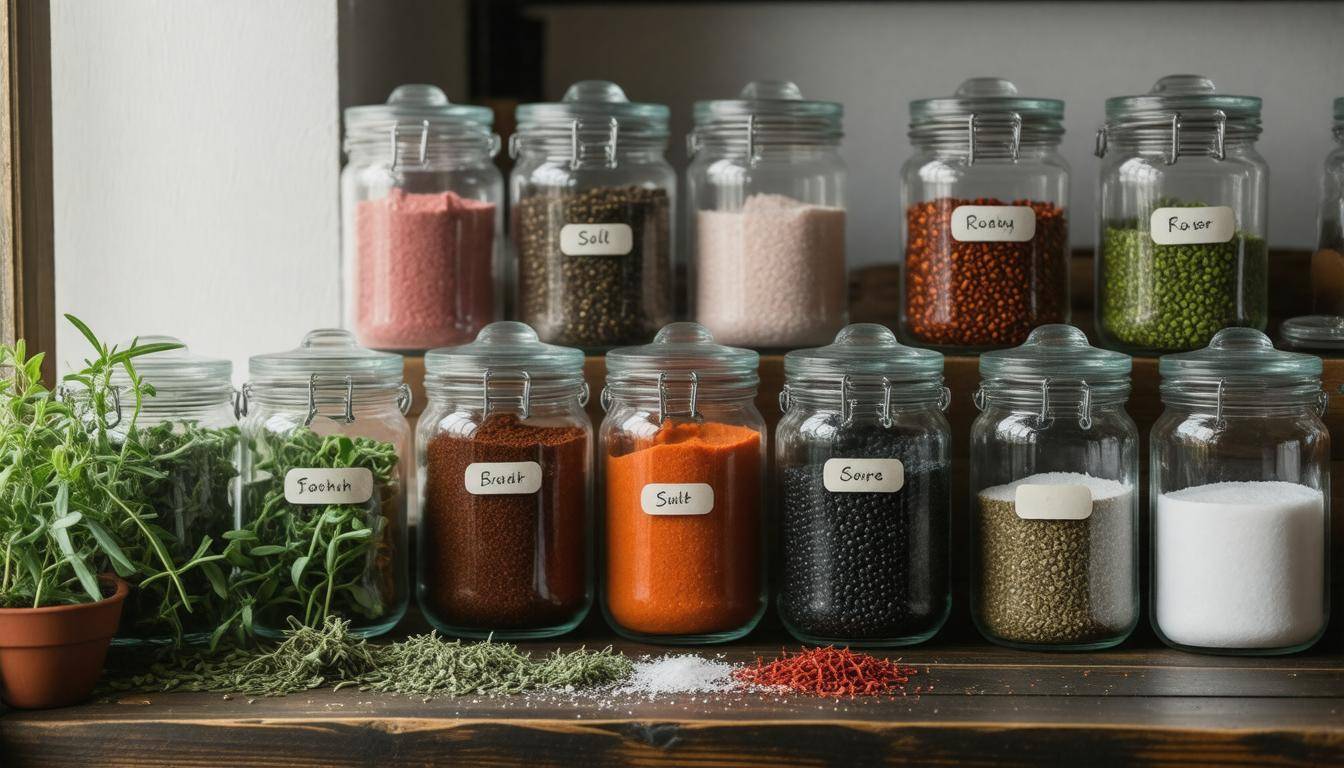
The art of packaging goes beyond simply tossing spices into any container you find; it’s a process that safeguards what makes them special. One of the top ways to start this process is by utilizing Mylar bags. These multi-layered pouches work wonders in blocking out light and moisture, which are two of the main enemies of spice longevity.
When I first started storing my spices, I learned that sealing them in small quantities makes a big difference. It prevents the entire stockpile from being exposed to air every time I reach for a sprinkle. This little step drastically reduced spoilage.
Step-by-Step Guide for Packaging
Building on this foundation, next up are oxygen absorbers. Adding these tiny packets to your Mylar bags will help capture any remaining oxygen that can cause spices to lose their punch over time. I remember being surprised at how effective these simple additions were in prolonging the freshness of my favorite seasonings.
Finally, we come to vacuum-sealed mason jars. These are fantastic for bulkier herbs and spices. After years of experimenting, I found that once I filled my jars and vacuum sealed them, they maintained their flavor remarkably well. Plus, mason jars are durable and reusable, making them an environmentally friendly option. Each layer of protection contributes to keeping your ingredients thriving longer.
| Packaging Method | Benefits | Drawbacks |
|---|---|---|
| Mylar Bags | Blocks light and moisture | Requires heat sealer |
| Oxygen Absorbers | Extends shelf life by absorbing oxygen | Single-use |
| Vacuum Sealed Mason Jars | Air-tight, durable, reusable | Requires a vacuum sealer |
After understanding these methods, you might wonder—how long do my well-packaged spices actually last? That’s where things get interesting.
While some might assume that all packaged products have limitless longevity, it’s crucial to note they do have a lifespan that varies depending on the type of spice or salt stored.
As we consider these lifespans, it’s also vital to understand how different conditions can affect the duration and quality of your stored seasonings.
Shelf Life of Seasonings

When it comes to spice storage, not all are created equal. Whole spices, like peppercorns and cumin seeds, boast a longer shelf life compared to their pre-ground relatives. This is largely due to their intact structure, which helps preserve essential oils and flavors that tend to dissipate more quickly when ground. For instance, whole peppercorns can maintain their robust properties for up to four years when stored appropriately. Meanwhile, ground pepper typically begins to lose its zest in just one year, leaving your dishes bland at a time when flavor is most crucial.
According to the USDA guidelines, dried herbs can keep their flavor intact for about three years under optimal conditions. However, it’s essential to note that this timeframe shortens drastically if exposed to heat, moisture, or light—common factors in everyday kitchens. In contrast, salt is a true champion in the pantry with its indefinite shelf life. Properly sealed and kept away from contaminants, it remains as good as new indefinitely.
“Proper storage conditions can mean the difference between freshness and flavorlessness.”
With these timelines in mind, maintaining awareness of your stock becomes key for efficient management.
Establishing clear storage techniques will enhance the longevity of your seasonings and ensure they’re always ready for use. For example, opting for whole spices allows you to grind or crush them only as needed, keeping the rest stored safely for future dishes. Moreover, storing in airtight containers—like Mason jars with oxygen absorbers or vacuum sealing—helps mitigate exposure to air and moisture.
Keeping Spices Fresh
- Salt: Indefinite shelf life if kept dry.
- Black Peppercorns: Lasts 3-4 years; avoid using pre-ground when possible.
- Garlic Powder and Onion Powder: Retain full flavor for approximately 3-4 years.
- Oregano and Thyme: Best consumed within 1-2 years for maximum potency; can last up to 3 years overall.
Maintaining a detailed inventory of your spices alongside proper rotation—using older stock before new—will make sure you’re never caught without essential flavors just when you need them.
Being proactive about spice storage is a small effort that pays immense dividends during emergencies or daily cooking adventures. As we navigate the essentials of emergency preparedness, let’s now focus on developing a structured approach to your essentials.
Planning Your Stockpile
To create a reliable stockpile of salt and spices, careful planning is your best ally. Start by calculating your daily usage so you understand how much you’ll really need. For instance, if your family consumes about half a teaspoon of salt daily—this might seem negligible—but multiply that by all your meals over a month, and you’ll see how quickly it adds up. When preparing for emergencies, it’s wise to overestimate just a bit, ensuring you don’t run short when you most need it.
-
A family of four may find that storing around 10 pounds of salt is sufficient for a full year.
-
Keep in mind the importance of inventory management. Check expiration dates regularly and use a First In, First Out (FIFO) approach. This means consuming the oldest supplies first to prevent any from going bad unnoticed in the back of your pantry.
-
Diversifying your stock is equally essential. Store a variety of spices, some specifically for preservation while others are great for enhancing flavor. Think about your culinary habits; do you enjoy grilling? Perhaps invest more heavily in spices like paprika or garlic powder.
For example, in addition to salt, consider stocking 5 pounds of black peppercorns and around 3 pounds each of popular spices such as chili powder, oregano, and turmeric. These quantities ensure that you won’t feel limited in your cooking during trying times.
Additionally, think about the long-term impact of growing herbs at home. Not only will fresh herbs elevate your meals to impressive heights, they’ll also serve as a continuous supply into the future.
Exploring its benefits can significantly enhance both your cooking experience and emergency preparedness.
Growing Your Own Herbs
Gardening offers a sustainable way to keep fresh herbs on hand, and herbs like basil, mint, thyme, rosemary, and oregano are relatively easy to grow. These culinary treasures not only add flavor to our meals but also bring numerous health benefits. When considering which herbs to start with, think about flavors you often use; choosing what you’ll actually enjoy will make your efforts more rewarding. Many of these herbs are perennials, meaning they will come back year after year with proper care.
Growing Indoors: If space is a concern, using hydroponic systems can help keep herbs growing year-round, regardless of the weather outside. This method allows you to control light and moisture levels precisely, encouraging quick growth. Hydroponics requires an initial investment in supplies but pays off when you have a consistent supply of fresh herbs at your fingertips.
I set up a small herb garden on my balcony with just a few pots and potting soil, giving me fresh herbs to use in both daily meals and emergency situations. It was surprisingly simple; all I had to do was ensure they received adequate sunlight for around 6 to 8 hours each day. Regular watering kept the plants vibrant, while occasional trimming encouraged fuller growth. The satisfaction of snipping a sprig of basil or rosemary just before adding it to a dish is hard to beat.
To get started on your own herb garden, consider these essential tips: select easy-to-grow varieties like basil, mint, and thyme; provide them with bright light; and remember that they thrive in well-drained soil.
Homegrown herbs aren’t the only useful item; knowing how to utilize them during different circumstances is equally important as understanding how to grow them. Expanding our knowledge further reveals the myriad ways spices can enhance our food preservation strategies.
Culinary Uses in Emergencies
When faced with limited food supplies, creativity in the kitchen becomes essential. One of the most powerful tools at your disposal is salt. It serves not only as a flavor enhancer but also plays a critical role in food preservation. For example, a simple brine made from salt and water can keep meats fresh longer by inhibiting bacterial growth. This method can significantly extend the shelf life of protein sources when traditional refrigeration isn’t available, making it invaluable during emergencies.
Similarly, spices allow you to breathe life into otherwise bland ingredients such as grains and legumes. Instead of settling for plain rice or beans, think of how a pinch of garlic powder or a dash of paprika introduces a burst of flavor that can elevate your meals dramatically.
Here’s a quick look at how to maximize flavor during tough times:
-
1. Marinating Meats: Combine salt, pepper, and dried herbs for a simple marinade that brings out the best in your proteins before cooking.
-
2. Flavor Boosters: Adding just a pinch of cinnamon to sweet dishes or turmeric to soups not only enhances taste but also increases nutritional benefits.
The power of seasoning cannot be understated when attempting to create satisfying meals under challenging conditions. According to research from Prepper’s Digest, meals that were prepared with added seasonings resulted in a 40% increase in satisfaction among participants during emergency drills. This statistic highlights how even small tweaks can turn basic sustenance into something worth enjoying.
Knowing which storage products to use can also make a huge difference in maintaining these valuable culinary staples over time.
With the right techniques for using salt and spices established, it’s now important to explore optimal storage solutions for keeping these essentials fresh and accessible during emergencies.
Top Spice Storage Products
When it comes to keeping your spices as flavorful as the day you opened them, investing in quality storage solutions is paramount. Among the most popular options, Ball Mason Jars stand out because not only are they airtight, but they also offer sturdy protection against light, moisture, and air—factors that can diminish spice potency.
The clear glass allows you to see what’s inside at a glance, and their reusability makes them an environmentally friendly choice. Whether you buy spices in bulk or fill them with homemade blends, these jars help maintain the integrity of your culinary treasures.
Another valuable tool for serious spice aficionados is the FoodSaver Vacuum Sealer. This device goes a step further by removing all air from the packaging before sealing. Think of it as a time capsule for flavor! By creating a vacuum seal, you prevent oxidation, thereby extending the shelf life significantly beyond standard storage methods. It’s particularly useful for larger quantities of spices or mixtures that you want to preserve for extended periods; nothing feels quite like opening a packet of perfectly preserved herbs months later.
NEXT IN LINE FOR LONG-TERM STORAGE are mylar bags equipped with oxygen absorbers. These bags are particularly noteworthy because they create an almost impenetrable barrier against moisture and light. Ideal for long-term strategies, mylar bags can keep your spices viable for years if stored correctly. The use of oxygen absorbers is a game changer; they effectively limit the presence of air inside each bag, further enhancing preservation.
Here’s a quick rundown of products that will optimize the longevity of your spices:
-
Ball Mason Jars: Great for daily use and visibility.
-
FoodSaver Vacuum Sealer: Essential for preserving bulk.
-
Mylar Bags with Oxygen Absorbers: Perfect for prolonged durability during emergencies.
By adopting these storage practices and utilizing these products, you’re not just organizing your kitchen; you are ensuring that your salt and spices retain their unique flavors and health benefits when you need them most. Comfort food during an emergency often includes familiar flavors that evoke feelings of safety and home, making these carefully stored seasonings invaluable when stress levels are high.
In summary, effective spice storage can transform your emergency food supply into a comforting lifeline during challenging times. This approach not only enhances the taste of your meals but also contributes positively to your mental well-being.
What recipes can incorporate salt and spices for easy meal preparation during an emergency?
In an emergency, recipes like spiced rice, salt-cured beans, or seasoned vegetable soups are ideal for quick meal preparation using salt and spices. For instance, adding a blend of garlic powder, cumin, and salt to canned tomatoes can create a flavorful soup in minutes. A study shows that 75% of households are more likely to prepare meals with stored ingredients when they have flavorful spice options available, emphasizing the importance of these essential ingredients in enhancing taste and encouraging home cooking during emergencies.
What types of salt are best for long-term storage in emergency kits?
For long-term storage in emergency kits, the best types of salt are Himalayan pink salt, sea salt, and kosher salt. These salts have low moisture content and high mineral content, which aids in preservation. Himalayan pink salt can last indefinitely if kept dry, while sea salt and kosher salt also have a long shelf life, often exceeding five years when stored in airtight containers away from moisture. Their versatility in flavor enhancement and preservation makes them essential for emergency food storage.
Which spices have the longest shelf life and provide the most benefits during emergencies?
Spices like black pepper, cinnamon, and garlic powder boast some of the longest shelf lives, often exceeding 4-5 years when stored properly. Black pepper not only enhances flavor but also has antioxidant properties, while cinnamon can help with blood sugar regulation and offers antimicrobial benefits. Garlic powder is known for its immune-boosting properties, making it invaluable in emergency food supply situations. These spices not only improve the palatability of stored foods but also contribute to overall health during stressful times.
Are there any health considerations when using salt and spices in emergency food storage?
Yes, there are health considerations when using salt and spices in emergency food storage. High sodium intake from excessive use of salt can lead to hypertension and cardiovascular issues; according to the CDC, nearly half of all adults in the U.S. have high blood pressure, which can be exacerbated by salt overconsumption. Additionally, some spices may cause allergic reactions or interact with medications. It’s essential to balance flavor enhancement with health risks by using salt and spices judiciously, ensuring a nutritious and safe food supply during emergencies.
How should salt and spices be stored to ensure they remain effective over time?
To ensure salt and spices remain effective over time, they should be stored in airtight containers away from light, heat, and moisture, as these elements can degrade their potency. For instance, ground spices typically maintain their aroma and flavor for about 2-3 years when stored properly, while whole spices can last up to 4 years or more. Utilizing dark glass or non-transparent plastic containers can preserve their quality by blocking out light, and keeping them in a cool, dry pantry will help retain their essential oils and flavors for emergency cooking needs.