
When life throws unexpected challenges our way, finding the right support can feel overwhelming. The Salvation Army Emergency Services stands ready to help, providing essential resources for those caught in tough situations. Whether it’s financial aid during a sudden crisis or a warm meal after a disaster, their dedicated teams work tirelessly to ensure that no one faces hardship alone. Throughout this guide, we’ll explore the various services offered by the Salvation Army, how they adapt to meet regional needs, and what steps you can take to access crucial support when it’s needed most. Let’s dive in!
The Salvation Army Emergency Services Regional Guide outlines a range of critical services, including disaster relief, shelter assistance, food distribution, and emotional support for individuals and families affected by crises. It also provides contact information and resources specific to various regions, ensuring access to necessary support during emergencies.
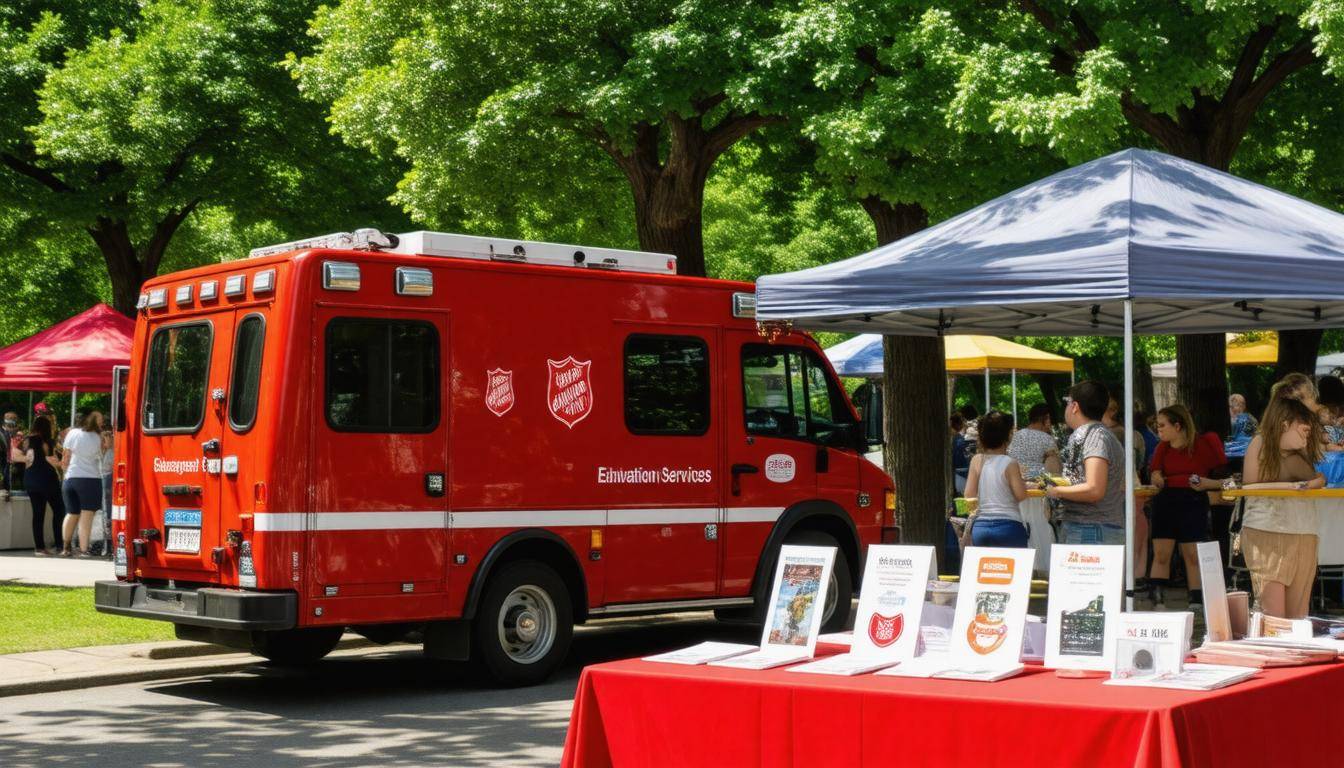
Services Offered by the Salvation Army
One of the most impactful services offered by the Salvation Army is food assistance. They run numerous food pantries and emergency distribution centers that serve as crucial lifelines for families facing hunger. Imagine walking into one of these centers, where shelves are stocked with nutritious items—canned goods, grains, and fresh produce—all made possible by the Salvation Army’s commitment to fighting hunger. A staggering statistic from 2021 shows they distributed over 56 million meals across the United States. Their mobile feeding programs further exemplify their dedication; by reaching those unable to visit local pantries, they ensure nourishment is available even in the most difficult circumstances.
However, food assistance is only one piece of the puzzle; financial stability is equally vital for many families, especially in tough times.
This brings us to their financial assistance programs, which provide support for essential needs like rent, utilities, and transportation. These resources are crucial for those at risk of homelessness or dealing with sudden financial crises. Picture a single parent who has just lost their job—accessing help for basics like rent can prevent them from being evicted and losing everything they’ve worked hard for. The Salvation Army acts not only as a resource but as a beacon of hope during challenging times.
As we consider physical needs, let’s not overlook another critical aspect: medical aid.
The Salvation Army’s medical aid services fill significant gaps for individuals lacking health insurance. Through free clinics and partnerships with healthcare providers, they deliver essential health services to communities in need. During the pandemic alone, they provided over 1.6 million hours of health-related services. This access to care makes a profound difference—I’ve seen firsthand how a simple check-up or treatment can transform someone’s life, leading to better health outcomes.
Meanwhile, it’s important to remember that holistic support goes beyond physical health—it also encompasses emotional well-being.
Thus, their focus on mental health support becomes pivotal. The organization offers counseling services and addiction recovery programs at various centers aimed at supporting individuals battling mental health challenges or substance abuse issues. It’s more than providing a service; it’s about creating a safe space where people feel empowered to seek help. The stories shared by those who find relief through these programs often speak volumes about the importance of addressing mental wellness alongside physical needs.
Understanding these varied services reveals how this organization plays a critical role in fostering resilience and recovery within communities during their most desperate moments. As we explore further, let’s shift our attention to other avenues of support available to those in need.
Emergency Assistance and Resources
The Salvation Army’s emergency assistance programs are a lifeline for individuals and families experiencing crises. From the moment a disaster strikes, Rapid Response Teams spring into action, equipped not just with supplies, but also with hope and compassion. These teams quickly assess needs, ensuring that crucial resources are provided without delay. Imagine witnessing a neighborhood torn apart by a sudden natural disaster; seeing these teams arrive can give victims their first glimmer of hope, particularly when paired with warm meals and comforting words.
Furthermore, Emergency Financial Aid plays an essential role in mitigating the impacts of unforeseen financial hardships. Whether it’s unexpected medical bills or job loss, many families find themselves on a tightrope between survival and collapse. This program offers short-term financial support to bridge that gap, helping families avoid eviction or keep their utilities running while they find their footing again.
In times of need, clothing and bedding are among the most cherished resources. Losing your home means losing personal items that hold physical and emotional significance too. With Clothing and Bedding distribution centers, the Salvation Army helps people reclaim familiarity by providing essentials that offer warmth during difficult times.
The urgency of shelter cannot be overstated in emergency situations. Temporary Shelters serve as safe havens for displaced individuals who have nowhere else to turn. Picture this: someone emerges from a crisis holding onto their only remaining belongings — frantic, searching for safety and solace. These shelters provide not just a roof over one’s head but also a supportive environment where individuals can connect with others facing similar challenges.
Beyond just delivering services, the effectiveness of these initiatives relies significantly on community involvement and regional collaboration. Each area has its specific needs; understanding these local dynamics ensures that assistance is timely and relevant. As we move forward, it’s important to explore how different locations specifically cater to those in need.
Regional Shelters and Locations
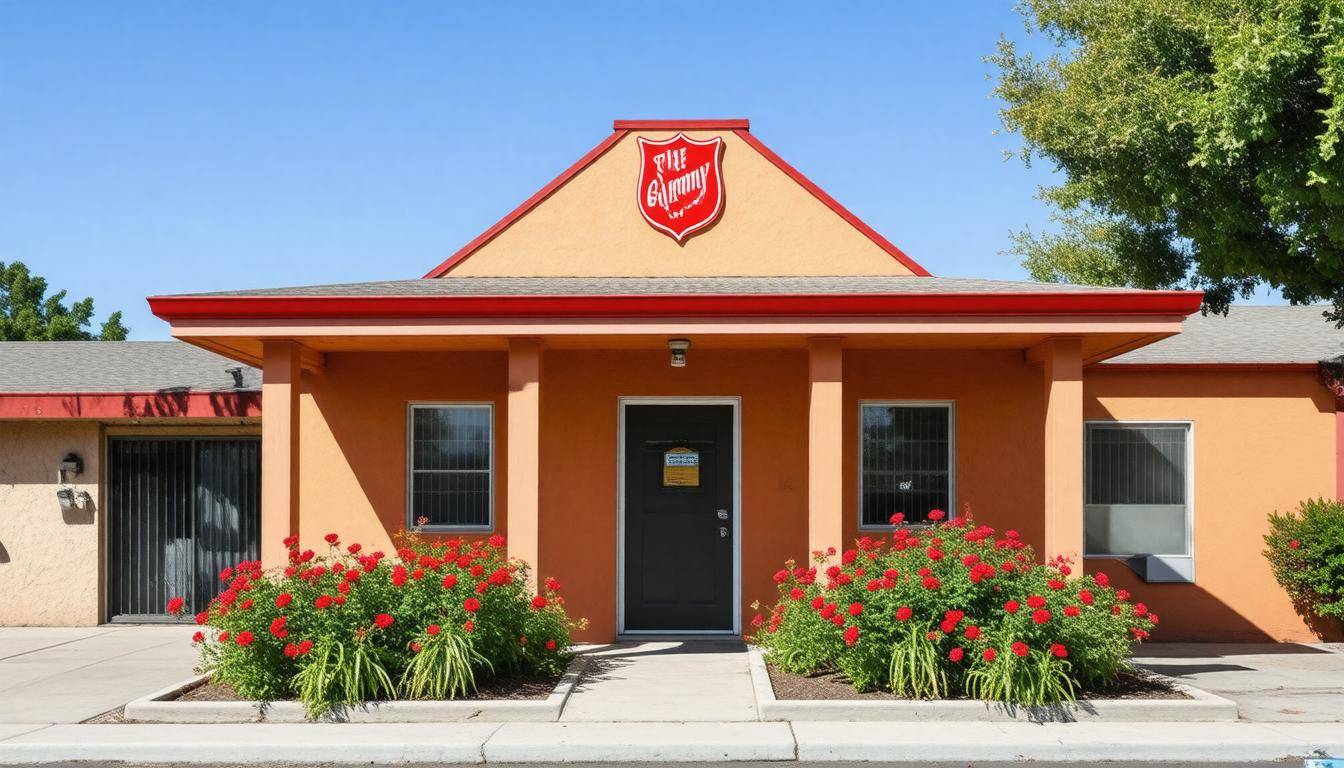
Regional shelters are critical components of the Salvation Army’s mission to provide emergency support. They serve as safe havens and embody hope for many individuals facing crises. In New York, several shelters are strategically located in key urban areas such as Manhattan and Brooklyn. These facilities offer immediate assistance, including bed space for over 200 individuals at any given time. The presence of medical services within the shelter is crucial, providing residents with necessary health check-ups and support.
Imagine being in a bustling city like New York—where the sound never stops and the hustle is part of everyday life—only to find comfort in a place that offers warmth, meals, and a sense of community. That’s exactly what these shelters aim to cultivate.
Moving southward, we find another crucial set of services in Florida that adapts to local needs.
Florida
In Florida, particularly in vibrant cities like Miami and Tampa, the Salvation Army has set up dedicated shelters that double as disaster response hubs during hurricane season. The unpredictability of storms means having shelters ready to accommodate evacuees quickly becomes essential. Not only do these locations provide safe housing, but they also ensure that individuals affected by disasters have access to hot meals and other necessities like clothing and hygiene products.
The holistic approach taken by these shelters allows them to serve as more than just a roof over one’s head; they become lifelines during turbulent times.
Heading westward, the support provided in Texas showcases an even broader mission that extends beyond immediate relief.
Texas
Texas has seen notable efforts from the Salvation Army in major cities such as Houston and Dallas where community-focused shelters thrive. Here, the shelters not only offer shelter but also function as community centers. People can join educational programs designed to empower them with skills needed for job training and reintegration into society. It’s impressive how a facility created for emergency help can evolve into a hub of long-term support.
By intertwining shelter services with educational initiatives, these locations illuminate paths toward stability and self-sufficiency for those looking to reclaim their lives after hardships. Each location aligns its offerings with the unique needs of its community—whether through educational workshops or emergency relief supplies.
As you prepare to seek out these vital resources, knowing where to start ensures you won’t feel overwhelmed in your search for assistance.
Finding Your Closest Shelter
To locate the nearest Salvation Army shelter, it is essential to utilize user-friendly tools that are readily available. One of the most convenient methods is through the Salvation Army’s online shelter locator tool. This allows anyone in need to quickly find available options in their area. By entering your zip code or city name, you will receive a list of potential shelters close by within seconds. This process not only informs you of your options but also helps reduce anxiety during an already stressful situation.
For example, if someone enters “90210” for Beverly Hills, CA, they will receive detailed information about nearby shelters such as addresses, contact numbers, and the specific services offered at each location. This level of detail empowers individuals seeking help by clarifying exactly where they can go and what resources are available before stepping outside.
Additionally, technology has made locating these shelters even easier; many are conveniently listed on Google Maps too. Using your smartphone, you can find directions to the nearest shelter while gaining access to valuable details about each location’s operational hours and available services. This feature is incredibly beneficial for those who may have limited experience navigating public transportation or unfamiliar areas.
Some Salvation Army shelters also offer community support programs that range from meals to case management services. Understanding which programs are available at each location can assist individuals in choosing the right shelter for their specific needs. By being aware of additional help—like job training or counseling services—you can make a more informed decision that serves your best interests.
After identifying a suitable shelter, it’s important to know how to effectively connect with the various support services provided there so you can maximize the assistance available to you.
Accessing Support Services
Navigating the process to access support services can feel overwhelming, especially during tough times. However, the Salvation Army has structured their process to be as straightforward as possible, allowing those in need to focus more on receiving assistance than on bureaucratic hurdles.
Step-by-Step Guide to Access Services
The first step is making initial contact. Whether you prefer to pick up the phone or step into one of their locations, the choice is yours. The good news is that most regional hotlines operate 24/7, ensuring help is available when emergencies arise. If you choose to call, getting through quickly can save you time and anxiety. Make sure you’re prepared with details about your situation; this will help staff guide you toward the appropriate resources.
Following that, an assessment takes place. Once you’ve made contact, an intake coordinator will conduct an assessment to understand your immediate needs better. This could include questions about your financial situation, any pressing health issues, or family dynamics if applicable. Think of this as a personalized conversation where they genuinely want to understand how they can best assist you. Being open and honest during this discussion will help them provide more tailored resources.
Next comes the documentation phase. You’ll typically need some paperwork ready for verification purposes. Common documents include proof of identity—such as a driver’s license or passport—residency confirmation like a utility bill—and sometimes evidence of financial status. Having these documents on hand may speed things along and demonstrate your preparedness and seriousness about seeking help.
Then we reach the service provision stage. Based on what you’ve discussed in the assessment and what documentation you’ve provided, you will receive tailored services suited to your specific circumstances. This could range from immediate shelter placement to financial aid for ongoing expenses like housing or food insecurity. Depending on availability and need, these services aim to address your situation comprehensively.
By following these steps methodically, individuals can navigate the support services offered effectively and gain crucial assistance as they work toward recovery and stability while we transition into looking at the various ways to connect with support resources by region.
Contact Information by Region
The Salvation Army has structured its outreach to ensure that people can connect with their local branches easily. This regional approach reflects their commitment to providing timely support tailored to local needs. Knowing exactly whom to contact when you need help can make all the difference.
| Region | Contact Number | Email Address |
|---|---|---|
| New York | (212) 337-7200 | help@salvationarmyNY.org |
| Florida | (813) 962-6611 | support@salvationarmyFL.org |
| Texas | (214) 956-6000 | info@salvationarmyTX.org |
| California | (213) 553-3250 | services@salvationarmyCA.org |
| Illinois | (312) 492-6800 | reachout@salvationarmyIL.org |
By maintaining this specific contact information, the Salvation Army ensures that localized teams are ready to respond efficiently. Each number and email connects you to individuals trained to understand your community’s unique needs. Whether you’re seeking food assistance, shelter, or emotional support, these contacts facilitate a seamless connection to resources.
Understanding who answers those calls enhances your ability to navigate the services available effectively as we look into the key roles played by personnel who make these resources possible.
Roles of Salvation Army Personnel
Within the Salvation Army, every staff member is essential, working tirelessly to ensure that services are delivered effectively. The structure of personnel is designed not just for efficiency, but also to provide compassionate care to those facing difficult circumstances. Each role complements the others, creating a network of support that reaches far beyond initial contact.
Case Managers
Case managers serve as your first point of contact, guiding clients through the maze of available services. They coordinate assistance based on individual needs, ensuring personalized care. More than just service facilitators, these case managers act as advocates, navigating bureaucracy to help clients access all entitled resources. This can mean anything from housing referrals to connecting individuals with healthcare services. Their understanding of local and regional resources transforms the often overwhelming experience of seeking help into a more manageable process.
Corps Officers
Overseeing general operations, corps officers play a multi-faceted role ranging from managing shelters to directing emergency food distributions. They are at the forefront of community outreach, building relationships with local organizations and engaging with residents to identify needs. Beyond their hands-on involvement in crisis situations, corps officers handle daily administrative tasks that ensure the smooth functioning of programs. Their leadership is crucial, especially during emergencies when quick decisions and effective management can significantly impact outcomes.
Volunteers
Volunteers form the backbone of the Salvation Army’s efforts. For example, during Hurricane Katrina, over 35,000 volunteers stepped up and distributed more than 5 million meals across affected regions. This astonishing mobilization was only possible due to dedicated volunteers ready to serve on short notice. Their contributions don’t end there; volunteers assist in day-to-day operations from meal preparation and distribution to organizing clothing drives and fundraisers.
So planning ahead can greatly enhance the efficiency and responsiveness of these dedicated roles during major incidents or disasters.
Each role within the Salvation Army—whether it be case managers providing individual support, corps officers ensuring operational integrity, or volunteers delivering essential services—creates a robust framework designed not only for immediate response but also for long-term recovery and support.
Understanding these roles highlights how communities can engage with them effectively as they prepare for future challenges requiring coordinated action and reliable support systems. Let’s now explore the strategies involved in effective readiness and response mechanisms.
Planning and Response to Disasters
Effective disaster response from the Salvation Army is predicated on meticulous planning and rapid mobilization. This process begins long before any disaster strikes. Pre-disaster strategies ensure that communities are not just prepared but resilient. Stockpiling essential supplies such as food, water, hygiene kits, and medical resources is crucial. By having these necessities available, the Salvation Army can swiftly assist those in need without delay once a crisis occurs.
Pre-Disaster Planning
The salvation of many during emergencies hinges on effective pre-disaster planning. Regional readiness teams engage in drills and regular training sessions to enhance their skills for prompt deployment. They familiarize themselves with local needs and challenges, strategizing unique responses tailored specifically to each community’s context. For instance, the supplies stocked may vary based on regional risks—certain areas prone to floods might prioritize different items compared to those susceptible to wildfires. Engaging teams in preparations for various scenarios allows them to respond efficiently when those scenarios become realities.
Once disaster strikes, quick action is paramount; thus, understanding immediate response protocols is critical.
Immediate Response
In the immediate aftermath of disasters like hurricanes or wildfires, the Salvation Army implements well-structured emergency responses. Mobile canteens deliver hot meals and refreshments directly to affected areas. Emergency shelters are established as safe havens for individuals and families displaced by calamities. During Hurricane Ida in 2021, these strategies enabled them to serve over 1.8 million meals while offering shelter to thousands who had nowhere else to turn. Their coordination with local authorities ensures a seamless approach where the focus remains on meeting urgent needs efficiently.
However, tending to immediate needs is just part of their mission; sustainable recovery efforts extend far beyond that initial response.
Long-Term Recovery
Long-term recovery efforts undertaken by the Salvation Army focus on rebuilding communities meaningfully. This process goes deeper than simply restoring physical structures; it encompasses partnerships with local governments and NGOs to provide comprehensive support that includes repairing homes and helping individuals regain their livelihoods. The organization recognizes that psychological support also plays an essential role in recovery—offering resources for mental health can significantly aid in healing the invisible wounds left by disasters.
As we look ahead, one cannot ignore the escalating challenges posed by climate change.
Indeed, with climate change increasing the frequency of natural disasters, proactive and well-planned emergency responses will become even more critical in the future. Preparing today can mitigate consequences tomorrow; therefore, investing time and resources into effective emergency planning supports immediate assistance while laying the groundwork for resilience against future adversities.
In summary, understanding and engaging with emergency services not only provides immediate relief but also fosters long-lasting support within communities facing crises.