
Tsunamis might seem like something out of a movie, but for communities in Samoa, they are a real and present danger. Imagine living in a beautiful island paradise where the ocean glistens under the sun, yet knowing that beneath those serene waves lies the potential for disaster. In recent years, residents have faced the harsh realities of this threat, prompting a dedication to understanding and preparing for such events. Getting prepared isn’t just about feeling safe; it’s about ensuring survival when chaos strikes. In this guide, we’ll discuss essential steps for tsunami protection so you can be proactive rather than reactive, helping to secure not only your safety but also that of your loved ones and community.
Essential steps for tsunami protection in Samoa include developing a comprehensive emergency response plan, educating communities about evacuation routes and safe zones, and implementing early warning systems to alert residents of impending tsunamis. Additionally, conducting regular drills and maintaining clear communication channels are vital for ensuring public safety during a tsunami event.
Recognizing Tsunami Risks in Samoa
In a region as vibrant as Samoa, the beauty of the beaches and lush landscapes can sometimes mask the significantly serious threat posed by tsunamis. Understanding the nature of these risks is crucial for community awareness and personal safety.
Key Factors Contributing to Tsunami Risks
Tsunamis are massive ocean waves usually triggered by seismic activity beneath the ocean floor. In Samoa, these can arise from underwater earthquakes, volcanic eruptions, or even landslides that disturb large bodies of water. Living near such an active geological environment means understanding how these triggers might directly impact your existence on the islands.
To grasp the reality of this threat, consider that the Samoa Islands have witnessed over 50 significant earthquakes in just a century. Historical events like the tsunamis in 1960 and 2009 serve as sobering reminders. The 2009 tsunami, ignited by an 8.1 magnitude earthquake, tragically resulted in not just property damage but also considerable loss of life. Such events are not merely historical footnotes; they help shape our understanding of how frequently natural disasters can strike.
By familiarizing ourselves with these occurrences, we can formulate more effective response plans for both ourselves and our communities.
However, it’s not just about knowing that tsunamis happen; it’s about recognizing the signs of impending danger. For example, if you notice an unusual retreating of water from the beach—an anomaly that often precedes a tsunami—it’s crucial to act quickly and head for higher ground.
Furthermore, constant engagement with local weather updates and tsunami alerts can make a substantial difference in preparedness efforts. Many communities encourage residents to participate in regular emergency drills and safety workshops focused on tsunami responses. Equipping oneself with knowledge isn’t just beneficial; it could be lifesaving.
Understanding these risks paves the way for implementing effective strategies that enhance community resilience and personal security during emergencies. Now, let’s explore how to design a robust plan tailored to your needs in crisis situations.
Crafting an Emergency Plan
An emergency plan can save lives during a tsunami event, and understanding its structure is key. Start by identifying safe zones in your area; these are typically higher ground locations that remain unreachable by the impending waves. It’s essential to familiarize yourself with these areas so they can be accessed quickly when needed.
Consider practicing how to reach them as a family; knowing exactly where to go can significantly reduce panic and confusion during an emergency.
Communication is another vital piece of your emergency plan. Establish a family communication strategy that includes phone numbers of all key contacts, as well as designated meeting points where everyone can gather safely after an evacuation. This could be outside landmark buildings or community centers that are known to be on safe ground.
As a precaution, make sure to have multiple forms of communication ready—mobile phones may fail, but radios or landlines could still function.
Next comes the importance of an emergency kit.
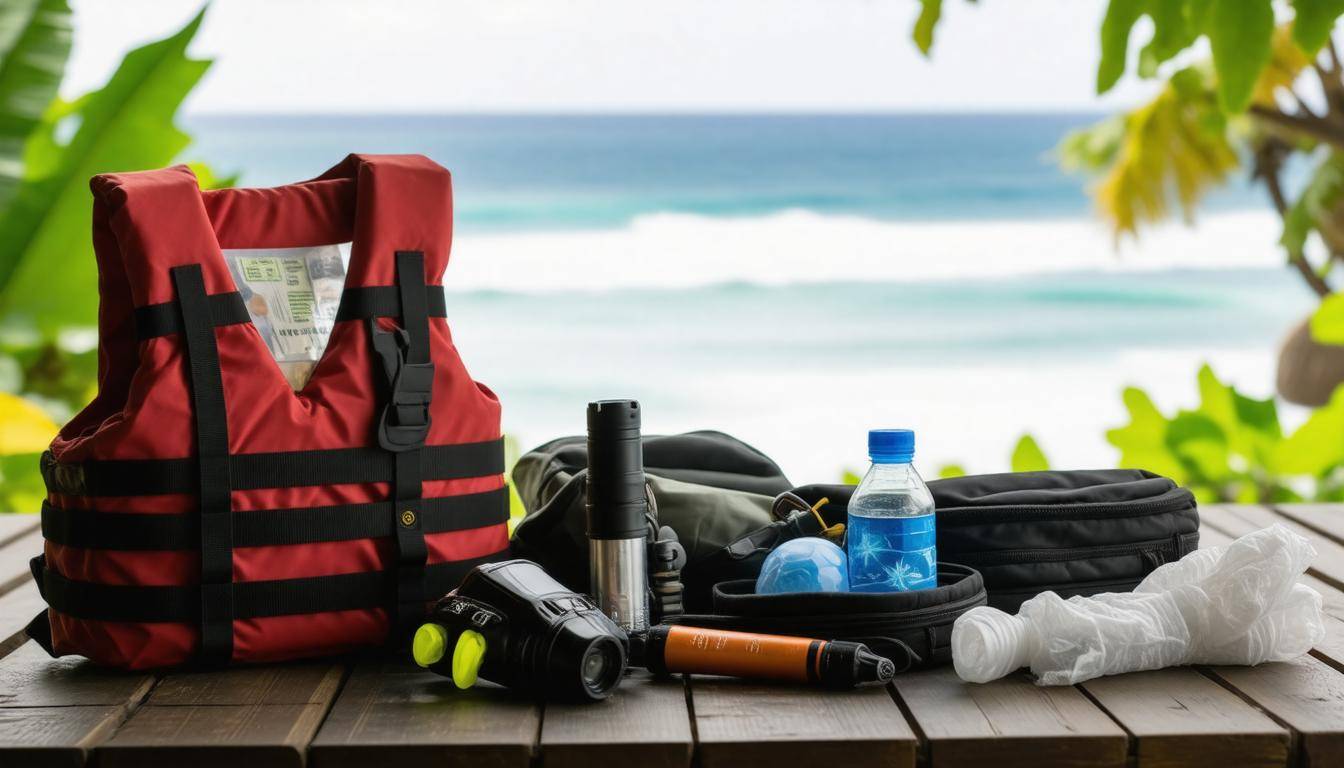
Prepare an emergency kit stocked with essential supplies. This should include food and water for at least three days—canned goods and bottled water are good choices since they last long. Don’t forget to add medical supplies such as first aid kits, as well as any prescription medications your family members might need.
Moreover, it’s wise to include copies of important documents like identification papers, insurance policies, and medical records stored in a waterproof bag just in case you need to evacuate quickly.
Equally crucial is conducting regular practice drills. These drills help ensure everyone knows their roles and reduces anxiety about what to do when the real event occurs. Family members should be assigned specific tasks—someone can be responsible for grabbing the emergency kit while others assess whether pets need bringing along.
Timing these drills can also help you gauge how quickly your family can evacuate when it matters most.
In my experience working with communities in Samoa, many families have received training from local authorities on creating and practicing these plans. Such preparations have not only enhanced individual family safety but have significantly improved community resilience overall, allowing neighborhoods to pull together effectively during emergencies.
Finally, establishing clear evacuation routes is a critical aspect of a solid emergency plan, ensuring that everyone can move quickly and safely when disaster strikes. As we explore this next phase, understanding practical pathways can further reinforce your preparedness in an emergency scenario.
Establishing Evacuation Routes
Knowing the right way to safety during a tsunami can mean the difference between calm and chaos. It’s imperative that every resident not only understands their evacuation plan but also knows the quickest ways to reach high ground. The government and local authorities in Samoa have diligently worked on creating clear evacuation routes. These pathways are marked on community maps, making it easy for everyone—whether you are a long-time resident or a visitor—to navigate safely.
Quite simply, familiarize yourself with these routes ahead of time. Don’t wait until an emergency is upon you. Walk these paths occasionally if possible, so when urgency strikes, muscle memory kicks in and helps you get out quickly.
Importance of Clear Signage
As Sione, a local emergency coordinator, aptly put it, “Evacuation routes must be clear and accessible.” This clarity doesn’t just help during typical day-to-day navigation; it becomes vital in high-pressure situations like a tsunami warning. Well-marked pathways can guide individuals swiftly through what may become unrecognizable neighborhoods filled with panic. Whether through signs or maps, clear visibility can save lives.
Local residents openly expressed their gratitude for such preparations when they were interviewed after the devastating 2009 tsunami. They described how well-marked evacuation routes brought confidence amidst the chaos that unfolds during emergencies. People felt less anxious knowing there were organized paths they could follow—paths documented and easily accessed via various media outlets, including community bulletin boards and social media.
It cannot be overstated that these established routes should be regularly maintained and updated. Landmarks may change, and construction may alter existing path characteristics, meaning local authorities should promote ongoing efforts to review and enhance these evacuation strategies.
Understanding these essential components of evacuation planning prepares us for what we will discuss next—the effectiveness of current warning systems designed to keep communities informed during critical events.
Effective Tsunami Warning Systems
Tsunami warning systems play a critical role in disaster response, as they inform and empower communities to take swift action. They save lives by providing crucial lead time, giving individuals and families a chance to reach safety before the waves arrive. The effectiveness of these systems relies on multiple interconnected components working together seamlessly.
Components of Effective Warning Systems
| Component | Description | Example |
|---|---|---|
| Seismic Monitoring | Detecting and analyzing earthquakes | Pacific Tsunami Warning Center |
| Alarms & Sirens | Audible alerts in populated areas | Village sirens in Samoa |
| Communications | Disseminating warnings via SMS, radio, and social media | Samoa’s Tsunami Alert Network |
| Community Training | Informing the public about response strategies | Local school programs |
As indicated in the table above, one of the most vital components is seismic monitoring, which involves detecting and analyzing earthquake activity. This process is typically managed by dedicated centers like the Pacific Tsunami Warning Center. By evaluating seismic events quickly, experts can assess whether they may trigger tsunamis, enabling timely alerts that can change lives.
However, having a sophisticated monitoring system isn’t enough if the alerts don’t reach those in danger.
That’s where alarms and sirens come into play. These audible signals are strategically located in populated areas prone to tsunami risks, ensuring that residents can hear them even from a distance. For instance, many villages in Samoa employ community sirens that sound when danger is imminent. The shrill cry of these alarms serves as a powerful reminder for people to evacuate swiftly and seek higher ground.
You know it’s serious when even your cat looks concerned about the sound – it’s time to get moving!
Another critical aspect of effective tsunami warning systems is communication. It’s important that warnings are disseminated through various channels including SMS alerts, radio broadcasts, and social media platforms. Samoa’s Tsunami Alert Network exemplifies this with its multifaceted approach; they reach as many people as possible with clear instructions on what actions to take.
But how will individuals know what to do once they receive an alert?
This brings us to community training, an often overlooked but extremely important component. Local programs help educate citizens on response strategies that should be enacted during a tsunami event—like where to go and what supplies to grab. By nurturing a culture of preparedness through drills and educational sessions in schools or community centers, residents become empowered not just to act when warnings are issued but also to help others who may be unaware of the protocols.
Samoa’s blending of modern technology with traditional knowledge has shown great promise during past tsunami incidents. Such comprehensive systems not only mitigate risks but also foster collective resilience within communities facing these natural threats.
Beyond warnings, reinforcing protective measures along the coastline plays a significant role in reducing vulnerabilities faced by coastal communities.
Strengthening Coastal Defenses
One way to bolster coastal defenses is through a mix of innovative engineering and environmental resource management. For instance, mangrove reforestation not only serves as a buffer against wave impacts but also protects biodiversity and promotes healthier ecosystems. These salt-tolerant trees provide a natural shield, absorbing waves and reducing their force as they approach shorelines. Programs dedicated to restoring mangroves in Samoa have seen significant community involvement, fostering a collective sense of responsibility among residents. By planting these trees, communities are doing more than just protecting their homes; they’re restoring nature itself.
Another critical component is the construction of seawalls and barriers. These engineered structures can absorb wave energy and significantly reduce flooding during tsunami events. However, as effective as they are, seawalls require constant upkeep to ensure their integrity over time. Regular inspections, repairs, and upgrades are essential parts of maintaining these defenses. Communities must invest not only in their construction but also in a sustainable maintenance plan to maximize their efficacy against future disasters.
Beyond natural and engineered barriers, the concept of beach nourishment plays an equally vital role in strengthening coastal defenses.
Beach nourishment involves adding sand or sediment to eroded beaches to mitigate erosion and rebuild natural barriers. This is particularly important in areas with significant coastal erosion where natural defenses may be diminishing. While beach nourishment can be labor-intensive and expensive, the long-term gain often outweighs the upfront costs when we consider its role in protecting lives and properties from large surges.
It’s worth noting that successful implementations of these methods—like those seen in regions like Vaiala—have provided valuable lessons for future projects, showcasing protective strategies that can buffer coastlines from both smaller surges and larger tsunami events.
However, it’s essential to recognize that these initiatives must be part of a larger disaster risk management strategy incorporating education, community preparedness programs, and efficient warning systems. This holistic approach ensures that coastal communities remain vigilant and well-equipped to respond to potential tsunami threats while simultaneously fostering an environment where innovation meets nature’s resilience.
As we continue exploring ways to safeguard communities from natural disasters, it’s crucial to examine how we can improve the resilience of our structures against such forces.
Building and Reinforcing Structures
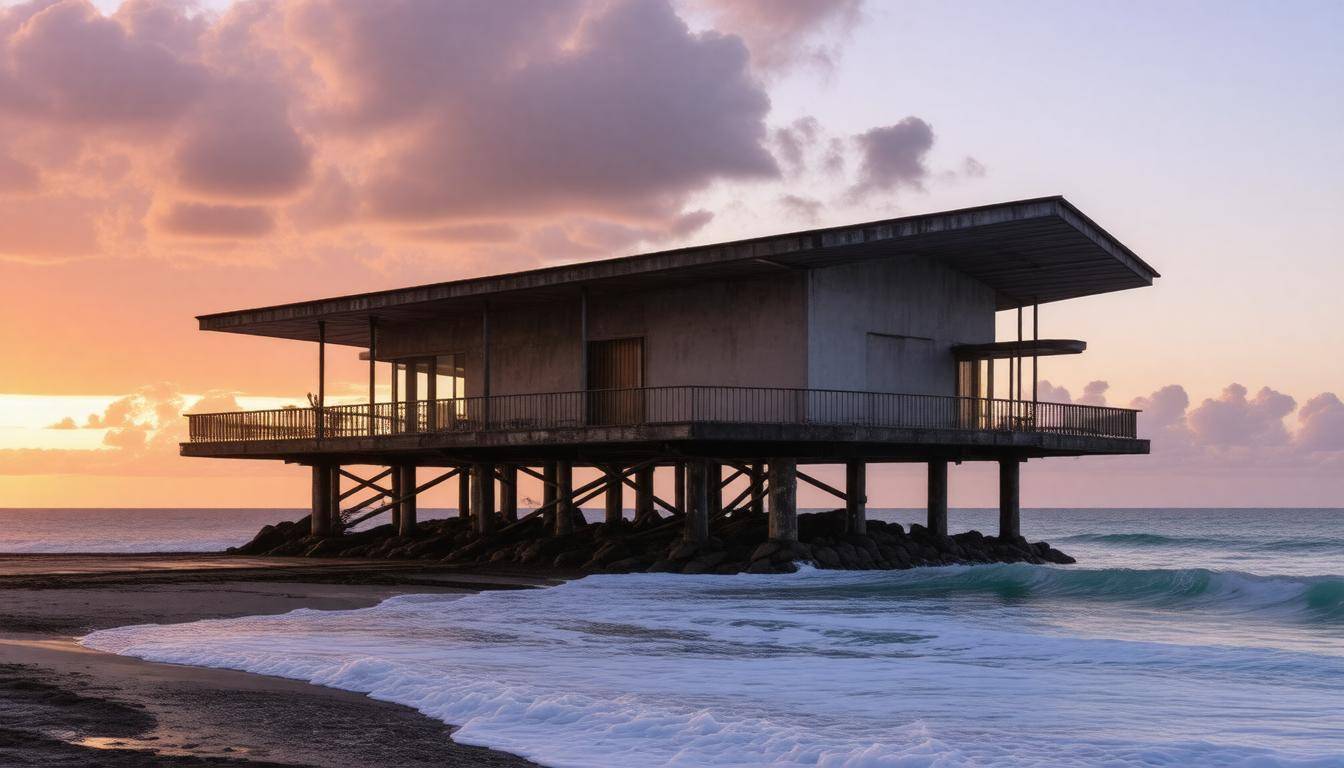
Constructing and reinforcing buildings in tsunami-affected areas requires precise attention to detail and adherence to modern engineering practices. A strong structure isn’t just about withstanding forces; it’s about intelligently anticipating the unique challenges posed by tsunami waves. Utilizing tsunami-resilient designs is not merely a suggestion; it’s an essential practice that can save lives and property.
Engineering Best Practices
In Samoa, recent construction standards have begun to enforce the use of tsunami-resilient design principles. This includes the implementation of elevated foundations, which elevate structures above potential flood levels. Elevated designs act as a buffer against rising waters, significantly decreasing the chances of structural failure during a tsunami event.
Moreover, materials used need to be reinforced—think steel-reinforced concrete that can withstand both the force of rushing water and debris. These elements are not just beneficial; they are necessary for survival.
The community’s approach has proven effective; for example, a local school built following these engineering guidelines endured the harrowing experience of the 2009 tsunami without significant damage. Its resilience underscores the importance of aligning new constructions with modern building codes. When you invest in sturdy infrastructure using these guidelines, you aren’t merely adding bricks or beams: you’re securing the future stability of your community.
Consider this—the statistics speak volumes! Buildings designed under these improved standards boast survival rates that surpass their traditional counterparts by up to 50% in areas prone to tsunamis. That’s an astounding figure when you think about what it represents: lives saved and communities preserved.
While infrastructure is key, individuals must also take precautions for their safety, ensuring that they know not only how to build safely but also how to prepare themselves when disaster strikes. This attention to personal readiness is vital in fostering a culture of safety within the community.
Personal Safety Tips
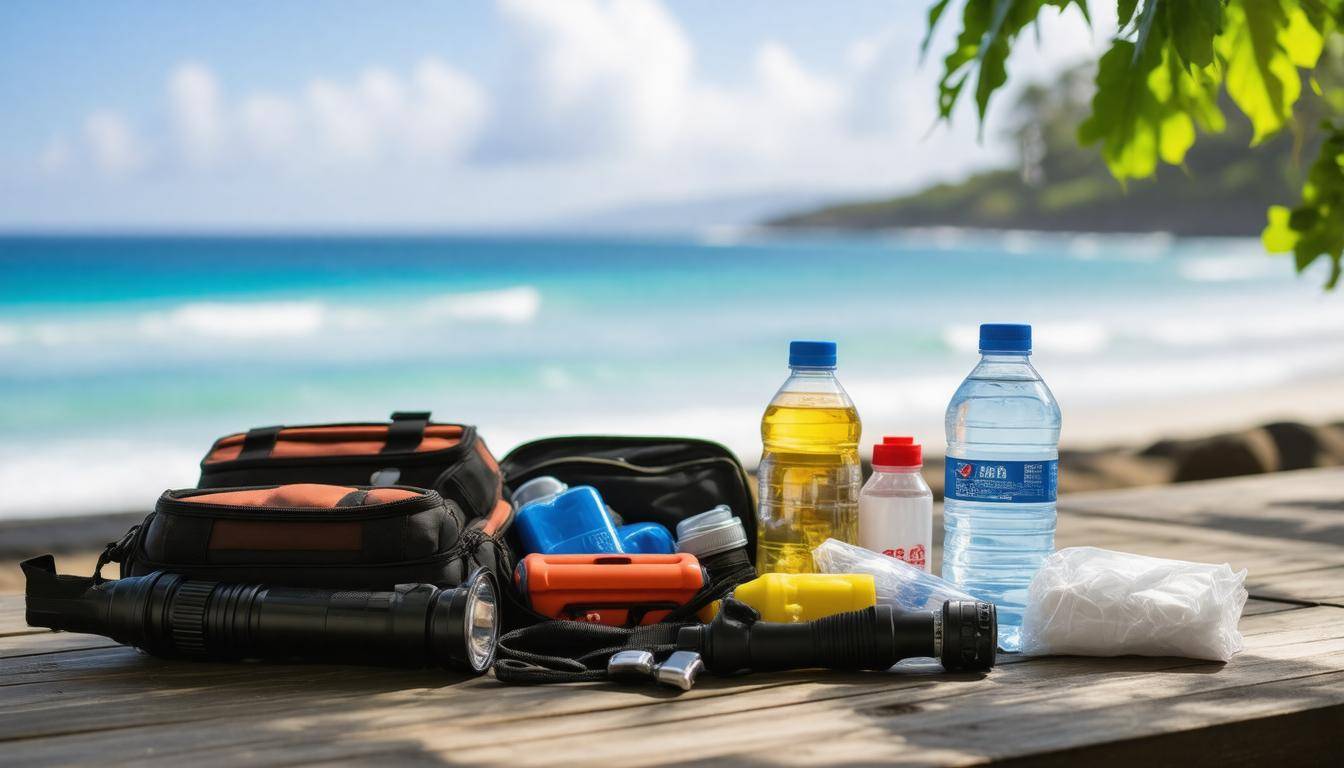
Personal preparedness can significantly increase your chances of survival during a tsunami. First and foremost, it’s vital to always heed warnings. Tsunami alerts are issued for a reason — they exist to save lives. When you receive a warning, whether it’s from sirens, mobile alerts, or community announcements, treat it with the utmost seriousness.
Pack essential items like identification documents, medications, and personal belongings quickly and evacuate to higher ground without delay.
Knowing your escape routes is also paramount. Don’t wait until a warning is issued to familiarize yourself with multiple high ground routes; take the time to map them out ahead of time. Being aware of several pathways will not only save time but may also be crucial depending on road conditions and traffic following an alert. This preparation can help eliminate confusion and stress amid the chaos that often follows a tsunami warning.
An important aspect of tsunami preparedness is understanding that returning home prematurely can expose you and your loved ones to unnecessary risks. Once evacuated, do not go back until you receive official all-clear messages from local authorities. The aftermath of a tsunami can pose various dangers such as additional waves, damaged infrastructure, and unsafe conditions that aren’t immediately visible.
Stay Informed
- Keep a reliable source of information handy. A battery-powered radio is invaluable during emergencies when power outages may occur.
- Establish a family communication plan before disaster strikes so everyone knows how to reach one another.
- Consider using apps or services that provide real-time updates in emergencies.
Implementing these tips helps ensure you and your loved ones are ready for the unexpected. By taking proactive steps now, you’re creating a culture of preparedness that can inspire others within your community as well. Your vigilance could make all the difference when seconds count.
With personal safety strategies firmly established, we now shift our focus towards how communities come together to bolster resilience against such natural disasters.
Community Preparedness Efforts
Collective action amplifies the level of preparedness and effectiveness when dealing with natural disasters like tsunamis. In Samoa, community initiatives have risen to the forefront, showcasing how local efforts can dramatically enhance safety measures and overall resilience.
Community Initiatives
A variety of communal efforts have proven successful in Samoa. Establishing and training local response teams has been vital. These teams consist of trained volunteers ready to spring into action during emergencies. They participate in specialized training programs covering urgent response protocols and first aid techniques, ensuring quick action and enhanced safety for community members.
Additionally, organizing public drills and awareness campaigns plays a significant role in educating residents. These live simulations provide hands-on experience, making residents more confident in executing evacuation plans. Engaging the community through workshops, social media outreach, and informational brochures keeps tsunami preparedness at the forefront of public consciousness. As families practice these drills together, they foster a collective understanding of what to do before, during, and after such events.
According to Tui Atua, a prominent community leader, “Building a culture of preparedness from the grassroots level has made a world of difference.” This sentiment underscores the importance of involving every segment of society in preparedness strategies to ensure that everyone knows their role in times of crisis.
Furthermore, involvement in reforestation and coastal defense projects ensures long-term measures are put in place over time. Replanting mangroves along coastlines not only supports environmental health but also creates natural barriers against waves. Coastal defenses like sand dunes and sea walls can significantly reduce the impact of incoming surges.
By embracing these comprehensive community efforts, Samoan residents not only protect themselves but also create memories and experiences that strengthen their cultural fabric while enhancing resilience against future tsunami threats.
In summary, through active participation and educational initiatives, communities can cultivate a culture of preparedness that stands firm against the unpredictable forces of nature.