
In a city known for its stunning views and innovative spirit, San Francisco also carries the weight of being prone to earthquakes. As the ground shakes beneath us, knowing how to respond effectively can make all the difference. Have you ever wondered what your family would need in an emergency or how you could safeguard your home? Preparing for an earthquake isn’t just about waiting for the next big tremor; it’s about creating a tailored plan that includes essential supplies and safety measures. In this article, we’ll explore everything from must-have supplies to safety checklists, helping you feel more secure when those unexpected quakes hit. After all, having a well-thought-out approach can turn a potentially chaotic situation into one where you’re ready to face whatever comes your way.
Your Earthquake Supply List for San Francisco should include essentials such as water (one gallon per person per day for at least three days), non-perishable food, flashlight and extra batteries, first aid kit, whistle to signal for help, dust mask, and local maps. Additionally, consider including multi-tools, personal hygiene items, and any medications that you or family members may need during an emergency.
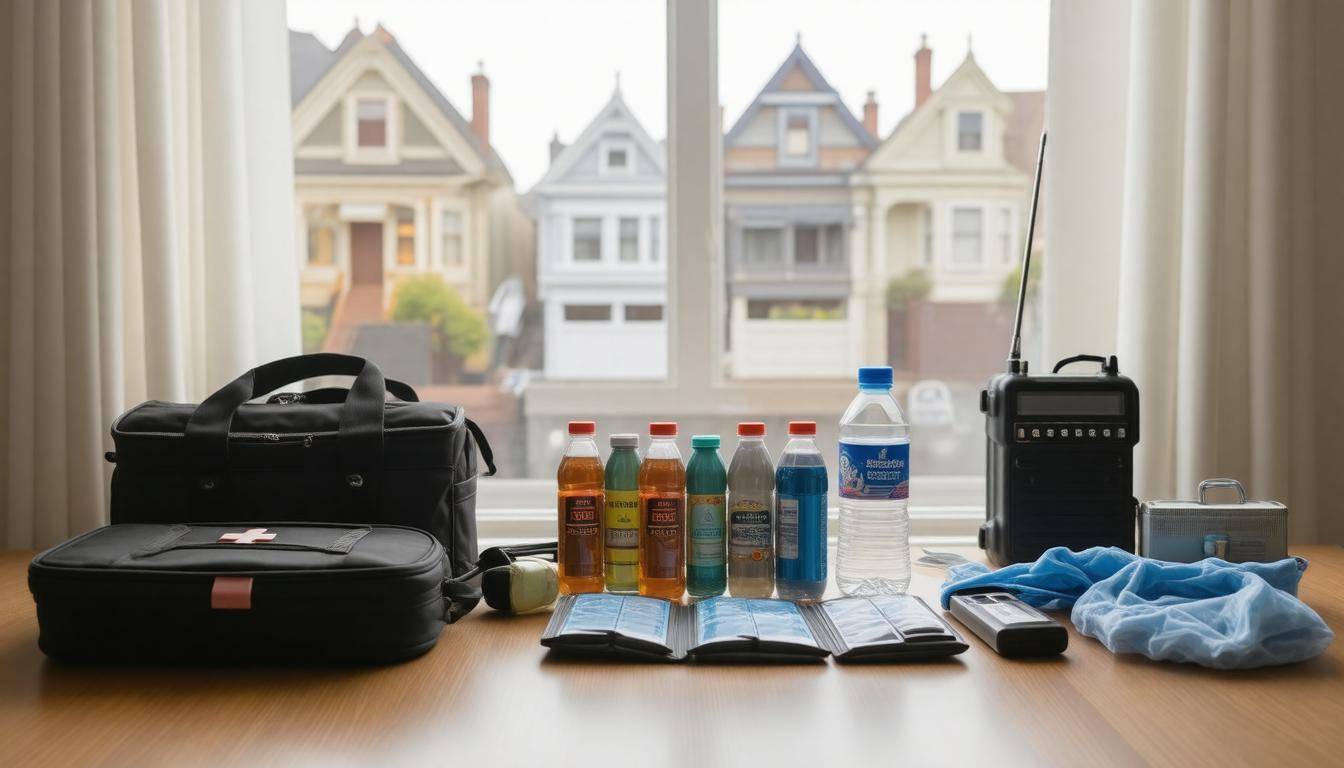
Essential Supplies for Earthquake Preparedness
When crafting your earthquake supply kit, it’s important to think beyond just the basics—what you really want is to create a balanced collection of items that cater to a variety of needs. A well-rounded kit ensures you’re not merely surviving but maintaining a semblance of comfort during what could be a harrowing time. As you begin filling your kit, remember that organization is key; try grouping similar items together so you know exactly where everything is at a moment’s notice.
First Aid Kit
Let’s start with the First Aid Kit—this isn’t just a few band-aids stuffed in a bag. Aim for a comprehensive assembly that includes antiseptic wipes, adhesive dressings, and even prescription medications if you take any regularly. Think about potential injuries or emergencies you might encounter, such as burns or sprains. Having not just ordinary supplies but also items tailored to your family’s unique health needs will make a world of difference.
“An ounce of prevention is worth a pound of cure.” These words ring especially true when preparing for an uncertain situation like an earthquake.
Water Supply
Next, let’s talk about water—one gallon per person per day should be your guideline, stored in durable containers that can withstand jostling. Consider including some sports drinks in your kit too; they offer hydration but also sugar and electrolytes which can be vital if illness strikes or if you have physically exerted yourself during an emergency situation.
Speaking of food, let’s zero in on the importance of having a selection of non-perishable food items.
Non-Perishable Food
Regarding non-perishable food, go for nutrient-dense options like canned beans and peanut butter alongside snacks that will boost morale, such as dried fruits or granola bars. Understanding food preferences and allergies within your household will ensure everyone has something suited to their taste—and this small consideration can make hard times feel just a tad more bearable.
Hygiene Supplies
Hygiene supplies can’t be overlooked either. Your kit should contain soap, hand sanitizer, and moist towelettes—not just for cleanliness but mental reassurance as well. Keeping clean during stressful times helps maintain morale and reduces the chances of infections.
Tools
Don’t forget about tools like a sturdy wrench and pliers. These are not just useful for minor repairs around your home; they could be instrumental in safely shutting off your gas or water lines after an earthquake, helping prevent further damage or hazards from occurring.
Personal Items
Finally, include personal items such as copies of essential documents like ID cards, insurance papers, and emergency contacts along with some cash. In situations where technology may fail or where access to banks becomes difficult, cash could make all the difference during post-disaster recovery efforts.
While these essentials form the backbone of your preparedness plan, it is crucial to consider additional items focused on health and wellness, ensuring you’re fully prepared for any challenges that come your way.
Medical Kit and Health Supplies
A well-stocked medical kit is imperative when preparing for an earthquake, but it extends far beyond just band-aids and aspirin. Picture this: an earthquake rattles your home, and you’re left without basic medical provisions. Regularly updating and stocking your health supplies ensures not only a prompt response to minor injuries but also readiness for major health concerns.
Essential Medical Supplies
Your medical kit should include essential items tailored for various scenarios. Among these, antiseptics and antibiotics play a crucial role; they help prevent infections in wounds, making them essential during emergencies when you may not have immediate access to a doctor. A bottle of hydrogen peroxide or antiseptic wipes can go a long way in ensuring clean care.
When pain strikes – whether from a fall while evacuating or tension caused by stress – you’ll want pain relievers like ibuprofen and acetaminophen within reach. They are effective at managing discomfort and can be lifesavers during high-stress situations.
On the flip side, many people face severe allergies triggered by exposure to dust or allergens during such events. To counteract these circumstances, having allergy medications, particularly antihistamines handy, is crucial.
Burns are another injury type often taken lightly but can occur even with minor accidents around the home post-quake. Burn treatments, including aloe vera gel or specialized burn creams, along with gauze for coverage, should certainly be included in your first aid inventory.
Special Needs
Families with members who have chronic conditions or special needs must think ahead about their specific requirements. For instance, if someone in the family has diabetes, ensure that you carry diabetes supplies, which should include insulin, glucose monitors, and spare batteries for your devices. Without these essentials available, a simple oversight could lead to serious consequences.
Similarly, consider those who rely on respiratory devices such as asthma inhalers or CPAP machines. You don’t want to find yourself rummaging through a closet searching for an inhaler when every second counts.
Lastly, providing mobility aids ensures that everyone can navigate safely during uncertain times. Maintain spare glasses or contact lenses for those who need them, along with walking aids like crutches or wheelchairs if necessary.
Preparedness means anticipating not just common injuries but also unique circumstances that might arise within the family unit.
With health supplies sorted, let’s shift our focus to another critical aspect of being prepared—ensuring everyone remains nourished and hydrated during emergencies.
Emergency Water and Food Storage
During an emergency, having access to clean water and food is a lifesaver. Storing adequate supplies isn’t just about filling containers—it’s about ensuring that what you have is safe, usable, and meets the needs of everyone in your household. When preparing for an earthquake in San Francisco, prioritizing water storage is essential.
Water Storage
It’s advised to store at least one gallon of water per person per day for a minimum of seven days. This gives each person in your family the necessary hydration for normal activities as well as some leeway due to unexpected circumstances like increased thirst from stress.
Water should be stored in BPA-free plastic containers to avoid harmful chemical leaching.
The quality of your storage is directly tied to the safety of your supply. Choose heavy-duty bottles or jugs explicitly designed for long-term storage, as they typically have thicker walls and better sealing capabilities than standard containers.
Don’t forget to rotate your water supply every six months. This ensures freshness and minimizes the risk of contaminants building up over time. Mark the date when you filled each container as a reminder; it’s a simple step that can save you from drinking stale water when it matters most.
Food Storage
Alongside water, aim to stock non-perishable food items that are easy to prepare yet still nutritious. Focus on variety but also on simplicity; convenience will greatly benefit you in case of an emergency.
Consider options like canned goods such as vegetables, beans, and meat—these can last for years when stored correctly. Make sure to check expiration dates frequently, as even canned foods can lose flavor and quality over time if not rotated properly. In addition, dry foods like pasta, rice, and dried fruits can offer hearty meals with minimal preparation.
Once you’ve established a solid base of non-perishables, think about including ready-to-eat meals (MREs). These military-grade meals are designed for endurance and often require no cooking whatsoever. They provide a great fallback option during emergencies when distraction may cause kitchen disasters.
Don’t overlook the importance of having the right tools. Investing in a manual can opener and a portable stove with sufficient fuel could make a world of difference when it comes time to utilize your supplies. The simplest solution often becomes essential—a manual can opener promises access to canned food without relying on electrical power or fancy gadgets.
Keeping in mind your food and water storage practices leads to more critical considerations regarding essential tools needed for effective sheltering and safety during emergencies.
Necessary Tools for Shelter and Safety
Basic tools can make a world of difference in an emergency. Ensuring you have the right equipment not only makes it easier to navigate chaotic situations but can also significantly enhance your overall safety. Imagine being in the midst of an earthquake aftermath without the means to construct a temporary shelter; this scenario highlights just how crucial preparation is.
Shelter Tools
When it comes to constructing or repairing a temporary shelter, investing in versatile tools can save you trouble. A multi-tool—like a Swiss Army knife—can be invaluable due to its myriad functionalities; from cutting rope to opening cans, this compact gadget packs a punch. Having a reliable multi-tool means that you won’t have to dig around looking for various implements when time is of the essence.
Next on the list are tarps and paracord. These items can easily transform into a makeshift shelter with minimal effort. Tarps come in handy for creating roofs over sleeping areas or protecting your supplies from rain. Paracord, on the other hand, proves essential when securing tarps or constructing framework due to its outstanding strength and versatility.
“All you need is some imagination, and during an emergency, paracord becomes your best friend,” my father always told me while camping. It’s incredibly true; creativity plays a crucial role when resources are limited.
Don’t overlook duct tape, either! This universal adhesive excels at quick repairs, whether sealing air leaks in your shelter or attaching loose materials together. Its incredible sticking power has saved countless situations, making it an indispensable part of any emergency toolkit.
Safety Tools
After ensuring shelter, safety should remain your next priority post-earthquake. One vital item to have on hand is a fire extinguisher that’s rated for all types of fires. Aftershocks might spark fires from damaged gas lines or short-circuited electrical systems, making this tool critical.
Equally important are gloves and masks. Gloves protect your hands when navigating debris, while masks shield you from inhaling dust or harmful particles released during an earthquake’s aftermath. They become more than just accessories; they literally safeguard your health in uncertain environments.
A crowbar may seem like an unconventional choice at first glance, but it becomes an essential utility tool when dealing with heavy objects that block pathways or if you need to help someone trapped under debris. Its leverage can provide life-saving assistance in stressful situations where every second counts.
With these tools at your disposal, you’re well-equipped for shelter building and ensuring safety in emergencies. The next focus will be on effective lighting and communication devices that are equally essential during power outages.
Reliable Lighting and Communication Devices
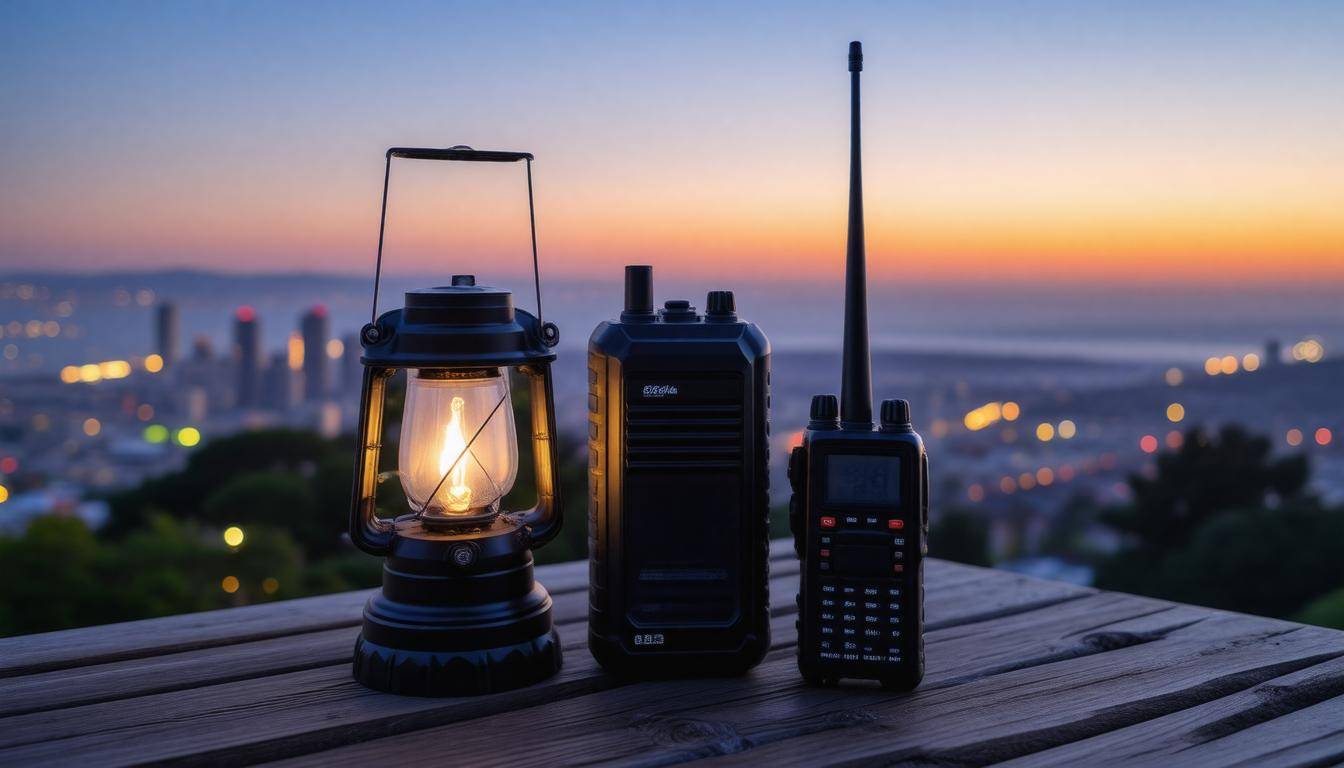
When the shakes of an earthquake settle, being left in the dark adds a layer of stress that no one needs. That’s why having effective lighting solutions on hand is vital. You want lights that won’t let you down when the power goes out. A mix of LED flashlights, headlamps, and lanterns can ensure you’re covered whether you need to find your way around at night or gather together with your family safely.
Lighting Solutions
First consider investing in LED flashlights, known for their longevity and brightness. However, it’s crucial to keep backup batteries handy because their usefulness can dwindle in an emergency if they run out unexpectedly. Think of it as a no-brainer: just like you wouldn’t run out of gas before a long road trip, never let your flashlight sit alone without its backup.
Then there are headlamps—fantastic for hands-free illumination. Imagine needing to look at a map or carry supplies while navigating through dim light; that’s where headlamps thrive. Remember though, they require extra batteries as well, so stock both flashlights and headlamps before disaster strikes.
I also recommend having lanterns in your toolkit. They’re particularly useful for larger spaces, like living rooms or gatherings during an emergency. Opt for solar-powered lanterns if possible—they absorb sunlight during the day to keep you lit at night without draining batteries or electricity.
Communication Devices
After securing reliable lighting, communication devices become your next priority. In the chaos following an earthquake, staying updated on the situation around you is crucial for safety and sanity. A battery-powered radio is indispensable for receiving updates from emergency services and local authorities regarding evacuation orders or shelter locations. These radios don’t require electricity, so you’ll always stay connected even when phones can’t reach towers.
Consider also investing in two-way radios for family members or friends in your immediate vicinity. They allow for quick communication between group members without relying on cell towers—perfect when you’re trying to maintain contact while ensuring everyone stays safe amidst uncertainties. Having these devices charged and ready will ease worries during confusing moments.
Lastly, don’t overlook the importance of portable chargers. High-capacity power banks can keep your phones charged longer than you’d think. During times of crisis, you’ll want every tool possible to stay connected with loved ones and access critical information via updates or apps that may remain functional during blackouts.
With these essential lighting options and communication devices gathered, organizing them into a well-prepared survival kit will enhance your readiness when faced with unexpected situations.
Preparing Your Earthquake Survival Bag
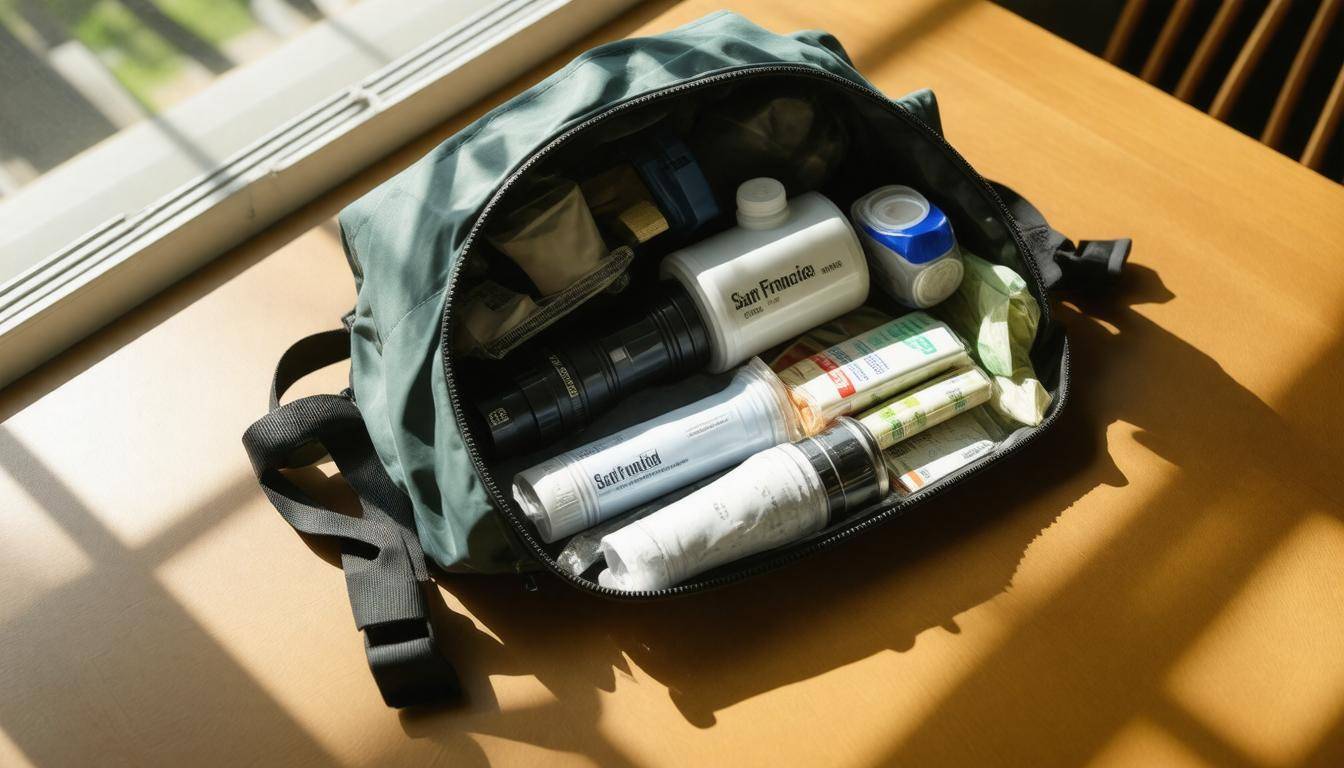
An earthquake survival bag, often referred to as a “GO bag,” is an essential tool for every family. This isn’t just about packing some items together; it’s about being strategically prepared for uncertain circumstances. The goal is to have everything you might need readily available, ensuring that each family member can grab their bag and go without any delay.
Building Your Bag
Start with a sturdy backpack—choose one that is both durable and lightweight so it can comfortably carry the load without weighing you down. This ensures that in the chaos of an emergency, you can easily throw it on your back.
Next comes the important task of filling your bag. Think about personal documents: IDs, insurance papers, and medical records should all be organized in a waterproof pouch within your bag. When something unexpected happens, having these documents easily accessible can save you valuable time and stress.
Equally essential are basic supplies. Make sure to pack enough bottled water—about one gallon per person per day is recommended—for at least three days. In addition, include non-perishable snacks such as protein bars or nuts to sustain energy levels. A multi-tool, which can serve multiple functions, and a small first aid kit for any minor injuries will also come in handy during emergencies.
Don’t forget about clothing! An extra set of clothes suited for changing weather conditions can make a significant impact on comfort and safety. Selecting sturdy shoes is vital, as you may have to walk considerable distances or navigate uneven terrain.
Personal hygiene items can’t be overlooked either; consider packing essential things like a toothbrush, toothpaste, and moist towelettes. Being able to maintain cleanliness in stressful situations is not just about comfort; it contributes significantly to your overall well-being.
Lastly, think about comfort items which may provide psychological support during tough times. Consider including family photos or small toys for children that can help soothe anxiety amid turmoil.
With your survival bag ready, it’s crucial to understand the additional strategies that will bolster your preparedness during an earthquake scenario.
Safety Measures and Precautions
Understanding what you should do both during and after an earthquake can be life-saving. When the ground starts to shake, every second counts. The first thing to remember is to drop, cover, and hold on. This means getting down on your hands and knees to avoid being thrown off balance, seeking shelter beneath sturdy furniture, and remaining in that position until the shaking comes to a halt. This simple practice can prevent injuries from falling items or structural issues.
After the tremors subside, it’s essential not to rush out of your home immediately. Instead, conduct a quick but thorough check for injuries among yourself and others around you. Administering first aid, if necessary, ensures immediate attention can prevent complications later. Once injuries are addressed, it’s crucial to inspect your surroundings carefully. Be vigilant for gas and water leaks, as well as any visible signs of structural damage. Your safety hinges on identifying hazards that might pose risks.
Additionally, staying informed is key. Having a battery-powered radio handy allows you to stay updated with emergency announcements or instructions from local authorities. This can provide vital information about the state of your neighborhood and amend any plans you may have devised.
Following these recommendations can drastically reduce the impact of an earthquake on your life. Think of them as part of your earthquake safety routine—a plan crafted to protect you, your family, and your property when disaster strikes.
Lastly, consider wrapping everything up with final checks around your home. Simple things like securing heavy furniture to walls, placing emergency kits in easily accessible locations, and having a family communication plan can fortify your preparation. It’s all about creating layers of security that give you peace of mind—because when you’re prepared, you can’t predict that an earthquake will occur, but you can certainly be ready for it when it does.
As we move forward in this guide, don’t overlook those last-minute preparations that can make a significant difference in ensuring you’re truly ready for any emergency situation.
Final Checks and Extra Tips for Readiness
A good way to bolster your earthquake preparedness is through final checks—those little steps that can provide peace of mind when the shaking begins. Regularly reviewing your supplies ensures nothing catches you off guard. You’d be surprised how quickly things can go stale; you wouldn’t want to reach for a can of soup only to find it expired last month. Pay special attention to your water supply, too; even though water doesn’t technically expire, its containers can degrade over time if not stored properly.
It’s always best practice to rotate your stock of food and water supplies twice a year. By doing this, you’ll ensure a steady supply, as well as a comforting familiarity with what you have on hand when an emergency strikes.
When inspecting your equipment, remember that tools like flashlights and radios only work if they’re well-maintained. Testing these devices regularly—perhaps during the biannual supply rotation—means you’ll know they’re ready when you need them most. A flashlight that doesn’t illuminate in moments of crisis can mean the difference between safety and panic in darkness.
Extra Tips
Besides final checks, consider those extra tips that can take your preparedness to the next level. Engaging with local community initiatives allows you to connect with others who share your concerns about emergency preparedness. Joining neighborhood response teams or participating in training sessions enhances not just your knowledge but builds a strong support network for quick actions during disasters.
Family drills should also be prioritized. Involve everyone by practicing evacuation routes and methods to communicate during emergencies. This will ensure you’re not scrambling blindly through your house when the ground starts to shake.
Strengthening your home is another effective step. Ensuring heavy furniture is anchored securely reduces potential injuries from toppling items during an earthquake. Likewise, securing appliances prevents them from moving or tipping over unexpectedly, thus reducing both risk and post-disaster cleanup.
Armed with these final checks and additional tips, you can truly maximize your preparedness for an earthquake in San Francisco. Each small effort contributes significantly toward ensuring safety when it matters most.
In summary, being proactive about earthquake preparedness will equip you and your loved ones with the tools needed to face any situation head-on. Prioritizing these strategies can make all the difference in a moment of crisis.
How can I create a family emergency plan that complements my earthquake supply list?
To create a family emergency plan that complements your earthquake supply list, start by establishing an emergency communication strategy, including designated meeting points and contact numbers for all family members. Ensure everyone knows where the supply stash is located and how to use any essential items, like first aid kits or tools. Regularly practice drills to ensure preparedness; according to FEMA, families that rehearse their plans are 80% more likely to respond effectively during an actual disaster. Keeping your plan updated with current information—like contact details and available resources—will strengthen your readiness for when the ground shakes.
Are there specific types of food and water that are recommended for earthquake preparedness?
Yes, for earthquake preparedness, it’s recommended to stock non-perishable food items such as canned goods, dehydrated meals, and energy bars, as they have a long shelf life and require no cooking. Additionally, it’s crucial to store at least one gallon of water per person per day for at least three days, which can support hydration and hygiene needs during an emergency. The Federal Emergency Management Agency (FEMA) advises this minimum because in the aftermath of a disaster, access to clean water can be limited, and adequate supplies can make a significant difference in survival comfort.
What is the best way to store my earthquake supplies to ensure they remain accessible and usable?
The best way to store your earthquake supplies is in a clearly labeled, waterproof container placed in a central, easily accessible location of your home, such as a designated emergency closet or under a bed. This ensures quick retrieval when needed; studies show that 60% of individuals who have prepared an emergency kit can access it within three minutes during a crisis, significantly increasing the likelihood of safety and survival. Regularly checking and restocking supplies every six months will keep them usable, ensuring essentials like water and food are fresh and effective when an earthquake strikes.
What essential items should be included in an earthquake supply kit for San Francisco residents?
Essential items for an earthquake supply kit for San Francisco residents should include food and water (at least one gallon per person per day for three days), a flashlight with extra batteries, a first aid kit, dust masks, a whistle to signal for help, and necessary medications. According to FEMA, being prepared can significantly reduce the risks associated with earthquakes, as approximately 60% of injuries occur due to falling debris. Additionally, having a portable phone charger and important documents sealed in waterproof bags will ensure you can communicate and access critical information during an emergency.
How often should I update or check my earthquake supply list and supplies?
To ensure your earthquake supply list and supplies remain effective, it is recommended to check and update them at least twice a year. This frequency helps account for changes in personal circumstances, expiration dates of perishable items, and advancements in emergency preparedness recommendations. According to the Federal Emergency Management Agency (FEMA), nearly 80% of earthquakes occur without any warning, making regular checks a crucial component of staying prepared in a seismically active area like San Francisco.