
When you think about living in California, the sunny beaches and vibrant cities often come to mind. However, it’s essential not to overlook that we also reside in a state known for its unpredictable earthquakes. Being prepared isn’t just smart; it’s a crucial part of everyday life here. Having an earthquake kit ready can mean the difference between feeling panicked and staying calm when the ground starts to shake. In this article, we’ll guide you through creating a comprehensive earthquake preparedness kit tailored specifically for San Jose residents. We’ll cover everything from must-have essentials to organizing your supplies effectively, so you’ll be fully equipped to face whatever comes your way.
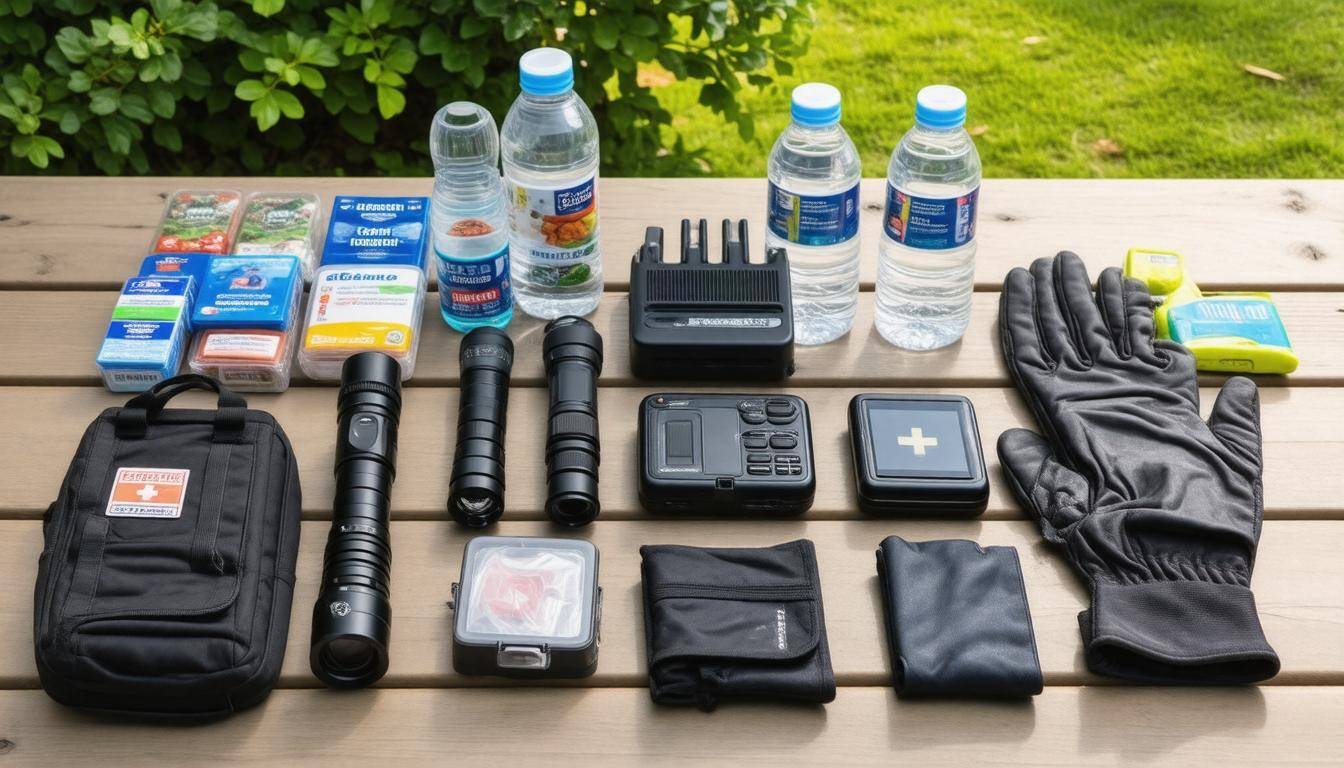
An earthquake kit for San Jose, California should include essentials such as water (one gallon per person per day), non-perishable food items, a flashlight with extra batteries, a first-aid kit, a whistle to signal for help, and important documents stored in a waterproof container. Additionally, consider including sturdy shoes, gloves, a multi-tool, and a portable phone charger to ensure you are prepared for potential emergencies.
Packing Your San Jose Earthquake Kit
Packing your earthquake kit goes beyond simply stuffing random items into a bag; it’s about thoughtful preparation to ensure you’re ready for anything. To start, you’ll want to carefully select each category of items tailored to your needs. Once you’ve settled on the backpack, it’s time to make decisions on what goes inside.
Step I – Choosing the Right Bag
Selecting a durable, water-resistant backpack is essential as it protects your supplies from potential water damage. Look for one that has multiple compartments; this feature not only helps with organization but also makes it easier to navigate in an emergency when seconds count. A bag that can comfortably fit on your back while holding adequate supplies will make all the difference.
With the right bag in hand, it’s now time to focus on categorizing your essential items.
Step II – Categorizing Items
Categorizing your items into specific groups will create structure within your kit. Here are the key categories to include:
-
First Aid: Bandages, antiseptic wipes, adhesive tape, pain relievers, and any personal medications you may need.
-
Food and Water: Non-perishable foods that require little preparation, such as energy bars and canned goods. Don’t forget sufficient bottled water; a good rule of thumb is one gallon per person per day.
-
Tools and Gear: A multi-tool, flashlight with extra batteries, whistle for signaling help, gloves for protection, and duct tape. These versatile tools can prove invaluable during emergencies.
-
Personal Care: Basic toiletries like toothbrushes, toothpaste, soap, and wet wipes to help maintain hygiene when access to regular facilities is limited.
-
Documentation: Important documents such as identification, insurance papers, medical records, and emergency contacts should be kept in a waterproof bag or folder to remain intact during an earthquake or flood.
Implementing this system keeps things organized, making it easier to find what you need quickly during high-stress situations. Every item in your kit plays a role, ensuring both safety and comfort when it matters most.
After organizing your items thoughtfully into categories, maintaining this preparedness means regularly checking your supplies and replacing any expired items or outdated information, thus enhancing your readiness for any situation that may arise.
Essential Items for Survival
Pack your kit with items that are both practical and lifesaving. One of the most critical categories is food and water—the very foundation of survival. Start with non-perishable food items like energy bars, dehydrated meals, and canned goods. It’s wise to include a manual can opener because nothing is more frustrating than being hungry and unable to access your food supply. Aim for a supply that lasts at least three days for each person in your household; this timeframe covers the period until help arrives or options become available.
Food and Water
In terms of hydration, remember what FEMA recommends: you should store at least one gallon of water per person per day. This means a family of four would need a minimum of twelve gallons for three days. Think ahead to how you’ll transport this—plastic jugs or durable containers work well, but be mindful of the weight. Water is vital, yet statistics reveal that 47% of people forget to include adequate water supplies in their kits, highlighting its undeniable importance. Without it, even the sturdiest food provisions become useless.
Beyond food and water, consider packing basic first aid supplies. An emergency can often lead to minor injuries, so being prepared for those cuts or scrapes is important. Include items like adhesive bandages, antiseptic wipes, and pain relief medication, such as ibuprofen or acetaminophen. These small preparations can make a significant difference when medical assistance is out of reach.
Additional Essentials
Additionally, don’t overlook tools that can improve your chances of survival: a multi-tool, flashlight with extra batteries, and possibly even a solar phone charger will serve invaluable roles in uncertain circumstances. A flashlight ensures you’re not left in darkness during the aftermath, while a multi-tool can assist with tasks from opening cans to making quick repairs if needed.
Finally, don’t forget personal documents stored in waterproof bags! Keeping copies of identification and important papers can be incredibly useful for recovery efforts down the line.
These details might seem small compared to disaster magnitude; yet each plays a role in ensuring you remain safe and functional after an unexpected quake strikes. Making sure every necessary item finds its way into your kit could mean the difference between chaos and calm during those critical first days following an earthquake.
As we think about what we might need in the event of an emergency, it’s also essential to consider additional supplies that bring comfort during such stressful times.
Additional Supplies for Comfort
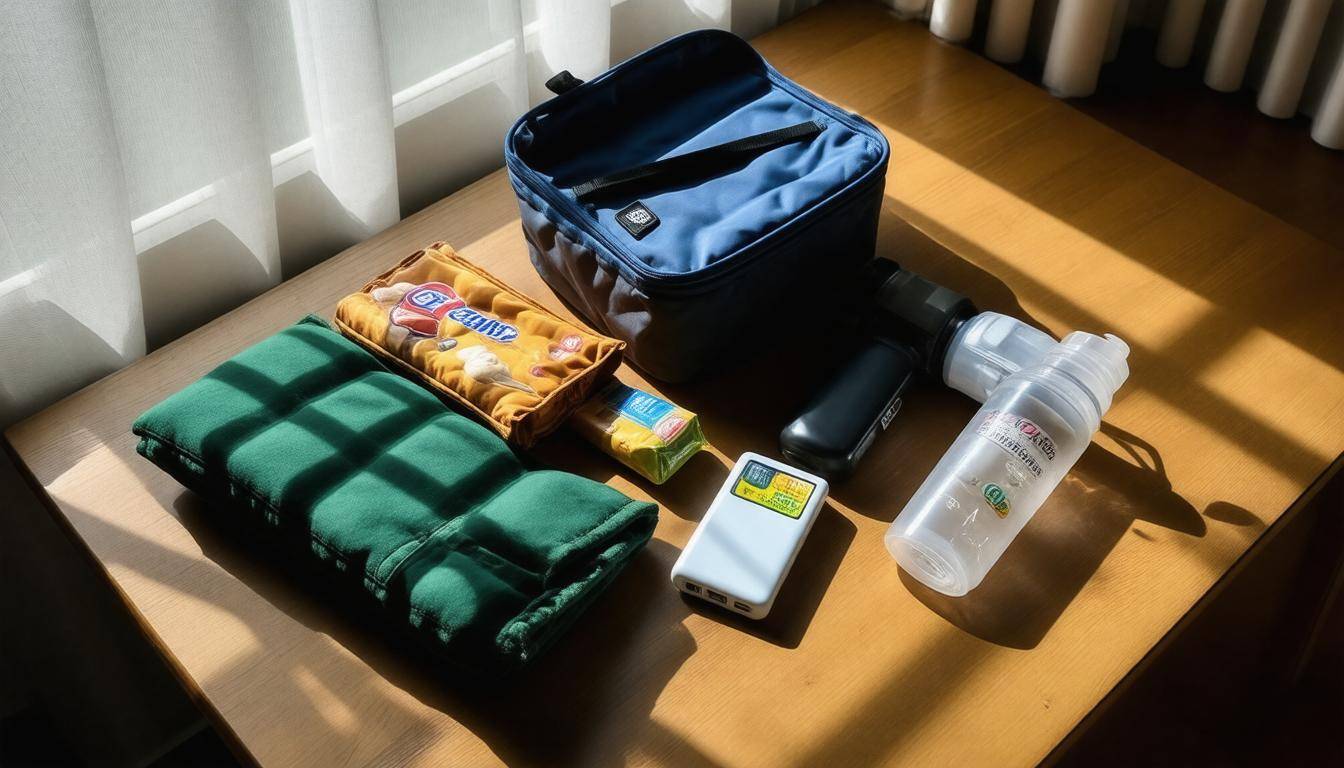
Including comfort items in your earthquake kit might seem trivial at first, but these small additions can significantly enhance morale and make a challenging experience more manageable. When you’re stressed, whether from an earthquake’s uncertainty or daily life upheaval, familiar items can provide a sense of normalcy. Packing spare clothes and blankets is essential; they keep you warm and offer emotional security. This is especially important for children, who often feel anxious during emergencies. A favorite blanket or stuffed animal can bring comfort that can’t be underestimated.
Comfort Items
When considering what to include in your kit, think broadly about all aspects of comfort. Beyond clothing and warmth, consider packing trusty books or small toys for kids. Having something engaging to do can alleviate boredom and anxiety; if the power goes out, reading can transport you from discomfort. Additionally, a simple pack of playing cards can spark laughter and interaction among family members, fostering a spirit of togetherness.
It’s equally vital to address personal hygiene during emergencies. Maintaining good hygiene improves physical health and can significantly bolster one’s emotional state. Prepare by including wet wipes, hand sanitizer, and face masks in your kit. These supplies ease the friction of being unprepared in uncertain situations, making you feel cleaner and more comfortable when circumstances are less than ideal.
Lastly, consider additional items that could further contribute to your sense of peace during an emergency. A battery-powered radio could keep you informed with updates about the situation outside. A cozy pair of slippers or an extra pillow can bring reminders of home.
Remember: Comfort items might not save lives directly, but they can play an important role in reducing stress and fostering resilience when facing unexpected emergencies. Preparing for both survival and emotional well-being sets you up for a smoother recovery from unforeseen challenges.
With our understanding of essential supplies for maintaining comfort during emergencies established, we can now shift our focus to proactive strategies that further enhance preparedness in chaotic situations.
Emergency Preparedness Tips
Knowing how to effectively utilize your earthquake kit is just as critical as having it stocked. A well-prepared family should not only have access to the necessary supplies but also be trained in how to use them. This starts with safety drills, where everyone in the household participates in regular practice sessions. Conducting these drills allows family members to become familiar with the location of the earthquake kit, ensuring quick access when needed. You might want to schedule these drills during family gatherings or on weekends; make it a routine practice that feels less like a chore and more like a team-building exercise.
As these routines solidify, it’s important to remember that communication is just as vital during emergencies as physical preparedness.
Emergency Contacts
Create a comprehensive list of emergency contacts, making sure each family member knows who to call in case of an emergency. It is essential that everyone understands not just the who, but also the what—what to do if someone gets separated. This could mean establishing a predefined meeting place outside the home or ensuring each person has a charged mobile device programmed with important numbers. Consider using apps for family location tracking, which can help reunite loved ones quickly during chaotic situations. Regularly updating this contact list will keep it current and functional, so make it a habit to review it at least once every few months.
With both drills and communication in mind, there’s another vital aspect that ties everything together: community awareness.
Community Engagement
Engaging with your local community can enhance overall preparedness as resources and knowledge can multiply when shared. Join or form neighborhood watch groups focused on disaster preparedness; collaborate on safety drills together. Invite local emergency service personnel to give talks about what to expect in emergencies or how best to respond. This builds bonds among neighbors while raising general awareness about safety practices. Also, consider participating in community fairs where local organizations may provide valuable tips on creating resilient neighborhoods.
Lastly, remember that preparedness is a continuous process that evolves over time.
Continuous Learning
Always stay informed about new safety practices through reputable sources such as local government websites or disaster management organizations. Keeping up-to-date with information not only empowers you but equips your family with the latest strategies to respond effectively during unforeseen circumstances. Participate in workshops about earthquake safety or take first-aid courses together; such experiences foster confidence and cohesiveness within families.
By integrating these emergency preparedness tips into your routine, you lay a stronger foundation for both safety and comfort when faced with potential disasters like earthquakes. Being proactive about training and communication can significantly increase resilience, ensuring you’re ready not just to survive, but to thrive in any challenging situation that may arise.
Transitioning from preparedness tactics, let’s focus on how to build a strategic plan that accommodates all family members’ needs in times of uncertainty.
Creating an Emergency Plan
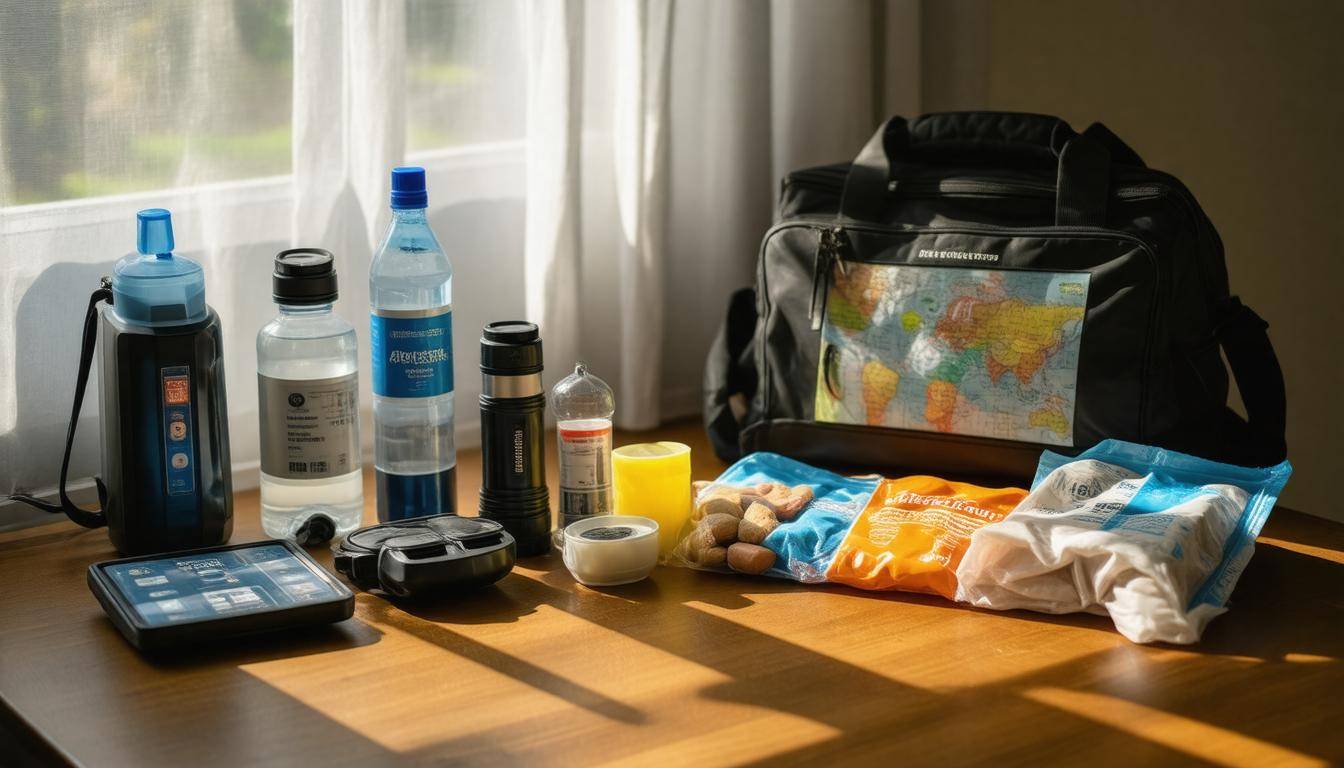
Having an emergency plan is akin to having a roadmap in a world full of unpredictability. It provides direction when chaos reigns and ensures that all family members are on the same page. This strategic approach is essential, particularly in California, where earthquakes can strike at any moment. Your plan serves as both a safety net and a guide for what to do when disaster strikes.
Step I – Assign Tasks
To maximize efficiency during unexpected situations, assigning specific tasks to each family member is crucial. For instance, one person could be responsible for grabbing the emergency kit while another secures pets, ensuring their safety and that they are not left behind. Clear assignments like these help eliminate confusion and allow your family to act swiftly and purposefully when every second counts.
It might be beneficial to create a small chart with everyone’s responsibilities, making it easy for everyone to remember their roles during an emergency.
Once you’ve defined individual roles, it’s time to turn your attention to how everyone will communicate.
Step II – Communication Plan
Establishing a family communication plan should be one of the top priorities in your emergency preparations. This plan includes designating an out-of-state contact who can relay messages or coordinate information if local communication lines become congested following an earthquake. You could involve older children in this process by allowing them to choose the contact—this helps them feel invested in the safety protocols.
In addition to communication methods, agree upon designated meeting points in case family members get separated after a quake. These locations could be your neighbor’s house or a nearby park. Knowing exactly where to meet can save precious time and alleviate stress during what is bound to be a chaotic situation.
Finally, rehearsing your emergency plan as a family brings clarity and fosters confidence in these procedures. As you refine these processes, understanding how to keep everything updated is equally important.
Maintaining and Updating Your Kit
First and foremost, it’s essential to remember that your earthquake kit should always be functional. Regular maintenance ensures that every item can serve its intended purpose when disaster strikes. Just think of it as a routine check-up for your emergency supplies; like you wouldn’t want to drive a car without knowing if it’s in good shape, you shouldn’t rely on a potentially outdated emergency kit during a crisis.
One straightforward way to keep track is to create an inventory of your kit items and schedule regular checks, ideally once every six months. During these checks, take a look at expiration dates on food, water, and batteries. It’s an easy task to undertake while switching your clocks for daylight savings or during spring cleaning. Use this opportunity to ensure everything is still usable and ready when you need it most.
Whenever you find expired or damaged items, replace them immediately. You might be surprised how quickly things can go bad when not monitored: energy bars may lose freshness, bottled water may degrade over time, and batteries have a shelf life too. These seemingly minor oversights could make a big difference in an emergency situation.
It’s prudent to also include seasonal adaptations to your system. For instance, if winter approaches, you might consider adding blankets or hand warmers. Similarly, as the heat of summer arrives, think about including sunscreen or insect repellent. Customizing your kit ensures it meets the current conditions and emerging needs.
Another often-overlooked aspect of maintaining your kit is personalizing it based on changes in your family’s size or needs. If you’ve had a baby recently or if someone has developed specific health needs, adapting your emergency supplies becomes crucial. This may include adding child-friendly items like diapers or special medications that a family member may require.
In the hustle and bustle of our daily lives, it’s easy to forget about our emergency preparedness. Establishing consistent routines for checking and updating your emergency kit invests in peace of mind for yourself and your loved ones—providing reassurance that you’ll be prepared for whatever surprises Mother Nature throws your way.
As we consider the importance of flexibility in preparation, let’s explore the essentials needed for unexpected prolonged situations.
Prolonged Situations Essentials
When preparing for prolonged emergencies, it’s vital to think beyond the immediate essentials. While food and water are paramount, other items can greatly improve overall well-being during challenging times. For instance, a portable stove along with additional fuel should be at the top of your list. Not only does it allow you to cook meals and heat water, but it can also create a warm and inviting atmosphere if confined indoors.
It’s a good idea to gather non-perishable, nutritious food items such as canned fruits, nuts, or freeze-dried meals. Having a variety gives you options and helps prevent boredom when you’re rationing. Additionally, don’t neglect your hydrating needs; store enough bottled water or consider water purification tablets if you have access to a natural water source.
Often overlooked in emergency kits are prescription medications. Ensure that you keep an ample supply of your medications, ideally including an extra week’s worth beyond what you normally take. This foresight can make all the difference if help is delayed.
Keeping comfortable during prolonged situations can significantly influence your morale and ability to cope.
Personal comfort items should not be dismissed lightly either. Adding sanitary supplies like toilet paper and feminine hygiene products may seem trivial initially, but these can contribute greatly to both hygiene and comfort during tough times. If you plan out how many of these items you’ll need based on the length of your potential stay, it minimizes any discomfort that could arise from inadequate supplies.
Lastly, consider investing in a solar charger or a hand-crank charger for your electronic devices. Communication can be vital during emergencies, and staying connected—whether it’s through a phone or a radio—can provide critical updates about the situation outside your immediate area. Being able to charge such devices ensures that you stay informed, seek assistance when needed, and maintain contact with loved ones who might worry about your condition.
Thoughtful preparation can significantly ease the strain of prolonged emergencies and turn daunting experiences into something manageable. As we move forward, let’s explore effective methods for arranging your supplies in a streamlined manner.
Organizing Your Supplies Efficiently
A well-organized emergency kit can provide a sense of control amid chaos. Imagine being in a stressful situation—knowing where everything is located can save you time and anxiety. The table above outlines several essential categories and their contents, but let’s take that knowledge a step further by introducing actionable techniques for organizing these supplies efficiently.
First and foremost, it’s essential to categorize items logically, as outlined in the table. Group similar products together—like keeping all first aid materials in one section—to create an intuitive layout. This setup facilitates easy access and ensures that you’re not scrambling around looking for critical items when seconds count.
Labeling each category within your bag isn’t just helpful; it’s crucial. Using clear labels with bold letters can make all the difference during frantic moments. You might even consider adding color-coded labels for quicker identification.
As you begin to pack the bag, think about weight distribution. Keep heavier items like water bottles at the bottom to stabilize your pack while maintaining ease of accessibility. Position lighter items such as energy bars near the top, making it simple to grab a snack on the go or share with others if necessary.
“An organized mind leads to an organized life, even in emergencies.”
Arrangement Matters
Additionally, within each category, organize items by frequency of use; your first aid supplies should always be easily reachable since they are often needed in emergencies. A quick-access pocket in your kit for band-aids or antiseptic wipes can really streamline your response time if someone is injured.
Consider these tips:
- Use resealable bags: They keep related items secure and contained.
- Practice retrieval: Occasionally simulate an emergency scenario, testing how quickly you can access essentials.
- Rotate supplies: Check expiration dates regularly on food and medications to ensure you always have functional supplies on hand.
Effective organization goes beyond just storing items—it alleviates stress and enables decisive action when every second counts. Remember that having your supplies organized efficiently enhances not just your readiness but also your peace of mind during emergencies.
In summary, organizing your emergency supplies thoughtfully prepares you for unexpected situations and contributes to a calmer state of mind when faced with crises.
How often should I check and update the contents of my earthquake preparedness kit?
You should check and update the contents of your earthquake preparedness kit at least twice a year, ideally in the spring and fall. Statistically, natural disasters can happen without warning, and maintaining fresh supplies ensures you have usable food, water, medications, and batteries when an emergency strikes. Regular checks also allow you to replace expired items and adapt to any changing needs, keeping your family ready and resilient in the face of potential earthquakes.
What tools or equipment are necessary for securing heavy furniture and appliances in an earthquake-prone area?
To secure heavy furniture and appliances in earthquake-prone areas, essential tools include heavy-duty brackets, straps, and wall anchors. Using L-brackets to attach bookshelves to walls can reduce the risk of tipping, as statistics show that up to 70% of injuries during earthquakes are due to falling objects. Additionally, securing large appliances like refrigerators with straps can prevent them from moving or toppling over, ensuring safety and minimizing property damage during seismic events.
How can I educate my family on earthquake preparedness using the essentials in our kit?
To educate your family on earthquake preparedness using the essentials in your kit, start by holding a hands-on workshop where you explore each item, explaining its purpose and how it can be used during an emergency. Share recent statistics that highlight California’s vulnerability—over 10,000 earthquakes occur annually in the state, reminding them of the importance of being ready. Engage family members in role-playing scenarios to practice what to do before, during, and after an earthquake, solidifying their knowledge and boosting their confidence in using the kit effectively.
Are there specific recommendations for pets during an earthquake emergency?
Yes, it is essential to have a plan for your pets during an earthquake emergency. Recommendations include creating a pet emergency kit that contains food, water, medications, leashes, and identification tags. According to the American Humane Association, nearly 10 million pets are lost each year due to disasters, making preparedness crucial. Additionally, ensuring that your pets are familiar with carriers or crates can help reduce their stress during an evacuation. It’s also advisable to have a contact list of pet-friendly shelters in your area.
What are the must-have items for an earthquake kit specifically tailored for residents of San Jose?
For residents of San Jose, a well-prepared earthquake kit should include essentials such as water (at least one gallon per person per day for at least three days), non-perishable food, a flashlight with extra batteries, first aid supplies, a whistle to signal for help, dust masks, and multi-tools. Given that California experiences about 10,000 earthquakes each year, many of which are minor but can occasionally lead to significant events, having these items on hand can ensure safety and preparedness during emergencies. Don’t forget to include important documents, cash, and sturdy shoes to navigate potential debris after an earthquake.