
“Living in Santiago comes with its own set of unique challenges, especially when it comes to preparing for earthquakes. With a long history of seismic activity, knowing how to keep yourself and your loved ones safe can feel daunting. Yet, taking proactive steps to prepare can make a significant difference in keeping everyone secure during a quake. You might wonder where to start or what resources are available—don’t worry! In this guide, we’ll walk you through essential safety tips, local resources, and specific actions that can help you build resilience against the unexpected rumblings of our beautiful city. Let’s dive in!”
Your Santiago Earthquake Preparedness Guide should include essential earthquake safety tips such as having an emergency kit with food, water, and medical supplies, knowing local emergency numbers, and familiarizing yourself with evacuation routes. Additionally, it’s important to have a communication plan with family and friends and utilize tools like earthquake detection apps for real-time alerts during seismic events.

Regional Information Resources for Santiago
In a city like Santiago, where earthquakes can strike without warning, having access to accurate and timely information is crucial. Agencies such as ONEMI (Oficina Nacional de Emergencia del Ministerio del Interior) serve as a pivotal resource. This national emergency office provides guidance on earthquake preparedness, including safety protocols and real-time updates during seismic events. Their dedicated website offers detailed guides and essential tips for homeowners and families adapting to the region’s geological realities. For those who prefer keeping information at their fingertips, the newly launched mobile app from ONEMI is particularly useful. It pushes notifications regarding earthquake alerts, ensuring that you remain informed instantly.
Meanwhile, SERNAGEOMIN (Servicio Nacional de Geología y Minería) complements this effort by delivering scientific insights and monitoring seismic activity across Chile. Their updates include data about recent quakes and can significantly aid in understanding both immediate threats and broader trends in seismic behavior. Keeping an eye on their communications enriches your awareness of what to expect in terms of earthquake activity in your area.
Local media outlets also play a vital role in shaping community preparedness. Channels like 24 Horas and El Mercurio don’t just report news; they actively engage with expert voices to inform the public about safety measures tailored specifically for Santiago’s urban landscape. As someone who’s watched these reports first-hand, I find their segments on earthquake preparedness invaluable—especially when they feature discussions with local geologists about building structures that endure tremors. Such insights help you understand which buildings are safer and what evacuation routes to consider should an emergency arise.
Beyond formal structures, community centers around Santiago frequently collaborate with organizations such as the Red Cross to host workshops focused on disaster readiness. These gatherings cover critical topics: from how to assemble effective emergency kits to developing family evacuation plans. Participating in these sessions not only increases your chances of staying safe but fosters a sense of camaraderie among neighbors contemplating collective safety strategies.
With these regional resources at your disposal, you’re well-positioned to enhance your knowledge and preparedness for unforeseen disasters. As we turn our focus ahead, it’s important to consider what specific gear can further bolster your safety and readiness during these events.
Essential Safety Gear for Earthquakes
An effective emergency kit can be a real lifeline in the event of an earthquake, facilitating everything from survival to communication. Let’s break down the Basic Emergency Kit Components you’ll want to have ready as you navigate through potential challenges during a quake scenario.
Basic Emergency Kit Components
-
Water: You can’t overestimate the need for hydration. Aim for at least one gallon per person per day for three days; this ensures you stay hydrated amid any chaos.
-
Non-perishable food: Think about canned goods, energy bars, or dried fruits—something that won’t spoil and is easy to pack. Having a supply for at least three days is wise as help may take longer than expected.
-
Flashlight and extra batteries: When the lights go out, your flashlight becomes your best friend. Make sure it has fresh batteries so that it operates reliably when needed.
-
First aid kit: This should contain essentials like bandages, antiseptic wipes, and pain relievers. A well-stocked first aid kit can mean quick relief in minor emergencies until professional help arrives.
-
Whistle to signal for help: If you’re trapped or need to alert emergency responders, a whistle is much more effective than shouting.
-
Dust mask: Protecting yourself from dust and debris after an earthquake can make a big difference; a simple mask will filter out harmful particles in the air.
-
Moist towelettes, garbage bags, and plastic ties: Sanitation is often overlooked but essential. These items ensure you have clean waste disposal options and can help maintain hygiene.
-
Wrench or pliers: Equip yourself with tools to turn off utilities like gas or water if they become compromised. This precaution helps prevent further hazards.
Advanced Safety Gear
Once you’ve got the basics down, consider enhancing your kit with advanced safety gear. Items such as portable power banks and solar chargers are invaluable during prolonged outages—keeping your devices charged means you can maintain communication when needed most. Additionally, emergency blankets are compact yet provide essential warmth if you find yourself exposed to the elements.
Unique locations often have their own nuances when it comes to safety gear effectiveness. For instance, having sturdy shoes handy protects your feet from falling debris—a critical consideration in places where building structures may be less stable.
While preparing your home with these essential gear items is vital, fostering connections within your community adds an extra layer of security and support during unpredictable events. Let’s explore how coordinated efforts can enhance resilience in the face of adversity.
Community Action Plans
It’s remarkable how a group of individuals, when united by a common goal, can make a significant difference in times of crisis. When we talk about community action plans for earthquakes, we’re looking at a framework that encourages collaboration between residents, local authorities, and emergency services to create a resilient support system during disaster events. This cooperation is crucial for streamlining responses and optimizing available resources.
Organizing Community Drills
An effective way to prepare is by organizing community drills that allow everyone to practice their response actions. In these drills, residents should set up designated meeting points where they can gather after an earthquake and share contact information to ensure that everyone is accounted for.
These simple exercises not only familiarize participants with what to do but also help foster connections among neighbors, making it easier to reach out in times of need. For example, in La Reina, their successful model incorporates quarterly simulations that involve not just families but local schools and businesses as well. This comprehensive approach ensures that various sectors of the community are ready to work together seamlessly when an actual event occurs.
Forming Neighborhood Teams
Another crucial aspect of these plans lies in the formation of Neighborhood Emergency Response Teams (NERT). These organized teams draw upon the diverse skills within the community — think residents proficient in first aid, carpentry, or even those with communication expertise.
By establishing roles based on individual strengths, communities can respond more effectively during disasters. Having firsthand knowledge from members like Mario from Providencia adds weight to this initiative; his experiences reveal how their NERT effectively managed supplies and shelters during the shaking of the 2023 quake. His testimony showcases how preparedness can transform chaotic circumstances into organized efforts that prioritize safety.
The essence of community action plans is about empowerment — when residents feel informed and ready, their confidence blossoms.
While community cooperation is vital for managing emergencies, it’s equally important to ensure that your personal living space is prepared for unexpected seismic activity.
Securing Your Home

When it comes to earthquake preparedness, securing your home isn’t merely about its structural integrity; it’s also about safeguarding the items inside that create a comfortable and functional living space. Earthquakes can shake loose not just bricks but also books, dishes, and decor. So, we need to think practically about how to protect everything within our walls as well.
Structural Reinforcements
Starting with the foundation, retrofitting your home using earthquake-resistant materials is crucial. Utilizing items like base isolators and shear walls can significantly increase your home’s ability to absorb seismic energy. Recent studies indicate that homes equipped with these features sustained 50% less damage during moderate quakes compared to those that weren’t retrofitted. Investing in such improvements now can save you extensive repair costs later and potentially keep your family safe while ensuring that the structure remains intact.
Interior Safety Measures
Once your structure is fortified, it’s time to turn your attention to securing interior items. Start by anchoring heavy furniture, like bookshelves and cabinets, directly into the wall using specialized brackets or straps designed for this purpose. This simple action prevents them from toppling over, reducing the risk of injuries during shaking. Next, consider placing non-slip mats under smaller items such as vases or picture frames, preventing them from sliding off shelves when tremors hit.
Additionally, securely mounting televisions and other electronics on walls reduces the chances of them falling during an earthquake. It’s also wise to avoid keeping heavy items on high shelves where they could tumble down unexpectedly.
- Anchor heavy furniture like bookshelves and cupboards to the walls using sturdy brackets.
- Use non-slip mats under smaller decorative items to keep them secure.
- Ensure televisions and electronics are mounted safely on the wall.
- Install safety latches on kitchen cabinets so they don’t fling open during quakes.
Utility Safety
An often overlooked yet vital part of securing your home revolves around utility systems. Label all gas and water shut-off valves clearly, and make sure they are easy to access in case you need to turn them off quickly after a quake strikes. Knowing how to operate these valves can prevent catastrophic leaks and potential fires if there’s significant disruption in service lines post-earthquake.
As we progress further into making sense of how to act when the ground begins to shake, understanding these steps is foundational for effective preparedness.
What to Do During an Earthquake
Understanding what steps to take during an earthquake can significantly impact your safety. One of the first things to remember is the mantra: Drop, Cover, and Hold On. This simple phrase encapsulates the best course of action during shaking. When the tremors start, drop to your hands and knees right away to avoid being thrown off balance. This position not only protects you from falling but allows you to move if necessary. By getting low, you lessen the risk of injury from overhead items potentially coming loose.
Drop, Cover, and Hold On
Once you’re on the ground, the next move is critical—cover yourself. Seek shelter under a sturdy piece of furniture like a table or desk if one is nearby. Not only does this help shield you from flying debris, but it also gives you a place to protect your head and neck. If no cover is available, assume the position against an interior wall away from windows. It’s important not to run outside during shaking; open spaces may have flying debris or collapsing structures that can pose their own risks.
The idea behind holding on is that if you’re beneath something sturdy, you should grip it firmly until the shaking stops. This way, you remain protected from any sudden movements of whatever you’re taking cover under. If you’re not under a protective structure and find yourself bracing against a wall instead, stay in that position until the chaos around you subsides.
Evacuating Safely
Once the shaking has ceased, your immediate goal should shift to safely evacuating if needed. If you’re outside during an earthquake—congrats! You’ve just bypassed any debris or falling hazards typically found within buildings. However, do make your way to an open area away from buildings, trees, streetlights, and power lines as these can present dangers after the main tremors end.
If you’re caught driving when an earthquake hits, pull over safely to a clear area off the road and stay inside your vehicle until the shaking subsides. The likelihood of injuries increases dramatically during an earthquake due to falling objects. In fact, data from the 2010 quake in Chile revealed that many injuries resulted directly from collisions with objects and structural components falling unexpectedly; knowing this reinforces why staying clear of buildings is so crucial.
Having understood these essential steps during an earthquake enables a more prepared mindset for facing what follows in its wake—preparing for possible challenges and exploring effective ways to get back on track.
Recovery Strategies and Help
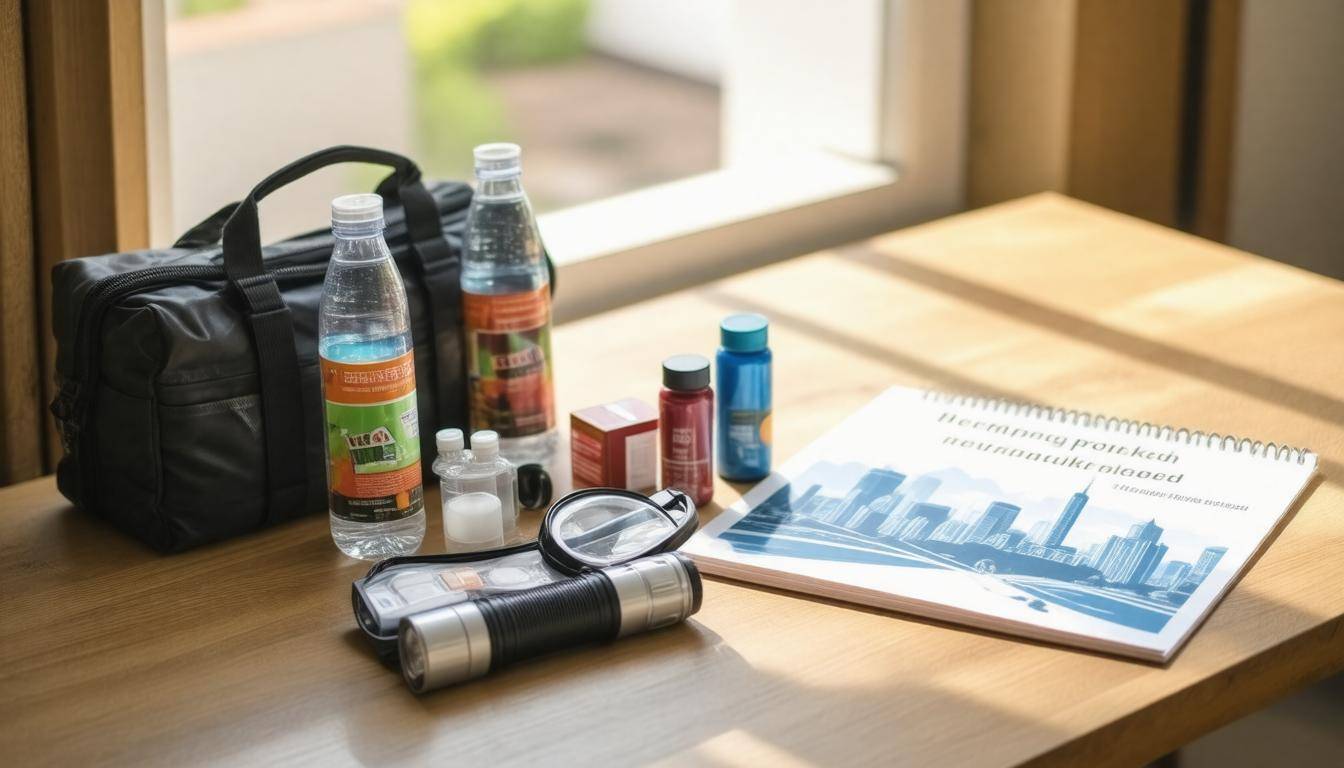
The aftermath of an earthquake can be chaotic, and having a solid recovery strategy can significantly ease the burden. The first step is to establish a well-crafted plan tailored to your specific needs and circumstances. It’s essential to involve family members in these discussions, ensuring everyone understands their roles during recovery. This might include designating a meeting place, contingency plans for pets, or a communication strategy if family members are separated by the event.
Immediate Post-Disaster Steps
After confirming safety, check yourself and those around you for injuries; it’s crucial to administer first aid where needed. Being cautious of aftershocks is vital as they can cause further damage. Then, inspect your home carefully — look for visible cracks, damages, or signs of structural failure. If there are gas leaks or downed power lines, turn off your utilities right away to prevent additional hazards. Keeping a notebook handy to document any observed issues can be useful not only for personal reference but also for future claims with insurance companies.
Once you’ve ensured immediate safety and documented potential issues, it’s time to seek assistance from local resources.
Seeking Help
Contact local emergency services promptly for any significant needs. They can provide instructions on what to do next regarding aid access. Shelters and aid centers are often set up through organizations like the Red Cross and government agencies catering specifically to community recovery efforts. These facilities offer not just temporary shelter but resources such as food, medical assistance, and emotional support for individuals affected by the disaster. For instance, Lucia from Maipú highlighted how “the emergency funds from the government helped us restore our home quickly after the 2024 earthquake,” which serves as a testament to the effectiveness of organized response efforts.
However, emotional recovery is just as important as physical rebuilding.
Financial and Emotional Support
Exploring financial aid options is fundamental in moving forward with repairs. Many communities have local programs that assist residents financially or connect them with non-governmental organizations (NGOs) that offer similar support. It’s worth taking time to research what’s available and apply early — these funds can be critical in covering any unexpected costs incurred during repairs.
Post-disaster stress can be overwhelming; therefore, participating in community support groups can provide both solace and practical advice from others who are experiencing similar situations. Establishing a routine through these gatherings can not only assist with emotional well-being but also foster connections that may lead to shared resources or collaborative rebuilding efforts among neighbors.
Recognizing these vital recovery steps sets the stage for enhancing your preparedness skills through ongoing training and practical exercises.
Ongoing Education and Drills
Maintaining readiness in the face of potential earthquakes isn’t a one-time task; it requires an ongoing commitment to education and rehearsal. One impactful way to foster this preparedness is through participation in drills. City-wide drills, conducted quarterly by local governments, offer a unique opportunity to experience simulated earthquake scenarios. This hands-on practice helps you familiarize yourself with the procedures for ensuring safety when the ground begins to shake.
Taking Part in Drills
These drills aren’t just a good idea—they’re essential. They help you understand the importance of acting quickly when disaster strikes. Research from ONEMI indicates that communities engaging in regular drills see a staggering 30% reduction in injuries during real seismic events. This statistic underscores how well-practiced routines facilitate rapid and effective responses during actual earthquakes, minimizing chaos and confusion when it counts the most.
While drills provide necessary experiential learning, formal education also plays a crucial role in equipping families with essential knowledge.
Educational Programs
Attending workshops and seminars dedicated to earthquake preparedness empowers residents with practical information. Many institutions host these informative sessions, frequently bringing experts to share their insights on safety protocols and recent advances in earthquake prediction technologies. For example, the University of Chile has developed free online courses focused on earthquake safety and preparedness strategies, garnering positive reviews from participants who appreciate firsthand knowledge from experienced professionals.
Engaging in educational programs not only enriches your understanding but also encourages discussions about safety measures within families, fostering a culture of preparedness at home.
By participating in both drills and educational initiatives, individuals enhance their readiness, creating not just a knowledgeable community but also a prepared one capable of responding effectively during seismic events.
In summary, continuous engagement in preparedness efforts ensures both personal safety and community resilience when facing earthquakes. Awareness and education are your best strategies for navigating potential disasters.
What essential supplies should every household in Santiago have in case of an earthquake?
Every household in Santiago should have essential supplies such as a first aid kit, non-perishable food and water (at least one gallon per person per day for three days), a flashlight with extra batteries, a multi-tool or can opener, and a battery-powered or hand-crank radio. According to the Chilean government, around 70% of homes in earthquake-prone areas like Santiago are not adequately prepared, making it vital for residents to stock these essentials to ensure safety and survival during seismic events.
How should homeowners assess and retrofit their buildings to withstand earthquakes?
Homeowners should begin by assessing their buildings for structural integrity, focusing on the foundation, walls, and roof. Retrofitting methods include bolting the house to its foundation, reinforcing walls with metal plates or braces, and adding shear walls to improve stiffness. According to FEMA, proper retrofitting can reduce earthquake damage by up to 60%, making it a crucial investment in earthquake-prone areas like Santiago, where seismic activities are common. Regular inspections and engaging with certified professionals are essential to ensure that retrofitting measures meet local building codes and enhance safety.
What are the most common myths about earthquake safety that residents should be aware of?
Some common myths about earthquake safety include the belief that you should stand in a doorway during an earthquake, which can actually be less safe than dropping to the ground and covering your head, as doorways are not always structurally sound. Another myth is that if you are outside, finding an open area is best; however, staying away from buildings, trees, and utility wires is more effective for safety. According to the Federal Emergency Management Agency (FEMA), many injuries occur when people follow these misconceptions instead of adhering to safe practices like “Drop, Cover, and Hold On.”
How can families create an effective emergency plan specific to living in Santiago?
Families living in Santiago can create an effective emergency plan by first identifying safe spots in their home and local community, such as doorways or open fields, where they can gather during an earthquake. They should establish a communication strategy that includes designated contacts outside of the city to report their status and a meeting point if they get separated. Considering that Santiago is at high seismic risk, with an earthquake magnitude of 8.0 or greater occurring approximately every 30 years, families should also practice evacuation drills regularly and ensure they have essential supplies like water, food, and first aid kits readily accessible.
Are there community resources or organizations in Santiago that provide training on earthquake preparedness?
Yes, there are several community resources and organizations in Santiago that provide training on earthquake preparedness. The Chilean National Emergency Office (ONEMI) offers workshops and simulations to educate residents on safety measures and response plans. Additionally, local NGOs often conduct community-based drills and distribute materials to enhance readiness. According to a 2021 survey, nearly 70% of Santiago residents reported participating in at least one type of earthquake preparedness training, highlighting the community’s proactive approach to disaster readiness.