
Winter in Saskatoon can be more than just a picturesque wonderland; it often transforms into an unforgiving battle against the elements. When blizzards sweep through, they can leave us trapped at home, facing icy winds and heavy snowfall, which is why having a Blizzard Emergency Kit is key to staying safe and comfortable. Preparing for these harsh conditions isn’t simply a good idea—it’s essential. With the right supplies, you can weather the storm and keep yourself and your loved ones protected during those long, snowy days. Let’s take a deeper dive into what you need to include in your kit for total winter readiness.
A Blizzard Emergency Kit for Saskatoon, Saskatchewan should include essential items such as non-perishable food, water (at least one gallon per person per day), warm clothing and blankets, a flashlight with extra batteries, a battery-powered radio, a first aid kit, and necessary medications. Additionally, it is advisable to include personal hygiene items and a multi-tool for various needs during extended power outages or emergencies caused by severe snowstorms.
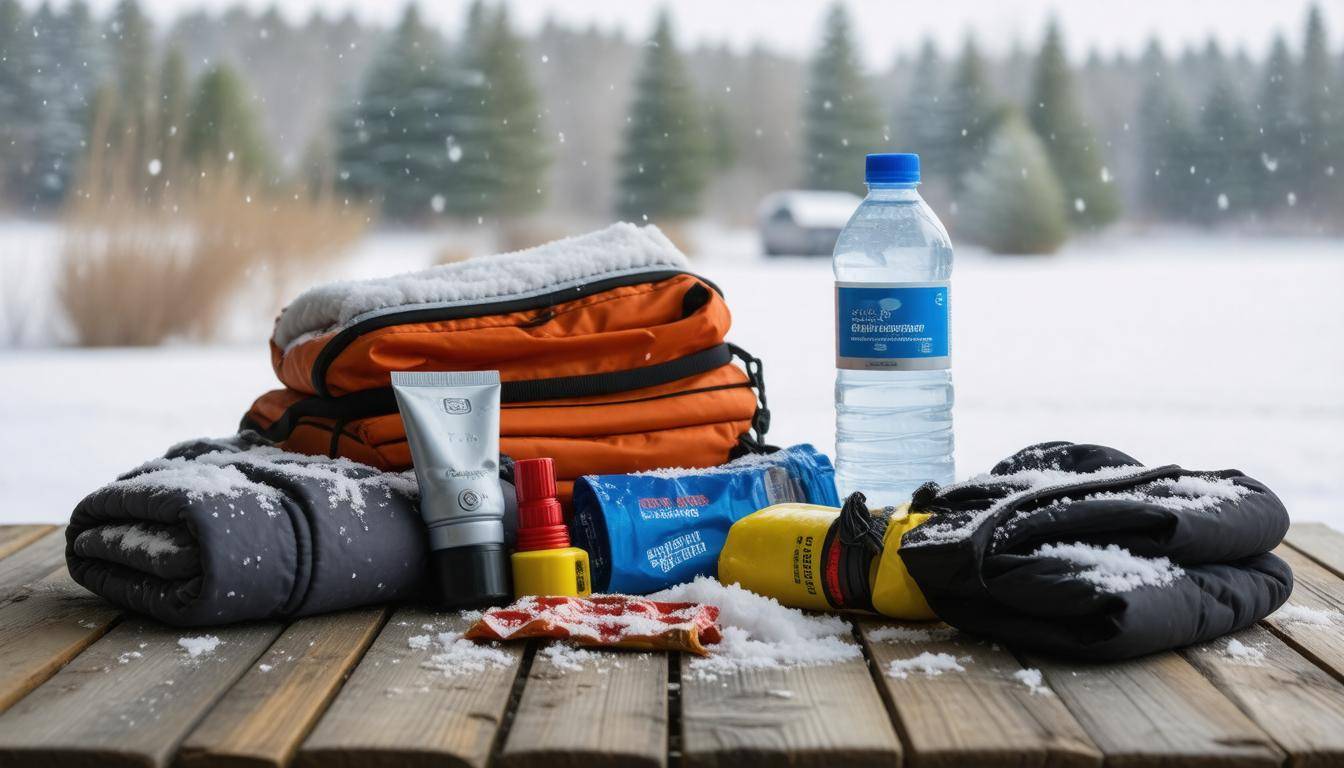
Preparing for a Saskatoon Blizzard
Start by assessing your home to ensure it’s equipped to handle the elements. You’ll want to check that your windows and doors are well-sealed to keep the heat inside; adding weatherstripping can be a simple yet effective measure. When temperatures plunge, drafts can turn a cozy haven into a chilly retreat, causing your heating system to work overtime and leading to higher energy bills.
Moreover, it’s vital to create or refresh your emergency kit—don’t wait until the storm hits! Essential supplies should include items like non-perishable foods, a first-aid kit, flashlight with extra batteries, blankets, and bottled water. These necessities will ensure you can sustain yourself and your family if power outages occur or if you’re unable to venture out for groceries.
Remember that perishable items are not suitable in an emergency situation since they can spoil without refrigeration.
One essential aspect many people overlook is preparing their vehicles. Before snow falls, make sure your car is ready for the challenges of winter driving. Keep an emergency kit in your trunk containing essentials like a shovel, ice scraper, first-aid kit, booster cables, and non-perishable snacks.
On top of this, update your communication plan with family and friends. Establish check-in points where you can confirm each other’s safety during severe weather events. Be sure everyone in your family knows how to use the various tools within your emergency kit; practicing with items like flashlights or even the battery-operated radio can help ensure everyone remains calm and capable when it counts most.
As we consider these preparedness measures, we now turn to focus more specifically on the supplies that will fortify your readiness in the face of winter’s harshness.
Essential Items for Your Blizzard Emergency Kit
Assembling a comprehensive emergency kit ensures that you are ready for any adverse weather conditions that Saskatoon winters can throw at you. At the top of your list should be non-perishable food items. Think canned goods, granola bars, and ready-to-eat meals that require no cooking. These foods not only keep well but also provide essential nutrients to sustain you during prolonged power outages.
Alongside food, don’t forget to pack a sufficient amount of bottled water—ideally one gallon per person per day for at least three days. Staying hydrated is crucial, especially when the chill makes everything seem so much colder.
A flashlight is another indispensable item in your kit. When the storm rolls in, it’s common for power to flicker or go out altogether. Choose an LED flashlight since they are efficient and last much longer than traditional bulbs. Pair that with a good supply of batteries to ensure you never find yourself in the dark.
Next on your list should be a first-aid kit. Accidents happen and a well-stocked first-aid kit can help address minor injuries promptly—think adhesive bandages, antiseptic wipes, and pain relievers. Not far behind this need is the inclusion of personal identification documents and health insurance papers stored in a waterproof bag. In emergencies, being able to access these will streamline processes and keep vital information at hand.
Consider Additional Essentials
Some people overlook the importance of including essential medications within their kits. If you rely on any specific prescriptions, be sure to have an adequate supply on hand. It’s wise to think ahead; consider adding an extra pair of glasses if you wear them daily too.
Beyond these basics, there are other items worth considering that can greatly enhance your preparedness during unexpected winter storms.
A multi-tool is always handy. It serves multiple purposes from opening cans to making quick repairs. If your emergency requires more than just food and light, having a reliable multi-tool can prove invaluable.
Thermal blankets or sleeping bags are another great addition; they help retain body heat should you face prolonged exposure to cold conditions without heating sources. If you’re anticipating a severe blizzard, consider adding flares or whistles for signaling for help if necessary.
Finally, don’t forget about entertainment options like books or games in case you’re confined indoors for extended periods. Keeping morale high during unforeseen events is pivotal for everyone involved.
With these supplies gathered, you’re well on your way to a thorough preparation strategy for any situation that may arise as winter unfolds its fierce embrace.
Food and Water Supplies
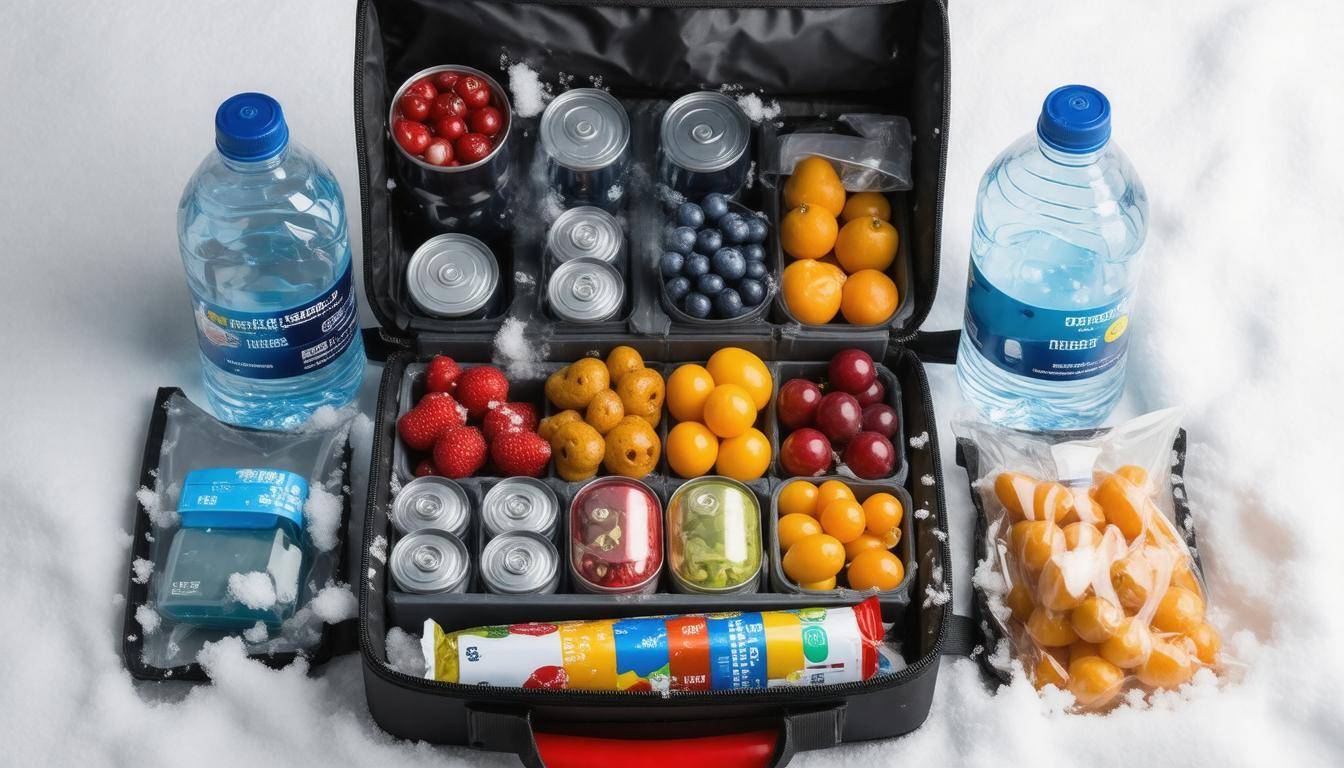
Proper nutrition and hydration during a blizzard are essential for maintaining energy levels and keeping spirits high while you’re cooped up at home. Imagine being snowed in with fresh ideas and boredom creeping in; having the right food can be a game changer. Stocking up on long-lasting supplies meets your basic needs and gives you peace of mind. Planning is key; consider what you’ll eat, how you’ll cook it, and whether you have the necessary items on hand.
According to the Canadian Red Cross, it’s recommended to have at least three days’ worth of supplies for every person in your household. After all, when a blizzard hits, the last thing you want to worry about is whether your pantry is stocked or if you’ve got enough clean water.
Non-Perishable Food Items
When it comes to non-perishable food items, versatility is crucial. Canned beans, vegetables, dried fruits, nuts, instant noodles, rice, and freeze-dried meals are top contenders to have on hand. Not only do they retain their nutritional value over time, but they also provide ease of preparation. For example, canned beans can be used in chili or salads—versatile yet nutritious!
It’s wise to think beyond just survival when placing items in your kit. Personal preferences matter too; perhaps you love snacking on trail mix or enjoy a particular type of instant noodle soup. A well-stocked supply of food sustains you physically and can lift your mood during those long winter nights.
Consider adding spices or small packets of condiment sauces to contrast with the blandness often inherent in long-stored foods.
Next up is ensuring your water supply is sufficient.
Water Storage
Staying hydrated has never been more critical during severe weather events like a blizzard. The general recommendation is to ensure you have at least 2 liters of water per person per day. For an average family of four facing a three-day blizzard, you’d need roughly four gallons of water just for drinking alone! Bottled water is typically the most reliable source since it’s easy to store and can be kept in a cool area until needed.
Moreover, don’t forget to include water purification tablets as part of your supplies. They can serve as a backup should your stored water be compromised or if you find yourself needing more than you’ve prepared for. Having multiple sources ensures you’re covered no matter what situation arises.
Keeping both food and water well-stocked prepares you for a blizzard and provides comfort as you hunker down in your home against the storm outside. The next consideration focuses on essential items that will bolster your safety and readiness during these winter challenges.
Safety and First-Aid Essentials
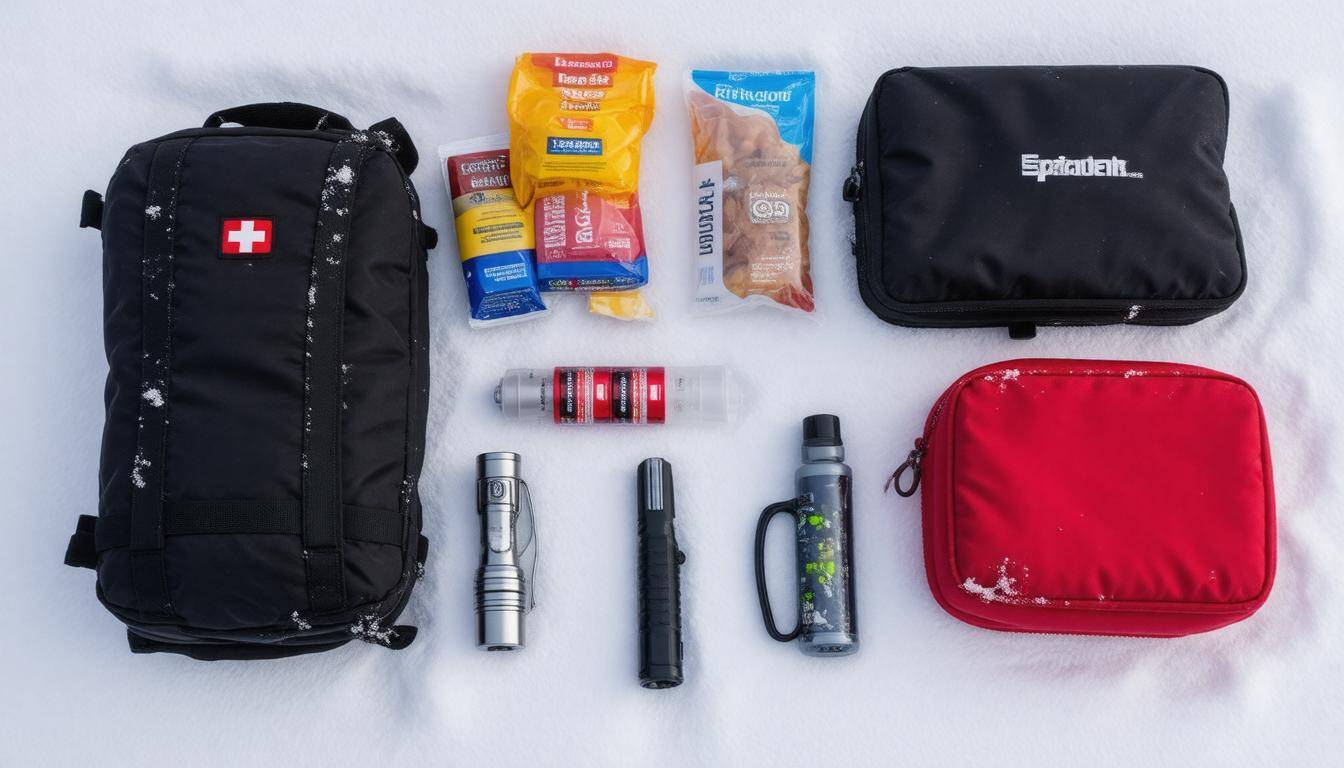
In addition to having a well-stocked first-aid kit, which includes bandages, antiseptic wipes, and pain relievers, it’s crucial to consider the challenges posed by extreme cold. Blizzards are unforgiving, and every extra precaution counts. Always check that your kit is stocked with essential items such as medical tape and tweezers, which can be necessary for more than just minor emergencies.
Once you prioritize the basics, it’s time to think about how to prepare for the specific conditions that a blizzard in Saskatoon can present.
Additional Safety Gear
Introducing cold-weather-specific items can enhance your emergency preparedness exponentially. For example, packing hand warmers helps keep fingers nimble while waiting for help or while tending to any injuries. A thermal blanket is not only beneficial for warmth but can also provide insulation in case someone has to stay put for an extended period. Plus, incorporating a whistle into your kit can assist in signaling rescuers when visibility is low due to snow accumulation.
Moreover, don’t overlook the practicality of a sturdy shovel. Snow can accumulate rapidly during a blizzard, and having a tool not only allows for clearing paths but also doubles as protection against potential collapses if snow piles up around your shelter. It’s worth remembering that a little foresight now could save lives later.
Being prepared isn’t merely about having items on hand; it’s about ensuring those items match the challenges you might face.
As you gather your emergency supplies, don’t forget the invaluable resources like extra batteries for flashlights, multi-tool gadgets which serve multiple functions, and even non-perishable snacks beyond what’s in your food supply. Consider keeping an updated list of supplies handy—because knowing what you have allows you to better prepare when a storm hits.
With these essentials packed away, we now turn to explore sources of light and power that will help keep you safe during prolonged outages.
Lighting and Power Sources
During a Saskatchewan blizzard, power outages can disrupt heating and vital communications, making reliable lighting and power sources essential. Without access to electricity, the everyday comforts and necessities we take for granted can quickly become inaccessible. That’s where proper preparation comes into play, ensuring your home is equipped to weather any storm.
Battery-Operated Devices
First and foremost, investing in battery-operated devices is an absolute must. Flashlights are your first line of defense against darkness. Have several on hand and make sure to stock up on high-quality spare batteries, as these can run out surprisingly fast when you’re relying on them nightly. But let’s not forget about LED lanterns; they’re a game changer! Not only do they provide brighter light (perfect for reading or cooking), but they also consume significantly less energy. This means more light over longer periods without needing frequent battery replacements.
In tandem with these portable lights, it’s crucial to think about how you’ll keep your essential devices powered when the grid goes down.
Backup Power Solutions
Backup power solutions can make all the difference when facing extended outages. A good portable power bank should be at the top of your list; it allows you to charge smartphones and tablets with ease, keeping you connected to crucial information during the storm. However, if you anticipate an outage lasting more than a few hours, consider investing in a small generator. These can power essential appliances such as refrigerators or heaters—crucial for both food safety and maintaining warmth in bitter cold.
Though solar-powered chargers may seem appealing due to their eco-friendliness, it’s essential to understand their limitations. They work best under direct sunlight, which might not be available during a blizzard, resulting in compromised functionality. Nevertheless, having one as a backup occasionally might still be worth it for lighter charging needs when conditions allow.
Preparing your Saskatoon emergency kit with these lighting solutions goes beyond mere convenience; it can often be a matter of maintaining safety and comfort during an unpredictable winter storm. With thoughtful preparation in light sources and backup power options, you’ll have necessary provisions at hand when winter strikes.
Now that we’ve illuminated the essentials for backup power during those harsh winter months, let’s explore how to keep warmth and comfort close at hand amidst frigid conditions.
Clothing and Warmth
Staying warm is not just about comfort; it’s about survival during those frigid Saskatchewan winters. Dressing in layers is crucial because it traps heat effectively, allowing you to adjust your insulation based on activity levels or sudden changes in temperature. Starting with a base layer of thermal underwear creates a foundation of warmth that wicks moisture away from your body—this is essential in keeping you dry and preventing chills.
As you build up from there, wool sweaters make an excellent choice for insulation. Wool fibers retain warmth even when wet, making them ideal for snowy periods. On top of that, an insulated jacket can serve as your shield against the biting cold air, especially one designed with wind and water-resistant materials. Just as vital, remember to add a waterproof outer layer to protect against melting snow or unexpected flurries. The elements can be unforgiving in winter storms, and being prepared will keep you safe.
Essential Clothing Items
- Thermal socks
- Insulated gloves
- Wool scarves
- Winter hats
- Waterproof boots
These items may seem simple, but they form the backbone of your winter attire. Thermal socks are particularly important as they’ll keep your feet warm and cozy inside waterproof boots that should be sturdy enough to navigate icy terrains. Your hands also deserve special attention; insulated gloves allow for dexterity while maintaining warmth—a must when trying to perform tasks or maintain equipment outdoors. A wool scarf is not just an accessory; it acts as a barrier against wind chill and can be adjusted to cover your neck or face. Finally, wearing a quality winter hat will prevent significant heat loss from your head—a detail often overlooked in the rush to bundle up.
Additionally, having emergency warmth solutions is essential because winter doesn’t always play by the rules.
Emergency Warmth Solutions
While layering provides day-to-day warmth, your emergency kit should include extra thermal blankets and sleeping bags rated for sub-zero temperatures. These supplies come into play if you’re caught outside longer than expected or if your heating fails at home during a storm.
Hand and foot warmers can provide much-needed temporary relief from extreme cold—inexpensive yet effective little tools that fit easily into pockets or gloves, delivering instant heat when you need it most.
With all this preparation in place, you’ll be able to brave those blustery days with confidence and comfort, ready for whatever Mother Nature throws your way.
As we continue, let’s explore how best to organize these vital supplies for maximum efficiency when the cold hits.
Packing Your Emergency Kit
Organizing your emergency kit efficiently is crucial because during a blizzard, you’ll want quick access to your supplies without rummaging through the chaos. Imagine being waist-deep in snow, heart racing as you realize you need something from your kit. Panic can set in if you can’t find what you’re looking for at a moment’s notice.
Step-by-Step Guide
Step I – Choosing the Right Container
Start by selecting a container that meets your needs. A waterproof duffel bag or a large plastic bin with a sealed lid works wonders in keeping supplies dry. However, the weight of the container matters significantly; you don’t want it so heavy that carrying it becomes a challenge. Think about a bag that allows for easy transport while being durable enough to withstand the elements.
Step II – Categorizing Supplies
The next step in packing entails separating your items into categories, which helps on those frantic days when every second counts. For instance, arrange items into collections like food, safety gear, warmth, and even loved ones’ essentials. It’s important to not forget personal items such as medications and vital identification documents. This way, everyone knows exactly where everything lives and can retrieve it quickly.
Keeping a checklist of essential items can be helpful for ensuring nothing goes missing in that rush before a storm hits. This ensures you’re packing only what you need and avoids overloading your kit with unnecessary extras.
Step III – Securing Perishable and Easily Accessible Items
When organizing your supplies within the container, think strategically about accessibility. Place items you know you’ll reach for first or use most frequently right on top. Consider how even small details make a difference: resealable plastic bags can keep smaller items organized and water-resistant while preventing them from getting lost in the mix.
With these thoughtful steps in mind, you’re better equipped for the unpredictable challenges winter can present. Next, we will explore important strategies to ensure safety during severe weather conditions.
Blizzard Safety Tips
It’s essential to remain informed and prepared when facing a blizzard. Planning ahead isn’t just about stowing away supplies; it is also about creating a safety net in case of emergencies. First and foremost, always stay indoors as much as you can. Venturing outside during severe weather increases your risk of exposure to harsh winds and chilling temperatures.
If you absolutely need to go out, make sure to dress warmly and in layers. Layering is crucial because it traps air between each layer, providing insulation and helping to regulate your body temperature more effectively. Wearing waterproof outer clothing will keep you dry, which is just as important in brisk conditions. Heavy gloves, hats, and scarves are vital for protecting extremities that are prone to frostbite.
One often overlooked tip during winter months is keeping your vehicle’s gas tank full. A full tank prevents condensation from forming inside the tank and reduces the likelihood of fuel lines freezing. If you’re caught out in a blizzard and become stranded, waiting in an empty vehicle can turn life-threatening quickly—you’ll need every resource at your disposal.
Speaking of staying informed, it’s crucial to maintain communication with family or friends about your whereabouts during severe weather events.
Maintaining Communication
Always inform someone about where you’ll be going and what time you expect to return, especially during inclement weather. Ensure your phone is fully charged before leaving home, along with having emergency contacts programmed for quick access. This simple precaution could make all the difference if you run into trouble.
Remember: Check in periodically if you’re out longer than anticipated so your loved ones aren’t left worrying.
Carrying additional battery packs or portable chargers can provide a backup power source for your devices while you’re away from home. The last thing you want is to be disconnected when conditions take a turn for the worse.
Being cautious significantly enhances your chances of staying safe in a blizzard. Smart choices made before the storm prepare you for any challenges Mother Nature may throw your way.
In preparation for the unpredictable nature of Saskatchewan winters, having an emergency kit and a solid plan can ensure you weather any storm safely.