
Creating a safe environment for students and staff in schools is no small task. With rising concerns about safety in educational settings, it becomes crucial for schools to be well-prepared to handle any crisis that may arise. The thought of potential emergencies can feel overwhelming, but having a structured response plan can make all the difference. This guide will walk you through the steps necessary to form a school crisis response team, from assessing your school’s unique needs to defining clear roles and responsibilities. Let’s dive into how you can enhance your school’s safety and ensure everyone knows what to do when it really counts.
To form a school crisis response team, begin by identifying key stakeholders, including administrators, teachers, mental health professionals, and local law enforcement. Next, establish clear roles and responsibilities for each member, create training protocols, and develop a comprehensive crisis response plan that addresses various potential scenarios while ensuring ongoing communication and support within the team.

Planning Your School Crisis Response Team
The planning stage is crucial; it lays the groundwork upon which your entire crisis response will function. To begin, you must assess your school’s unique needs and risks. Every school environment is different, shaped by its geographical location, student demographics, and specific safety concerns. For instance, schools located in areas prone to natural disasters like hurricanes or floods require specific protocols that adequately prepare staff and students for such events. Understanding the emotional landscape of your school community can also help you prepare for potential crises stemming from bullying, hate crimes, or mental health breakdowns among students.
After mapping out potential crises, it’s essential to consolidate this information into a structured mission statement that will guide your team’s efforts.
Step I – Assessing Needs and Risks
Conducting a thorough risk assessment is not merely a checkbox exercise; it should serve as a living document that evolves with your school. Engage with stakeholders – teachers, administrative staff, parents, and even students – to gather diverse perspectives on perceived threats. Use surveys or focus group discussions to compile this information. Understanding these needs will inform who should be on your crisis response team and shape how they will respond in emergencies.
Following this assessment, you’ll need to craft a mission statement that clearly articulates the team’s purpose. A well-defined mission statement doesn’t just exist on paper; it acts as a guiding star for all team activities. It encapsulates the core values of safety, mental wellness, and effective communication during crises. Ensure it’s shared across the school community to foster transparency and trust, encouraging everyone to understand what they can expect when an incident arises.
With an actionable plan in place through identified risks and a mission statement, the next step is putting together a solid team structure that bolsters these initiatives.
Step II – Crafting a Mission Statement
A mission statement should reflect your commitment to maintaining safety while providing emotional support during crises. Consider elements such as empathy, action, and collaboration as foundational aspects of this statement. For example, your statement might read: “Our crisis response team is dedicated to ensuring the safety of our students and staff while fostering emotional resilience through compassionate support and effective management of emergencies.” This succinct declaration sets expectations for both team members and the broader school community.
Over time, revisiting this mission statement ensures it remains relevant as new challenges emerge within the school environment. Incorporate feedback mechanisms where team members can suggest adjustments based on their experiences during drills or real emergencies.
Finally, assembling a comprehensive crisis response team tailored to these directives enhances overall preparedness while strengthening support systems for potential crises. As we further explore how best to build this team, we must focus on identifying the right individuals who can bring these plans to fruition.
Selecting the Right Team Members
Having a well-rounded team is crucial for an effective response. This requires a blend of skill sets and personalities that complement each other. A diverse team brings various perspectives to problem-solving, which can be invaluable during a crisis. Look beyond your standard teaching staff. Including individuals from different departments, such as teachers, guidance counselors, custodial staff, and administrative personnel, is imperative for a comprehensive approach. Each role gives unique insights into how crises affect different segments of the school community.
For instance, Mrs. Cindy, a school counselor, played a pivotal role during a recent crisis due to her training in mental health first aid. Her ability to empathize with students and facilitate open discussions created a safe environment for those affected. It’s these subtle differences that highlight the need for a mix of expertise among your team members.
Expertise and Diversity
Emphasizing diversity not only within skill sets but also in backgrounds helps ensure that your response team reflects the student body’s makeup. This representation fosters trust and greater communication when addressing student needs. Aim for at least 30% of your team to represent minority groups; this commitment signals inclusivity and respect for all students while improving the overall effectiveness of your interventions.
Furthermore, bring local community figures into your team—people such as mental health professionals and law enforcement officers can provide support and resources that enhance your capabilities during critical times. These professionals are trained to handle emergencies in their specialized areas and can offer insights that an in-school perspective may overlook. Their presence on your team not only enriches your response plan but can also significantly boost community trust in your school’s ability to manage crises effectively.
Selecting the right team involves considering both internal strengths and external resources. Transitioning from building the right team, we will now turn our focus to clearly delineating responsibilities to ensure every member operates effectively within their roles.
Defining Key Roles and Responsibilities
Clearly defining roles ensures every team member understands their responsibilities during an emergency, which is essential for reducing confusion and fostering effective communication. The first pivotal role is that of the Crisis Manager. This individual leads the team, navigates high-stakes decisions, and coordinates efforts with external agencies such as law enforcement or emergency services. Strong leadership skills and a comprehensive understanding of school operations are crucial, as they will make split-second decisions that can significantly affect the outcome of a crisis.
Once you’ve established a Crisis Manager, consider who will provide emotional support during difficult times.
The next key position is that of the Emotional Support Coordinator. This role focuses on managing the psychological well-being of both students and staff. Having a licensed counselor in this capacity allows for immediate access to professional help when emotions run high. The Emotional Support Coordinator should set up counseling services, facilitate group discussions, and offer one-on-one support as necessary. Their expertise enables them to gauge emotional responses within the community effectively, ensuring everyone feels safe and heard.
Accurate information dissemination during a crisis is also vital, which brings us to our third essential role.
The Information Officer plays a critical role in ensuring timely and accurate communication flows among all stakeholders, from parents to local authorities. This individual must handle sensitive information carefully, balancing transparency with caution to avoid causing unnecessary alarm within the community. They need excellent communication skills and an innate understanding of essential information during a crisis. Additionally, they should prepare statements for both internal updates and external communications to keep everyone informed without overwhelming them.
As you solidify these roles, remember that ongoing training will empower everyone involved—from sharpening skills to building familiarity with the procedures in place. This preparation sets the stage for implementing comprehensive safety measures tailored to your school’s needs.
Establishing Safety Protocols
The importance of well-defined safety protocols cannot be overstated. These procedures should not only be meticulously detailed but also universally understood by all members of the school community. Think of them as a roadmap; without clear directions, navigating in a crisis becomes chaotic and dangerous. Each protocol must be crafted with precision, ensuring that everyone knows what actions to take in specific scenarios, thereby fostering an environment where safety takes precedence.
Lockdown Procedures
Let’s begin with lockdown procedures, which are often among the most vital for any school. When it comes to dealing with potential threats, having a structured response is crucial. A typical lockdown procedure might include locking all doors, turning off lights, and instructing everyone to remain silent. Picture this: students huddled quietly behind desks while teachers keep a watchful eye on the classroom door. This brief moment can feel like an eternity, but when procedures are practiced regularly, instinct kicks in, and they know exactly what to do.
Regular drills reinforce these protocols. Conducting them ensures that every staff member and student memorizes the lockdown procedure by heart. Repetition builds muscle memory; when faced with unforeseen circumstances, quick responses can indeed save lives.
Evacuation Plans
Transitioning from lockdown procedures, evacuation plans are equally essential. Just as effective communication is key to preventing panic during a lockdown, clear evacuation routes provide clarity when rapid exit is necessary. Schools should have these routes clearly marked on campus maps, and practicing them at least twice a year is recommended.
Incorporating designated roles adds another layer of organization during an evacuation. For example, assigning ‘exit guides’ who help direct students and staff to safety helps everyone feel more secure knowing that there’s an organized approach rather than mere chaos. These individuals act as lighthouses in a storm—serving to guide those around them towards safety.
Schools that implement regular evacuation drills typically demonstrate increased efficacy in actual emergencies; statistics reveal that institutions with comprehensive training experience far fewer critical incidents.
Additionally, there is a critical need for ongoing reviews and updates of these protocols to adapt to changing conditions or new findings in school safety research. This commitment significantly boosts confidence across the entire community and sets the stage for enhancing communication methods.
Setting Up Communication Channels
Effective communication can make the difference between chaos and order during a crisis. When a critical situation arises in schools, it is crucial that everyone involved—administrators, teachers, parents, and emergency personnel—are kept informed and up-to-date. Internal communication lays the groundwork for how quickly and efficiently your response team can react. Ensuring a responsive dialogue among all participants in the crisis plan helps create a cohesive unit that can act decisively.
Internal Communication
For internal communication, tools such as walkie-talkies and intercom systems should be prioritized for real-time updates within the school environment. These devices allow staff members to communicate instantly without relying on phone networks, which may become overloaded during emergencies. A robust intercom system ensures that announcements reach everyone simultaneously, keeping vital information flowing seamlessly through halls bustling with students. Furthermore, establishing clear protocols about who communicates what information can keep messages concise and factual, minimizing confusion.
While internal communication is undeniably important, it doesn’t completely prepare your school for a full crisis response without reaching outwards.
External Communication
Building strong lines of communication with parents, emergency services, and local media is equally crucial during crises. Having pre-established templates for different emergency scenarios—such as lockdowns or evacuations—can save precious time when clarity matters most. Instead of scrambling to craft a message while panic unfolds, schools can rely on these crafted templates to ensure consistency and transparency. Platforms like email and social media channels serve as effective tools for rapidly disseminating information to parents and community members.
It’s vital that parents feel engaged throughout any situation that affects their children’s safety. Regularly updating them via text alerts or social media posts keeps them informed of the developing situation, reassures them that actions are being taken, and opens clear channels for them to voice concerns.
In addition to those channels, consider using dedicated apps that push notifications directly to users’ mobile devices; they’re excellent for quick updates when time is of the essence. These platforms harness technology by streamlining communication while ensuring everyone receives necessary details without unnecessary delays.
Establishing a comprehensive approach towards both internal and external communication will significantly enhance the overall effectiveness of the School Crisis Response Team during an emergency, paving the way for enhanced preparedness and successful intervention strategies down the line.
Training for Crisis Situations
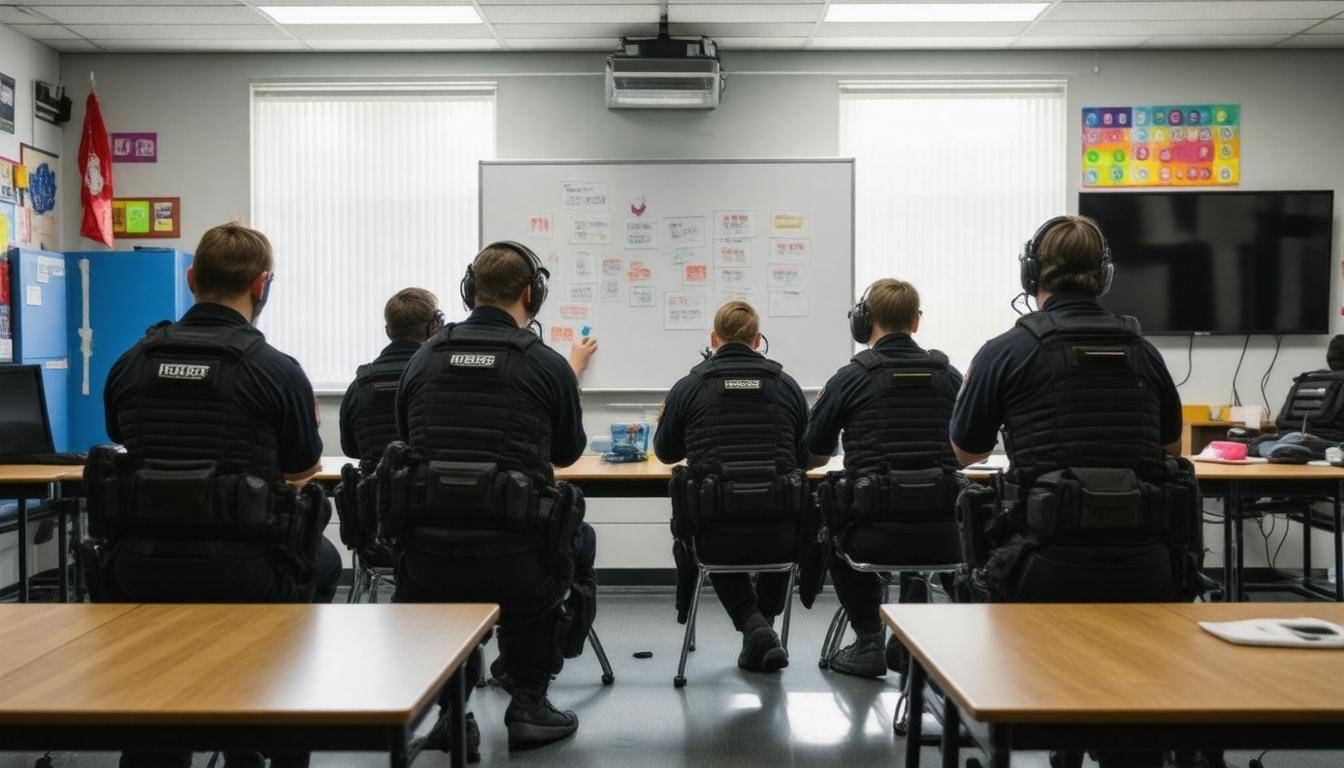
Crisis response training is not a one-time effort and should be ongoing. Having structured training programs ensures that your School Crisis Response Team remains prepared for any situation. Regular training sharpens the skills of your team members and fosters confidence in their ability to respond efficiently during real crises. This cultivated proficiency can significantly impact the speed and effectiveness of your school’s reaction to emergencies.
Mock Drills
A practical strategy is to conduct mock drills that simulate various crisis scenarios—be they fire evacuations, lockdowns, or natural disasters. For instance, imagine a room full of students calmly executing an evacuation plan during a practice fire alarm; this familiarity reduces panic in real situations. Notably, schools in California saw a 30% improvement in emergency response time after implementing quarterly crisis drills, providing concrete evidence of their effectiveness.
By situating these drills within the academic calendar, you create moments for reflection that encourage questions, discussions, and refinements to existing plans. Each drill serves as a live-action rehearsal that reveals both strengths and areas for improvement within your current crisis management protocols. It’s essential that every member of the school community understands their role through active participation.
Professional Development
In addition to hands-on mock drills, investing in professional development is vital. Enroll team members in workshops and courses covering critical areas such as crisis management, first aid, and mental health support. Online platforms like Coursera provide relevant certifications that can be completed remotely, making the process accessible and convenient.
As team members gain new insights and techniques applicable to mental health needs following a crisis, it not only enriches their skill set but enhances the overall preparedness of your school. Engaging with real-life case studies and interactive sessions offers participants an invaluable perspective on handling crises effectively—one they can apply when it’s most needed.
The synergy between mock drills and professional development forms a proactive approach toward safeguarding the school environment. Next, we will explore how to navigate immediate threats as they unfold.
Managing Real-Time Emergencies
Handling an emergency as it unfolds is the true test of how prepared your team is. The first step in effectively managing a real-time crisis is to conduct a rapid assessment. This involves scanning the situation quickly but thoroughly to gauge its scope and impact. Team members should be equipped with a predefined checklist; this ensures that no critical details slip through the cracks. For instance, assessing whether everyone is accounted for can be an essential first step toward ensuring safety. Remember that every second counts—the more efficient your assessment is, the quicker you can implement appropriate responses.
Once the initial assessment is complete, it’s crucial to execute established protocols without hesitation. These protocols are often designed in advance, meaning your team should already be familiar with them. However, emergencies can be unpredictable. Therefore, while adhering to these guidelines, remain flexible enough to adapt as the situation evolves. Continuous communication within your team serves as a backbone for successful protocol execution. Regularly updating one another on developments creates a cohesive response approach and helps avoid confusion during chaotic moments.
Consider utilizing technology, such as mobile apps or specialized software that can facilitate immediate communication among team members during crises. These tools help quickly relay information about changing circumstances, allowing your team to pivot as needed while maintaining a level head amidst the chaos.
Furthermore, coordinated teamwork and streamlined communication are efforts reinforced by recognizing individual roles within the crisis response framework.
Clear Roles and Responsibilities
When an emergency arises, everyone must understand their specific roles and responsibilities within the crisis response structure. This clarity empowers team members to act decisively instead of searching for guidance during those critical moments. Create comprehensive role descriptions that clearly define what each member should do during a crisis—whether it’s contacting emergency services or overseeing student evacuations.
Having well-defined roles not only minimizes confusion but also maximizes effectiveness in executing emergency plans.
Conduct regular drills to practice these roles; muscle memory plays an important part here. When called upon unexpectedly, familiarity with procedures significantly reduces reaction time and increases safety outcomes.
Lastly, remember that feedback is essential after the emergency subsides. Collecting insights from the team regarding what went well and what could be improved upon will enhance future preparedness efforts. Every incident presents an opportunity for learning, allowing your school safety team to refine its approach for next time.
With a strong foundation in managing crises through clear roles and effective communication established, it’s vital to turn our attention toward analyzing how these procedures can be regularly refined to ensure ongoing readiness within your educational environment.
Reviewing and Updating Procedures
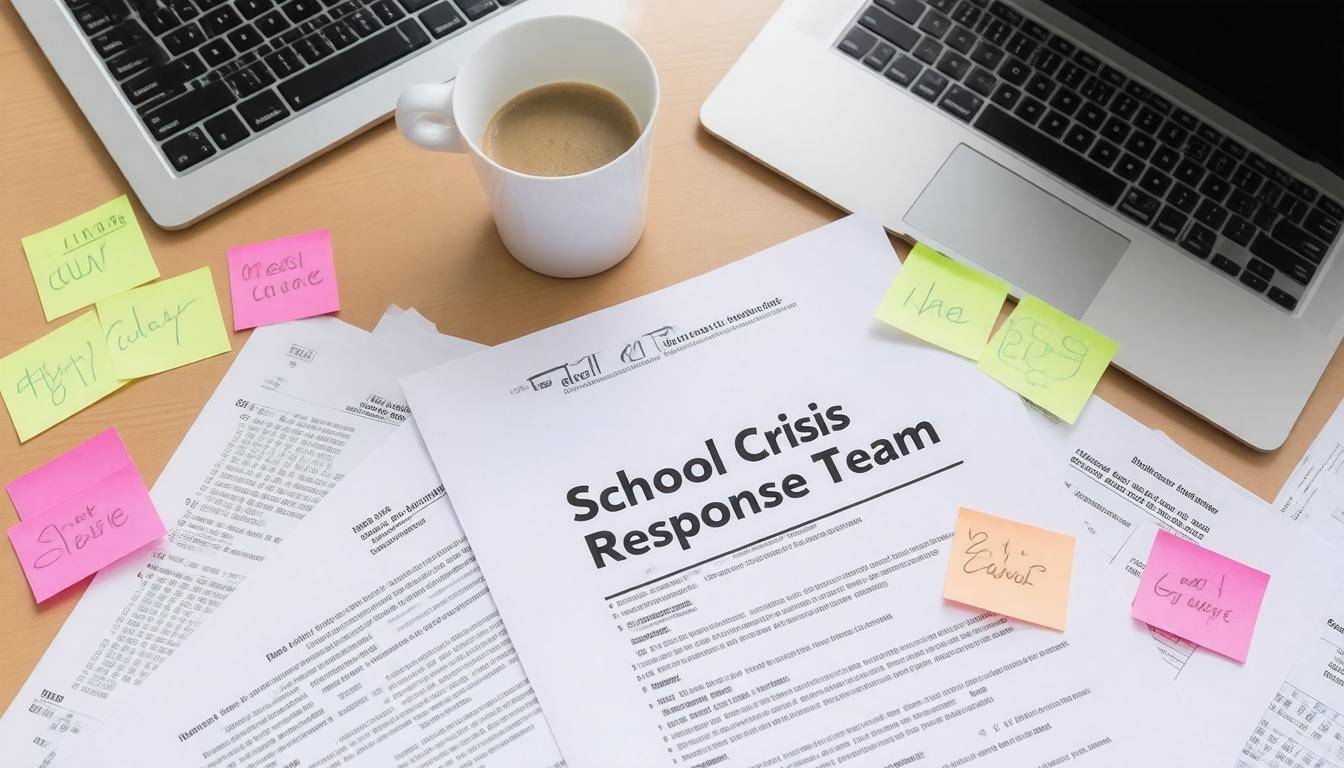
One of the most valuable practices for a Crisis Response Team is to engage in post-crisis reviews. These reviews allow teams to reflect on past events, recognizing what worked effectively and identifying areas that need improvement. It’s like providing fine-tuning to an orchestra; if the musicians don’t consistently gauge their harmony after performances, they risk perpetuating dissonance rather than melody.
Debrief Meetings
The first step in this review process should be holding a debrief meeting. It’s essential to gather all team members within 24 to 48 hours after a crisis event. During these meetings, each member should share their account of the sequence of events, discuss their responses, and evaluate effective actions alongside areas requiring enhancement. This dialogue can unearth critical insights and foster team cohesion, ensuring diverse perspectives are considered.
But simply discussing previous crises isn’t enough; actionable steps must be taken from those discussions.
Policy Revision
Updating your crisis response plan is paramount based on feedback obtained during debrief meetings. This update process shouldn’t just occur annually; it should include interim revisions whenever necessary. Think of it as nurturing a garden; without regular pruning based on seasonal changes (or in this case, feedback), the garden may become overgrown or miss vital growth opportunities. By staying nimble and adapting your procedures based on real-life incidents and regular drills, you’re effectively ensuring that the plan evolves with emerging challenges rather than becoming stagnant.
Lastly, it’s important to create a culture where feedback flows openly and continuously.
Continuous Feedback Loop
Establishing a system for ongoing feedback can further refine your plans. Consider implementing a suggestion box—either physical or digital—that allows students and staff to provide anonymous input regarding safety measures and the crisis response process. These insights can illuminate aspects that might otherwise escape the team’s notice, promoting holistic improvements in safety cultures across schools. Not only does this empower community members, but it reinforces the notion that everyone’s perspective matters in shaping a safer environment.
Regularly reviewing and updating procedures transforms your crisis response capabilities from reactive measures into proactive strategies designed for sustained improvement and enhanced safety. Embracing these practices can significantly impact how schools prepare for future crises.