
In a world where safety is a top concern, schools must be fully prepared to handle emergencies. It’s not just about having a plan in place; it’s about making sure everyone knows it and can act calmly when situations get tough. From natural disasters to unexpected threats, being ready can make all the difference in protecting students and staff. This guide offers essential insights into creating effective emergency response plans, focusing on clear procedures, thorough training, and open communication. Let’s dive into how schools can boost their readiness and keep their communities safe during challenging times.
The “School Emergency Response: Complete Guide” offers comprehensive procedures for effectively managing various emergencies within educational settings, including actionable steps for natural disasters, active shooter scenarios, and medical emergencies. Additionally, it outlines the importance of communication plans, training drills, and collaboration with local emergency services to ensure the safety and preparedness of students and staff.
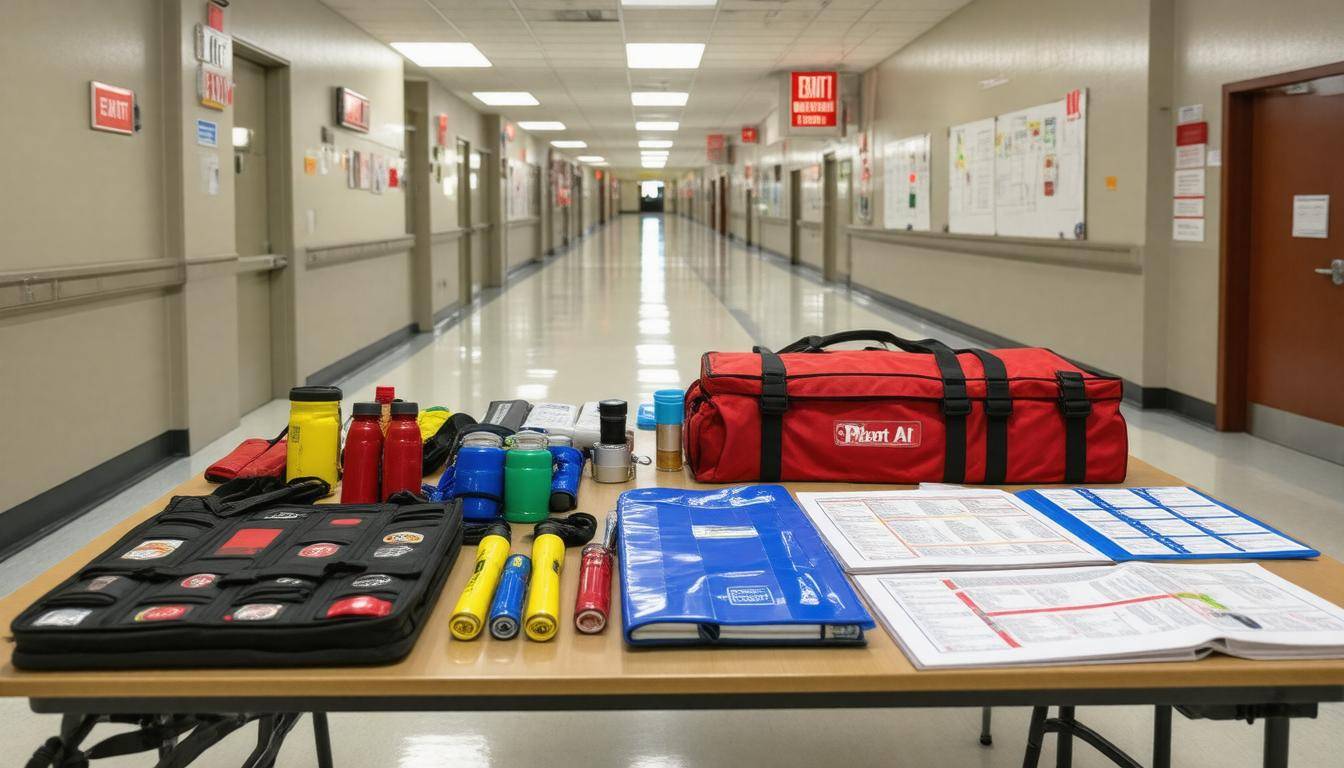
School Emergency Response Plan Overview
An effective school emergency response plan serves as a crucial framework for addressing a variety of potential emergencies, ranging from natural disasters to active shooter situations. This plan lays the groundwork for immediate action during a crisis and emphasizes preparation, response, and recovery. Each component requires careful consideration and thorough planning so that everyone in the institution knows what to do when faced with an emergency.
Preparation Phase
The preparation phase is where it all begins. Establishing a Crisis Management Team (CMT) is integral; this team should be composed of key staff members who will take on defined roles and responsibilities during an incident. Think of them as the backbone of your school’s emergency strategy. They must prioritize identifying potential hazards—whether it’s assessing vulnerabilities from local storms or the possibility of intruders within the premises.
A comprehensive risk assessment leads to developing action plans tailored to specific types of emergencies. These plans need to be meticulously documented and easily accessible to all staff, ensuring everyone knows the protocols when time is of the essence.
“An ounce of prevention is worth a pound of cure,” Benjamin Franklin once said, highlighting the significance of preparedness.
While preparation sets the stage, knowing how to execute these plans effectively during a crisis is equally vital.
Response Phase
When an emergency occurs, implementing prepared protocols quickly and efficiently becomes the priority. The CMT springs into action, providing leadership while coordinating with local emergency services such as police and fire departments. This collaboration is essential for mitigating the impact of any situation.
For example, in the event of a fire alarm activation, all staff must know their specific roles—whether it’s guiding students to designated safety zones or performing headcounts to ensure everyone’s accounted for. Time is critical during this phase; swift action can often make the difference between chaos and calm.
Once the immediate threat has passed, it’s time to focus on recovery.
Recovery Phase
Recovery isn’t just about returning to normalcy; it’s also about addressing the emotional aftermath of an incident. Providing mental health support for students and staff affected by events can be crucial in fostering resilience within the school community. This might include counseling services or group discussions around recovery.
Conducting a post-incident review allows schools to assess how they managed the situation and identify areas for improvement in their response plan. Learning from experiences strengthens future preparedness and reinforces confidence among students and staff alike.
At every stage of preparation, response, and recovery, ongoing support plays a pivotal role in cultivating a safe educational environment. Let’s now explore how training enhances these plans further.
Training and Preparedness
To truly equip both staff and students for emergencies, engaging educational experiences are essential. Regularly scheduled training sessions create a foundation that fosters awareness and readiness. Imagine a classroom where everyone feels confident; this ambiance extends to preparations for unforeseen crises. One effective approach is to hold these sessions every few months to ensure all participants stay informed about protocols and procedures.
An interactive component is invaluable. Partnering with local emergency services like police and fire departments provides realistic scenarios where individuals can practice skills in real-time. For instance, when firefighters lead a workshop on how to extinguish small fires or manage evacuations, students gain confidence through practical application rather than just theory.
Recognizing that busy schedules can be a barrier, implementing online courses offers flexibility for staff. Being able to access information at their convenience means teachers can brush up on procedures without feeling pressured by time constraints. Platforms available today allow for short modules that fit easily into the daily grind of school life, merging education with accessibility.
With learning in place, it’s vital not to forget assessment; knowledge must be tested to ensure it translates effectively into action during real emergencies.
Conducting assessments and drills after training sessions provides critical insights into the effectiveness of these programs. These simulated emergencies allow students to enact their practices under pressure. This not only solidifies their understanding but highlights areas needing improvement, fostering an environment of continuous development.
The goal here is preparedness—in which everyone understands their roles during crises, including evacuation routes and communication hierarchies. Cultivating a culture of safety teaches values of community responsibility while empowering students in crises, reminding them that they are active contributors to their safety.
By emphasizing hands-on experience along with flexible learning opportunities and thorough evaluations, schools can enhance their readiness for whatever challenges may arise. This sets the stage for discussing how effective communication plays a crucial role in coordinating responses during emergencies.
Communication Strategies
Clear and timely communication can indeed save lives during an emergency. However, having a robust communication strategy means preparing for various scenarios and ensuring that messages reach everyone who needs them. One of the key components is internal communication within the school, which ensures that staff and students are aware of the situation as it unfolds.
Internal Communication
A public address system is instrumental in quickly announcing urgent situations such as lockdowns or evacuations. It’s efficient and reaches a large audience but should be complemented with more detailed instructions through intercoms for specific classrooms or areas.
Imagine a scenario where an alarm blares over the PA system during a fire drill. The clarity of instruction can either enhance safety or cause chaos; hence, conveying precise actions is critical.
Additionally, think about backup communication methods like walkie-talkies. In places where electronic systems might falter—due to power outages or technical failures—it’s reassuring to have these tools in hand. Ensuring teachers have direct channels to administration can also facilitate quick decision-making.
Moving outward from internal protocols, external communication plays a vital role in connecting the school community with families and local authorities during emergencies.
External Communication
When it comes to connecting with parents and guardians, timely notifications are crucial. Establishing a reliable notification system, whether through text messages, emails, or automated phone calls, ensures that families receive critical information quickly.
Consider this: in the event of an emergency alert, parents want immediate reassurance that their children are safe and know what steps are being taken.
To streamline this process, schools should always maintain updated contact lists for parents. Having local media contacts ready also serves the purpose of disseminating accurate information swiftly. This could mean sharing essential updates on social media platforms or local news channels, reaching those who may not have direct access to the school’s communications.
As these communication strategies evolve, effective training for staff in utilizing these systems becomes equally important, ensuring readiness during crises.
Evacuation Procedures
Efficient evacuation procedures are essential for getting everyone out of the danger zone quickly and safely. According to the National Fire Protection Association, schools should practice evacuation routes multiple times a year. Having clear protocols reduces confusion and anxiety during emergencies, enabling students and staff to respond instinctively. The goal is straightforward: to evacuate every individual as swiftly and safely as possible.
A well-planned evacuation starts with visibility. It’s crucial that all evacuation routes are clearly marked throughout the school. Signs should be posted in strategic locations, near every classroom door, at hallway junctions, and adjacent to main entrances. Visibility is not just about directing people; it’s about creating familiarity. When students and staff recognize their escape pathways, they feel more confident during a crisis. To reinforce this sense of security, regular practice drills should occur at least twice a year, ensuring awareness among 90% of the people in the building.
Step-By-Step Evacuation Guide
Understanding the steps involved in an evacuation can make all the difference when seconds count. Here’s a streamlined evacuation guide to follow:
-
Sound the alarm to notify everyone in the building. This could mean activating fire alarms or engaging emergency alert systems, ensuring that sound carries to all corners of the school.
-
Teachers should lead their students to the nearest exit in a calm and orderly manner. Panic can cause chaos; hence teachers play a pivotal role in maintaining control and guiding their classes effectively.
-
Check all classrooms, restrooms, and common areas to ensure no one is left behind. This step isn’t merely about following protocol; it’s about caring for others—for fellow students, custodial staff, or any visitors who may require assistance.
-
Assemble at pre-designated safe zones away from the building, ideally located at least 200 feet from the structure. At these assembly points, proper headcount procedures need to be implemented to confirm everyone’s safety.
Each of these steps hinges on preparation and training; when practiced regularly, they become instinctive actions taken during high-stress situations. Moreover, schools must maintain open lines of communication—whether through public address systems or portable radios—to provide real-time updates and handle emergencies efficiently.
While focusing on effective evacuation techniques is crucial for physical safety, understanding how to manage subsequent challenges is vital for comprehensive preparedness.
Crisis Management Protocols
Developing effective crisis management protocols is at the heart of ensuring safety within schools. Not only do these protocols establish how to respond when an emergency occurs, but they also provide a framework for training and preparedness, creating a culture of vigilance and readiness among staff and students alike.
One foundational method employed in many institutions is the Incident Command System (ICS), a structured approach that ensures everyone is on the same page during chaotic situations.
Key ICS Components
Within the ICS framework, it’s essential to assign specific roles that clearly define responsibilities; this clarity minimizes confusion during critical moments.
For instance, designate an Incident Commander who will oversee the entire operation and make key decisions. Below them, you can have positions like Operations Chief, responsible for executing actions and managing resources, as well as Planning Chief, who documents all activities and develops strategies for response. Having a Logistics Chief ensures necessary supplies and personnel are available, while the Finance Chief manages budgeting and resource allocation during the crisis.
It’s equally important that each individual assigned to these roles fully understands their responsibilities. Regularly scheduled meetings can be invaluable for discussing updates in protocols or reflecting on insights gleaned from past drills or incidents. These meetings cultivate not only preparedness but also confidence among staff members, assuring them they are equipped to act decisively should an emergency arise.
Taking time out of your busy schedule for such discussions may seem daunting, but consider it an investment in safety. Just as you wouldn’t skip routine car maintenance if you wanted to avoid future breakdowns, don’t overlook the need for regular reviews and updates to your emergency strategies.
The need for effective communication can never be overstated in crisis management protocols; it’s a thread that weaves through every facet of your plan. Establishing a clear communication strategy ensures timely updates among staff, students, and first responders. Here again, detailed planning pays dividends: practice using chosen communication methods during drills so that everyone knows what to expect and how to act in real-time scenarios.
While preparation focuses on how to respond during emergencies, fostering a culture of prevention is equally crucial. Regular threat assessments—like evaluating vulnerabilities in school infrastructure or simulating potential scenarios—can lead not only to improved responses but also enhanced security measures. For example, 70% of schools have implemented access control measures such as ID checks and visitor logs to keep students safe. Maintaining updated emergency contact lists helps ensure swift communication during crises.
This ongoing effort necessitates not only meticulous planning but also a commitment to continuous improvement within school safety frameworks as we turn our attention towards safeguarding institutions through various prevention strategies.
Prevention and Security Measures
Prevention and security measures act as our first line of defense against potential emergencies. It’s essential to understand that while we cannot eliminate all risks, taking proactive steps can drastically reduce their occurrence and impact. Schools have begun implementing a variety of security enhancements designed to protect students while cultivating a nurturing and secure learning environment.
Security Enhancements
-
Install Comprehensive Surveillance Systems: By utilizing advanced surveillance cameras throughout the school grounds, especially at entry and exit points, we can keep a watchful eye on activities around the clock. These systems deter inappropriate behavior and provide crucial evidence in case of any incidents.
-
Secure Entrances with Electronic Access Controls: Employing key cards or biometric scanners to restrict access ensures that only authorized individuals can enter the premises. This added layer of security effectively controls who enters and exits school facilities.
-
Employ Dedicated Security Personnel: Having security professionals patrolling the campus consistently instills confidence in students and staff alike. Their presence serves as a deterrent for potential threats, allowing for quick responses in emergencies. Think of them as guardians whose training enables them to handle situations efficiently.
-
Implement Strict Visitor Management Protocols: Enforcing sign-in procedures and identification checks for visitors ensures that everyone on campus is accounted for. This practice keeps unwanted visitors out and helps maintain a record that can be valuable during an emergency.
Keeping these practices updated is just as vital as implementing them. School policies should adapt regularly to incorporate the latest security technologies, techniques, and best practices.
Schools today are faced with unique challenges, and adapting to current realities ensures that students are better protected from evolving threats.
To enhance these protective measures, regular drills and exercises must become an integrated part of school life. Such practices prepare both staff and students for emergencies while reinforcing the importance of safety within the educational environment.
Regular Drills and Exercises
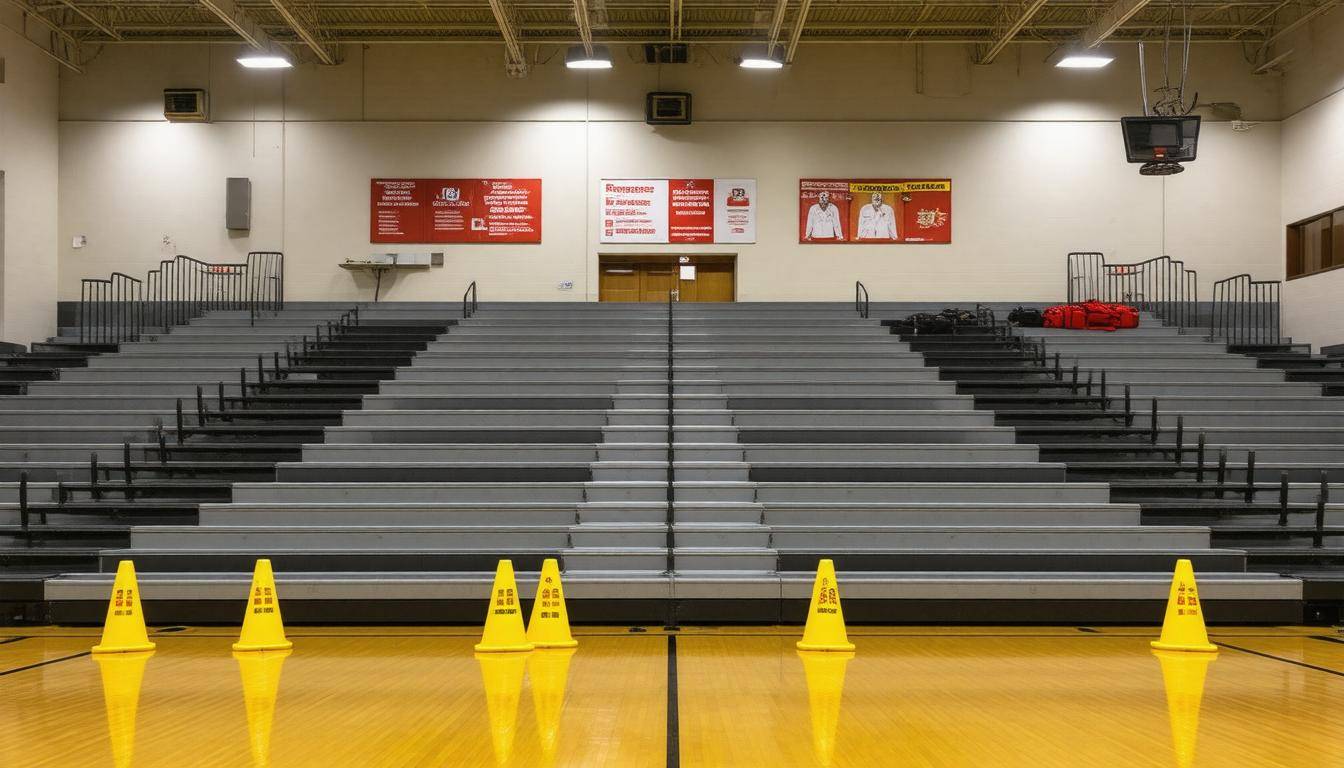
Conducting regular drills is fundamental to ensuring that both staff and students are always prepared for any emergencies that may arise. Research shows that schools practicing monthly drills respond 50% faster during actual emergencies, showcasing how these simulations can save lives and prevent chaos during critical moments. The certainty that comes from practiced responses allows everyone to stay calm when the unexpected occurs, creating an atmosphere of confidence in well-rehearsed plans.
It’s essential to schedule a variety of drills throughout the school year. This means incorporating fire drills, lockdown procedures, earthquake responses, and even active shooter simulations. By covering different scenarios, everyone involved understands their specific roles depending on the type of emergency. Knowing precisely what to do, whether it’s using evacuation routes or executing lockdown protocols, keeps confusion at bay.
Imagine a day when a fire alarm sounds, and instead of panic, students move quickly and effectively to the predetermined assembly area – thanks to well-planned and executed drills.
Step-by-Step Drill Implementation
-
Plan drills months ahead: Start by drafting a schedule that extends through the school year. Transparent planning ensures all members of the school community know when these practices will take place.
-
Vary the time and day: To simulate real-life unpredictability, conduct drills at various times. Mornings, afternoons, or even during class changes can test preparedness against unexpected scenarios.
-
Debrief post-drill: After every drill, gather staff and students for a debriefing session. Discuss what went well and pinpoint areas for improvement; this reflection enhances collective learning.
-
Document lessons learned: Keep careful records of each drill’s outcomes and integrate insights into future training sessions. This ongoing refinement ensures your emergency response evolves based on experience.
Incorporating these steps allows for a comprehensive approach that bolsters community readiness and increases overall safety within the school environment. Just like rehearsing before a performance makes everything smoother, repeated practice prepares everyone for emergencies that might happen in an instant.
With such proactive measures in place, it’s crucial to continuously assess these strategies to guarantee they remain effective as circumstances evolve.
Plan Evaluation and Updates

Continuous evaluation and timely updates are the keystones of an effective school emergency response plan. Think of it this way: an outdated plan is like having a lifeboat without oars—no matter how good your intentions, you won’t be able to navigate through a crisis effectively.
To ensure that your plan stays relevant and functional, an annual review process should involve all key stakeholders, including teachers, security personnel, parents, and local emergency services. This collaborative approach not only enriches the evaluation with diverse perspectives but also fosters a sense of ownership among everyone involved.
During these evaluations, it’s crucial to take into account any insights gained from drills, real incidents within the school or nearby communities, and changes in the school’s infrastructure or population that may affect safety protocols. Regularly incorporating feedback from drills helps identify what works and what doesn’t. Updating the response plan to reflect current realities is essential since your school isn’t a static entity; it evolves, and so too must its plans.
Documenting changes formally cannot be overstated. When adjustments are made to the emergency response plan, they should be clearly documented and disseminated promptly to all staff. This practice minimizes confusion during emergencies and ensures that everyone understands their roles and responsibilities.
Consideration should also be given to how communication channels are structured both internally and externally. For example, ensuring that teachers know how to reach local emergency services quickly can save precious time in critical situations. Additionally, communication strategies should include parents, as they need guidance on how best to respond during emergencies involving their children.
Lastly, don’t shy away from inviting feedback. Take advantage of surveys or meetings post-drill where inputs can be heard openly. Creating a culture of open dialogue about safety concerns makes your emergency planning more robust and aware of gaps that need addressing. By making regular reviews part of your routine, you’re not only demonstrating commitment toward safeguarding your school community but also actively contributing to a proactive safety culture.
As we dive deeper into enhancing our schools’ preparedness, every small step adds up to make a substantial difference for our students’ security.
In conclusion, embracing continuous evaluation and improvement in emergency plans paves the way for safer educational environments. Comprehensive planning requires all hands on deck for optimal readiness during unforeseen events.
How often should school emergency response plans be reviewed and updated?
School emergency response plans should be reviewed and updated at least annually, or more frequently if there are significant changes in staff, structure, or regulations. This regular review ensures that all stakeholders are familiar with the procedures and reduces confusion during actual emergencies. According to the National Association of School Psychologists, schools that conduct annual reviews of their emergency plans are 50% more likely to respond effectively during crises, emphasizing the importance of staying prepared and informed.
What resources are available for training staff on implementing the emergency response guide?
Various resources are available for training staff on implementing the emergency response guide, including online courses, workshops by organizations like the National Association of School Psychologists (NASP), and local emergency management agencies that offer tailored training sessions. According to a survey conducted on school preparedness, schools that engage in regular training observed a 35% increase in staff confidence during emergencies, which emphasizes the importance of consistent practice and familiarization with emergency protocols.
How can parents stay informed about the school’s emergency response plan?
Parents can stay informed about the school’s emergency response plan by attending school meetings, participating in training sessions, and reviewing materials distributed by the school such as newsletters or emails. Engaging in open communication with teachers and administration is also vital, as studies show that schools with active parental involvement report a 30% improvement in overall safety awareness among families. Additionally, parents should ensure they are subscribed to any alert systems the school may have implemented for real-time updates during emergencies.
What roles do teachers and staff play during an emergency response situation?
During an emergency response situation, teachers and staff play critical roles as first responders, communicators, and caregivers. They are trained to assess the situation, ensure student safety by implementing evacuation or lockdown procedures, and maintain order. According to a study by the National Association of School Psychologists, effective communication during emergencies can increase response success rates by 50%, highlighting the importance of their role in keeping students informed and calm while collaborating with emergency services to facilitate a swift resolution.
What types of emergencies should schools be prepared for according to the guide?
Schools should be prepared for various emergencies including natural disasters (such as hurricanes and earthquakes), fires, medical emergencies, active shooter incidents, and hazardous material spills. According to safety statistics, approximately 1 in 4 schools experience a serious emergency of some kind each year, highlighting the importance of comprehensive preparedness planning. The guide emphasizes the need for clear response procedures, regular drills, and training to ensure the safety of students and staff during such critical situations.