
Gardening is often thought of as a spring and summer activity, but what if I told you that your backyard could be a flourishing paradise even in the chill of winter? Extending your gardening season not only means fresh vegetables at your fingertips longer, but it also transforms how you think about food and sustainability. This guide will walk you through various methods, like cold frames and hoop houses, showing you how simple techniques can lead to bountiful harvests throughout the year. Whether you’re a seasoned gardener or just starting out, these season extension strategies will help you maximize your efforts while keeping your garden productive in every climate. Let’s dig into how you can enjoy fresh produce from your garden, no matter the season!
The Season Extension Garden Techniques Complete Guide offers detailed strategies for maximizing your gardening season, including using raised beds, cold frames, and hoop houses. Additionally, it discusses the benefits of these techniques such as improved soil health, increased crop yields, and tips on planning for both spring and fall planting to ensure a bountiful harvest.
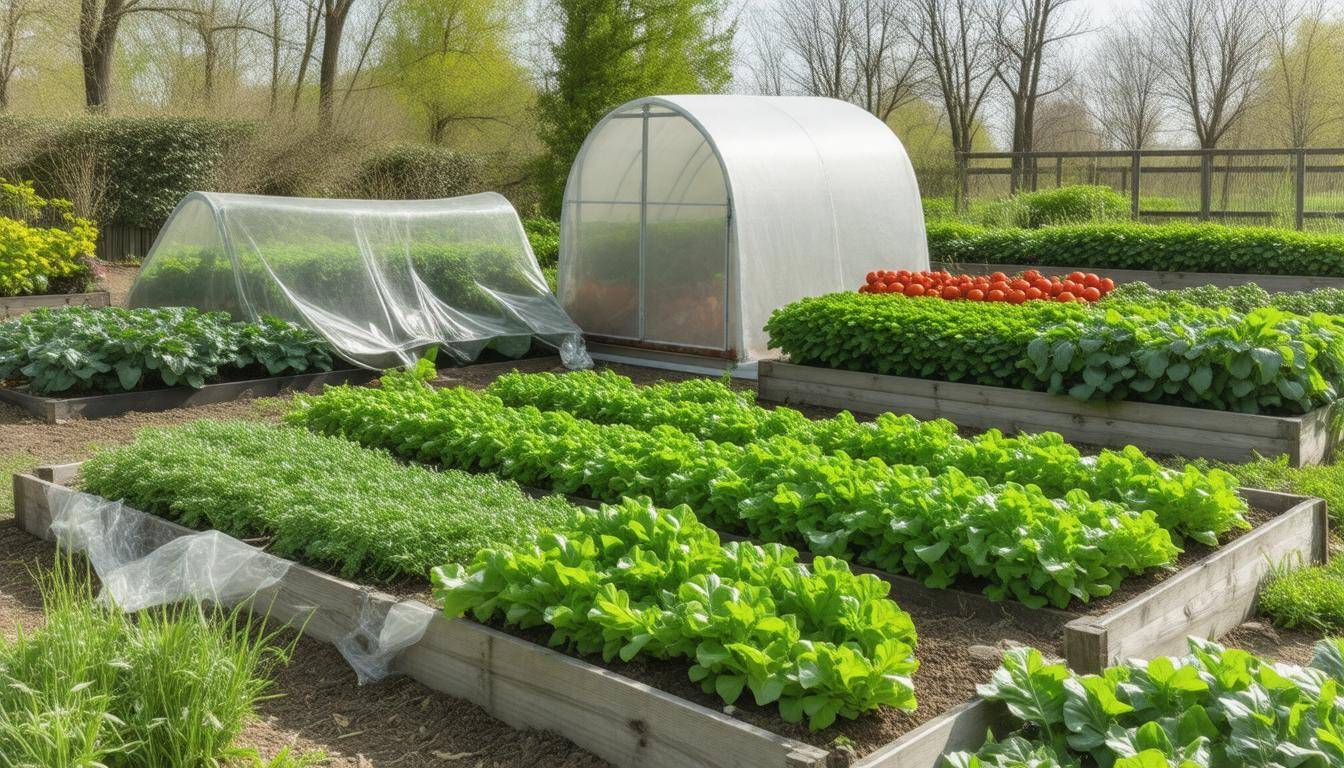
Why Extend the Gardening Season?
One of the most compelling reasons to extend your gardening season is the chance to cultivate fresh, delectable vegetables like spinach and tomatoes long after the traditional growing season has ended. Imagine harvesting a basket of vibrant greens in December or plucking ripe tomatoes in October—this not only increases your homegrown food supply but also minimizes dependency on store-bought produce during the lean winter months. Having that continuous access to fresh vegetables means you can enjoy a burst of flavor and nutrition whenever you want.
To further explore how extending the season impacts your life, let’s break down some significant benefits.
| Benefit | Description |
|---|---|
| Increased Harvests | More planting cycles lead to a greater yield annually, allowing gardeners to reap rewards from each growing period. |
| Cost Savings | Spending less money on buying out-of-season vegetables means more savings to invest back into your garden or other hobbies. |
| Nutritional Value | Access to fresh, nutrient-rich produce year-round enhances health and wellness, providing essential vitamins directly from your garden. |
| Environmental Impact | Growing your own food reduces transportation needs, which cuts down on carbon footprints associated with grocery shopping. |
Each of these benefits contributes significantly to a more sustainable lifestyle and encourages gardeners to embrace their passion throughout the year. By adopting techniques such as cold frames and row covers, you’re not only extending the planting window but also enjoying bountiful harvests that make every effort worthwhile. Moreover, saving money on groceries while knowing exactly where your food comes from adds an invaluable sense of satisfaction.
Keeping these advantages at the forefront helps illuminate practical methods for maximizing your gardening potential while ensuring that you’re ready to tackle the challenges posed by colder weather.
Cold Weather Protection Techniques
Cold weather poses a unique challenge for many eager gardeners, yet employing the right protective measures will allow you to preserve your existing plants and encourage new growth. By utilizing covering and insulation techniques, you can create a microclimate that benefits your plants during harsh conditions.
Covering and Insulation
One of the most effective ways to shield your plants from frost and extreme temperature drops is by using covering techniques such as cloches, cold frames, and thermal blankets.
For instance, cloches act like mini-greenhouses; these transparent structures trap heat during sunny days while providing a barrier against cold air during the night. Placing them over tender seedlings helps maintain necessary warmth and promote early growth.
Similarly, cold frames are portable structures that retain heat while hardening off seedlings before transplanting into the garden. Thermal blankets made from breathable fabric or plastic blanket larger garden areas or rows of plants, ensuring they stay insulated when temperatures plummet.
These protective methods serve an essential purpose; however, they must be complemented with additional strategies to warm the soil and enhance root health.
Building Soil Heat
Warming the soil is just as crucial as protecting the plants from above. Techniques such as using soil-warming mats or placing black plastic mulch on the ground absorb sunlight and convert it into heat, helping raise the soil temperature. This is particularly beneficial for ensuring seeds germinate properly and roots establish well in cooler months.
When applying black plastic mulch, it not only warms the soil but also helps suppress weeds—truly a double-duty tactic! Additionally, incorporating organic materials like straw or leaves around your plants can further insulate soil and roots while enhancing moisture retention during dry spells.
While these methods provide a strong foundation for cold weather protection, it’s essential to integrate other supportive practices to ensure continued plant health throughout seasonal transitions.
Additional Considerations
Utilizing windbreaks composed of shrubs or fencing can dramatically reduce wind chill factors around your garden beds, minimizing damage from bitter gusts. Furthermore, regularly monitoring weather forecasts enables you to respond proactively during sudden temperature dips.
Planning for cold snaps gives you ample time to implement protective measures so you can continue enjoying a thriving garden even as winter encroaches. Each of these strategies caters to immediate plant needs; they foster an environment conducive to growth.
As you prepare your garden for colder months ahead, consider how various approaches work together to support plant vitality while also improving overall resilience.
With these foundational techniques established, let’s explore practices aimed at enhancing soil quality and moisture management to further solidify your garden’s success.
Effective Mulching Practices
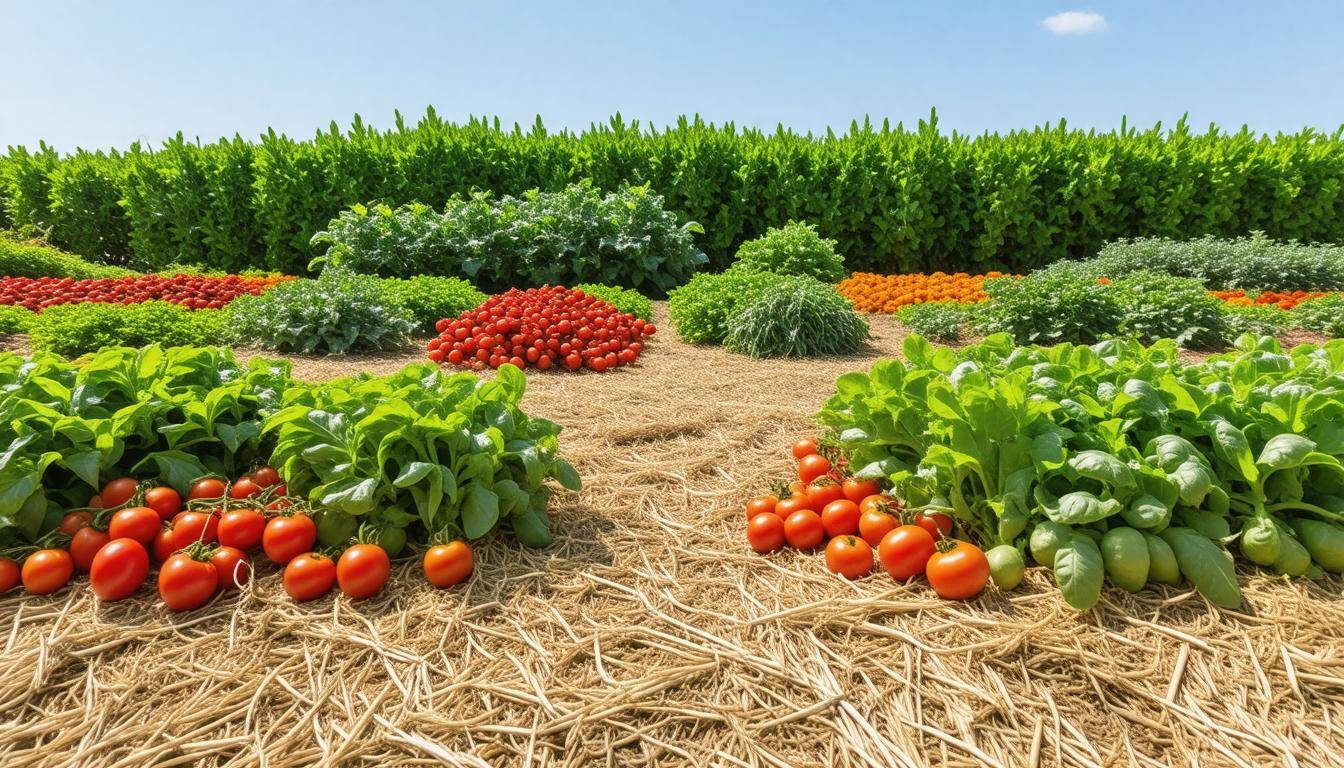
Mulch is more than just a decorative layer on the soil; it acts as a vital component in the garden ecosystem, particularly when it comes to extending your growing season. By applying mulch thoughtfully, you are not only improving the aesthetics of your garden but also creating an environment where vegetables can thrive despite challenging weather conditions.
Insulation
One of the primary advantages of mulching is its ability to insulate plant roots against temperature fluctuations. Organic mulches, such as straw, shredded leaves, or wood chips, create a protective barrier that retains heat in the soil during chilly nights. This insulation helps mitigate the impact of sudden cold snaps, allowing plants to remain healthy and grounded even when temperatures dive unexpectedly. Imagine waking up one frosty morning knowing your roots are snug and protected beneath a cozy blanket of organic mulch.
Moisture Retention
Another crucial role that mulch plays is moisture retention. In colder months, maintaining the right level of soil moisture is critical for preventing detrimental freeze-thaw cycles which can harm plant roots. Organic mulches excel in this regard by allowing water to permeate while simultaneously minimizing evaporation. When I first started mulching my vegetable beds with straw, I noticed that during dry spells in early spring, my soil remained sufficiently moist. This helped my seedlings establish themselves without the need for constant watering, freeing me up to tend to other parts of my garden.
Weed Suppression
Beyond insulation and moisture retention, mulching significantly suppresses weed growth. A well-applied layer of mulch creates a physical barrier that restricts sunlight from reaching weed seeds in the soil. Studies have shown that gardens treated with mulch can reduce weed populations by up to 50%. Fewer weeds mean less competition for nutrients and water, which ultimately leads to healthier and more productive plants. It’s a win-win situation: saving you time on weeding while ensuring your veggies get the resources they need to flourish.
Types of Mulch
When selecting mulch materials, consider both organic and inorganic options. Organic mulches like shredded bark or hay not only provide benefits mentioned above but also break down over time, enriching the soil with important nutrients. In contrast, inorganic mulches such as rubber or black plastic can serve as effective barriers against weeds while reflecting heat back into the soil—a boon for warmth-loving plants like tomatoes and peppers.
Regardless of what material you choose, remember that a layer of 2-4 inches is recommended for optimal effectiveness in weed suppression and moisture retention.
Now that we’ve covered effective mulching practices, let’s navigate further into additional coverings that can enhance protection for your plants during sensitive growth periods.
Utilizing Floating Row Covers
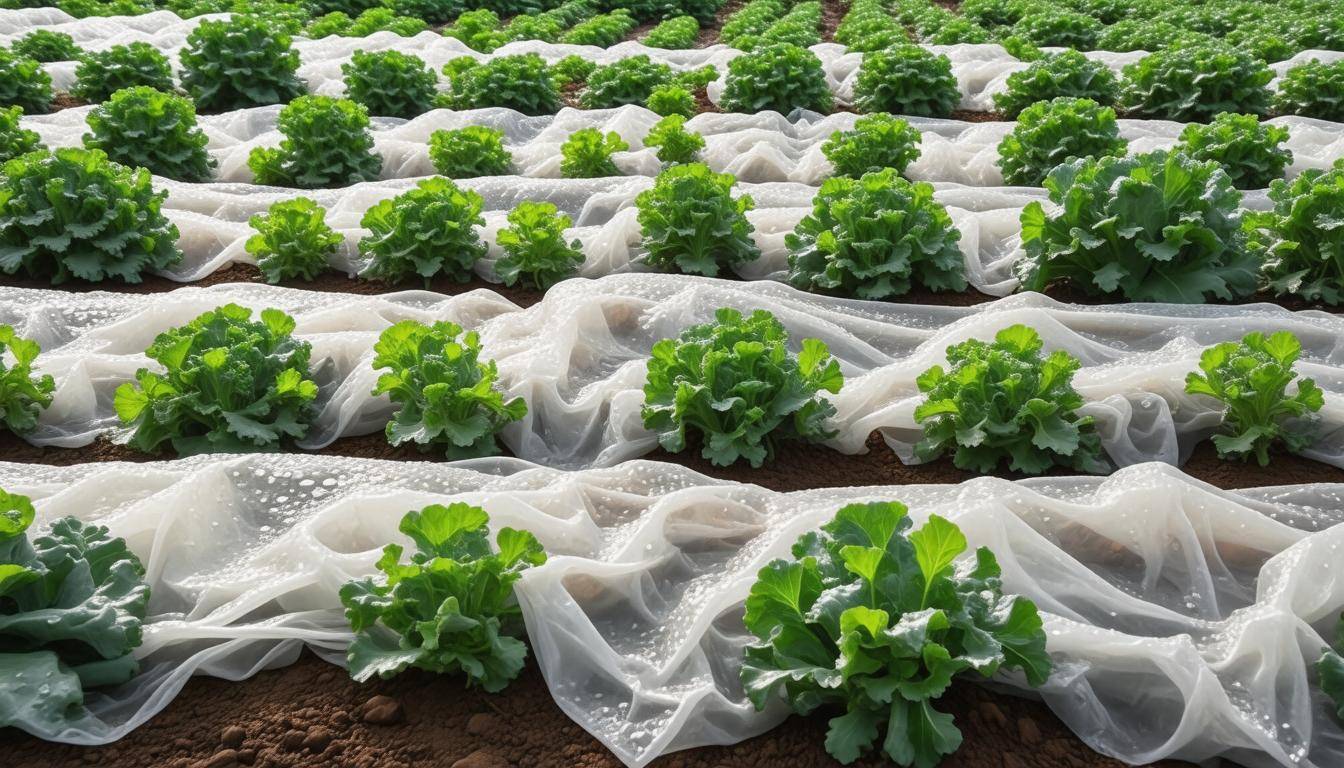
Floating row covers are versatile tools designed to give your plants a fighting chance against frost and pests. When placed over your crops, these lightweight sheets act as mini-greenhouses, creating a warmer microclimate that can extend your growing season by several weeks or even months. As they trap heat from the sun, they provide much-needed warmth for young plants, which is particularly beneficial in spring when nighttime frosts can decimate tender seedlings.
Light Transmission
One of the most effective features of floating row covers is their ability to transmit light while providing protective insulation. This makes them excellent for nurturing young plants. The thickness of the cover matters: lighter fabrics allow optimal sunlight penetration while still offering some protection. Depending on the material you choose, heavier covers will provide greater frost protection but may limit light transmission slightly, which could affect plant growth. It’s essential to strike a balance based on the local climate; if you live in a cooler area, a heavier cover might be necessary for late-season crops.
For example, using a lightweight cover early in the season allows sunlight to warm the soil and helps seeds germinate faster, while switching to heavier options later on protects against unexpected cold snaps.
Insect Protection
As a bonus benefit, floating row covers serve as physical barriers against unwanted pests such as aphids and cabbage worms. By keeping these critters at bay, gardeners can reduce their reliance on chemical pesticides, creating a healthier environment for both plants and beneficial insects. This not only enhances the quality of your produce but also supports sustainable gardening practices that minimize ecological damage.
To maximize the effectiveness of floating row covers, consider securing them with weights or soil anchors if you experience windy conditions. This prevents them from blowing away and ensures that your crops remain protected.
While floating row covers are excellent for boosting plant health in mild climates or short-duration crops, integrating more permanent structures like greenhouses can offer additional long-term advantages in maintaining an ideal growing environment year-round.
Greenhouses and Hotbeds
Greenhouses and hotbeds symbolize the pinnacle of seasonal gardening strategies, offering you both flexibility and control over your plant’s environment. Greenhouses are often referred to as the gardener’s sanctuary. They create a controlled environment where essential factors like temperature, humidity, and light can be deftly managed to meet the specific needs of your plants.
Imagine walking into a haven of thriving vegetables, blooming flowers, and lush herbs while outside winter tries its best to take hold. A well-constructed greenhouse can be outfitted with heating elements, allowing you to cultivate a variety of crops throughout the year. It’s not uncommon for dedicated gardeners to produce fresh tomatoes or cucumbers—even in the dead of winter—by utilizing this space.
While greenhouses are often seen as grand projects requiring considerable investment and planning, hotbeds offer a more accessible alternative in terms of construction and cost.
Permanent Structures
If you’re considering investing in a greenhouse, they come in many styles and sizes—from simple hoop houses to elaborate glass structures with automated systems that monitor every aspect of growth. Not only do they allow for year-round production, but they also expand your gardening repertoire by enabling exploration of tropical plants or delicate seedlings that wouldn’t thrive in your local climate.
Let me share my experience; when I built my first greenhouse, I quickly learned to appreciate the nuances of micro-management. During harsh weather conditions, it was exhilarating to step inside a temperate oasis filled with thriving plants while snow blanketed the landscape outside.
However, if you’re looking for an immediate way to heat your soil without the permanence of a greenhouse structure, hotbeds are an incredibly effective method worth considering.
Quick Construction
Hotbeds are simpler structures typically constructed above a layer of decomposing manure or compost. This organic matter generates heat as it breaks down, keeping the soil warm enough for germination even in chilly temperatures. One enthusiastic gardener shared their success story about using hotbeds to cultivate delicious, tender lettuce during a January snowstorm—a testament to resilience and clever gardening techniques.
When planning your hotbed, consider placing it in a sunny location so that the warmth of the sun complements the internal heat generated by decomposition. Due to their lower cost compared to greenhouses—ranging typically between $50 and $150 depending on size and materials—you can create them quickly with readily available resources.
Incorporating these methods into your gardening practices enhances your seasonal growing capabilities while fostering an enriching connection with your plants and their needs throughout changing climates. As we explore further, understanding which plants thrive best under these extended conditions will be crucial.
Choosing the Best Plants for Extended Seasons
When it comes to successful season extension, some plants stand head and shoulders above the rest due to their adaptability to changing temperatures. Hardy greens such as spinach, kale, and Swiss chard are not just resilient; they thrive when the chilly air sets in. These plants can withstand light frosts with ease, allowing you to enjoy fresh greens well into late fall or even early winter. I’ve often found that these leafy delights become sweeter after a frost, making them taste even better than in warmer months!
Another group of champions for extended seasons are root vegetables. Carrots and radishes are perfect examples because they have a remarkable ability to grow in cooler soil temperatures. In fact, sowing carrots in late summer can yield a fall harvest that produces roots that improve in flavor once they experience a slight freeze. Just imagine reaching into the earth for crisp, sweet carrots during those crisp autumn days!
Pro Tip: Consider planting varieties specifically bred for cooler climates, as they often have shorter maturation periods.
We can’t forget about our beloved herbs either. Cold-tolerant herbs, such as parsley and cilantro, have shown themselves to be incredibly hardy and adaptable. They’re resistant to colder temperatures and have a long growing period when given minimal protection. A simple row cover can provide just enough insulation to continue harvesting fresh herbs throughout the winter months, which is something that can liven up your cooking even in colder seasons.
However, merely choosing these plants isn’t enough; understanding the importance of timing can further enhance your success with season extension techniques.
Timing is Everything
Timing plays a crucial role in maximizing the potential of your garden. Each plant has its own requirements for temperature and growing conditions. For instance, starting your hardy greens indoors before transplanting them outside can give you a head start on the season. I’ve learned the value of starting seeds indoors 6-8 weeks prior to the last frost date—it’s like setting up a head start for your garden!
- Start Tomatoes indoors early (6–8 weeks pre-last frost) for an extended summer harvest.
- Plant Peppers alongside tomatoes as they share similar needs.
- For quick satisfaction, consider fast-maturing options like bush beans or radishes, which can flourish rapidly in warmer weather (50-60 days).
By carefully planning your planting schedule and paying attention to local frost dates, you can synchronize your crops’ needs with seasonal shifts effectively.
Imagine standing at your kitchen window during winter, sipping hot cocoa while gazing at a patch of bright green spinach peeking through the snow—a comforting thought!
Now that you’ve grasped how to choose suitable plants and understand their timing needs, let’s explore how you can strategically plan your planting schedules and optimize for early growth and late yields.
Timing for Early Planting and Late Harvests
Early Planting
When it comes to early planting, understanding your local frost dates is crucial. In many regions, the average last frost date can differ significantly. For example, USDA hardiness zones reveal that Zone 5 may see its last frost around April 15, while Zone 6 might be earlier on April 1. Knowing this helps you choose the perfect moment to sow those seeds.
Utilizing techniques such as soil warming—which involves using black plastic or row covers—can warm the earth sufficiently and create an ideal microclimate. This means you could be planting your beloved peas several weeks before the last frost date, perhaps in early March, giving you the chance to enjoy those fresh greens by late May.
Some gardeners have had impressive results using row covers to protect tender seedlings from unexpected cold snaps.
Late Harvests
As you optimize your early planting, don’t forget about extending your harvest into the frosty months.
For late harvests, consider utilizing layers of protective mulches and covers to insulate your crops against impending chills. Varieties like brassicas—broccoli, cauliflower, and Brussels sprouts—are excellent for this strategy, as they can endure cooler temperatures quite well. With diligent care and protection in place, you could find yourself harvesting these hearty crops well into November. Imagine stepping outside after the first fall frost to collect a vibrant head of broccoli—it makes waiting through winter worthwhile!
Gardeners report back that harvesting greens like kale or Swiss chard after a light frost often results in enhanced flavor, making for delicious additions to seasonal dishes.
By employing techniques for both early planting and late harvesting, not only do you maximize your yield but also enrich your gardening experience year-round. Next, let’s explore how different strategies can work together harmoniously for even greater productivity.
Maximizing Efficiency with Combined Techniques
The beauty of garden planning lies in the synergy created by employing multiple strategies simultaneously. For instance, a greenhouse combined with floating row covers can make all the difference during particularly frigid nights. Protecting seedlings from frost not only becomes an aim but also a guaranteed outcome, leading to healthier plants that yield abundantly. This method is like wrapping your precious tomato plants in a cozy shawl during a chilly evening—ensuring they stay warm and thrive.
Layered Protection
Let’s explore how layered protection works through clever combinations. By utilizing soil warming mats inside a cold frame layered with organic mulch, you create an insulated microenvironment perfectly suited for nurturing fragile seedlings. This setup mimics nature’s warmth while granting you greater control over their environment. As temperatures dip outside, the warmth radiating from the soil warming mats helps maintain a consistent temperature below the surface, crucial for germination and root development.
Establishing a rotation system for these techniques based on seasonal changes and specific crop needs can lead to tremendous growth efficiency. You may decide one month to combine row covers with mulched raised beds to retain soil moisture and warmth, while in another phase, utilize trellising along with cold frames to optimize vertical space and maximize light exposure.
Each combination pulls together its unique strengths; the result is blossoming gardens that withstand even the most unfriendly weather conditions. With careful planning and innovative combinations, your vegetable garden can flourish year-round, ensuring a bountiful harvest despite nature’s unpredictable twists.
In conclusion, embracing these season extension techniques not only extends your growing season but enriches your gardening experience significantly. Happy gardening!