
When we step into the great outdoors, it’s easy to get lost in nature’s beauty and serenity; however, lurking beneath its picturesque surface are wild creatures that can pose unexpected risks. From playful bears in spring to frisky deer in autumn, wildlife interactions can lead to accidents if we’re not careful. Understanding the seasonal behaviors of these animals is not just interesting—it’s essential for keeping ourselves safe while enjoying everything that nature has to offer. Whether you’re camping, hiking, or simply taking a stroll in the park, knowing when and where wildlife hazards occur can help you avoid potential encounters or even accidents. Join me as we explore how different regions around the world face unique wildlife challenges throughout the changing seasons.
Seasonal wildlife hazards can differ significantly by region due to variations in climate, habitat, and animal behavior. For instance, during spring, areas may experience increased bear activity as they emerge from hibernation, while summer could present heightened risks from snakes or insect populations that thrive in warmer weather; understanding these regional risks is crucial for safe outdoor activities.

Hazardous Wildlife Activities by Season
In the warmer months, specific wildlife behaviors shift significantly, presenting unique hazards for humans. For instance, summer is notorious for snake encounters. The United States reports over 7,000 snake bites annually, with incidents peaking in July. During this time, snakes can be more active and aggressive, especially in areas where their habitat overlaps with human activity.
It’s crucial to remain vigilant when navigating trails or wooded areas during the summer months. Wearing boots and staying on designated paths can help minimize encounters with these potentially dangerous reptiles.
As we continue through the year, the arrival of autumn introduces another set of challenges related to wildlife behavior.
Fall Mating Season
When fall arrives, deer become particularly active due to mating season, leading to an increase in vehicle collisions. Statistics indicate a 20% uptick in such incidents during October and November. The combination of reduced daylight and deer being in search of mates creates an elevated risk for drivers.
To protect yourself during these months, it is wise to stay alert while driving, especially during dawn and dusk when deer are most active. Reducing speed in known deer-crossing zones can give you better reaction times and increase safety for both you and the animals involved.
With the onset of winter, we must prepare for an entirely different set of wildlife challenges.
Winter Ailments and Encounters
Winter poses multifaceted risks; as temperatures drop, the likelihood of encountering wildlife changes drastically. For example, avalanches present a significant hazard in mountainous regions during this season—with an average of 28 fatalities per year attributed to such incidents.
Avalanche awareness is vital for anyone heading into snow-covered terrains. Carrying essential equipment like avalanche beacons can prove invaluable in ensuring survival if caught in one.
Moreover, winter also sees increased sightings of certain wildlife as food becomes scarce. Raccoon activity rises in urban areas nearing late summer, leading to higher chances of interactions with these creatures around homes looking for warmth and sustenance.
It’s important to secure trash bins tightly and keep pet food indoors to deter unwanted visitors from rummaging through your property.
Every season requires different precautions when it comes to wildlife interactions. Recognizing these patterns is essential as we move forward into the warmer months filled with migration and reproduction activities among various species.
Spring Migration and Mating
With spring in full swing, wildlife begins to stir from their slumber, embarking on their seasonal journeys. Birds migrate south to north, often crossing paths with humans along busy roadways or neighborhood parks, sometimes leading to precarious encounters. This migration involves a plethora of species and marks a significant period of courtship and nesting among birds, making it crucial for people to remain vigilant.
Birds and Nesting
One commonly overlooked aspect during spring is the heightened aggression displayed by birds protecting their nests. For example, the red-winged blackbird is notorious for its fierce defense of its territory. If you’ve ever been on a walk through wetlands in spring, you might hear sharp chirps as these birds swoop down if you venture too close. Their instinctual drive to protect their young can lead to defensive encounters with humans that may result in scratches or even eye injuries.
Keeping your distance—from at least 100 yards—when you spot nesting birds is not just courteous; it’s vital for your safety and theirs.
From feathered friends to furry ones, spring also brings about notable changes in mammal activity as they enter rutting season.
Mammals and Rutting Season
During this time, deer and elk become more visible as they engage in mating behaviors. Sadly, this increased activity does not come without risks; it often translates into a surge in vehicle collisions. According to the Insurance Institute for Highway Safety, spring ranks as the second most dangerous time for deer-vehicle accidents, following closely behind autumn when deer are also on the move.
The statistic surrounding these incidents can be shocking; during peak seasons, drivers might witness a near doubling in deer crossings, resulting in an uptick in crashes. This endangers both human drivers and the animals and can be dangerous if an unsuspecting driver encounters a herd unexpectedly crossing a roadway.
To mitigate this hazard, experts recommend remaining extra vigilant while driving at dawn and dusk when deer are most active.
Alongside these dangers lies the opportunity for protection. By understanding these seasonal changes, communities can take action through educational campaigns aimed at raising awareness about local wildlife behaviors during springtime activities. Adapting our routines—whether it’s altering driving speeds in known wildlife areas or encouraging children to observe wildlife from a safe distance—can contribute significantly to human-wildlife coexistence during this vital time of year.
As we transition into the warmer months ahead, understanding territorial behavior will become increasingly relevant for both wildlife populations and those exploring natural habitats.
Summer Territorial Behavior
In the heart of summer, many species exhibit fierce territorial behaviors that can lead to dangerous encounters with humans, particularly in areas where wildlife and people collide. Animals like black bears, mountain lions, and even smaller creatures such as wild turkeys increase their defensive tactics, making it essential for outdoor enthusiasts to navigate this terrain with caution.
Male black bears, for instance, may establish territories ranging from 5 to 50 square miles, especially when food is plentiful. This vast range means you might unknowingly wander into their space, potentially triggering aggressive reactions.
Understanding these dynamics is crucial for ensuring personal safety while enjoying nature.
Reptiles and Sunbathing
Reptiles, particularly snakes, are another group affected by territorial behavior during the summer months. Many snakes prefer to bask in the sun on trails or rocks. This poses an increased risk for hikers and nature lovers who may inadvertently come across one warming itself in a cozy spot. According to the Centers for Disease Control and Prevention (CDC), approximately 8,000 people in the United States are bitten by venomous snakes each year, with incidents peaking during these hot months.
For instance, maintaining awareness of your surroundings when hiking is crucial—staying on well-traveled paths can help avoid these memorable encounters.
Another significant facet of summer wildlife behavior involves predators fiercely defending their young.
Predatory Defenses
Notably, mothers protecting their young can be particularly aggressive. A striking example is bears with cubs; they exhibit heightened aggression during this period to safeguard their offspring from perceived threats. Yellowstone National Park, a popular destination for wildlife enthusiasts, records bear incidents predominantly during summer months due to visitors unknowingly encroaching into parental territory.
To mitigate risk when visiting such areas, park authorities recommend carrying bear spray as a preventive measure, along with educating oneself about bear behavior and signs of aggression—this knowledge could make all the difference between a peaceful hike and a harrowing encounter.
As we continue through the seasons, it’s essential to explore how movements and gatherings shift among wildlife during this time as conditions change around us.
Autumn Gatherings and Movements
During autumn, animals seem to sense the urgency of preparing for the harsher winter months ahead. The gathering of food becomes a priority, particularly for large mammals like deer and moose, whose foraging behavior intensifies as they seek out energy-rich foods to sustain themselves during hibernation. This increase in activity, however, comes with its own set of consequences.
According to State Farm Insurance, October and November are notorious for deer-related auto accidents, with vehicle collisions increasing by nearly 50%. As motorists navigate busy roads adorned with fallen leaves, the chance of encountering these foraging mammals surges. Keeping an eye on the roadside can truly be a lifesaver; pay attention during dusk and dawn when wildlife is particularly active.
While large mammals are actively seeking nourishment, another phenomenon occurs high above in the sky.
Autumn also signals the migration of countless birds as they make their way south to warmer habitats. Species like ducks and geese form massive flocks that traverse many miles during this seasonal journey. However, with their large numbers comes increased risk for both birds and fellow travelers on the ground. The Federal Aviation Administration (FAA) highlights that bird strikes tend to rise during these fall migration periods. As these large groups take flight, they can inadvertently interfere with air traffic or lead to unexpected encounters with vehicles on highways or country roads.
Bird enthusiasts may argue that witnessing flocks migrating is a beautiful sight; nonetheless, safety is paramount. It’s essential for drivers to remain vigilant and reduce speed during peak migration times, especially near wetlands or open fields where birds congregate.
As we dive deeper into understanding wildlife behavior this autumn, it’s important to highlight how preparation strategies can protect both animals and humans amid these natural activities.
One effective precaution is staying informed about seasonal wildlife behaviors specific to your region. Familiarizing yourself with local species and their autumn movements can enhance personal safety while enjoying outdoor activities or commuting through areas frequented by wildlife. Additionally, awareness of hunting seasons is crucial. In many regions, hunting season coincides with these animal gatherings, increasing outdoor activity levels significantly—up to 40%. Understanding these patterns allows individuals to respect wildlife while indulging in autumnal activities such as hiking or camping.
By recognizing the patterns of our wild neighbors and modifying our behaviors accordingly, we not only contribute to our safety but also promote a respectful coexistence with nature as we enjoy all that this vibrant season has to offer.
Recognizing this interplay of seasonal activities among wildlife will deepen our appreciation for nature’s rhythm as we look ahead to more intrinsic survival tactics that emerge during the colder months.
Winter Survival Instincts
During this season, survival instincts kick in for many wildlife species, prompting them to take measures that can lead to surprising behaviors. As temperatures drop, small mammals such as mice and squirrels become more resourceful in their quest for warmth and sustenance. This often drives them into human homes, where they search for food stored in pantries or find cozy spots in attics or basements. The National Pest Management Association even notes a staggering 50% increase in rodent control calls during the winter months.
This trend highlights the need for vigilance in ensuring our homes are sealed against these furry invaders. Checking for cracks around windows and doors or sealing any gaps in your house foundation can greatly discourage their entry.
But it’s not just the small critters that we need to watch out for; larger wildlife exhibit equally striking adaptations during winter.
Rodent Infestations
As the climate gets colder, many wild animals shift their territories in search of food, including predators like coyotes and wolves. These remarkable creatures may come closer to human settlements when their natural habitats become less fruitful. With the cold weather driving down the availability of their usual prey like rabbits or rodents, they adapt by venturing into urban areas. While this behavior is instinctual, it poses risks for pets and livestock left unattended outside. Residents should be proactive by securing trash cans, encouraging safe pet practices—like keeping dogs on leashes—and installing fencing where livestock are kept.
To truly appreciate the impact of these seasonal changes, understanding larger ecosystem shifts becomes vital.
Predators
In addition to seeking food more aggressively, some species exhibit unique survival strategies during winter months to maximize their chances of success. For example, coyotes are known to hunt in packs when food is scarce, which increases their chances of capturing larger prey. Their cunning techniques lead to increased movements around neighborhoods.
Personal experience has shown me that living near wilderness increases your awareness of these phenomena. I once encountered a coyote lurking in my backyard shortly after a heavy snowfall—it was a stark reminder of how close wildlife can get when natural resources dwindle.
Taking time to understand and respect these animal behaviors is crucial for coexisting safely with our wild neighbors.
Preventative actions taken today can mitigate potential conflicts later on. While we cannot entirely change animal behaviors driven by survival instincts, we can adapt our own—by being informed about how wildlife behaves during winter and implementing smart practices both inside and outside our homes.
Understanding these seasonal patterns not only promotes safety but also prepares us for a deeper insight into the variations of wildlife hazards across different regions.
Regional Wildlife Hazards Breakdown
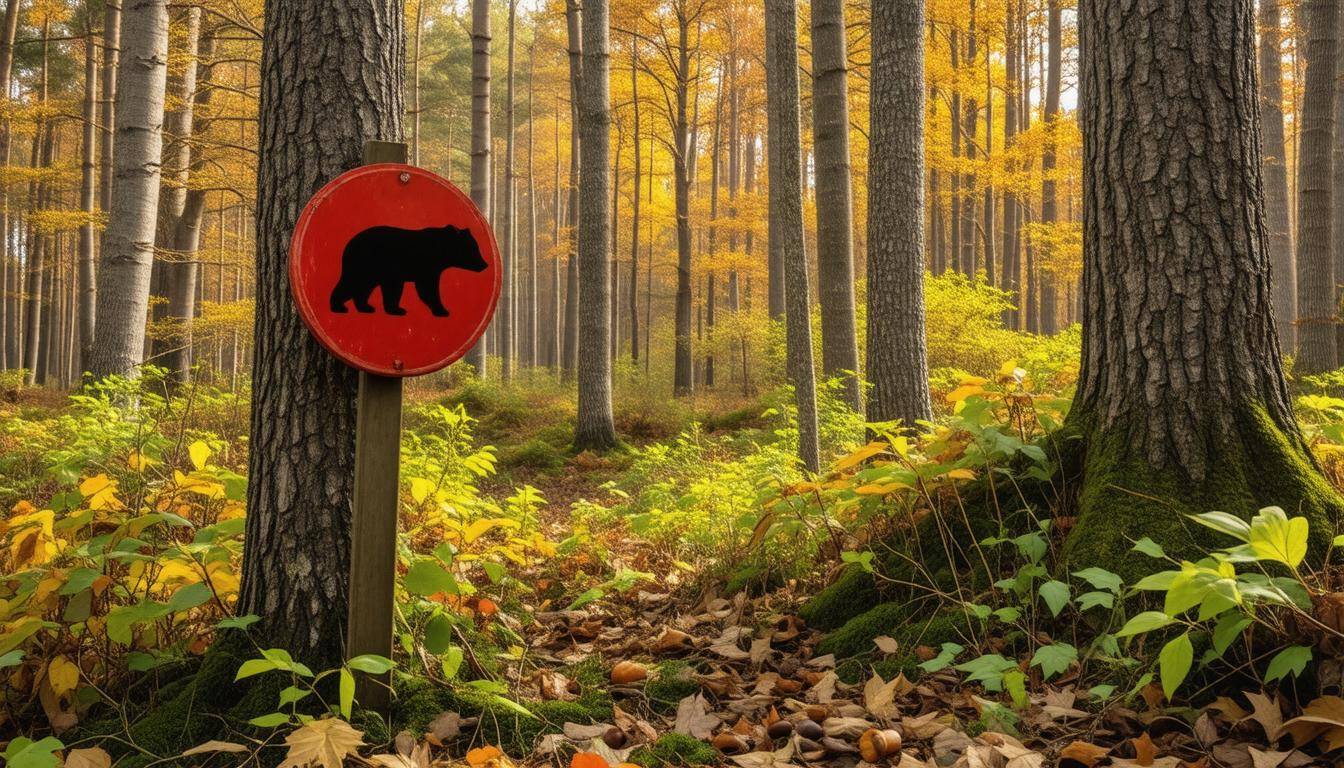
Different geographical areas have distinct wildlife hazards, shaped by their unique ecosystems, climate, and seasonal patterns.
Take the Northeastern United States, for instance, where encounters with black bears become increasingly common as summer wanes and autumn approaches. During this time of year, bears are particularly driven by the instinctual need to build up fat reserves before hibernation. It’s not just about spotting one; knowing how to react during such encounters is crucial. Just last year, a New Jersey family had a close encounter when they stumbled upon a bear rummaging through their garbage cans. They quickly learned that staying calm and slowly backing away is the safest strategy. Always remember: never approach or try to feed wildlife.
Moving further down the map, we arrive in the Southeastern US.
In the Southeastern United States, particularly in Florida, residents frequently cross paths with alligators. These reptiles often take center stage during spring and summer months, which marks their mating season. The Florida Fish and Wildlife Conservation Commission reports receiving around 7,000 nuisance alligator calls annually, many occurring on sunny days when alligators are more active near water sources.
Imagine a scenario where someone decides to enjoy a refreshing swim in a local lake only to inadvertently share the waters with an unsuspecting alligator. This highlights the importance of being aware of one’s surroundings and adhering to local safety advisories regarding swimming in gator-prone waters. It’s essential for anyone spending time in these areas to understand basic signage indicating possible gator presence.
Now that we’ve examined these specific regional challenges, let’s discuss preventative measures.
Recognizing wildlife’s seasonal behaviors is key to staying safe. In both regions mentioned—whether avoiding bears during berry-picking expeditions in the Northeast or steering clear of lakes during peak gator activity in Florida—the underlying principle remains the same: preparation. Utilizing resources such as local wildlife agencies can help keep you informed about peak activity times and best practices for safety. So before heading into potential hotspots for wildlife encounters, consider equipping yourself with knowledge from local agencies or outdoor guides who understand these dynamics well.
By staying vigilant and informed about wildlife hazards in your region, you will not only protect yourself but also foster respect for these magnificent creatures that share our world.
As we transition into effective strategies for ensuring safety amid potential hazards, understanding actionable advice can significantly enhance your preparedness in the outdoors.
Safety Advice and Best Practices
To truly enjoy nature without unnecessary worry, it’s essential to incorporate practical strategies into your outdoor adventures. The beauty of wild areas comes with responsibilities, especially when it comes to ensuring personal safety and respecting local wildlife. By keeping yourself informed and practicing vigilance, you can greatly reduce the risks associated with wildlife encounters.
General Safety Tips
-
Staying informed about local wildlife and their behaviors is your first line of defense. For example, knowing when bears are particularly active in spring can help you plan hikes or camping trips around their habits.
-
When you come across a nest or den, keeping a safe distance can prevent alarming wildlife protecting their young. Each species has its comfort zone, and encroaching on their territory can evoke defensive reactions.
-
If you’re camping, using bear-proof containers not only protects your food but diminishes the chance of attracting curious wildlife. Learn how to properly store food away from your camping area to minimize any temptations for animals.
-
Properly disposing of waste is vital; wildlife is often attracted by human food remnants. It might seem simple, but taking extra time to pack out what you pack in can make a significant difference.
-
Keeping pets on a leash in known wildlife areas protects your furry friends as well as local fauna. Off-leash pets may inadvertently provoke encounters with wild animals or chase local wildlife.
Preparation is just as important as practice.
In addition to following these general safety tips, having the right equipment can elevate your safety game considerably. When heading into the wilderness, consider carrying bear spray as an emergency precaution. It’s effective and could potentially deter aggressive wildlife if needed. Wearing appropriate clothing that protects against both weather changes and curious critters—like long pants and sturdy footwear—can also keep you safer while trekking through unfamiliar territory.
Incorporating mindful practices into your adventures plays a key role in fostering a responsible relationship with nature. Understanding how to prepare for potential hazards will further enhance your experiences outdoors.
Lastly, enhancing awareness of your surroundings will serve you well during outdoor activities. Listen for environmental cues: rustling leaves might signify nearby animals while observing changes in birdsong could indicate that predators are nearby. Taking these minor details into account not only helps to keep yourself safe but fosters deeper connections with the environment around you. By approaching nature with respect and awareness, you’re more likely to enjoy beautiful experiences without putting yourself or local wildlife at risk.
Preparation and Preventative Measures
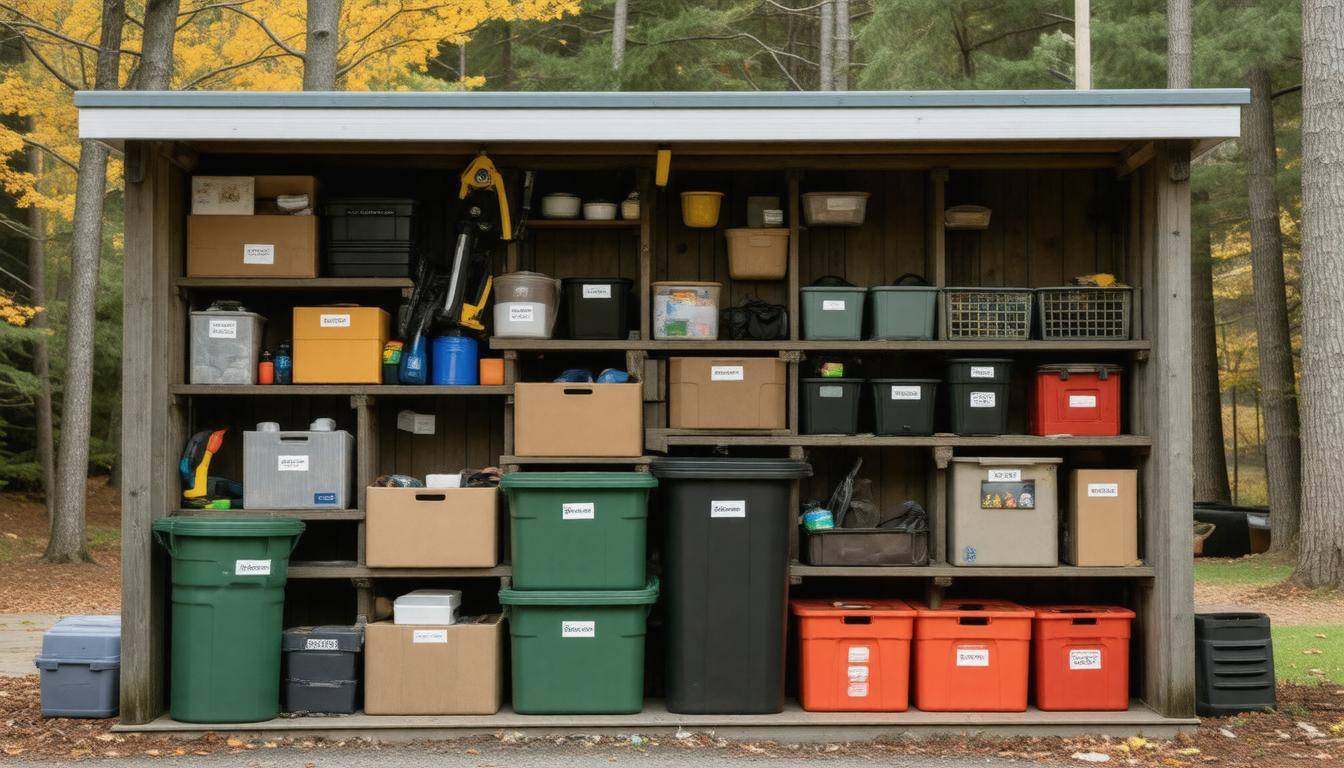
Preparing for encounters with wildlife can significantly reduce hazards and ensure a safer experience whether you are hiking in the great outdoors or simply enjoying your backyard.
It all begins with education; staying informed about local wildlife behaviors can dramatically lower your risk of unwanted encounters. For instance, knowing when bears are most active in your region – typically during late spring and summer – will help guide your outdoor plans. By participating in local wildlife education programs offered by parks and wildlife agencies, you’ll gain crucial insights into animal behavior and how to react during an unexpected encounter.
Additionally, having the right personal safety gear is non-negotiable. When exploring areas known for bear activity, carrying bear spray is critical because it can deter aggressive encounters effectively.
Moreover, items like whistles or air horns can be lifesavers as they create loud noises that may scare off animals approaching too closely. It’s also wise to have a tailored first-aid kit packed with supplies specifically designed to handle bites and stings; this precaution can make all the difference in an emergency.
Now, let’s not forget about home precautions. Taking simple steps to safeguard your living space can prevent various wildlife from becoming uninvited guests.
Make it a habit to seal any potential entry points around your home, such as gaps in windows or doors. This will aid in keeping rodents out while making your house less attractive to opportunistic scavengers like raccoons or bears.
Equally important is ensuring that trash bins are securely locked—wildlife rummaging through garbage leads to both mess and danger.
Following these recommendations not only makes you more aware but also builds an effective barrier against potential hazards posed by wildlife encounters across different seasons and regions.
By adopting a proactive mindset and incorporating these measures into your routine, you pave the way for a safer environment for both yourself and the local fauna.
In summary, taking time to prepare for wildlife encounters and implementing preventive strategies can enhance your safety while enjoying nature at its finest.
Are there particular regions that are more prone to specific wildlife hazards during certain times of the year?
Yes, certain regions are indeed more prone to specific wildlife hazards during particular seasons. For example, areas in the southeastern United States experience increased incidents of rattlesnake bites during spring and summer due to snakes emerging from hibernation; statistics show that nearly 50% of snakebite cases occur in these warmer months. Similarly, bear encounters peak in the late spring and early summer in the Rocky Mountain states as bears emerge from hibernation searching for food. Understanding these regional patterns can significantly aid in awareness and safety efforts throughout the year.
What precautions should be taken to avoid wildlife encounters in certain regions?
To avoid wildlife encounters in certain regions, it is essential to implement several precautions such as being aware of local wildlife habits and peak activity times, securing food sources while camping, and traveling in groups. For instance, in bear-populated areas, only 14% of people who stored food improperly reported no wildlife encounters, suggesting that proper food storage significantly reduces risks. Additionally, making noise while hiking can alert animals to your presence, giving them a chance to avoid you. Staying informed about regional guidelines and respecting wildlife habitats are also crucial for both safety and conservation efforts.
What types of wildlife hazards are commonly reported during specific seasons?
Seasonal wildlife hazards vary by region, with common threats including bear encounters in spring and summer as they emerge from hibernation—reported incidents increase by up to 40% during these months. In autumn, deer vehicle collisions surge due to mating season, accounting for over 1.5 million accidents annually in the U.S. In winter, icy conditions can lead to increased encounters with aggressive moose as they search for food, often resulting in serious injuries or fatalities. Understanding these seasonal patterns is crucial for personal safety and wildlife conservation.
How do seasonal changes affect the behavior of local wildlife?
Seasonal changes significantly influence local wildlife behavior by altering food availability, breeding patterns, and migration routes. For example, as temperatures rise in spring, many animals emerge from hibernation or migrate to their breeding grounds, while others may enter a state of dormancy during colder months. A study found that up to 80% of bird species in temperate regions adjust their migratory patterns based on climate shifts, which can lead to earlier arrivals in the spring and delayed departures in the autumn. Understanding these behaviors is crucial for minimizing human-wildlife conflicts and ensuring safety throughout the year.
How can communities prepare for and mitigate seasonal wildlife risks?
Communities can prepare for and mitigate seasonal wildlife risks by implementing educational programs to raise awareness about local wildlife behaviors, establishing emergency response plans, and encouraging the installation of protective barriers like fencing in high-risk areas. Statistics show that areas with robust community engagement and wildlife management programs can reduce human-wildlife conflict by up to 30%, demonstrating the effectiveness of proactive measures. Additionally, collaborating with wildlife experts to conduct habitat assessments can help identify potential dangers and promote coexistence strategies, ensuring both safety and biodiversity preservation.