
When it comes to living in Seattle, the mention of earthquakes can send a shiver down your spine. But instead of brushing that fear aside, it’s best to embrace it by being prepared. Having an earthquake kit isn’t just a good idea; in a city that sits atop a known fault line, it’s a smart move. In the wake of the Nisqually quake in 2001, many residents learned the hard way how quickly life can turn upside down. This guide will help you build a comprehensive earthquake preparedness plan and fill your kit with the right supplies, so when the ground starts to shake, you know exactly what to do. Let’s dig into the essentials that can make a real difference in those critical moments!
The updated Seattle Earthquake Kit Checklist for 2025 includes essential items such as at least one gallon of water per person per day for three days, non-perishable food supplies, a first aid kit, flashlights with batteries, and a portable phone charger. Additionally, it is crucial to establish a family communication plan and prepare for at least two weeks without external assistance.

Earthquake Preparedness in Seattle
Seattle’s unique positioning near the Cascadia Subduction Zone creates a significant risk for seismic activity.
The city isn’t just a random spot; it’s situated right above tectonic plates that have been known to shift dramatically, sending shockwaves that can rattle even the most secure of structures. Just think back to the Nisqually earthquake in 2001, which served as a wake-up call for many residents.
That quake, registering at a magnitude of 6.8, caused substantial damage and inflicted emotional turmoil on countless families. It underscored the importance of preparedness that we cannot afford to overlook today.
Indeed, experts assert that there’s a high probability—some would say near certainty—that a major earthquake will strike the Pacific Northwest within the next 50 years.
This prediction isn’t merely speculative; it’s backed by years of geological research and historical data. Consequently, having a well-prepared earthquake kit doesn’t just seem wise; it becomes an imperative for every household in the region. It’s not a matter of if an earthquake will happen, but rather when.
Drawing lessons from other seismically active areas reveals key insights into why preparation matters.
In regions like San Francisco, communities that take time to engage in disaster readiness initiatives often experience smoother recoveries post-quake. These proactive settings are characterized by organized efforts—families communicating their plans, schools conducting drills, and local organizations providing resources and training.
It paints a vivid picture: those who are prepared invariably fare better when disaster strikes.
Transitioning into building your personal earthquake kit is an essential part of this preparedness strategy.
Each family member should be involved in the planning process, ensuring everyone knows their roles and responsibilities when an earthquake hits. Families might consider creating checklists together and discussing what items they’ll need based on personal circumstances—children’s needs differ from adults’, and special considerations must be given to pets as well.
Involving children in these conversations not only educates them but also empowers them with knowledge about safety protocols—giving them confidence if they ever find themselves amidst calamity.
By approaching your earthquake preparedness holistically—not just assembling supplies but also fostering an environment of understanding—you’ll cultivate resilience against potential natural shocks. As you prepare your kit, remember: each item symbolizes a commitment to safety, security, and survival for you and your loved ones.
With this vital context for understanding the seismic risks we face in Seattle, let’s explore how to assemble a complete and effective emergency supply kit tailored specifically for your family’s needs.
Building the Ultimate Earthquake Kit
To truly ensure your readiness for an earthquake, it’s essential to think beyond just the basics and tailor your kit to the unique needs of your family and environment.
Fresh water is arguably the most critical ingredient in your kit; plan for at least one gallon per person per day, covering a solid two-week supply. This includes not just drinking water, but also water needed for sanitation purposes. Many recommend keeping those tough plastic gallons handy, as they are easily stored and should be refreshed every six months to maintain their quality.
One Reddit user highlighted the idea of utilizing water purification methods as a potent backup plan, suggesting options like LifeStraws or purification tablets. This way, if your stored water runs low, you can safely drink from natural sources without worry.
When it comes to food, selection is key. Opt for non-perishable, quick-to-eat items that can last through the duration of a disaster, including canned goods and energy bars. Uncooked rice or dried fruits can also add nutritional value and variety to your food supply. Keep in mind that you’ll want food items that require no cooking or preparation since power sources may be unavailable after an earthquake.
While food and water might seem straightforward, hygiene supplies are equally important for maintaining health during unforeseen circumstances.
Stocking up on hygiene products, such as toilet paper, hand sanitizer, and wet wipes is vital—not only for comfort but also for cleanliness. Imagine being without access to basic sanitation while dealing with post-disaster chaos; maintaining personal hygiene helps keep infections at bay and keeps morale higher even during tough times.
It’s worth noting that unexpected disasters can sometimes leave families stranded together for extended periods. Having extra supplies on hand ensures that everyone can stay healthy and comfortable.
Next, let’s consider the importance of having essential tools in your kit. A multi-tool serves multiple functions—think knife, screwdriver, and so forth—ensuring you’re prepared for a variety of situations. Duct tape will come in handy more often than not! Also remember to include a manual can opener; you’ll surely appreciate its presence when you’re trying to open canned goods after an earthquake has disrupted your normal routine.
And in moments of darkness when light becomes scarce, never underestimate the significance of flashlights.
Invest in LED flashlights along with extra batteries, or consider solar-powered versions as a sustainable option. Emergency candles can also add a warm glow when needed; however, it’s vital to use them cautiously given potential fire hazards in debris-laden spaces.
Lastly but certainly not least, don’t forget about communication! A portable phone charger should be part of every kit to keep devices powered when electricity fails. Keeping connectivity alive not only allows you to reach loved ones but also provides access to emergency information vital during and after seismic events.
By ensuring all these components are carefully selected and organized within your earthquake kit, you foster a sense of security among your family members and improve overall preparedness. Each item plays its own role—linking physical safety with emotional reassurance—as you adapt your kit to meet both individual and collective needs throughout potential challenges ahead.
As we continue preparing for seismic events in Seattle, understanding how each local resident can personalize their readiness plan will better equip communities facing these challenges.
Adaptations for Seattle Residents

Weather Considerations
One of the first adaptations to consider is the weather. The Pacific Northwest is well known for its heavy rainfall, which can create muddy conditions and complicate evacuation efforts. This means that including waterproof gear, such as ponchos and tarps, is paramount in your earthquake kit. These items not only protect you from getting soaked but also serve as shelter if needed.
Additionally, consider packing extra bags specifically designed to keep your food and important documents dry. If you’re stuck outside during an unexpected downpour, a waterproof bag can safeguard the small things that truly matter.
Specialty Safety Gear
The hilly terrain surrounding Seattle presents another layer of challenge, especially with potential landslides during seismic events. Therefore, sturdy boots with good traction become critical when moving across uneven ground or slippery trails post-earthquake.
Your kit should include safety goggles and gloves, but don’t forget about knee pads for additional protection against falls or scrapes while navigating debris-laden paths. By thinking ahead and preparing for these risks, you’ll enhance your mobility when it matters most.
Unique Items
In addition to weather-specific gear, you’ll want added elements that reflect Seattle’s distinct layout and possible power outages. Including local maps and a compass in your earthquake kit is not just a nice-to-have but a necessity.
In our increasingly digital world, we often overlook the value of traditional navigation tools. During an emergency where GPS services may become unreliable due to damaged satellites or networks, having a physical map will help you navigate effectively. Take time to familiarize yourself with relevant escape routes or safe zones across the city; don’t just assume that everything will come back online promptly after an earthquake.
Having discussed how these adaptations uniquely cater to Seattle residents’ specific needs during disasters, we now focus on essential supplies that enhance any emergency preparedness plan.
Essential Items for Survival
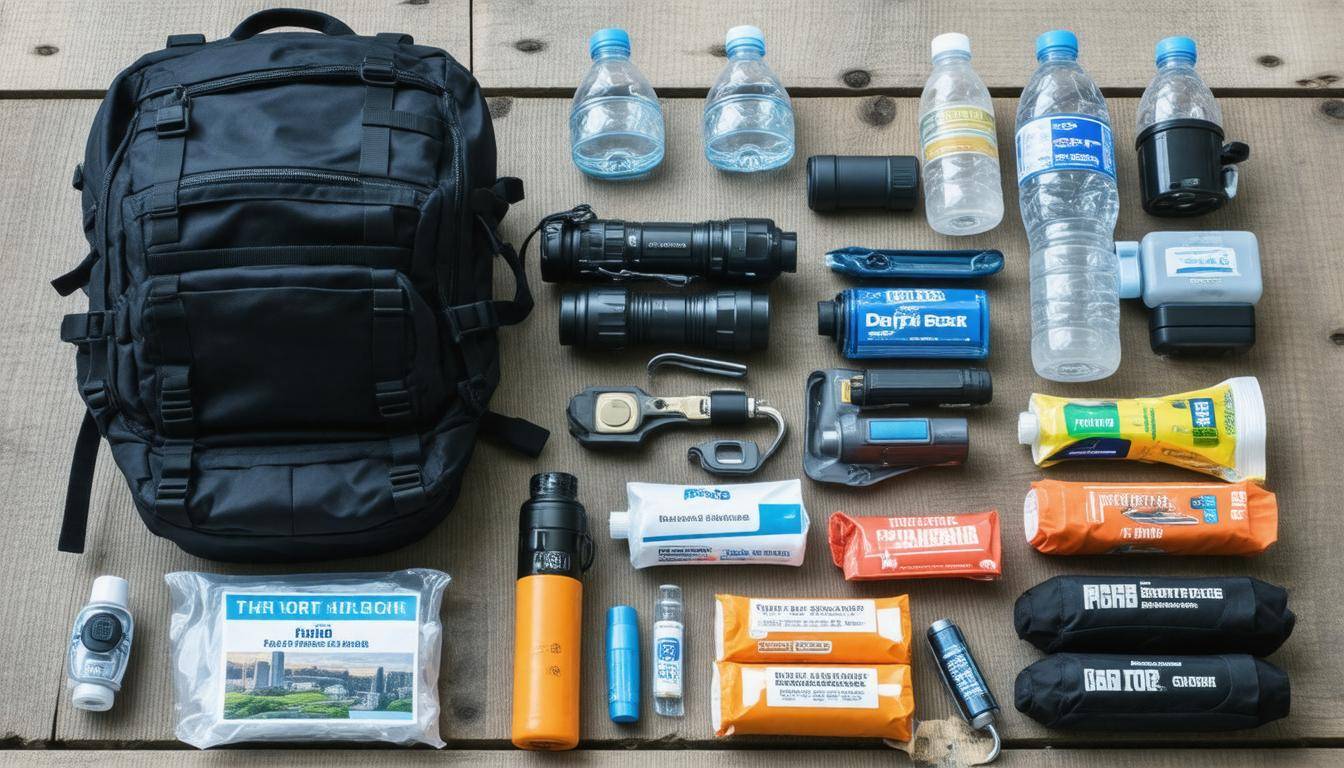
Preparing for an earthquake goes beyond assembling a basic kit; it involves anticipating various scenarios that could unfold after the shaking stops. One of the essential items to consider is emergency shelter. Given Seattle’s reputation for rain and chill, having portable tents or sturdy emergency blankets on hand can make a huge difference in keeping you warm and dry. These shelters not only provide physical protection but also offer a psychological sense of security in tumultuous times.
Imagine huddling under a reliable tarp with a loved one, sharing stories while the world outside seems chaotic; that comfort can be invaluable.
Similarly, food and cooking supplies are crucial aspects to pack in your kit.
Having non-perishable food is important, but cooking supplies can take your preparedness to another level, allowing you to prepare meals independently. Portable stoves are popular among survivalists, but don’t forget enough propane or alternative fuel to sustain cooking for several days. It might sound excessive, but think about how comforting a warm meal can be when everything else feels uncertain. A hot bowl of soup cooked over your portable stove could be the difference between feeling defeated and maintaining morale during challenging circumstances.
Equally important are communication tools. In the event of an earthquake disrupting cellular networks, a NOAA weather radio stands as a lifeline. This device will keep you informed with timely updates about weather conditions and potential aftershocks, instilling confidence that you’re equipped to handle whatever comes next.
Imagine hearing the reassuring voice of an announcer providing clear alerts while knowing you’re not completely cut off from information.
Some might argue against including so-called “luxury” items in your survival kit, particularly when basic needs should take precedence. However, I believe that embracing psychological fortitude during disasters can play a significant role in coping with stress. Consider packing a few comfort items—perhaps a book that brings warmth to your heart or games that engage your mind. Though they may not seem essential at first glance, these small indulgences might uplift spirits during extended periods of uncertainty.
With this understanding of select key items, ensuring they’re well-stored and easily accessible when that moment strikes is critical. This approach will bolster your readiness and enhance your peace of mind when faced with unexpected challenges.
Storing and Accessing Your Kit
When it comes to preparing for an earthquake, the way you store your emergency kit can significantly affect how successfully you can respond. You don’t want to find yourself staring at a pile of boxes in a dilapidated room, trying to remember where you stashed your supplies. It’s essential to choose locations carefully, making sure they are not only strategic but also accessible during an emergency scenario.
One effective approach is implementing multiple storage options. For example, having kits in various locations—your home, car, and workplace—helps ensure you’re never far from the resources you need. If a quake occurs while you’re away from home, having a kit handy means you won’t have to depend solely on luck or chance to find what you need.
Accessibility Tips
In your home, think about placing your kit somewhere that is least likely to be obstructed by fallen furniture or debris. A great spot is under a heavy table or in a hallway that serves as an exit route. This way, if you need to escape quickly, your kit can remain clear and ready for grabs without having to navigate around obstacles.
In your car, consider using sturdy storage containers designed to fit into the spaces under seats or within the trunk. These containers should be clearly marked so that they can be spotted easily, even in semi-dark conditions following an emergency. Having portable kits in cars becomes vital since many people spend significant hours commuting daily.
It’s also important to think about the workplace setting. A smaller version of your home kit should be assembled with just the essentials; this compact kit will help sustain you until you can reach a larger supply back at home. Just like having snacks in your desk drawer curbs that afternoon hunger pang, having some basic essentials accessible at work keeps you ready—no matter what.
While storage is crucial, maintaining and updating your kit is equally vital; an unstocked or expired kit could do more harm than good when you’re counting on it the most. Let’s now explore how to keep everything in optimal condition moving forward.
Monthly Maintenance Guide
Regular maintenance of your earthquake supplies is not just wise; it’s essential for ensuring that you’re ready should disaster strike. Monthly checks can prevent any unpleasant surprises when you most need your supplies. Think of it like a tune-up for your emergency kit—it keeps everything in order and functioning optimally while also providing peace of mind. Small actions, such as checking expiration dates or rotating supplies, can make a significant difference.
Checklist
-
Check Expiration Dates: Make it a habit to regularly inspect both food and medications in your kit. Nothing defeats the purpose of preparation quite like reaching for a crucial item only to find it’s expired. Schedule this check on a specific day of the month, perhaps the start of your new month, so it becomes part of your routine.
-
Rotate Supplies: Fresh water is crucial in an emergency, and it’s advisable to replace any stored water every six months to ensure its freshness. Along with that, batteries in flashlights and radios should also be changed out during this timeframe. This simple act helps guarantee you’ll have power when you need it most.
-
Update Documents: Emergencies often mean chaos, making easy access to important documents even more critical. Maintain copies of insurance policies, personal identification (like passports), and crucial medical records in your kit, and review these every few months to ensure they’re current.
-
Test Equipment: It’s not enough to just have items; you must ensure they work properly too. Take time once a month to confirm that all equipment—such as radios, flashlights, and portable stoves—are fully operational. For example, try testing the flashlight by turning it on and off; if it flickers or fails to light, replace the batteries immediately.
Maintaining a journal can help track these inspections; jotting down notes will serve you well, transforming these necessary checks into an ingrained habit.
By integrating this simple checklist into your monthly routine, you’ll cultivate a seamless approach to preparedness.
Now that we’ve established how to keep your supplies in top shape, let’s focus on how to communicate effectively with your loved ones in case of emergencies.
Family Communication Plan
When an earthquake strikes, the chaos can be overwhelming, and finding each other can become challenging. This is why establishing a clear family communication plan is not just beneficial—it’s essential. Think of it as your family’s lifeline during upheaval, ensuring that everyone knows how to reach out and connect amidst the chaos.
Steps to Create a Plan
The first step in crafting this plan involves designating contacts. Identify a trusted friend or relative who lives outside of your area that every family member can reach out to during an emergency. This provides a central point of communication when local lines may be down or overwhelmed.
Following that, you should establish meeting points. Choose locations that are safe and easily accessible, ideally one that’s nearby and one slightly farther away in case it’s unsafe to return home. It’s wise to consider local parks or community centers; these are often recognizable landmarks that can serve as effective gathering spots.
Next comes the often-overlooked aspect of practicing regularly. Simulating various scenarios through family drills ensures that everyone is familiar with the plan and understands their roles and responsibilities. It’s as simple as holding a quick check-in once or twice a year—a fun way to slightly shake things up while reinforcing safety procedures.
Consider making this process more interactive by incorporating technology. Use group messaging apps to circulate updates or reminders about what to do in case of an emergency, fostering knowledge retention across all ages.
An actionable tip here is to create convenient contact cards for each family member. These little cards could easily fit into wallets or backpacks and should contain names, numbers, designated meeting spots, and the out-of-state contact’s information. This tool can greatly enhance preparedness by ensuring critical information is readily accessible.
Knowing exactly who to call and where to meet strengthens not only resilience but also offers peace of mind amidst uncertainty.
By solidifying this plan today, you enhance your family’s readiness for whatever tomorrow may bring, paving the way for better access to vital resources and timely alerts when necessary.
Resources and Alerts
Utilizing local and national resources can provide vital information during an emergency. In regions like Seattle, where seismic activity is a real threat, staying informed about potential earthquakes can mean the difference between safety and chaos.
Having resources at your fingertips allows you to act swiftly and decisively when needed. Signing up for local alerts from the Washington Emergency Management Division ensures that you receive timely updates about any emergencies that may arise, including earthquake warnings or evacuation notices. This proactive step can keep you ahead of the curve, allowing you to protect yourself and your family effectively.
In addition to local alerts, familiarizing yourself with FEMA resources and the American Red Cross comprehensive tips on disaster preparedness is essential. These organizations offer a wealth of information that can guide you through various scenarios you may face during emergencies. For instance, FEMA provides valuable guides on how to create a personalized emergency plan, outlining everything from supplies to include in your kit to how to communicate effectively with family members in the event of a catastrophe.
| Resource | Website | Services Provided |
|---|---|---|
| Washington Emergency Management | mil.wa.gov/alerts | Real-time emergency updates |
| American Red Cross | redcross.org | Disaster relief and preparedness tips |
| FEMA | ready.gov | Comprehensive guides on disaster readiness |
As indicated in the table above, each resource plays a unique role in keeping you prepared. The Washington Emergency Management Division focuses on delivering real-time alerts, ensuring that residents are promptly informed of any developing situations. The American Red Cross not only provides disaster relief but also emphasizes preparedness through educational programs that can help rebuild lives after disasters strike. Likewise, FEMA’s resources equip individuals with necessary knowledge about federal assistance programs and preparedness tactics.
Armed with these resources, maintaining a state of readiness becomes considerably easier. By incorporating them into your overall emergency strategy, you’ll increase your confidence knowing you’re equipped with information that can help safeguard yourself and your loved ones against the unpredictable nature of emergencies such as earthquakes.
Preparedness is not just a precaution; it’s a responsibility we share as members of our community in Seattle. Equip yourself today for the unforeseen challenges that tomorrow may bring.
What new items or considerations should be added to an earthquake kit as of 2025?
As of 2025, it’s crucial to include portable water filtration systems and solar-powered charging devices in your earthquake kit. With an estimated 1 in 10 residents facing water contamination issues post-quake, having a reliable method to purify water can address immediate health concerns. Additionally, with increasing reliance on technology for communication and information during emergencies, solar chargers ensure that your devices remain functional when power grids are down, improving access to crucial updates and resources.
How often should individuals review and update their earthquake preparedness plans?
Individuals should review and update their earthquake preparedness plans at least once a year, preferably during National Preparedness Month in September. This annual check allows families to assess any changes in their circumstances, such as new family members or relocations, and ensures they are equipped with the latest safety information and supplies. According to FEMA, only 10% of Americans have an emergency kit ready, highlighting the importance of regular reviews to maintain preparedness and increase survival rates during an emergency.
What role do community resources play in personal emergency preparedness for earthquakes in Seattle?
Community resources are crucial in enhancing personal emergency preparedness for earthquakes in Seattle, as they provide essential support systems, information, and collaboration opportunities. For instance, nearly 85% of earthquake survivors rely on neighbors and local networks for help during disasters, highlighting the importance of community cohesion. Local organizations often offer training sessions, disaster simulation drills, and resource distribution, fostering a culture of preparedness that can significantly reduce response time and improve overall resilience. By leveraging these communal assets, individuals can better equip themselves to face potential emergencies effectively.
Are there specific items that are better suited for urban areas like Seattle compared to rural ones in terms of earthquake kits?
Yes, urban areas like Seattle require specific items in earthquake kits that cater to the unique challenges of city living. For example, densely populated cities often face higher risks of building collapses and infrastructure damage, making it essential to include items like a hard hat, safety goggles, and work gloves in addition to standard supplies. Furthermore, urban dwellers may have limited access to open spaces for evacuation, so a whistle or signaling device can be crucial for alerting rescuers. According to FEMA, about 80% of earthquake-related injuries occur due to structural collapses or falling objects, emphasizing the need for additional protective gear in urban environments compared to rural ones.
How can residents ensure their pets are included in their earthquake preparedness plans?
Residents can ensure their pets are included in their earthquake preparedness plans by creating a dedicated pet emergency kit, which should include food, water, medications, and any necessary identification. It’s also vital to have a portable carrier or leash ready for quick evacuation. According to the American Humane Association, nearly one in five families in the U.S. own pets, making it essential to account for them during emergencies to prevent panic and injury. By planning ahead and involving pets in evacuation drills, residents can enhance both their safety and their pets’ well-being during an earthquake.