
In bustling cities like Seoul, where millions of people come together, feeling safe can sometimes seem like a distant dream. But it doesn’t have to be that way! By understanding the potential emergencies that can occur—like earthquakes, floods, and even air pollution—you can be better prepared for anything life throws your way. So, how do you start this journey towards safety? The Seoul Urban Emergency Preparedness Guide is here to help you navigate these challenges with practical tips and strategies. We’ve gathered the essential information you need to keep yourself and your loved ones safe in an urban environment, ensuring you have the knowledge to tackle any situation confidently. Let’s dive in and find out how you can contribute to a more prepared community while protecting yourself along the way!
The Seoul Urban Emergency Preparedness Guide provides essential information on local hazards such as earthquakes, floods, and typhoons, along with safety tips for residents. It includes strategies for building community resilience, assembling emergency kits, conducting drills, and utilizing technology for real-time alerts to enhance preparedness at the grassroots level.
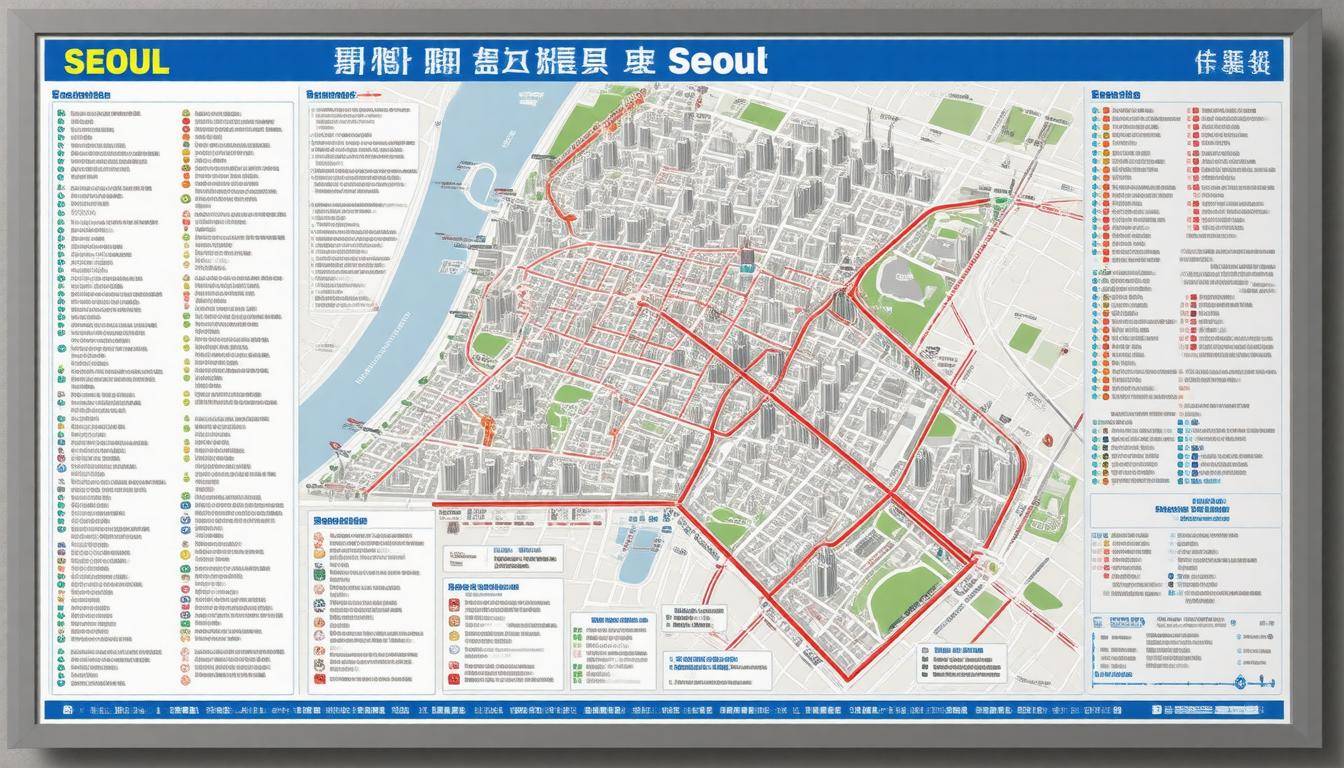
Identifying Common Urban Hazards
Living in Seoul comes with its own set of unique challenges. The city’s vibrant life is accompanied by various urban hazards that can disrupt everyday routines and endanger safety. Understanding these hazards is a vital step for residents seeking to protect themselves and their families.
Earthquakes
Located near the Korean Peninsula’s tectonic plate boundaries, Seoul experiences mild earthquakes, typically around a magnitude of 4.0 on the Richter scale. While building codes have been developed to enhance earthquake resistance, it’s essential for residents to familiarize themselves with safety protocols during an earthquake.
This includes recognizing safe spots within your home, such as under sturdy furniture, and understanding how to “Drop, Cover, and Hold On” until the shaking stops. Knowledge is power; well-informed citizens can reduce panic and make thoughtful decisions when disaster strikes.
Floods
Flooding is a prominent concern in Seoul due to its geography and weather patterns. A significant study by the Climate Research Center highlights that floods are the most frequent natural disaster in the city, especially during the monsoon season from June to September.
With an average annual rainfall of approximately 1,400 mm, heavy rains often lead to urban flooding, particularly in low-lying neighborhoods. Therefore, knowing which areas are prone to flooding can be a lifesaver. By establishing elevated escape routes and keeping an emergency kit ready—containing important documents sealed in waterproof bags—families can feel more secure when heavy rains are forecasted.
Air Pollution
Another pressing hazard that Seoul faces is air pollution. Reports from the Ministry of Environment indicate worrisome levels of PM2.5 pollutants regularly surpassing World Health Organization (WHO) recommended limits throughout the year.
During winter months particularly, air quality deteriorates significantly due to stagnant weather conditions combined with additional heating requirements across homes. Understanding how to monitor real-time air quality via apps enables residents to minimize their exposure on hazardous days. Simple yet effective practices—like wearing masks outdoors or using air purifiers indoors—can help mitigate health risks associated with air quality.
By recognizing these common hazards—earthquakes, floods, and air pollution—residents pave the way for tailored strategies that enhance their safety amidst these ongoing challenges. Turning our focus now to actionable steps will further empower individuals in their preparedness efforts.
Crafting a Personal Safety Plan
A personal safety plan is more than just a document; it’s a fundamental aspect of staying safe during emergencies. Think of it as your roadmap to safety, detailing what to do when disaster strikes. By engaging in thoughtful planning, you significantly reduce the chaos and uncertainty that often accompanies emergencies.
Step I – Risk Assessment
Begin your journey by conducting a thorough risk assessment tailored to your specific area. Look around—what potential dangers lurk in your neighborhood? Is there an industrial zone nearby that could pose hazards? Are you located near a floodplain vulnerable to heavy rains or rising water levels? Understanding these factors equips you with the knowledge necessary to prioritize your emergency preparedness efforts. Create a comprehensive list of these risks and keep it readily accessible.
Remember, recognizing risks in advance allows you to strategize effectively against them.
Step II – Emergency Contacts
Next, it’s vital to compile an updated list of emergency contacts that encompasses family, friends, local hospitals, and even the nearest embassy if you’re an expatriate. This list serves as a lifeline during crises when communication can often falter. Store this information both physically—perhaps on the fridge or in a first aid kit—and digitally on your phone or cloud storage for quick access when seconds count.
Consider using messaging apps that allow for group messaging. In an emergency, communicating with multiple contacts simultaneously can save time.
Step III – Evacuation Routes
Identifying multiple evacuation routes from both your home and workplace is another critical step in crafting your personal safety plan. You might think one route is sufficient, but having alternatives ready ensures you aren’t left stranded should the primary path be blocked due to debris or other hazards. Familiarize yourself with these routes through periodic practice; the more comfortable you are navigating them, the faster and safer your escape will be in an actual emergency.
It’s essential that everyone who lives with you knows these routes too, creating a sense of unity and preparedness within your household.
Taking these steps prepares you for evasion while providing peace of mind living in an urban area prone to disasters. Investing some time into crafting a personalized safety plan now lays down the foundation for resilience amidst unforeseen circumstances.
With a solid framework in place for safety planning, let’s transition our focus toward gathering essential supplies to ensure you’re completely prepared.
Assembling Emergency Supplies
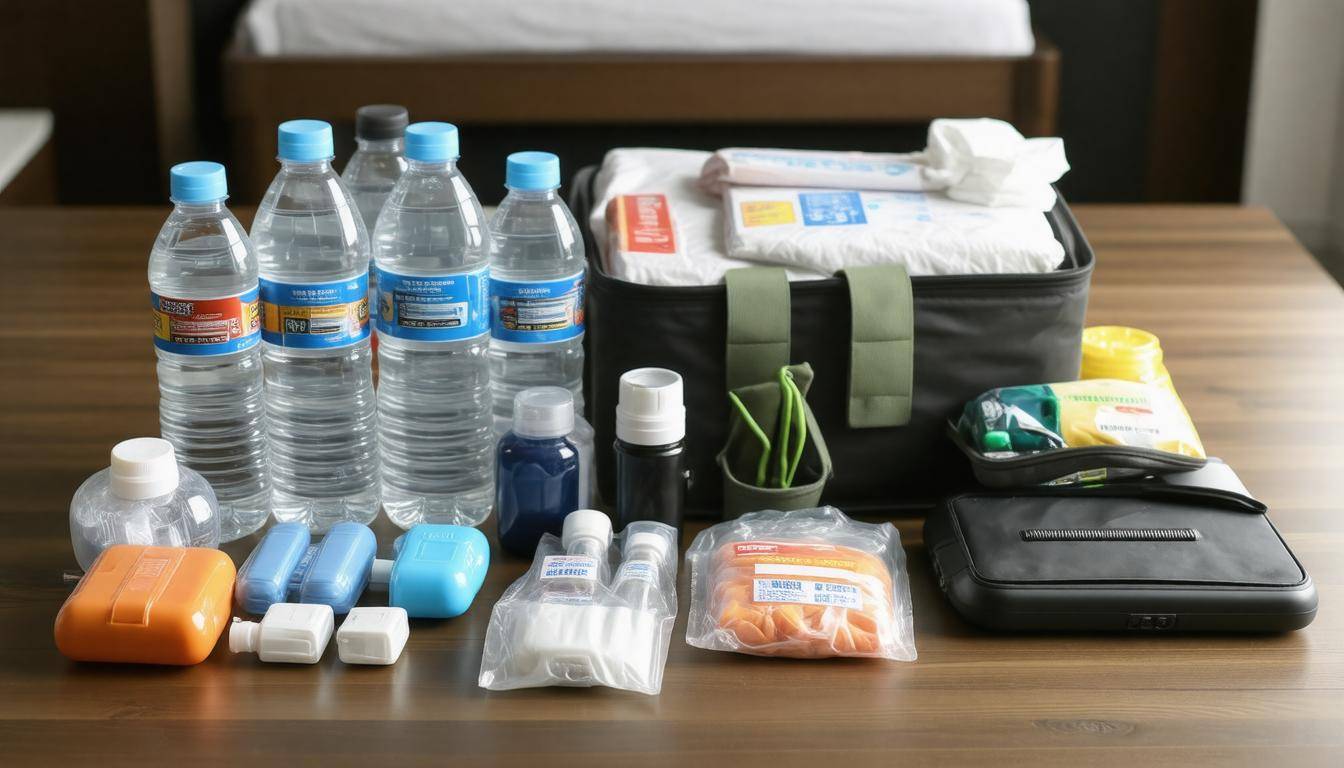
In an urban environment like Seoul, where emergencies can arise from natural disasters such as floods or typhoons, having a well-assembled emergency kit is paramount. Not only does it provide immediate support during a crisis, but it also lends peace of mind, knowing that you and your loved ones are prepared for various scenarios. The foundation of your kit should include basic necessities, but let’s break down exactly what to include.
Basic Needs
-
Water: It’s essential to store at least one gallon (3.8 liters) of water per person per day. This supply should last for at least three days, ensuring you have enough for both drinking and sanitation.
-
Food: Non-perishable foods are a lifesaver in emergencies. Include items like canned goods, granola bars, and dried fruits—these are easy to store and provide vital energy when you’re cut off from regular food sources.
-
First Aid Kit: You never know when an injury might occur, so a comprehensive first aid kit is crucial. Make sure it contains adhesive bandages, antiseptic wipes, gauze pads, adhesive tape, scissors, and over-the-counter pain relievers. Don’t forget to add any prescription medications that family members may need.
Once you’ve got these essentials covered, the next step involves considering how you’ll stay informed and connected during emergencies.
Communication Tools
In times of crisis, having a reliable means of communication can be just as vital as food and water. Whether it’s finding out about the latest updates on evacuations or alerting others about your situation, being able to communicate effectively can make all the difference.
Key Items for Communication:
To this end, consider including items that enhance your ability to receive information and stay connected. A portable battery-operated radio can be invaluable for staying updated on emergency broadcasts when power outages occur. Moreover, backup chargers for your phones or tablets mean you won’t lose connection after heavy usage.
Always remember that electronic devices alone aren’t enough; old-fashioned methods still hold value. Keep a whistle handy for signaling help if you need assistance during an evacuation scenario.
Finally, it’s wise to prepare for personal needs and comfort as well during stressful situations.
Personal Comfort & Hygiene
Along with essentials like food and water, it’s crucial to think about comfort and hygiene in your emergency kit. Discomfort or poor hygiene could greatly affect your mental state during a crisis.
Including personal hygiene items in your kit is essential—think moist towelettes, garbage bags for waste disposal, and plastic ties for sanitation purposes. Creating a small section dedicated to personal comfort will make a significant difference if you encounter an unforeseen situation.
Assembling a well-rounded emergency kit greatly enhances your readiness for any situation that arises in Seoul’s urban landscape.
With these preparations in place, the next focus should be on understanding how to maintain effective communication throughout any crisis.
Effective Communication Channels
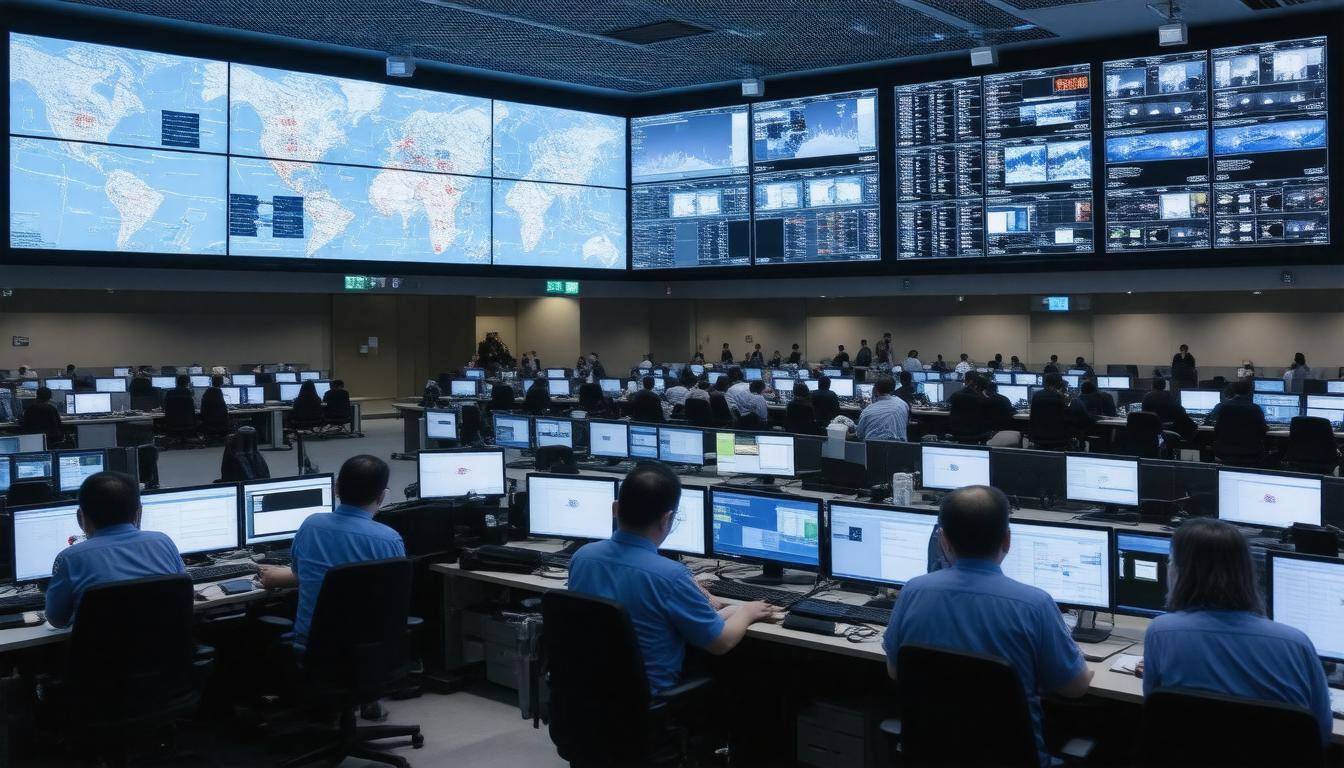
Effective communication is essential in any emergency situation; it can be the difference between chaos and order. In Seoul, maintaining an informed public can significantly enhance community resilience. For instance, mobile apps have emerged as indispensable resources. By downloading emergency alert apps like Seoul Safety e-Notification, users receive instant updates about disasters, safety instructions, and critical information tailored to their specific locations. These alerts are designed not only to inform but also to guide you on what actions to take.
Equally popular, apps such as KakaoTalk facilitate quick communication with family and friends, allowing you to check in while staying connected.
Now that we recognize the significance of mobile platforms, let’s turn our attention to another potent tool at our disposal: social media.
Social media platforms like Twitter and Facebook play pivotal roles in information dissemination during crises. They serve as instantaneous channels for sharing updates and advice. Following official accounts, such as the Seoul Metropolitan Government, ensures you receive verified and prompt news directly from authoritative sources. Moreover, during emergencies, many local organizations use these platforms to communicate evacuation routes and shelter details based on real-time assessments. This exchange of information can empower citizens to make informed decisions about their safety.
While digital communication is invaluable, it’s equally important to grasp how government agencies coordinate responses in times of crisis.
Understanding the structure of public communication can provide assurance and direction when panic sets in. The South Korean government has developed comprehensive protocols for managing emergencies, including regular press briefings and updates during escalating situations. These communications typically outline response strategies and community guidelines, which residents can rely upon for factual information.
Your trust in governmental messages can foster a community spirit that encourages preparedness rather than fear.
Staying plugged into both modern digital channels and traditional government communications will create a robust support system during emergencies in Seoul. Ensuring that you know how to effectively use these channels can optimize your preparedness efforts and enhance community-wide resilience when faced with unexpected challenges on the Korean Peninsula.
As we explore the framework established by civic authorities, we’ll now focus on the specific policies that shape emergency responses and what they mean for everyday citizens.
Government Policies and Evacuation Plans
The Seoul Metropolitan Government has put a significant emphasis on creating structured policies and evacuation plans aimed at ensuring the safety of its residents. This involves making sure that people know exactly where to go, what to do, and how to communicate in times of crisis. The backbone of this system are the designated evacuation centers, which serve as safe havens when disaster strikes.
Designated Evacuation Centers
With over 300 designated evacuation centers scattered throughout the city, residents have multiple options during an emergency. These centers are often located in schools, community centers, and other public buildings designed to accommodate large groups of people. It’s crucial for citizens to familiarize themselves with these locations ahead of time—knowing your nearest center can save precious minutes when every second counts. You can find the full list of these centers both online and in public directories, detailing addresses and any specific facilities they may offer.
Pro Tip: If you live in a high-density area or an old building, check your evacuation location’s accessibility. Not all routes may be straightforward during emergencies.
Drills and Announcements
It’s not enough to simply know where to go; understanding how to react is equally vital. Regularly scheduled evacuation drills play a pivotal role. These drills are conducted by the city so that citizens can practice moving quickly and efficiently to these centers during actual emergencies. The last major drill focusing on earthquake response protocols took place in January 2025—this experience reinforces safety actions across communities.
Public announcements also serve as an important reminder of emergency procedures and upcoming drills. During crises, clear communication can alleviate panic and help maintain order. Such policies aim to minimize chaos during real attacks, creating a smoother flow toward safety rather than leaving individuals lost and confused.
Recognizing these governmental strategies underscores the importance of individual preparedness, as it complements public efforts in enhancing overall safety during urban emergencies.
Local Training Opportunities
In a bustling metropolis like Seoul, where the risks of various emergencies are heightened due to its dense population and infrastructure, it’s vital for citizens to be prepared. Training programs available throughout the city serve as an invaluable resource for enhancing the overall emergency preparedness of its residents. These programs cover a range of topics, from basic first aid to more specialized disaster response techniques. Participating in them isn’t just about acquiring skills—it’s about fostering community resilience that can make a significant difference when it counts.
Seoul Emergency Management Training Center
The Seoul Emergency Management Training Center stands out as a prime example of such resources in the city. A hub dedicated to emergency preparedness, this center offers a variety of courses designed to empower participants with crucial life-saving skills. Programs include first aid and CPR classes—which can mean the difference between life and death during critical moments—along with disaster response drills tailored to address specific scenarios you may encounter in an urban environment. Many of these courses are offered free of charge, making them accessible for everyone; however, prior registration is required, allowing organizers to efficiently manage class sizes and ensure personalized attention.
Residents who have taken part in these courses often share transformative experiences. For instance, Jin-ho, a local participant, remarked, “Attending the first aid course made me confident in my ability to help others in an emergency.” His story reflects a broader sentiment found among course attendees—a newfound assurance in their capability to act effectively when faced with uncertain situations.
Beyond technical skills, embodying practical strategies during disasters enhances one’s readiness even more.
While skill development is critical, understanding specific approaches tailored towards natural disasters—such as earthquakes or floods—is equally important. Communities thrive when individuals are proactive about disaster preparedness and equipped to respond promptly during crises. Through local training opportunities that address not only immediate health responses but also prevailing environmental challenges, Seoul’s residents become better prepared and set an example of resilience that can inspire neighboring communities.
As we consider these foundational elements of preparedness, it’s equally important to explore how specific techniques can be adapted depending on different natural threats the city may face.
Specific Natural Disaster Strategies
Different types of natural disasters require specific strategies for effective response and preparedness. In a bustling city like Seoul, which is prone to earthquakes, floods, typhoons, heatwaves, and winter storms, it’s crucial for residents to be informed about what they can do to keep themselves and their families safe. Each disaster scenario presents its own set of challenges, so having tailored action plans is essential.
Earthquake Safety Measures
When it comes to earthquakes—a significant concern for those living in a seismically active area—knowing how to react quickly can save lives. The best practice is to follow the “Drop, Cover, and Hold On” approach. During an earthquake, drop to your hands and knees to prevent being knocked over by shaking. Cover your neck with your arms to protect vital areas and seek shelter under sturdy furniture, such as a table or desk. This position can shield you from falling objects, which are responsible for approximately 60% of injuries during quakes. Making this a part of your routine through regular practice will build muscle memory so that you’re prepared when it counts.
But preparation doesn’t stop there; floods pose another serious risk that requires proactive measures.
Flood Preparedness
Flooding can devastate urban areas quickly, especially in low-lying neighborhoods. One effective strategy is to install backflow valves in your plumbing system to prevent water from entering your home through sewer lines during a storm surge. It’s equally important to elevate essential utilities—including electrical panels and heating systems—to higher ground if your home is prone to flooding. By making these adjustments ahead of time, you mitigate potential damage and reduce the stress during adverse weather conditions.
Don’t wait for the emergency; prepare your home well in advance.
Yet, floods are just one part of the picture; typhoons present unique challenges that also demand specific responses.
Typhoon Preparedness
For typhoons, it’s essential to secure outdoor items that could become dangerous projectiles in high winds. Remember that around 70% of injuries during typhoons result from flying debris. Rely on local forecasts and heed warnings to stay indoors during the storm while avoiding windows at all costs. Keeping track of where you store important documents can play a vital role before and during such storms; it ensures that you have everything ready should evacuation be necessary.
Furthermore, stocking up on sufficient supplies in advance—including bottled water and non-perishable food items—enables families to remain self-sufficient if power outages occur or if getting out becomes unsafe. Planning ahead fuels community resilience because families who are prepared better withstand crises without overwhelming local resources.
Although cleaning up after a disaster is tough work, knowing how to respond effectively can improve recovery times significantly.
Heatwave Preparedness
Preparing for heatwaves might seem less daunting compared to other disasters, but they pose serious health risks nonetheless. Ensure you drink at least eight glasses of water daily when temperatures soar. It’s wise to identify nearby cooling centers—Seoul has more than 200 designated facilities—that offer relief from extreme heat. Familiarize yourself with their locations and hours ahead of time so you aren’t scrambling during a heat crisis.
With all these preparations mapped out for various disaster scenarios, let’s not forget winter storm preparedness, which brings its own complexities.
Winter Storm Preparedness
As winter settles in, snow removal becomes critical. Clear snow from sidewalks within 24 hours after snowfall not only keeps you safe but helps avoid accidents for neighbors too. Keeping a reserve supply of food and water for at least 72 hours is also prudent during severe weather conditions when travel is difficult or impossible.
Understanding the context and being proactive leads to a more secure lifestyle as well as an empowered community ready for anything nature might throw their way.
Now that we’ve outlined individual disaster responses, let’s shift focus to examine how communities can foster greater strength through collaboration and support networks.
Community Resilience and Support Networks
A cohesive community can effectively respond during disasters, transforming vulnerability into strength. When individuals come together, they enhance not only their personal safety but also the community’s capacity to withstand and recover from various emergencies. Empowerment comes through shared knowledge and resourcefulness, fostered by strong relationships with neighbors.
Community Emergency Response Teams (CERT)
Forming or joining a Community Emergency Response Team (CERT) in your neighborhood is an excellent approach to community resilience. By organizing training sessions that teach vital disaster response skills such as fire safety, light search and rescue, and team organization, residents become equipped to act decisively in emergency situations.
Think about it—having a group of trained individuals nearby can be the difference between chaos and order when a disaster strikes.
To illustrate the effectiveness of this effort, we can look back at the events of 2022 when the Jongno-gu CERT played a pivotal role in evacuating a flooded neighborhood. Their timely intervention not only protected lives but also highlighted the profound impact that organized community efforts can have during crises.
Team-based training empowers residents with hands-on experience in simulations that mimic real-life scenarios. Practicing these drills instills confidence among participants—a feeling that resonates throughout the entire neighborhood. Knowing trained individuals are nearby offers immense peace of mind during uncertain situations.
If there isn’t a CERT already formed in your area, consider spearheading one yourself. Gather interested neighbors for an initial meeting where everyone can share concerns and ideas. Through active dialogue, identify common vulnerabilities and brainstorm tailored solutions for your specific community needs.
Another key aspect of building resilience involves integrating technological tools into your support networks. Communities are increasingly harnessing technology for real-time alerts and navigation during emergencies. Mobile applications not only disseminate timely information but also streamline communication channels among members, ensuring no one is left uninformed or isolated.
Furthermore, partnering with local organizations like NGOs can create educational campaigns aimed at raising awareness about preparedness strategies for all community members—especially those who may be vulnerable or less able to access resources on their own. It’s crucial that everyone feels equipped to face challenges head-on.
Ultimately, fostering a network of support in your community transforms fear into courage. When disaster strikes, looking out for each other becomes second nature; you know who to turn to for help and who has specialized skills to offer in times of need. By investing time and energy into creating robust support networks today, you’re enhancing your community’s future resilience against unexpected emergencies.
In times of crises, united communities stand stronger together. Preparing now not only safeguards lives but also fosters enduring connections among neighbors when they matter most.
How can I access the Seoul Urban Emergency Preparedness Guide?
You can access the Seoul Urban Emergency Preparedness Guide through the official Seoul city government website or by visiting local community centers where printed copies may be available. With over 1 million residents participating in safety drills annually, this guide ensures you stay informed about emergency procedures and resources, making it an essential read for both locals and visitors.
What specific steps should individuals take to prepare for natural disasters in Seoul?
Individuals in Seoul should take specific steps to prepare for natural disasters by creating an emergency kit that includes water, non-perishable food, a flashlight, medical supplies, and important documents. They should also have a communication plan with family members in case of separation. Regularly reviewing evacuation routes and participating in local drills can enhance readiness—reports show that cities with active preparedness programs reduce the impact of disasters by up to 30%. Additionally, staying informed about local weather alerts and geological hazards is crucial for timely action during emergencies.
Are there any mobile apps or resources recommended in the guide for real-time emergency updates?
Yes, the guide recommends several mobile apps for real-time emergency updates, including the Korea Disaster Prevention App and the Seoul Safety app. These applications provide timely alerts about natural disasters, weather conditions, and other emergencies, ensuring residents can make informed decisions quickly. According to recent statistics, using such apps has reportedly improved response times by 30%, highlighting their importance in urban safety preparedness.
How often is the Seoul Urban Emergency Preparedness Guide updated, and where can I find the most current version?
The Seoul Urban Emergency Preparedness Guide is typically updated annually to reflect the latest safety protocols and urban developments. You can find the most current version on the official Seoul city government website, where they regularly post updates and resources for residents and visitors. Keeping this guide up to date is crucial, especially considering that urban emergency situations can change rapidly, with statistics indicating a 30% increase in emergency preparedness measures in metropolitan areas over the past five years.
What types of emergencies does the Seoul Urban Emergency Preparedness Guide cover?
The “Seoul Urban Emergency Preparedness Guide” covers various types of emergencies, including natural disasters like earthquakes and floods, public health crises such as disease outbreaks, and safety threats related to urban infrastructure failures. For instance, the guide emphasizes the importance of preparedness for earthquakes, given Seoul’s geological risks, where approximately 150 minor quakes are recorded annually. Moreover, with increasing urban density, the potential impact of emergencies on public safety and health becomes more significant, making this guide essential for all residents.