
When floods hit, the aftermath can feel overwhelming, especially when considering how it affects your home’s septic system. Many homeowners are unsure where to start when faced with potential damage and health risks lurking below the surface. Are you aware that untreated sewage from a compromised septic system can seep into your yard and even contaminate local water supplies? It’s critical to act quickly and intelligently after a flood to avoid costly repairs and serious health hazards. In this article, we’ll outline essential guidelines for assessing your septic system post-flood, ensuring you protect both your property and your family’s well-being. Let’s dive in and tackle this issue head-on!
After a flood, it is crucial to evaluate your septic system by checking for visible damage such as dislodged components or backups in the plumbing. It is recommended that you contact a licensed professional to perform a thorough inspection and determine if repairs or pumping are necessary to ensure safe operation.
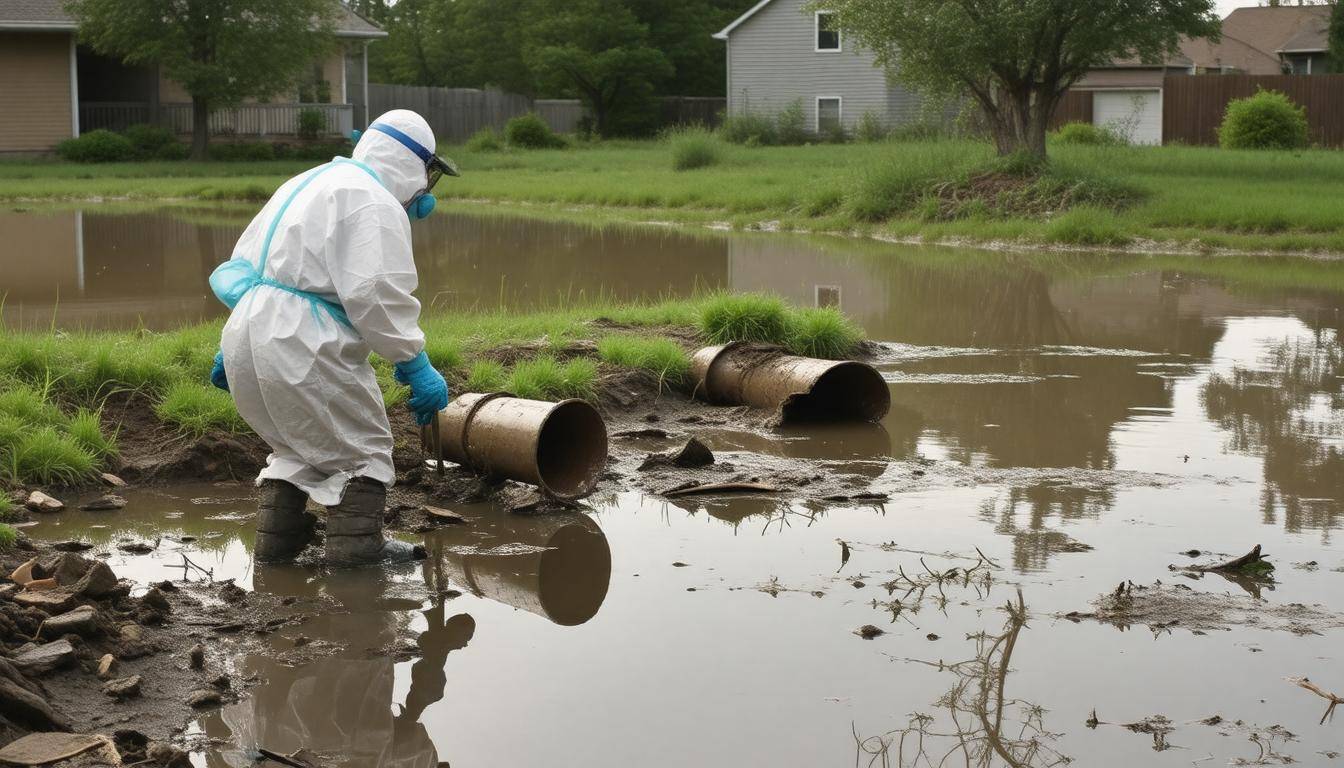
Assessing a Septic System Post-Flood
Starting with a visual inspection is key to identifying immediate problems. As soon as it is safe to do so, grab a flashlight and head outdoors. Look for anything unusual: displaced soil around the tank or pipes, standing water near the leach field, or cracks in the tank itself. These signs can indicate serious issues that need addressing. Displaced soil may suggest that sediment has moved around, which could easily block normal water flow or cause backups.
After your initial visual inspection, it’s time to turn your attention to more subtle issues that may not be readily apparent. This leads us to hiring a professional evaluator—the true experts in the field. While some homeowners might be tempted to inspect their systems on their own, this often results in missing hidden problems. A professional can conduct advanced tests, ensuring internal tank integrity and uncovering breaches that might allow wastewater to seep into the surrounding ground, contaminating groundwater supplies.
It’s worth noting that flood waters can introduce contaminants into your septic system. So even if there appear to be no visible damages, such water exposure could mean that harmful pathogens have infiltrated your system.
Keeping safety at the forefront of this assessment can’t be overstated. Always remember to look out for hazards, especially when inspecting systems that have been flooded. Wear protective gear such as gloves and boots, and avoid contact with anything that appears contaminated. Personal safety should never be compromised during these inspections.
Understanding these steps is crucial for determining necessary repairs and promoting the longevity and effectiveness of your septic system after flooding events. Now, let’s focus on essential measures one should take for personal protection during these evaluations.
Safety Precautions During Initial Inspection
Before embarking on the inspection of your septic system, it’s imperative to take proactive steps to ensure your safety. The environment in and around a flooded septic system can present numerous hazards, from harmful pathogens lurking in the water to the potential for unstable ground. Equipping yourself with protective gear is not simply prudent; it’s essential.
Precautionary Measures
Start by wearing protective clothing, such as heavy-duty gloves and waterproof boots. These will shield you from contact with contaminated water and any hazardous materials that may have entered your yard or home. Additionally, I highly recommend considering a face mask. Over time, floodwaters may harbor harmful pathogens or airborne chemicals that could be easily inhaled during your inspection—a risk not worth taking.
Think of it this way: utilizing safety equipment while inspecting is akin to wearing a life jacket while boating. While you may feel secure, it’s better to be safe than sorry.
Now that you’re suited up, it’s time to address another potentially dangerous aspect: electrical hazards. Always check for electric hazards before you begin your inspection. Flooded areas can disrupt electrical systems in ways that are not immediately apparent.
Checking for Electrical Hazards
Before proceeding, make sure the power to the septic system is completely turned off. This small action can have significant consequences—floodwaters can short out electrical components and create an electrocution hazard. It might seem like a mere formality, yet this step can save lives.
John, a homeowner who recently dealt with extensive flood damage, reflects on his experience: “After the flood, I almost didn’t think to turn off the electricity and it could have been a fatal error.” John’s close call serves as a stark reminder that even routine inspections require a heightened sense of vigilance.
Safety isn’t just about what you wear or checked systems; it also encompasses awareness of your surroundings. As you conduct your inspection, look out for any other environmental risks such as unstable ground surfaces, sharp debris, or hidden obstacles in murky water. By maintaining a high level of caution throughout the assessment, you significantly reduce the chances of an accident occurring.
With safety measures firmly in place, we can now transition into identifying specific indicators that signal potential issues within your system.
Recognizing Signs of Damage
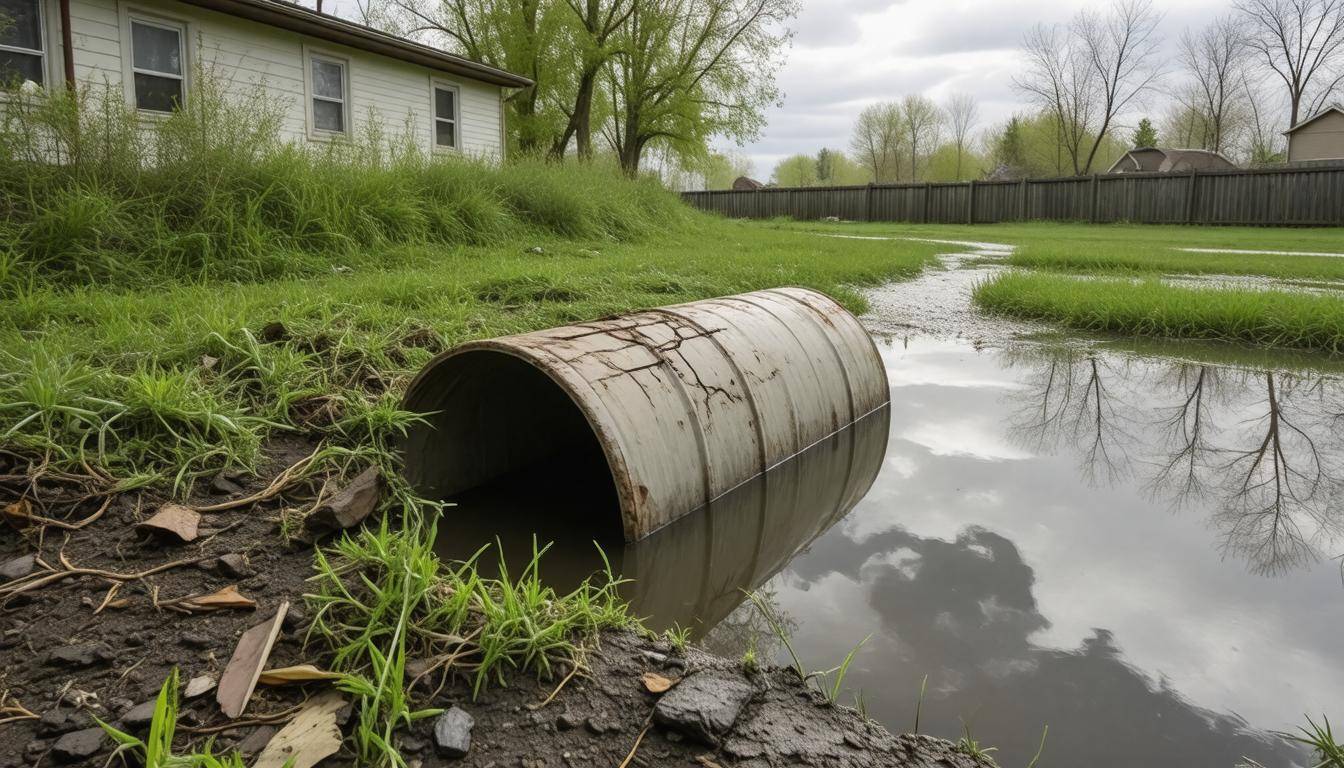
The aftermath of a flood can leave significant impacts on a septic system, and spotting the warning signs early is crucial for preventing further complications. It’s important to arm yourself with the knowledge of what to look out for—the quicker you identify an issue, the faster you can get it repaired and back to working order.
Visual Cues
-
Floating debris around the tank: If you see unexpected items floating near your septic tank, this could signal overflow or drainage issues.
-
Unusual water pooling in the yard: Puddles gathering in specific areas might indicate a failure in your drain field, which can lead to serious health hazards if not addressed promptly.
-
Foul odors, indicating leaks or backups: A strong smell can be your first hint that something isn’t right; it’s not just unpleasant but a clear sign of potential leakage.
-
Slow drains or gurgling sounds: Pay attention when using sinks or flushing toilets. If things aren’t draining as they should, or if you hear gurgling noises, this could indicate blockage somewhere in the system.
As I’ve seen time and again, unaddressed symptoms can escalate quickly; one homeowner I worked with noticed a strong smell of sewage emanating from his yard. At first, he thought it was merely an unpleasant consequence of heavy rain. However, after a closer inspection confirmed significant leaks in the system, he faced costly repairs that could have been avoided had he acted sooner.
After identifying potential damage, it’s essential to turn your focus toward a more thorough evaluation of the key components within your system.
Staying vigilant and attentive to these visual cues truly matters—not just for maintaining the system’s functionality but also for protecting the health of your family and the integrity of your property. Taking proactive measures today saves both time and money down the road, ensuring that you can continue using your septic system without worry.
Inspecting the Septic Tank and Components
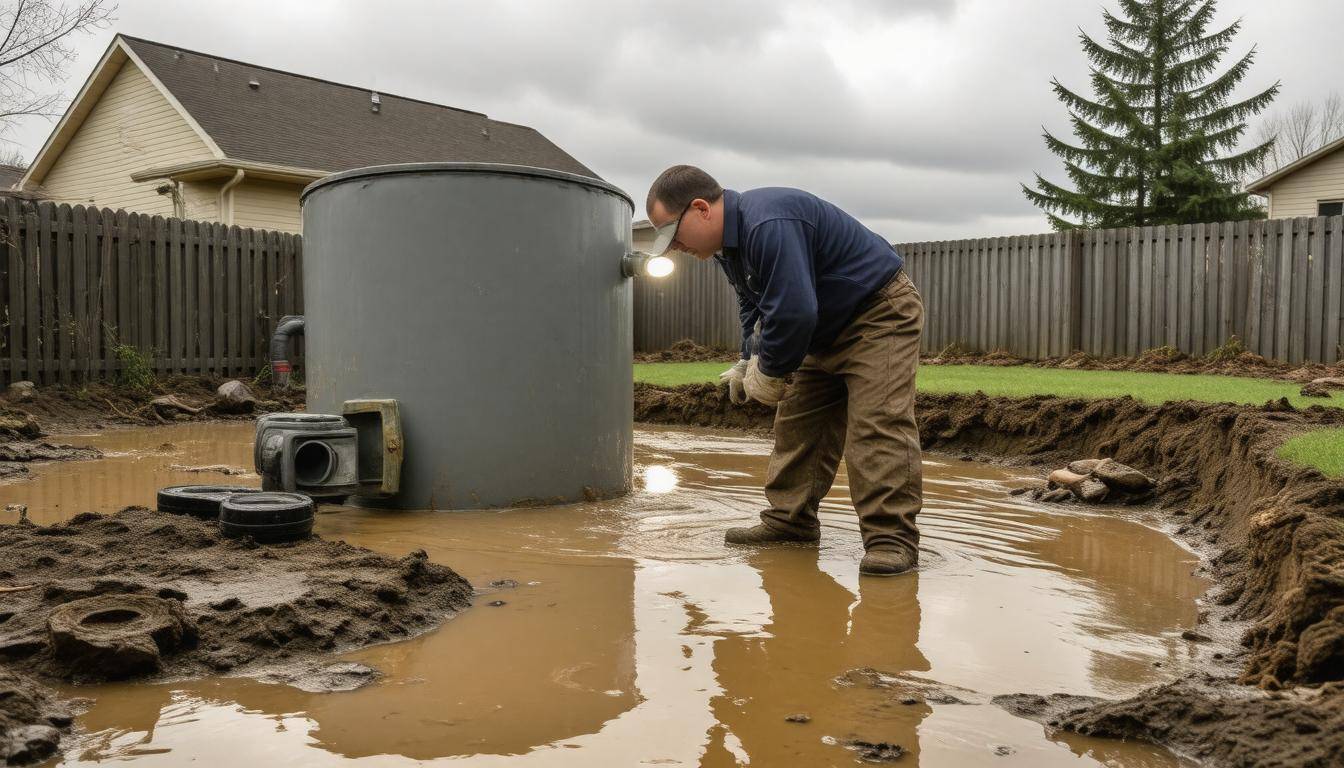
A thorough inspection of your septic tank involves several carefully executed steps. This process reveals potential damages and helps in preemptive repairs that can save you from larger headaches down the road. Begin by opening the tank—a significant step where caution is key. If you’re unsure, calling a professional might be your best bet. However, if you’re ready to take on the task, wear protective gear and ensure proper ventilation.
Step-by-Step Inspection Guide
Once you have access, the first step is to measure the water level in the septic tank. Use a long, clean stick that won’t contaminate anything—this ensures accuracy. If the water level is excessively high, it may signal clogged pipes or drainage problems that ought to be addressed immediately.
After establishing the water level, your next focus should turn to inspecting for any visible cracks and leaks.
As you look closely at the tank walls and fittings, it’s vital to check for any signs of cracks or leaks. Even small fissures can lead to significant issues later, allowing untreated wastewater to escape and potentially pollute surrounding soil and water sources. Examine pipe connections; loose or damaged fittings can quickly escalate into bigger problems. Watch for damp patches around your septic system as they can provide clues regarding hidden issues.
Now we move on to another vital component—the distribution box.
The distribution box directs wastewater from your septic tank out to the drain field. It needs particular attention during your inspection process. Open it up carefully and conduct a thorough examination for obstructions or damages that may have occurred due to floodwaters. Look for any debris or blockages; these can prevent proper flow and lead to backups throughout your entire septic system.
Keeping these components in working order requires diligence—and if you find any signs of damage, it’s often advisable to consult with a professional who specializes in septic system repairs.
Each step you take in assessing your septic tank serves not only as immediate damage control but as a measure of safety for your home and environment after flooding.
As we continue, we will explore how floodwater specifically impacts septic systems and what further precautions may need to be taken.
Impact of Floodwater on Septic Systems
Floodwater can severely compromise septic systems in various significant ways. When floodwaters inundate the area surrounding a septic tank, they saturate the soil around the drain field, making it unable to effectively absorb wastewater. This saturation leads to potential backups not just within the tank itself but also causes sewage to bubble up through ground surfaces or even contaminate nearby water sources, posing serious health risks.
It’s worth noting that according to the Environmental Protection Agency, approximately 25% of septic systems fail after major floods. This shocking statistic underlines the importance of regularly scheduled inspections, especially following extreme weather events. Detecting issues early can save homeowners both time and money while safeguarding public health.
The conversation around septic system failures post-flood often centers on two distinct viewpoints among experts. Some argue that soil contamination is the leading issue, pointing out that pollutants from floodwaters can leach into the surrounding soil, compromising its integrity. Others stress that mechanical failure of system components—like pumps or valves—should be prioritized as immediate concerns due to their crucial roles in maintaining proper function. Regardless of which side you lean towards, it is crucial to recognize that both elements can endanger your home and environment.
Whether it’s contaminated soil affecting local groundwater or damaged mechanical parts failing to process waste properly, homeowners must be proactive in assessing their systems after flooding incidents.
Safeguarding your property against these risks is essential for your family’s safety and the overall health of your community. Let’s explore the direct implications on well-being and environmental stability.
Health and Environmental Risks
Flooding can severely compromise septic systems, transforming them from simple waste disposal units into conduits for hazardous contaminants. When floodwaters invade a septic tank, they can easily mix with untreated sewage, leading to the introduction of harmful microorganisms such as E.coli, hepatitis A, and various bacteria into the environment. These pathogens pose significant threats, especially when they infiltrate drinking water supplies, creating scenarios ripe for waterborne illnesses. People consuming contaminated water may experience severe gastrointestinal problems, posing a risk particularly for vulnerable populations such as children, the elderly, and those with compromised immune systems.
It’s not just contamination you have to worry about; there are also long-term repercussions on your immediate environment because of inoperable septic systems.
Long-Term Environmental Impact
The impact doesn’t end with personal health concerns; it drastically affects local ecosystems too. Flooded septic systems can lead to leaks that introduce pollutants into nearby streams, rivers, and lakes. These contaminants can harm aquatic life, disrupt delicate ecosystems, and even render significant bodies of water unsafe for recreational activities. Interestingly, areas affected by upstream flooding often see the most pronounced effects downstream due to contamination spread.
A notable consequence of this runoff is its potential to trigger algal blooms. Algal blooms occur when excess nutrients from sewage overflow—particularly nitrogen and phosphorus—seriously impair water quality. Not only do these blooms produce toxins harmful to humans and animals alike, but they also consume oxygen in the water, depriving fish and other aquatic organisms of what they need to survive.
Alarmingly, research indicates that nearly 20% of water contamination cases following floods can be directly linked to septic system overflow. These statistics aren’t just numbers; they represent real communities facing dire challenges in achieving safe drinking water and healthy recreational spaces.
Given these alarming risks, immediate action is necessary to ensure safety—not just for individuals but for entire communities. To address these concerns effectively entails implementing assessment measures followed by rapid repair actions aimed at preventing further degradation of public health and the environment.
Steps for Post-Flood Recovery
To ensure your septic system is restored to a safe and functioning condition after a flood, it’s crucial to follow a step-by-step approach. The first step involves initial pumping of your septic tank, which should only occur once the floodwaters have completely receded. This step is fundamental; it helps remove not just the excess water but also the sludge that may have entered your system during the flooding. Rushing this process could lead to further contamination.
After the pumping is complete, a thorough inspection must take place. It’s significant to check for any structural damages your septic tank or drain field may have sustained. Look out for cracks in the tank or signs of soil erosion surrounding the drain field. If damages are identified, repairs shouldn’t be taken lightly; compromised components can lead to major issues down the line, such as leaks or complete system failures. You want to address these concerns promptly by replacing any damaged lines or apparatuses within the system.
Taking quick action on repairs not only safeguards your home environment but also ensures compliance with local health regulations.
Step III – Soil Reconditioning
Once structural issues are resolved, it’s time to focus on soil reconditioning around the drain field. Floodwaters can significantly alter the soil’s characteristics, particularly affecting its drainage capacity. By introducing sand or gravel into the affected areas, you enhance drainage and support efficient wastewater treatment processes. This soil amendment becomes vital in preventing future backups and maintaining effective operation of your septic system.
Remember, the health of your septic system is closely linked to its surrounding environment. Always prioritize ensuring adequate drainage in your yard after a flood event. It minimizes stresses on your system and reduces the likelihood of similar problems recurring in the future.
In the following segment, we will present a detailed list of procedures designed to facilitate this recovery process effectively.
Comprehensive Assessment Checklist
A thorough checklist can guide homeowners through the recovery process. When it comes to post-flood septic system assessments, each item on the checklist plays a crucial role in determining the overall health and functionality of your system. By methodically working through each step, you’re not just preserving your investment but also ensuring safety for you and your family.
Post-Flood Septic System Checklist
-
Visual inspection for external damage: Start with a keen eye. Inspect the surrounding area for any visible signs of distress. Look for displaced components, soil erosion, or any debris that may have affected the system’s integrity.
-
Turning off power supply: Safety first. Always ensure that the power supply to the septic system is turned off to avoid any electrical accidents while conducting evaluations.
-
Inspecting and measuring tank water levels: Use a dipstick or similar tool to check if your septic tank has returned to normal levels after flooding. If it’s filled beyond capacity, this could signify issues requiring immediate attention.
-
Checking for cracks and leaks: Pay special attention to joints and connections. Even hairline fractures can lead to significant problems over time. If you spot anything suspicious, be proactive about repairs.
-
Examining the distribution box: This box plays a pivotal role in directing effluent from the septic tank to the drain field. Ensure there are no blockages and that everything appears intact and functioning.
-
Hiring a professional for a detailed inspection: Although homeowners can accomplish many checks themselves, some situations require expert knowledge. Hiring a professional ensures any hidden issues are detected early on.
-
Pumping the septic tank: Floodwaters often mix with septic fluid, which can compromise its contents. Pumping out your septic tank post-flood prepares it for proper operation once more.
-
Repairing structural damages: After inspecting, take note of any structural damages sustained by the system that need rectifying, whether it’s cracks in the tank or issues with piping.
-
Reconditioning the soil: Lastly, examine the soil around your septic system. Flooding may alter its composition; you might need to amend it to promote proper drainage and function.
Completing these steps not only provides peace of mind but also establishes a reliable foundation from which you can rebuild and recover fully from any impact caused by flooding.
In summary, following these essential guidelines will help ensure your septic system remains safe and functional after experiencing flood conditions. Taking prompt action can protect both your home and health in the long run.