
Shopping malls are bustling places filled with families, friends, and countless shoppers looking to enjoy their day. But in the midst of all that fun, emergencies can happen—whether it’s a fire alarm ringing or a medical situation arising. So, how prepared are we really to handle these unexpected crises? It’s easy to assume everything will be fine until something goes wrong. That’s why having a solid emergency plan is not just smart; it’s essential. This article dives into important protocols for mall staff that can save lives and maintain order during emergencies. By understanding roles and responsibilities, effective communication methods, and safety measures, everyone gets one step closer to ensuring a safe environment. Let’s explore how to make shopping trips safer for all!
The “Shopping Mall Emergency Plan: Staff Protocol Guide” outlines essential protocols and procedures for mall staff to follow during various emergencies, including active shooter incidents, fire evacuations, and medical crises. It emphasizes training, coordination with local authorities, public communication strategies, and the use of technology to ensure the safety of both employees and shoppers.
Staff Roles and Responsibilities
Clear role delineation helps ensure a swift and efficient reaction in emergencies, ultimately saving lives and minimizing chaos. First and foremost, appointing a designated emergency coordinator is vital. This individual takes charge of implementing safety protocols, conducting regular inspections to ensure that emergency supplies are stocked, and acts as the primary communication link between management and staff during crises. Their ability to lead effectively can make all the difference when seconds count.
The emergency coordinator relies on support from various key personnel within the mall environment. Floor managers play a pivotal role by keeping track of customer headcounts while guiding patrons safely towards exits. They serve as the frontline leaders who quickly provide updates on the situation to central command, ensuring a cohesive strategy for evacuation. Good floor managers bring calmness to a potentially chaotic scene.
Equally important are security personnel, who are tasked with containing threats wherever possible and managing any crowd control issues that may arise in emergencies. They not only keep an eye on potential dangers but also facilitate communication with local emergency services, coordinating efforts for rapid assistance whenever needed. Effective security staff can greatly enhance safety during these tense moments.
Furthermore, don’t overlook the critical role of health and safety officers. These individuals are equipped to administer first aid promptly, providing immediate care to anyone injured during an incident. Their training ensures they can assess situations quickly and attend to medical needs without delay.
Customer Service Representatives also have vital responsibilities during emergencies; they provide essential information and reassurance to distressed shoppers, helping maintain order as people navigate their way to safety. By calmly directing customers and addressing their concerns, these representatives support an orderly evacuation process.
Reflecting on past experiences can often illuminate the effectiveness of these systems. For instance, during a recent fire drill at a major shopping mall, the clear assignment of roles enabled a smooth evacuation process that significantly reduced confusion among shoppers and staff alike.
Each role is interdependent; success in one area enhances overall safety and efficiency. Understanding how these protocols intertwine will guide us toward exploring effective methods of communicating crucial information during emergencies.
Emergency Communication Procedures
In any emergency situation within a shopping mall, swift and clear communication can make all the difference. Adopting a multi-channel communication strategy ensures that vital information reaches both staff and customers instantly, reducing confusion and enhancing safety.
For instance, utilizing loudspeakers to relay immediate instructions is crucial as they create an audible alert for everyone inside the facility. However, these should not be the only line of communication; supplementing verbal announcements with real-time updates through a dedicated mobile app can keep both employees and shoppers informed about unfolding events.
Internal Communication
To streamline communications internally during an emergency, equipping security personnel and floor managers with walkie-talkies or similar instant communication devices is imperative. Imagine a busy holiday shopping day—when panic strikes due to an evacuation order, having pre-assigned radio channels can eliminate the chaos of scrambling for information.
Each channel could focus on different types of emergencies, such as fire, severe weather alerts, or medical situations. This allows for a systematic approach where critical details reach designated staff without unnecessary delay.
Moreover, regular training sessions should be established to ensure that every team member understands how to use these devices effectively and knows which channel to use for specific emergencies. This routine practice reinforces protocol and cements familiarity in high-pressure scenarios.
External Communication
Connection with external emergency services cannot be overlooked. Malls must establish direct lines to local authorities like fire departments, police stations, and medical responders. This creates a network of support that can be quickly activated when needed.
Training staff to utilize emergency codes—such as Code Red for fire or Code Blue for medical emergencies—adds another layer of clarity when communicating urgent situations externally. Clearly defined protocols help convey urgency succinctly while allowing responders to prepare before arriving on-site.
It’s also essential to regularly communicate these codes among staff and conduct drills that include local emergency services to ensure seamless coordination during actual incidents.
Finally, post-event reviews can provide valuable insights into your communication effectiveness; gathering feedback can identify gaps in understanding or response times and enhance overall preparedness for future incidents.
With robust communication procedures in place, the next step is understanding how to efficiently guide individuals out of harm’s way during emergencies.
Evacuation Protocols
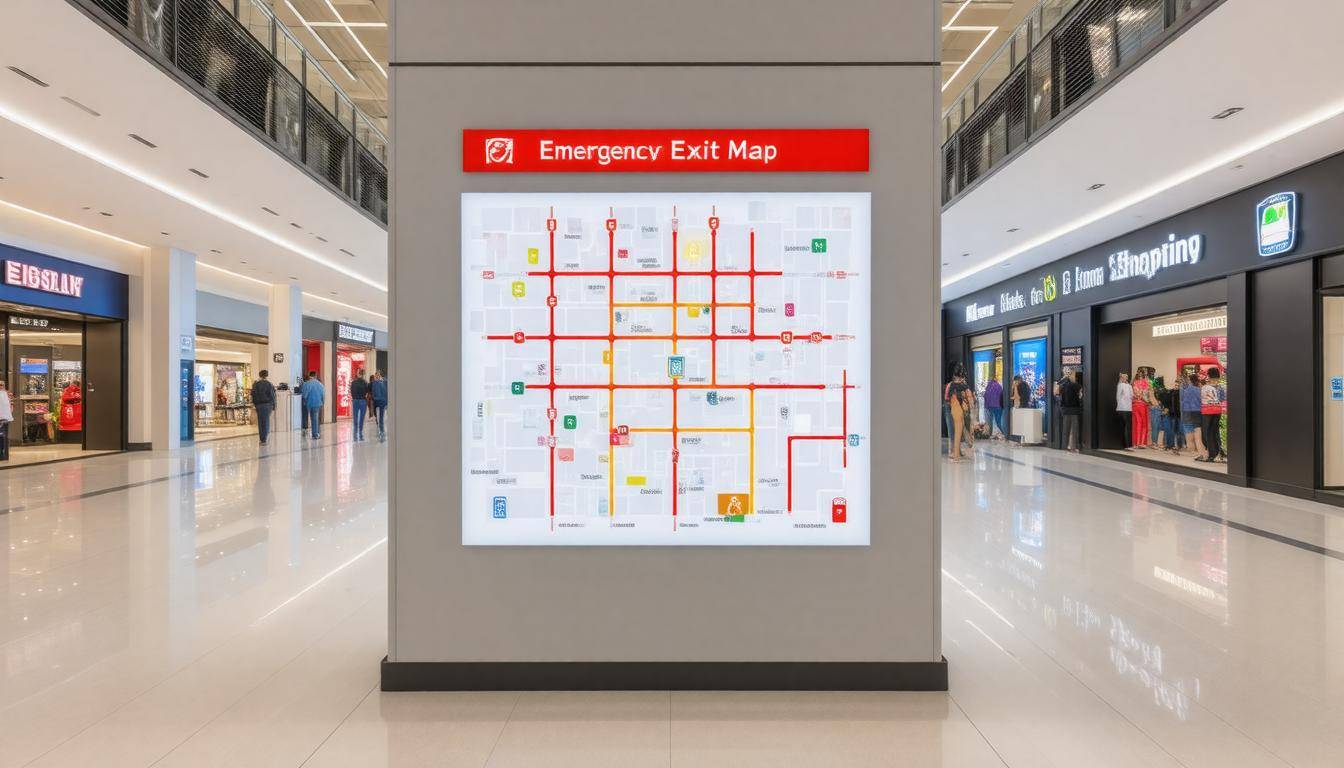
Having a solid evacuation plan is not just about having something written down; it’s about creating a clear path to safety in high-stress situations. It’s crucial that these protocols are well-defined and adaptable based on the type of emergency. For instance, in a fire scenario, time is of the essence; evacuating promptly can save lives. Conversely, during armed threats, the best response may be to shelter in place until it is safe to move. This distinction highlights why training and protocol flexibility are essential.
Step-by-Step Evacuation Process
Let’s break down the practical steps involved in executing an effective evacuation:
-
Alarm Activation: The first step involves recognizing a threat and activating either the fire alarm or making emergency announcements. Staff should be trained to do this immediately upon identifying a danger, as seconds can mean the difference between safety and chaos.
-
Guiding Customers: After the alarm has been activated, trained staff must calmly and efficiently guide all patrons towards the nearest exits. It’s important for them to avoid directing anyone to elevators, as they can become hazardous during emergencies, particularly during fires.
-
Assembly Points: Once outside, it’s imperative to have designated assembly points away from the building where everyone can gather safely. This ensures that when people exit, they know exactly where to go and can be accounted for.
-
Headcounts: Floor managers play a critical role at this stage as they conduct headcounts to ensure everyone is accounted for following an evacuation. Their reports on missing persons are vital for emergency responders since swift communication can expedite search efforts.
Reflecting on real-world scenarios reinforces these practices’ importance. For example, after the Amatrice earthquake in Italy, comprehensive headcounts aided in locating those unaccounted for, directly influencing timely search and rescue operations.
As you embrace these protocols, consider how regular drills can foster muscle memory for both staff and patrons. The goal is familiarity—making sure that when an actual emergency occurs, actions are instinctive rather than reflective; that every individual within the mall environment feels empowered and equipped to follow these steps.
Integrating these protocols into daily operations not only enhances safety but also builds a culture of preparedness within the mall community. Turning now to further explore strategies enhancing response effectiveness during crises will provide additional layers of security for everyone involved.
Crisis Management Strategies
Managing a crisis effectively requires more than just a knee-jerk reaction. The foundation of a strong response is a comprehensive plan that addresses various potential scenarios—ranging from natural disasters to active shooter incidents or medical emergencies. By preparing for these diverse events, shopping malls can safeguard lives and uphold public confidence.
To begin, conducting regular risk assessments is essential. These evaluations allow you to identify vulnerabilities in the mall’s infrastructure, from structural weaknesses to insufficient communication systems. For example, if an assessment uncovers that the fire exits are not clearly marked or that the emergency lighting is inadequate, addressing these issues promptly can significantly improve preparedness. Each discovered flaw offers an opportunity to bolster safety measures.
Incident Command System (ICS)
One of the most effective frameworks to incorporate into your crisis management strategy is the Incident Command System (ICS). This system structures decision-making by defining roles based on individual expertise and training. Whether dealing with security personnel during a medical emergency or coordinating evacuation efforts during a fire, ICS creates clarity among responders, facilitating streamlined communication and action.
As demonstrated during the 2013 Boston Marathon bombing, the ICS framework efficiently organized multiple first responders and community members under one command structure, providing real-time support amid chaos. This approach can easily be tailored for mall environments to ensure everyone knows their responsibilities when a crisis unfolds.
Building a crisis management team is another crucial step. This team should ideally consist of senior management, security guards, health professionals, and even members of local law enforcement if necessary. Each team member plays a distinct role grounded in their professional experience to ensure that all bases are covered during an emergency. Regular meetings and training focused on hypothetical crisis scenarios foster cohesive teamwork and prepare everyone involved for actual events.
Additionally, this team should engage in continuous training exercises to keep skills sharp and establish seamless coordination with local emergency services. The ability to remain composed and organized under pressure can be the difference between chaos and safety for customers in distress.
Having clear communication protocols established is essential; information needs to flow correctly from the management team to employees and then on to customers to avoid confusion and miscommunication about evacuation routes or shelter options. As we transition now into discussing how best to work alongside first responders during emergencies…
Coordinating with First Responders
Collaborating with local emergency services is not just good practice; it’s essential for creating a safe environment within shopping malls. When mall staff and first responders have established a working relationship, it leads to more efficient coordination during crises. Regular meetings should be scheduled between mall management and local fire and police departments, allowing both sides to learn from one another and build camaraderie. This cooperation can be crucial when seconds count, enabling quicker response times and better communication.
Pre-Incident Planning
A vital part of this cooperation is pre-incident planning. This means sharing critical information like floor plans, locations of emergency exits, and utility control points with local emergency responders. For instance, knowing the layout of the mall ahead of time allows responders to navigate efficiently during an incident rather than wasting precious moments trying to understand the building. In fact, providing responders with comprehensive maps can significantly enhance their ability to manage emergencies effectively.
“The clearer your communication is before an emergency, the smoother things will run during one.”
Just as important as pre-planning is conducting joint drills that involve both mall staff and local emergency services.
Joint Drills
By organizing regular joint drills, shopping malls not only simulate real-life scenarios but also familiarize both parties with each other’s protocols. Whether responding to a medical emergency or evacuating shoppers during a fire alarm, these practice sessions highlight gaps in procedures while reinforcing teamwork. Participating in such drills has proven effective for building trust and ensuring that all parties know their roles when faced with an actual crisis.
Engaging local emergency responders in frequent practice helps prepare everyone involved for various incidents that could occur within a bustling mall environment. The key takeaway? Consistency in training fosters preparedness, making swift actions possible when real emergencies strike.
With a solid framework for coordination in place, understanding the necessity of ongoing skill enhancement through structured training becomes paramount.
Regular Training and Drills
Consistent training helps build a culture of preparedness among staff, equipping them with the skills and confidence necessary to navigate crises effectively. When employees feel well-prepared, they can respond more quickly in emergencies, reducing panic and confusion. For instance, consider the importance of knowing how to evacuate safely during a fire. Even simple actions—like remembering not to use elevators—can make all the difference. Investing time in varied drills significantly simplifies what could otherwise be chaotic situations.
Types of Drills
It’s crucial to conduct a variety of drills tailored to potential emergencies that could happen in a shopping mall. These include fire evacuations, active shooter scenarios, and responses to natural disasters such as tornadoes or floods. Each type of drill prepares staff for specific challenges they might face during an actual crisis. By simulating different emergency situations, employees learn valuable procedures without real-life stakes. They should also understand evacuation routes thoroughly; this enhances their ability to guide customers effectively out of harm’s way.
A former employee shared how participating in multiple drills profoundly impacted their confidence during an incident. “When we ran through our procedures, I felt empowered knowing exactly what to do,” they said. Such experiences reinforce knowledge through repetition and role-play.
According to a 2023 National Safety Board study, 86% of malls that perform regular drills report higher efficiency during actual emergencies. This showcases that, coupled with proper training, regular practice can enhance teamwork and coordination among staff members.
Incorporating Feedback
Another essential aspect of maintaining an effective training program is implementing a feedback mechanism after each drill. Gathering insights from employees about what went well or what could improve creates an environment of continuous learning. Staff members may provide constructive critiques based on their experiences, leading to a refined approach for future emergencies.
It’s insightful to note that 75% of malls incorporate this feedback into their emergency procedures, refining protocols actively over time rather than relying on outdated methods. The intention is not merely compliance but fostering an adaptive mindset capable of handling the unpredictable nature of crises.
Regular training and drills establish a foundation for safety protocols within shopping malls, ensuring everyone—from management down to floor staff—understands their roles clearly. This clarity enables rapid responses when needed while reinforcing the overall safety culture within the retail environment.
As we transition from understanding training essentials, let’s examine how public safety measures further enhance the overall security and well-being of mall-goers.
Public Safety Measures
Ensuring public safety is a top priority that requires visible and clear safety measures. One fundamental aspect involves signage and instructions. It’s critical to place clear signage throughout the shopping center indicating emergency exits, assembly points, and specific instructions for various emergencies.
These signs should be legible, prominently displayed, and ideally, available in multiple languages to accommodate everyone—because when chaos strikes, the last thing you want is confusion about where to go or what to do. Imagine a situation where shoppers are frantically trying to find an exit during a fire alarm, only to discover that the signs are unclear or too small to read from a distance. Clear messaging is crucial.
In addition to signage, setting up emergency stations across the mall can save lives or mitigate harm. These stations should be stocked with first aid kits, fire extinguishers, and automated external defibrillators (AEDs) placed strategically in accessible areas throughout the mall.
Think of a scenario where someone suddenly collapses due to a heart issue; having an AED nearby could mean the difference between life and death. However, it’s not merely placing these items around; regular maintenance is essential. Check these supplies often to ensure that they are fully stocked and functional.
For example, the Haywood Mall in South Carolina has implemented several AEDs stationed throughout its premises, significantly reducing response time during cardiac incidents. The benefits of such measures become evident when swift action is needed during emergencies.
Regular Drills for Staff
Just as residents benefit from knowing where emergency exits are located, mall staff must be trained thoroughly on how to react in emergency situations. Regular drills need to be conducted at least twice a year so everyone is familiar with the steps they need to take. This preparation helps cultivate calm assurance among staff when real emergencies occur, which can provide reassurance to customers who may be anxious.
It’s not merely about having these systems in place; it’s about building a culture of preparedness that encompasses all aspects of safety management.
Communication Systems
A robust public communication strategy also plays a pivotal role in ensuring safety during emergencies. Staff should have access to modern communication tools such as loudspeakers and mobile alert systems that inform shoppers about evacuation routes, current dangers, or simply advice on awaiting further instructions.
During a crisis scenario, it can feel like pandemonium—clear communication can cut through that noise by providing decisive guidance.
Establishing strong communication channels is just one part of creating an efficient emergency response plan; next, we will explore how technology can enhance safety protocols and streamline operations in urgent situations.
Using Technology in Emergencies
When emergencies arise in shopping malls, time is of the essence, and technology can be a powerful ally. Imagine a situation where an incident occurs; having integrated solutions that connect various systems could mean the difference between chaos and order. For instance, integrated alarm systems not only emit loud auditory signals but can also trigger alerts through digital signage and mobile applications. This multi-channel approach ensures that patrons and staff receive timely notifications, making it clear where the exits are or what actions to take.
Mobile Applications
One of the most effective tools for enhancing communication during emergencies is a dedicated mobile application specific to the mall. Developing such an app enables management to send push notifications with real-time information and instructions directly to shoppers’ smartphones. Picture a scenario where an unforeseen event occurs; shoppers would receive immediate alerts detailing safety protocols they should follow, directing them toward safe exits or informing them of shelter-in-place procedures. This not only provides peace of mind but also keeps confusion at bay.
| Technology | Function | Example |
|---|---|---|
| Integrated Alarms | Trigger multiple alerts | Audio signals, Digital Signage, Mobile Notifications |
| Mobile App | Real-time updates | Push Notifications |
| Surveillance Cameras | Monitor situations | Live Feeds for security personnel |
In addition to these immediate response tools, technology can also play a critical role after an incident has taken place.
Post-Crisis Analysis
After an emergency, understanding what transpired is vital for future preparedness. By utilizing data analytics, malls can evaluate the efficacy of their emergency responses. For instance, assessing how quickly staff reacted versus how long it took visitors to evacuate can spotlight areas needing improvement. Perhaps it will reveal that certain alarms were overlooked or that specific exits were less used than anticipated. These insights allow mall management to adjust training procedures or message clarity for future crises.
By taking advantage of technological tools before, during, and after emergencies, malls not only safeguard their patrons but also continuously improve their safety measures. Embracing this forward-thinking approach fosters a culture of preparedness and ensures that everyone knows exactly what to do when faced with an unexpected situation.
Incorporating technology into emergency plans ultimately enhances the safety framework of shopping malls, providing both immediate support during incidents and valuable lessons learned for the future.