
Preparing for an earthquake may not be the most exciting topic, but it’s crucial to think ahead before disaster strikes. The truth is, no one wants to be caught unprepared when the ground begins to shake. Imagine sitting at home, enjoying your day, and suddenly the walls tremble around you. This isn’t just a scenario for fear; it’s a reality many people face, especially in regions prone to seismic activity like Sichuan. That’s why compiling a solid supplies checklist can make all the difference in staying safe during such unexpected events. By equipping yourself with essential supplies upfront, you’re ensuring that you and your loved ones can respond effectively when it matters most.
The Sichuan Earthquake Safety Supplies Checklist should include essentials such as at least three gallons of water per person, non-perishable food, a first aid kit, flashlight with extra batteries, whistle for signaling help, dust masks for air filtration, and tools like plastic sheeting and duct tape to create emergency shelter. Additionally, it is important to store important documents in a waterproof container and have communication devices ready to stay connected during emergencies.

Essential Sichuan Earthquake Safety Supplies
When it comes to earthquake preparedness, having essentials at hand is not just a convenience; it can be a lifesaver. For instance, water is paramount: you need at least one gallon per person per day for three days. This ensures both hydration and sanitation needs. In times of emergency, clean water sources may become unavailable, so having your own supply guarantees you are equipped to stay hydrated and handle sanitation properly.
Next on your list should be non-perishable food. Think of items like canned goods, energy bars, or dried fruits. These are not only easy to store; they require no cooking or refrigeration. Imagine being in an emergency where every moment counts—having food ready to eat can relieve stress significantly. Choose foods that provide energy but don’t spoil easily. Adequate nutrition helps maintain strength during challenging times.
Additionally, a good-quality flashlight is essential, preferably LED as they offer a longer runtime and brighter light. Pair this with extra batteries to ensure your flashlight remains operational when you need it most. That’s why multipacks of batteries are also critical—you’ll want them handy not just for the flashlight but potentially for other devices as well.
Several other tools play pivotal roles:
-
A whistle can serve as a beacon if you find yourself trapped under debris, as it can be heard more clearly than shouting.
-
Always include a dust mask, ready to filter out contaminants in the air from fallen debris or dust clouds.
-
Plastic sheeting and duct tape become invaluable in creating makeshift shelter against harsh elements after an earthquake disrupts your home environment.
Furthermore, don’t overlook personal hygiene products such as moist towelettes, garbage bags, and plastic ties; these contribute greatly to sanitation under difficult conditions. They help maintain both physical cleanliness and morale when access to conventional washing facilities is compromised.
Last but certainly not least, it’s wise to add a portable charger for your mobile devices and a NOAA Weather Radio for receiving real-time updates about weather changes and emergency alerts. Keeping your devices charged ensures that you can communicate with emergency services or loved ones during crucial moments.
The supplies listed here form the bedrock of an effective earthquake preparedness plan in the Sichuan region, where seismic activity can strike unexpectedly. By arranging these essentials now, you’ll significantly enhance your readiness for any future emergencies.
Armed with these vital supplies, it’s equally important to address the care aspect within your safety preparations. Let’s explore how to effectively manage health-related needs when disaster strikes.
First-Aid Kit and Medical Necessities
It’s essential to have a comprehensive first-aid kit prepared for unforeseen circumstances, especially during seismic events like earthquakes. In the chaotic aftermath of such disasters, immediate access to medical supplies can be a lifesaver.
Imagine needing to treat a cut or abrasion amidst fright and confusion; having the right tools at your fingertips could make all the difference. For this reason, it’s important to consider what every first-aid kit should include.
The first aid supplies list in your kit should ideally encompass:
-
Bandages: Various sizes are vital for addressing different types of wounds, from minor scrapes to larger cuts that may require more extensive care. Larger bandages can be especially helpful in managing bleeding until professional help can arrive.
-
Antibacterial Ointment: Keeping infections at bay is crucial—this ointment acts as a barrier against bacteria, allowing wounds to heal properly.
-
Medical Tape: This is indispensable not only for securing bandages but also for creating splints when needed with gauze or other materials on hand.
-
Scissors and Tweezers: These tools perform multiple functions, from cutting bandages to removing splinters or debris from injuries.
-
Pain Relievers: Stocking up on over-the-counter pain relief options like ibuprofen or acetaminophen will ease discomfort when you’re waiting for further medical assistance.
-
Antiseptic Wipes: These allow you to clean wounds and help decrease the risk of infection even before you can properly treat them.
-
Gauze Pads: Essential for absorbing any bleeding and providing cushioning to an injury, the variety in sizes means they can meet different needs.
-
Instant Cold Packs: Sprains and bruises can occur during an earthquake due to falling objects or sudden movements; these packs can provide immediate relief and reduce swelling.
-
Gloves: Non-latex gloves promote hygiene and protect both the caregiver and the injured party from cross-contamination when treating wounds.
-
CPR Mask: A vital addition that ensures you can administer CPR safely if necessary while reducing the risk of transmission of disease.
Regularly checking and replenishing your first-aid kit is key; it ensures that you’re always prepared with fresh supplies ready to go.
After addressing medical necessities, your attention should shift to ensuring you have the right gear for overall survival in the face of an earthquake—gear that will equip you to respond effectively during emergency situations.
Basic Survival Gear Checklist
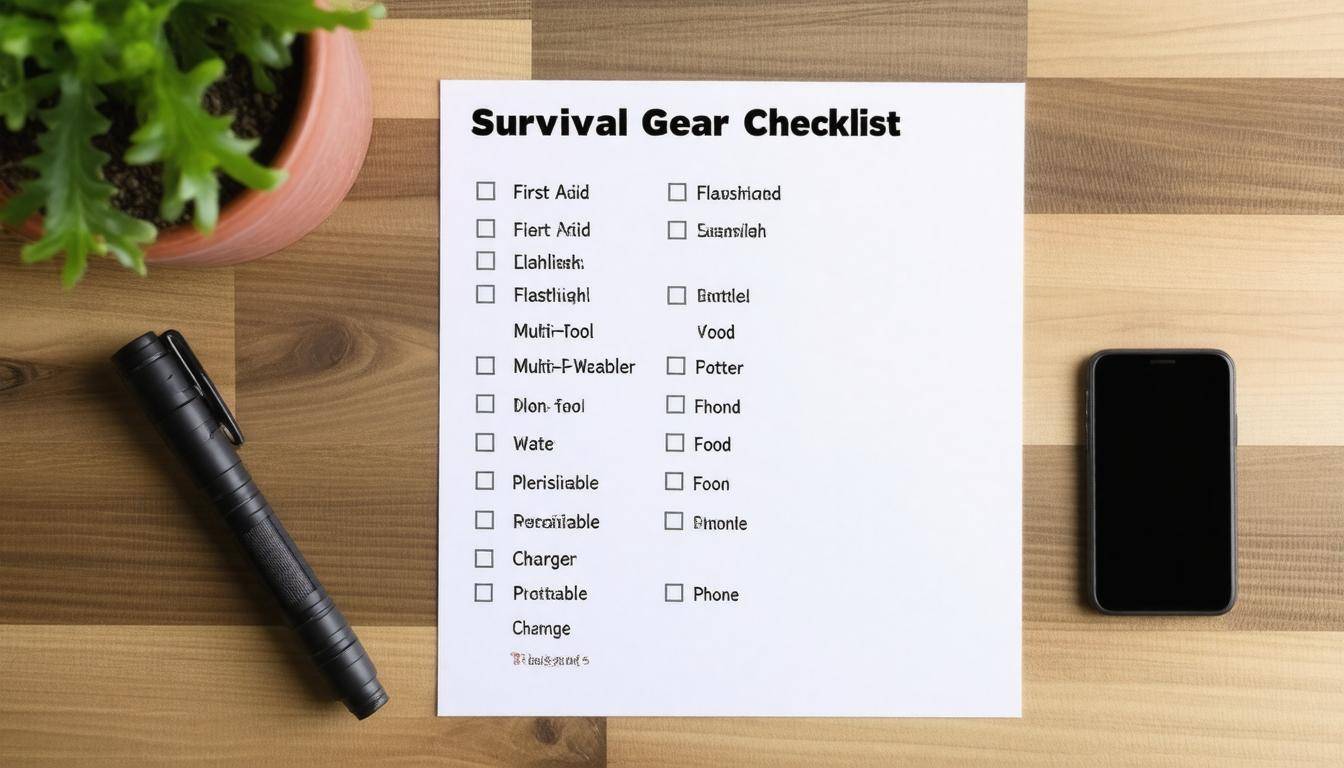
When an earthquake strikes, it can disrupt our everyday lives in ways we might not expect. Utilities like electricity or gas could shut down, and accessing help may take time. This makes having a well-curated survival kit crucial for ensuring you and your loved ones can manage until help arrives. Each item on the checklist serves a specific purpose, aimed at meeting your basic needs during an emergency.
For instance, a multi-tool is more than just a knife; it’s an all-in-one solution that can assist with various tasks, whether it’s cutting through debris or opening cans of food. Consider how often you grab for scissors or a screwdriver—this little device combines those functions and can prove itself invaluable when every moment counts. Additionally, including an emergency blanket may seem trivial, but its ability to retain body heat can be a life-saver in cold conditions following an earthquake when you might have lost your regular bedding.
Survival Gear Essentials
- Multi-tool: A Swiss Army knife or similar variant is indispensable for multiple tasks.
- Emergency Blanket: Designed to retain body heat, it can protect against hypothermia.
- Fire Extinguisher: An ABC type extinguisher is suitable for most fires you may encounter.
- Rope: A minimum of 50 feet of sturdy rope for securing items or creating makeshift shelters.
- Cooking Supplies: A portable stove and fuel along with lightweight pots allow you to prepare food regardless of the conditions outside.
- Tent/Sleeping Bag: These provide essential shelter if your home becomes uninhabitable.
- Maps: Having local maps and a compass ensures navigation remains possible even when GPS systems fail.
- Waterproof Matches/Lighter: Fire is crucial for warmth and cooking, making reliable ignition sources a must-have.
- Utility Knife: Handy for thorough and effective cutting, whether you need to open supplies or make repairs.
- Cash: Carrying cash in small denominations means you can still make purchases should ATMs be rendered inoperative.
While these items are crucial for urban settings, those living in rural areas face different challenges due to potential isolation from help. The subsequent discussion will explore unique preparations tailored to meet those specific circumstances.
Preparing for Rural Areas
In rural locations, where amenities and services can be sparse, being prepared becomes even more critical. Slow response times from emergency services mean residents must take proactive measures to safeguard themselves and their property during seismic events. Preparing for earthquakes involves not only having the right supplies but also considering unique factors that affect those living in the countryside.
One central aspect of preparedness in rural environments is ensuring an extra water supply. Since access to clean drinking water can become compromised after a natural disaster, it’s crucial to store at least one gallon per person per day for at least three days. This might require large barrels or containers that are easy to fill and transport. Water purification tablets or filters can also be invaluable because they allow you to make previously unsafe water drinkable in emergencies.
Agricultural Emergency Plan
Beyond personal safety, your agricultural emergency plan plays a vital role in maintaining your livelihood. Those who rely on farms should ensure to stock up on extra feed and secure designated enclosures for livestock ahead of time. This might involve building temporary shelter solutions or ensuring existing buildings are safe and ready for quickly moving animals if needed. Understanding how local agricultural regulations apply during emergencies can facilitate a faster recovery once the initial shock has passed.
In places where power outages post-earthquake can lead to significant consequences—especially in food preservation—a reliable generator becomes a necessity. Beyond just providing electricity for critical devices like phones and lights, generators can keep refrigerators running, which is indispensable for preventing spoilage of food supplies.
Communication Devices
When traditional communication networks may fail post-disaster, having alternative ways to stay connected is paramount. Investing in two-way radios allows crucial contact between nearby neighbors when cell service might be unreliable or unreachable. These radios empower the community by enabling direct updates about safety checks and need assessments without depending solely on external networks.
A robust emergency contacts list is equally essential when you’re housing limited resources nearby. Make sure it includes:
- Neighbors who possess medical training.
- Individuals with specialized equipment (chainsaws, heavy machinery).
- Local volunteer firefighter or rescue organizations you could tap into if needed.
Properly organizing and storing this expanded list of supplies affects how easily you can access them in a crisis; orderliness matters significantly when every moment counts during an emergency situation.
By implementing these strategies tailored to rural conditions, you’ll better equip yourself to handle the unique demands posed by living in less accessible areas while facing seismic events like earthquakes.
With a solid plan in place and necessary supplies gathered, the next step involves creating an organized system that ensures quick access during emergencies.
Organizing and Storing Your Kit
The key to an effective emergency kit lies not just in what you include but how you store and organize those items. You want your preparations to go smoothly during a stressful situation. Therefore, it’s crucial to have clear systems in place to help everyone in the household find what they need quickly.
A sturdy plastic bin or a duffel bag works well as a main container, while using smaller, labeled bags or boxes for each type of supply is an excellent strategy for easy access.
Storage Tips
First, let’s discuss labeling: This may seem trivial, but if things are clearly marked—like “First Aid,” “Food,” or “Water”—it can save precious seconds when you’re in a rush. When you label, use large, bold lettering that can be seen easily at a glance because nothing slows down progress like trying to figure out what’s inside each container while time is of the essence.
Next, think about accessibility. Store your emergency supplies in an area that everyone knows about and can reach easily; ideally, this should be a cool, dry place like a closet or a specific corner dedicated to your emergency preparedness gear. You wouldn’t want to spend valuable moments searching around when every second counts during an emergency.
Regular checks of your kit are also essential. I recommend setting aside some time every six months to update and rotate your supplies; this way, you’ll ensure that perishable items like food and medications remain within their expiration dates.
Your preparedness shouldn’t stop with one kit; consider having duplicates in strategic locations, such as your car or even at a friend’s house nearby. This redundancy can serve as a safety net if you need to evacuate quickly and can’t grab everything from home.
Furthermore, assign responsibilities among family members regarding different sections of the kit. By doing so, everyone feels involved and knowledgeable about where things are stored and what they contain, which fosters confidence and teamwork in potentially chaotic situations.
| Item | Recommended Storage Location |
|---|---|
| Main Supplies Bin | Hall Closet |
| Duplicate Kits | Car, Workplace, Family Member’s Home |
| Water Supply | Garage, Basement |
| First-aid Items | Easily Reachable Bathroom Cabinet |
Ensuring everyone knows their role is where family emergency planning becomes critical. Each person having designated tasks not only enhances preparedness but also builds a collective sense of responsibility towards safety.
Family Emergency Planning
Engaging family members in creating and practicing emergency routines is crucial for ensuring everyone’s safety during an earthquake. The more involved each person is, the better they will react when disaster strikes. Organizing regular drills not only familiarizes everyone with evacuation plans but also helps alleviate fears associated with earthquakes—a little practice can go a long way in building confidence.
In a recent drill I participated in, our whole family, including my young kids, pretended the earthquake was happening. We dropped to the ground, took cover under furniture, and held on until it was safe to emerge. It created a sense of teamwork and reassurance that has proven invaluable.
Designating safe meeting points is another essential element of your plan. Whether it’s within your home—like a specific room—or outside—perhaps a neighbor’s house or a local park—having clear locations allows families to reconnect swiftly if separated. A simple discussion about these spots can turn into valuable bonding time and reinforce the importance of safety.
It’s also wise to have a communication plan in place. Assigning a primary and secondary contact person outside your immediate area ensures that even if cell service goes down, you still know where to reach each other. Each family member should memorize important numbers or have them readily available on a card they keep in their wallet or purse.
It might feel tiresome, but I encourage families to actually write these numbers down together—this exercise helps everyone learn and remember who to contact in an emergency situation.
Including emergency contacts is another key factor. Create a simple list that every family member can access, making sure to include phone numbers of relatives, friends, and even neighbors who could provide assistance or shelter during such events.
As we consider the logistics of connecting with each other in times of chaos, it’s equally important to outline strategies for effective communication amidst the chaos of emergencies.
Communicating During a Disaster
In emergencies, having reliable communication can mean the difference between chaotic misinformation and organized response efforts. Thus, it’s essential to utilize multiple methods to ensure that you remain reachable and well-informed. When the ground shakes or the storm ravages, how you keep in touch with loved ones and rescue services is vital.
One effective way to maintain communication is by using mass notification systems like Everbridge. These tools allow for rapid information dissemination, ensuring that you receive alerts about impending danger and official guidance on what to do next. They act like a digital safety net, gathering all relevant communications into one cohesive channel.
The importance of real-time updates cannot be overstated. You need every advantage possible when disaster strikes.
Another option is having two-way radios available. Unlike cell phones, which rely on towers that may go down, radios allow for direct communication over short distances, regardless of network status. This means that if you find yourself separated from family members during an emergency, being able to talk directly with them may provide not just information but peace of mind as well.
Building out your communication strategy involves various additional methods:
- Social media provides a swift platform for status updates. Platforms like Twitter or Facebook can help inform others you’re safe or share urgent news.
- Emergency apps are another vital resource. Applications such as the Red Cross Emergency app give users access to real-time alerts and safety tips tailored to their location.
- Backup battery packs ensure your devices stay charged during times when power may be disrupted. Even without electricity, staying connected can be facilitated if your device’s battery doesn’t die first.
While these resources provide substantial support during crises, preparation is key. Ensure that every member of your household understands how each method works before disaster strikes—this way, everyone feels empowered and informed rather than overwhelmed in that moment of chaos.
To effectively navigate these situations, it’s crucial to engage in proactive measures that will keep you updated and ready. Next, we will explore the steps necessary for maintaining awareness during critical times.
Staying Informed and Updated

Accurate, timely information is invaluable during an earthquake. You need to stay vigilant and ensure that you have the most recent updates available to you. This means creating a strategy for accessing reliable sources of information that empower you to make quick decisions in times of crisis.
Information Sources
Ensure you have access to these critical sources:
-
NOAA Weather Radio: This device provides ongoing weather updates during emergencies and can be a vital lifeline when local broadcasts are disrupted or cellular networks go down due to heavy traffic. Invest in a battery-powered version if possible, as power outages often accompany severe weather events.
-
Battery-Powered Radio: Keeping a radio tuned to local news stations serves as a backup, providing real-time information crucial for your safety. Local broadcasters work tirelessly to keep their communities updated, offering reports that might differ from national coverage with localized directives.
-
Government Alerts: Sign up for text alerts from your local government agency. These notifications often include evacuation routes, emergency shelter locations, and other critical information pertinent to your specific area during a disaster.
-
Community Groups: Joining local disaster preparedness organizations can enhance your knowledge base and collective readiness. These groups share firsthand experiences from past emergencies and offer honest advice on how best to prepare and respond during disasters like earthquakes.
By keeping your channels diversified but reliable, you can significantly improve your emergency response readiness.
Remember, the goal is not just to gather information but also to create an actionable plan based on what you’ve learned. The more prepared you are for an earthquake—both mentally and logistically—the safer you’ll ultimately be as you navigate through those challenging moments. Regularly revisiting these sources will help reinforce your understanding and readiness as you prepare for any situation that might arise.
In moments of uncertainty, staying informed is your strongest ally. Equip yourself with knowledge and resources that can guide you during crises, ensuring safety for both yourself and those around you.