
When emergencies strike, the last thing on our minds is often how to sleep. Yet, good sleep can be a much-needed lifeline during stressful situations. Whether it’s a natural disaster, unexpected civil unrest, or any chaotic moment, restful sleep helps us think clearly and respond effectively. Many people underestimate the role that a good night’s sleep plays in maintaining our well-being during these times. As someone who has researched this topic extensively, I’ve gathered effective strategies that can help you prepare for, and cope with, sleepless nights in unpredictable environments. Let’s explore practical sleep strategies that will not only enhance your comfort but also bolster your resilience when facing life’s uncertainties.
The Complete Guide on Sleep Strategies During Emergencies emphasizes the importance of establishing a safe sleeping environment, utilizing sleep aids like earplugs and eye masks, and incorporating relaxation techniques such as deep breathing prior to sleep. Additionally, it underscores the need for maintaining a consistent sleep schedule and being prepared with emergency supplies that support restful sleep, such as melatonin supplements or calming herbal teas.
Preparing for Unpredictable Situations
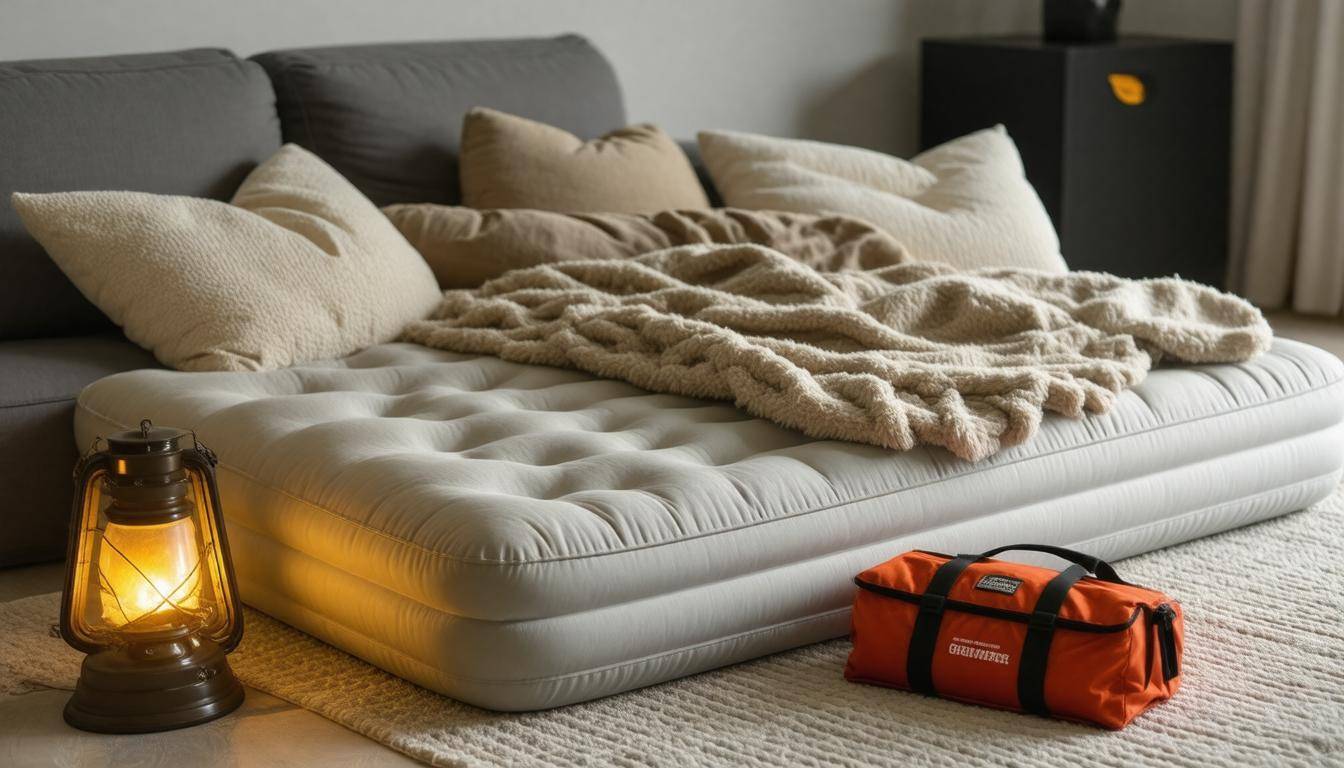
To effectively manage stress during chaotic times, start by gathering essential supplies that cater not just to basic survival needs but also your need for restorative sleep. While you might typically think of water, food, and medical kits as absolute must-haves, it’s crucial to also include items specifically designed to improve sleep quality in your emergency preparations. Establishing a safe and comfortable sleeping environment can be surprisingly effective in mitigating anxiety and promoting better rest in tense situations.
Alarmingly, recent statistics indicate that around 60% of adults experience disrupted sleep during high-stress scenarios, with only 30% of households containing sleep gear in their emergency kits according to a 2023 survey by the American Red Cross. This gap highlights the need to include sleep-promoting items in your planning.
Creating a tailored checklist is an excellent way to ensure you’re prepared. Think about including items such as earplugs, an eye mask, or even a lightweight sleeping bag that can easily be packed away. Each time you review the checklist, make sure you check items like batteries to ensure that your necessities are ready for use when needed. This habit not only keeps your supplies organized but provides peace of mind knowing you’re equipped for any scenario.
Furthermore, consider incorporating portable blackout curtains into your emergency kit. The ability to block out light can greatly enhance your comfort level when sleeping away from home or in uncertain environments. Whether you’re setting up in a shelter during a storm or hunkering down at home during civil unrest, darkened surroundings can signal to your body that it’s time to rest.
Finally, focus on the mental aspect of preparation as well. Developing a calming bedtime routine—such as practicing breathing exercises or meditative techniques before attempting to sleep—can play a significant role in easing anxiety. This psychological preparedness is essential; it helps you relax enough to fall asleep no matter how uncomfortable or unpredictable the circumstances may be.
As we continue exploring effective strategies, it’s important to recognize how establishing consistent habits can further enhance your ability to cope with challenging environments.
Establishing a Sleep Routine
Consistency in your sleep schedule is not just a luxury; it’s a necessity, especially when faced with unpredictable circumstances. By establishing a sleep routine, you can significantly enhance your chances of getting restful sleep despite external chaos. The first step in achieving this is to set regular sleep hours. Ideally, aim to go to bed and wake up at the same times every day. Even amid disruptive events, such as natural disasters or civil unrest, sticking to a consistent timetable helps regulate your internal clock, governing your body’s rhythms and sleep cycles.
“It’s remarkable how simply setting a bedtime can quiet the chaos inside—a litany of reassurance that life continues to exist outside the noise.”
Next, consider allocating time for wind-down activities. Dedicating approximately 30 minutes before bedtime to calming activities can profoundly affect your ability to fall asleep. This might include reading, practicing gentle stretching, or listening to soft music. It’s essential that these activities signal to your mind and body that it’s time to transition into rest mode, creating an atmosphere of relaxation that can shield you from anxiety about what’s happening around you.
Furthermore, it’s crucial to avoid caffeine and heavy meals several hours before bedtime. These elements can disrupt your ability to drift off peacefully. Instead of sipping on coffee in the late afternoon or indulging in rich dinners right before bed, opt for lighter snacks if you feel hungry—a warm herbal tea or some whole-grain crackers may suffice without causing discomfort.
Studies indicate that about 60% of adults report difficulty sleeping during high-stress situations, making these steps even more relevant. Tightening up your bedtime routine can be one of the most effective strategies available, not only to improve sleep quality but also to maintain mental clarity and emotional stability during emergencies.
Reflecting on recent events like Hurricane Maria in 2017 illustrates the importance of maintaining routine principles even under stress. Many people who managed to adhere to structured sleeping habits found themselves better prepared emotionally and physically to handle challenges as they arose.
Navigating through emergencies is no small feat; however, safeguarding your sleep through consistent routines can provide an anchor amidst the storms.
As we consider how best to enhance our restorative practices during crises, it’s important to examine additional resources that could further support an uninterrupted night’s rest.
Effective Use of Sleep Aids
Sleep aids can indeed provide a welcomed respite during tumultuous times. They serve as a bridge, helping the mind transition from a state of stress and uncertainty to one of relaxation and peaceful slumber. One of the most popular options is melatonin. This hormone regulates sleep-wake cycles, and several studies have demonstrated its effectiveness in improving sleep quality, particularly during those high-stress moments. However, it’s essential to consult with a healthcare provider to determine the appropriateness and dosage for individual needs. After all, just because something works for one person doesn’t mean it’s suitable for everyone.
In addition to melatonin, many turn toward herbal remedies like chamomile or valerian root, both of which are well known for their calming properties. A warm cup of chamomile tea before bed might offer not only hydration but also a soothing ritual that promotes relaxation. Valerian root is another option, often available in capsule form or as a tea; it has been utilized for centuries as a natural remedy for insomnia.
According to a study published by the National Institutes of Health in 2022, 65% of participants saw improved sleep quality with melatonin use during high-stress periods. This significant statistic highlights the potential benefits of using melatonin as part of your emergency sleep strategy.
However, while immediate solutions can be appealing, understanding the mechanics behind these aids also matters. For instance, using melatonin too close to waking hours could disrupt your sleep cycle instead of enhancing it, making timing critical when considering these options. Similarly, while herbal teas are safer alternatives, excessive consumption could lead to digestive discomfort or impact your sleep negatively.
Tip:
When selecting a sleep aid, always consider the context; what may work well for you in one situation might not hold true in another scenario. It can be helpful to experiment with different types, journaling each experience before finding the one that perfectly suits your needs during emergencies.
While seeking quick fixes is natural during stressful times, employing sleep aids should be done judiciously and in conjunction with other healthy practices. Incorporating relaxation techniques such as deep breathing exercises or gentle stretches can complement your use of sleep aids beautifully. By taking care of the mind and body holistically, you create an environment more conducive to restful slumber.
As we continue exploring methods for managing anxiety and enhancing emotional resilience under pressure, understanding psychological strategies can significantly bolster your overall coping toolkit.
Psychological Techniques for Anxiety
One powerful tool for managing anxiety is mindfulness meditation, which has gained considerable attention for its calming effects. This practice encourages individuals to focus on the present moment without judgment, allowing thoughts of stress and worry to ease away. By concentrating on your breathing or observing your surroundings, mindfulness anchors you and breaks the cycle of anxious thoughts. Many people find success using apps like Headspace or Calm that provide guided sessions designed specifically for easing anxiety and enhancing sleep quality.
Reports indicate that individuals who engaged in mindfulness practices during emergencies—like the California wildfires in 2020—experienced not only heightened awareness but also improved sleep patterns.
Practicing mindfulness doesn’t require extensive time commitment; even brief moments of focused breathing can make a difference. Consider setting aside just five minutes before bed to close your eyes, focus on each inhalation and exhalation, and visualize tension leaving your body. Research shows that deep breathing exercises can lower heart rates by 10-20 beats per minute—this reduction promotes a state of relaxation conducive to falling asleep.
Another effective technique is progressive muscle relaxation (PMR), which involves systematically tensing and relaxing various muscle groups in your body. Starting from your toes and working your way up to your head, PMR not only relieves physical tension but also serves as a distraction from racing thoughts. Scientific findings suggest that this method can reduce muscle tension by about 40%, making it an excellent pre-sleep ritual, especially in stressful situations.
Using these psychological techniques creates pathways to relaxation, ultimately fostering better sleep even amid chaos.
Visualization techniques also play a vital role when managing anxiety before sleep. By picturing serene landscapes or peaceful scenarios, you replace anxious thoughts with calm imagery, thus improving sleep onset time significantly—on average reducing it by about 15 minutes for anxious individuals. Combining visualization with deep breathing creates a robust formula for relaxation.
Lastly, consider incorporating relaxation routines into your nightly schedule. Engaging in gentle stretching or practicing guided meditations can set the mood for restful slumber, preparing both your mind and body for sleep. In uncertain times where comfort seems elusive, these strategies provide tangible support to ensure sounder rest.
By utilizing these psychological techniques effectively, you might find you’re not only able to relieve anxiety but create a sanctuary of tranquility within yourself—allowing sleep’s embrace to come a little easier in challenging moments.
As we transition from these mental strategies, it’s essential to explore the importance of physical approaches to relaxation that complement these techniques.
Physical Relaxation Methods
Physical methods are often straightforward but incredibly effective for promoting sleep, especially during emergencies when stress levels can spike. The beauty of these techniques lies in their simplicity and accessibility; you don’t need fancy equipment or a lot of time. Instead, a quiet moment is all you need to foster relaxation and ease into sleep.
Techniques to Try
One effective technique is deep breathing exercises. You might want to try the 4-7-8 method. Here’s how it works: inhale quietly through your nose for four seconds, hold that breath for seven seconds, and then exhale completely through your mouth for eight seconds. This rhythmic pattern not only helps clear your mind but also calms your nervous system. Research shows that engaging in this practice can drop your heart rate, promoting relaxation and making it easier to drift off.
Another helpful approach is progressive muscle relaxation (PMR). This technique involves systematically tensing and then relaxing each muscle group in your body, beginning with your toes and moving up to the top of your head. By focusing on the contrast between tension and relaxation, PMR teaches your body how to let go of any physical stress you may be holding onto. In fact, a study found that this method can lead to a significant 30% reduction in anxiety levels, making it a powerful tool when you’re faced with high-pressure situations.
A testimony from John, a Red Cross volunteer, beautifully highlights the real-world impact of these exercises during his deployment in various emergency scenarios. He states, “Using deep breathing and PMR, I found peace even amidst chaos, which allowed me to catch some much-needed rest.” Such accounts remind us of the positive outcomes that arise from utilizing these physical techniques.
As we move further along in discussing effective sleep strategies, one crucial point floats to the surface—ensuring that your sleeping environment meets certain comfort standards can dramatically enhance relaxation. Create a safe zone within your surroundings that offers comfort and minimizes disturbances.
While engaging our bodies through these techniques provides immediate benefits, establishing an environment conducive to rest is equally important for achieving deeper sleep, particularly during challenging times.
Creating a Safe Sleep Environment
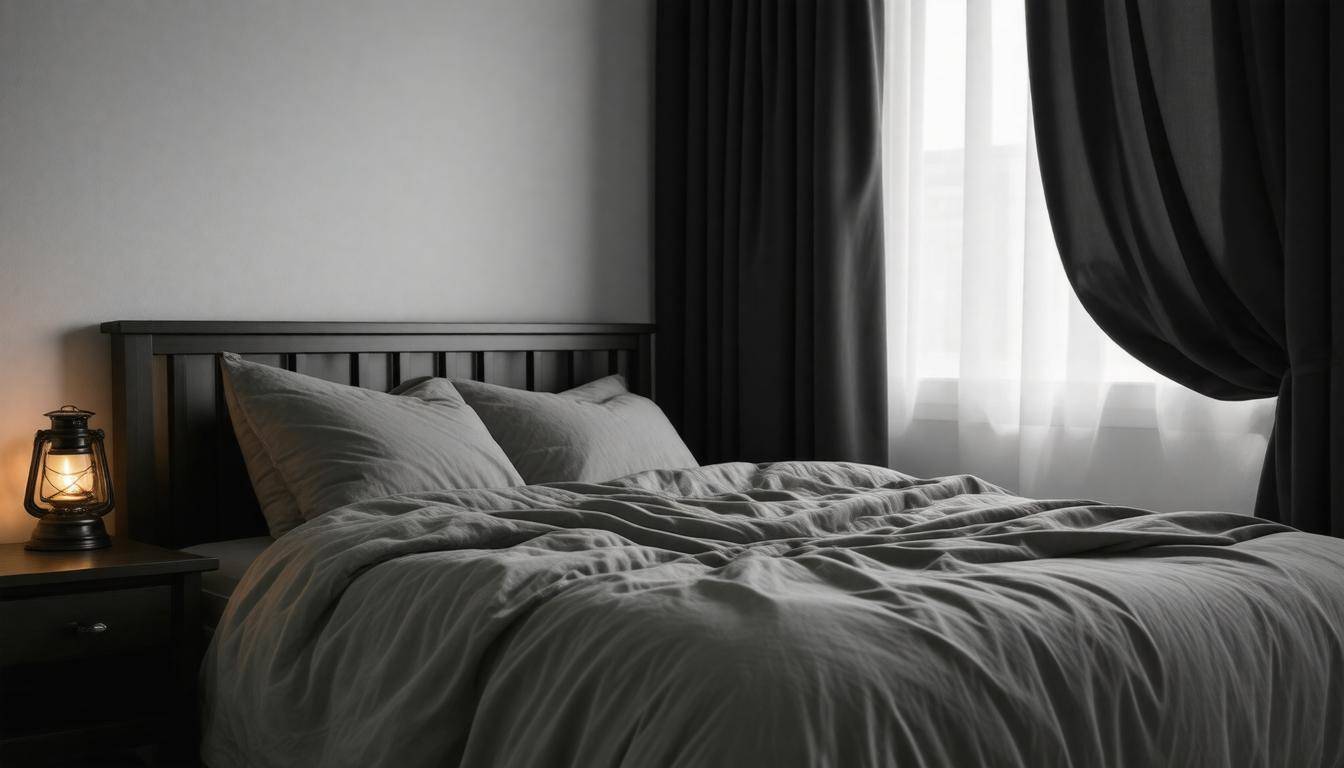
Establishing a designated sleeping area away from potential hazards is crucial for safety and peace of mind. When you find yourself in a crisis situation, whether it be due to natural disasters or civil unrest, having a specific spot to retreat to can mitigate anxiety and promote better rest. Ideally, this should be situated away from windows or areas where debris might fall, giving you confidence that your chosen space is secure.
You might want to consider investing in portable blackout curtains. These curtains not only block out light—an important feature according to a report from FEMA which found that 75% of people in emergency shelters reported light disruptions as their biggest challenge to getting good sleep—but they also help create a cozy atmosphere. Darkness teaches your body that it’s time to rest, so the absence of light can signal relaxation.
Additionally, the noise levels around your sleeping area can significantly impact your ability to drift off into a peaceful slumber.
Aim for a sound level of around 30 decibels, which is generally considered optimal for sleep. If you anticipate noisy environments during emergencies, a white noise machine can mask disruptive sounds effectively. This small investment can make all the difference between tossing and turning or catching some much-needed z’s.
Another key factor involves temperature; the ideal sleeping zone hovers between 60°F to 67°F (15°C to 19°C). In emergency situations, staying aware of local temperatures can lead you to pack additional blankets or cooling towels as necessary. Remember that discomfort can cloud your ability to resist sleep when it’s most needed.
Finally, don’t forget about air quality; maintaining fresh air circulation can be beneficial for restful sleep and overall well-being.
You should aim for keeping particulate matter levels below 12 micrograms per cubic meter (µg/m³). This may mean utilizing air purifiers if available or simply ensuring that your designated sleeping area has adequate ventilation.
Combatting sensory distractions and ensuring comfort will pave the way for improved sleep during emergencies. By prioritizing safety and creating an environment conducive to relaxation, you significantly increase your chances of sound sleep even in unsettling circumstances.
With these strategies in place, you’re setting the stage for restful nights ahead. As we shift focus, let’s explore various natural methods that may further enhance your sleep quality even amidst challenging circumstances.
Natural Remedies for Better Sleep
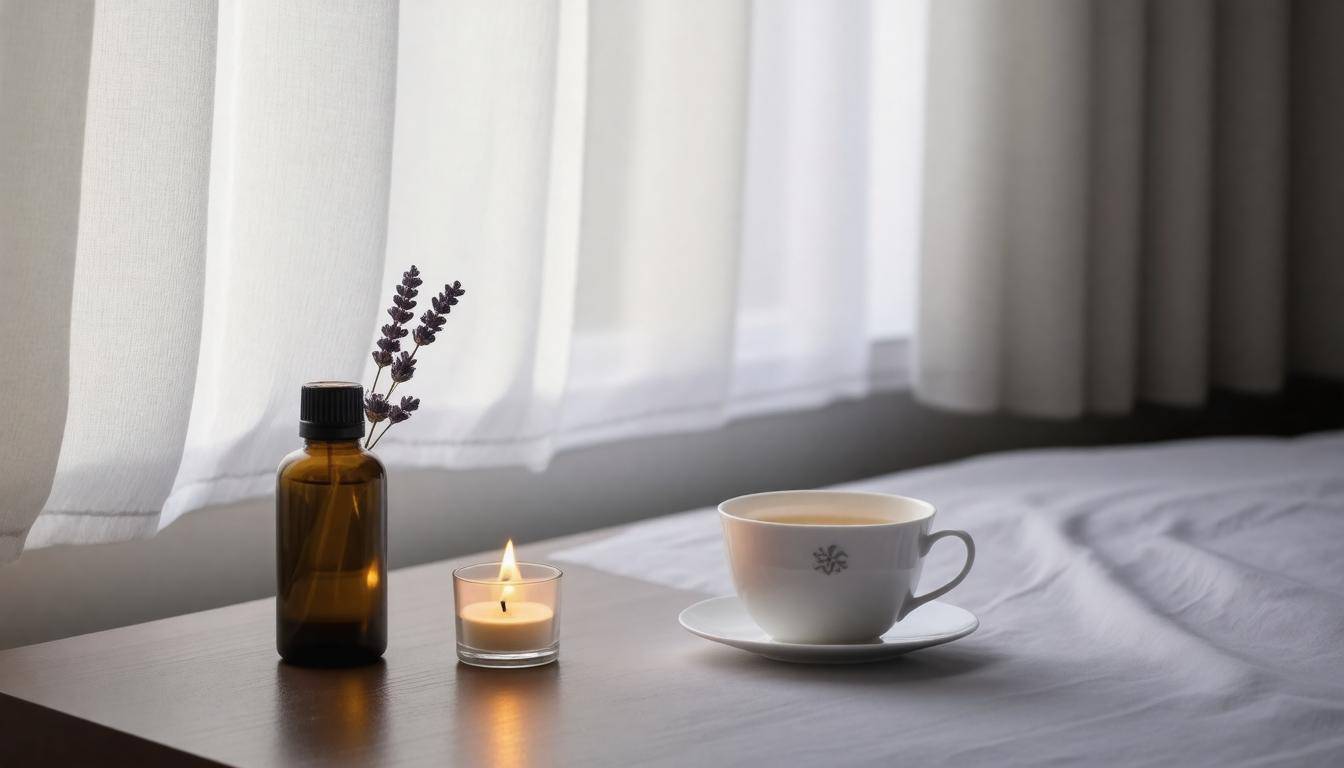
Sometimes, nature offers the best solutions for sleep issues. One popular option is aromatherapy, which utilizes fragrance to induce relaxation. For instance, lavender oil has garnered a reputation for its calming properties. Research suggests that inhaling lavender can lower heart rate and blood pressure, creating an environment conducive to sleep. You can simply place a few drops on your pillow or use a diffuser in your sleeping area. It’s a small action, yet the effects can be transformative when stressors are high, like during emergencies.
In addition to lavender, incorporating herbal teas into your routine can also work wonders. Chamomile tea is renowned for its soothing properties; it’s often used by those seeking better sleep. Drinking chamomile about 30 minutes before bed not only helps signal to your body that it’s time to wind down but it also provides a gentle relaxation that eases into slumber. Another contender worth noting is valerian root, a powerful herb known to reduce anxiety and promote a restful night’s sleep; sipping on valerian tea may just be the nudge you need towards dreamland.
While these remedies play a role in long-term strategies for improving sleep hygiene, it’s important to remember immediate effects as well.
When faced with immediate challenges—like sleeping amid uncertainty—a few rapid techniques can ease the transition from alertness to restfulness. One such tactic is engaging in deep breathing exercises. This method isn’t just about inhaling deeply; it’s about tapping into your body’s natural relaxation response to mitigate stress. Taking in slow, deep breaths can shorten the time it takes to fall asleep, as it encourages oxygen flow and relaxation.
Moreover, establishing a calming bedtime ritual that combines these practices will reinforce your routine and signal your body it’s time to relax. Whether that’s enjoying a cup of chamomile tea while diffusing lavender or practicing deep breathing while lying in bed, consistency reinforces your internal clock and can even make emergencies feel less overwhelming.
Adopting these natural remedies can develop into an essential toolkit for not only improving sleep but also enhancing overall resilience against daily stresses and unexpected events. Exploring these techniques empowers you to take control of your sleep environment—no matter the situation you are facing.
With these foundational strategies at hand, we can now examine practical approaches aimed at delivering immediate relief during those restless nights.
Quick Strategies for Immediate Sleep Relief
Occasionally, quick fixes are your best bet. One effective technique is the military sleep method, which has been praised for its rapid results. The basic premise is to relax your entire body systematically; start from your face, moving down to your toes, while simultaneously clearing your mind. This method encourages both physical and mental relaxation—that’s the key!
By synchronizing deep breathing with this bodily relaxation, you clear away distractions and tension that might inhibit sleep.
As you practice this technique, start with about ten seconds of focused deep breathing. Once your body begins to feel heavy and relaxed, you’ll find yourself drifting off to sleep in as little as two minutes. Many people swear by this method as a powerful tool in their sleep arsenal.
Research supports these claims; studies conducted in 2021 revealed that more than 50% of users experienced instant improvements in their ability to fall asleep using these quick methods. A common theme among successful participants was the consistent application of calming routines before attempting to sleep, suggesting that repetition can enhance effectiveness.
Another practical strategy for immediate relief involves creating a calming environment. Utilizing portable blackout curtains, if you have them available, can significantly block out light and help signal your brain that it’s time to rest. Similarly, ambient white noise machines or simple earplugs can drown out any disruptive sounds during high-stress situations, fostering an atmosphere conducive to sleep.
You might also consider herbal supplements known for their calming effects—specifically well-regarded options like chamomile tea or melatonin tablets (consulting a healthcare professional beforehand is always advisable). Keeping these aids handy in your emergency kit ensures you’re ready to tackle whatever chaos surrounds you.
So whether you’re dealing with a temporary inconvenience or facing more severe disruptions, keep these strategies in your emergency kit for immediate access during critical times. By prioritizing these effective techniques, you can bolster not only your rest but also your overall resilience during challenging circumstances.