
Hiking in the Carpathian Mountains can be an exciting adventure filled with stunning views and fresh air, but it also comes with its fair share of risks. Whether you’re a seasoned hiker or a newbie just testing the waters, understanding the potential dangers and knowing how to stay safe is vital for enjoying your trip. Many people overlook essential safety tips or proper gear until something goes wrong, but taking a little time to prepare can make all the difference. In this guide, we’ll cover crucial strategies and advice designed to help you navigate these beautiful yet unpredictable trails with confidence. Let’s dive in!
In the event of an emergency while hiking in the Carpathian Mountains, it’s crucial to carry a first aid kit, a reliable map, and a navigation device since trail signage may be sparse. Additionally, always inform someone about your hiking plans and expected return time to ensure help can be summoned if needed, and be aware of local wildlife such as bears to minimize risk during your adventure.
Slovakia Carpathian Mountain Emergency Guide
As an adventurer in these breathtaking mountains, understanding potential dangers and how to address them is essential for an enjoyable hike. The essence of safety while hiking the Carpathians starts with your planning phase. Before you lace up those hiking boots, it’s imperative to have a clear grasp of your route.
-
Plan Your Route: Use resources such as Hiking Slovakia to get accurate maps and current trail conditions. This provides insight into elevation changes and distance while helping identify potential hazards along your path.
-
Notify Someone: Share your hiking itinerary with someone you trust. Outlining your plans and expected return time may feel like an extra burden, but it’s a simple yet effective measure for peace of mind.
-
Check Weather Forecasts: The weather in the Carpathians can be highly unpredictable. Apps like AccuWeather allow you to obtain real-time updates on local conditions, which can help you avoid being caught off-guard by sudden rainstorms or temperature drops.
Carrying an emergency kit is another fundamental aspect of your hiking preparation. This kit should include essential items such as a first aid kit, a whistle for signaling if you get lost, and a flashlight to navigate through darker trails or unexpected emergencies.
“Preparation is key,” emphasizes experienced hiker Jana Marcova. “I always double-check my gear and inform local authorities about my route. It’s just a small step, but it can make all the difference.”
Even with all precautions in place, it’s vital to know your limitations when venturing into these mountains. Opt for hikes that align with both your fitness level and experience. It’s not only about being ambitious; it’s about being smart enough to recognize when a trail may be too challenging.
With these fundamental safety tips under your belt, understanding the nuances of weather now becomes pivotal, as adapting to these conditions can significantly affect your hiking experience.
Carpathian Weather Challenges
The weather in the Carpathians is known for its unpredictability, creating unique challenges for hikers. This mountainous region experiences multiple climate variations that can shift dramatically within hours. One moment you may be basking in sunlight, and the next you could find yourself bracing against chilling winds accompanied by rain or snow. Such sudden changes make it imperative for hikers to remain vigilant and prepared.
Rapid Weather Shifts
A fascinating yet cautionary tale comes from September 2023, when a group of unsuspecting hikers was caught off guard as mild weather morphed into an unexpected winter wonderland. With snowfall accumulating rapidly on their trek, they had to scramble for safety and were ultimately rescued by local authorities. This incident underscores how deceptively benign conditions can shift quickly, and why being knowledgeable about these fluctuations is crucial for every hiker.
According to the Slovak Meteorological Institute, the Carpathians see approximately 150 rainy days per year. Rain can appear suddenly, leading to slippery trails and reduced visibility. Moreover, this humidity contributes to the risk of fog in higher altitudes, obscuring trail markers and making navigation difficult.
What can you do to prepare? It’s essential to pack weather-resistant clothing that keeps you dry yet allows your skin to breathe. A waterproof jacket with good ventilation will help immensely if you must tackle harsh elements. Additionally, consider utilizing technology: having a reliable app that offers real-time weather alerts—like Weather Underground—can be invaluable as it keeps you informed and ready to adapt your plans at a moment’s notice.
Understanding these weather challenges is vital; however, it’s equally important to consider what equipment will enhance your safety and comfort while navigating this unpredictable terrain.
Essential Gear for Safety
When you’re preparing for a hike in the Carpathians, packing the right gear can quite literally be the difference between an enjoyable adventure and a precarious situation. Each piece of equipment serves a purpose, providing support, safety, or comfort as you navigate these breathtaking landscapes.
Must-Have Items
| Item | Description |
|---|---|
| Sturdy Footwear | Waterproof and good ankle support are crucial; they prevent injuries and keep your feet dry during unpredictable weather. Choose shoes designed specifically for hiking, with strong traction to manage rocky terrains. |
| Navigation Tools | Always carry a reliable map and compass along with a GPS device. While technology is great, it’s wise to rely on traditional tools—batteries don’t last forever! Familiarizing yourself with these will help prevent getting lost, especially in less-frequented areas. |
| Water Purification | Clean drinking water is essential. Invest in either purification tablets or a portable filtration system so that you can replenish your water supply safely. Remember that mountain streams might look clear but can harbor harmful bacteria! |
| Emergency Shelter | Carry lightweight options like an emergency blanket or a compact tent to provide warmth and protection if unexpected weather strikes or if you have to stay outside longer than intended. |
| Fire Starters | Matches, lighters, and waterproof fire-starting kits should always be on hand. They allow you to stay warm and could also serve as part of your signaling equipment in emergencies. |
As seasoned hiker Tomas Kozak unexpectedly learned one chilly evening while trekking alone, “Never compromise on your gear, especially your footwear and navigation tools. It’s saved me more times than I can count.” His story illustrates just how vital it is to prioritize quality items that perform—especially when faced with challenging conditions.
Now that we’ve covered essential safety gear, it’s equally critical to build foundational knowledge about first aid that can effectively respond to emergencies during your adventures.
First Aid Essentials for Hikers
First aid skills are invaluable for handling injuries or sudden illnesses while exploring the beautiful, yet sometimes treacherous, terrain of the Carpathian Mountains. Whether you’re facing a scraped knee from an unexpected fall or dealing with a sprain after slipping on uneven ground, knowing what to do and having the right equipment can significantly impact your well-being.
What to Include
A well-rounded first aid kit should include essential items tailored to the types of injuries you might encounter during your hikes. Think beyond just band-aids; versatility is key for effective care. Here’s a deeper look at what you should pack:
-
Bandages of Various Sizes: Crucial for covering wounds, from small cuts to larger abrasions. Have adhesive bandages, gauze pads, and elastic bandages for sprains.
-
Antiseptic Wipes: Cleaning a wound before applying a bandage helps reduce the risk of infection. Pack five to ten wipes.
-
Tweezers and Scissors: Enable you to remove splinters or cut tape and gauze quickly. These tools are essential for quick action.
-
Pain Relievers: Ibuprofen or acetaminophen can relieve pain after long days of trekking. Around ten tablets (five of each) is often sufficient.
-
Emergency Blanket: This lightweight item provides warmth and protection from wind or rain if you find yourself in an exposed area.
Imagine being several hours into your hike when suddenly you develop a painful blister. In 2022, a hiker in the Carpathians relied on his first aid kit to treat this blister effectively with adhesive bandages, allowing him to continue his journey without further damage or discomfort. His preparedness was key in avoiding a premature end to his adventure.
It’s important not only to pack these items but also to know how to use them efficiently.
While first aid addresses immediate physical injuries, understanding the nuances of communicating in an emergency situation is equally crucial for ensuring safety and timely assistance.
Effective Emergency Communication
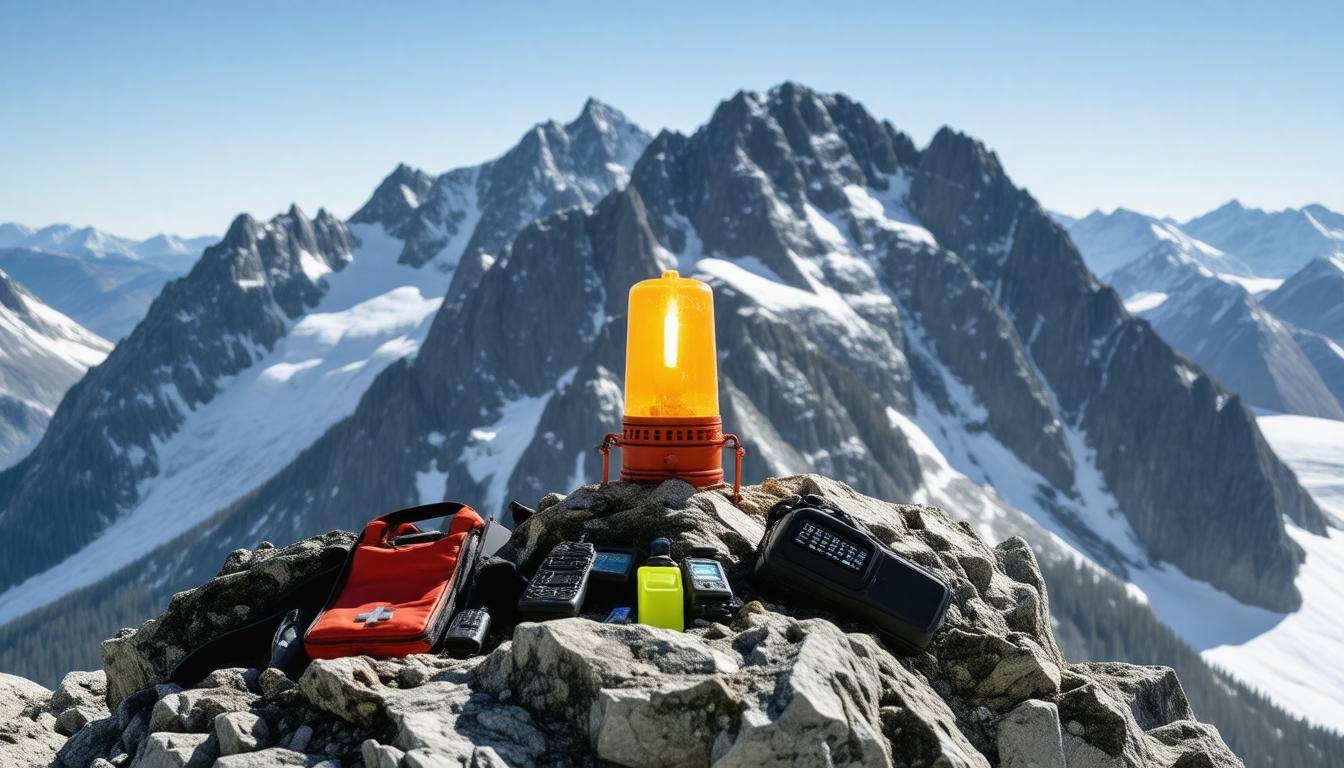
In an emergency, clarity is crucial, and effective communication often means the difference between life and death in remote areas like the Carpathian Mountains. While mobile phones have become our go-to for everyday connectivity, their reliability can vary greatly in wilderness settings where signal strength may fluctuate or be entirely absent.
This is where satellite phones and personal locator beacons (PLBs) shine, providing a dependable lifeline when terrain and isolation conspire against you.
Research from the Hikers Safety Institute underscores the significance of this truth: a staggering 70% of emergency rescues in isolated regions happen thanks to satellite communications. With such numbers demonstrating their effectiveness, it’s clear that investing in these tools can mean more than just peace of mind—it could very well save your life.
Beyond technology, knowing basic SOS signals can be incredibly beneficial. For instance, a series of three short blasts from a whistle is universally recognized as a distress signal, catching the ears of those nearby before anything else might. Similarly, if you’re ever lost, use three of anything—three shouts, three flashes of light—to signal your need for help.
It’s not just about having equipment at your disposal; one must also understand its functionality. Before heading out onto the trails, take time to familiarize yourself with your devices—practice using your PLB or satellite device in a controlled setting where you know there’s service. There are often simple user manuals or online videos available that clarify these processes easily.
In addition to having communication devices ready and knowing distress protocols to utilize them effectively, equipping yourself with navigational tools is equally vital for safety in dense forested environments like the Carpathians.
Navigational Tools and Tips
Getting lost in the vast and wild area of the Carpathians doesn’t have to turn into a harrowing experience if you are well-prepared. Carrying both electronic and physical navigational aids is essential for anyone venturing into these breathtaking landscapes. A GPS device offers ease of navigation, but it relies heavily on battery life and can fail when you need it the most. That’s why having traditional tools like maps and a compass is important; they don’t require power and can guide you just as effectively, provided you know how to use them.
It’s a good idea to practice your compass skills before setting foot on any hiking trail. Many hikers carry compasses without knowing how to utilize them fully. In fact, understanding how to read and align a compass with the map can mean the difference between finding your way or feeling completely lost.
For instance, in 2021, a group of hikers inadvertently veered off the main path. When their GPS battery unexpectedly died, they felt a surge of panic but quickly regained composure by referring to their physical map and compass—these old-school methods guided them back to safety without further incident.
Alongside traditional navigation skills, consider investing in smartphone apps like AllTrails or Komoot, which allow you to download offline maps, ensuring you always have access to your route even without cellular service. However, just like with GPS devices, keep an eye on battery life; nothing is worse than losing access to navigation tools in an isolated area.
Furthermore, while hiking in wildlife-rich regions like the Carpathians, it’s wise to carry an emergency signaling device—a whistle is ideal since its sound carries far and wide. In open terrain, it can be heard almost a mile away, which could attract attention during emergencies when calling out might not suffice.
Understanding navigational tools enhances your outdoor experience while also laying the groundwork for managing potential encounters with local fauna through vigilance and preparation.
Wildlife Precautions and Safety
The Carpathian region’s rich biodiversity means that while you may be captivated by the stunning landscapes, you might also encounter fascinating—yet potentially dangerous—wildlife like bears and wolves. It’s essential to familiarize yourself with effective strategies that can help mitigate risks associated with these encounters. By doing so, you not only protect yourself but also respect the animals inhabiting their natural environment.
Wildlife Encounter Tips
-
Stay Calm: If a bear crosses your path, remember: Do not run. This instinctive reaction can trigger the bear’s chase response. Instead, take a deep breath and back away slowly. Keeping your body language relaxed helps to signal to the animal that you aren’t a threat.
-
Make Noise: Wildlife often avoids humans whenever possible. By simply talking or laughing with your hiking companions, you’ll create noise that can deter animals from approaching. When traveling in groups, ensure conversations are loud enough to alert any nearby wildlife of your presence.
-
Store Food Properly: If you’re camping overnight, use bear-proof containers or hang food at least ten feet off the ground and four feet away from tree trunks. Keeping your meals safe discourages bears from visiting your campsite.
An interesting piece of insight: In 2020, several hikers found themselves facing an unexpected encounter with a bear that wandered surprisingly close to their camp. Thanks to their knowledge of proper safety measures—staying calm, making noise, and backing away—everyone retreated without incident. Their preparedness allowed them to enjoy more of their trip without fear.
Additional Considerations
It’s also important to note that while bears might get most of the attention, other wildlife such as wolves occasionally roam these mountains too. Although attacks are rare, they can happen if wolves feel cornered or threatened. Therefore, consider traveling confidently but cautiously as you explore this wilderness.
Additionally, remaining vigilant about local rescue services and emergency protocols is key; should a situation arise where you require assistance, knowing who to contact can give you peace of mind throughout your adventure in this beautiful region.
Local Rescue Services Information
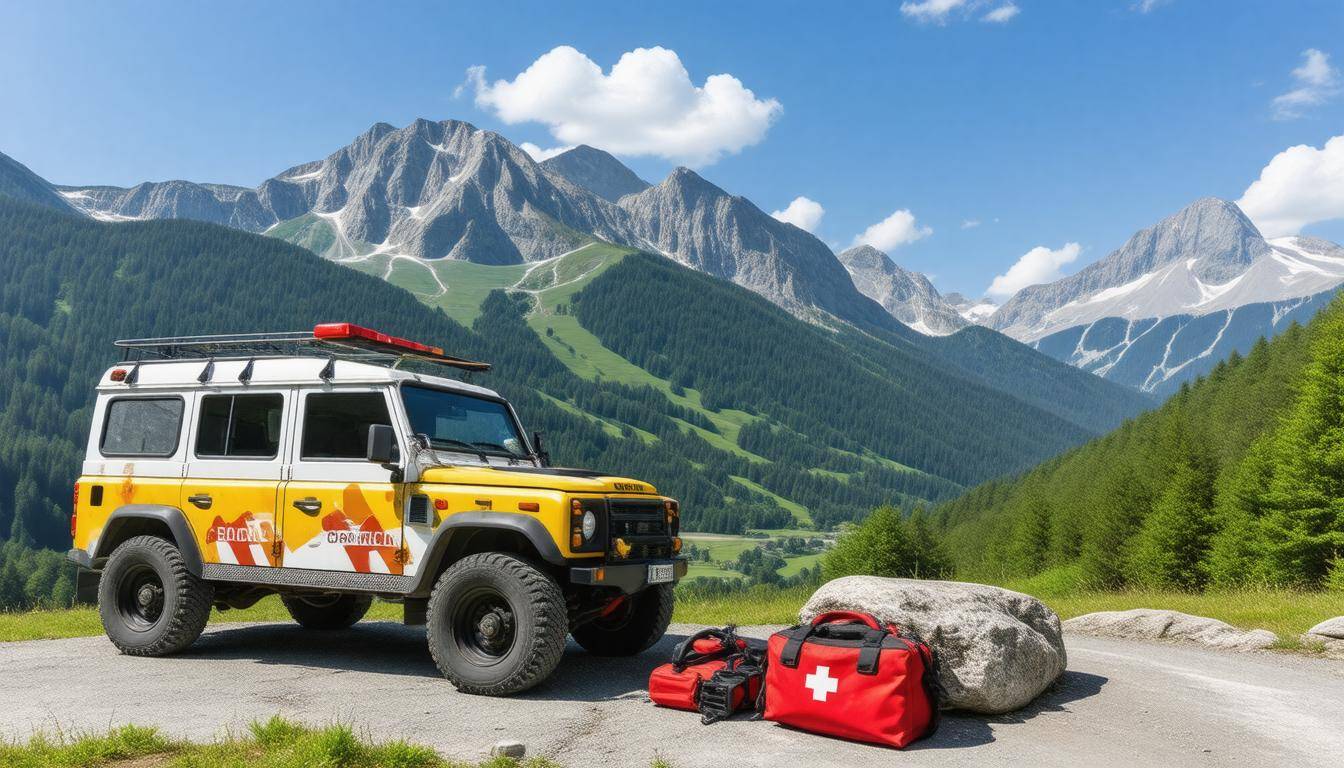
In the breathtaking yet unpredictable terrain of the Carpathian Mountains, knowing how local rescue services operate is crucial for your safety. The Mountain Rescue Service (HZS) is the primary authority that handles emergencies in these regions. They are trained specialists who understand the challenging environment and can respond effectively to a variety of situations.
When you reach out to them, it’s essential to provide clear and concise information about your location, the nature of the emergency, and any relevant details about those in need of help. This expedites their response and ensures that they send appropriate resources.
As a proactive measure, memorize and save important numbers in your contacts while keeping them accessible on paper during hikes. Here’s a quick reference:
- Mountain Rescue Service (HZS): Hotline 18 300
- European Emergency Number: 112
- Local Police: 158
Numerous hikers find themselves in need of assistance each year, often sharing positive testimonials about their experiences with HZS. For instance, John Kovac’s story stands out; after sustaining an injury while hiking in 2024, he was efficiently airlifted by HZS within a short time frame. His ordeal highlights the importance of being prepared and having access to immediate help when exploring unfamiliar terrains.
Moreover, it’s wise to familiarize yourself not only with contact numbers but also with the capabilities and limitations of these services.
Understand that while local rescue teams are highly trained, they may face challenges, particularly in remote areas where terrain complicates access or weather conditions hinder operations. Being well-prepared before you set out can make all the difference in ensuring your safety and the efficiency of any rescue efforts should an emergency arise.
Ensuring you’re equipped with a mapped route, packing necessary supplies and equipment will further empower you when exploring these majestic mountains.
Additionally, if you plan to hike regularly or explore deeper into the trails, consider registering your hiking plans with local authorities such as Tatra National Park. This practice enhances safety not just for you but also aids mission responders who could be searching for lost hikers based on reported itineraries.
By embracing these recommendations and focusing on preparedness, you can enjoy the natural beauty of the Carpathians comfortably assured that help is just a phone call away if needed.
In conclusion, prioritizing safety measures is key when navigating this stunning landscape and makes every adventure more enjoyable.