
Winter brings its own beauty, but it can also turn our driveways and sidewalks into a maze of snow and ice. When the snow starts falling, having the right snow removal equipment isn’t just a luxury—it’s crucial for keeping your home safe and accessible. Depending on where you live, the type and amount of snowfall can vary greatly, which means your snow removal tools should cater to those specific challenges. I’ve seen neighbors struggle with flimsy shovels when what they really needed was a reliable snowblower or perhaps some ice melt to pre-treat surfaces before the first flakes hit. With careful consideration and preparation, you can not only clear the snow efficiently but also avoid injuries while doing so. Let’s dive into what makes for effective snow removal equipment so you’re ready for whatever winter has in store.
When selecting emergency snow removal equipment, consider factors such as the type of snowfall you typically encounter, the size of the area to be cleared, and the weather conditions during winter. Additionally, prioritize high-quality, reliable equipment that can handle diverse conditions efficiently, such as snow blowers or compact tractors designed for heavy use in severe weather situations.
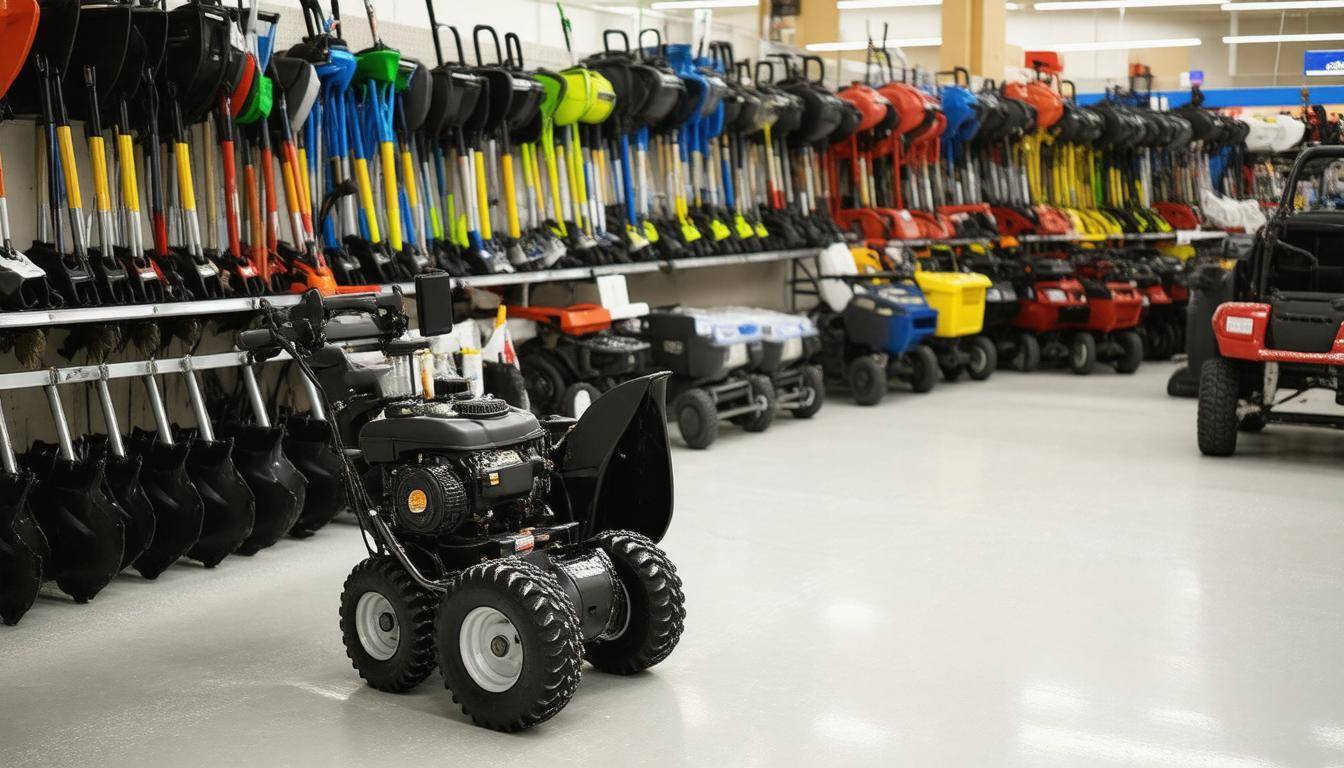
Our Guide to Snow Removal Equipment
When it comes to snow removal, the equipment you choose can greatly impact both your efficiency and safety. Among the most essential tools in any winter emergency kit are push shovels, electric snowblowers, gas-powered snowblowers, and ice scrapers. Each of these tools is designed with specific tasks in mind, ensuring that you’re well-equipped for whatever winter throws your way.
Essential Tools for Snow Removal
Push shovels are a staple for quick cleanups, particularly after light snowfalls. A lightweight plastic model makes it easy to scoop and shift snow without straining your back. However, if conditions turn severe—say a foot or more of heavy, wet snow—a gas-powered snowblower is not merely a luxury; it’s often a necessity.
These robust machines can tackle larger areas in a fraction of the time it would take to shovel by hand, allowing you to reclaim your driveway and pathways with minimal exertion. Electric models serve as a happy medium, especially for moderate snowfall; these machines usually come with less maintenance hassle, so if you’re looking for convenience, they may be worth considering.
But having just one type of equipment can leave you unprepared for sudden changes in weather or varying conditions.
Backup Equipment
That’s where backup tools like handheld snow plows and ice melt prove invaluable. Handheld plows fit snugly into smaller spaces and are perfect for addressing tricky areas like sidewalks or steps where a full-size blower would be overkill. On the other hand, applying ice melt before a storm can work wonders by preventing ice accumulation on driveways and walkways even before the first flakes hit ground.
One homeowner I spoke with in Maryland shared that using ice melt greatly reduced their need to shovel entirely during minor storms—it’s like having an insurance policy against winter fatigue.
Combining various tools ensures you’re prepared for every possible scenario Mother Nature sends your way. With these essentials in hand—or rather, ready to push or shovel—you set yourself up not just for success but also for safety during one of the harshest seasons out there.
As we explore what makes certain tools particularly valuable in different situations, understanding how to identify the right ones will make all the difference when winter arrives.
Selecting the Ideal Tool for Your Needs
Choosing the right snow removal equipment is essential for both productivity and safety during winter months.
First and foremost, evaluate the snowfall intensity in your area, as this directly affects which tools will serve you best. For instance, if you live in areas known for heavy snowfall, like Massachusetts where an average of up to 70 inches per year can be expected, investing in heavier-duty options becomes crucial. This might include a powerful gas-powered snowblower or a robust shovel made from high-quality materials—these choices enable effective clearing without excessive time or effort expended.
After assessing snowfall intensity, it’s also important to turn the lens inward and consider your physical capabilities. The tools you decide on should match not only the conditions outside but also your own comfort level with physical activity. A younger, more physically fit individual might find a traditional push shovel sufficient, allowing them to engage in a bit of exercise while clearing paths around their property. However, older adults or individuals with mobility issues might prefer electric or gas-powered tools, which reduce strain and make snow removal a less daunting task.
This leads to practical considerations regarding how much snow you typically have to handle. Here’s a useful breakdown:
- For light snowfalls, you might opt for a simple push shovel or a lightweight electric snowblower.
- For moderate conditions, mid-range electric models accompanied by ice scrapers are manageable.
- When facing heavy snow, gas-powered snowblowers paired with heavy-duty ice scrapers become indispensable.
This selection process ensures that no matter what nature throws at you, you’re equipped to handle it effectively.
These tools aren’t just about convenience; they also represent an investment in safety and long-term usability. Utilizing inappropriate devices for your environment can lead to ineffective results or even accidents due to overexertion or failure to clear surfaces adequately. So recognize that selecting the right tool goes hand in hand with understanding the conditions you’ll face regularly.
Finally, consider longevity and maintenance costs related to your chosen equipment. Investing in high-quality tools may come at a higher initial price, but they often save money in the long run through durability and fewer repairs needed over time. Be sure to assess factors such as warranty coverage and ease of parts availability when making your decision.
In evaluating these aspects—snowfall patterns, personal strength, and financial considerations—you’ll pave the way for smooth operations and efficient snow removal experiences throughout winter’s challenges ahead. Transitioning from these practical decisions leads us into examining the specific advantages and disadvantages of one common tool utilized in the process.
Push Shovels: Pros and Cons

The allure of push shovels lies in their affordability; typically ranging from $15 to $45, they present an accessible option for homeowners looking to manage snowfall without breaking the bank. These tools are built with simplicity in mind, often featuring lightweight designs that lend themselves to easy maneuverability.
Whether you’re tackling a small sidewalk or your driveway, they efficiently clear snow with minimal effort. Imagine quickly sliding across your path, easily pushing snow aside, and enjoying a hassle-free cleanup—that’s the promise of a push shovel.
With their effectiveness in small areas particularly noteworthy, push shovels shine during light snowfalls or just a dusting over existing surfaces. However, one must weigh these positives against their limitations. For instance, consider the case of clearing an expansive driveway during a heavy storm—this is where push shovels might fall short.
As you engage with heavier snow, pressing down and maintaining momentum can transition from being a pleasant chore into a strenuous workout.
As snow accumulates and conditions worsen, those using push shovels may face significant physical demands. The repetitive motion of pushing and lifting can lead to fatigue or even injury, especially for those who may not be physically prepared for such exertion.
It’s crucial to recognize that while push shovels are designed for ease of use, they still require considerable effort when dealing with deep or wet snow.
If you find yourself frequently confronted with heavy accumulation, it might be time to consider alternatives that align better with your needs. Snow blowers, for example, can provide efficient solutions for large areas and troublesome conditions, allowing you to maintain the safety of your property without the back-breaking labor that push shovels sometimes entail.
Evaluating your own physical condition along with the severity of snowfall will guide you in determining the best approach for winter’s challenges. This leads naturally into exploring the realm of powered equipment designed to simplify your snow removal efforts.
Choosing Electric Snow Removal Tools
Electric snow removal tools are revolutionizing how we tackle winter storms. More homeowners are opting for these gadgets not just for convenience but also for a sustainable approach to clearing snow. Imagine easily navigating through a fresh layer of snow while avoiding headaches associated with gasoline engines—no pulling cords repeatedly, no fumes filling the air. Instead, you get efficient performance at the touch of a button.
Types of Electric Tools
Options abound, ranging from compact electric shovels to robust electric snow blowers. Take, for instance, the Snow Joe SJ623E. This model is well-regarded among homeowners thanks to its formidable 15-amp motor and an impressive 18-inch clearing width. It’s perfect for moderate snowfall without excessive physical effort. If you live in an area that receives frequent light accumulation of snow, an electric shovel may suffice. Conversely, if heavier snowfalls are common in your region, investing in a larger blower can save time and energy.
The advantages of these electric devices extend into environmental considerations as well.
Benefits and Limitations
Electric snow removal tools often tout quieter operation and minimal environmental impact compared to gas-powered models. This means you can clear your driveway early in the morning without waking up the entire neighborhood—something I appreciate during those quiet winter mornings when everyone is still tucked away in bed. However, it is important to consider some limitations: electric tools may be hindered by cord length or battery life. For instance, if you have a sprawling property or often need to transition between different areas quickly, a corded model could restrict your mobility.
While electric shovels excel in small to medium spaces—providing ease and efficiency—those with extensive properties should assess whether battery capacity or cord length might be cumbersome.
Comparing Models
| Model | Clearing Width | Power Source | Price Range |
|---|---|---|---|
| Snow Joe SJ623E | 18 inches | Corded | $150-$200 |
| Greenworks Pro | 20 inches | Battery | $300-$400 |
| Toro Power Curve | 15 inches | Corded | $100-$150 |
Each model listed above presents distinct benefits suited for varying needs—a choice that depends on the size of your property and your preferences for power sources. Whether you opt for the robustness of a Greenworks Pro or keep things simple with a Toro Power Curve, selecting the right tool will lead to better efficiency and less hassle this winter season.
As we evaluate these options further, keep in mind that having the appropriate equipment will enhance your experience as winter storms roll in and create challenges on your property.
Gas-powered Snowblowers for Heavy Snowfall
When heavy snowfall blankets your driveway, the last thing you want is to be stranded under a mountain of snow. Enter gas-powered snowblowers—the backbone of any serious snow removal strategy. These robust machines pack a punch, effortlessly clearing wide paths and handling significant accumulations. With their power and durability, they can tackle the toughest winter storms with ease.
The Power of Gas-Powered Tools
The sheer capability of gas-powered snow blowers is astounding; many models can clear paths as wide as 30 inches, effortlessly carving through snow drifts that reach heights of 12 to 14 inches. For households particularly burdened by severe winter weather, this feature can save considerable time and effort. For instance, the Husqvarna ST224, equipped with a 208cc engine, boasts exceptional performance levels, allowing users to navigate even the heaviest snowfall without breaking a sweat.
This horsepower translates into operational efficiency—significantly reducing your workload. As anyone who has wrestled with a shovel can attest, using a snow blower not only saves time but minimizes physical strain as well.
Fuel Considerations and Maintenance
While the advantages are clear, it’s vital to approach gas-powered machines with an understanding of their upkeep. Regular maintenance becomes paramount to keep them running smoothly during crunch times. Simple tasks like oil changes can extend the life of your machinery significantly. Incorporating fuel stabilizers is another smart move; fresh gas ensures your engine runs at its peak efficiency.
Proper storage is equally critical—storing your snow blower correctly can prevent unnecessary damage or deterioration during off-seasons. Think about it: Would you let valuable equipment sit in conditions that could compromise its integrity? Maintaining your gas-powered snow blower means addressing these concerns head-on.
Remember, proper maintenance isn’t just a chore; it’s an investment that guarantees you won’t find yourself battling a malfunctioning machine when heavy snowfall strikes unexpectedly.
Keeping these factors in mind not only ensures the longevity of your equipment but also prepares you for whatever winter throws your way. As we transition into discussing how to care for your equipment effectively, let’s explore the best practices for maintaining its condition and enhancing its performance over time.
Equipment Storage and Maintenance
Proper storage and routine maintenance are vital for the longevity and performance of your snow removal equipment. Consider this: you’ve invested in quality tools designed to withstand harsh winter conditions, so taking care of them should be just as important as using them on a snowy day. By treating your equipment with respect and attention, you can expect many winters of reliable service.
Storage Tips
First things first, always store your equipment in a dry, sheltered area. Exposure to the elements leads to rust and accelerates wear and tear. If you have a garage or shed, that’s the ideal place. If not, consider investing in protective covers that can shield your machines from moisture and dust buildup.
Paying special attention to electrical components is key; water intrusion can cause irreversible damage. After all, a well-cared-for snowblower or shovel is more likely to perform smoothly throughout the season.
When the sun shines bright in between snowfalls, it’s easy to forget about machine maintenance, but neglecting storage can lead to annoying surprises when winter returns.
Maintenance Routines
Establishing a regular maintenance routine is essential for practical longevity. This involves checking various aspects of your tool depending on whether they are gas-powered or electric. For gas-powered snowblowers, check oil levels regularly. Oil quality affects engine performance significantly; dirty oil can lead to costly repairs down the line. Don’t forget about spark plugs—they play a crucial role in ignition, and if they’re worn out, you might find yourself struggling to get your blower running when it matters most.
On the other hand, electric tools come with their own set of considerations. Ensure you’re performing regular battery checks—keeping them charged and healthy for optimal use is vital during snow emergencies. Inspect cords for fraying or damage since they can become hazards over time.
As an illustration, I remember one winter when I neglected my electric snowblower’s cord inspection until the first heavy snowfall hit. That was my lesson learned—the cord showed signs of wear and ultimately left me stuck clearing by hand because my equipment failed me when I needed it most.
Finally, make routine checks a habit rather than an afterthought; think of them as part of getting ready for battle against winter’s fury. From oil changes at specified intervals to ensuring that belts are functional and not cracked, attentive maintenance reduces the risk of equipment failure precisely when you need it most.
With these strategies in mind, you’ll be better positioned to tackle whatever challenges arise during those winter months.
Emergency Snow Removal Tips
In emergencies, swift action can indeed be a lifesaver. As much as we love the beauty of a snowy landscape, we must confront its challenges head-on, especially when it threatens safety or accessibility. One key aspect is to always prioritize the area around entrances and emergency exits. This ensures that you—or emergency responders—can get in and out quickly if needed.
For instance, Sarah Johnson, a Vermont resident, reinforced this with her experience during a blizzard last year. “Clearing the driveway early helped us maintain access to the main road,” she remarked, emphasizing how timely efforts can make all the difference.
Quick Action Steps
Now that we’ve recognized the importance of access points, let’s dive deeper into the practical steps you can take for effective snow removal.
First and foremost, mapping out a plan before a storm hits can set you up for success. Make it a habit to stay updated with local weather forecasts so that you’re prepared when snow starts falling. Understanding your environment allows you to allocate time effectively for snow removal tasks.
Once the snow begins accumulating, tackle smaller areas first and work your way up to larger ones; this makes the job less daunting and keeps pathways clear.
Having an organized approach not only enhances efficiency but also helps keep your momentum going without feeling overwhelmed by the volume of snow.
Safety Measures
As important as speed is efficiency, safety cannot be neglected. Overexertion is a leading cause of injury during winter months. Always listen to your body—if you’re feeling fatigued or strained, it’s okay to take a break! To balance workload and minimize risks, try shoveling in short intervals; stick to 15-20 minutes per session, allowing yourself time to rest in between. Hydration is also vital even if you’re cold; remember that your body still needs water to function well.
Adding reflector tape on shovels and snowblowers can be an excellent way to enhance visibility during low-light conditions or heavy snowfall. Visibility aids in preventing accidents when working outdoors where other drivers may not see you if you’re clearing driveways or crosswalks.
These combined measures ensure that not only are you efficiently removing snow but also safeguarding your health while doing so. As you prepare for winter challenges ahead, understanding best practices will enhance not just your performance but also your well-being during demanding conditions.
Maximizing Efficiency in Severe Weather

Severe weather conditions require you to have a well-thought-out plan to ensure your snow removal process runs smoothly. One essential way to maximize efficiency is by optimizing equipment use.
You’ll want to select tools based on the specific challenges each situation presents. For instance, if you’re facing heavy snowfall, starting off with a robust gas-powered snowblower can help clear large areas quickly. Its power makes quick work of deep snow, allowing you to make significant headway in your efforts. After you’ve tackled the bulk of the snow, following up with a push shovel for those stubborn remnants can provide a thorough finish. This two-step approach allows for a balance between speed and precision.
However, experience has taught me that you’ll also need to monitor the condition of your equipment closely. Ensuring everything is well-maintained, cleaned from previous use, and fueled beforehand helps prevent any frustrating delays when you’re rushed by incoming weather.
Preparing effectively goes beyond just equipment; it also involves strategic planning ahead of challenging snow events.
Plan Ahead
Staying informed with local weather forecasts is vital in crafting an efficient snow removal strategy. By keeping an eye on upcoming storms, you can schedule your removal efforts before the heavy snow begins falling. This proactive “preemptive strike” can save you an immense amount of effort later on because clearing initial light flurries is much simpler than managing accumulated heavy snow.
Moreover, I’ve found that creating a timeline before anticipated storms is beneficial. It allows you to allocate enough resources and time based on expected snowfall amounts. Having designated roles for team members or even family members can streamline the process by ensuring everyone knows their responsibilities during the rush of clearing snow.
If you’re wondering about others’ experiences with severe conditions, consider sharing your go-to strategies or techniques that have helped you during heavy snowfall periods. Engaging in conversations around these topics not only enriches your knowledge but also builds a community of shared wisdom and support.
It’s all about being prepared—not just physically with the right tools but mentally as well—ensuring you’re equipped to tackle whatever winter throws your way effectively.
Ultimately, thorough preparation combined with effective equipment usage will lead to successful winter management strategies during severe weather conditions. By arming yourself with knowledge and tools, you set yourself up for success against winter’s challenges.
What maintenance practices are essential for ensuring snow removal equipment performs effectively in emergency situations?
Essential maintenance practices for snow removal equipment include regular inspections, oil changes, and blade sharpening to ensure optimal performance during emergencies. According to industry standards, equipment that receives routine maintenance is 30% more reliable than neglected machines. Additionally, checking fuel levels and battery condition weekly can prevent malfunctions when the snow starts falling. Always follow manufacturer guidelines for seasonal check-ups, which can double the lifespan of your equipment and significantly enhance safety and efficiency during critical snow removal operations.
How do budget constraints influence the selection of snow removal equipment during winter emergencies?
Budget constraints significantly influence the selection of snow removal equipment during winter emergencies by limiting options to more cost-effective, yet reliable solutions. Organizations often prioritize essential machinery such as skid-steer loaders and snow plows over high-end models, focusing on durability and efficiency. For instance, a survey showed that 60% of municipalities reported a preference for purchasing second-hand equipment due to budget restrictions, allowing them to allocate funds towards emergency services instead. This pragmatic approach ensures that communities can respond effectively while managing financial resources strategically.
What key features should be considered when selecting snow removal equipment for different environments?
When selecting snow removal equipment, key features to consider include the type of snow (wet vs. dry), terrain (flat vs. hilly), and the size of the area to be cleared. For instance, a powerful snow blower might be essential in areas with heavy snowfall, as research shows that average annual snowfall can exceed 100 inches in some regions, necessitating efficient removal systems. Additionally, portability and ease of use are crucial for residential areas where maneuverability is required, while for larger commercial spaces, robust machines with higher horsepower may be more appropriate.
Are there specific safety tips associated with using heavy-duty snow removal equipment in emergencies?
Yes, using heavy-duty snow removal equipment in emergencies requires several safety tips to ensure operator and bystander safety. Always wear proper personal protective equipment (PPE), including gloves, boots, and eye protection. Familiarize yourself with the equipment’s operational manual before use, and conduct a pre-operation inspection to identify any potential hazards. According to the U.S. Consumer Product Safety Commission, improper use of snow removal equipment leads to thousands of injuries each year; thus, maintaining a safe working environment is crucial. Additionally, operate in well-lit areas and be mindful of surroundings to prevent accidents while tackling snow-related emergencies.
How does the severity of snowfall impact the choice of snow removal tools?
The severity of snowfall significantly influences the choice of snow removal tools, as heavier snows require more robust and efficient equipment. For example, light flurries (up to 2 inches) may effectively be managed with simple shovels or snow blowers, while more severe conditions (6 inches or more) often necessitate industrial-grade snow plows or powerful snow throwers to clear driveways and roads efficiently. According to data from the National Weather Service, areas experiencing an average snowfall of over 30 inches per winter typically see a greater demand for mechanized solutions, as manual tools can lead to increased labor time and potential health risks.