
When it comes to keeping your Social Security card safe, many people often overlook its importance until it’s too late. Imagine being in a situation where you urgently need your card for banking or medical reasons, only to realize you’ve misplaced it or worse—it’s been stolen. The anxiety that follows can be overwhelming, not to mention the potential fallout from identity theft. That’s why knowing the best storage options for your Social Security card isn’t just smart; it’s essential. With a little planning and some simple precautions, you can ensure that your important documents are protected and easily accessible when you need them most. In this article, we’ll explore some practical solutions, tips, and creative ideas for securely storing your Social Security card so that you’re always prepared for the unexpected.
The best emergency storage options for your Social Security card include using a fireproof and waterproof document box to protect it from potential disasters, or placing the card in a safe location within your home such as a safety deposit box. It is advisable to avoid carrying your Social Security card with you unless necessary, and consider securely storing digital copies on an encrypted thumb drive for backup purposes.

Best Locations for Storing Your Social Security Card
At home, one of the best choices is a fireproof and waterproof safe. These safes are designed to protect vital documents from natural calamities, such as fires and floods. Pictures of damage from disasters often illustrate the heartbreak of losing critical paperwork, including identity documents like Social Security cards. Brands like SentrySafe not only offer variety but also have models tailored specifically for document storage, meaning you’ll have peace of mind knowing your card is protected against unpredictable events.
Yet, not everyone has the luxury of a safe at home, and that brings us to other alternatives.
A safety deposit box at your local bank serves as another outstanding option for secure storage. These boxes are housed in vaults with excellent security, mixing both physical locks and digital safeguards, making them incredibly reliable for storing sensitive documents. While there is usually an annual fee, it’s often a small price to ensure that your important papers remain safe from theft or environmental hazards. Furthermore, accessing your card becomes simple during banking hours; this ease encourages good practices in document management.
However, if you prefer immediate access without using a bank, consider some imaginative methods within your home.
Keeping your Social Security card in a dedicated file cabinet labeled specifically can help you organize your papers while maintaining easy access. Perhaps place it alongside other essential records like birth certificates and passports in a folder marked ‘Vital Records.’ This way, everything is centralized, which minimizes the chance of misplacing individual documents.
Moreover, for those who want a hidden option, consider choosing a less conspicuous location within your house. Many people use compartments in furniture or behind loose floorboards to hide their sensitive papers away from prying eyes yet still retrieve them easily when needed.
As we explore even more options, let’s not forget the ever-growing convenience offered by digital storage methods.
A good backup plan is to take a scanned image of your Social Security card and store it securely on an encrypted USB flash drive or an external hard drive. Just remember to avoid cloud storage for such sensitive information since privacy concerns linger in the digital realm. Having that encrypted backup means that should anything happen to the physical copy of your card, you’d have a fallback option ready for emergencies or required applications.
Taking various approaches to secure your vital records not only enhances safety but also ensures they’re organized effectively. With these considerations in mind, it’s time to shift our focus to optimizing protection right at home.
Safe Storage Options at Home
If you prefer to keep your Social Security card accessible but safe at home, several practical options are available that balance security with convenience. For instance, hidden storage solutions can protect your card while keeping it within reach. Hidden compartments, such as those in bookshelf safes or secret drawers in furniture, offer a discreet way to store valuable documents. Imagine walking into a room and seeing what looks like an ordinary book on the shelf—only it’s actually a cleverly designed safe containing your most critical documents. One user shared how they utilized a hollowed-out book to securely stash their important papers, providing easy access without drawing attention from prying eyes.
However, if traditional methods aren’t quite your style, you might consider incorporating some high-tech solutions into your document security strategy. For those willing to invest a little more, biometric safes present a blend of enhanced security features with everyday convenience. These safes utilize fingerprint recognition technology for access, meaning only those with registered fingerprints can open them. This way, not only is your Social Security card protected from theft or loss, but you’re also minimizing the chances of forgetting where you’ve stored it.
Consider also utilizing fireproof and waterproof document boxes as effective protective measures for all your essential records, including your Social Security card. These boxes serve as an excellent safety net against unforeseen disasters like floods or fires. They come in various sizes and prices, making them accessible for anyone looking to safeguard vital information without overspending.
To further enhance security at home, it’s advisable to combine these options. Storing the original Social Security card in a hidden compartment while keeping several digital copies on a secure thumb drive ensures that you have backups should anything happen to the physical card. Always remember to label the drive clearly, so you can easily locate it when needed.
Being proactive about the security of your Social Security card not only offers peace of mind but allows for quick retrieval in urgent situations that may arise unexpectedly.
Emergency Locations for Quick Access

There are indeed moments when you might find yourself in need of rapid access to your Social Security card. Emergencies can hit unexpectedly, whether you’re on the road or facing an unforeseen situation at home. Finding strategic locations for this sensitive document is a protective measure against loss or damage.
-
Glove Compartment: While it may sound convenient, storing your card in the glove compartment is only advisable if you’re traveling. Even then, be cautious—only place it there temporarily, and remember to remove it once you return home. Unfortunately, cars can be targets for thieves.
-
Wallet with RFID Blocker: A wallet that features RFID blocking technology can provide extra security against electronic pickpocketing. This option allows you to carry your Social Security card more securely while ensuring it’s easily retrievable when needed.
-
Trusted Relative’s Home: Delegating the storage of important documents to a trusted relative can create a safety net. It serves as a backup location if you lose access to your own home during an emergency. Just make sure they live close enough that retrieving the document won’t become an added hassle.
However, these should be seen strictly as temporary solutions. Storing your Social Security card in these locations long-term exposes you to significant risks, including theft or unintentional misplacement. It’s essential to think critically about every location before deciding where to store essential documents.
In reality, the most secure strategy integrates both permanent and temporary storage methods; having quick access does not mean sacrificing security. Whether it’s an unexpected hospital visit or an urgent financial matter requiring identification, preparation ensures peace of mind in such situations.
As we consider the urgency of protecting sensitive information like this, it becomes crucial to evaluate the potential complications associated with carrying such documentation on a daily basis.
The Risks of Carrying Your Social Security Card
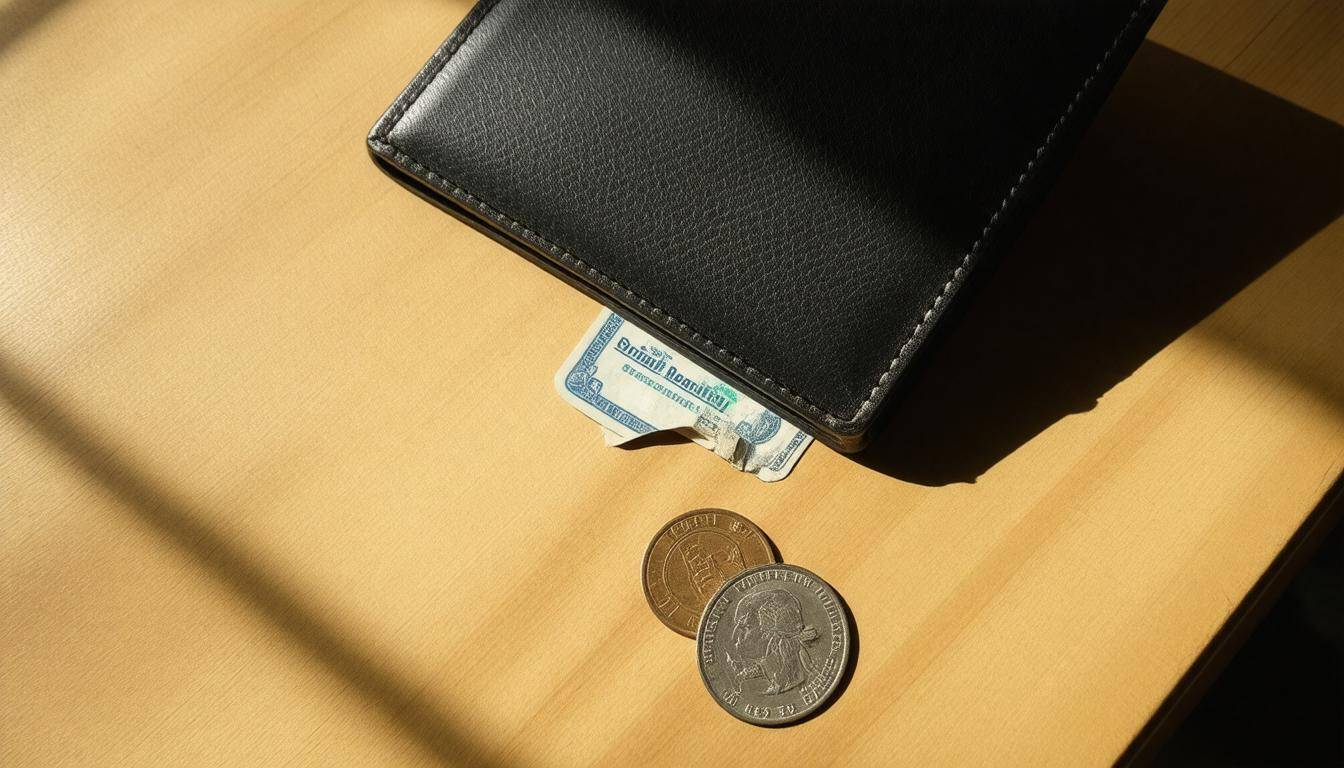
Carrying your Social Security card in your wallet or purse might feel like a practical choice, but it can lead to significant vulnerabilities. Have you ever considered that every time you reach into your bag or pocket, you expose yourself to the risk of losing this vital document? While it may seem harmless in the moment, the implications of misplaced or stolen cards can be severe and long-lasting. This is particularly concerning given that about 1 in 10 Americans have faced identity theft, with many cases stemming from a lost or stolen Social Security card.
Specific data reveals that 60% of identity theft instances involve the misuse of Social Security numbers. When people carry their cards around, they increase their risk of falling victim to identity theft by as much as 30% compared to those who do not carry it. In fact, a staggering 70% of identity theft victims report that their Social Security number was used to open new accounts without their knowledge.
Ultimately, maintaining physical possession of your Social Security card puts it at risk for loss or theft, which could lead to an arduous journey through recovery processes and potential long-term financial damage.
Moreover, replacing a lost or stolen Social Security card can be a frustrating ordeal. After all, you’ll not only need to request a replacement through official channels but also face the stress of monitoring your accounts for suspicious activity. The average cost for recovering from such an incident can exceed $1,300, leaving you with lasting repercussions on your finances and credit score.
So what can you do to reduce this risk while still keeping essential information accessible?
Practical Solutions for Identity Protection
One effective solution is to create a dedicated storage system for your important documents. Rather than carrying your Social Security card daily, consider investing in a fireproof and waterproof document box—these handy containers are not only relatively inexpensive but are also wonderful additions to any home office setup. By designating a specific folder labeled “Social Security,” you’ll know exactly where it is when you need it without risking exposure during your daily routine.
Additionally, maintaining both physical and electronic backups ensures even greater safety. While storing digital images of essential documents on a secure thumb drive provides a layer of protection, remember to keep sensitive information off cloud services due to security concerns. Storing original documents and their copies in separate locations further minimizes risk exposure. This way, in case one set goes missing, the other remains secure—it’s like having a safety net ready just when you need it.
Recognizing these risks sets the stage for understanding how to safeguard your personal information further, especially regarding potential threats that require immediate attention.
Identity Theft Risks and Prevention
Identity theft is not just a buzzword; it can be a harsh reality that impacts countless individuals every year. When someone gains unauthorized access to your personal information, including your Social Security number, the consequences can be severe. From financial loss to reputational damage, the ramifications can linger long after the incident itself. Therefore, engaging in preventive measures is essential for protecting yourself against this pervasive issue.
Basic Precautions
One of the most fundamental steps you can take is to limit sharing your Social Security number. For example, many health and insurance providers often do not require your SSN. Instead, they will accept alternative forms of identification. Before you disclose your number, always ask if it’s necessary.
Remember, every time you offer up this information, you’re giving away a piece of your security puzzle—think of it as handing a stranger the keys to your home. Keeping these keys close means fewer opportunities for someone else to let themselves in.
While basic precautions are critical, sometimes they aren’t enough in our increasingly digital world.
Advanced Measures
For those looking to beef up their security, investing in an identity theft protection service can add an extra layer of defense. Services such as LifeLock or IdentityForce regularly monitor for suspicious activities related to your Social Security number and alert you promptly if anything unusual arises. Consider this as putting up not just locks on your doors but also alarms and security cameras to deter intruders.
| Service | Annual Fee | Key Features |
|---|---|---|
| LifeLock | $125 | Identity monitoring, theft recovery |
| IdentityForce | $159 | Round-the-clock monitoring, credit report access |
Investing in such services may seem like an additional expense, but the peace of mind they provide often outweighs the cost. They serve not only as watchdogs for your identity but also as resources if something goes awry. In a world where technology rapidly evolves, safeguarding against identity theft requires vigilance and preparedness—it’s about staying one step ahead of potential threats.
With the understanding of risks and preventive measures in place, let’s move on to discuss the actions necessary when facing a situation that involves your personal information potentially being compromised.
Steps to Take If Your Card is Lost or Stolen
If your Social Security card has disappeared, the first thing you should do is report its loss. This involves contacting the Social Security Administration (SSA) directly. They’ll guide you through the reporting process, which can include confirming your identity and recording essential details about your lost card. Taking this initial step helps document the loss and sets the tone for other necessary actions that follow, as it generates a record in the system that could assist in preventing identity theft.
However, just reporting the loss isn’t enough on its own; establishing a fraud alert is a vital next step.
A fraud alert acts like a protective shield over your credit report, making it harder for identity thieves to open accounts in your name. To set one up, you simply need to contact one of the three major credit bureaus: Experian, TransUnion, or Equifax. Once you’ve placed a fraud alert with one bureau, they’ll notify the others on your behalf, enabling a united front against potential misuse of your information. Imagine being able to sleep knowing there’s an extra layer of security in place—it’s worth every bit of effort.
After putting an alert in place, the next logical step is to file an Identity Theft Report with the Federal Trade Commission (FTC).
This step documents your experience and can prove invaluable should you face future complications due to identity theft. When filing this report, you’ll need to provide various details about what happened and how you discovered that your card was missing. The FTC will help you chart a path toward recovery by providing tailored resources and guidance for restoring your identity if it were to be misused.
Navigating these steps may feel overwhelming initially, but each action brings you closer to safeguarding your identity from further threats.
After completing these critical steps, it’s important to consider alternative storage options for your Social Security number and personal information moving forward.
By implementing secure storage methods for sensitive documents—whether in physical form or digital—you’ll lessen the chances of them falling victim to loss or theft again. For instance, invest in a locked safe or a quality document organizer at home for physical copies, and opt for encrypted cloud services for digital records. This level of attention ensures that even if something were to go awry again, you’d be more prepared for any situation that might arise.
With these protective measures in mind, exploring how to safely manage and store your Social Security number electronically becomes increasingly essential.
Digitally Storing Your Social Security Number
Digitally storing your Social Security number can be a double-edged sword; while it offers unparalleled convenience, it necessitates diligence and strategic planning. One popular option is using a secure digital vault or password manager designed specifically for safeguarding sensitive information. These tools utilize sophisticated encryption methods to protect your data while requiring multi-factor authentication for access, elevating your security protocols.
I highly recommend exploring apps like 1Password or LastPass. These services not only encrypt your data but also feature user-friendly interfaces that simplify the storage and retrieval processes. You can save not just your Social Security number but also a range of sensitive numbers and documents in one highly secure location. Imagine having everything you need to safeguard at your fingertips, all while knowing that an additional layer of protection stands between your personal information and potential threats.
However, as enticing as these digital solutions may seem, it’s essential to tread carefully.
Cons to Consider
Digital options are not without their drawbacks. The risk of digital breaches looms ever larger in our internet-driven world. Even with encrypted storage solutions, there remains a slim chance of hacking incidents if proper cybersecurity measures aren’t consistently updated. It’s crucial to maintain robust passwords; consider changing them regularly and avoid reusing old ones across sites. Balancing convenience with caution is vital when it comes to protecting something as significant as your Social Security number.
Each time you access your information, you’re trusting that layers of code and firewalls will keep unwanted eyes out. What happens if those barriers fail? Without consistent updates and vigilance on your part, you leave yourself vulnerable. So, make it a habit to check for software updates for any app you use for this purpose.
Another important factor to consider is how you interact with stored information. Always log out after accessing sensitive data, especially when using shared or public networks—remember: not all Wi-Fi is secure! Informing yourself about the latest cybersecurity measures enhances your ability to protect your valuable personal information effectively.
As we explore the various ways to prepare for any potential mishaps regarding personal information, it’s important to leverage both technology and common sense.
Preparing for the Unexpected
Taking proactive steps to secure vital documents is about more than just protecting pieces of paper; it’s about ensuring peace of mind. One critical action is to establish backup plans for your Social Security card. Simply storing it safely isn’t enough; life is unpredictable.
For instance, I always recommend making photocopies of your card and keeping them in various locations. Having a trusted relative or friend hold onto one copy can be a lifesaver should anything happen at home. You might also consider placing another copy in a safety deposit box at your bank to further diversify where this important document resides. This way, if you’re ever in an emergency where you’ve lost access to your primary storage option, you’ll still have alternatives at hand.
Assessing your everyday environment and lifestyle can reveal insights that inform how you store crucial documents.
Evaluating potential risks in your daily life ensures that your storage solutions are adequately aligned with your circumstances. For example, if you live in an area prone to flooding, investing in a waterproof safe becomes indispensable. Similarly, if your job requires frequent travel, knowing where secure storage options exist in various cities may enhance your preparedness.
Simply put, think about what could go wrong based on where you live and work; do not ignore those possibilities.
Regularly checking in on your stored documents is equally vital. Ensure that they remain intact and retrievable. A quick overview every few months not only reassures you of their presence but also allows you to update or address any changes – such as moving the location where these documents are stored or replacing damaged copies.
By taking these precautions and conducting routine assessments of how your personal circumstances impact the security of your Social Security card, you’ll cultivate confidence to navigate emergencies effectively.
In summary, securing your Social Security card involves creating backup options, evaluating risks specific to your situation, and regularly maintaining checks on stored documents to ensure peace of mind.
Are there specific types of safes or containers recommended for securely storing a Social Security card?
For securely storing a Social Security card, it is recommended to use a fireproof and waterproof safe that is also bolted to the floor to prevent theft. A safe with a lock that uses biometric technology or a combination lock offers added security, as statistics show that homes without such protections are 300% more likely to be burgled. Additionally, consider using desiccant packs within the safe to prevent moisture damage, ensuring your vital documents remain intact and secure over time.
What precautions should I take when carrying my Social Security card outside of my home?
When carrying your Social Security card outside your home, always keep it in a secure, hidden location, such as a zippered pocket or a money pouch rather than in your wallet, to reduce the risk of loss or theft. According to the Federal Trade Commission, identity theft affected over 1.4 million people in 2020 alone, often starting with lost or stolen personal information like Social Security numbers. Additionally, consider carrying only photocopies if you don’t need the original on hand to minimize exposure during daily activities.
What are the safest methods for storing a physical Social Security card in an emergency?
The safest methods for storing a physical Social Security card during an emergency include using a fireproof safe, which provides protection against both fire and theft; keeping it in a secure, locked cabinet with limited access; or using a portable secure travel pouch if on the go. According to the Federal Trade Commission, around 1 in 15 people experience identity theft, making secure storage essential to prevent unauthorized access. By choosing these methods, you can significantly reduce the risk of your Social Security card being lost or stolen during emergencies.
What steps should I take if I lose my Social Security card in an emergency situation?
If you lose your Social Security card in an emergency, first report the loss to the Social Security Administration (SSA) either online or by calling their hotline. It’s crucial to monitor your financial accounts closely to prevent identity theft, as studies indicate that a lost Social Security card can increase the risk of identity theft by up to 50%. Next, if you suspect any misuse of your information, consider placing a fraud alert on your credit reports. Finally, apply for a replacement card online through the SSA’s website; this process is typically quick and helps you secure a new card safely.
How can digital formats of my Social Security card benefit me during an emergency?
Digital formats of your Social Security card can provide immediate access during emergencies, allowing you to share essential information with financial institutions, employers, or government services without the need to carry physical documents. This is particularly beneficial when time is critical; for example, studies show that over 50% of people experience difficulty finding important documents in urgent situations. Additionally, storing a digital copy securely online reduces the risk of loss or theft associated with carrying a physical card, enhancing your overall security and peace of mind during crises.