
In a world where power outages can happen at any time, having a reliable source of energy at home feels more important than ever. Imagine one evening, as a storm rolls in, you realize the lights flicker from the impending blackout. Instead of scrambling for flashlights and worrying about spoiled food, what if your home could keep running smoothly just like it does on a sunny afternoon? That’s where solar emergency backup systems come into play. They not only ensure you have power during those unexpected moments but also allow you to tap into renewable energy, reducing your carbon footprint while saving on energy bills. With this guide, we’ll explore how these systems work, what components you’ll need, and give you tips on installation, so you can feel prepared and secure no matter what comes your way.
In the Solar Home Emergency Backup System Guide, you can expect to find detailed insights on various types of backup systems, including lithium-ion and lead-acid batteries, capacity requirements, installation options, and the benefits of integrating with solar energy. Additionally, the guide discusses critical components, cost analysis, and tips for maximizing efficiency during power outages.
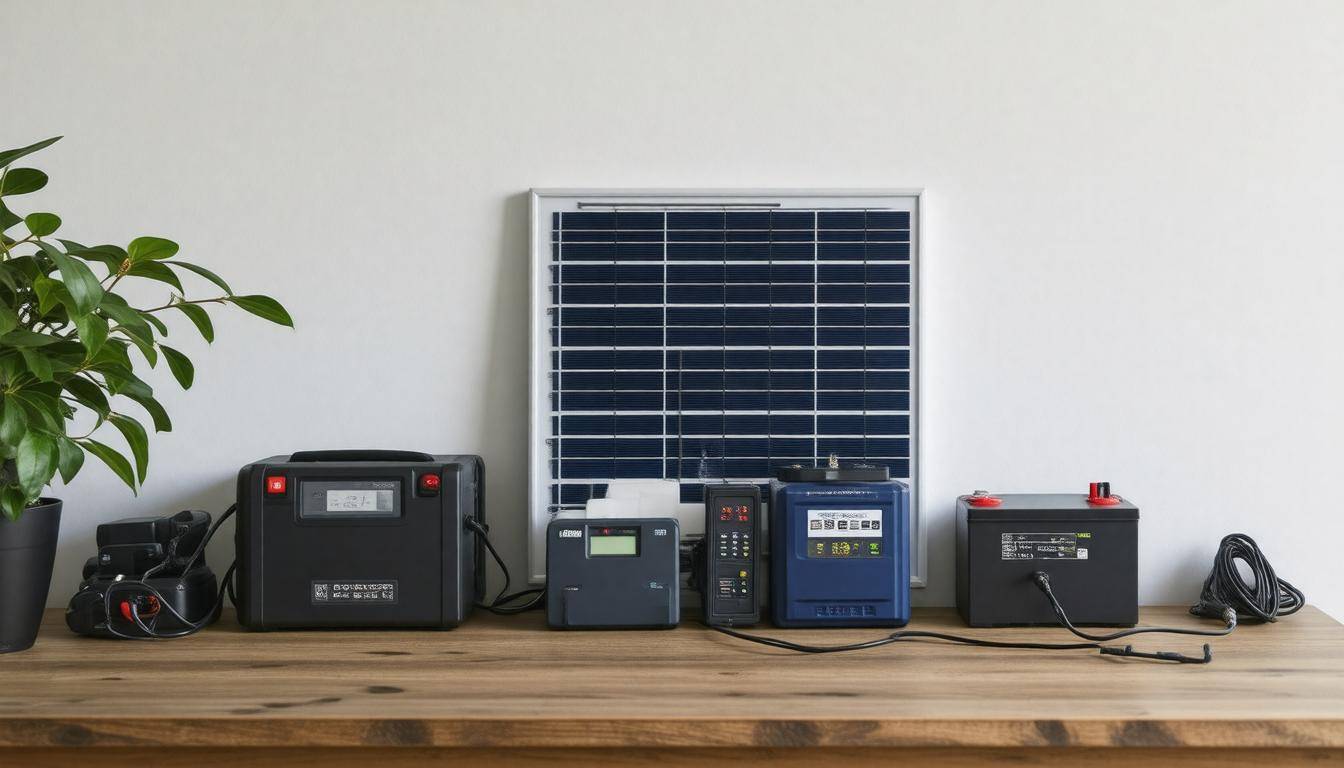
What is a Solar Home Emergency Backup System?
A solar home emergency backup system serves as a reliable lifeline during power outages by capturing and storing energy generated from solar panels into batteries. When the grid goes down, this stored energy is readily available for use, providing power to your home without the need for conventional fuels. What’s particularly compelling is that these systems utilize clean, renewable energy, making them an environmentally friendly choice for homeowners concerned about their carbon footprint.
At the heart of these systems is their ability to integrate seamlessly with a home’s existing solar panel setup. This means that while your solar panels are converting sunlight into electricity during the day, any excess energy produced can be directed into battery storage. For instance, imagine it’s a sunny summer day and your family is away from home. Your solar panels generate more energy than you actually need. Instead of letting that energy go to waste, it fills up your battery storage, ensuring that come evening—when everyone returns home and perhaps the weather takes a turn—you’ll have plenty of stored energy ready to power essential devices like lights, refrigerators, or even critical medical equipment.
Having such a system not only guarantees power availability during unexpected blackouts but also promotes a sense of independence from the traditional electrical grid.
The core components of a solar home emergency backup system include solar panels, batteries, inverters, and sometimes charge controllers or generators. Each element plays a crucial role: solar panels capture sunlight; batteries store this energy; inverters convert direct current (DC) generated by the panels to alternating current (AC), which is what your household appliances require. Charge controllers help optimize battery charging and prevent overcharging, further extending the life of your energy storage investment.
By understanding these components and how they work together, homeowners can better appreciate the value these backup systems bring to daily living and emergency preparedness. As we explore further, we’ll highlight the myriad advantages these systems offer beyond just backup power.
Benefits of Having a Solar Backup
One standout advantage is energy independence. When you harness solar energy and store it in backup systems, you lessen your reliance on the national grid. This becomes particularly crucial during power outages caused by severe weather or other unforeseen events. You won’t have to scramble to find candles or flashlights; instead, your home can remain a sanctuary where essential devices keep running, providing peace of mind that many find invaluable. Just imagine the sense of security that accompanies knowing you can power your refrigerator during an extended blackout.
Environmental Impact
But there’s more to discover! Households equipped with solar backups make a substantial impact on the environment. According to the U.S. Department of Energy, these systems can help reduce carbon emissions by about 1.3 to 1.6 tons of carbon dioxide each year. It’s not just about keeping your lights on; it’s about contributing to cleaner air and a healthier planet for future generations. Each kilowatt-hour of solar energy generated is a step toward reducing our reliance on fossil fuels, reinforcing both environmental stewardship and sustainability within communities.
Financial Savings
Now let’s explore the financial aspect; this is where the long-term advantages really shine. By using stored solar energy, homeowners can avoid peak electricity rates which typically rise during high-demand periods. You’ll find yourself essentially playing the role of the savvy consumer who knows when to shop. By utilizing cheaper stored energy, some families save anywhere from 50% to 80% on their electricity bills over time. Think about how those savings could translate into improvements around the house or even that vacation you’ve always wanted—there’s a lot of freedom associated with financial savings.
With energy independence, environmental benefits, and financial savings well-established, we can now shift our focus to examine the fundamental elements that make these backup systems work efficiently.
Key Components of a Backup System
A complete solar backup system is more than just a collection of parts; it’s a well-coordinated network providing reliable energy when you need it most. At the heart of this system are three critical components: solar panels, batteries, and inverters. Each plays a unique and indispensable role in harnessing and delivering solar energy efficiently.
Solar Panels
Solar panels are the pioneers of this energy revolution, capturing sunlight and converting it into electrical energy. The effectiveness of these panels hinges on their quality and arrangement. For example, monocrystalline panels, while more expensive, boast higher efficiency rates compared to polycrystalline panels. This means they require less space to produce the same amount of energy, which can be a significant advantage if your roof has limited real estate.
Beyond efficiency, consider the installation angle and orientation; even the best panels need optimal positioning to maximize sunlight exposure throughout the day.
It’s also worth noting that local weather conditions can impact performance. For instance, cloudy climates may necessitate a larger array or more efficient models. Thus, when selecting solar panels, it’s crucial to weigh both cost and performance tailored to your specific environmental conditions.
Batteries
After energy is generated, the next line of defense in this system is batteries, where renewable power is stored for later use. Common choices include lithium-ion and lead-acid batteries. While lead-acid batteries tend to be more budget-friendly upfront, they come with shorter lifespans and higher maintenance needs.
In contrast, lithium-ion batteries, though pricier initially, offer longer life cycles—often exceeding 10 years—and require minimal upkeep. They maintain stable output as they discharge, making them wise investments for homeowners aiming for reliability over time. Moreover, advancements in battery technology have led to options like flow batteries which provide excellent scalability and longevity but may require a bigger initial financial commitment.
Inverters
Imagine inverters as translators in your solar setup; they convert direct current (DC) produced by solar panels into alternating current (AC), which most household devices run on. Without an efficient inverter, even the most robust solar panel system could fall flat—compromising its entire functionality.
Different types of inverters are available: string inverters are commonly used for their affordability and reliability, whereas microinverters offer benefits like module-level optimization. Choosing the right inverter can significantly enhance your system’s efficiency and resilience during outages. Additionally, ensure that the inverter’s capacity aligns with your total load requirements to keep essential appliances powered smoothly.
Selecting these key components doesn’t just affect your system’s overall performance; it impacts long-term savings and energy security during emergencies as well. Taking the time to explore each part thoroughly will yield dividends down the road—not only providing immediate backup when needed but also contributing toward an environmentally sustainable future.
Next up, we will walk through how to effectively install your new system for optimal performance and reliability.
Steps to Install Your System
Installing a solar home emergency backup system can seem daunting at first, but by breaking it down into smaller steps, you’ll find that the process is not only manageable but rewarding. One of the first things you’ll want to do is conduct a thorough site assessment. This means examining your property and taking note of factors such as sunlight exposure and available space for your solar panels. A roof or area that receives abundant sunlight throughout most of the day will maximize energy yield, so feel free to take into account any obstructions like trees or tall buildings that may cast shadows.
Once you’ve evaluated your site, it’s time to select your components wisely. This involves choosing the right combination of solar panels, batteries, and inverters tailored to your specific energy needs and budget. For instance, if you have a large family with multiple electronics running simultaneously, you might need higher-capacity batteries and more efficient solar panels to meet those demands. You should also consider battery types; lithium-ion options tend to last longer and require less maintenance compared to lead-acid batteries. Understanding the various specifications will ensure you make informed choices.
Now that you have identified what you need, hiring certified professionals for installation becomes crucial. While it might be tempting to handle everything yourself, proper installation adheres to local regulations and safety standards. Certified installers possess the expertise required to navigate complex wiring and connections that can prevent backfeeding into the grid—a critical safety measure.
Remember that improper installation can void warranties or result in inefficient system performance, which is certainly something you want to avoid.
After your capable team has completed the installation, the final step involves configuring and testing the system. This is an essential phase where you’ll ensure everything functions as intended—after all, it’s not enough for parts to be installed correctly; they must work together seamlessly as well. Run through a checklist of tests: ensure that the solar panels are collecting sunlight properly, check whether batteries are charging appropriately, and confirm that inverters convert DC power from solar panels into AC power effectively for household use.
Completing these phases thoroughly sets a strong foundation for ongoing energy reliability and sustainability. Next, we’ll explore essential considerations related to regulations and best practices during installation.
Safety and Compliance Measures
Ensuring that your solar backup system adheres to all safety and compliance measures is critical. Every region has specific building codes and electrical standards that must be met to ensure safety and reliability. These regulations can vary significantly depending on where you live, which is why understanding your local requirements is the first step in the installation process.
Local Codes and Standards
Just as the foundation of a house needs to be sound to support the structure above, your solar backup system relies on a solid understanding of local codes. Different areas may have different rules regarding how much energy a home can generate and store, along with stipulations on where equipment can be placed. This is not only to protect homeowners but also to safeguard utility workers and emergency responders who might be exposed to potential hazards during power outages.
Therefore, before starting the installation, it’s wise to consult with local authorities or building professionals who can guide you on necessary permits or inspections needed for compliance.
Remember, adhering to local codes doesn’t just keep you safe; it can also affect the longevity of your system and your insurance coverage.
Safety Features
As crucial as understanding local codes is the integration of proper safety features into your solar backup system. For instance, automatic shutdown capabilities during grid failures help prevent backfeeding—a situation where excess electricity could flow back into the grid, endangering utility workers repairing downed lines. This feature acts like a safety net, ensuring that when you’re using your stored energy, anyone working on restoring power elsewhere remains safe from unexpected currents coming from your setup.
There are additional safety measures you should consider incorporating into your solar system. Ground fault protection is particularly important in preventing unsafe conditions in wet environments or during storms, while surge protection shields your sensitive appliances from spikes in voltage. Such protection could save not just parts of your system but also your entire investment.
Understanding these safety protocols and features enhances not only compliance but also the overall effectiveness of your system. As you move forward in this journey, exploring the financial implications associated with these systems will help maximize both safety and budget efficiency.
Cost and Financial Incentives
The upfront costs of installing solar backup systems can feel overwhelming. On average, these systems range from $10,000 to $30,000 depending on factors like the system’s size, type, and components selected. It’s a significant investment, there’s no denying that. However, looking beyond that initial price tag reveals a landscape filled with opportunities for savings.
While the thought of such expenses might seem prohibitive at first, it’s essential to realize that investing in a solar backup system can lead to substantial long-term savings, particularly on utility bills. Imagine reducing your monthly electricity costs while still powering your home during outages; that doesn’t just save money but also enhances your energy independence.
So, how do we reconcile that initial cost with the benefits? One major factor is the myriad of financial incentives designed to make solar solutions more affordable for homeowners. These programs significantly mitigate the initial burden when purchasing equipment.
Financial Incentives
| Incentive Type | Description | Savings Potential |
|---|---|---|
| Federal Tax Credit | A credit of 26% of total installation cost | Approximately $5,000 – $7,800 |
| State Rebates | Varies based on state regulations (e.g., $1,000 per kW installed) | Roughly $3,000 – $5,000 |
| Utility Rebates | Discounts offered by utilities for energy-efficient installations | Around $1,000 – $3,000 |
These financial incentives collectively create an attractive scenario for homeowners seeking stability and sustainability in their energy use. The federal tax credit alone can cover a significant portion of your startup costs. By claiming this credit during tax season—just as you would for any eligible upgrade—you essentially reduce your overall expenditure by several thousand dollars.
Furthermore, many states offer additional rebates or credits tailored specifically for renewable energy initiatives. Combining these state-level incentives with federal support can dramatically lower your out-of-pocket expenses.
In addition to tax benefits, utility companies increasingly implement rebate programs aimed at encouraging energy-efficient practices among customers. These rebates present another layer of potential savings—it’s almost like having an extra cushion as you take this leap into renewable energy.
The most appealing aspect here is not just the immediate financial relief but also the promise of lower electricity bills over time. Homeowners may find themselves saving an average of $1,000 to $2,000 annually on their electricity costs after strategic deployment of their solar energy system. This means that even before factoring in potential increases in local electricity rates—which commonly happen—you begin reaping rewards from your investment effectively right away.
All these factors mean that what looks like a hefty upfront investment could return dividends in both savings and peace of mind over the years to come.
For those who invest now, the payback period for these solar emergency backup systems typically ranges from 5 to 10 years, positioning homeowners not just as consumers of energy but as proactive custodians of their environmental impact—and potentially increasing their home’s value by an estimated $15,000 once solar systems are installed.
With these financial advantages in mind, understanding the available options will help direct your investment choices towards the most efficient solutions on offer. This sets the stage for exploring various high-performing models and systems that can maximize your home’s energy resilience.
Top Solar Backup Systems on the Market
Several top-tier products have garnered high praise for their efficiency and reliability. Finding the right solar backup system can significantly enhance your energy independence, especially during power outages. Let’s explore some of the leading models currently making waves in the market.
Tesla Powerwall 2
The Tesla Powerwall 2 stands out as a beacon of innovation, renowned for its sleek design that seamlessly integrates with the Tesla ecosystem. This powerhouse offers an impressive storage capacity of up to 13.5 kWh, making it one of the highest-capacity home batteries available. Not only does this system provide a reliable source of power during outages, but it also optimizes energy use during peak hours, acting like a smart companion in energy management. However, it’s crucial to note that excellence comes at a cost; the average price, including installation, hovers around $10,000. While this may seem steep, many homeowners consider it a worthwhile investment given its durability and performance.
Following closely behind, another strong contender is gaining popularity for its affordability and efficiency.
LG Chem RESU
The LG Chem RESU offers a compelling alternative with its remarkable combination of high efficiency and budget-friendly pricing. Priced around $7,000, it provides substantial savings while still delivering solid performance. The RESU series is designed to meet various household needs and can be scaled according to energy consumption patterns. Many users appreciate its compatibility with multiple inverters and its ability to integrate seamlessly into existing solar setups. If financial considerations are at the forefront of your decision-making process, the LG Chem RESU is indeed a strong competitor worth considering.
For those who prioritize eco-friendliness along with commendable functionality, there’s yet another option that shines brightly.
Sonnen Eco
Enter the Sonnen Eco, known for its commitment to sustainability. Its focus on using sustainable materials and renewable energy sources resonates well with eco-conscious consumers looking for both functionality and environmental responsibility. Priced at around $12,000, the Sonnen Eco emphasizes quality by offering an extended warranty period compared to competitors. This aspect has made it popular among users seeking peace of mind alongside their purchase. By choosing the Sonnen Eco, you’re investing in a product that aligns with sustainability values while ensuring reliable energy backup.
Each of these systems has distinct advantages that can cater to different homeowner needs, paving the way for ongoing advancements and innovations in energy solutions. As we look ahead, it’s essential to examine where this technology is headed next.
Future Trends in Solar Backup Technology
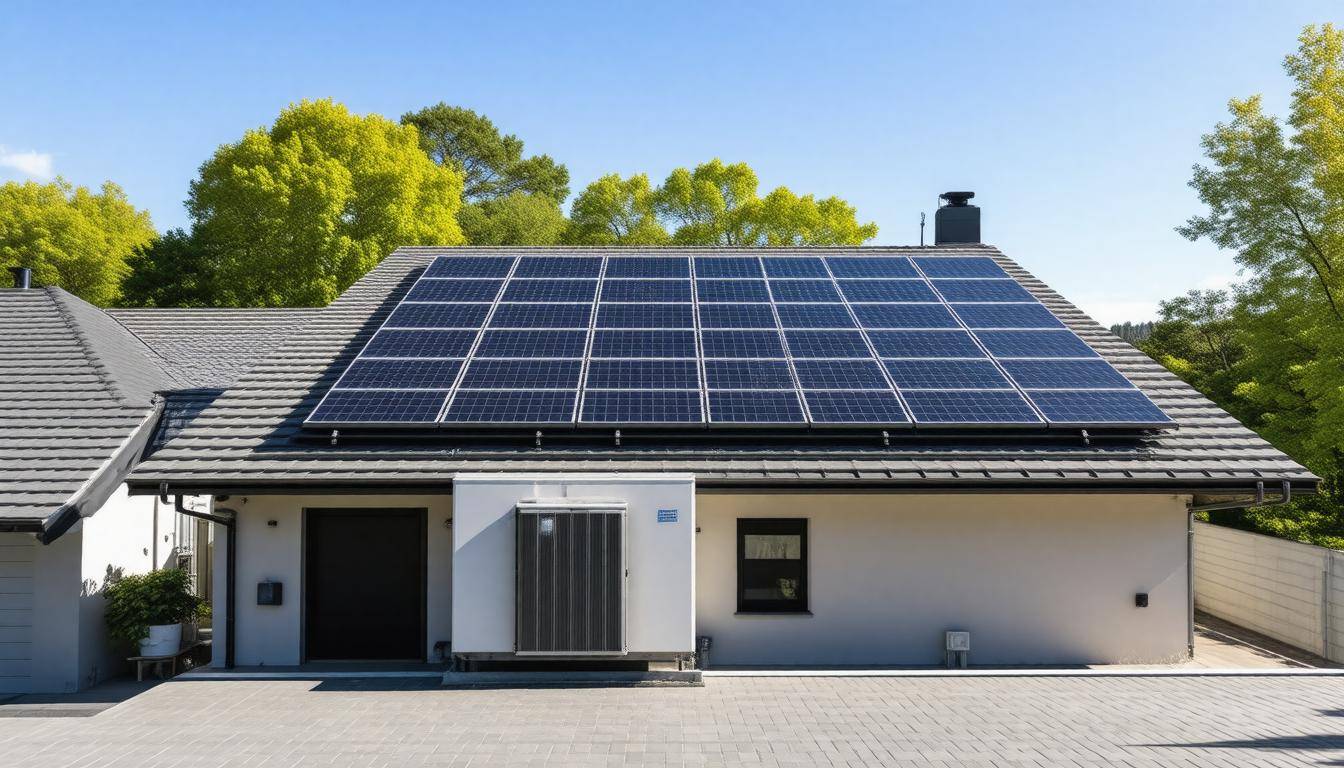
The future of solar backup systems appears bright, driven by continuous innovations and a collective push for sustainable energy solutions. One major focus is increasing efficiency. There’s a growing expectation that both solar panels and storage batteries will see substantial improvements in how much energy they can generate and hold. New materials like perovskite solar cells are paving the way for more affordable and efficient options, making these systems more cost-effective and reliable over time. This makes installing a solar backup system an increasingly smart investment.
But efficiency alone isn’t enough; the integration of artificial intelligence (AI) is poised to further revolutionize our energy landscape.
AI technology can intelligently manage energy storage and consumption by analyzing data patterns from homeowners’ usage and adjusting accordingly. Imagine a system that knows when your appliances use the most power during the day and optimizes energy production to match those demands. Such systems would enable even novice users to maximize their savings effortlessly—making solar energy smarter and more accessible than ever before.
Moreover, as technologies progress, we may soon see a paradigm shift toward grid independence. In the near future, the idea of complete independence from conventional power grids might transition into reality. This shift could empower homeowners to rely solely on their solar backup systems for all their energy needs, fundamentally transforming our approach to energy consumption.
The National Renewable Energy Laboratory (NREL) is already researching advanced technologies like bifacial perovskite solar cells that could lead this innovation forward.
With these trends in mind, as you consider installing or upgrading a solar backup system, it’s important to stay informed about emerging technologies that continue to enhance energy production and storage capabilities.
Keeping abreast of these developments ensures that you can make informed decisions about your home’s energy future while maximizing potential benefits. Embracing these advancements will allow you to harness renewable energy effectively.