
When it comes to emergencies, having the right tools can make all the difference between chaos and a sense of control. Imagine being in a blackout or stranded in the wilderness, with no way to charge your phone or see what’s around you. This is where solar-powered tools come into play, offering reliable solutions that use sunlight to keep us connected and safe even when traditional power sources fail. These innovative gadgets not only help ensure that you have light and communication but they also contribute to a more sustainable future by harnessing renewable energy. Let’s dive into some of the best solar-powered tools you can include in your emergency preparedness kit!
Recommended solar-powered tools for emergency use include solar chargers, portable power banks, and solar flashlights. These tools harness renewable energy to ensure you have access to electricity during outages or in remote locations, making them essential for any emergency preparedness kit.
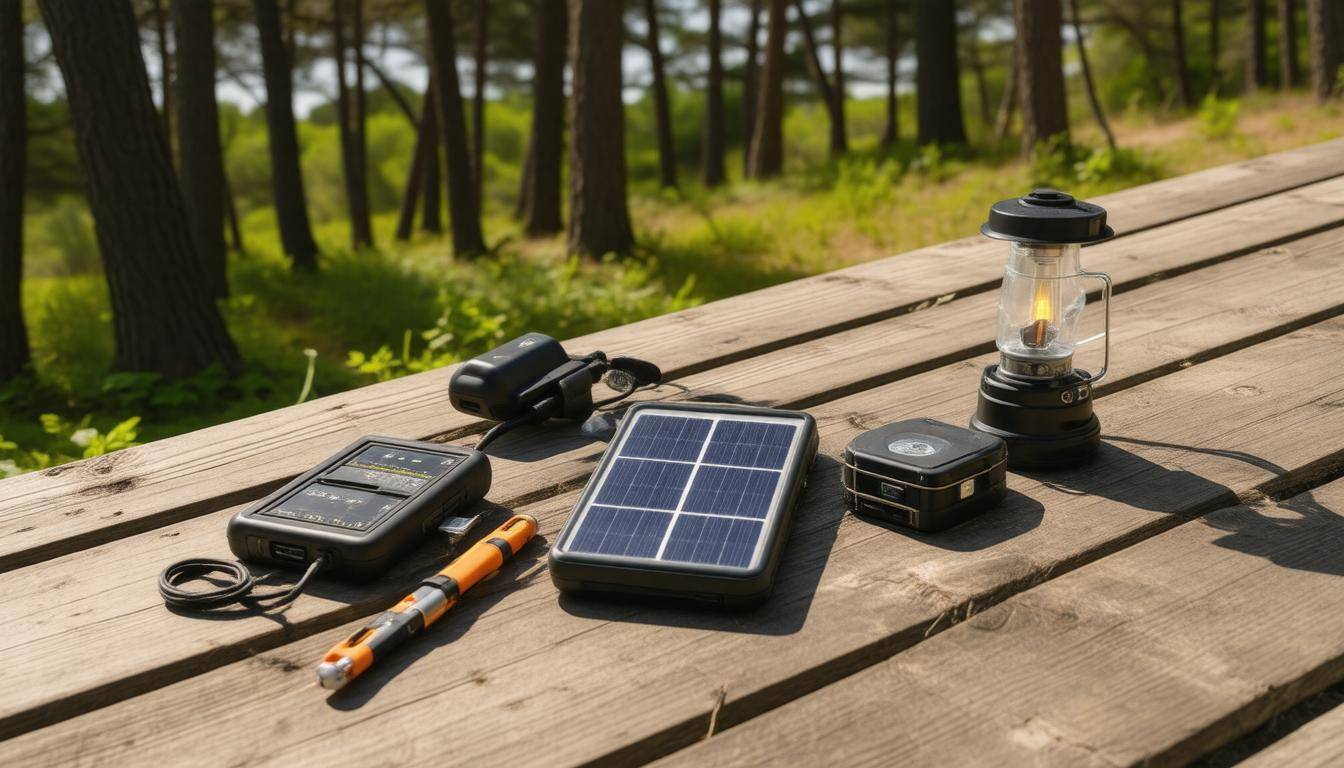
Top Solar-Powered Tools for Emergencies
Among the many exceptional solar tools available, the BigBlue 28W Solar Charger stands out prominently. This portable charger harnesses sunlight brilliantly, providing a reliable power source for your devices. With its sleek design and lightweight structure, it can easily be nestled in your emergency kit or backpack. Imagine being able to charge your smartphone in just a few hours, allowing you to stay informed and communicate with loved ones during crucial moments when traditional electricity isn’t an option.
Next on the spectrum of solar-powered solutions is the Goal Zero Yeti 150 Solar Generator. This device is a powerhouse; it’s capable of running larger appliances such as mini-fridges and medical equipment—precious resources during an emergency situation. The generator’s versatility means it can also charge laptops, cameras, and lights, making it an invaluable companion whether you’re dealing with a natural disaster or planning a weekend camping trip.
The beauty of solar technology lies in its ability to provide clean energy, particularly in crisis situations where local grids might be compromised.
Complementing these tools is the Eton FRX5-BT, an all-in-one solution that combines a solar radio, flashlight, and smartphone charger. Its compact build makes it easy to transport while still packing a punch with functionalities that can make a significant difference in an emergency. Equipped with various charging methods—including solar power—the Eton FRX5-BT ensures that even if you’re outdoors or away from conventional power sources, you can remain updated through radio broadcasts while keeping your devices charged.
One aspect often overlooked when considering solar-powered tools is their environmental impact. Each innovation contributes not only to personal safety but also to reducing our carbon footprint—perfectly aligning with the goals laid out by the Solar Energy Industries Association (SEIA). By utilizing renewable resources like sunlight, we lessen our dependency on fossil fuels and enhance our collective efforts towards sustainability.
Recognizing the importance of remaining connected and prepared during emergencies highlights the necessity of having reliable lighting options. As we explore further, we’ll take a closer look at some ideal illumination solutions that fit this bill.
Best Solar Flashlights and Lanterns
A reliable light source can be a beacon of hope when you’re in a dark situation, especially during a power outage or while camping outdoors. Solar-powered flashlights and lanterns are gaining popularity not just for their functionality but also for their environmentally friendly design.
For instance, take the ThorFire Solar Flashlight: it features both hand crank and solar panel charging options, ensuring you’ll have light when you need it most. You can enjoy up to four hours of illumination from a single charge, providing peace of mind.
In addition to flashlights, solar lanterns like the LuminAID PackLite have become quite popular among campers and emergency kits alike. This collapsible lantern can deliver up to 24 hours of light on one full charge! Imagine setting up camp at twilight and enjoying your evening without worrying about batteries or finding a way to recharge in the wild.
A hiker from Colorado once shared an experience where they faced a sudden snowstorm, relying on the LuminAID PackLite. Not only did its portability shine through, but its extended battery life became invaluable during that trying time, proving that good gear can make all the difference.
Choosing the Right Solar Tools
When selecting your solar tools, there are several factors to consider beyond simply their brightness. First, reflect on how often you’ll use the device; for regular camping trips or potential emergencies, something like the Goal Zero Lighthouse 400 might be ideal due to its USB recharging option and adaptable brightness settings. Depending on your needs, this could provide the perfect balance between convenience and versatility.
To maximize functionality and beauty in your camping gear, consider tools that combine aesthetics with performance. Many brands now emphasize designs that look as good as they function. Not only will they serve practical purposes, but they also add visual appeal to your setup—think vibrant colors or sleek lines that complement nature’s own palette.
As we keep our lighting needs in check during emergencies, it’s equally imperative to ensure our communication devices remain powered. Next, let’s explore the portable solar solutions specifically designed to meet those charging demands.
Efficient Portable Solar Chargers
Keeping communication devices like smartphones and radios charged ensures you can call for help or receive important updates, especially when conventional power sources are unreliable.
When it comes to portable solar charging, two standout options are the Anker PowerPort Solar Lite and the RAVPower 24W Solar Charger. These models exemplify how solar power can seamlessly integrate into your outdoor adventures or emergency kits.
The Anker PowerPort Solar Lite is a foldable solar charger known for its lightweight design and efficiency. It takes about 3-4 hours of direct sunlight to recharge a smartphone, making it an ideal choice for quick recharges on the go. The compact, foldable nature keeps it portable, ensuring that you don’t have to compromise on weight while packing.
Similarly, the RAVPower 24W Solar Charger enhances convenience by offering multiple USB ports, allowing you to charge several devices simultaneously. Though it takes slightly longer at around 4-5 hours for charging, this model’s ability to power up multiple devices means you can keep your phone and a friend’s device going at the same time—definitely a plus in any camping or emergency scenario.
| Product | Charging Time | Ports | Price |
|---|---|---|---|
| Anker PowerPort Solar Lite | 3-4 hours | 2 | $59 |
| RAVPower 24W Solar Charger | 4-5 hours | 3 | $79 |
While reviewing these tools, it’s also essential to consider factors affecting reliability, such as sunlight exposure and weather conditions.
Factors like the angle of sunlight and intensity of cloud cover play significant roles in how efficiently portable solar chargers operate. A clear, sunny day will produce optimal results compared to overcast conditions.
It’s advisable to set up your solar charger in a location with unobstructed access to sunlight for maximum efficiency. Avoid shaded areas from trees or structures; just because the sun is out doesn’t guarantee full functionality if nearby shadows block its rays. In some cases, using a kickstand or adjusting your charger’s angle slightly can enhance performance as well.
When shopping for solar chargers, look for robust build quality as well. Chargers designed for outdoor use often withstand drops and scuffs better than their indoor counterparts. That durability can make a huge difference when your gear gets tossed around during travel or emergency situations.
Investing in high-performing solar chargers not only prepares you for unexpected outages but also equips you with ongoing utility during camping trips or outdoor activities.
As we consider these essential tools for emergencies, it’s important to further explore the underlying criteria that ensure their reliability in various scenarios.
Key Factors for Device Reliability
The reliability of your solar-powered tools is paramount, especially during emergencies when every second counts. One critical aspect to consider is Weather Resistance. When you face the unpredictability of nature, it’s vital that your tools withstand harsh conditions without faltering. This often comes down to their IP (Ingress Protection) rating. Devices with an IP rating of at least 65 are designed to be dust-tight and can handle low-pressure water jets, offering peace of mind when unexpected weather strikes.
In tandem with weather resistance, flexible Battery Storage Capacity plays a vital role in determining how long your device can supply power when sunlight is unavailable. Seek out tools that charge quickly and store energy efficiently for later use. A minimum capacity of 2000 mAh is generally recommended for most emergency applications. This guarantees that even with little sunlight, you’ll still have a reliable power source on hand.
As noted earlier, selecting products like the Goal Zero Yeti series ensures you’re equipped with items capable of functioning in temperatures ranging from -4°F to 140°F. This wide operating temperature range means peace of mind, knowing you can depend on these tools regardless of environmental challenges.
Beyond just durability and battery life, there are several additional considerations that can enhance your tool’s efficiency.
Another consideration is Solar Panel Efficiency, which measures how effectively a panel converts sunlight into usable energy. It’s advisable to choose devices with solar panels rated at least 15% efficiency to ensure you’re making the most out of available sunlight. Pair this with systems that allow for quick charging—typically within 6-8 hours of direct sunlight exposure—and you’ll maximize your readiness for emergencies.
Additionally, it’s critical to prioritize tools that maintain functionality across a variety of environments. Devices should ideally operate successfully in temperature ranges between -20°C and 60°C (-4°F to 140°F). This versatility ensures they can handle both cold and hot conditions—whether you’re faced with freezing winters or blistering heat waves.
With these key factors in mind, ensuring that your solar-powered devices remain effective is crucial for unexpected situations. As you gear up for potential emergencies, think about how building out a comprehensive toolkit will further bolster your preparedness.
Building a Complete Solar Emergency Kit

As you contemplate your solar emergency kit, it’s essential to understand that each component forms part of a cohesive unit, ready to tackle various challenges.
You might start by selecting essential tools: think of a versatile solar-powered flashlight that not only illuminates your path during power outages but can also double as a signaling device in emergencies. Alongside this, a portable solar charger will enable you to keep your devices alive, ensuring communication remains possible even when the main power supply is down.
Perhaps one of the most impactful elements is a solar generator—this robust tool allows you to run larger appliances or multiple devices, acting as the backbone of your shelter when traditional sources fail.
Once you’ve gathered those pivotal items, consider adding additional gadgets such as a solar-powered radio. Staying informed during emergencies is particularly vital; with NOAA weather alerts at your fingertips, you’ll stay aware of evolving situations in real-time.
Additionally, including a solar water purifier—like the SteriPEN Ultra—is crucial for safe drinking water. In dire times, having access to clean water can mean the difference between life and death.
Now that you’ve got your core tools lined up, don’t forget about backup batteries, which play an often-underestimated role in maintaining power continuity for all your devices.
Including extra rechargeable batteries that are compatible with your tools ensures you’re not left stranded with dead devices when you need them most. Ideally, these batteries should be easy to swap out and recharge using your solar gadgets.
This small detail can dramatically enhance the effectiveness of your kit, as having power readily available keeps your critical devices operational for extended periods.
To pull everything together efficiently, consider secure storage options for your kit. A waterproof and durable bag serves not only to protect your equipment from the elements but also makes for easy packing and transport.
When every second counts during an emergency, having all necessary tools stored in one easily accessible location can greatly improve response time and reduce stress.
It’s worth reflecting on how preparation can make a significant difference. During California wildfires, many families discovered the value of a comprehensive solar emergency kit when evacuation orders abruptly cut off traditional power sources. Their well-prepared kits became indispensable lifelines, illustrating just how crucial proper planning can be.
With these essential aspects of an effective solar emergency kit in mind, it is important to explore some cutting-edge technologies designed specifically for challenging situations.
Must-Have Survival Gadgets
In a survival situation, having the right tools at your disposal can truly elevate your game. Among these tools, the Biolite Camp Stove stands out not only as an efficient cooking device but also as a portable charger for your gadgets. Imagine being deep in the wilderness, where traditional power sources are non-existent; this stove allows you to cook meals while keeping your devices charged, ensuring you stay connected or can use important tools like GPS and emergency lights.
Another essential is the Survivor Filter Pro, which showcases the innovative intersection of solar power and water filtration. This gadget ensures that you have access to clean drinking water by using solar energy to filter out contaminants. When you’re in dire straits, knowing that you can securely hydrate with naturally sourced water is invaluable. It could mean the difference between life and death.
Consider this: during my own backpacking adventures, I often relied on both the Biolite Camp Stove and the Survivor Filter Pro. The peace of mind they provided was unmatched—I would cook over a warm flame while filtering fresh water, combining efficiency with sustainability.
But there’s more to consider when it comes to ensuring continuous power during emergencies.
Portable solar panels play a critical role in maintaining energy independence for campers and survivalists alike. These lightweight, foldable panels harness sunlight and convert it into usable energy. Ideally, look for units rated around 50W or higher; this capacity allows you to charge multiple devices simultaneously—from small electronics like phones to larger equipment such as battery banks. Your ability to generate power on-the-go means you won’t be left in the dark when traditional power sources fail.
When choosing a solar panel, focus on these important specifications:
- Lightweight design for easy transport
- Durability to withstand harsh weather conditions
- Versatility—look for models with multiple USB ports or connections for various devices
In addition to solar panels, investing in durable backup batteries is essential. These batteries should boast a minimum capacity of 10,000mAh so they can store adequate energy for extended use. Think of them as your lifeline during those unpredictable moments—when the sun isn’t shining bright enough or you’re caught in unexpected weather.
Finally, let’s not overlook multi-functional solar tools that combine several capabilities into one handy package.
Multi-functional solar gadgets often come equipped with integrated LED lights, USB ports for charging gadgets, and built-in rechargeable batteries. Their convenience cannot be overstated—imagine having a single device that acts as a flashlight, charger, and even a source of emergency backup power. It’s an all-in-one solution that simplifies your gear load while enhancing preparedness.
As we navigate through these essential gadgets, let’s segue into exploring how additional equipment can offer further support when navigating unexpected challenges.
Using Solar Panels for Extra Support
Solar panels are not merely trendy additions to homes; they represent an essential lifeline in times of crisis. When emergencies strike, such as natural disasters or unexpected power outages, a solar panel system can keep your essential devices running smoothly. It’s akin to having a financial cushion during tough economic times; it’s there to support you when you need it the most.
The Renogy 100W Solar Panel Kit, for instance, stands out due to its impressive efficiency and user-friendly installation process. This kit enables you to tap into the sun’s energy effortlessly, allowing you to charge everything from smartphones to portable batteries with ease.
But there are also budget-conscious options like the HQST 100W Polycrystalline Solar Panel that don’t skimp on performance. Both alternatives offer sustainable electricity, crucial during extended emergencies where access to power is sporadic or entirely cut off. Just imagine the ability to cook meals using appliances or charge communication devices without relying on a conventional power outlet—it’s not just empowering; it provides an invaluable degree of security.
Navigating through moments of uncertainty becomes less daunting when you know you can harness renewable energy right at home.
Looking back at events like the prolonged blackout in Puerto Rico in 2017 illustrates just how vital these systems can be. People who had already invested in solar panels were able to sustain their daily routines while others struggled without basic resources. These installations made all the difference, turning what could have been weeks of discomfort into manageable experiences. It’s a testament to the resilience that solar power can provide when infrastructure falters.
Maximizing your solar-powered tools involves understanding a few simple strategies that will enhance their effectiveness.
First, it’s crucial to ensure your solar panels are clean and free of debris regularly so they can absorb sunlight efficiently. Even something as minor as dust can compromise their performance over time. Additionally, positioning your panels properly is key—direct sunlight will yield far better results than shaded spots. It may require some trial and adjustment, but finding that sweet spot will significantly increase your power output during critical times.
Remember that relentless sun? Think of it as your friend trying to help you out during a rough patch—make sure it has clear access!
Investing in battery storage systems in conjunction with your solar panels is another smart move. This combo stores energy for use during cloudy days or nights when sunlight isn’t available. A well-maintained battery bank allows you to tap into saved energy even when the sun isn’t shining, ensuring that you’re always equipped with reliable power no matter the circumstance.
As solar technology advances rapidly, embracing these tools makes good sense both economically and practically as we face increasing unpredictabilities in our energy landscapes.
Understanding how to harness these innovations effectively will further empower you in challenging situations ahead. Let’s now explore some practical ways to utilize these technologies during emergencies.
Smart Usage Tips in Crisis

Efficient use can dramatically extend the life and utility of your solar-powered tools, turning them into valuable assets when you need them most. Start by ensuring that you optimize sunlight exposure. Position your solar panels and chargers where they will receive direct sunlight for the vast majority of the day.
This may involve moving panels as the sun begins to shift positions or even adjusting the angle of panels to maximize their ability to capture sunlight. Remember that every degree counts; being mindful about orientation can improve efficiency by as much as 20%.
Next, consider actively managing power consumption during an emergency. With limited battery storage, it’s crucial to conserve power by using devices sparingly and focusing on essential functions first. For instance, if you’re running multiple gadgets off a single power bank, prioritize charging only devices critical for survival—like flashlights, radios, or communication devices—before anything else. That might mean holding off on powering smaller items until you’re sure you have enough battery retained for basic needs.
In times of crisis, such as after Hurricane Harvey, residents who actively managed their limited resources saw significant improvements in their situation through judicious use of available sunlight. This anecdote serves as a powerful reminder: being strategic can make all the difference.
Additionally, consider investing in energy storage solutions. Pair your solar panels with a good quality battery system that allows you to store excess energy for nighttime or cloudy days. The key here is to think ahead; planning for periods when sunlight isn’t abundant ensures you won’t be left in darkness should an emergency situation arise unexpectedly.
If you want to prepare yourself better for potential emergencies, visit our site for more detailed guides and top product recommendations that will ensure you’re well-equipped when it counts. Your ability to efficiently utilize solar-powered tools could very well determine your comfort and safety in challenging situations.
In sum, maximizing sunlight exposure and managing your power consumption are vital strategies that enhance the effectiveness of your solar-powered tools during an emergency. Prepare yourself today to stay safe tomorrow.