
When it comes to living in areas prone to earthquakes and tsunamis, having a safety plan isn’t just smart—it’s essential. These natural disasters can hit without a moment’s notice, leaving little time to react or prepare. That’s why putting together an earthquake and tsunami kit for your family should be one of your top priorities. Knowing you have the right supplies can bring peace of mind, especially when you’re faced with the unpredictable forces of nature. In this guide, we’ll walk through what to include in your kit and how to ensure everyone in your household is ready should the ground start shaking or waves begin rising. Let’s explore how simple preparations can make a world of difference in keeping your loved ones safe.
A Solomon Islands Earthquake & Tsunami Kit should include essentials such as water purification tablets, non-perishable food supplies (like canned goods), a first aid kit with bandages and medications, flashlights with extra batteries or solar chargers, and blankets or tarps for shelter. It is crucial to ensure that all family members are aware of the kit’s location and contents for effective emergency preparedness.
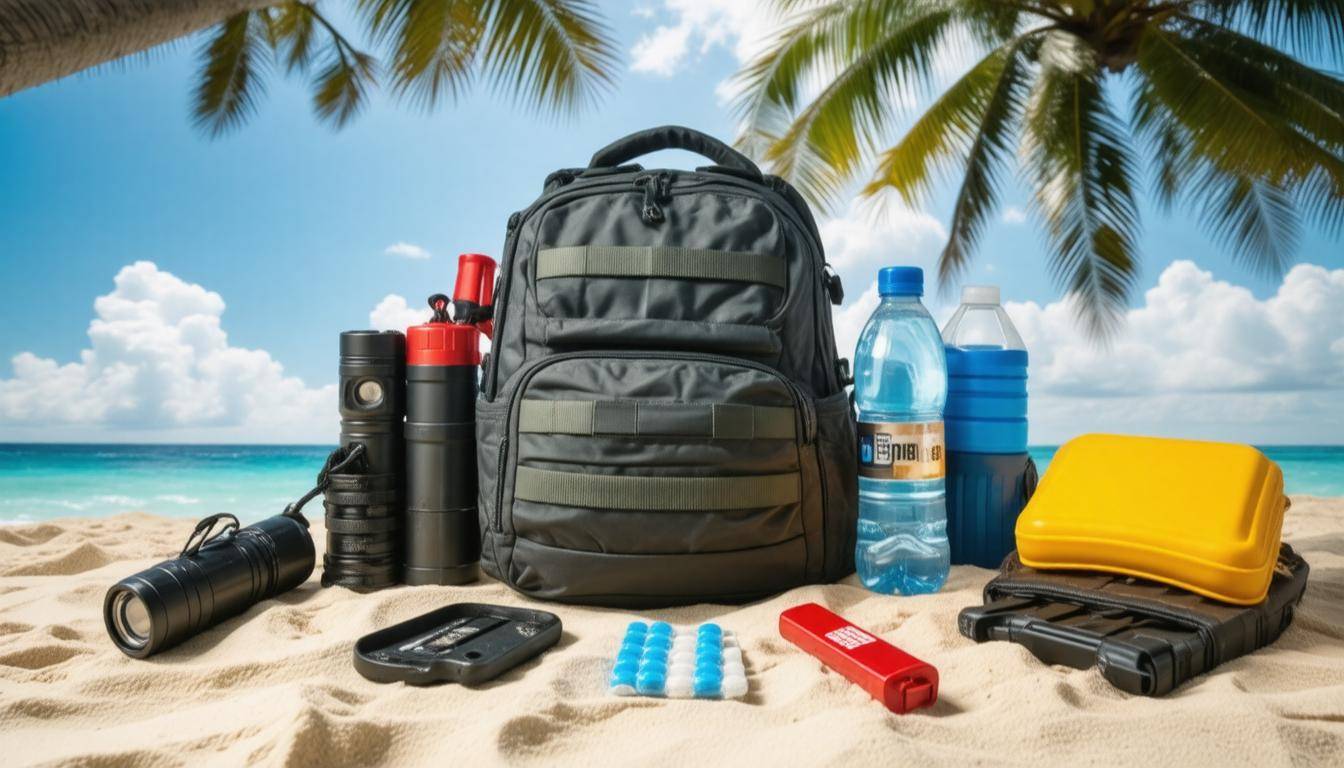
Essential Items for a Solomon Islands Earthquake & Tsunami Kit
When it comes to putting together an earthquake and tsunami kit for the unique challenges faced in the Solomon Islands, planning is key. The goal is to have everything you need in one place so you’re not scrambling when disaster strikes.
To start, water is your most crucial resource. Aim for at least three liters per person per day, stored safely and ready for a minimum of three days. Water purification tablets are essential if supplies run low; they can help ensure that even local water sources will be safe for drinking. Just remember: keeping hydrated is your top priority!
Next in importance is non-perishable food, which should provide a minimum of 2,000 calories per person each day. Think beyond just canned goods; include energy bars, nut butters, and dried fruits. These foods are easy to store and carry but also nutritious options that require little preparation. This way, you can focus more on keeping yourself safe rather than worrying about cooking or preparing meals in dire situations. Include meal replacements or protein powders, especially if you’re concerned about managing nutrition during extended emergencies.
Packing a variety of non-perishable food supplies keeps everyone in your household well-fed and energized during any wait for rescue or recovery.
Specialized Tools
Now let’s talk about tools—these items can truly enhance your ability to respond effectively during emergencies. A sturdy flashlight with extra batteries is non-negotiable; consider solar-powered options as sustainable alternatives. Pair it with a whistle to signal rescuers if you’re trapped or in distress—it’s far more effective than shouting when you’re trying to conserve energy. Additionally, don’t underestimate the practicality of a multi-tool; these compact devices offer versatility such as cutting ropes or opening cans without relying on single-purpose gadgets unsuitable for your survival needs.
Many who experienced the September 2013 Lata earthquake will attest that multi-tools were invaluable: survivors used them for various tasks—from cutting through debris to accessing food supplies while trapped.
With these essential items dispatched within your kit—food, water, and necessary tools—you are well-prepared to face potential disasters. However, it’s equally important to think about other items that may enhance comfort during times of hardship or prolong survival while awaiting assistance.
Additional Considerations
After equipping your kit with the basics, consider adding personal touches such as hygiene items like biodegradable soap and toothbrushes; this can improve quality of life amid challenging circumstances. Emergency blankets are also worth considering—they’re compact and designed to retain body heat when temperatures drop unexpectedly.
As you gather essentials for your safety kit, keep in mind the critical role that proper food and water supplies play in ensuring resilience during emergencies.
Food and Water Supplies
In the Solomon Islands, where natural disasters can strike without warning, having adequate food and clean drinking water is vital for survival. You need to ensure that these supplies will sustain you and your family for at least 72 hours following an earthquake or tsunami, as help might be delayed due to infrastructure damage.
Water Storage and Purification
A general guideline is to store one gallon of water per person per day. This doesn’t only cover hydration but also sanitation needs—think washing hands, brushing teeth, and more. If cumbersome water storage isn’t feasible in your household, consider investing in water purification tablets or a portable water filter like the LifeStraw, which provides a reliable backup for drinking water when access becomes restricted.
Additionally, always keep an eye on your stock; even the most well-prepared families can overlook their supply status until it’s too late.
Remember: After an emergency occurs, local water sources may become contaminated. Treating all water collected from natural sources is crucial before consuming it.
Selecting Non-perishable Foods
When it comes to food, selecting non-perishable items ensures you have ample nutrition without worrying about spoilage. Some ideal options include canned meats and vegetables; these provide essential proteins and micronutrients while having a long shelf life. Think about your child’s favorite high-energy snacks—granola bars make excellent choices for quick energy boosts when stress levels are high.
Essential food items for your kit might include:
- Canned meats (like tuna or chicken) to provide protein
- Dried fruits and nuts that offer antioxidants and healthy fats
- High-energy snacks such as granola bars for bursts of energy
According to guidance from the Red Cross, an average adult should consume around 2,000 calories per day. Therefore, when planning your supplies, calculate your family’s caloric needs thoughtfully to ensure everyone will have adequate nutrition during an extended crisis.
Taste Matters Too
Don’t forget that while practicality is key, you want to select foods that appeal to your family’s taste preferences. The last thing you want after an exhausting evacuation or disaster situation is people refusing to eat what’s available. Consider including a few comfort food options in your stash—these could be simple things like instant noodles or even packets of hot chocolate—as they can boost morale amidst anxiety.
As we focus on the essentials of keeping nourished during emergencies, it’s equally important to address the medical needs that accompany such preparations and maintain overall health.
First Aid and Medical Needs
When an earthquake or tsunami strikes, injuries can range from minor scrapes to more serious wounds. Having a well-stocked first aid kit isn’t just a good idea; it can truly be a lifesaver. Imagine not being able to find essential supplies when you need them most—this is why preparation is key.
Essential Medical Supplies
Your first aid kit should begin with the basics, such as sterile bandages to cover cuts and abrasions, antiseptic wipes to cleanse wounds, and adhesive tape to secure those bandages in place. Adding scissors and tweezers can help you handle any splinters or debris efficiently: scissors for cutting gauze or tape, while tweezers assist in removing foreign objects safely. Pain relievers like ibuprofen or acetaminophen are essential for managing discomfort that may arise due to injuries or stress.
It’s crucial to tailor your kit according to personal needs; therefore, don’t forget to include personal prescription medications, whether they are for chronic conditions or temporary illnesses. Keeping a spare pair of prescription glasses and an emergency medical information card with details like allergies or existing health conditions offers added safety during tense moments.
Health-Specific Items
In the Solomon Islands, where diseases like malaria and dengue fever pose significant risks, enhancing your first aid kit with preventive measures is vital. You should include insect repellent containing DEET, which helps ward off mosquito bites, and consider adding mosquito nets if you anticipate needing shelter outdoors post-disaster.
Staying hydrated is critical in any emergency scenario, particularly after a natural disaster when access to clean drinking water might not be guaranteed. That’s why storing electrolyte powders becomes imperative as these can help replenish lost fluids and nutrients. With tropical climates heating up quickly, dehydration can sneak up on even the most cautious individuals, so it’s wise to have options available.
As we explore preparations for outdoor situations during emergencies, let’s turn our attention towards considerations for maintaining safety while utilizing portable living solutions.
Portable Shelter Considerations
Durable and portable shelters are essential when disaster strikes, as they protect against the elements and provide a safe space for recovery. The Solomon Islands’ unique geography makes lightweight tents, tarps, and even bivy sacks excellent choices due to their ease of transport and setup.
When selecting a shelter, focus on materials that can withstand moisture and offer sufficient insulation; after all, you never know what environmental challenges you might face in a crisis.
Types of Portable Shelters
Opt for lightweight tents, tarps, or bivy sacks that are easy to set up. For instance, ultralight tents from brands like MSR or Mountain Hardwear not only provide excellent protection against rain and wind but also ensure quick deployment during stressful situations. Remember, when time is of the essence during an emergency, every second counts—the simpler your shelter is to pitch, the better off you’ll be. Additionally, consider inflatable options; while they can be a bit bulkier, they allow for quick deployment if you have access to a power source.
Choosing a shelter isn’t solely about weight; size matters too. For comfort, aim for tents with a minimum inner space of 3.5 square meters per person. This ensures that you won’t feel cramped and have room for your gear. Depending on your situation, family-sized tents accommodating 4-6 people are preferable so everyone has a place to rest securely.
Sleeping Gear
Including proper sleeping gear in your kit significantly enhances your refuge’s comfort. Always pack sleeping bags rated for local climate conditions—this will help keep you warm during chilly nights. Moisture-resistant mats are equally important because they provide insulation from cold ground and keep you dry. Survivors of past disasters often emphasize how having thermally insulated and waterproof sleeping gear has greatly improved their well-being during outdoor stays. It’s worthwhile to invest in quality equipment since this could be your home for an extended period.
In a world where disasters can arrive unannounced, having portable shelters equipped with the right sleeping gear provides vital support when it’s most needed.
Understanding how to effectively pack and organize your shelter essentials will further bolster your preparedness efforts in times of crisis.
Packing the Kit Correctly
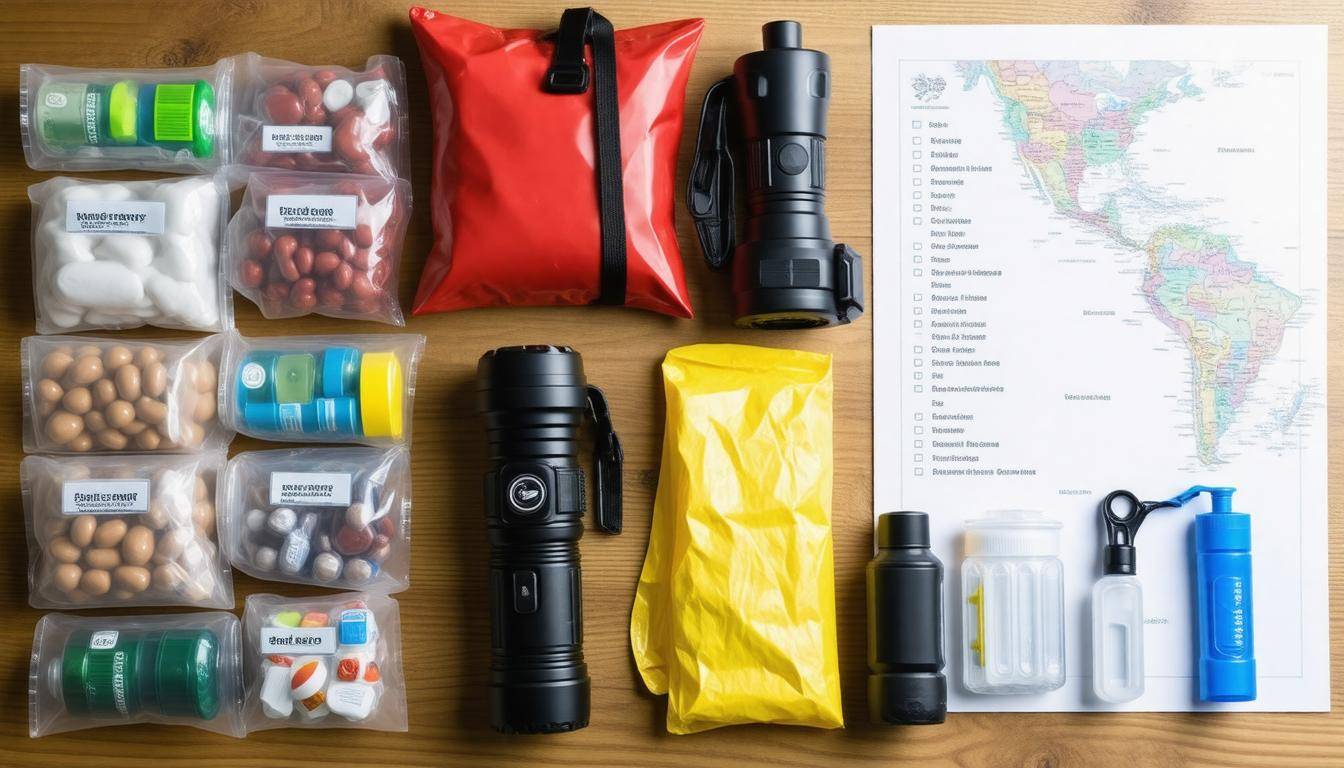
When putting together your earthquake and tsunami kit, one key factor to consider is organization. Efficient packing ensures that essential items are easily accessible when you need them the most. Imagine needing emergency supplies but having to rummage through a chaotic mess—that’s not only frustrating but can also be dangerous in a rush.
Organization Tips
To avoid this scenario, use clear, waterproof bags to categorize items by their purposes, such as food, first aid, and tools. This way, each category is easily identifiable at a glance. If you haven’t already considered them, modular packing cubes can be a game changer; they keep everything tidy and allow for quick access. For example, you could have a red cube for medical supplies and a blue one for food items. This visual cue saves time during an emergency when every second counts.
The importance of labeling cannot be overstated either. A simple tag or a permanent marker on the outside of each bag can help everyone in your household know exactly where the essentials are located without confusion.
Weight Distribution
As you think about organizing your items, weight distribution becomes crucial too. Heavier items should be placed at the bottom of the backpack and closer to your back to maintain balance and make it easier to carry. Vital supplies like first aid kits and water bottles should be positioned so that they can be quickly retrieved from the top or side pockets—imagine being able to grab your water bottle without having to dig through layers of gear.
This balanced packing method not only enhances comfort while carrying but also means that you won’t be thrown off balance in an evacuation situation.
Furthermore, it’s good practice to periodically check your kit and rotate certain perishable items like food or any medications. Replace expired products with new ones so that you’re never caught off guard when calamity strikes. In doing so, you assure yourself that each component of your kit is current and functional.
By focusing on organization and weight distribution, you’re laying a solid foundation for effective preparedness. It’s equally important to ensure that your emergency provisions are accessible and practical for all family members during an actual crisis scenario.
Safety and Accessibility Tips
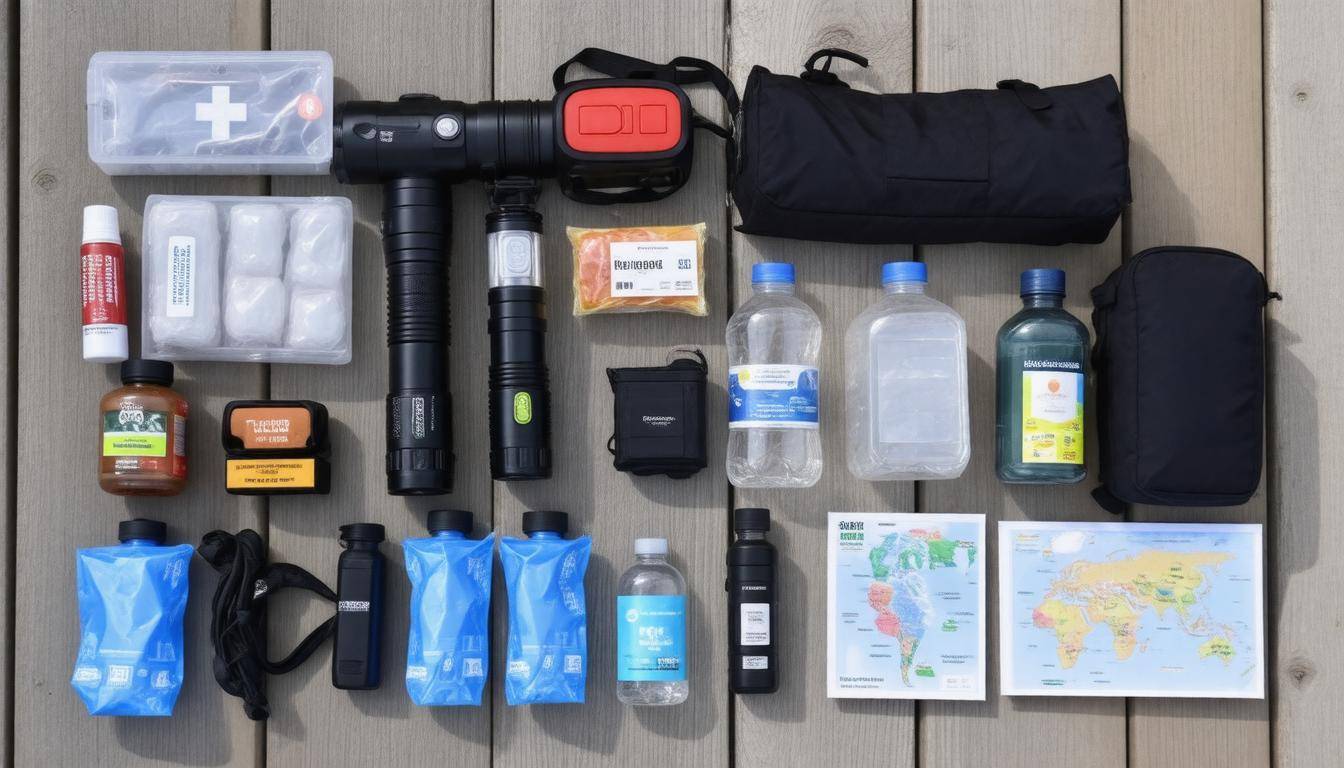
Securing your emergency kit properly begins with selecting the right storage location. It’s wise to choose spots that are out of the way of typical foot traffic but easy to reach in an emergency. For example, placing your kit under the bed may seem unconventional, but this kind of storage keeps it close at hand without cluttering main living areas. Similarly, a hallway closet makes for an ideal choice since it allows quick access while remaining contained.
However, don’t overlook the fact that every family member should know exactly where the kit is stored and how to access it quickly. This means discussing its location during family gatherings and even going through its contents together. Doing so ensures that everyone feels confident in their ability to act swiftly when time is of the essence. It can be surprisingly reassuring for children to know there’s a plan in place, and including them in these conversations helps instill a sense of responsibility.
It’s also recommended to have an additional emergency kit in your car, as this can be crucial if you’re away from home during an evacuation situation. Just imagine you’re on a family road trip; having essential supplies like water, snacks, and first aid items stowed away in your vehicle can be a lifesaver if an unexpected natural disaster strikes.
Having an easily accessible emergency contact list is another important aspect of preparation. It should contain local emergency numbers and personal contacts you might need to reach during a crisis. Including information such as the National Disaster Management Office (NDMO) phone number—+677 22 222—should be among your priorities.
Additionally, accessibility means considering special needs within your household. If anyone uses mobility aids or has particular challenges during emergencies, take their requirements into account. Store backpacks or launched kits at heights where they can be easily retrieved if someone requires assistance.
With these safety tips in mind, we can now shift our focus to creating a plan that encompasses everyone’s needs during emergencies.
Developing a Family Emergency Plan
A well-structured emergency plan ensures everyone knows their role when disaster strikes, minimizing confusion and maximizing safety. This involves detailing every aspect of what to do before, during, and after events like earthquakes or tsunamis. Informing all family members about the plan is essential, as understanding expectations can significantly reduce panic and chaos during an emergency.
Creating a Communication Plan
One of the cornerstones of your emergency plan should be a robust communication strategy. In the event of separation during an earthquake or tsunami, having a designated point of contact outside your immediate area ensures that family members can reconnect even if local communication systems fail. Look for someone who lives in another region or country, as they will be less affected by the disaster’s aftermath.
Include all essential contact information on laminated cards for each family member to keep in their wallet. This might seem trivial, but in a moment of crisis, having quick access to numbers can make a world of difference.
Practicing Evacuation
Practicing your evacuation routes is another crucial step in ensuring your family’s readiness. Knowing the pathways to safety can save precious time in emergencies. Choose primary and secondary escape routes leading to higher ground suitable for tsunamis or away from other hazards associated with earthquakes. Hold meetings with your family to discuss these routes and make them familiar.
To cement this knowledge, conduct periodic drills simulating various scenarios—practice evacuating with no power, under smoky conditions, or even while feeling disoriented after an earthquake. Regularly revisiting these procedures helps everyone feel more comfortable and empowers them to act efficiently during an actual disaster.
While preparedness is fundamental, staying updated with real-time information is equally important during crises. This lays the groundwork for enhancing your family’s security and readiness for unexpected events.
Staying Informed and Ready
Real-time information is crucial for ensuring your safety during seismic activities or tidal waves. By subscribing to local emergency alert services and following social media accounts managed by the Solomon Islands Meteorological Service, you can receive timely updates on seismic activity and tsunami alerts. This keeps you abreast of potential dangers and empowers quick, informed decisions when every second counts.
One powerful action you can take is to enable push notifications from mobile applications that provide earthquake and tsunami alerts. These notifications deliver instant updates about nearby seismic events, letting you know what actions to take next. Additionally, these services can help track earthquakes even when you’re away from home, ensuring you’re always ready, no matter where life takes you.
It’s impactful to consider joining community groups focused on disaster readiness; being part of a collective effort enhances your sense of security and fosters a spirit of shared responsibility.
Continuous Learning
Education doesn’t stop at just knowing how to react in emergencies; it constantly evolves. Staying updated on the latest disaster response techniques is vital. Participating in community training programs like the Community Emergency Response Team (CERT) allows individuals to learn essential skills invaluable during crises. From first aid to disaster assessment, such programs enhance knowledge and increase confidence in handling emergencies.
Organizations like World Vision regularly offer training sessions tailored specifically for residents of the Solomon Islands. Engaging in these sessions equips you with practical skills and connects you with others who share an interest in preparedness and safety within your community.
Essential Items for Your Kit
| Essential Items | Quantity |
|---|---|
| Water | 3 gallons/person |
| Non-perishable food | 3-day supply |
| First Aid Kit | 1 per family |
| Flashlight | 1 per person + extra batteries |
| Portable Shelter | 1 lightweight tent |
A well-stocked emergency kit can make all the difference when disaster strikes. Ensure each family member knows where the kit is located and that it contains adequate supplies based on the table above. As simple as these essentials may seem, they play a crucial role in maintaining well-being when access to resources becomes strained.
Thus, staying informed and continuously learning not only prepares you for immediate challenges but develops a more resilient mindset towards future risks.
In summary, preparedness is about being aware, educated, and equipped for any situation that may arise. Remaining proactive ensures safety and resilience for you and your loved ones in times of need.
What safety tips should I follow when creating a disaster preparedness plan for earthquakes and tsunamis?
When creating a disaster preparedness plan for earthquakes and tsunamis, prioritize securing heavy furniture and appliances to walls, identifying safe spots in your home, and planning escape routes to higher ground. It’s crucial to keep a well-stocked emergency kit with essentials like water, non-perishable food, a flashlight, and first aid supplies. According to the Pacific Tsunami Warning Center, in regions prone to tsunamis, having an evacuation plan can significantly reduce the risk of injury or loss of life during such events. Regularly practice drills with your family to ensure everyone knows what to do in an emergency.
Are there specific local resources or planning guides for residents of the Solomon Islands regarding emergency preparedness?
Yes, residents of the Solomon Islands can access specific local resources and planning guides for emergency preparedness through organizations like the National Disaster Management Office (NDMO) and various NGOs working in the region. These resources often include detailed kits and evacuation plans tailored to the unique challenges posed by earthquakes and tsunamis in this area. For example, recent statistics indicate that approximately 75% of households in coastal regions have received training on emergency response, reflecting a strong community focus on preparedness.
How can I ensure my family knows how to use the items in our earthquake and tsunami emergency kit?
To ensure your family knows how to use the items in your earthquake and tsunami emergency kit, conduct regular training sessions that involve hands-on practice. Familiarize everyone with the contents of the kit, explaining the purpose and function of each item, such as first-aid supplies, flares, and water purification tablets. Implementing a family emergency plan and conducting drills can significantly increase preparedness; studies show that households with practiced safety measures are 70% more likely to respond effectively during an emergency. Regularly review and update your kit together to keep everyone engaged and informed.
How often should I update or replenish my tsunami survival kit?
You should update or replenish your tsunami survival kit at least once a year, or immediately after using any items. Regular checks ensure that food, medications, and emergency supplies do not expire, enhancing your readiness for emergencies. Statistics show that areas prone to tsunamis should ideally have an updated plan and kit; the National Oceanic and Atmospheric Administration (NOAA) recommends reviewing your emergency supplies at the start of each hurricane season, which coincidentally is a good reminder for tsunami preparedness as well.
What essential supplies should I have in an earthquake and tsunami emergency kit?
In an earthquake and tsunami emergency kit, essential supplies include water (at least one gallon per person per day for three days), non-perishable food (enough for at least three days), a flashlight with extra batteries, a first aid kit, personal hygiene items, and important documents. The Solomon Islands are prone to seismic activity; the Pacific Tsunami Warning Center reports that over 50 tsunamis have impacted the region since 1850. Being prepared can significantly increase your chances of survival during such disasters.