
In a world where climate change is making weather patterns more erratic, South Sudan has found itself on the frontline of nature’s fury. The stark reality is that both flooding and extreme heat have become alarming norms for many communities across this nation. As the rains grow heavier and summers scorch hotter, residents are forced to adapt quickly or face dire consequences. Just imagine waking up one day to find your home ruined by floodwaters or being trapped in a stifling heatwave without relief. It’s these challenges that underline the importance of being prepared. Creating a Flooding & Extreme Heat Kit isn’t just practical; it’s a crucial measure that can make all the difference when disaster strikes. This guide will walk you through the essentials needed to safeguard yourself and your loved ones against the unpredictable threats posed by extreme weather in South Sudan.
A South Sudan Flooding & Extreme Heat Kit should include essential items such as water purification supplies, non-perishable food, first aid supplies, portable water storage drums, tarps for shelter and shade, as well as cooling equipment like fans or cooling towels. Additionally, it’s crucial to include a communication plan and emergency contact information to ensure safety during disasters.
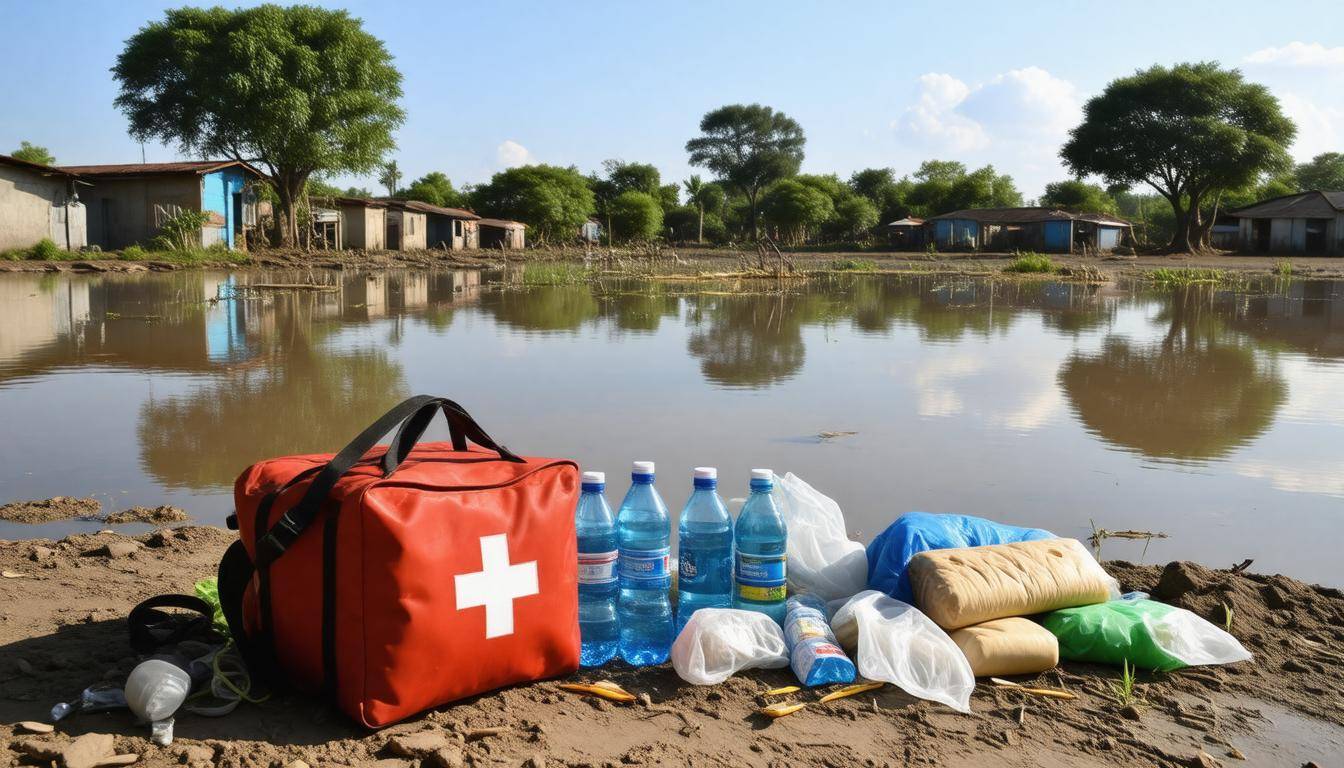
Overview of Extreme Weather in South Sudan
South Sudan has become a battleground against the forces of nature, where flooding and heat waves have morphed from occasional inconveniences into dire threats that affect the livelihood of many. The current climate crisis has set the stage for an unprecedented shift in weather patterns. In recent years, extensive flooding has gripped the nation for significant portions of the year—between six to nine months annually—causing disruption that displaces over 134,000 people yearly. This not only devastates homes but also leads to loss of life and livelihoods, as agricultural lands and resources wash away, leaving communities struggling to recover.
Imagine waking up one morning to find your entire village submerged. It’s not just a scene from an apocalyptic movie; it’s becoming increasingly common in areas across South Sudan. As one resident aptly described it, “Here, we never know when the rains will come or go; they decide for us.”
Adding complexity to this equation are unpredictable rainfall anomalies, which can alternate between torrential downpour one season and parched droughts the next. Data analyzed by organizations like the Climate Hazards Group InfraRed Precipitation with Station (CHIRPS) highlights these fluctuations that complicate life for citizens who rely heavily on agriculture. Farmers often find themselves caught off guard—either planting too early due to seemingly favorable conditions or facing crop failure during unexpected dry spells.
To add to these challenges, warming temperatures across the globe exacerbate the situation further.
According to James Hansen’s climate models, projections indicate that temperatures in 2025 may closely resemble those experienced in 2024. This constant rise in temperature fosters an environment ripe for greater instances of extreme heat waves. Such heat events can lead to dehydration and heat-related illnesses, threatening not only individual health but also agricultural output amidst a backdrop where crops are already compromised by fluctuating water supply.
Given these daunting realities, communities must prioritize emergency preparedness measures. Those living in vulnerable regions should establish plans that include creating emergency kits stocked with water purification tablets, non-perishable food supplies, first aid essentials, and waterproof bags for important documents. These actions can create a buffer against the unpredictable whims of Mother Nature.
With an understanding of the environmental challenges at hand, it’s essential to focus on practical steps for safeguarding lives and properties going forward.
Assembling Your Flood & Heat Kit
Begin with the basic essentials, because they form the foundation of your preparedness. It’s crucial to stock up on emergency food supplies like non-perishable items that are easy to prepare. Consider foods such as canned beans, rice, and dried fruits—these will provide decent nutrition without requiring elaborate cooking facilities or major prep time during a crisis. Meanwhile, your water supply should ideally consist of at least one gallon per person, per day. Don’t stop there; include additional water for sanitation purposes to stay clean and healthy while dealing with the chaos.
The first step to safety during an emergency is having a solid first aid kit ready. Ensure it contains adhesive bandages, antiseptic wipes, gauze pads, scissors, and some basic medications. A well-stocked first aid kit can be the difference between a minor scrape becoming a serious concern.
Beyond these basics, consider personal hygiene items included in your kit. They may seem trivial at first, but maintaining hygiene in stressful situations is incredibly important for both mental well-being and physical health.
Personal Hygiene Items
Your hygiene items should consist of toiletries such as soap, toothpaste, and toilet paper—but don’t forget the essentials like hand sanitizers and moist towelettes. These simple products can help maintain cleanliness when running water might not be available. If applicable, always pack period products too; readiness fosters peace of mind regardless of the situation.
Now that we’ve covered the basics, let’s shift our focus to specialized items that add another layer of preparedness tailored specifically for South Sudan’s flooding and extreme heat conditions.
Specialized Items
For specialized items, think about the unique challenges flooding poses alongside extreme heat conditions. Invest in waterproof bags, which keep your essentials dry and can also serve as flotation devices during an unexpected water surge. These bags transform from mere storage into invaluable lifesavers in dire situations.
Additionally, thermal blankets should be part of your arsenal. They play a critical role in regulating body temperature whether you’re seeking warmth after flooding or trying to shield yourself from the oppressive heat during hotter months. Their lightweight nature makes them easy to carry while being highly effective.
With these essential and specialized items gathered into your kit, you’re laying down strong groundwork for braving unexpected weather challenges. However, there’s still more you can do to ensure complete protection and sustainability in adverse conditions.
Crucial Supplies for Flooding
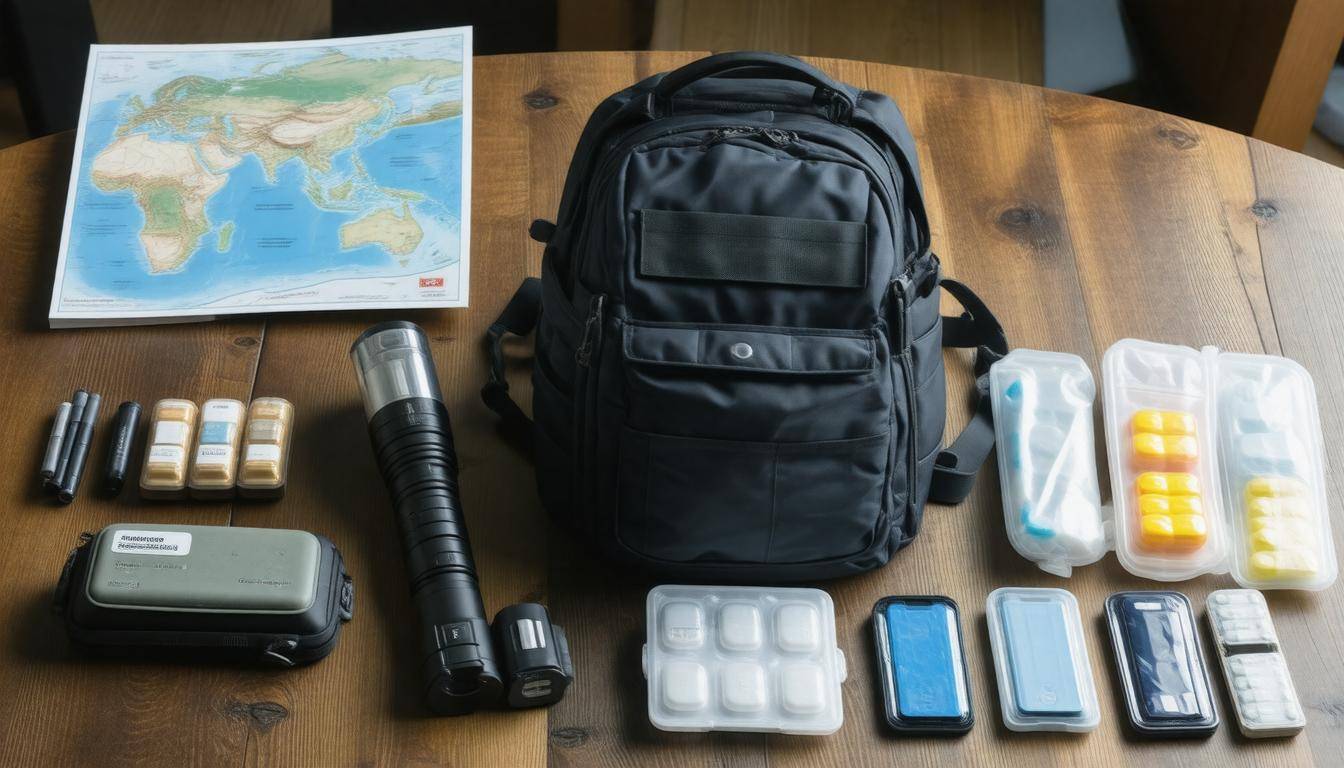
Floods are indeed disruptive, but we can prepare ourselves to handle the challenges they bring. One of the first things to consider is protective equipment. Investing in waterproof footwear, such as rubber boots or waders, ensures that you’re safeguarded against contaminated water and sharp debris often hidden below murky surfaces.
Pair these with sturdy gloves for lifting and clearing away debris; they protect your hands from injuries and prevent exposure to harmful bacteria.
As floodwaters recede, remember that statistics show waterborne diseases peak during flood seasons. Hence, having disinfection tablets or a portable water filter is indispensable. These tools guarantee access to safe drinking water, which can be a challenge when regular sources may be compromised. It’s a small addition to your kit that can make an enormous difference in health outcomes during recovery efforts.
Communication Tools
Another crucial aspect of your flooding preparedness kit involves communication tools. A hand-crank radio becomes invaluable, allowing you to stay informed about emergency updates without relying on power.
In tandem with this, don’t forget a fully charged power bank for your mobile device. A solar charger presents itself as a sustainable option during prolonged power outages, ensuring you remain connected even in challenging circumstances.
In 2022, families reported staying updated on evacuation orders during floods via radios, enabling timely decisions that ultimately helped them avoid danger.
While these supplies are key when facing floods, it’s equally vital to prepare for the additional stresses brought on by extreme heat as well.
Vital Gear for Extreme Heat
When it comes to facing extreme heat, the right clothing plays a crucial role in protecting your body. Lightweight, breathable fabrics like cotton and linen are ideal as they allow air circulation and wick moisture away from your skin. Opting for loose-fitting garments is important; tight clothes can trap heat and exacerbate discomfort.
Light colors help reflect sunlight rather than absorbing it, keeping you cooler throughout the day. Pair this attire with wide-brimmed hats—at least three inches wide—to shield your face and neck from direct sun exposure. Don’t forget about your eyes: investing in UV-blocking sunglasses featuring protection rated UV400 or higher will safeguard against harmful rays that can cause long-lasting damage.
Cooling Aids
Beyond clothing, having effective cooling aids is essential for staying comfortable under relentless heat. Residents who experienced intense heat waves last summer found that installing reflective window shades drastically reduced indoor temperatures, creating a more bearable living environment.
In addition to these shades, portable fans significantly enhance airflow inside your home. Make sure to equip your kit with batteries—preferably rechargeable ones—to ensure you’re not left high and dry when you need them most.
Electrolyte-replenishing drinks offer another layer of protection against dehydration, particularly in hot climates where perspiration rates spike. Having a good supply on hand ensures you stay hydrated without losing essential salts and minerals through sweat.
But while staying cool is vital, ensuring secure and adequate shelter remains just as critical in protecting yourself from the extremes of Mother Nature. As we navigate through this challenging landscape, let’s examine how to fortify our living spaces effectively.
Flood Shelter and Security Tips
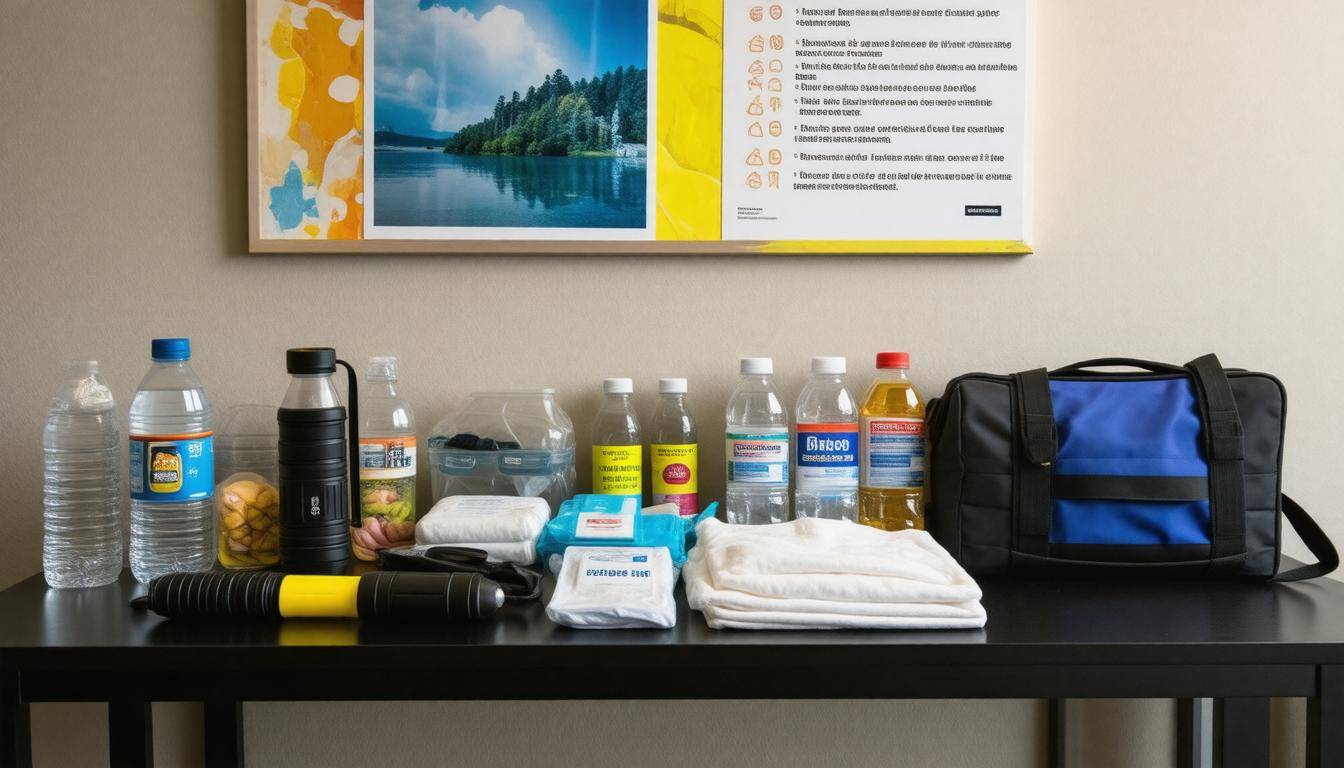
Their importance cannot be overstated, especially when considering the frequency and severity of flooding in regions like South Sudan. Taking proactive measures can help you prepare effectively for impending floods. One essential step is pre-flood preparations, where reinforcing windows and doors with sandbags will provide a barrier against incoming water. Elevating electrical equipment and appliances not only protects them but also minimizes the risk of dangerous electrical hazards should water breach your interior spaces.
FEMA, the Federal Emergency Management Agency, strongly recommends raising your home’s utilities by at least 12 inches above the expected flood level. This simple precaution drastically reduces the risk of flood damage.
Pre-Flood Preparations
Identifying the highest safe room in your home is crucial, as it serves as your retreat if floodwaters rise unexpectedly. Ensure this room has adequate supplies, including food, water, first aid kits, and communication devices. Such preparation can create a sense of security amidst chaos and uncertainty.
As someone who has weathered storms before, I can tell you that peace of mind comes from being prepared. Having a reliable safety net gives you control over what may seem uncontrollable.
Security Measures
While preparing for a flood, it’s prudent to remember that such troubling times often see a spike in crime rates. Fortifying your safety extends beyond just physical barriers to encompassing personal security as well. Consider installing sturdy locks on doors and windows, potentially adding an alarm system for an additional layer of protection.
Moreover, keeping a self-defense tool handy can provide peace of mind. A simple whistle or some pepper spray can deter unwanted attention and keep you safe during chaotic situations. It’s about not only preserving your property but also protecting yourself and your loved ones when stability is threatened.
It helps to have an emergency kit that includes essentials—food, clean water, flashlights, and batteries—but also think about tools for securing your shelter should the need arise. Training yourself in basic self-defense or having nearby contacts who can assist creates a sense of communal security within neighborhoods facing similar challenges.
As you ensure your shelter’s safety, next consider strategies to stay refreshed and cool amidst rising temperatures and potential heat waves.
Hydration and Cooling Techniques
Hydration isn’t just a suggestion; it’s a necessity, especially during the blistering heat often experienced in areas like South Sudan. The human body loses about 1-2 liters of water every hour in extreme conditions, which can lead to serious health issues if not addressed.
Regularly consuming water is crucial, even when you’re not feeling thirsty. This means setting a schedule for yourself—perhaps sipping on water every 15 to 20 minutes—to keep those hydration levels optimal. However, while hydrating is crucial, it’s wise to limit drinks that may dehydrate you further, such as caffeinated or alcoholic beverages.
Effective Hydration Techniques
One effective strategy during heat waves is diversifying your hydration sources. Electrolyte-rich beverages—not just plain water—can effectively improve hydration levels by approximately 23%. This is particularly important in places where heat poses a risk to crops and food impact, ensuring that your body retains the right balance of fluids.
Additionally, incorporating foods with high water content into your diet can be beneficial. Think juicy fruits like watermelon or cucumbers; they not only provide hydration but are also packed with vitamins.
People underestimate how powerful simple techniques can be in combating heat. For instance, keeping a water jug nearby ensures easy access throughout the day, making it more likely you’ll remember to drink consistently. You might even find creative solutions like infusing your water with fresh fruits for added flavor—making it delicious and refreshing enough that it’s hard to resist!
Innovative Cooling Techniques
When it comes to cooling down indoor spaces, employing innovative homemade solutions yields great results. Cross-ventilation becomes your best friend; open windows during cooler parts of the day while strategically placing fans to create airflow through the house. During particularly hot nights in 2024, many South Sudanese communities harnessed this technique effectively—turning their living spaces into breezy havens amid the sweltering heat.
Another DIY option includes making evaporative coolers at home using inexpensive materials like canvas or wet cloths. These processes work by pulling moisture from a surface—a phenomenon you can harness to cool down air as warm air passes over it. Placing bowls of ice near fans allows you to create a makeshift cooling system that can lower indoor temperatures without heavy electricity dependence.
Everyone has different preferences for cooling techniques; experimenting with what works best for you is key. Whether it’s misters or an enhanced ventilation system, the goal remains the same: make your environment comfortable despite rising outdoor temperatures.
Understanding how to manage hydration and implement effective cooling strategies prepares you for what’s ahead when facing severe weather challenges.
Responding to Weather Emergencies
Acting swiftly during an emergency can indeed save lives, and knowing how to respond to different situations makes all the difference. When dealing with floods, for instance, it’s crucial to be alert and ready. As floodwaters rise, time is of the essence; if local authorities advise evacuation, don’t hesitate. Leaving promptly keeps you safe and opens up routes for emergency services. I’ve seen firsthand how people who wait too long often find themselves trapped, needing rescue from rooftops amid raging waters.
Steps to Take During Floods
-
Evacuate Early: Always heed evacuation orders. Staying behind can lead to a precarious situation.
-
Avoid Floodwaters: Remember that even shallow water can be dangerous. Just six inches can sweep you off your feet. The power of moving water is often underestimated.
-
Turn Off Utilities: If it’s safe to do so, switch off gas, electricity, and water before you leave. This precaution protects against hazards like gas leaks or electrical fires once the flood recedes.
As for extreme heat emergencies, understanding when the body is at risk is vital. Extreme heat can lead to heat exhaustion or heatstroke if you’re not careful. During a heatwave, it’s wise to stay indoors in air-conditioned spaces whenever possible, especially between 10 a.m. and 4 p.m. If stepping outside is unavoidable, dress in light clothing and carry plenty of water—staying hydrated should always be a priority.
Preparing for weather emergencies extends beyond immediate actions; having an effective long-term strategy can greatly enhance safety and well-being.
Ensuring your home is ready for adverse conditions involves regular inspections and updates of emergency kits. This means ensuring your supply kit includes essentials like bottled water, non-perishable food items, flashlights with extra batteries, first-aid supplies, important documents sealed in waterproof bags, and blankets or sleeping bags. Understanding community resources like local shelters or hotlines for assistance can make a significant difference in an emergency’s aftermath.
It’s essential to maintain these supplies regularly—check expiration dates and replace items as needed—to guarantee that when disaster strikes, you’re fully equipped to handle whatever comes your way.
Next, we’ll explore holistic strategies that emphasize long-term resilience in the face of unpredictable weather events.
Sustainable Preparedness Practices
Sustainable preparedness is not just a buzzword; it represents a mindset that connects immediate needs with future stability, especially in areas frequently affected by extreme weather like South Sudan. Investing in renewable energy sources, such as solar panels, becomes a vital step toward ensuring that when the power grid fails due to flooding or heatwaves, you still have access to electricity. This consistent power supply is crucial for sanitation, food preservation, and maintaining communication during emergencies.
Additionally, maintaining a small home garden is an excellent way to enhance personal nutrition. Gardens provide families with fresh produce during times of crisis, reducing dependency on supply chains that can often become disrupted. Not only does this practice improve food security, but it also fosters a sense of community where neighbors may share resources and knowledge.
Take the innovative community gardens sprouting across South Sudan—these are not merely plots of land but lifelines for families. During the recent crises caused by flooding, communities mobilized to cultivate these gardens, allowing families to nourish themselves while simultaneously connecting with their neighbors. They found strength in collaboration as they learned to grow crops that thrive in local conditions, effectively combating hunger when traditional supply routes were cut off.
“Sustainability isn’t merely about being green; it’s about being prepared.”
Incorporating sustainable practices into your emergency preparedness plans also involves assessing the potential impacts of climate change on your living environment. Businesses should employ climate risk assessments to evaluate how extreme weather events might affect operations and employee safety. By evaluating their vulnerabilities and planning accordingly, they can develop strategies that will not only safeguard their business but also contribute positively to the community at large.
With these sustainable practices in place, individuals and businesses alike fortify their defenses against the mounting threats posed by climate change while supporting the broader goals of environmental stewardship and community solidarity.
In summary, adopting sustainable preparedness practices not only enhances individual resilience but also strengthens community bonds in the face of natural disasters. Together, we can build a safer, more stable future for all.
What first aid supplies are important to include in the kit given the health risks associated with flooding and extreme heat?
Essential first aid supplies for a “South Sudan Flooding & Extreme Heat Kit” should include antiseptics, bandages, gauze, adhesive tape, scissors, tweezers, a thermometer, and oral rehydration salts. After flooding, the risk of waterborne diseases such as cholera increases significantly; in some regions, outbreaks can rise by 30% following such disasters. Meanwhile, extreme heat can lead to heat exhaustion or heat stroke; having cooling packs and electrolyte solutions ready is crucial. These supplies not only address immediate injuries but also help mitigate health risks posed by environmental conditions.
How can residents assess their individual needs when creating their own Flooding & Extreme Heat Kit?
Residents can assess their individual needs by evaluating their specific vulnerabilities, such as location, family size, and health conditions. It’s crucial to consider the frequency of flooding and extreme heat in their area, with South Sudan experiencing heightened weather events due to climate change—over 1.5 million people were affected by floods in recent years. By conducting a household inventory of essential items like water, food, medications, and important documents, residents can tailor their preparedness kits to ensure they are equipped for prolonged emergencies.
How can communities in South Sudan effectively prepare for both flooding and extreme heat events?
Communities in South Sudan can effectively prepare for flooding and extreme heat by implementing a combination of early warning systems, building resilient infrastructure, and promoting sustainable agricultural practices. For instance, creating timely alerts based on weather data can help residents evacuate or safeguard their assets, while constructing flood-resistant homes ensures safety during heavy rains. Additionally, training farmers in drought-resistant crops can mitigate the impact of extreme heat; according to reports, climate-smart agriculture could increase yields by up to 50% even under adverse conditions. Collaboration between local governments and NGOs is crucial to empower these communities to adapt and thrive amid climate challenges.
What specific items should be included in a Flooding & Extreme Heat Kit for South Sudan?
A Flooding & Extreme Heat Kit for South Sudan should include items such as water purification tablets, non-perishable food, a sturdy waterproof tarp, first aid supplies, insect repellent, sunscreen, and a portable phone charger. Given that South Sudan experiences both significant flooding during rainy seasons and extreme heat, having access to clean drinking water and food is critical. For instance, reports indicate that approximately 1.3 million people in South Sudan are at risk of illness due to waterborne diseases post-flooding, making purification methods essential for health safety. Additionally, proper sun protection and first aid essentials are crucial when temperatures soar during dry spells.
What organizations or agencies provide assistance or resources related to flooding and extreme heat preparedness in South Sudan?
Several organizations provide assistance and resources related to flooding and extreme heat preparedness in South Sudan, including the United Nations Office for the Coordination of Humanitarian Affairs (OCHA), the International Red Cross and Red Crescent Movement, and local NGOs such as Hope Restoration South Sudan. These organizations offer support through disaster response, preparedness training, and distribution of emergency supplies. For instance, OCHA reported that over 5 million people were affected by severe flooding in 2022 alone, highlighting the ongoing need for effective emergency planning and resource allocation in the region.