
Planning for emergencies can feel overwhelming, especially when navigating the specific needs of individuals requiring extra assistance. Every disaster has its unique challenges, and for those with special needs, the stakes are particularly high. Imagine scrambling to escape a sudden crisis without clear guidance or support; it’s a situation that no one should face alone. That’s where special needs evacuation registration comes in—an essential step to ensuring vulnerable individuals receive the proper care and attention during emergencies. This article walks you through the important procedures for registering and highlights how this proactive measure enhances safety, security, and peace of mind for everyone involved. So let’s dive into the process that can be life-changing during a crisis.
To register for special needs evacuation services, you should first contact your local county emergency management office to inquire about their specific registration process. It typically involves completing a form that provides information about your medical needs and assistance requirements, ensuring that you receive the necessary support during emergencies.

Benefits of Registering for Evacuation
One of the core advantages of evacuation registration is the enhanced safety and security it provides. According to the Federal Emergency Management Agency (FEMA), individuals with disabilities and elderly people can be 2 to 4 times more likely to face severe consequences during disasters. Pre-registering enables local agencies to anticipate your specific needs, ensuring that support is set up well in advance. This foresight can save lives; when officials are aware of who needs specialized assistance, they can allocate resources much more effectively during an evacuation scenario.
Enhanced Safety and Security
Beyond mere statistics, consider the countless stories of individuals who found themselves in perilous situations without adequate preparation or resources. We’ve all heard about those moments where help arrives just in time—or fails to arrive at all. Take a moment to imagine someone with limited mobility requiring urgent assistance during a natural disaster. With registration, emergency services recognize who may need immediate help, preparing them in advance to respond accordingly.
Furthermore, there’s the matter of prioritized assistance, an essential benefit that cannot be overlooked.
Prioritized Assistance
When you are registered for special needs evacuation, you become part of a prioritized group during evacuations. This was particularly striking during Hurricane Irma; reports indicated that registered evacuees received aid sooner than others because local authorities already knew how many resources would be necessary and which individuals required specific countermeasures. It’s not just about individual safety—this kind of registration results in a well-organized response that ensures everyone gets the help they need when disaster strikes.
Just as importantly, registering also brings a sense of peace of mind to those involved.
Peace of Mind
Imagine lying awake at night during storm season, worrying about what might happen if an emergency arises. Knowing that you are part of a registration system takes away some of that anxiety. The emotional weight of potential catastrophe weighs heavily on many families, especially when vulnerabilities are present. Registration helps alleviate this burden by providing reassurance that you have taken proactive steps toward your safety.
Understanding these benefits makes it abundantly clear just how indispensable the registration process is. Whether it’s about enhancing safety measures, ensuring prioritization during evacuations, or simply offering peace of mind—a little preparation goes a long way.
As we look ahead, let’s focus on the actionable steps you can take to ensure your registration is completed efficiently and effectively, allowing you to feel secure in your preparedness for any emergencies that may arise.
Steps to Register for Special Needs Evacuation
Registering for special needs evacuation is an essential step in keeping you or your loved ones safe during emergencies. The process itself is straightforward, but attention to detail can make all the difference. Let’s walk through the key steps together.
Step I – Contact Local Emergency Management
Begin by reaching out to your local emergency management office. This is a pivotal first step, as they are responsible for the special needs evacuation registration in your area. Most local offices provide resources and information tailored specifically for residents with disabilities. You can typically find their contact information on your city or county’s official website. They are usually more than willing to help guide you through the process and answer any questions you might have.
Once you establish that initial contact, the next step is equally important: completing the registration form.
Step II – Complete the Registration Form
Filling out the specific registration form designed for special needs evacuation is where you’ll lay down the essential information that emergency services will rely on during a crisis. It’s important to be meticulous here; you’ll need to provide personal details such as your name, address, medical conditions, and emergency contacts. While this might seem like a lot, these details ensure that responders understand your unique needs when they arrive. Don’t shy away from including anything that seems relevant; sometimes small details matter most in emergencies.
There may be further requirements depending on your situation—specifically regarding medical certification.
Step III – Submit Medical Certification if Required
In some jurisdictions, obtaining a healthcare provider’s signature to certify your special needs might be necessary. This step adds another layer of assurance that you will receive adequate support during evacuations. Before registering, I recommend visiting your doctor or other healthcare provider beforehand to expedite this process. Having this certification ready can save valuable time when every second counts.
After you’ve submitted everything, you’ll want to confirm that all your details are correct and up-to-date.
Step IV – Confirmation and Updates
Once you’ve submitted the form along with any required certifications, it’s vital to ensure you receive a confirmation of your registration. This confirmation serves as a safety net; it means that the emergency management office has successfully processed your information and is prepared for any potential emergencies involving you. It’s also prudent to review and update your registration annually or whenever there are significant changes to your health status or living situation—like moving to a new home or changing doctors—so that emergency services always have accurate information about how best to assist you.
With these steps completed, you’re well-prepared should anything arise! Now that you’re equipped with the registration process, understanding what information is needed next will enhance your readiness even further.
Information Required for Registration
When registering for special needs evacuation, providing precise information is crucial not only to receive appropriate assistance but also to enable emergency services to prepare adequately. This means you’ll need to be meticulous about the details you provide, as it directly impacts how well and quickly you can be supported during evacuations.
Personal Information
First and foremost, you’ll want to collect personal information, which includes your full name, date of birth, home address with city, state, and zip code, along with reliable contact information like your phone number and email address. These details allow emergency responders to identify you easily and reach out if necessary.
Medical Details
Next is perhaps the most essential part: your medical details. It’s vital to cover any existing medical conditions as well as the medications you take regularly. You should also note any mobility limitations that could affect your ability to evacuate, like using a wheelchair or crutches. Having a clear picture of what you might need is invaluable; it helps emergency responders gauge how they can assist effectively.
| Type of Info | Examples |
|---|---|
| Medical Conditions | Diabetes, asthma, heart disease |
| Medications | Insulin, inhalers, blood pressure medications |
| Mobility Limitations | Use of wheelchairs, canes, or mobility scooters |
| Essential Equipment | Oxygen tanks, dialysis machines |
While covering these medical aspects is essential for safety, don’t overlook the importance of having emergency contacts available during such times.
Emergency Contacts
Including family members or caregivers as emergency contacts can make all the difference in urgent situations. Aim to list their names, relationships to you, and phone numbers so that first responders can reach out efficiently if they need additional context regarding your needs.
Additional Assistance Needs
Finally, make sure to specify if you require assistance with daily living activities—activities such as bathing, dressing, or feeding—that may become challenging during an evacuation scenario. This information helps emergency management agencies tailor their support according to individual needs.
With all this necessary information consolidated, we now turn our focus to the criteria that determine who qualifies for special assistance during evacuations.
Eligibility Criteria for Special Needs Evacuation

The eligibility criteria for special needs evacuation registration are designed to prioritize individuals who may face challenges during emergencies. Specifically, this includes people with disabilities, elderly individuals with mobility limitations, those with chronic medical conditions requiring immediate care, and individuals who depend on life-sustaining medical equipment that requires electricity. It’s essential to recognize that these criteria enable communities to provide tailored support during evacuations and help safeguard those who are most vulnerable.
Who Qualifies?
At its core, qualification hinges on individual capabilities and requirements. For example, a person with a disability might have difficulty navigating an evacuation route independently or may not be able to access general shelters without assistance. Elderly individuals often require additional resources due to their varied physical limitations. Chronic medical conditions like diabetes or heart issues also necessitate timely care and could complicate one’s ability to safely evacuate during an emergency, making them eligible for special needs evacuation assistance.
Case Example
Consider a senior citizen living alone who has limited mobility and relies on an oxygen concentrator. In the turmoil of an emergency situation—like a sudden flood or wildfire—this individual may struggle both to evacuate their home quickly and to find adequate help without pre-arranged support systems. Therefore, they would naturally qualify for special needs evacuation services, illustrating how crucial these registrations can be in protecting those who might be overlooked otherwise.
Flexibility in Criteria
It’s important to note that eligibility criteria can vary based on location and local regulations. While some jurisdictions may have strictly defined categories, others might employ a more flexible approach, aiming to capture the unique needs of their populations. Generally, anyone who requires more assistance than what general public shelters can offer will qualify under some capacity. This flexibility allows emergency planners to make necessary adjustments based on community demographics, ensuring that support is accessible where it’s needed most.
Knowing who qualifies is an essential step towards securing the appropriate assistance during emergencies; therefore, understanding the local entities available for registration will further empower you in your preparedness efforts.
Local Authorities and Resources
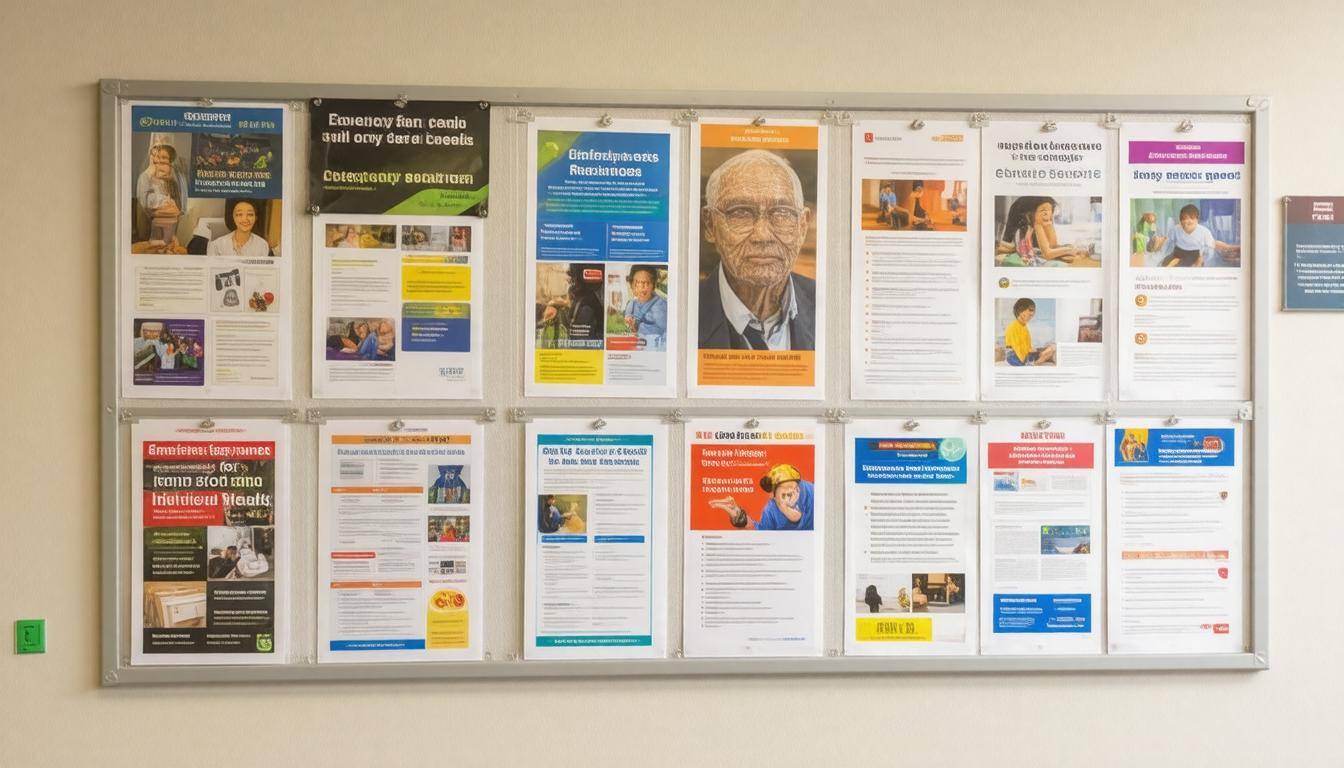
Familiarizing yourself with local resources is essential for individuals registered under special needs evacuation. First and foremost, having key contacts at your fingertips will streamline the process. Local emergency management offices and public health departments play a pivotal role in coordinating evacuations, while various non-profit organizations, such as the Red Cross, offer additional support and resources during crises. Their personnel are often trained to address unique needs, ensuring that every individual receives appropriate assistance.
For instance, if you reside in Florida, the state’s Division of Emergency Management is the go-to authority overseeing the registry for individuals with special needs. They work closely with local healthcare facilities to provide necessary care during emergencies and evacuations. Understanding who these key players are in your community not only assists in pre-evacuation planning but also instills a sense of confidence knowing that help is available should you require it.
Resource Examples
It’s equally important to tap into specific resources tailored to your needs. When disaster strikes, having immediate access to appropriate shelters and medical facilities can prove invaluable. Check with your local government’s website or hotline for information on shelters designed for individuals with special needs; many areas have facilities equipped with specialized staff who understand how to address diverse situations effectively.
Additionally, many local governments provide online portals enabling residents to register for special assistance during an emergency. This registration helps ensure that your unique needs are accounted for well before any crisis unfolds. As a quick tip: while these digital resources are incredibly useful for convenience, it’s wise to verify any details through a follow-up phone call to ensure accuracy.
Also consider keeping a physical copy of your registration information handy; it can save you time and stress when the pressure of an emergency arises. Establishing direct communication lines now can prepare you to act quickly when necessary.
Building strong relationships with local authorities will enhance your preparedness significantly. Following this line of thought, effective communication is key in ensuring a coordinated response when emergencies arise.
Essential Communication with Emergency Services
Effective communication with emergency services can be a lifesaver during an evacuation, especially for individuals with special needs. The first step is to share key information that allows responders to tailor their assistance to your needs. This includes, but isn’t limited to, your exact location, specific medical requirements, mobility limitations, and any other forms of assistance you may need. Every bit of detail matters; for example, if you require a wheelchair or have a specific allergy, make sure to mention these right upfront.
As you prepare your information, think about how you’ll convey it most effectively.
Key Information to Share
It’s important to convey:
- Your exact location so they can reach you without delays.
- Any medical needs, such as medications or devices you rely on.
- Mobility limitations that might affect how quickly you can exit.
- Other specific assistance required, which could range from needing help with pets to understanding the layout of your home for quicker access.
This information not only helps emergency services understand your unique situation but also accelerates their response time. For instance, knowing that you have a medically necessary device or require additional space due to mobility aids allows responders to plan their approach accordingly.
Clear messaging is essential, but how you communicate this information can significantly make the process smoother.
Communication Tips
Use simple and concise language when relaying your situation. Avoid jargon that might confuse those unfamiliar with your specific needs. For example, instead of saying “I need immediate assistance due to my physical disabilities,” you might say “I am in a wheelchair and cannot walk; please send someone who can help me get out.”
If you experience speech or hearing impairments, consider using text-based methods when communicating with emergency services. Text messages or emails can be practical tools for sharing crucial details quickly without relying solely on verbal instruction. Even simply pre-stating some key phrases in a saved message can act as a template in case of emergencies.
Beyond individual communication, it’s also vital to engage your personal support network effectively.
Family and Support Network
Make sure the people closest to you—family members or trusted friends—are well informed about your evacuation plan. They should not only know how to reach you but also understand how best to communicate with local authorities on your behalf if you’re unable to do so yourself.
By coordinating with your emergency contacts and ensuring they’re aware of all necessary details—from where you keep important documents to any local resources available—you create a safety net that enhances the effectiveness of emergency communication. Having this layer of support can provide both peace of mind and practical assistance if an evacuation becomes necessary.
With effective communication in place, the next step involves ensuring that your plan is functional and ready for implementation when it matters most.
Testing Your Evacuation Plan
Testing your evacuation plan is not just a formality; it’s a vital practice that reveals potential weaknesses in your strategy while instilling confidence in everyone involved. Imagine the peace of mind you’ll gain knowing not only that you have a plan, but that it truly works. Embracing this process helps reinforce a culture of preparedness within your household. The goal is to be proactive, so when an emergency strikes, everyone knows what to do without hesitation.
Steps to Test
-
Conduct Practice Drills: Start by simulating different emergency scenarios. These could range from natural disasters like floods and hurricanes to man-made threats because each scenario requires unique considerations. For example, if you typically use elevators but one scenario involves a power outage, practicing how to navigate your escape without them is key.
-
Checklist Verification: Ensure all essential items and information are up-to-date; think about everything from food supplies to medical records. Keeping a checklist of crucial items like medications and necessary medical equipment in your supply kit is important. Regularly reviewing these ensures nothing goes missing over time and maintains the readiness of your kit.
-
Communication Test: Conducting a communication test is equally critical. Try reaching out to your emergency contacts and local authorities during your drills to verify information exchange. This practice reinforces the importance of clear communication under pressure, greatly improving calmness when things go awry.
Beyond personal preparations, consider the value of community involvement when testing evacuation plans. Many households may be unaware of safety protocols in their neighborhoods. Participating in community-led drills organized by local agencies can provide invaluable experience and insights into actual evacuation procedures.
Personal Story
Take Jane’s story as an example; she’s a mother raising two children with disabilities. During her planned practice drill, she stumbled upon several gaps in her evacuation strategy that she’d previously overlooked. She realized that their emergency kit was missing essential medications, which would have been disastrous in a real crisis. With immediate adjustments made, she learned firsthand just how crucial these tests were—not just for her family’s safety but for her peace of mind as well.
Through constant repetition and refinement of your plan—not only for yourself but with the participation of family members—you cultivate an environment rich in preparedness where everyone feels empowered no matter the situation at hand. Make it a habit; even just a short walkthrough every few months can save lives when urgency calls for action.
In summary, consistent testing of your evacuation plan is essential not only for personal readiness but also for fostering community awareness and safety goals during emergencies.
How often should individuals update their registration information for special needs evacuation?
Individuals should update their registration information for special needs evacuation at least once a year, or immediately after any significant change in their medical condition, address, or contact information. Regular updates ensure that emergency services have the most accurate and current data to provide appropriate assistance during an evacuation. According to FEMA, approximately 70% of individuals with special needs may experience changes in their health or living situation annually, making frequent updates crucial for effective emergency planning.
What specific information is required during the Special Needs Evacuation Registration process?
During the Special Needs Evacuation Registration process, it is essential to provide specific information such as the individual’s name, address, contact information, any mobility or medical assistance needs, and details about medications or special equipment required. This information ensures that emergency services can effectively plan for the unique requirements of individuals with disabilities during an evacuation. According to FEMA, about 25% of people with disabilities may require additional support during emergencies, highlighting the importance of thorough registration for tailored assistance.
What resources are available for individuals who need assistance completing the registration form?
Individuals needing assistance with the registration form can access a variety of resources, including local disability advocacy organizations, online support groups, and community centers that offer guided help. Many states provide dedicated hotlines that assist in filling out these forms, ensuring accessibility for all. According to the National Fire Protection Association, having clear and accessible resources significantly improves the safety planning process for individuals with special needs, as approximately 15% of Americans are living with some form of disability that may require additional evacuation considerations.
Are there local or state differences in how special needs evacuation registration is handled?
Yes, there are local and state differences in how special needs evacuation registration is handled. Each state may have its own criteria for identifying individuals with special needs, as well as varying registration processes and resources available during emergencies. For example, some states have established dedicated registries that prioritize the mobility and medical requirements of individuals, while others rely on local agencies or non-profits to manage this information. According to a 2022 survey by the National Council on Disability, 65% of states reported using different methods to collect data about their special needs populations, which can lead to inconsistencies in emergency response effectiveness.
What steps can someone take if they missed the registration deadline but still require assistance during an evacuation?
If someone misses the registration deadline but still requires assistance during an evacuation, they should immediately contact their local emergency management agency or 911 to inform them of their needs. Many jurisdictions have provisions for late registrants, especially under unforeseen circumstances, and can facilitate access to necessary services or accommodations. For example, according to FEMA, over 30% of individuals with disabilities may not be able to evacuate independently, highlighting the importance of timely communication with authorities. Keeping emergency contacts informed and having a personal emergency plan can also help mitigate issues during such emergencies.