
When you think about a sports stadium, the thrill of the game or concert is usually what comes to mind. But it’s also essential to recognize that such high-energy environments can present unexpected emergencies. Just the thought of needing an emergency plan might make you feel uneasy, but knowing what to expect can actually bring peace of mind. Preparing for emergencies isn’t just about having a plan; it’s about ensuring safety for everyone involved—fans, staff, and performers alike. Effective emergency strategies can transform potential panic into measured responses, making sure that everyone knows what to do in situations where time is of the essence. Let’s explore some vital steps that every stadium should take to keep attendees safe and secure.
The Complete Guide to Sports Stadium Emergency Plans encompasses essential protocols for ensuring safety during emergencies, including communication strategies, evacuation procedures, shelter-in-place guidelines, and weather monitoring practices. It aims to equip stadium operators with comprehensive knowledge to effectively manage crowd safety and respond to unforeseen circumstances.
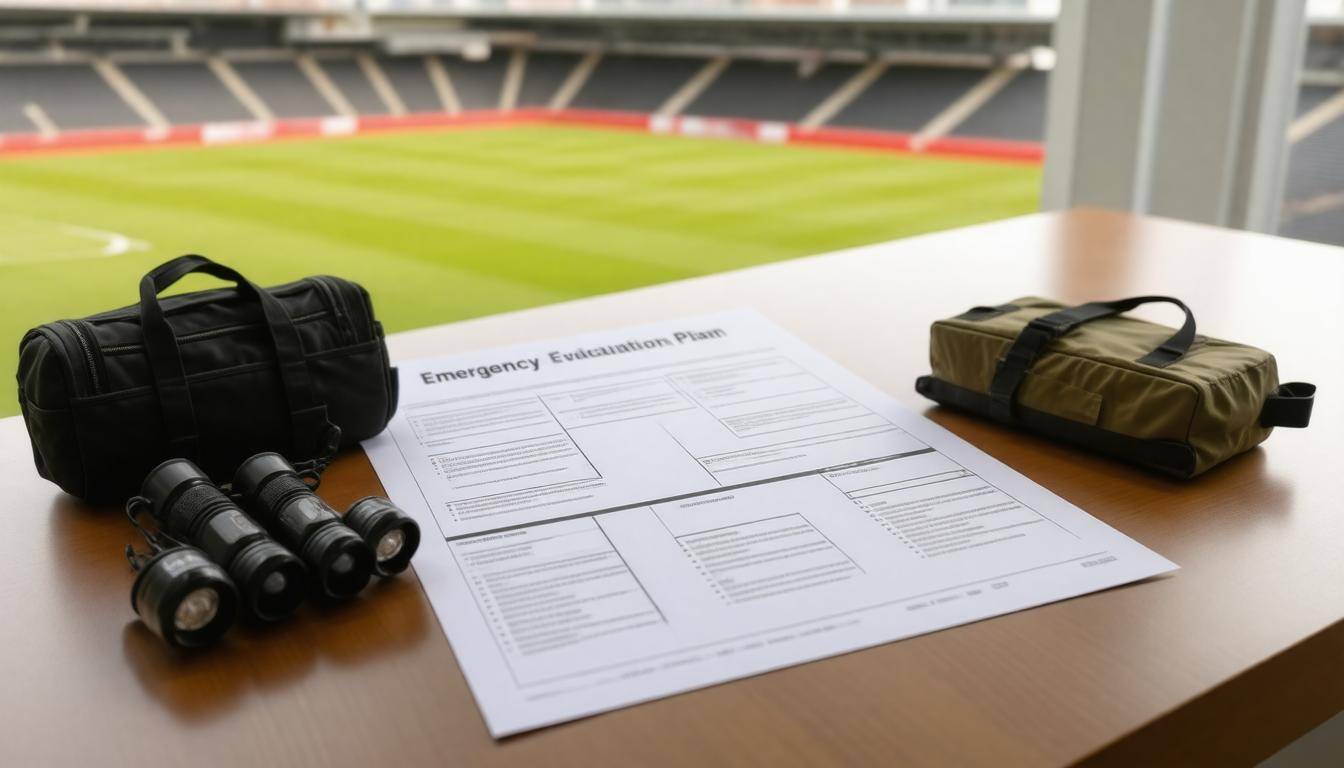
Importance of Evacuation Protocols
In any high-occupancy venue such as a sports stadium, evacuation protocols serve as an essential lifeline in emergencies. They formulate a clearly defined course of action designed to relocate individuals swiftly and safely, thus significantly reducing both panic and confusion. Imagine being at a thrilling game, only to suddenly face an unforeseen incident—your first instinct might be to flee. But without clear guidance on what to do next, that instinct could be dangerous.
Different emergencies require distinct evacuation strategies; for instance, a fire necessitates immediate exit through designated escape routes while a bomb threat might dictate lockdown procedures or strategic exits. Each scenario brings unique challenges, which is why comprehensive planning is imperative. Stadium managers must consider various threats—ranging from severe weather conditions to security concerns—and develop tailored approaches that effectively address these situations.
To illustrate this point further, studies reveal that 75% of stadium emergencies involve crowd-related incidents. This statistic underscores the urgency for well-planned evacuation protocols that ensure orderly evacuations.
Key Elements
At the heart of effective evacuation procedures lie key elements that must be addressed to safeguard attendees. Communication channels must be established without delay to inform spectators about unfolding situations, particularly when severe weather events are anticipated. A loud and clear announcement can steer participants away from panic by directing them calmly toward safe zones.
It’s also crucial to define specific evacuation areas where attendees can gather until it becomes safe to return. For example:
- Designated Safe Zones: These should be clearly marked, ensuring people know immediately where to go.
- Weather Monitoring: Constantly monitoring forecasts allows stadium management to prepare attendees ahead of time if conditions turn severe.
- Shelter-in-Place Protocols: When immediate evacuation isn’t possible, well-defined sheltering options need to be available, guiding individuals to remain secure until all-clear notifications have been issued.
Therefore, implementing redundant evacuation routes and exits forms a fundamental part of any successful emergency plan.
Evacuation Routes
Identifying multiple evacuation routes is vital for effective crowd control during emergency situations. This redundancy means that if one route becomes blocked due to structural failure or other hazards, alternate exits remain available for use. Notably, venues like the Mercedes-Benz Stadium in Atlanta implement numerous designated pathways equipped with clear signage and bright lighting systems so attendees can navigate stress-free amid chaos.
You can imagine how chaotic it would get if everyone rushed towards the same exit! Having diverse routes prevents bottlenecks and gives individuals the opportunity to safely disperse when needed most.
The average time taken to evacuate a stadium can range anywhere from eight to twenty minutes, depending on factors such as venue design and attendee behavior. This variability highlights how crucial pre-planning becomes; it’s the difference between a swift and structured response versus what could devolve into chaos.
With established protocols in place, understanding how best to train staff for these scenarios emerges as a critical step toward enhancing overall safety and readiness in high-stakes environments.
Training for Emergency Situations
Proper training for stadium staff is pivotal to ensuring the safety and well-being of everyone present during emergencies. Without a well-trained team, all the planning in the world can fall flat when the unexpected occurs. Effective training not only arms staff with necessary skills but also builds confidence, which is invaluable when tensions run high.
Types of Training
-
Fire Drills: These are essential practices that help staff become intimately familiar with evacuation routes and protocols. Just as we memorize our favorite song lyrics, realizing the quickest exit from a stadium becomes second nature through repetition.
-
Medical Emergencies: Staff members should receive training on CPR, first aid, and how to use Automated External Defibrillators (AEDs). These may seem like lifeguard skill sets, yet they empower personnel to act effectively without hesitation in dire situations.
-
Security Threats: This type of training involves protocols on managing suspicious packages or confronting hostile individuals, arming employees with strategies that may prevent a situation from escalating.
Regular training drills have become imperative; they not only familiarize the team with these protocols but also instill a sense of assurance that they can handle anything that arises. A stadium manager at Soldier Field once shared: “Regular drill sessions have significantly increased our team’s confidence and efficiency during emergencies.” That feedback underlines the tangible benefits of thorough training.
Imagine the peace of mind for patrons knowing there’s a team prepared to handle a variety of emergencies surrounding them. Confident staff create an environment where attendees can focus on enjoying their experience rather than worrying about what would happen in an emergency.
Prioritizing staff training reinforces preparedness while cultivating a culture of safety throughout the venue, laying the groundwork for effective communication in critical situations.
Communication Strategies in Emergencies
Efficient communication can drastically change the outcome during an emergency. The right tools and strategies can make all the difference in how well an evacuation or shelter-in-place situation is handled. Therefore, utilizing multiple communication channels is key to ensuring messages reach everyone quickly and accurately. It’s not enough to rely on one method; instead, a layered approach enhances the opportunity for attendees to stay informed.
Tools to Use
-
Public Address Systems: These are invaluable for making immediate, widespread announcements. Imagine hundreds of people milling around, unaware of the impending danger—your public address system cuts through that chaos with clear instructions.
-
Mobile Alerts: Today’s technology allows you to send instant updates via text or a dedicated app right to attendees’ smartphones. It’s a direct line that ensures important details land straight in their hands.
-
Digital Signage: Utilizing screens positioned throughout the stadium is another essential tool. By displaying evacuation instructions and safety protocols on digital signage, you can guide spectators visually and reinforce verbal messages.
A vivid example illustrates these principles: During a severe weather event at a baseball stadium in Chicago, officials combined these methods effectively to guide visitors to designated shelters. The public address system announced the immediate threat, while mobile alerts buzzed in attendees’ pockets, ensuring no one was left uninformed. As people moved toward safety, digital signs reinforced those messages and provided ongoing updates on what to expect next.
However, it doesn’t end with just having these tools installed; training and regular drills are crucial to ensure smooth execution when it counts.
An often-overlooked aspect of efficient communication is the preparation behind it. Regular training sessions for staff not only familiarize them with these tools but also emphasize the importance of maintaining calmness while delivering critical information. When chaos threatens, an employee equipped with knowledge about how to operate communication systems and relay evacuation plans is worth their weight in gold.
“Preparation becomes your best ally when emergencies occur.”
To bolster communication during unexpected events, consider conducting monthly drills that simulate various emergencies. This will keep staff sharp and ready, allowing them to navigate through potential real-life situations with confidence. Regular drills help identify weak points within the communication chain which strengthens your emergency plan over time.
Lastly, remember that communication is a two-way street. Encourage attendees to exchange information via social media platforms or mobile apps as they experience evacuation procedures firsthand. When fans feel involved in the safety process, they’re more likely to follow directions and encourage others to do so too.
As we explore further into how effective protocols are established, understanding how various components work together will be vital for enhancing overall preparedness in sports venues.
Responsibilities of Stadium Staff
Clearly defined roles are more than just handy charts; they transform the chaos of an emergency into a well-choreographed response. Each department within the stadium should have specific duties that empower staff to take decisive action when it matters most. When every team member understands their role, it enhances coordination and efficiency, minimizing panic among attendees.
Departmental Roles
| Department | Responsibilities |
|---|---|
| Security | Monitor and report any suspicious activity, guide evacuees. |
| Medical | Provide first aid and medical assistance. |
| Operations | Ensure all emergency equipment is functional. |
| Communications | Disseminate information quickly and accurately. |
The security team plays a pivotal role as they are often the first responders. They keep a watchful eye on the crowd, looking for anything that seems out of place while also guiding patrons safely toward exits during an evacuation. Meanwhile, the medical staff is on standby to address injuries or health emergencies, ensuring that help is readily available and that stressed individuals receive prompt attention when they need it most.
Equally important, the operations crew guarantees that all emergency equipment, such as alarms, fire extinguishers, and medical supplies, are in working order ahead of time. Their behind-the-scenes work may go unnoticed until something goes wrong, but their efforts ensure that everything runs smoothly when it counts. Effective communication lines must flow effortlessly between these departments to empower rapid decision-making.
Regular meetings to discuss updates or changes in these roles can significantly improve overall preparedness. Establishing ongoing training sessions is equally vital since it enables staff to familiarize themselves with protocols periodically—keeping everyone on their toes ensures they know exactly what to do, reducing reliance on memory alone during stressful situations.
Remember, each second counts in an emergency context! As you think about how your stadium operates, consider whether your staff knows their responsibilities well enough to act without hesitation. A comprehensive approach ensures the safety of not only the attendees but also preserves the integrity of the entire venue—stay prepared and ready to act.
In this context of preparedness and roles, it’s essential to understand how different types of crises might demand varied responses and resource allocation on-site.
Managing Specific Crisis Events
To effectively manage emergencies, it’s essential to develop and rehearse tailored action plans for different crisis scenarios. A “one size fits all” approach simply does not work in the chaotic environments often present at sporting events where large crowds gather. Instead, each potential crisis demands a dedicated strategy that considers the nature of the emergency, the location of attendees, and available resources.
Creating detailed protocols is critical. Consider these suggested categories for effective action plans:
Types of Crises
-
Severe Weather: It is vital for venues to identify designated shelter areas within the stadium so patrons can safely stay protected from heavy storms or tornadoes. The protocols should outline how staff will guide attendees to these safe zones promptly.
-
Active Shooter: In today’s environment, having lockdown procedures and predetermined safe rooms can be lifesaving. Training staff on how to direct attendees to safety while managing access control is crucial during such incidents.
-
Fire: Rapid evacuation is paramount when facing a fire threat. This requires clear communication about fire exits and the strategic placement of extinguishers throughout the venue. Having practice drills can help plan valuable routes for quick evacuations.
After events like the tragic Manchester Arena attack, major venues, particularly in Europe and the UK, realized the importance of strengthening their emergency protocols. Enhanced emergency response systems integrated faster evacuation plans with secure perimeters, thus ensuring safer event environments. These adaptations are now considered best practices and highlight the necessity for ongoing evaluations and revisions of security processes.
As crises evolve, so too must our strategies to manage them effectively.
Regular training and simulation exercises lead to increased readiness amongst staff and can significantly decrease panic among attendees during actual incidents. Understanding not just what to do but how to act in these situations can save lives. Transitioning now into how routine practice enhances preparedness provides an opportunity to explore further strategies in ensuring safety during large gatherings.
Conducting Practice Drills
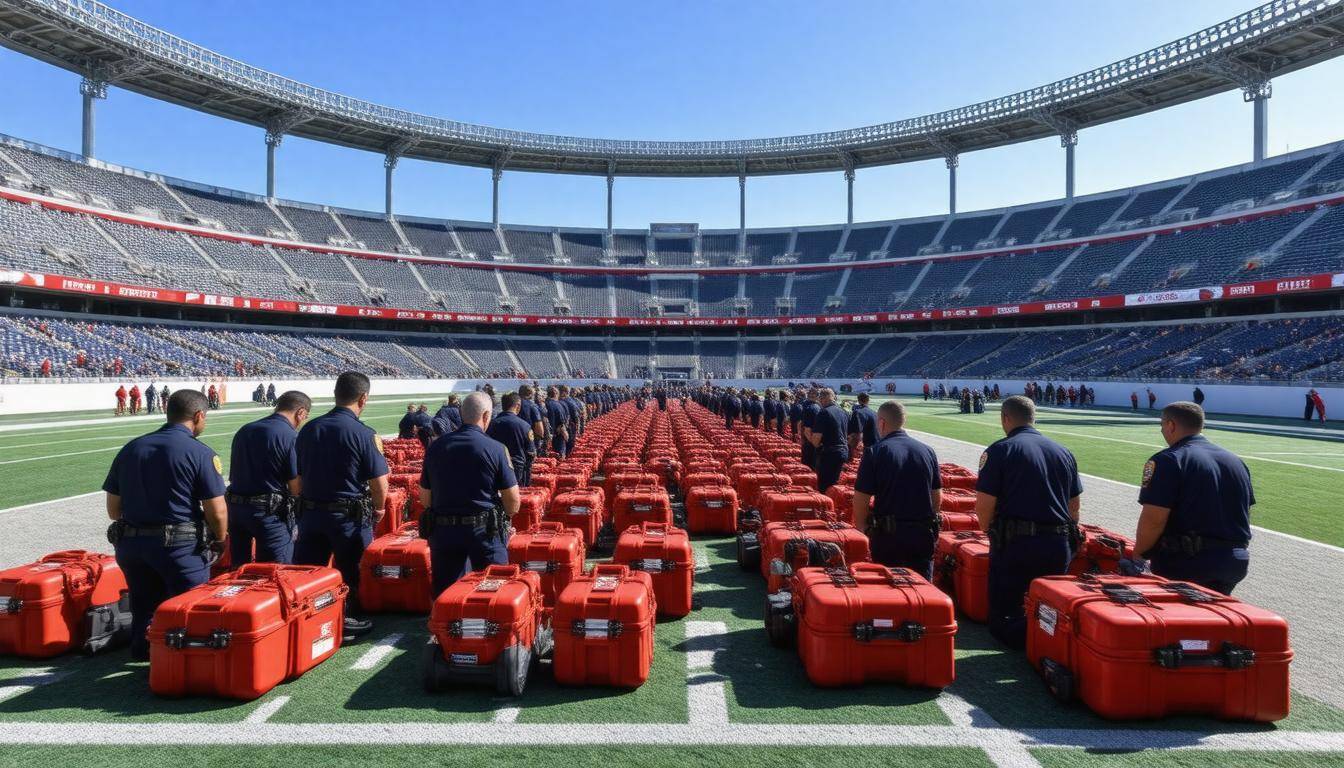
Regular practice drills are crucial for ensuring both staff and visitors know what to do in an emergency. It fosters a sense of readiness, familiarizing everyone with the action plans that could save lives. Imagine the stadium during a bustling event where alarms go off; chaos can ensue if people don’t know where to go or what to do. By scheduling these drills several times a year, you’re not just checking a box but investing in safety.
Implementing Drills
The implementation of drills starts with informing staff and stakeholders about the drill schedule. Transparency is key, but keep it fluid. Provide clear instructions while refraining from disclosing specific times. This way, when the day arrives, everyone remains focused and engaged—similar to how life feels during an unexpected situation. It’s all about simulating reality, so participants get the most realistic experience possible.
Once preparations are made, let’s dive into the different types of drills you can execute.
Types of Drills
-
Full-scale exercises: Comprehensive drills that involve the entire stadium, mimicking real-life scenarios as closely as possible. Everyone—from security personnel to concession stand employees—participates, providing invaluable experience in practicing response protocols while keeping the crowd safe.
-
Tabletop exercises: These focus more on strategic planning and discussions rather than physical movement. They allow team members to sit down together and analyze various emergency situations while discussing their planned responses, honing problem-solving skills in a low-pressure environment.
Research has consistently shown that facilities conducting regular drills tend to achieve higher success rates during actual emergencies. Familiarity breeds confidence—participants who have navigated emergency protocols before can react more effectively than those who haven’t practiced at all. Each drill enhances speed and clarity during high-stress situations.
It’s equally important to evaluate the effectiveness of these drills afterward to refine your approach continually and ensure optimal preparedness moving forward. This leads us naturally into considerations around enhancing safety measures and managing crowds effectively.
Boosting Security and Managing Crowds

The importance of security in sports venues cannot be overstated; it plays a pivotal role in ensuring not only the safety of attendees but also the overall enjoyment of the event. By bolstering security protocols, facilities can deter potential threats while streamlining crowd flow. One effective strategy is to invest in both visible and covert security tactics that complement each other to create a comprehensive safety net.
Security Enhancements
-
Metal Detectors: These devices increase checkpoint efficiency by screening guests without significant delays. It’s crucial that staff are adequately trained to operate them effectively to reduce any potential bottlenecks at entry points.
-
Surveillance Cameras: By implementing a network of surveillance cameras, venues benefit from real-time monitoring. However, it’s important to ensure respect for data privacy laws while using these systems to protect both patrons and personnel.
-
Trained Security Personnel: The presence of well-trained personnel provides an immediate response capability in case any issues arise during an event. Effective communication protocols among staff are vital so everyone is aware of their roles during emergencies.
A well-rounded security strategy combines several facets to create an environment where guests feel safe and secure, allowing them to enjoy the game or concert without apprehension.
In fact, according to a report by the Department of Homeland Security, stadiums that employ a mix of these measures experience a 30% higher success rate in managing security-related incidents. This statistic speaks volumes about how proactive approaches can lead to safer environments.
Moreover, adapting and familiarizing crowd management strategies is essential as they evolve with each sporting season. As larger crowds gather for major events, understanding traffic patterns and potential choke points becomes necessary for effective management. By adjusting routes for entry and exit based on past incidents or evolving infrastructure needs, venue managers can keep guests moving smoothly while enhancing safety.
Thus, investing time in effective training programs for both technology operators and personnel can significantly impact the prevention of emergencies. Clear communication must be paired with proactive measures to ensure both visitor safety and emergency preparedness at all times.
In summary, comprehensive security enhancements and crowd management strategies not only safeguard attendees but also enhance their overall experience at sports events. Prioritizing these elements is essential for any successful venue operation.