
Flooding can feel like an uninvited guest, showing up when you least expect it and leaving behind a mess that’s tough to clean up. For residents of St. Petersburg, this isn’t just a passing concern—it’s a reality shaped by geography, weather patterns, and even the decisions made by previous city planners. The impact of flooding can be overwhelming, not only affecting homes but also livelihoods and safety. In this guide, we’ll explore essential steps for protecting yourself and your family from flood risks while highlighting local resources and community action that make a difference. Being prepared means staying one step ahead of potential water damage, and with the right knowledge in hand, you can take control even before the clouds gather overhead.
The St. Petersburg Flood Protection Checklist should include securing important documents, creating an emergency kit with food and water supplies, elevating appliances above flood level, and having a clear evacuation plan in place. Additionally, it’s crucial to monitor local weather updates and review insurance policies to ensure adequate coverage against flooding.
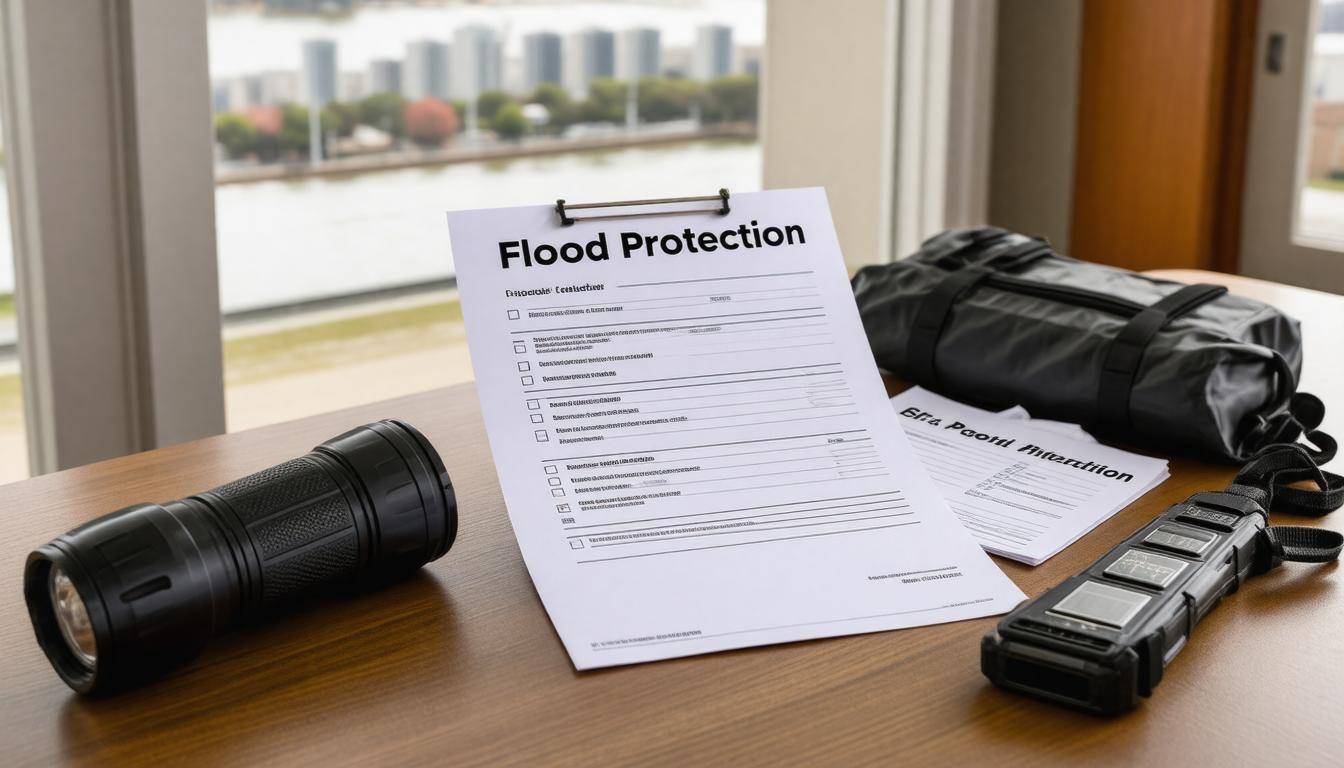
St. Petersburg Flood Protection Overview
St. Petersburg’s strategic location along the Gulf of Mexico, combined with its low-lying topography, makes it a prime target for flooding. The city faces threats not only from hurricanes but also from less dramatic weather events that can lead to significant water accumulation. For instance, during heavy rainstorms, areas already prone to flooding can easily become overwhelmed, disrupting daily life and threatening property.
While the statistics can be daunting—NOAA indicates that sea levels in parts of St. Petersburg may rise by as much as 1.5 to 3 feet by 2050—the city’s resilience depends on proactive measures taken prior to disaster striking.
This necessity emphasizes the importance of planning and executing effective flood management strategies tailored to the unique challenges faced by Saint Petersburg.
One primary step towards enhancing flood protection involves investing in infrastructure improvements. This includes constructing sea walls, enhanced drainage systems, and retention basins designed to manage excess water more effectively. Additionally, retrofitting existing buildings to withstand rising waters ensures that both new constructions and older structures are safeguarded against environmental changes.
Moreover, community engagement plays a crucial role in creating awareness. By encouraging residents to participate in emergency preparedness drills and informing them about available resources, authorities can cultivate a strong community response to flood threats. This collective effort amplifies individual resilience while fostering a sense of unity among neighbors during crises.
Another noteworthy aspect is utilizing technology for monitoring and forecasting weather patterns, which greatly aids in early warning systems.
Implementing advanced weather tracking systems allows local officials to issue timely alerts before severe weather events occur. These predictions enable residents to prepare accordingly—whether it’s securing their properties or evacuating if needed. While these systems cannot change the weather, they significantly reduce chaos when flooding approaches, giving residents precious time to act.
Understanding St. Petersburg’s vulnerabilities leads to smarter decision-making and proactive actions that save lives and protect property from relentless flooding risks. With this foundation laid out, we now turn our focus toward exploring the intricate history and ongoing challenges that shape the city’s approach to these environmental threats.
Historical Context and Challenges
St. Petersburg’s relationship with flooding is deep-rooted and reflects both natural events and urban development decisions. The city’s geographic location, nestled near Tampa Bay and the Gulf of Mexico, places it in a precarious position prone to storm surges and heavy rains. Events like the 1921 Tampa Bay Hurricane serve as reminders that flooding is a persistent threat throughout the city’s history. This hurricane led to devastating floods downtown, shaking the foundation of how water management was approached in future developments.
Early Infrastructure Responses
After enduring significant flooding, particularly evident during the 1935 Great Flood, city planners were spurred into action. While there were attempts to create early flood-prevention infrastructure, these measures often fell short. They represented initial efforts at planning but were limited in scope, addressing only immediate concerns rather than anticipating future challenges posed by climate change and urban growth.
This lack of foresight can often be attributed to an underestimation of how growing populations would change drainage needs over time. As the city expanded through the 1960s with new roads and buildings, impervious surfaces increased significantly. The more concrete that replaced natural landscapes, the less ground was available to absorb rainfall, meaning that more water would run off quickly into already overstrained drainage systems.
The Modern Landscape
Fast forward to today, and St. Petersburg finds itself revisiting these same issues brought on by earlier expansions during the 2017 Hurricane Irma, exposing both citizens and officials to inadequacies in existing flood defenses. The aftermath of this hurricane underscored not only the need for immediate response plans but also for comprehensive, long-term solutions that take into account lessons learned from decades of flooding history.
- Historical Flood Events:
- 1921 Tampa Bay Hurricane: Extensive flooding in downtown.
- 1935 Great Flood: Initiated city plans for flood control.
- 1960s Urban Expansion: Increased impervious surfaces and runoff issues.
- 2017 Hurricane Irma: Exposed glaring weaknesses in current flood defenses.
With a clear understanding of how historical events have shaped infrastructure decisions and awareness of current vulnerabilities, we can transition into exploring pragmatic strategies designed to address flood risks effectively within this coastal city environment.
Effective Flood Protection Measures

Implementing effective measures is essential for safeguarding St. Petersburg from the relentless threat of floodwaters. In the short term, sandbagging remains one of the most popular approaches among residents facing imminent flooding. By filling sandbags with local soil or sand and strategically stacking them, you create a temporary barrier that can redirect water flow away from vulnerable areas. Use weather-resistant materials if possible for enhanced durability, especially if you expect heavy rainfalls.
Portable flood barriers offer another layer of protection. These can be quickly deployed to shield critical infrastructure or homes where water intrusion poses the greatest threat. Equipped with quick-connection mechanisms, they provide flexibility to respond in real-time during flooding events. If you find yourself in an emergency situation, keep these barriers on hand or stored nearby for immediate access.
While sandbags and barriers are useful in immediate emergencies, there’s also a proactive approach through storm drain clearance. Regularly inspecting and clearing storm drains ensures that water can flow freely—keeping excess rainwater at bay and significantly reducing pooling on streets and neighborhoods. Inspect your local system after every significant rainfall, taking note of any areas that consistently back up or fail to drain properly.
Long-Term Measures
Transitioning to long-term measures can yield lasting benefits for the community. One prominent strategy is urban planning, which emphasizes limiting construction in flood-prone areas. Young trees absorb substantial amounts of rainwater; thus, preserving existing green spaces enhances the ground’s natural drainage capabilities. Moreover, preventing new development near these sensitive zones not only protects structures but also minimizes potential loss of life during extreme events.
Another aspect worth considering is green infrastructure. Imagine transforming underutilized lots into parks or community gardens designed specifically to absorb excess rainwater. These areas are not just aesthetically pleasing; they play a pivotal role in managing stormwater runoff while increasing property values. Engaging with local communities about these projects can foster support and encourage participation.
Finally, implementing floodplain management measures through zoning laws is crucial in shaping a sustainable future for St. Petersburg. Zoning regulations can prevent vulnerable developments in high-risk areas and determine appropriate land uses based on flood risk assessments. These laws are not just bureaucratic hurdles; they’re essential steps toward protecting the community from future disasters.
Looking at other cities’ experiences can also inform our strategies—consider New Orleans post-Katrina, where robust green infrastructure and comprehensive floodplain management reduced flooding risks remarkably. The city turned challenges into opportunities for improvement, proving that governance policies grounded in long-term vision yield significant dividends.
With this understanding of effective flood protection measures in place, we now turn our attention to examining specific projects that provide robust defenses against severe flooding scenarios in St. Petersburg.
Storm Surge Barriers and Seawalls
Storm surge barriers and seawalls are critical components of a comprehensive coastal defense strategy, particularly in places like St. Petersburg where rising sea levels pose an ever-increasing threat. Seawalls act as the first line of defense, constructed to absorb the impact of waves and minimize flooding by redirecting water away from vulnerable areas.
However, it’s becoming increasingly clear that many existing seawalls, though initially designed for stability, require significant upgrades to withstand the challenges presented by climate change.
Upgrading these structures is not just about replacing old materials; it’s about enhancing resilience against more powerful storms and unpredictable weather patterns.
According to a study by the American Society of Civil Engineers (ASCE), properly enhancing these seawalls could potentially reduce flood damages by as much as 70%. Imagine that: a proactive investment in infrastructure leading to substantial savings in property damage and, more importantly, safer communities.
Modernizing Storm Surge Barriers
The modernization of storm surge barriers is essential for effective long-term flood prevention. This involves several innovative strategies designed to improve their functionality while considering future storm conditions and sea-level rise.
-
Retractable Barriers: Take a cue from world-renowned structures like the Thames Barrier in London. These retractable barriers can be deployed quickly during major storm events, effectively blocking incoming surges when they’re most needed. Such systems provide flexibility and prevent major disruptions during normal conditions.
-
Combination Systems: Another promising approach includes using both fixed and movable barriers for enhanced protection. By employing a combination system, communities can ensure constant protection without the need to shut down public spaces or access points unnecessarily on calm days.
Countries like the Netherlands have taken this concept further with advanced technologies such as the Maeslantkering, which automatically closes when water levels reach critical thresholds. This method not only improves safety measures but reduces response time during emergencies—an invaluable asset when every second counts.
While these barriers focus on buffer zones directly against storm surges, it’s crucial to also explore how levees can complement these efforts by addressing potential inland flooding challenges that may arise alongside coastal defenses.
Levees and Infrastructure Upgrades
Upgrading levees and other critical infrastructure is essential in flood-prone zones. Levees act like shields against encroaching water, designed to hold back both river and coastal flooding. However, as climate change accelerates and storms grow more severe, many existing levees in St. Petersburg require bolstering to withstand modern flood risks. Imagine a worn-out dam, barely holding back a raging river; that’s what outdated levees represent.
Research from FEMA has pinpointed various levees in the region that need reinforcement. These reports emphasize that without targeted investments, the effectiveness of these structures could diminish significantly. For instance, imagine living near the coastline and finding out your closest protective barrier isn’t up to snuff—it can be a frightening thought for any resident. Reinforced levees will not only protect homes but also safeguard vital community infrastructure—schools, hospitals, and roads—from potential disaster.
Investments in infrastructure—think advanced pump stations or improved floodgates—are equally vital in this context. Experts from the US Army Corps of Engineers have estimated that enhancing these facilities could prevent approximately $2 billion in damages every year throughout the United States. That’s money that can be redirected into community improvements rather than repairs after catastrophic events.
An inspiring initiative comes from Sacramento, CA, where a new levee system has demonstrated remarkable efficacy in mitigating flood risks while serving as a model for cities like St. Petersburg. This innovative solution incorporates multiple layers of protection including advanced monitoring systems and responsive floodgates. The successes observed there provide valuable lessons on what to emulate and what pitfalls to avoid amidst the ever-evolving landscape of flood defense technology.
While upgrading these barriers is crucial, it’s equally important to invest in community awareness and preparedness strategies to ensure resilience during an impending crisis. With this in mind, we can turn our attention to actionable steps everyone can take to bolster their own safety measures.
Emergency Preparedness Steps
Before any flood event occurs, having a well-thought-out emergency plan can make all the difference. Start by creating a Family Emergency Plan that outlines evacuation routes and communication strategies. This plan should involve everyone in your household; knowing what to do in an emergency eases anxiety and ensures that everyone is on the same page.
Consider designating a safe meeting point outside your neighborhood where family members can regroup if separated. You might be amazed at how a little bit of planning can bring peace of mind.
Alongside this plan, assembling an Emergency Kit is vital for ensuring that you’re ready for anything.
When putting together this kit, think of essentials like water, non-perishable food, medications, first aid supplies, flashlights, batteries, and important documents such as insurance papers or IDs. Remember to pack enough supplies to last at least 72 hours, as it may take time for help to arrive during significant flooding. By having everything you need in one transportable bag or container, you will enable yourself to act quickly when the time comes to evacuate.
Additionally, staying informed plays a crucial role in being prepared for a flood.
Signing up for local weather alerts and warnings keeps you updated on flooding conditions and hazards in real time. Smartphone notifications or radio broadcasts can provide life-saving information about evacuation orders and weather warnings as they unfold. Keeping a battery-powered radio in your emergency kit allows you access to these updates even when power fails.
Once the flood has actually started, it’s imperative to stay calm and act decisively.
Evacuate immediately if local authorities advise you to do so; their instructions are grounded in expertise about the situation at hand. It may seem tempting to wait out the storm at home or attempt to move personal belongings, but remember that floodwaters can rise quickly and unexpectedly. If you find yourself stuck during a flooding event, avoid those dangerous waters; walking or driving through them can put you at serious risk for injury from swift currents or hidden debris.
Safety during the event is paramount; knowing where to go if you cannot evacuate is essential.
Make sure you have identified higher ground or upper floors in your home where you can seek refuge until it’s safe to leave. Always have an emergency plan that involves specific rescue points if necessary.
After the floodwaters recede, it’s easy to feel overwhelmed about returning home, but safety remains critical.
Wait for official clearance from local authorities before heading back home. Once you return, document all damages methodically—taking photographs not only helps with insurance claims but also serves as helpful evidence if needed later on. When finally stepping back into your home, prioritize sanitation; using diluted bleach solutions can help eliminate any potential mold and bacterial growth that might arise from flooding.
Remember: Flood preparation is not just reactive; it’s also about making thoughtful and proactive decisions that ultimately safeguard you and your loved ones against unforeseen emergencies.
Building upon these essential steps, we next turn our attention to effective measures for protecting coastal property from similar threats.
Coastal Property Protection Tips
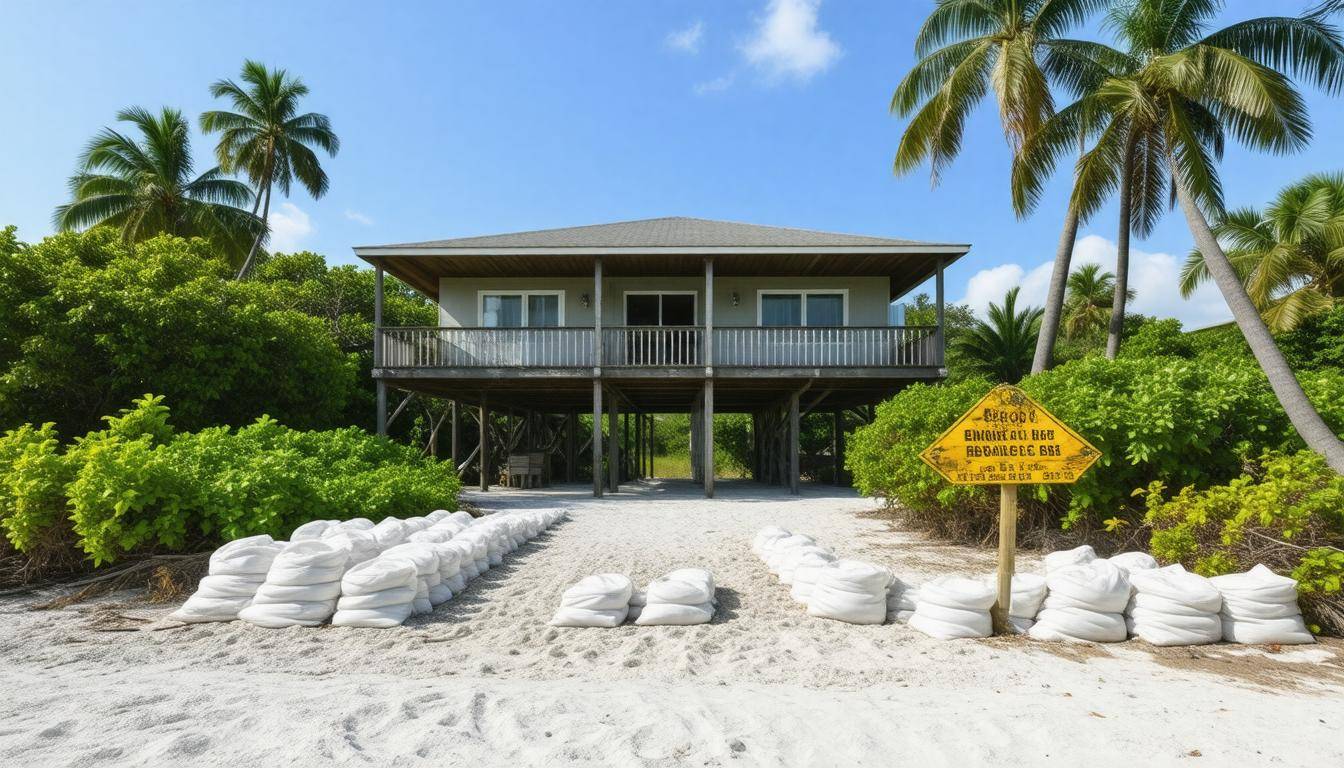
Homeowners in coastal areas face unique challenges when it comes to flood protection. While each property requires tailored strategies, the fundamental goal remains the same: safeguarding your home from water damage. The more proactive you are, the better protected your home will be against nature’s unpredictable temperament.
Elevate Structures
One of the most effective ways to prevent floodwaters from entering your home is through elevation. Raising structures not only reduces the immediate risk of water damage but also opens up space for floodwaters to flow beneath, preventing your living areas from becoming inundated. Many homeowners attest to the significant difference that even a few additional feet can make.
As Sarah Thompson noted, elevating her home by two feet during last year’s storm was paramount in avoiding water damage.
However, elevation is just one piece of a larger puzzle.
Install Flood Vents
Installing flood vents serves as another crucial measure; these specially designed openings allow water to effortlessly pass through your foundation rather than exerting pressure against it. This minimizes structural damage and protects your foundation from destructive forces during flooding events. Properly placed flood vents can make a world of difference, essentially acting as a safety net when waters rise unexpectedly.
While these measures significantly improve resilience against flooding, don’t underestimate the impact of securing your basement and crawl spaces.
Seal Basements and Crawl Spaces
Sealing basements and crawl spaces should never be overlooked. This essential step involves utilizing waterproofing materials designed to keep moisture at bay effectively. Various coatings and sealants can help prevent any seepage of water during heavy rains or flooding. Implementing this protective approach can save you from costly repairs while maintaining a dry environment that wards off mold growth and other moisture-related issues.
Now let’s not forget the importance of landscaping in managing excess water runoff.
Landscape for Flood Control
Lastly, landscaping for flood control can provide a natural defense against excess water. Consider planting vegetation that absorbs moisture or creating rain gardens that help divert runoff away from your home. By designing your outdoor space with these elements in mind, you’re not only enhancing the aesthetic appeal but also fostering a resilient landscape that interacts harmoniously with nature’s cycles.
Incorporating these foundational coastal property protection tips not only safeguards your home but also emphasizes the significance of community efforts in building a collective defense against the rising waters and storms we face ahead.
Community Action and Involvement
Effective flood protection involves not just individual efforts but also the entire community actively working together. One of the most impactful ways to do this is by participating in your local government meetings. This engagement allows residents to advocate for better flood control measures and push for the allocation of funds necessary for essential upgrades to infrastructure. When people come together, their voices become louder, making it difficult for decision-makers to ignore critical issues like flood management.
Furthermore, residents can organize or join community clean-up drives aimed specifically at clearing storm drains and culverts. These initiatives play a crucial role in preventing blockages that commonly lead to flooding. Just think about how often debris gathers in these areas; when left unattended, it can create significant water buildup during heavy rains. By committing a little time to these efforts, you help ensure that rainwater can flow freely without obstruction.
Regular upkeep of storm drains can make a substantial difference in a community’s ability to manage water overflow effectively.
Another powerful form of community involvement comes from establishing neighborhood watch groups that focus not only on crime prevention but also on monitoring flood-related issues. These groups can play an essential role by staying vigilant and promptly reporting problems like clogged drains or erosion near waterways. The quicker a problem is reported, the quicker a solution can be implemented—this proactive approach cultivates a culture of responsibility among residents.
However, it’s important to remember that collaborative efforts make St. Petersburg safer; this is not a one-time endeavor—it requires consistent involvement and awareness from all residents. Maintaining accountability and fostering open communication within the community ensures that everyone has an active role in safeguarding their surroundings.
By embracing these community-led initiatives, residents contribute significantly towards creating a resilient framework against flooding, ensuring that St. Petersburg remains prepared for any weather challenges ahead.
In summary, collective action and continuous vigilance from the community are key components in strengthening flood protection measures in St. Petersburg. Every effort counts in building a safer environment for all residents.
How often should residents review and update their flood protection plans?
Residents should review and update their flood protection plans at least once a year or whenever there is a significant weather event, change in local policies, or alterations to their property. This frequency helps ensure that the plan remains relevant and effective, as conditions can change rapidly and new data may influence flood risks. According to FEMA, areas prone to flooding can face significant risk increases due to climate change, so regular updates are crucial for maintaining safety and preparedness.
Are there any local resources or organizations that provide assistance with flood preparation?
Yes, St. Petersburg residents can rely on local organizations such as the Pinellas County Emergency Management and the St. Petersburg Fire Rescue for assistance with flood preparation. These agencies offer resources like evacuation routes, emergency kits, and safety workshops to ensure community preparedness. Additionally, statistics show that areas with proactive flood management resources have reduced flood-related property damage by up to 40%, emphasizing the importance of utilizing these local services for enhanced safety during potential flooding events.
What materials are recommended for building flood barriers or elevation of property?
For constructing effective flood barriers or elevating properties, materials such as reinforced concrete, steel, and advanced synthetic membranes are highly recommended due to their durability and resistance to water penetration. Reinforced concrete can withstand significant water pressure and erosion, while steel offers structural strength. According to FEMA, elevating homes above the Base Flood Elevation (BFE) can reduce flood damages by about 70%, underscoring the importance of using robust materials to enhance flood resilience in areas like St. Petersburg.
What specific measures can homeowners take to prevent flood damage in St. Petersburg?
Homeowners in St. Petersburg can take several specific measures to prevent flood damage, such as elevating their property above the base flood elevation, installing flood vents to allow water to flow through, and utilizing landscaping techniques like swales to redirect runoff. According to FEMA, properties elevated above flood levels can reduce flood insurance premiums by as much as 25%, emphasizing the financial benefits of proactive measures. Additionally, maintaining clear drainage systems and using waterproof barriers can further protect homes from future flooding risks.
What should be included in a home inventory to ensure proper insurance coverage for flood-related damage?
A comprehensive home inventory for flood-related insurance coverage should include a detailed list of all valuable items, their purchase dates, and receipts or appraisals when available. Additionally, incorporating photographs of each item and noting serial numbers helps substantiate claims. In fact, statistics show that having an organized inventory can expedite the claims process by up to 50%, ensuring you receive appropriate compensation for any damaged property after a flood event. Don’t forget to include major household appliances, furniture, electronics, and personal possessions like jewelry or artwork to cover all bases.