
When emergencies happen, knowing who to call can be the difference between chaos and calm. Whether it’s a natural disaster, a local emergency, or unexpected crisis, having quick access to reliable contact information for emergency services is crucial. This article serves as your guide, laying out essential contacts from state emergency management agencies across different regions in the United States. With clear details and easy-to-understand instructions, we aim to equip you with the resources you need, ensuring that when moments of urgency arise, you’re not left searching for answers. Let’s dive into this vital information so you and your community can stay prepared.
You can find the State Emergency Management Contact List by Region on the official U.S. government website, which provides detailed contact information for each state’s emergency management agency. This resource is essential for local authorities and citizens during disasters, helping ensure effective communication and coordination in emergency situations.
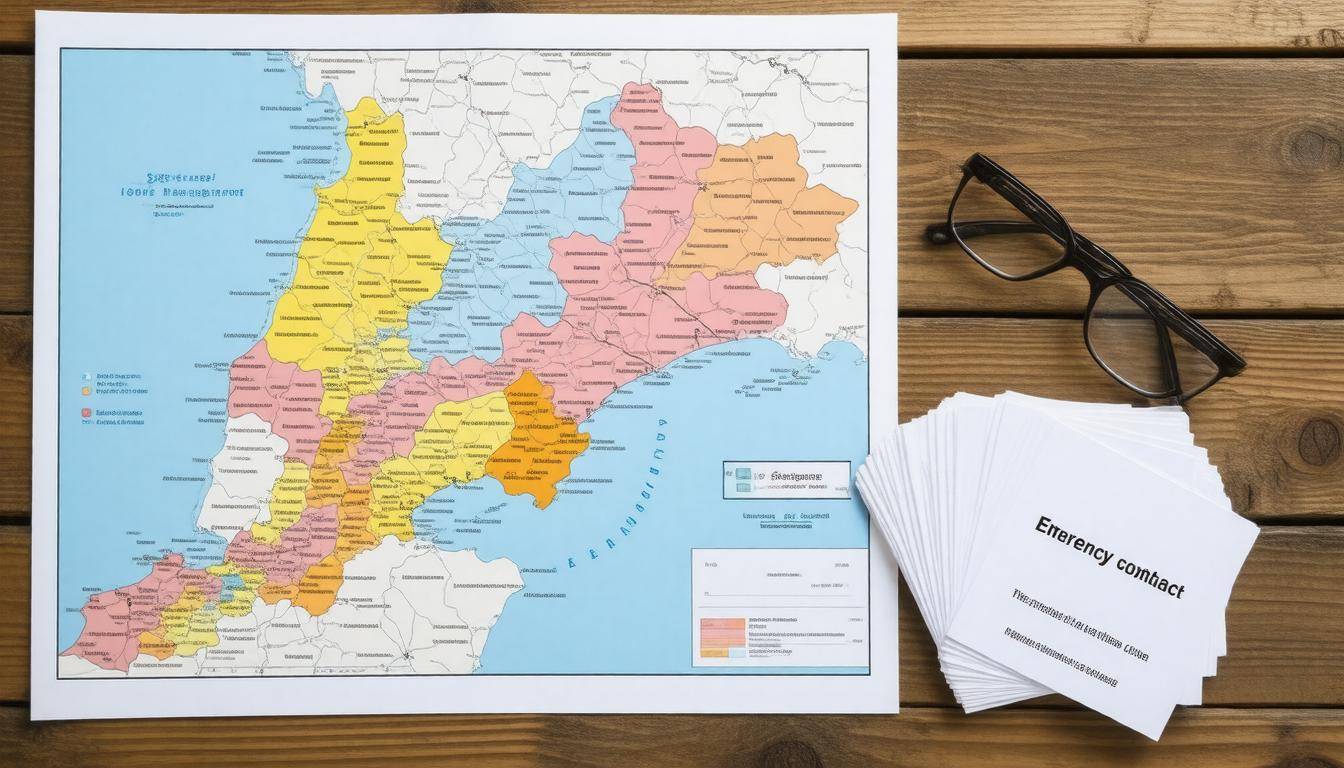
State Emergency Management Contacts by Region
In times of crisis, the lifeline to safety often lies in knowing whom to reach out to. Each state has its own dedicated emergency management agency designed to provide swift assistance and coordinate disaster response. By dividing these agencies by region, citizens can more quickly access the support they need.
Let’s explore the contacts across different regions, starting with the Western region.
Western Region Contacts
The Western region has a robust framework for handling emergencies. Here are the key contact points:
-
California: For essential support, contact the California Governor’s Office of Emergency Services (Cal OES) at (916) 845-8510. They guide residents through significant disasters including wildfires and earthquakes.
-
Oregon: Reach out to the Oregon Office of Emergency Management at (503) 378-2911. This office provides resources for tackling natural disasters like floods and hazardous debris flows.
-
Washington: In Washington, call the Washington Emergency Management Division at (800) 562-6108 for information on preparing for emergencies related to storms or other natural events.
Following that vital information about the West, let’s move eastward to look at the heartland of America—the Midwestern region.
Midwestern Region Contacts
The Midwest is often exposed to unique weather situations, including tornadoes and severe storms; therefore, having reliable contact information becomes essential for community safety.
Below are important contacts for the Midwestern states:
-
Illinois: To connect with resources during an emergency, Illinois residents should reach out to the Illinois Emergency Management Agency at (217) 782-2700. They focus on coordinating responses during widespread disasters.
-
Michigan: The Michigan State Police, overseeing the Emergency Management & Homeland Security Division can be reached at (517) 284-3745, providing excellent guidance during times of crisis.
-
Ohio: For assistance in Ohio, dial the Ohio Emergency Management Agency at (614) 889-7150, where officials can offer critical recovery resources during local disasters.
Each region has its own distinct needs based on geography and weather patterns, so now let’s turn our focus toward the Southern region.
Southern Region Contacts
The Southern United States faces its own set of challenges such as hurricanes and flooding; hence, having prompt access to emergency services is vital.
Key contacts in this region include:
-
Florida: Citizens can reach the Florida Division of Emergency Management by calling (850) 815-4000 to prepare for looming hurricane seasons or sudden tropical storms.
-
Texas: To manage accidents or evacuations in Texas, it’s critical to contact the Texas Division of Emergency Management at (512) 424-2208—especially relevant given recent storm events.
-
Georgia: In Georgia, reach out to the Georgia Emergency Management and Homeland Security Agency at (404) 635-7000 for streamlined disaster services in times of need.
Having this comprehensive knowledge of regional contacts prepares individuals to take action when it matters most and seamlessly connects us to discussing critical lines of communication in emergency situations.
Key Emergency Response Contacts
Besides the invaluable resources available through state agencies, it is equally important to familiarize yourself with local emergency response contacts who can be indispensable during a disaster. These agencies work alongside governmental organizations and provide critical services that impact the safety and well-being of individuals and communities.
FEMA Contacts
The Federal Emergency Management Agency (FEMA) serves as a primary resource for individuals seeking federal disaster assistance. When disaster strikes, FEMA acts quickly to coordinate resources, distribute aid, and direct emergency response efforts on a national scale. Their regional offices play a crucial role in providing localized support, and having their contact numbers at your fingertips can facilitate faster communication when you need it most. If you find yourself needing assistance, remember these regional contacts:
-
Region I (New England): (617) 956-7506
-
Region VI (Texas, Louisiana, etc.): (940) 898-5399
It’s worth noting that each regional office addresses specific states in its jurisdiction, allowing them to tailor responses based on regional needs.
Alongside FEMA, other key agencies play vital roles, contributing significantly to emergency management protocols.
American Red Cross Contacts
In addition to FEMA, the American Red Cross operates on the front lines during emergencies. They are well-known for providing shelter, food, and emotional support when disasters strike—a vital service in times of distress. If you find yourself or someone you know in need of assistance following an emergency, reaching out to your local chapter is a wise first step. Each region has specific chapters, and contact information can typically be found on the American Red Cross website. For example:
- For inquiries in the Northeast Region, you can access quick assistance through chapter hotlines listed online.
Familiarizing yourself with these vital contacts—FEMA and the American Red Cross—empowers you and your community to respond effectively in times of crisis. Having this information readily available ensures preparedness when it matters most, drastically reducing response times and increasing efficiency in receiving help.
As we continue exploring important resources, let’s examine further agency services that enhance local emergency response capabilities.
Regional Agency Hotlines

Each state typically has a network of regional agency hotlines designed to provide continued assistance before, during, and after emergencies. These hotlines connect individuals with vital resources tailored to their specific needs. Families can reach out for help with local services ranging from health care to housing assistance or even food security. Each hotline serves as a hub, directing callers to the right departments that can effectively address their concerns.
To illustrate, let’s take a closer look at some significant hotlines across various states:
-
Florida: The Florida Department of Children and Families operates a Child Abuse Hotline at (800) 962-2873. This line handles reports on child welfare and ensures that families receive the support they require.
-
Texas: The Health and Human Services Commission Hotline at (877) 541-7905 provides information on public assistance programs that help meet immediate family needs.
These hotlines act as bridges connecting residents with essential services that contribute to community resilience.
Furthermore, collaborations between local agencies enhance the effectiveness of these regional hotlines. By working together—be it through shared databases or coordinated strategies—these organizations ensure simplified access for those in need. Communities often conduct outreach programs where hotline staff inform residents about available resources. This proactive approach means that individuals are not only reacting to emergencies but also being educated on how to prevent them in the first place.
Having knowledge of your local agency hotlines can significantly shorten your research time in times of need. Knowing who to call—and when—can make a difference in a stressful situation.
With this understanding, community members can navigate these support systems adeptly, allowing for a more effective response in challenging times as we shift our focus toward the importance of strategic partnership and unified efforts within these structures.
Coordination and Collaboration
When disasters strike, the difference between chaos and order often lies in how well local, state, and federal agencies work together. This coordination isn’t just a bureaucratic necessity; it is the backbone of any effective emergency management strategy. Effective collaboration means that each agency recognizes its role, understands the strengths of others, and shares information openly. Such synergy allows for a multiplier effect—one person’s strengths can enhance another’s efforts to ultimately benefit those in need.
Interagency Coordination
Regular meetings become essential in building these relationships. These gatherings are not just routine check-ins; they offer a chance for team members from different levels of government to discuss strategies, share resources, and establish unified command structures. With every encounter, trust builds, which is vital when time is of the essence during emergencies.
During Hurricane Helene, we witnessed first-hand how critical this interagency coordination can be. Multiple agencies came together, sharing real-time data like weather conditions and resource availability. This shared understanding created a collective action plan that ensured an effective response—shelters were opened promptly, evacuation routes were communicated clearly, and resources were allocated efficiently.
With each successful disaster management operation, the framework for future planning gets stronger and more refined.
The process doesn’t end with the immediate response; post-disaster evaluation sessions also play a significant role in enhancing coordination efforts. These evaluations encourage agencies to reflect on what worked well and what didn’t. Lessons learned during an incident become valuable tools for training, ensuring preparedness remains strong for the next challenge. By creating reports that detail both successes and areas needing improvement, agencies lay down a roadmap for future collaborations that can handle escalating challenges.
As experiences accumulate through every incident managed collectively—be it wildfires in California or hurricanes on the East Coast—the next step involves focusing on how these insights inform actionable strategies for enhanced preparedness.
Disaster Planning Resources
Proactive planning can make a significant difference when a disaster strikes. It’s like having an emergency umbrella; you hope you won’t need it, but if rain arrives unexpectedly, you’re grateful for being prepared. State emergency management agencies offer a wealth of resources to equip families and communities to handle emergencies effectively. Among these, essential tools and kits are vital components that everyone should consider.
Essential Tools and Kits
These resources typically include:
-
Emergency Kits: A well-thought-out emergency kit is your first line of defense against unforeseen events. This kit should contain essentials like water, non-perishable food, medications, flashlights, batteries, and hygiene items. You’d be surprised how easy it is to overlook something as simple as a first aid kit or spare eyeglasses, yet they could be crucial in an emergency situation.
-
Evacuation Plans: Having clear evacuation plans is critical. These documents are more than just instructions—they often include maps detailing safe exit routes from your area and guidance on what to take with you during an evacuation. Making a plan not only calms anxiety but can also save lives by ensuring everyone knows their role and destination ahead of time.
-
Community Plans: Communities often devise their strategies for disaster response. These plans include designated meeting points where individuals can regroup after separation and focus on collective safety. Community involvement is critical during disasters since people are more likely to flourish with the support of those around them.
As we continue on this path toward improving our preparedness, it’s essential to discover how communication tools play an integral role in facilitating assistance during emergencies.
Essential Email Directories

Email remains a powerful tool for coordination and dissemination of information. In times of crisis, having reliable contact information readily available can make all the difference in mobilizing resources quickly and efficiently. Although face-to-face communication is important, email allows for clear, documented exchanges which can be referred back to as needed. Staying updated and connected through essential email directories is necessary.
State Agency Email Lists
One effective way to streamline your communication during emergencies is by subscribing to state emergency management email newsletters. These emails provide updates on new initiatives, disaster preparedness tips, and critical information during an emergency. Here are some key contacts:
- California: info@caloes.ca.gov
- Texas: txem@dps.texas.gov
By keeping tabs on these communications, you gain insights into what your local agencies are doing to prepare for and respond to disasters. It empowers residents with the knowledge needed to navigate difficult situations.
Regular updates from state agencies not only keep everyone informed but also foster a sense of community connection during crises.
Additionally, maintaining personal email directories of local agencies alongside these state contacts is incredibly important. Your list should include fire departments, non-profit organizations involved in disaster relief efforts, and even healthcare facilities within your area. A comprehensive directory will enable swift response times when it matters most. Imagine needing urgent assistance and having the ability to send a quick email to multiple agencies simultaneously—this could significantly expedite support.
To effectively manage these email directories, consider creating a simple spreadsheet where you can organize contacts by category (such as “Emergency Services,” “Local Non-Profits,” or “Health Services”). This not only streamlines communication but also ensures that you always have the most current information when emergencies arise.
As we explore these strategies for enhancing communication during crises, it’s essential to consider additional resources that further support community resilience and preparedness.
Additional Assistive Services
Beyond the immediate needs, specialized assistive services are vital for ensuring that vulnerable populations receive the support they require during times of crisis. For instance, dedicated Elderly Assistance programs are designed specifically to help older citizens navigate the complexities involved in evacuations. These programs often include volunteers who are trained to recognize the unique challenges elderly individuals may face, such as mobility issues, and offer tailored assistance that prioritizes their safety and comfort.
In addition to elderly support, there are also Disabled Services that focus on providing necessary accommodations for individuals with disabilities. This can involve arranging specialized transportation options that cater to various physical needs or setting up accessible shelters equipped with essential facilities. Not only do these services help ensure that disabled individuals can evacuate safely, but they also strive to provide mental support, alleviating the stress and anxiety often caused by such situations.
The importance of these services cannot be understated; they act as a lifeline for communities that may find themselves particularly vulnerable in emergency situations.
Now, you might think, “What about me? I don’t need those services.” Well, it’s worth considering: today’s helpers could be tomorrow’s recipients. The reality is that a disaster can affect anyone at any time, and having these systems in place ensures a better outcome for all.
It’s imperative for community planning committees to evaluate how funds are allocated to these assistive services. Effective distribution of resources directly impacts the reach and quality of assistance provided. If more resources were funneled into training staff and volunteers—not just in care techniques but also in understanding the varied challenges faced by these populations—we could dramatically enhance response efforts.
Moreover, proactive engagement with local organizations enhances collective preparedness. Communities that engage in regular drills which include all forms of assistive services—whether through simulations or workshops—tend to foster a cooperative spirit among agencies like the Red Cross, local health departments, and emergency management offices.
As we focus on enhancing these essential support systems, it’s also crucial to consider how we optimize resources and strategies to ensure maximum effectiveness in addressing community needs.
Resource Allocation Strategies
Efficient resource allocation can make a significant difference during emergencies. When communities face crises, every second counts, and the proper utilization of supplies and personnel directly impacts the effectiveness of response efforts. It’s not merely about having supplies stored somewhere; it’s about ensuring they are readily available where they’re most needed, when they’re most needed. Therefore, having strategies in place for dynamic allocation based on real-time data is essential.
Dynamic Allocation Methods
Take a moment to visualize the California wildfires, which have challenged communities time and again. In those dire circumstances, emergency managers used predictive models that assessed both current fire behavior and potential spread patterns. This technological approach allowed them to pre-position firefighting equipment in the areas forecasted to be most at risk. The results? Resources were deployed much faster, significantly reducing damage.
This real-time responsiveness exemplifies how dynamic allocation methods can revolutionize disaster management.
While advanced technology plays an important role in allocation strategies, we must also consider historical data and community demographics. By analyzing past events, emergency managers can identify which regions are more susceptible to specific disasters based on population density and previous incident reports. For instance, if historical data indicates certain neighborhoods in a city are frequent victims of flooding due to inadequate drainage systems, it becomes imperative to ensure these areas receive adequate flood relief resources ahead of potential storms.
Furthermore, understanding demographics is key when allocating resources. A community’s age distribution or socio-economic status can significantly influence how individuals respond to emergencies and their subsequent needs. For example, elderly residents may require more assistance with evacuations or have specific medical needs that must be addressed proactively during disasters.
Planning for Resource Usage
It’s essential to develop operational plans that include detailed insight into the types of resources available—be it food packets, medical supplies, or shelter materials—and their quantities. Allocating resources should take into account not just what is available but also response time metrics. Quick access to necessary supplies can mean the difference between life and death in critical situations.
| Resource Type | Allocation Strategy | Response Time Metric |
|---|---|---|
| Medical Supplies | Pre-position in high-risk areas | < 30 minutes |
| Food and Water | Stockpile according to population | < 1 hour |
| Shelter Equipment | Calculate needs from demographics | < 2 hours |
Effective resource allocation during emergencies hinges on an intricate balance of real-time data analysis, historical trends, demographic insights, and a solid understanding of resource types and required response times. By implementing these strategies, communities stand a better chance at navigating disasters with resilience while minimizing impacts on lives and property.
Ultimately, adaptive planning and proactive measures ensure that aid reaches those who need it most during critical times.